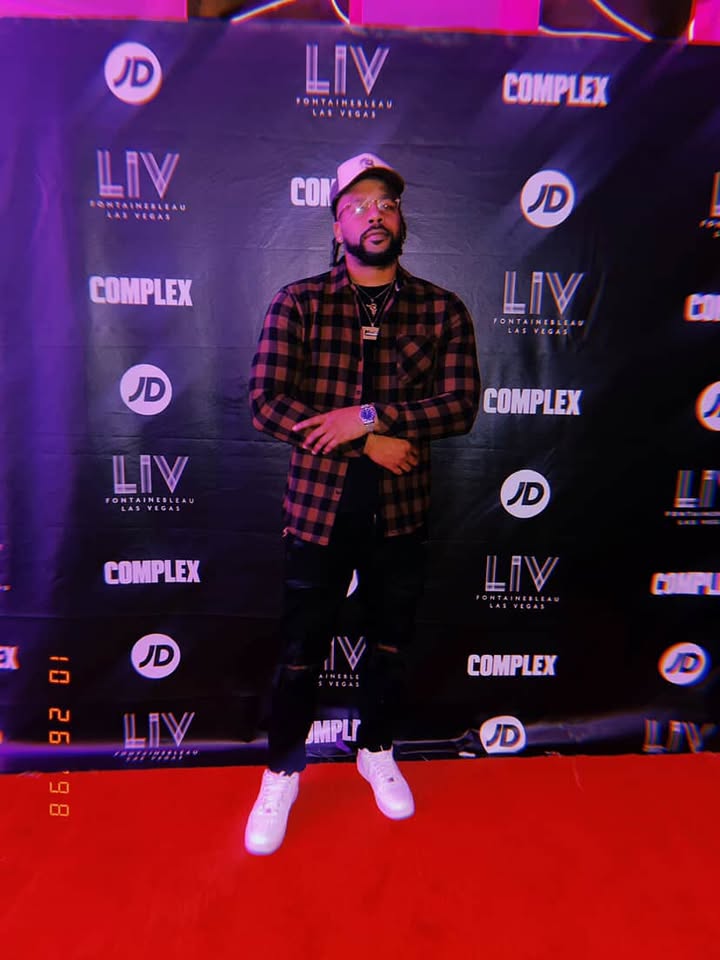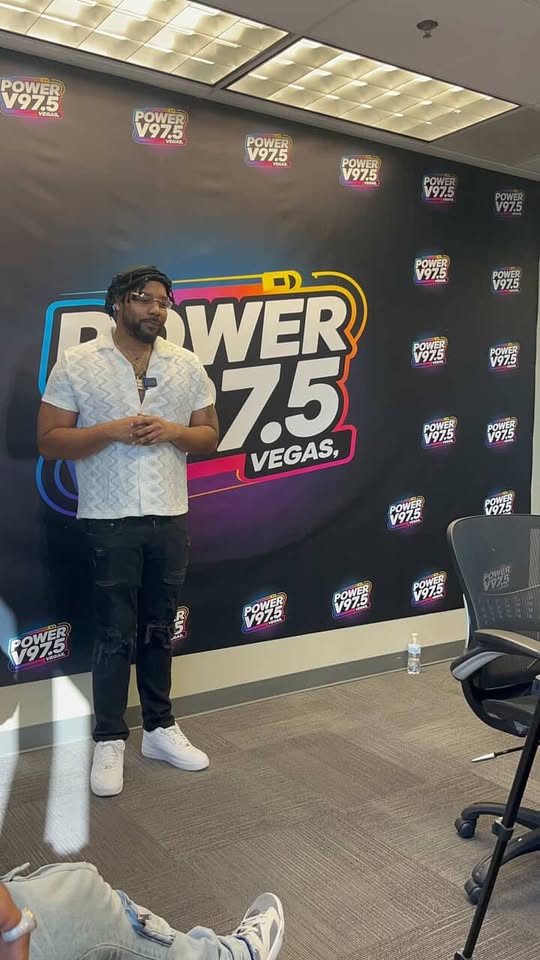

We recently connected with Charles Johnson and have shared our conversation below.
Alright, Charles thanks for taking the time to share your stories and insights with us today. Getting that first client is always an exciting milestone. Can you talk to us about how you got your first customer who wasn’t a friend, family, or acquaintance?
Landing my first client as a catalog broker wasn’t complicated — it was intentional. I’ve always believed that hard work, when paired with strategy, wins.
When I first launched my business, I didn’t have a marketing budget. No paid ads. No PR. No brand awareness. What I did have was sales experience and discipline. I came from a background of cold calling and door knocking, so I approached digital outreach the same way — just modernized.
I built a simple but calculated strategy. Social media became my prospecting database. For every potential client, I had at least three points of contact: direct message, phone number, and email. I committed to sending 100 direct messages per day — 700 per week, nearly 2,800 per month, and just under 13,000 outreach attempts per year.
My mindset was simple: I don’t need everyone. I only need 1%.
One percent of 13,000 is 130 clients. That’s a successful year.
In addition to DMs, I implemented email marketing and SMS outreach using the same consistency-based approach. It wasn’t glamorous — it was disciplined.
That strategy led to my first major deal: a $135,000 catalog transaction. My commission was 10%, which came out to $12,500. I still remember that moment. It wasn’t just about the money — it was validation. Proof that consistency, volume, and belief in your system can outperform a lack of budget.
That first commission wasn’t luck. It was math, effort, and refusing to wait for opportunity to find me.
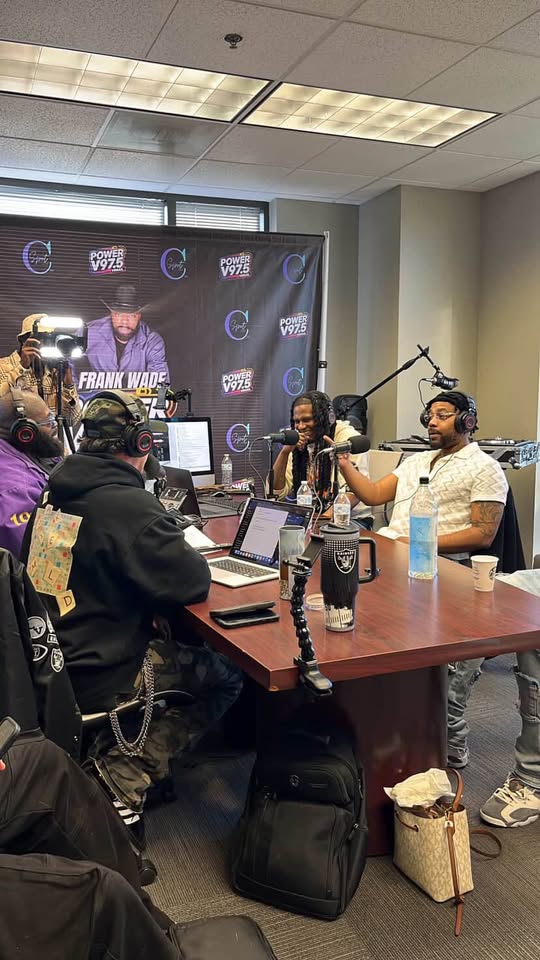
As always, we appreciate you sharing your insights and we’ve got a few more questions for you, but before we get to all of that can you take a minute to introduce yourself and give our readers some of your back background and context?
Here’s a more professional, elevated, and complete version while keeping it strong and confident. I also expanded it slightly so it feels full and interview-ready:
My name is Charles, and I am the CEO and Founder of Kre8tive Distro.
I operate at the intersection of catalog acquisitions, publishing, distribution, and label and DSP relations. My work centers around helping artists and rights holders maximize the value of their music — whether that means structuring catalog deals, securing record partnerships, improving distribution strategies, or expanding their overall brand positioning.
For established artists, I assist in negotiating and securing record deals and strategic partnerships that align with their long-term vision. For emerging and aspiring artists, I focus on building strong foundations — from better distribution infrastructure to marketing rollouts and digital streaming platform positioning. I also help artists take their careers beyond streaming by organizing touring opportunities across the country, ensuring they are building real audiences, not just digital numbers.
What sets me apart is my background in sales and deal strategy. I approach music as both an art and an asset. I understand the creative side, but I also understand leverage, negotiation, and long-term value creation. I don’t just look at where an artist is today — I look at where they can be positioned three to five years from now.
I’m most proud of building Kre8tive Distro from the ground up through discipline, strategy, and consistency. Without a large marketing budget, I relied on direct outreach, relationship building, and calculated execution. That foundation shaped how we operate today — results-driven, relationship-focused, and growth-oriented.
What I want potential clients, partners, and supporters to know is simple: we are serious about development and sustainability. We don’t chase hype — we build structure. Whether it’s catalog monetization, distribution optimization, touring strategy, or label negotiations, our goal is to create real opportunities that translate into long-term careers.
At Kre8tive Distro, we don’t just move music — we build leverage.
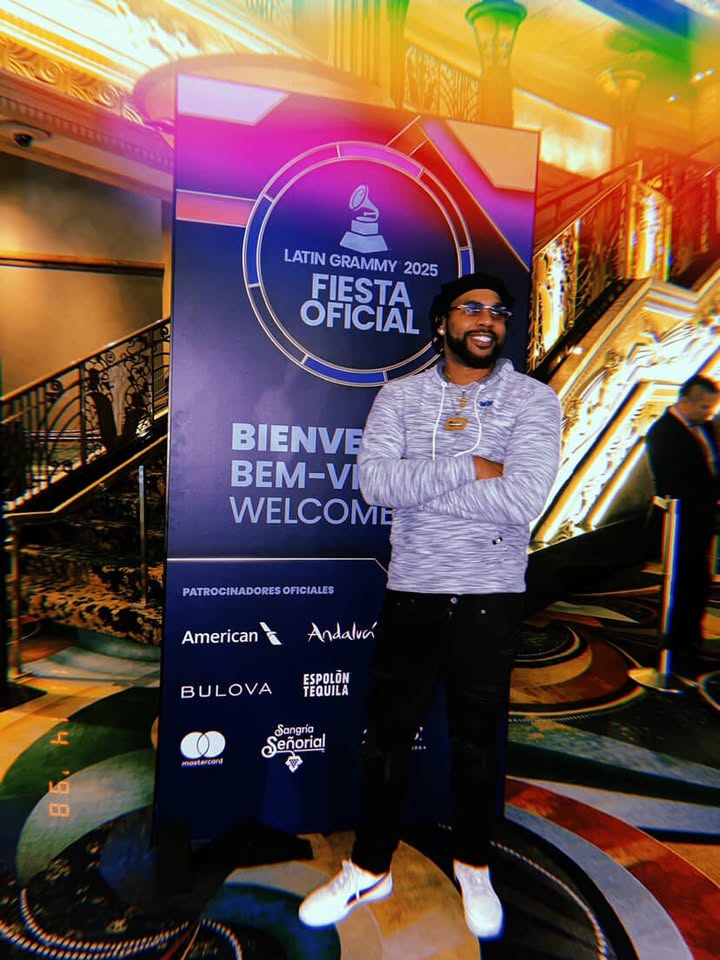
Can you tell us about what’s worked well for you in terms of growing your clientele?
The most effective strategy that has consistently worked for me is simple: cold calling.
Too many people sit back and wait for opportunities. They wait for the phone to ring. They wait for an email. They wait to be discovered.
I believe in the opposite approach.
Don’t wait for your phone to ring — pick it up and make it ring.
Proactive outreach builds pipeline. It builds relationships. It builds leverage. Whether it’s cold calling, direct messaging, or email campaigns, the principle is the same: opportunity favors the aggressive and the prepared.
Success rarely comes from being reactive. It comes from creating momentum through consistent, intentional action.
That mindset has been one of the biggest drivers behind my growth.
We often hear about learning lessons – but just as important is unlearning lessons. Have you ever had to unlearn a lesson?
One of the most valuable lessons I’ve had to unlearn as an entrepreneur is the idea that effort alone guarantees success.
Sometimes, no matter how many hours you invest into a pitch, a product, or a strategy — it simply doesn’t resonate. You can spend hundreds of hours refining something, travel across the country presenting it, pitch it to everyone in the room… and still, no one bites.
And that’s okay.
What I’ve learned is that it’s okay to go back to the drawing board.
I like to explain it this way: imagine climbing a mountain. You push yourself all the way up the hill, exhausted but proud of the progress. Then you realize you forgot water at base camp. Many entrepreneurs refuse to walk back down because they can’t justify the time they already spent climbing. So they stay stuck halfway up — dehydrated, frustrated, and unwilling to reset.
But sometimes the smartest move is going back down, regrouping, and climbing again — this time prepared.
Entrepreneurs often get trapped in the mindset of, “I’ve invested too much time into this to change direction.” That attachment can be more dangerous than failure itself.
It’s not weakness to revise. It’s strategy.
It’s not quitting. It’s recalibrating.
Growth requires the humility to adjust the plan — even after you’ve poured everything into it.
Contact Info:
- Website: https://www.kre8tivedistro.com
- Instagram: @kre8tivedistro
- Linkedin: https://www.linkedin.com/in/kre8tivedistrocharles/