



Alright – so today we’ve got the honor of introducing you to Charles Crepps. We think you’ll enjoy our conversation, we’ve shared it below.
Charles, thanks for joining us, excited to have you contributing your stories and insights. We’d love to hear about a project that you’ve worked on that’s meant a lot to you.
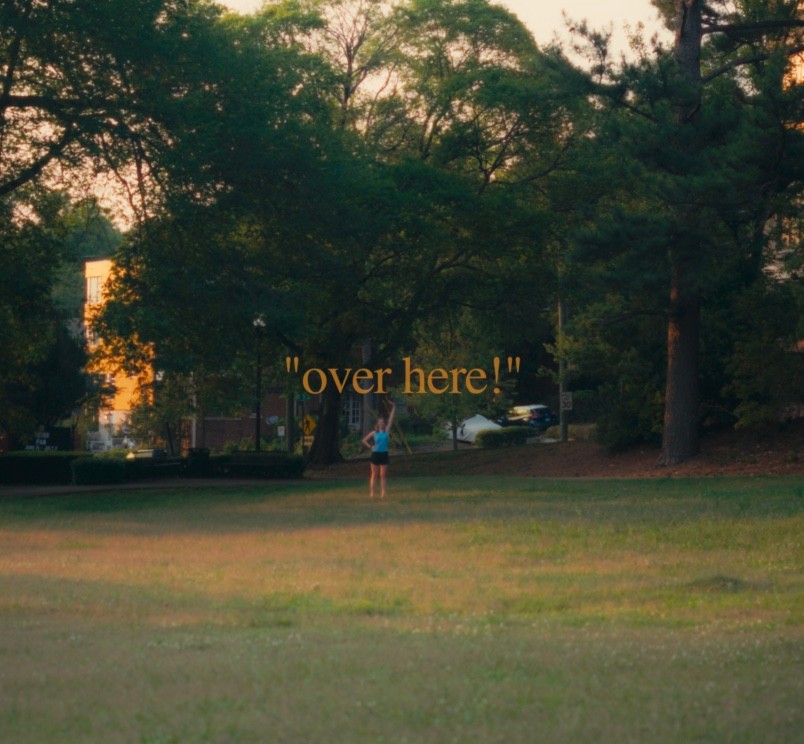
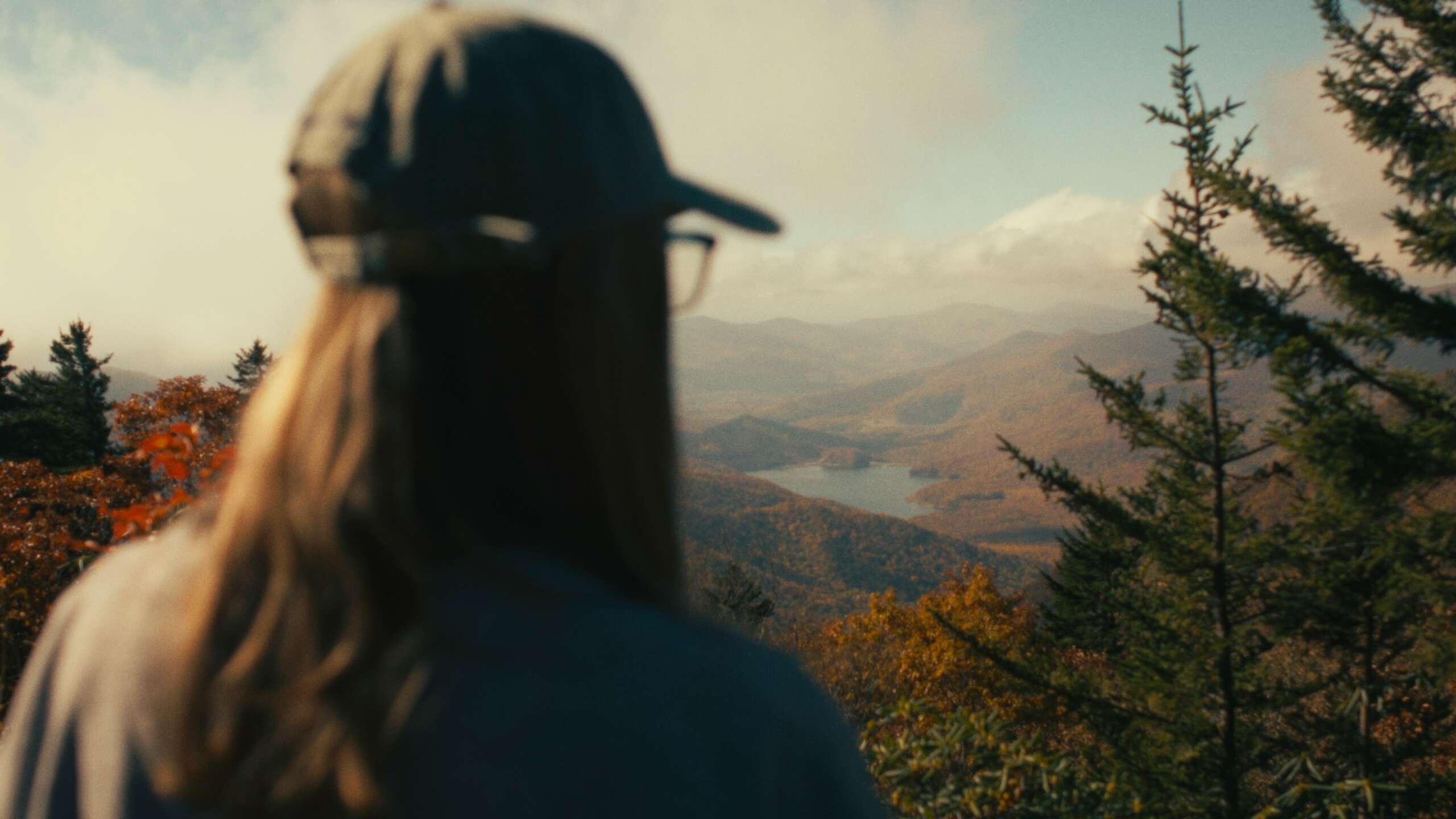
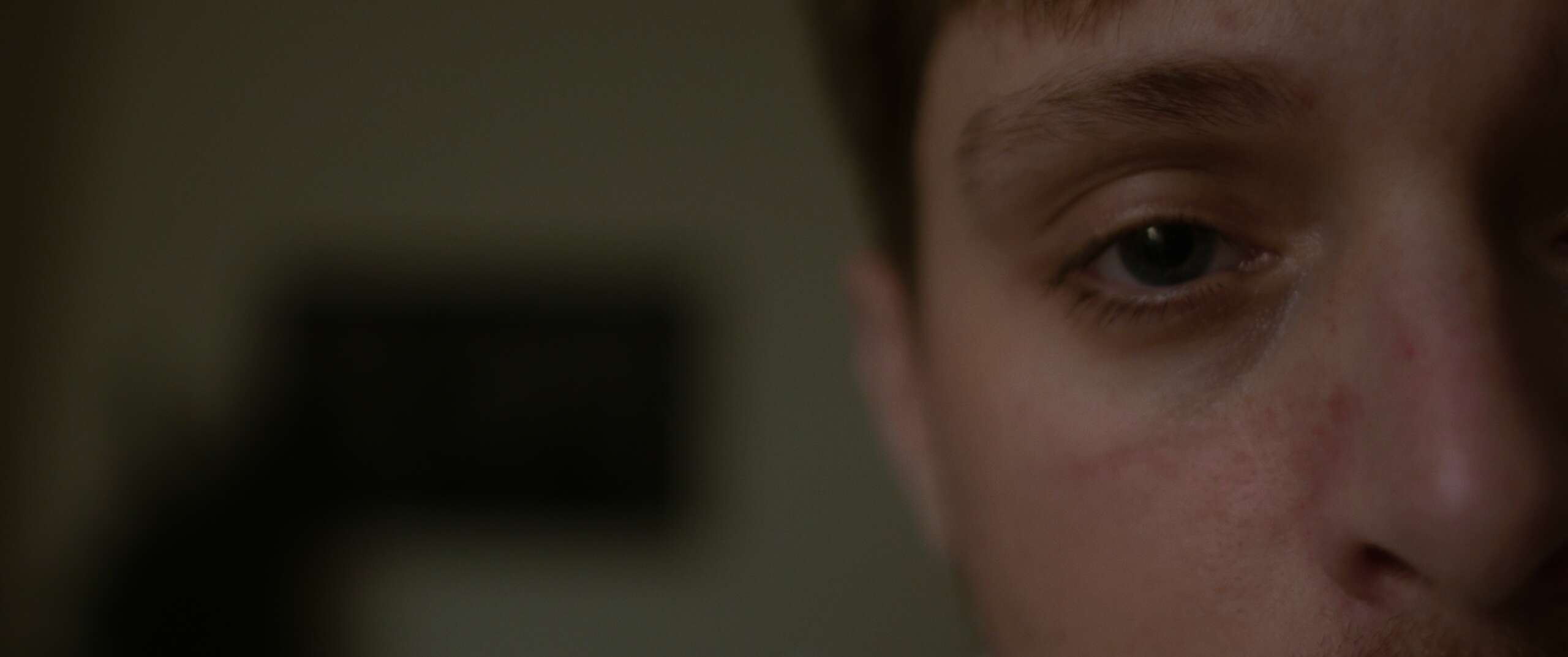
Meaningful, by its very definition is a descriptive word. Since it is a descriptive word its meaning can also be subjective. So, the meaning behind an impactful project is completely in the eye of the beholder. For the sake of this explanation, “meaningful” in this context is centered around emotional impact. I worked on a project called “are you happy?”. Conceptually, this project had existed for a long time. However, the execution and exact enactment of how the idea would be presented wasn’t apparent to me until I actually physically began filming. As a filmmaker, ideal scenarios for capturing candid life do not come easy. However, I believe they can present themselves to you if you are open to following them. The conceptual idea of this film was generated from a genuine curiosity of other people’s perceptions of their own lives. While living through an emotionally difficult period in my life, I wanted to juxtapose my experience with other human experience. My intention was to gain some reprieve from my experience while learning lessons from others. So, given my documentary background, I set out to interviewing individuals and asking them a simple question. “Are you happy?” Naturally, this lead to a deeper conversation, which was probably the foremost intention of the project. However, the simplicity of the initial question allowed me to break the ice. The answers I received had a profound impact on me. But more precisely, the individuals I met had an even more profound impact. Though this “film” didn’t gain the noterietay I had hoped it would, it lives as a beautiful piece of art. Every time I watch this film, I feel the emotional weight.
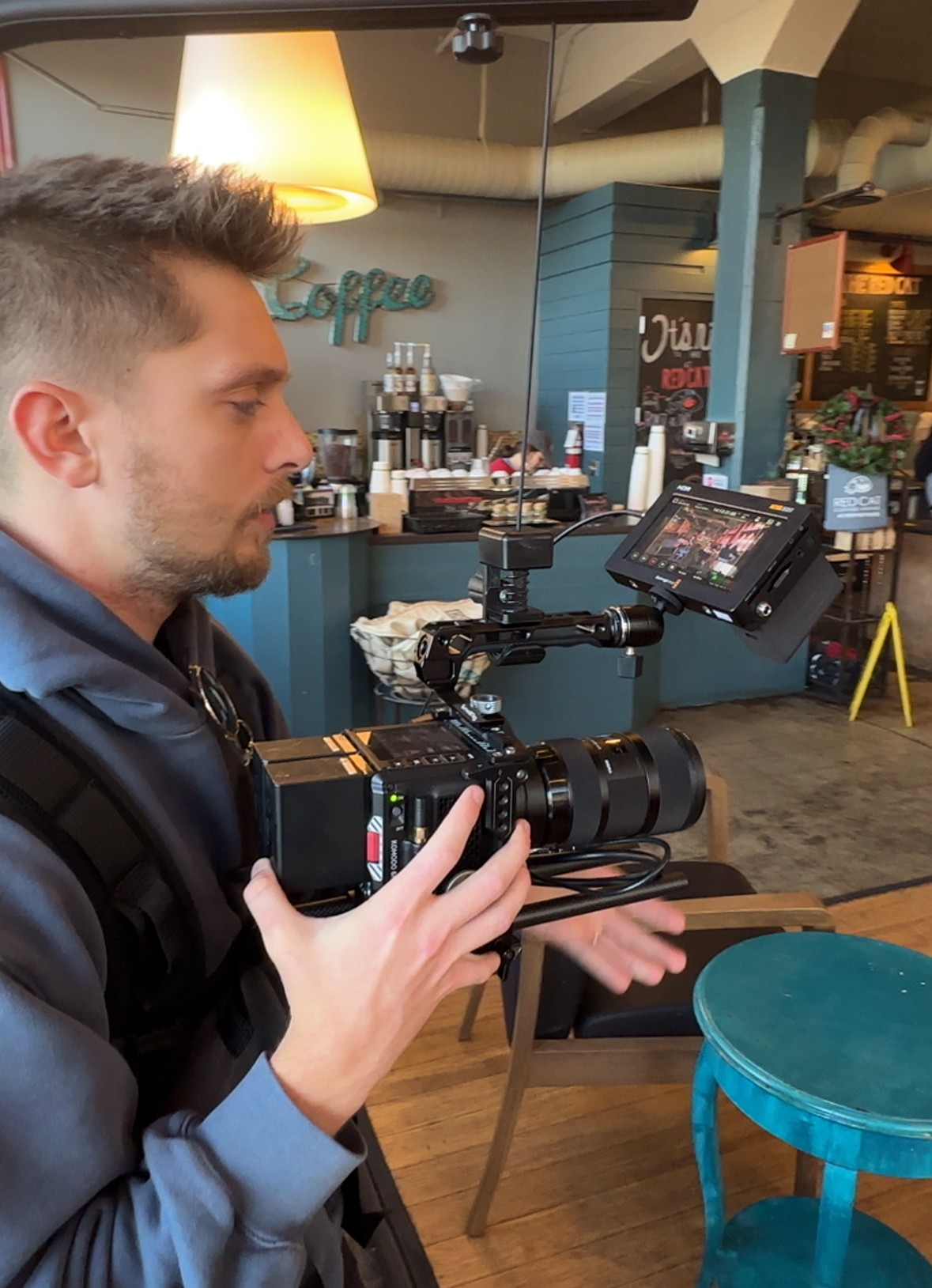
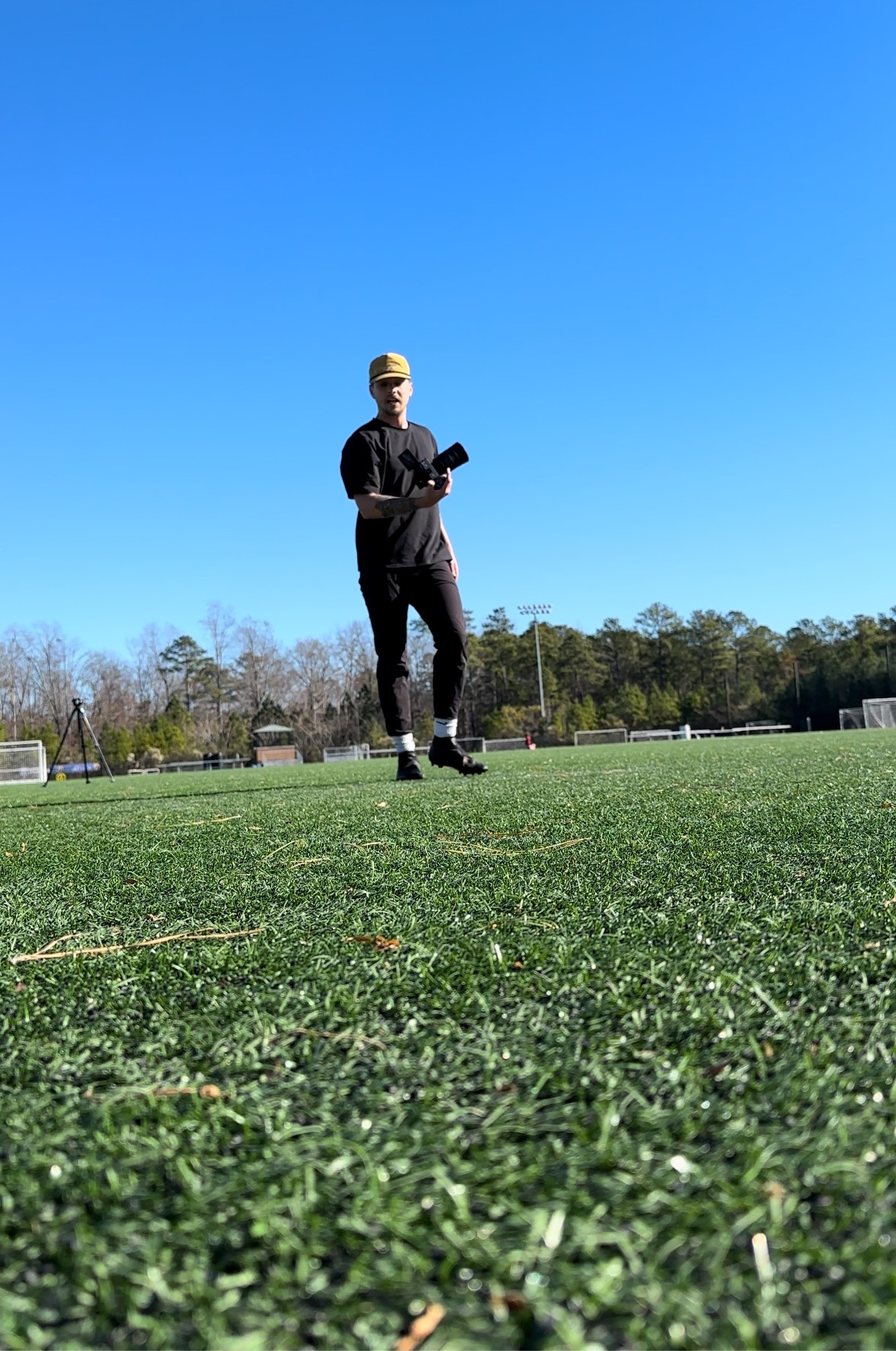
Charles, before we move on to more of these sorts of questions, can you take some time to bring our readers up to speed on you and what you do?
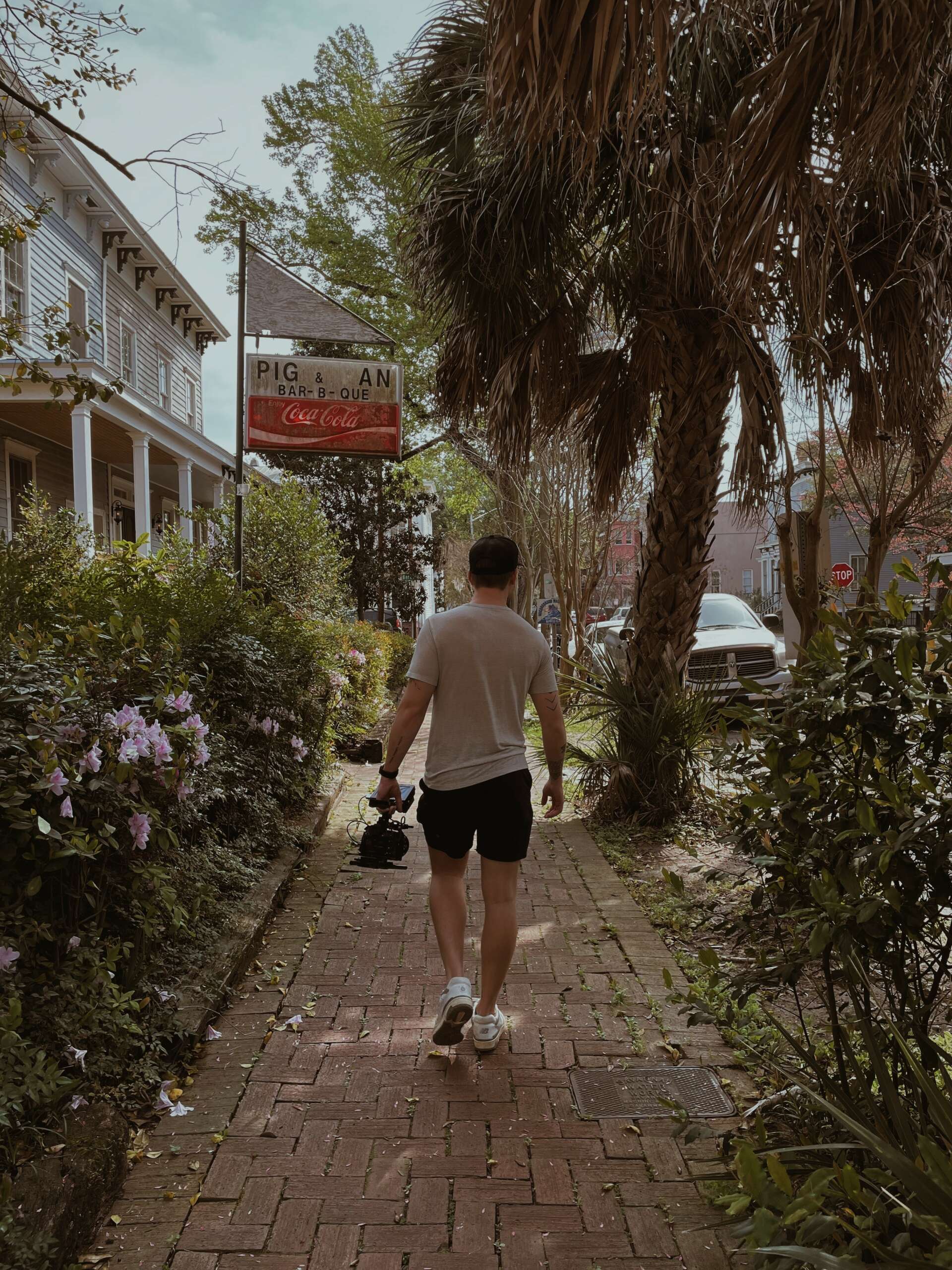
I gravitated to film as a medium of expression very early on in my life. Given the time period of my adolescence, I was able to experience the generation of online media accessibility. While witnessing the first generation of YouTube, I took to a camera and capturing small stories with my friends. These stories blurred the lines between fiction and reality by somewhat being improvisational and performative, but also being scripted and deliberate given the camera technology that was available at the time. During my high school and early adult hood, my perception of generating media began to turn as the monetization of this media became more accessible. I began seeking out a more performative approach and directing my focus towards a career in the technical side of filmmaking. As an apprentice of a small business owner, I was able to learn the nuances of business ownership along with the relational side of the monetization of the “filmmaking” skill. However, as I grasped this understanding and ultimately began monetizing my own work, I realized the soul of the art had died. I had become so focused on monetizing what I loved, I had lost the connection with the art itself. This came as a shock, because my perception of the art lived in isolation that lead me to believe it would always be there. I have only just recently learned that the art needs to be cultivated. So, I have tossed and turned through my years of experience about how to effectively be a filmmaker and what I can offer as a service. The art of filmmaking, the emotional connection to story telling is the marketable skill, it is what people want from a filmmaker. So, that is what I believe I can provide to the marketplace.
Any resources you can share with us that might be helpful to other creatives?
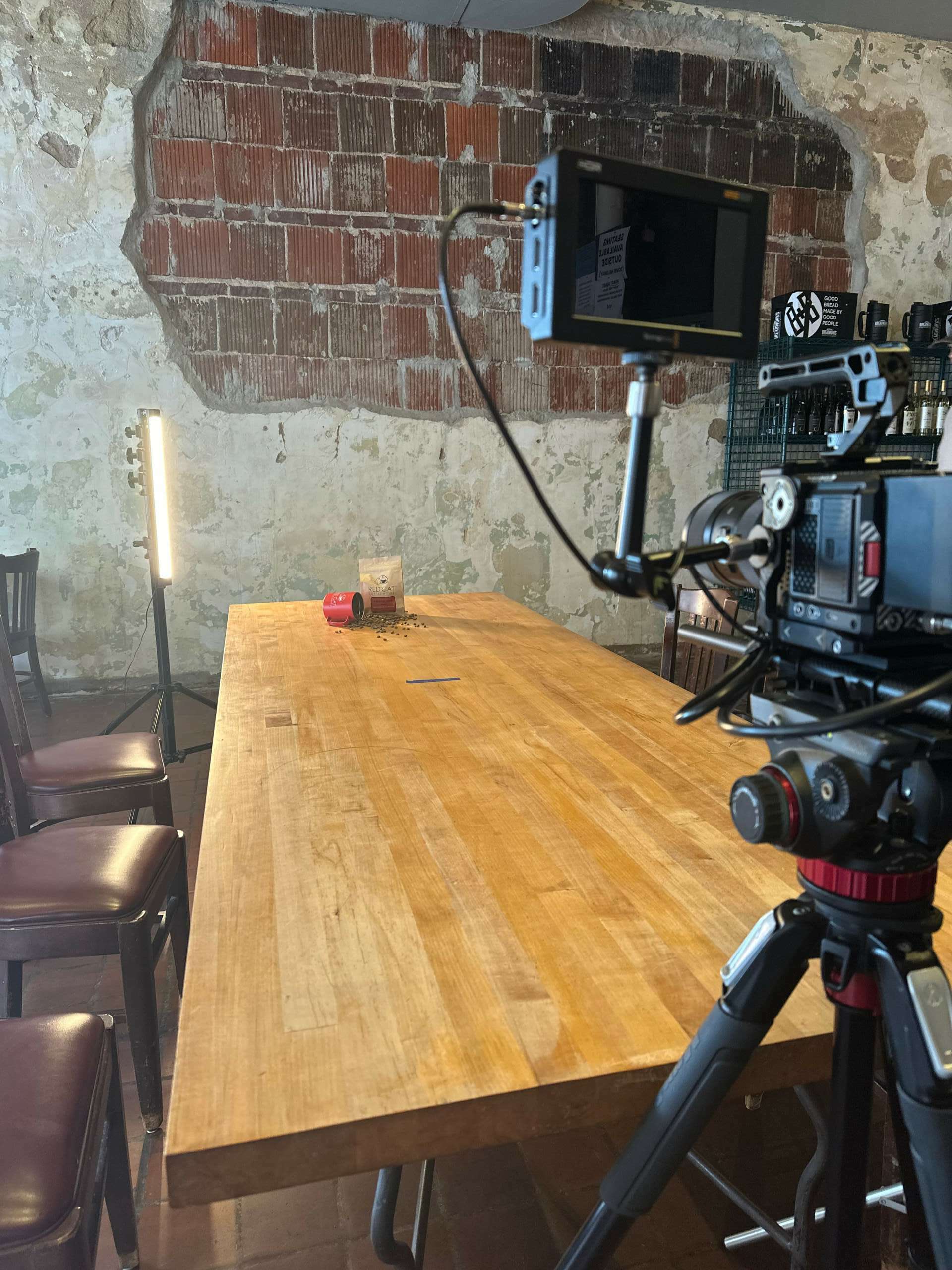
My advice regarding this questions doesn’t address the word “resource” directly. However, I do believe my answer serves an acceptable function. Having a pre-planning ritual or operation has provided me with a much more succinct and efficient filmmaking process. Now, there are various resources that aide in this process, but the ritual/operation in itself is the most important. For many projects, I would rely on my conceptual idea of what the project should eventually become, but had no processes of ensuring that the result aligned with my idea. Once I integrated outlining, story boarding, scripting, etc into my process, the result of the projects began to align with my initial conception of the idea.
Learning and unlearning are both critical parts of growth – can you share a story of a time when you had to unlearn a lesson?
I had to unlearn caring about equipment. My conception of equipment in the beginning of my career was a lot like a naive consumer. If something was expensive, then it must produce the best product. As I learned more about creating films and what specific quality of films made them great, I pivoted away from equipment and back to emotion and story. There is an entire ecosystem of creators on social media and YouTube that are paid to sell you products under guise of elevating your product. This simply creates a facade that products result in high quality films, and this is just simply not true. Now, a filmmaker can use expensive high quality gear and create something beautiful in isolation, however, it is not a requirement.
Contact Info:
- Website: Www.Natural-narratives.com
- Instagram: Instagram.com/charlestcrepps
- Youtube: https://youtube.com/@charlestcrepps