

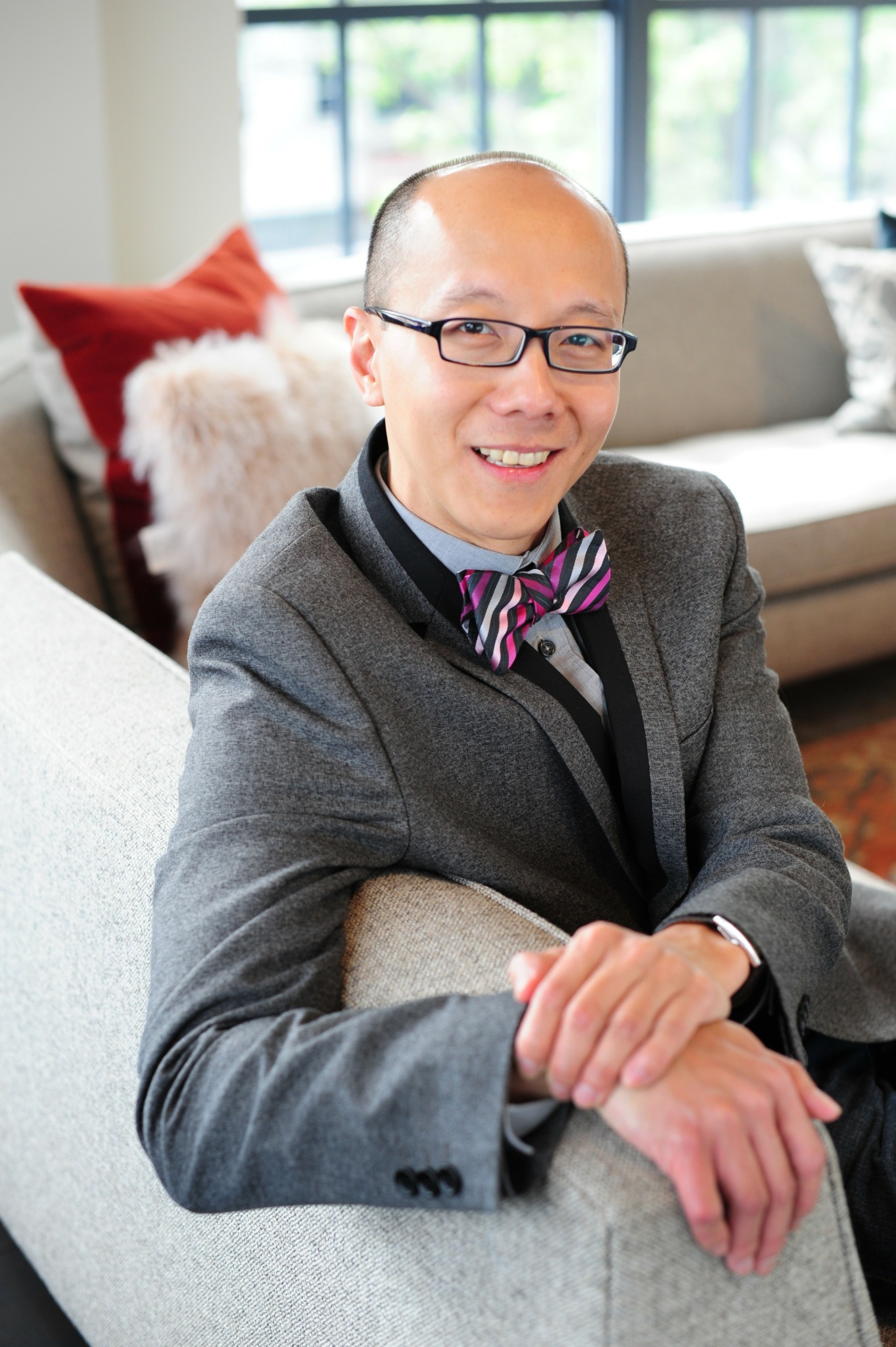

Alright – so today we’ve got the honor of introducing you to Charles Almonte. We think you’ll enjoy our conversation, we’ve shared it below.
Alright, Charles thanks for taking the time to share your stories and insights with us today. When you were first starting out, did you join a firm or start your own?
I started my journey with a firm. I was born and raised in the Philippines. My first job was working for a small architectural firm in Manila right out of college. I worked there for a couple of years. After passing the exams and getting registered as an architect, I decided to go to grad school. I went to Chicago to get a master’s degree in historic preservation. The original plan was to go back to the Philippines and teach. But after finishing grad school, I looked into opportunities to hone in what I studied. That search led to a job offer with an historic preservation and architecture firm in Washington DC. I stayed with that firm for about a decade. While with that firm, I was encouraged to take the NCIDQ (interior design registration exams) and ARE (architecture registration) exams. After passing both exams, it just seems a natural progression of things to start my own studio. I do think it is the right choice (most days…LOL). It gives me creative freedom. It was a challenge at the beginning of course. I had to build my own portfolio and of course the financial aspect of it. I had to stay as a staff architect with the firm that I was working for while building my portfolio. That meant working on the weekends, meeting clients after work hours, etc. It was stressful at the beginning but when I finally had a couple of projects lined up I decided to take the leap. My husband who was extremely supportive of my decision was employed then so that also helped with the financial aspect.
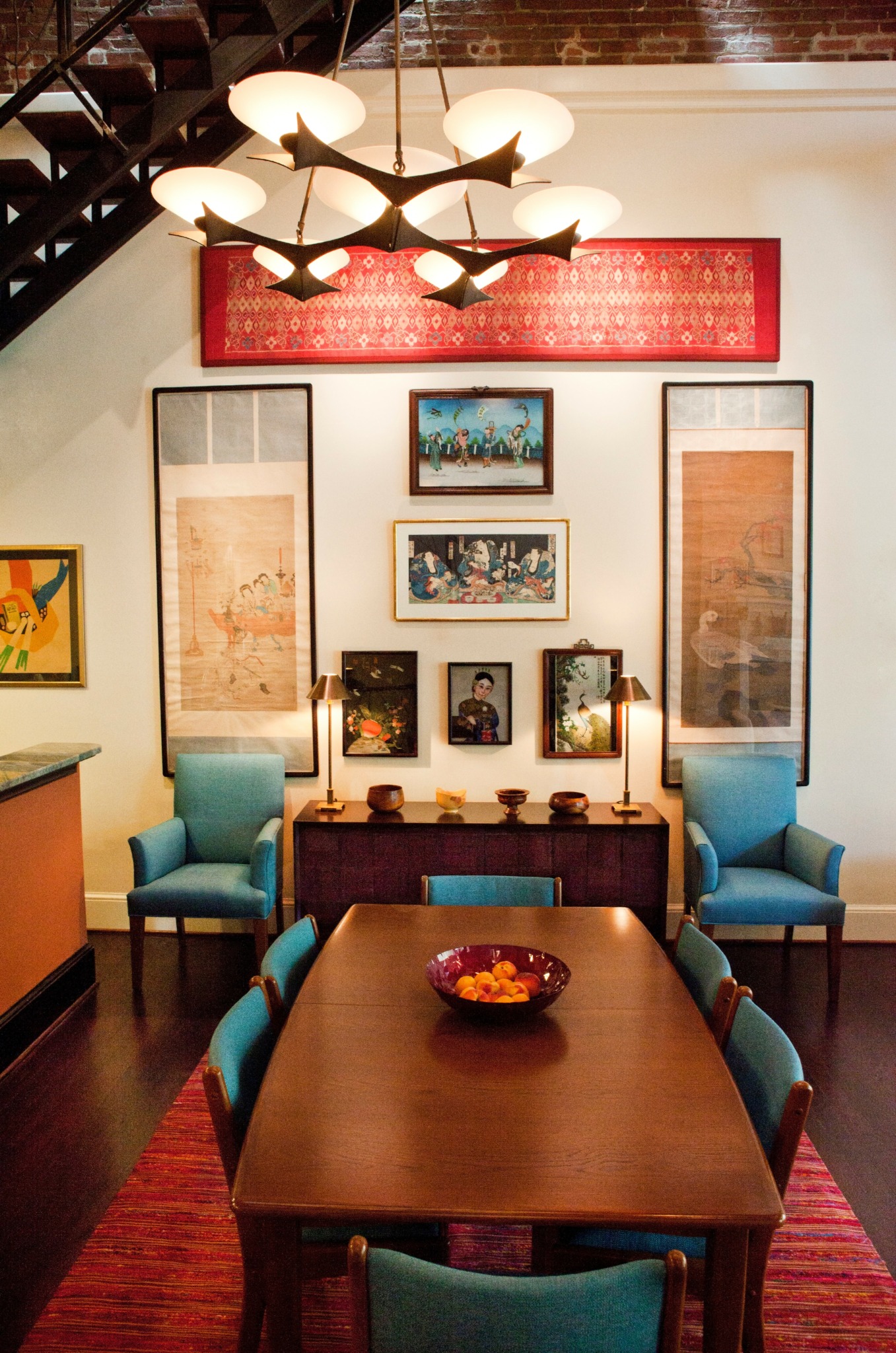
Awesome – so before we get into the rest of our questions, can you briefly introduce yourself to our readers.
I was born and raised in the Philippines. So I am an immigrant. The original plan was to finish grad school and go back to teach at a university level. While in Chicago for grad school, I was fortunate enough to continue practicing architecture in a low key way. I worked as a CAD intern for a couple of summers that gave me some experience in working for an architecture firm here in the US. It gave me some time to learn and adjust. For one thing, I was used to the metric system and the US uses the imperial system so that was a bit of a challenge at first. But now it’s basic knowledge for me. Culturally, I think I adjusted well. In most Asian countries, there’s a sense of hierarchy in a workplace setting. Senior staff members tend to be distant from junior staff. There’s a formality in addressing someone who is more senior than you. It’s not necessarily bad, I think it’s a sense of respect. Here, the line is less defined but not in a bad way. It’s just more casual here. It took me a while to address someone more senior than me by their first name. I still feel awkward calling a client by their first name sometimes.
As an immigrant who didn’t really planned on staying here, I feel blessed that I have been given the opportunity and means to get to where I am now. I worked hard…still do…to run my practice. I am of course appreciative of all the help that was and continuously extended to me. I am humbled by clients who believes in what I can help them with. I am inspired by colleagues who continues to support me. And I am touched by family and friends who continues to encourage me.
Where do you think you get most of your clients from?
I think the best source for new clients are your current clients. Since I’ve started my practice 18 years ago, most, if not all of my clients are through word of mouth. Keeping a smooth working relationship with our clients in this business is very important. It is such a personal nature that you have to keep things pleasant is almost a must. When designing spaces be it a house or a space in a home, clients are basically inviting you into their private lives. For example, their daily routine is important to know in designing a bedroom or a bathroom? What is their eating and cooking habits helps in designing a kitchen. Do they entertain or are they more solitary helps in designing a living room.
Let’s talk about resilience next – do you have a story you can share with us?
I’ve encountered many hurdles by being a sole practitioner. I don’t have a business partner so at the end of the day all roads lead back to me. I do my best to solve the challenges in a calm and thoughtful manner. It may take time and funds/money to resolve but it will get resolved.
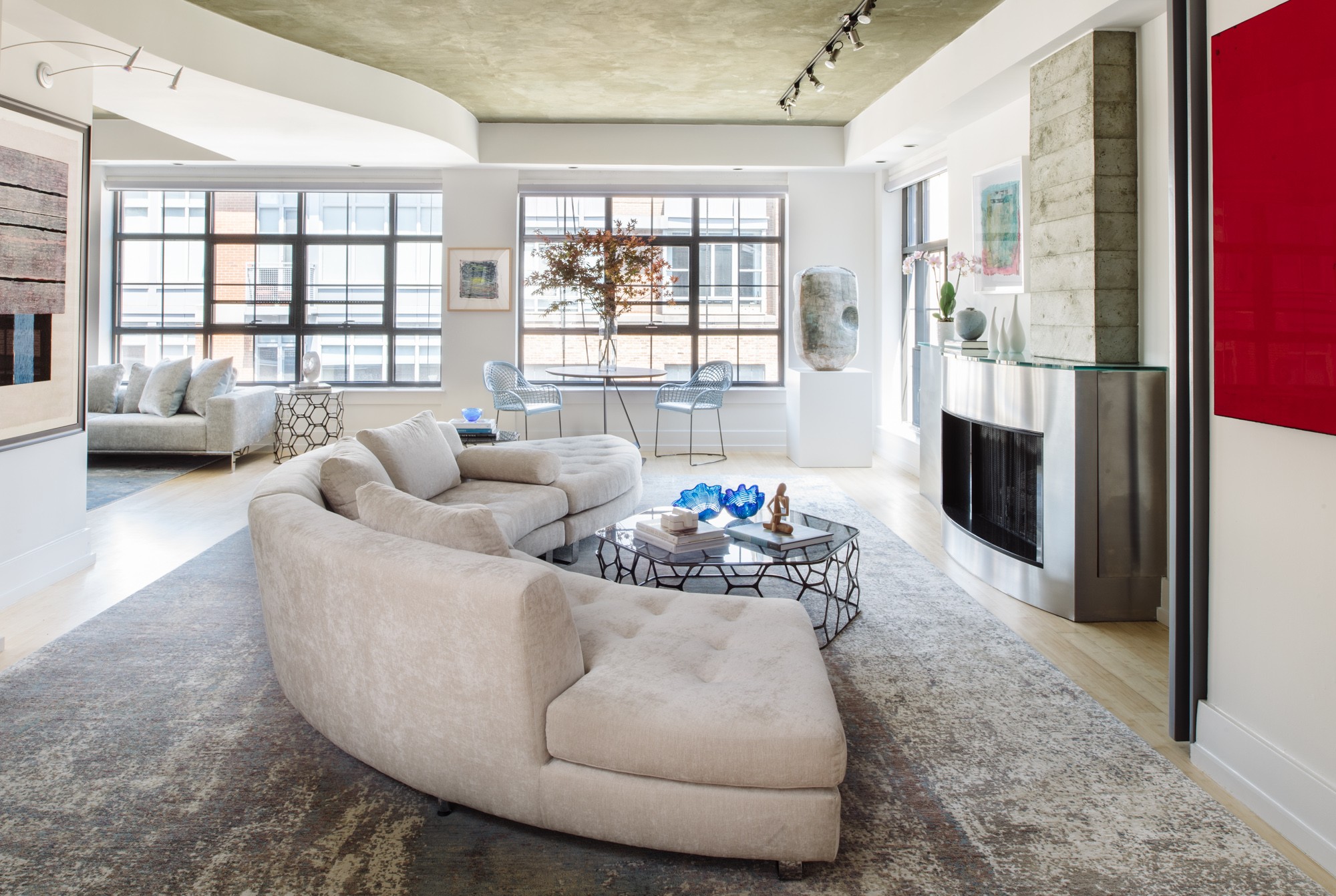
At a condo renovation project, it was brought to our attention that we cannot move the bathroom or kitchen because we weren’t allowed to relocate building plumbing lines. The plumbing lines are shared by the units above and below our project. This essentially restricted our space planning solutions to meet our client and aesthetic needs. But after much research and creativity, we were able to navigate the restrictions by specifying fixtures that allows us to relocate the bathrooms. We invested in building consultants with Ground Penetrating Radar (GPR) technology to scan the concrete building to see where we can place the fixtures without compromising the structural integrity of the building.
Contact Info:
- Website: https://www.charlesalmonte.com
- Instagram: @charles.c.almonte
- Linkedin: https://www.linkedin.com/in/charles-almonte-248b11249
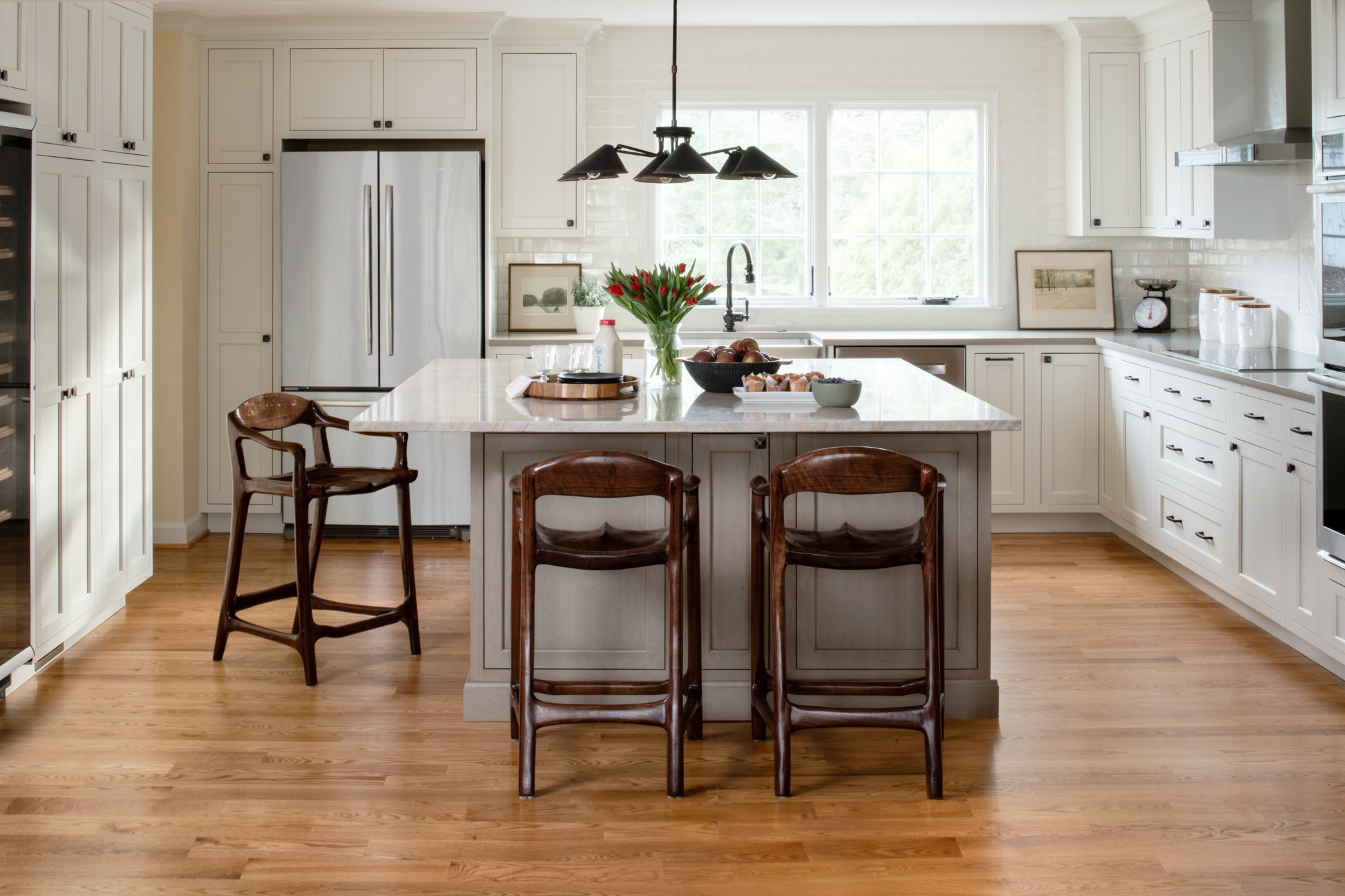
Image Credits
Michael Ventura – Head shot
Robert Radifera Photography
Robert Dodge Photography
Angie Seckinger Photography