


We caught up with the brilliant and insightful Chaoming Li a few weeks ago and have shared our conversation below.
Chaoming, looking forward to hearing all of your stories today. Can you talk to us about a project that’s meant a lot to you?
One of the most meaningful projects I’ve worked on wasn’t a single project, but a series of healthcare and sustainability-focused designs that helped shape how I see my role as a landscape architect and urban designer.
I take a lot of pride in my profession because I truly believe the built environment has a profound impact on people’s emotions, behavior, and overall well-being. This belief became especially clear when I started working on healthcare projects. Designing for hospitals is very different from designing for typical public spaces—patients, especially children, are already under a lot of stress. The environment they walk into can either deepen that anxiety or help ease it.
There is strong evidence behind environmental therapy—how light, color, nature, and spatial comfort can support mental and physical recovery. In several hospital projects, including collaborations with Seattle Children’s, I was able to design spaces that reduce fear, offer moments of calm, and create a friendlier, more humane experience. Sometimes it’s as simple as adding playful colors, intuitive wayfinding, or creating small pockets of nature where families can take a breath. Knowing that my design can genuinely help someone—especially a child—feel safer or more at ease is incredibly meaningful to me.
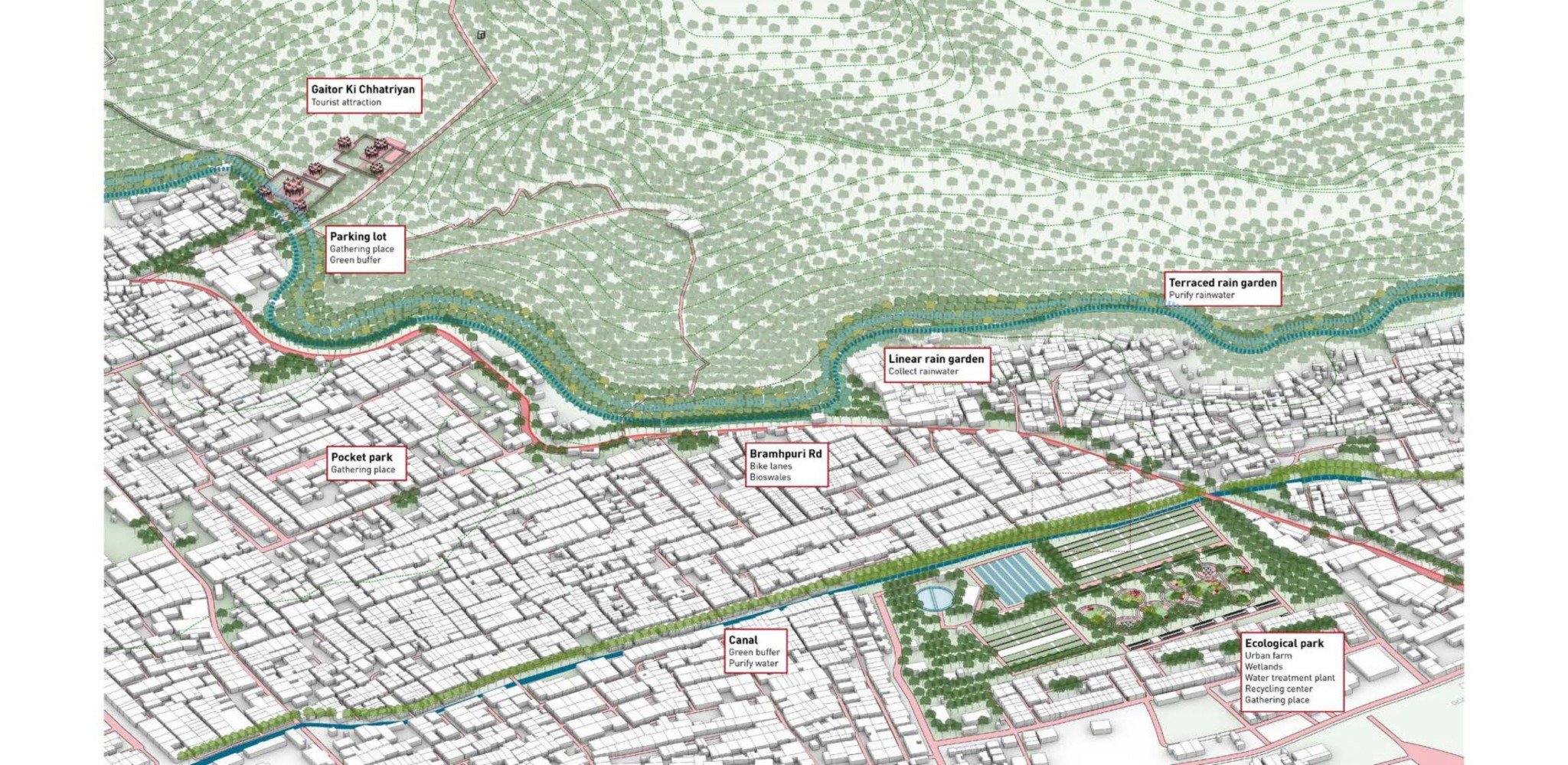
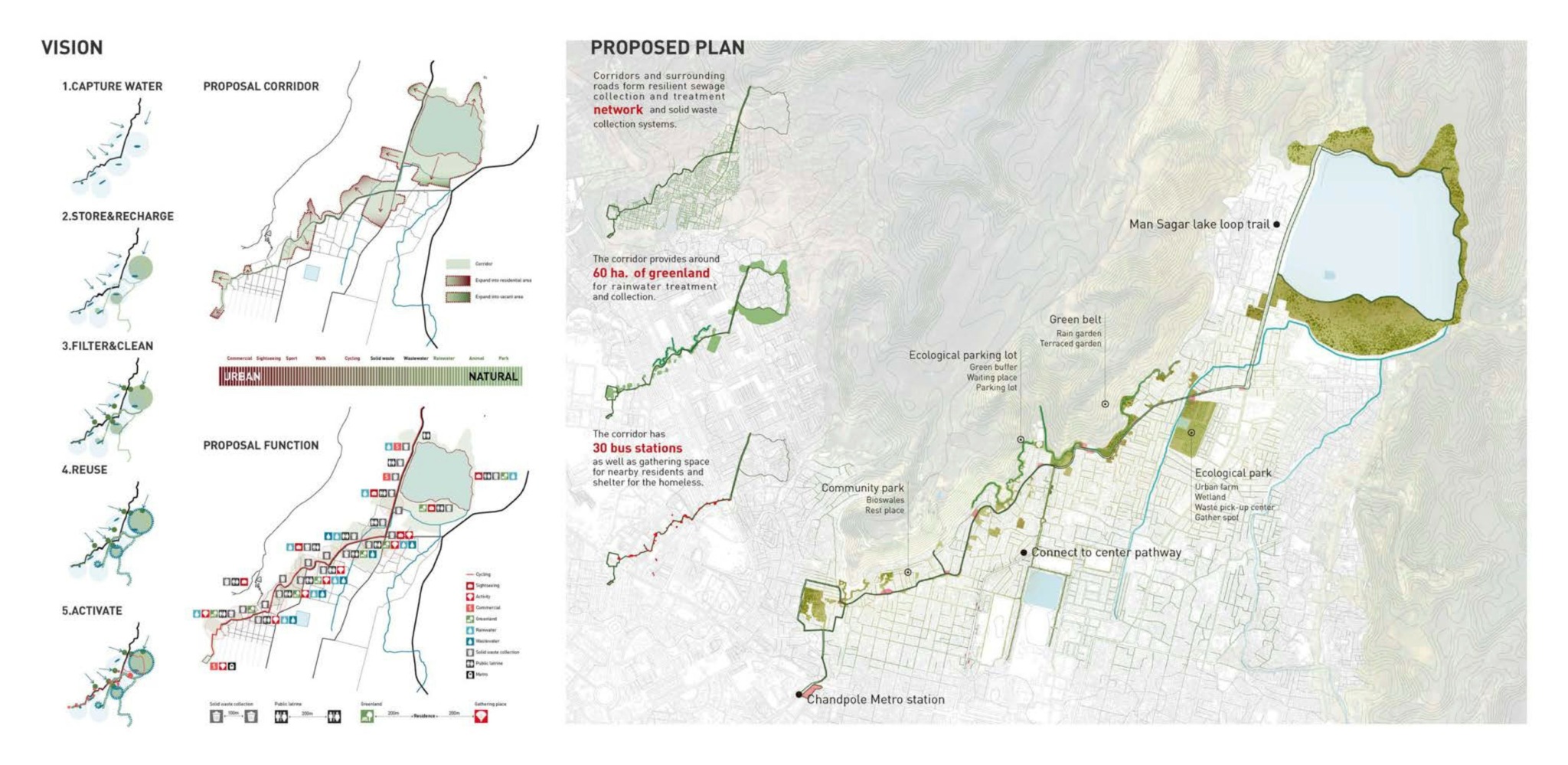
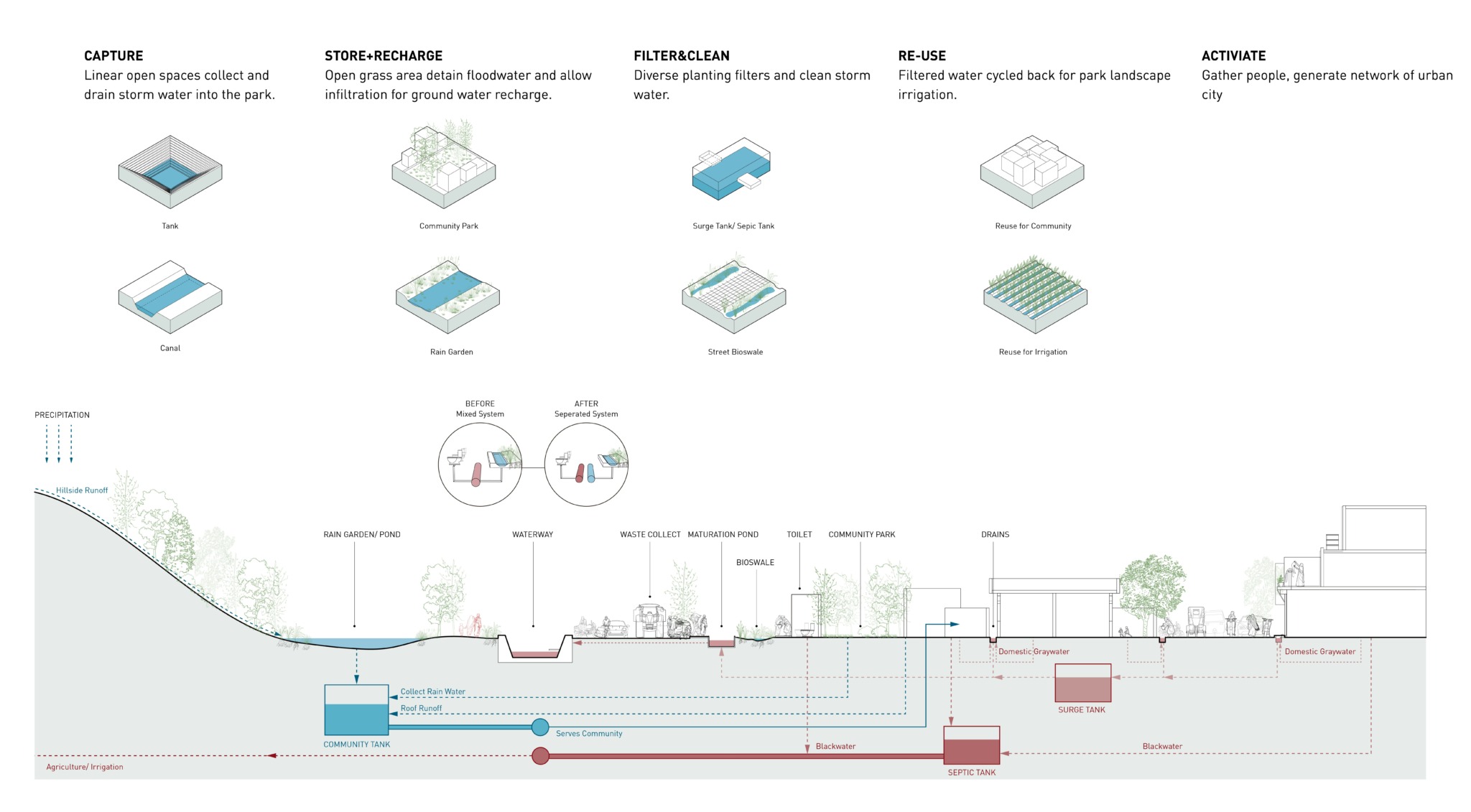
On the other side of my work, I’ve also been deeply involved in sustainability-driven projects. This is a topic that has become increasingly urgent. Designing with water efficiency, energy reduction, and ecological resilience in mind isn’t just a trend—it’s a responsibility. I’ve worked on systems that integrate stormwater planters, filtration landscapes, and rainwater harvesting to create high-performance sites where architecture and landscape function as one sustainable ecosystem.
For me, the most meaningful part of all these projects is the same: the idea that design can heal, protect, and improve everyday life. Whether I’m helping a child feel less afraid in a hospital or creating a landscape that conserves water for an entire community, I feel that my work has a purpose that goes beyond aesthetics. That sense of purpose is what keeps me passionate about what I do.
Chaoming, before we move on to more of these sorts of questions, can you take some time to bring our readers up to speed on you and what you do?
I’m a landscape architect and urban designer whose work spans healthcare environments, sustainable systems, and large-scale urban planning. What has guided me throughout my career is a deep belief that the built environment fundamentally shapes how people feel, heal, move, and connect. I entered this field because I’ve always had a strong intuitive talent for understanding spatial relationships—how a city grows, how communities form, and how public space can elevate quality of life. Landscape architecture and urban design give me the ability to translate that intuition into real environments that support both human well-being and ecological resilience.
I first became interested in this profession when I realized how deeply the built environment affects people’s mental and physical health. That insight eventually shaped my early work in healthcare design. Today, my portfolio includes a range of hospital and therapeutic environments, where environmental psychology, color theory, and nature-based healing guide my approach. I’ve collaborated on significant medical projects, including work with Seattle Children’s, where my designs help reduce anxiety in pediatric patients through intuitive layouts, calming landscapes, and interactive features. I’m proud that my design work contributes to environmental therapy—a field supported by strong scientific research—and directly improves the healing process for patients and families.
Beyond healthcare, I specialize in sustainable urban systems. My work often integrates stormwater management, ecological restoration, and resource-efficient design into cohesive, high-performance landscapes. I believe sustainability is not an accessory—it’s a responsibility. My projects create systems where architecture and landscape work together to manage water, reduce energy use, and support long-term climate resilience. I design spaces that don’t just look beautiful, but actively perform for communities and ecosystems.
A significant part of my work also focuses on urban planning and city-scale frameworks. I’ve contributed to multiple masterplans where I help define the structural logic of a city—its networks of mobility, green space, water systems, and public amenities. Cities do not evolve by accident; they grow upon frameworks that anticipate human needs and environmental constraints. I’ve always had a natural ability to see these relationships clearly: to analyze a city not just as physical layers but as a living organism. This talent allows me to design comprehensive, resilient frameworks that guide long-term urban development and improve residents’ daily lives.
What sets me apart is my ability to merge technical rigor with human-centered design. I move fluidly between large-scale planning and fine-grained experiential design, ensuring that every project is both environmentally responsible and emotionally meaningful. I approach each site as a living system, understanding its cultural, ecological, and social layers. This sensitivity helps me create work that is both visionary and grounded—work that speaks to people and responds to real urban challenges.
As a designer, what I’m most proud of is impact. I want people to know that my work is rooted in purpose: improving health, advancing sustainability, and creating environments that feel safe, inspiring, and restorative. Whether I’m designing a resilient masterplan for a city or a healing garden for a hospital, my goal is always the same—to use design as a tool to uplift lives, protect resources, and shape a more compassionate future.
What do you think is the goal or mission that drives your creative journey?
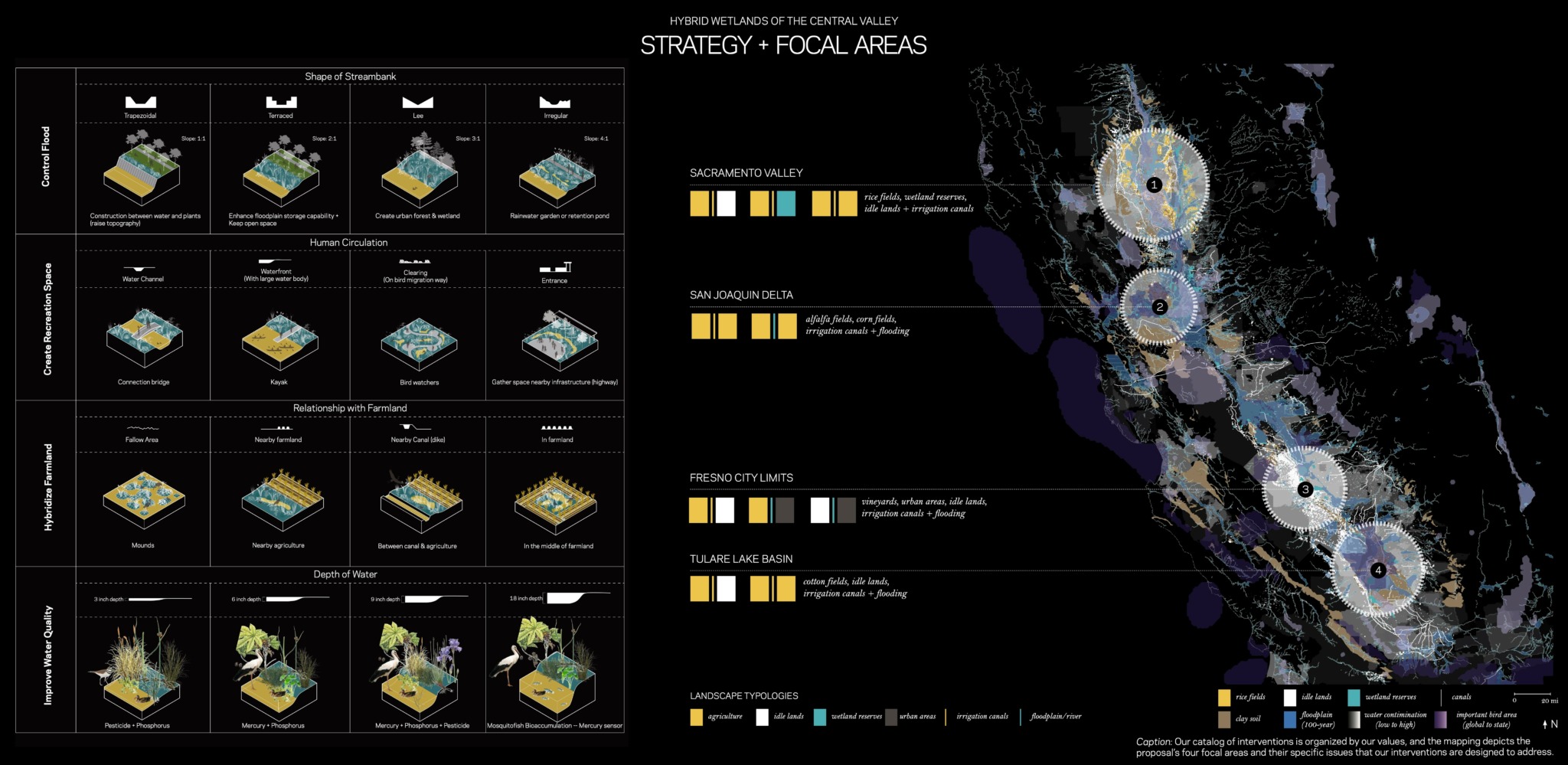
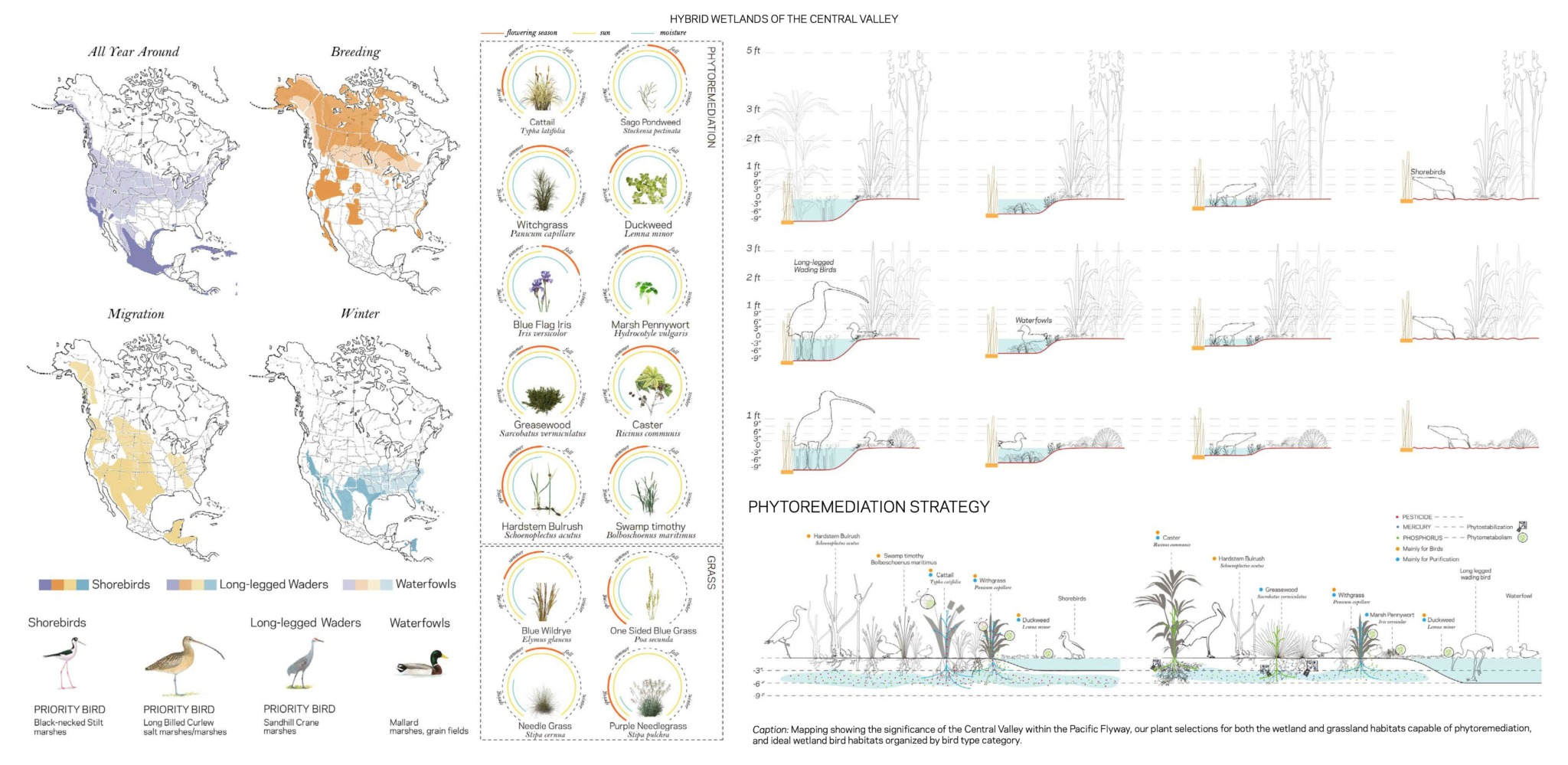
My creative mission is to build a rigorous, scalable framework for spatial design—one that bridges urban planning, environmental performance, and human experience. Through years of working on complex urban planning and city-scale design projects, I have developed a strong intuition for how macro-level structures shape micro-level behaviors and long-term urban resilience. This has become the foundation of my approach: using strategic design thinking to guide the sustainable growth of cities.
What drives me is the belief that high-performing urban environments do not happen by accident; they require clear logic, strong frameworks, and the ability to translate large-scale systems into human-centered experiences. I aim to advance a methodology that not only addresses pressing environmental challenges—such as climate stress, inefficient land use, and declining ecological quality—but also responds to the increasing mental and emotional pressures people face in competitive, high-density urban contexts.
My overarching goal is to make cities function better and feel better. By leveraging both my professional expertise and my innate talent for spatial reasoning, I strive to contribute to a new generation of urban environments that are resilient, psychologically supportive, and fundamentally more humane.
What’s the most rewarding aspect of being a creative in your experience?
For me, the most rewarding aspect of being a designer is witnessing how a concept shaped by rigorous research, intuition, and creative strategy can ultimately influence how entire communities live and thrive. In urban design and planning, creativity is not merely expressive—it becomes a structural force that directs long-term development, environmental resilience, and social wellbeing. Knowing that my work contributes to a city’s future framework is profoundly fulfilling.
I am also energized by the innovation inherent in the design process. Much of my work is grounded in forward-thinking research—whether it’s testing new sustainable systems, integrating behavioral insights into public-realm design, or developing spatial typologies that respond to contemporary environmental and social pressures. Seeing these ideas gain recognition within the industry and inform broader conversations on design excellence is deeply rewarding.
Another aspect I value is the collaborative nature of our profession. Meaningful design requires engaging with architects, interior designers, engineers, real-estate developers, civil engineers. These interdisciplinary dialogues often spark new ways of thinking—moments where diverse expertise intersects and leads to solutions that none of us could have created alone. I find immense satisfaction in being at the center of these creative exchanges, guiding the vision while synthesizing multiple perspectives into a coherent and impactful outcome.
Ultimately, the greatest reward comes from knowing that design—when pursued with curiosity, innovation, and a sense of responsibility—can genuinely improve people’s daily lives. That human-centered impact is what continues to inspire my creative journey.
Contact Info:
- Instagram: li.chaoming
Image Credits
Chaoming Li