



We’re excited to introduce you to the always interesting and insightful Chante Pantila DBH, LPC (CA-11292). We hope you’ll enjoy our conversation with Chante below.
Chante, thanks for taking the time to share your stories with us today We’d love to hear the backstory behind a risk you’ve taken – whether big or small, walk us through what it was like and how it ultimately turned out.
One of the biggest risks I’ve ever taken was choosing to build a career that honored who I actually am instead of who I was told to be.
I started my practice because I wanted to create a space where high-achieving women—especially BIPOC women—could feel liberated, inspired, and deeply supported. I built this space to serve everyone I see in my work: BIPOC communities, first responders, people not of color, workaholics, first-generation professionals, and anyone committed to doing the healing work. I want every person who chooses growth to have a space that reflects that choice. I love seeing people grow and evolve.
Leaving the safety of 9 to 5 was terrifying, but I anxiously trusted the that alignment would take me farther than this false sense stability ever could. That risk became the foundation for every major decision I’ve made since.
Over the years, my career has evolved in ways I never could’ve imagined. I learned to follow my intuition even when it didn’t match the “traditional” therapist pathway. I am different and I embrace it. I built a beautiful, culturally grounded office space that feels like a reflection of my personality and my story. I leaned into the style, presence, and energy that people have tried to pathologize—and also quietly admire—because I realized it’s part of what creates safety and authenticity for my clients. Owning who I am has opened doors, so I decided to play big and shine my light bright.
Taking risks pulled me toward advanced modalities long before they were mainstream. I was providing EMDR Therapy when colleagues around me were not. Later, stepping into Ketamine-Assisted Psychotherapy and Ketamine-Assisted EMDR Therapy™ felt like revisiting that early EMDR Therapy phase—new, misunderstood, and incredibly needed. My choices created innovative opportunities for me to design integration tools, host unconventional networking events, and build necessary, inclusive community connections.
This year, I hosted a ketamine discussion, offered a branding CE, and that same energy helped me to complete one of the biggest milestone yet: launching my own EMDRIA-approved CE training. That required vulnerability, visibility, and leadership. The exposure felt like a risk but I knew the message mattered more than my fear.
Every step has involved choosing alignment over certainty, easier said than done. Certainty isn’t guaranteed anyway. The risks have rarely been comfortable, but they’ve always been clarifying. Each risk has created opportunities: creative, clinical, communal—that I would’ve never received if I waited for permission, waited for someone else to lead, or believed the haters’ anthems.
Learning to trust myself has been the most meaningful risk of all, and it continues to shape the work I do and the spaces I get to create.
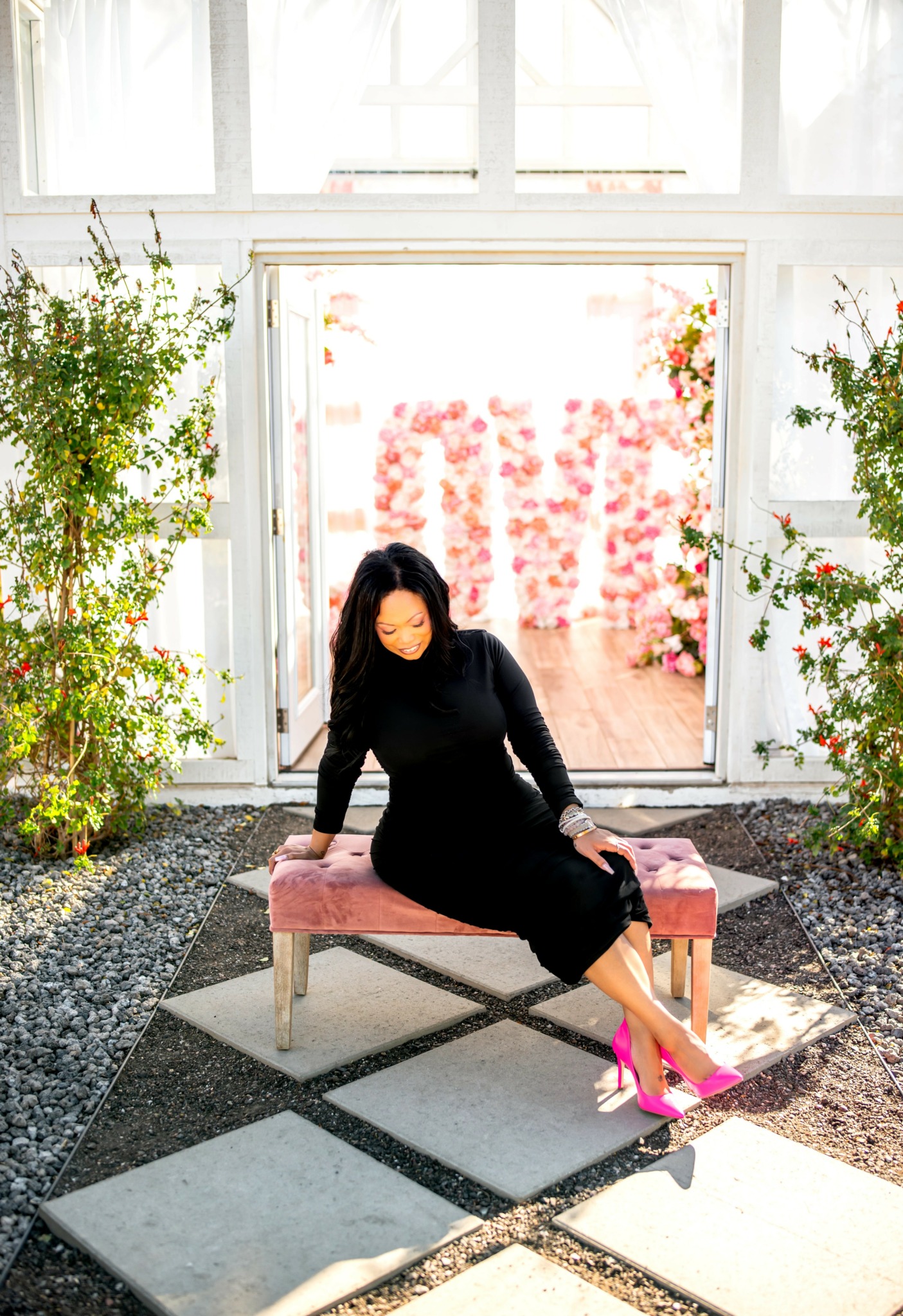
Chante, before we move on to more of these sorts of questions, can you take some time to bring our readers up to speed on you and what you do?
I’m Dr. Chante, I have a Doctorate of Behavioral Health and I am a Licensed Professional Counselor (CA-11292) specializing in treating trauma and attachment. My clinical work has recently been EMDR Therapy, Ketamine-Assisted Psychotherapy, and Ketamine-Assisted EMDR Therapy™.
I became a therapist because I wanted people to believe they could move forward from life circumstances that were created for us, things we have done to ourselves, and heal. I started my practice to create the space I wished existed: a culturally attuned, grounded, warm, beautifully designed environment where people could finally exhale.
Over time, my work has expanded beyond traditional therapy. I host community discussions, networking events, and trainings that blend authenticity, education, and connection. I provide Staffing Meetings, EMDR Therapy Consultation, and EMDRIA-approved continuing education trainings. I also create a wide range of healing supports; including ketamine integration tools, psychoeducational handouts, self-care and affirmation cards, and trauma-informed resources that blend creativity with clinical depth.
What sets my work apart is my ability to bring together clinical excellence and genuine human connection. Cold, performative professionalism is not my vibe. I believe in creating relationships where people feel seen. I’ve been told that my authenticity, presence, and cultural awareness helps cultivate vulnerability.
I’m proud of the practice I’ve built, but more than anything, I’m proud of the people I have the honor of working with. Watching people grow and reclaim power is my favorite. My work is rooted in helping people heal in a way that feels real, supportive, and authentic. I would love for people to know that, “Healing can be encouraged, empowering, creative, deeply aligned, and POSSIBLE.”
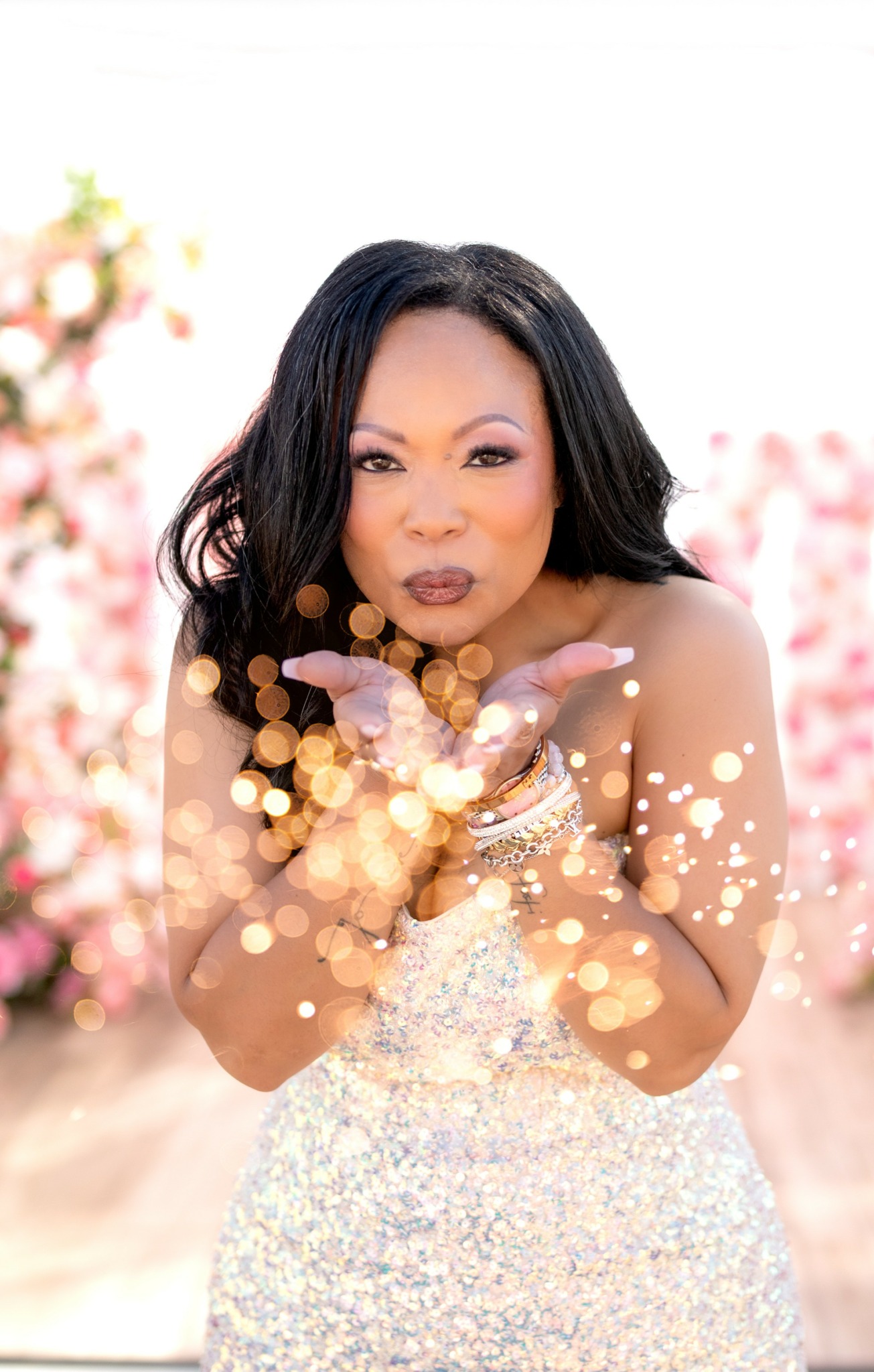
If you could go back, would you choose the same profession, specialty, etc.?
If I could go back, I would choose this profession every time. I joke that if therapy ever stopped working out, I’d become a chef or an event planner because I LOVE food and a good party—but the truth is, I can’t imagine doing anything else. I have a career where I get to witness people heal. That experience is inspiring and unlike anything else.
I deeply admire the courage it takes to heal; the vulnerability of letting your feelings, wounds, and self be seen. It’s an honor to be trusted in those moments and I am forever grateful.
I love this work so much that it naturally expanded into new adventures. I support clinicians through consultation, trainings, CE offerings, along with creative tools to assist in growth, confidence, and an authentic clinical presence. Helping clinicians help others has created a wider ripple effect than I ever expected.
This field gives me the space to be both clinical and creative, and there are endless possibilities within the art of psychotherapy.

Putting training and knowledge aside, what else do you think really matters in terms of succeeding in your field?
I think the most important factor in succeeding in this and any field is learning how to get out of your own way. Technical skills matter, but I think self-awareness, regulation, integrity, and willingness to do your own internal work matter too.
I’m biased and think everyone could benefit from therapy, clinicians included. When we understand our patterns, our triggers, our injuries, our blind spots, and shadow, we show up differently, we lead differently.
There are many ways to grow: therapy, coaching, creativity, community, meaningful relationships, personal rituals, rest, and learning how to be in your truth. I think healing expands capacity.
I believe healing also creates clarity and confidence—and I think that’s one of the biggest predictors of success.
Contact Info:
- Website: https://www.doctorchante.com
- Instagram: https://www.instagram.com/doctorchante
- Facebook: https://www.facebook.com/doctorchante
- Linkedin: https://www.linkedin.com/in/dr-chante-pantila-dbh-lpc-90633590/
- Twitter: https://x.com/doctorchante


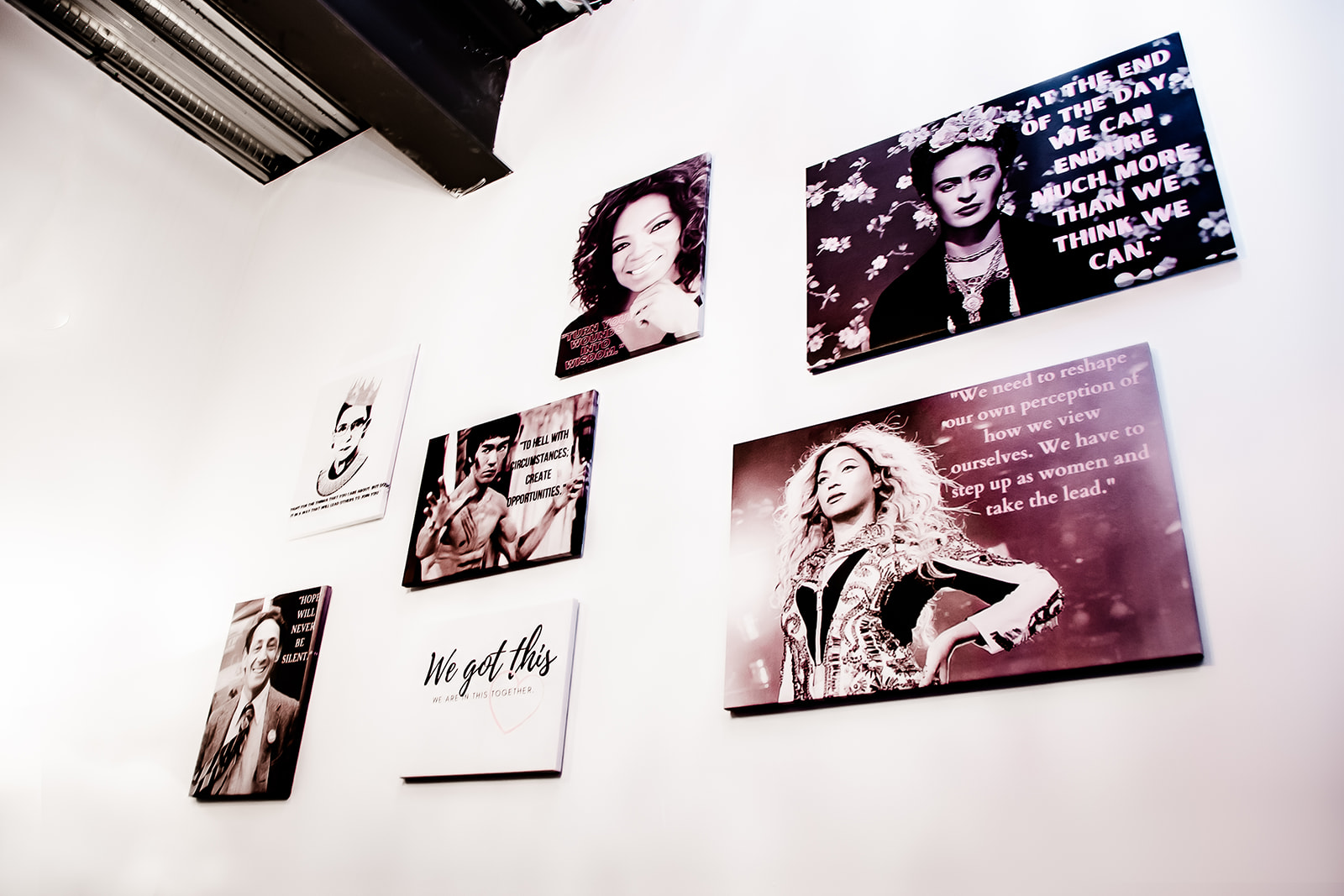

Image Credits
Amanda Osborne Photography