

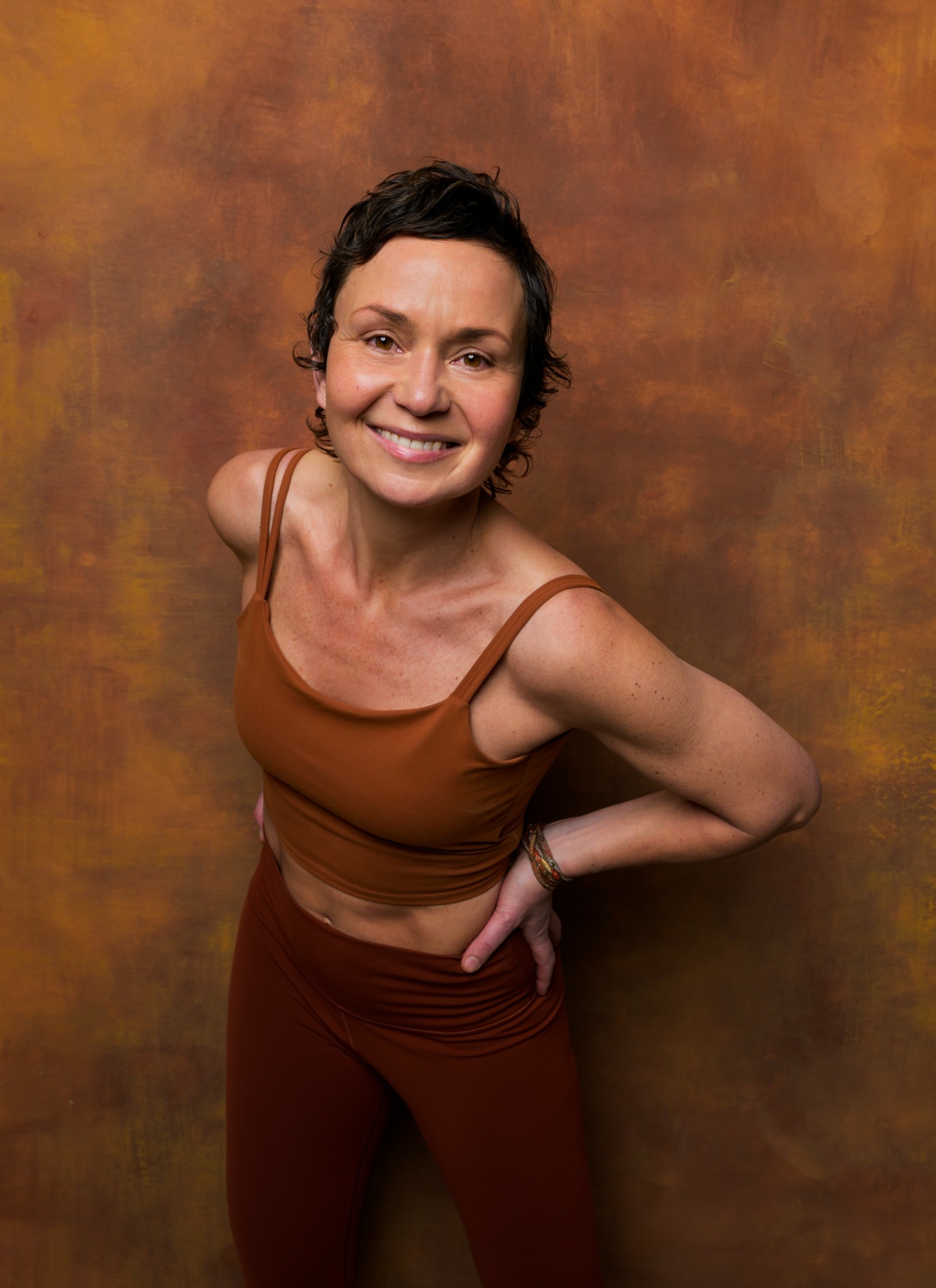

We recently connected with Chantall Gimbel and have shared our conversation below.
Chantall, looking forward to hearing all of your stories today. To kick things off, we’d love to hear about things you or your brand do that diverge from the industry standard
Reimagining Movement for Aging Bodies: Why Traditional Stretching Isn’t the Answer
For over 20 years, I’ve been helping people move better, feel stronger, and age with more grace and less pain. I began my Pilates career in Brooklyn, working mostly with younger clients—women in their 30s returning to movement after childbirth. But when I moved to Santa Fe, New Mexico in 2014, everything changed.
My new clientele? Primarily people in their 60s, 70s, and beyond. Many were dealing with chronic pain, fear of falling, postural decline, and reduced mobility. A number of them were highly active in earlier decades—dedicated to yoga, tennis, running—but had also led sedentary professional lives. Now, they felt betrayed by their bodies. Others never took care of their bodies and saw themselves confronted with chronic pain and that leading down the joint replacement route and regular cortisone injections.
This transition forced me to ask: What does movement really need to look like for aging bodies? And why does so much of what we consider “healthy movement” fall short—or even cause harm—later in life?
Breaking from the Industry Norm
Most Pilates and fitness professionals are still stuck in an outdated paradigm: that tight muscles need to be stretched and that flexibility equals health. I’ve seen firsthand how this model not only fails aging bodies—it often makes things worse. Tears, sprains and more pain are often the result.
Here’s what I do differently:
I don’t chase flexibility—I help people build functional mobility.
Mobility isn’t about forcing the body into a deeper stretch. It’s about what the nervous system allows. If your nervous system doesn’t feel safe, it won’t let you move well—no matter how much you stretch. Instead of overriding this system, I work with it.
I teach clients how their bodies work.
Many people have never been taught how their joints are supposed to move. I help them understand what ligaments, tendons, and bones are doing in movement, so they build both awareness and control. My clients learn about the movement abilities of their knees and hips and whats causing either discomfort or stress on the joint.
I prioritize safety, not aesthetics.
For older adults, falling is a genuine fear. Getting up off the floor can feel like a major challenge. I build programs that restore confidence, joint integrity, and balance—rather than mimicking postures designed for young, bendy bodies.
I use slow, specific, conscious movement—not flashy routines.
Precision and connection matter more than pace or intensity. With aging or injured bodies, slow work isn’t just safer—it’s smarter, it’s smarter and more integratabtle for ANY body, most importantly. Slowing down and breathing with intention helps the vagus nerve stimulation, and that allows the bodies to relax on a deeper level and integrate the new movement options we practice.
Why I Chose This Path
I didn’t set out to be a specialist in aging bodies, but the people who came to me needed something different—something deeper than typical exercise instruction. They were living with arthritis, joint replacements, and chronic pain. Many had been overstretched and underserved by movement modalities that didn’t consider their current state or their nervous system’s limits.
They didn’t need another fitness routine.
They needed a movement re-education.
This approach is rooted in science, yes—but also in deep respect for how resilient the human body can be when given the right tools, time, and attention.
What Success Looks Like
Over the past decade in Santa Fe, I’ve seen extraordinary transformations:
Clients who feared getting down to the floor are now doing so independently—without panic, pain, or props. Bone alignment and shape is literally changing in front of my eyes. Knock knees are not so bad anymore = improved balance and control while walking.
People who relied on biannual cortisone shots have found lasting relief through consistent, joint-focused movement.
Long-time yoga practitioners who once wore out their hips through overstretching are rebuilding their strength, posture, and confidence—without surgery or aggressive interventions.
Many report not just physical improvements, but also a sense of control and renewed trust in their bodies.
This work goes beyond “exercise.” It’s about returning people to themselves.
The Future of Aging Well Is Not in Flexibility—It’s in Connection
The body is more than a machine of muscles and joints—it’s an intelligent, adaptive system that responds to how safe it feels. When we stop forcing it to fit an ideal and instead listen, educate, and guide it with clarity and compassion, we get results that are not only visible but sustainable.
What I offer may not be flashy. But it works. Fast.
And for people in their 60s, 70s, and beyond who want to live fully and move freely—it’s not just different. It’s essential.
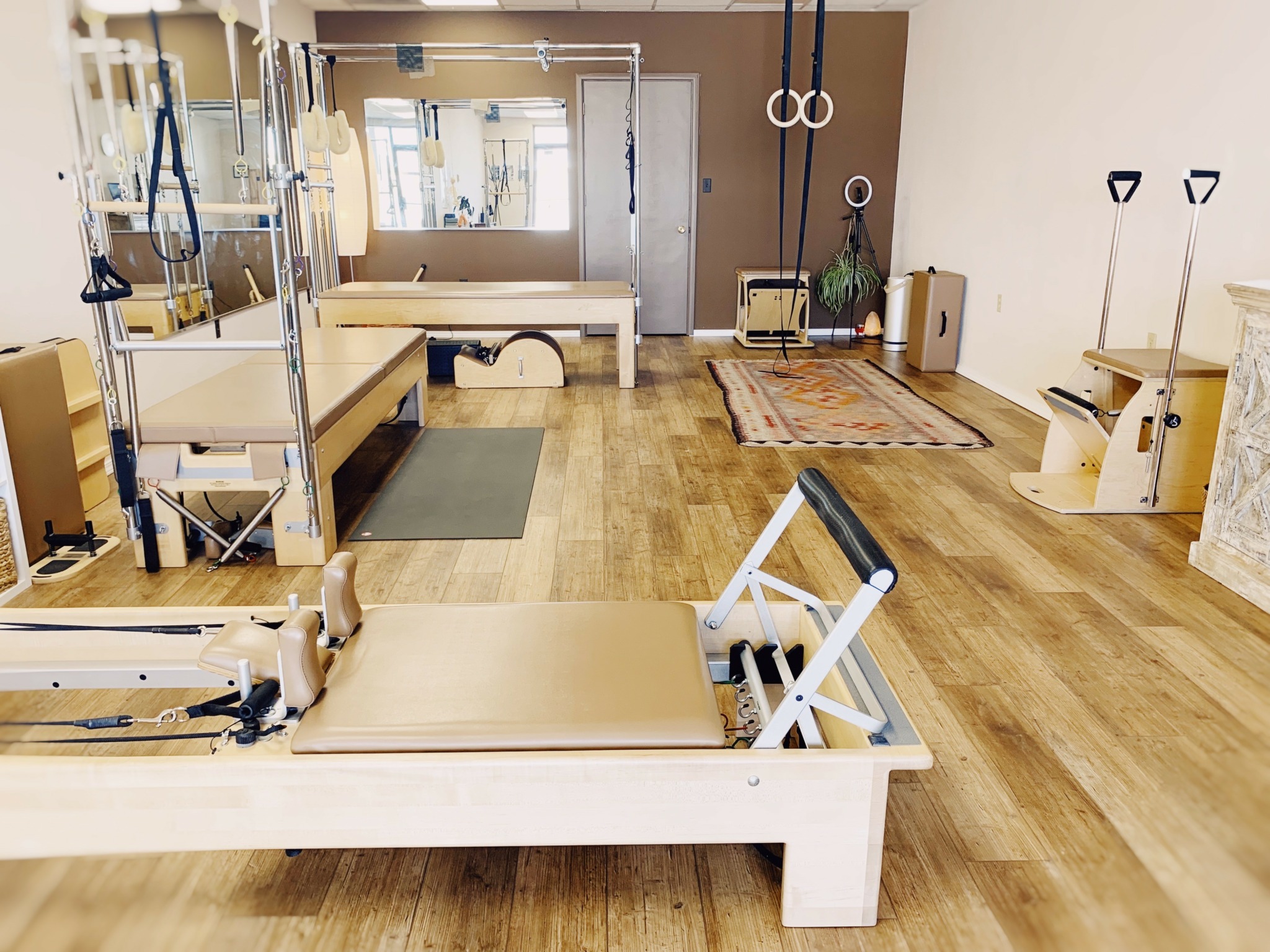
Great, appreciate you sharing that with us. Before we ask you to share more of your insights, can you take a moment to introduce yourself and how you got to where you are today to our readers.
Chantall Gimbel is a Pilates instructor and conscious movement specialist with over 20 years of experience helping people reconnect with their bodies, recover from pain, and move with confidence—at any age.
Her movement journey began unexpectedly in a small Brooklyn Pilates studio, where she walked in to buy a pair of MBT shoes and walked out hooked on Pilates. That chance encounter led to years of dedicated study, certification through Balanced Body University under mentor Leslie Powell, and years of teaching in Brooklyn to a younger, postpartum population.
In 2014, she relocated to Santa Fe, New Mexico, where her clientele shifted dramatically. Her practice became filled with older adults—people in their 60s, 70s, and beyond—many of whom had a history of high-impact sports or long-term yoga, now dealing with chronic pain, arthritis, joint degeneration, balance issues, and fear of falling.
This shift led her to challenge mainstream movement norms. Rather than promote stretching or intensity, she helps clients restore function through nervous system regulation, joint awareness, and intelligent, biomechanically sound movement. Her teaching is slow, specific, and educational—designed to rebuild confidence, reduce pain, and reconnect people to their bodies from the inside out.
Her clients often report life-changing results: more mobility, less pain, fewer injections or interventions, and most importantly, renewed trust in their own bodies.
She specializes in working with aging populations, hypermobile clients, and those recovering from movement-related injuries. Through her signature method, she’s helping redefine what graceful aging and sustainable movement can look like.
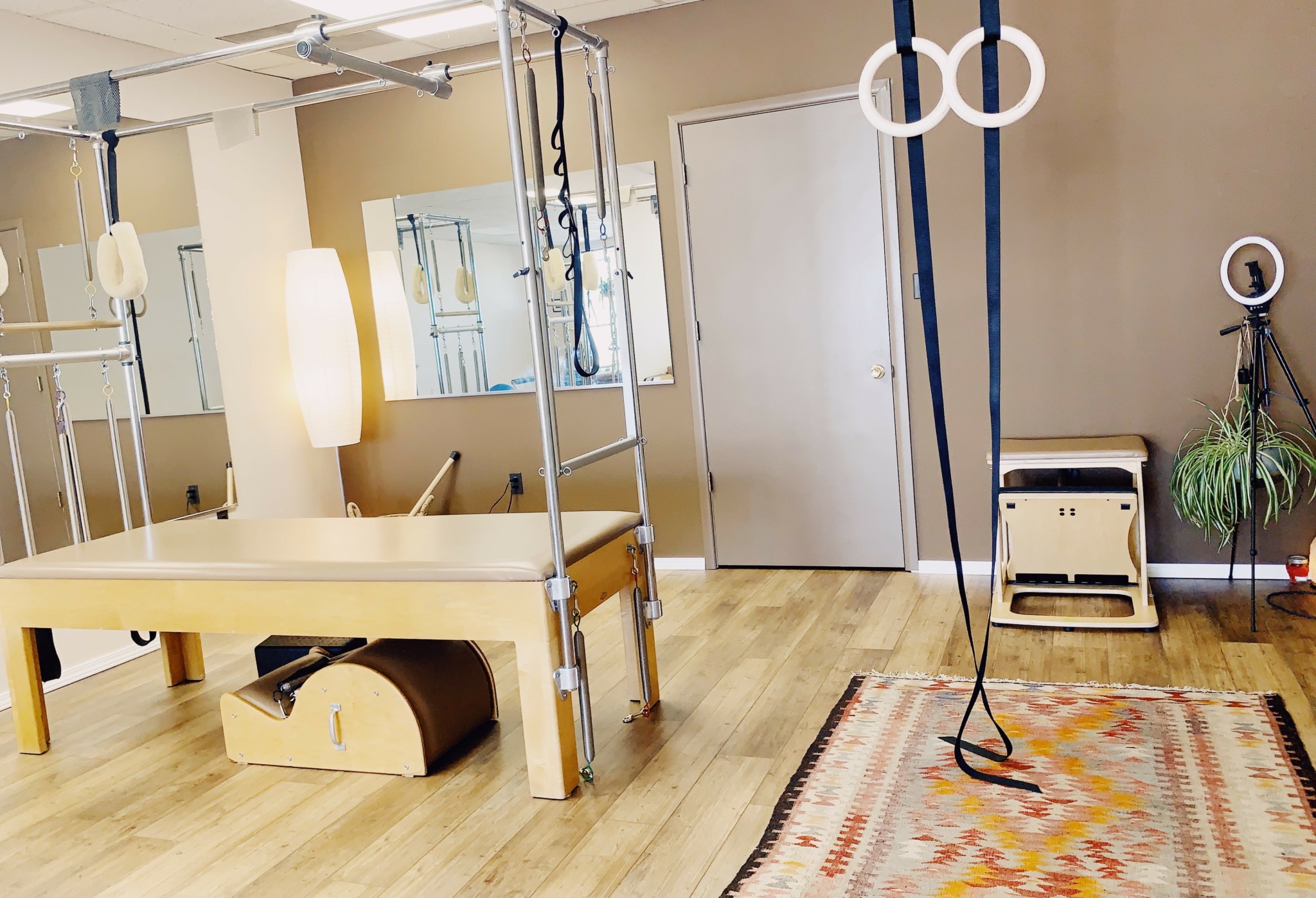
What do you think helped you build your reputation within your market?
1. My Unique Expertise with Aging Bodies
I’ve developed a rare and valuable niche—helping older adults, many with complex movement histories, feel better in their bodies. My approach is grounded in nervous system safety, joint clarity, and function—not just flexibility or “fitness.”
This alone sets me apart and makes clients want to share your name when friends ask, “Who helped you move like that again?”
2. I Get Real, Lasting Results
People trust me because your method works. My clients experience:
Relief from chronic pain
Better balance and mobility
Reduced need for medical interventions (e.g., cortisone shots)
Renewed confidence in movement
Knowing that aging does not mean “I am falling apart”, but I can live a healthy, active lifestyle in my golden years.
Results like that speak louder than any ad.
3. Deep Trust and Personal Attention
I give people your full attention. I listen to them. I meet them where they are. And because many of my clients are used to being dismissed or pushed too hard by other fitness professionals, my respect and nuance stand out. Plus, I have a huge wealth of knowledge when it comes to pain, postural pattern issues and overuse/ underuse of joints.
That kind of care makes clients feel safe—and safe, happy people tell others.
4. Word-of-Mouth from a Tight-Knit Community
Santa Fe is a community where people talk. I am in a demographic that values personal referrals over social media or advertising. When one person gets better in your care, their friends, walking buddies, and neighbors hear about it.
Your consistent presence in the community and the time you’ve spent building relationships matter.
5. You Educate, Not Just Instruct
I don’t just lead a class—I teach people about their bodies. I explain anatomy, nervous system function, and biomechanics in ways that empower them, I break down the exercises and explain with very simple words what needs to be done. No fluff. Once my clients understand how their body functions, they know that they have control of their health. That’s crucial and something everyBODY should learn, to heal themselves.
That’s powerful—and unusual in the industry.
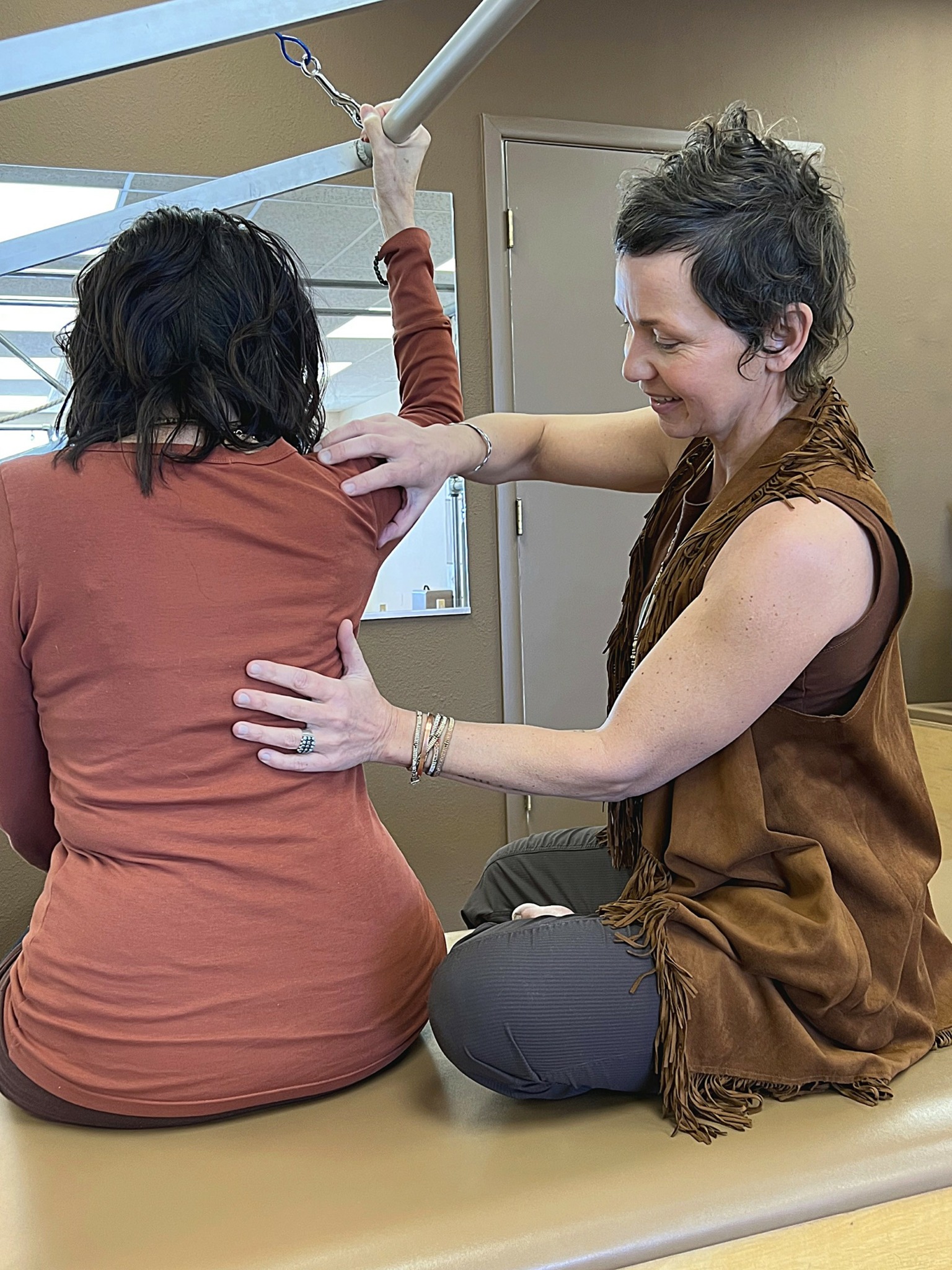
We’d love to hear a story of resilience from your journey.
When I moved from Brooklyn to Santa Fe in 2014, I left behind a strong reputation—years of teaching, a steady waitlist, and being the highest-grossing Pilates instructor at that studio. But in Santa Fe, I was unknown. Starting fresh felt anything was possible, yet daunting.
My first opportunity was teaching at a private club where I quickly became known as the go-to expert for injuries and chronic pain. The aging clientele trusted me, and word-of-mouth referrals started flowing. The long commute propelled me to open my own studio, which I ran successfully for four years.
Then came 2020. Like so many others in the movement and fitness world, my business was forced to shut down. Overnight, I lost nearly two-thirds of my clients. It was a blow, but also a catalyst. I ventured into online teaching via Zoom—a platform I never imagined myself using. Surprisingly, this experience sharpened my skills in new ways. I learned to connect deeply with clients through a screen, using household props and whatever small space they had as their Pilates studio.
The concept to my now signature class SLOCORE was born. Slow, mindful, deep and absolutely body transforming plus, you can do it anywhere in the world, in the comfort of your home or a hotel room.
When studios began reopening, I was cautious. Financial pressures and uncertainty made me hesitant to launch a new space. So I moved some equipment into my husband’s acupuncture clinic, creating a small, 13’x13′ private teaching area where I stayed connected with clients for almost two years.
Eventually, it was time for my own space again. Luisa Street is now home—a beautiful studio that fits my style and allows me to teach larger group classes.
My professional journey has been shaped by resilience, adaptability, and a commitment to authentic connection. From Brooklyn’s bustling studios to Santa Fe’s intimate community, from in-person to online and back again—I’ve learned that success comes from trusting the process, embracing change, and focusing on what truly matters: the people I serve.
Contact Info:
- Website: https://www.risepilates.com
- Instagram: @risesantafe
- Linkedin: chantall gimbel
- Youtube: @rise-pilates
- Other: tiktok @risepilates
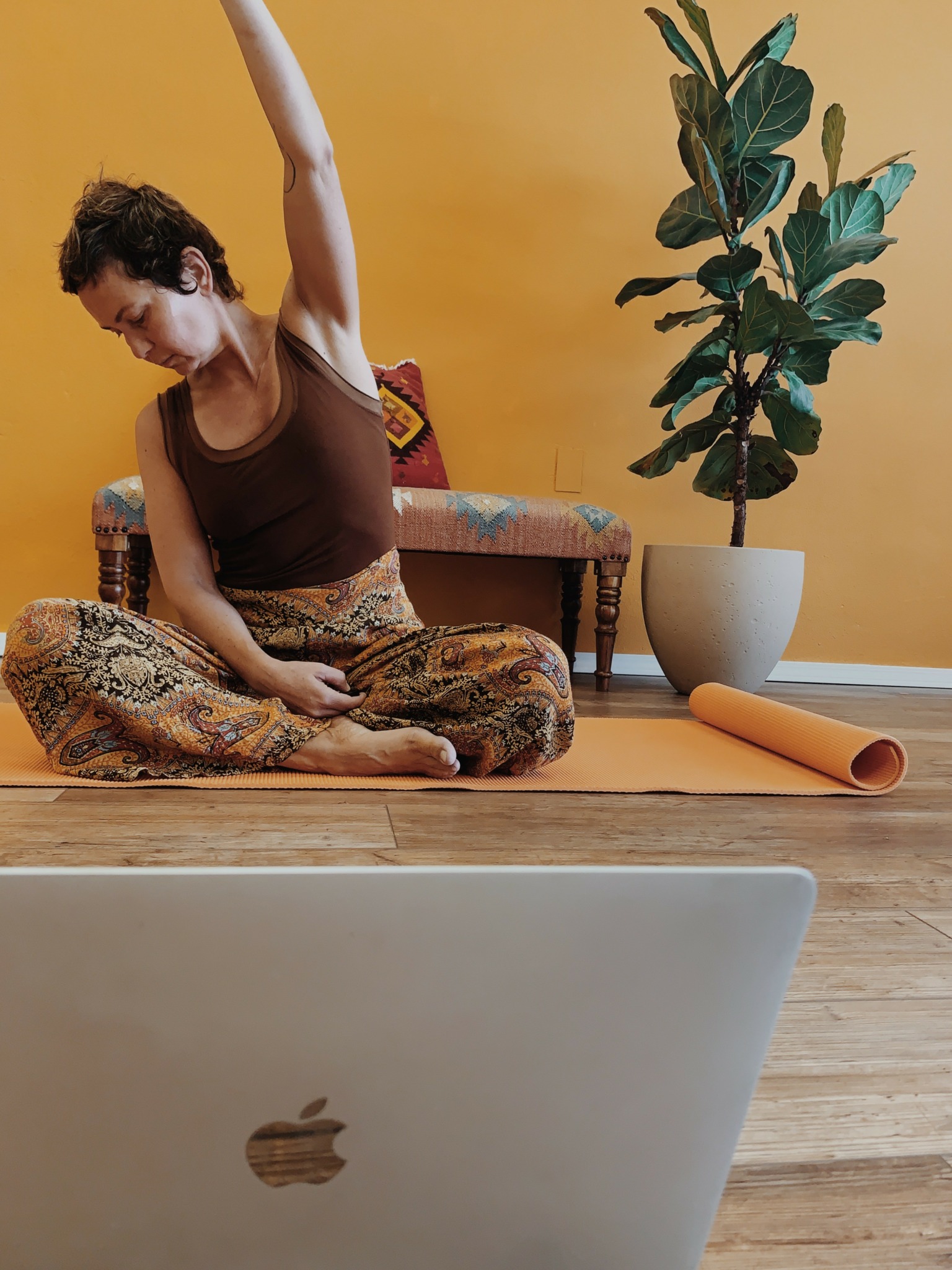
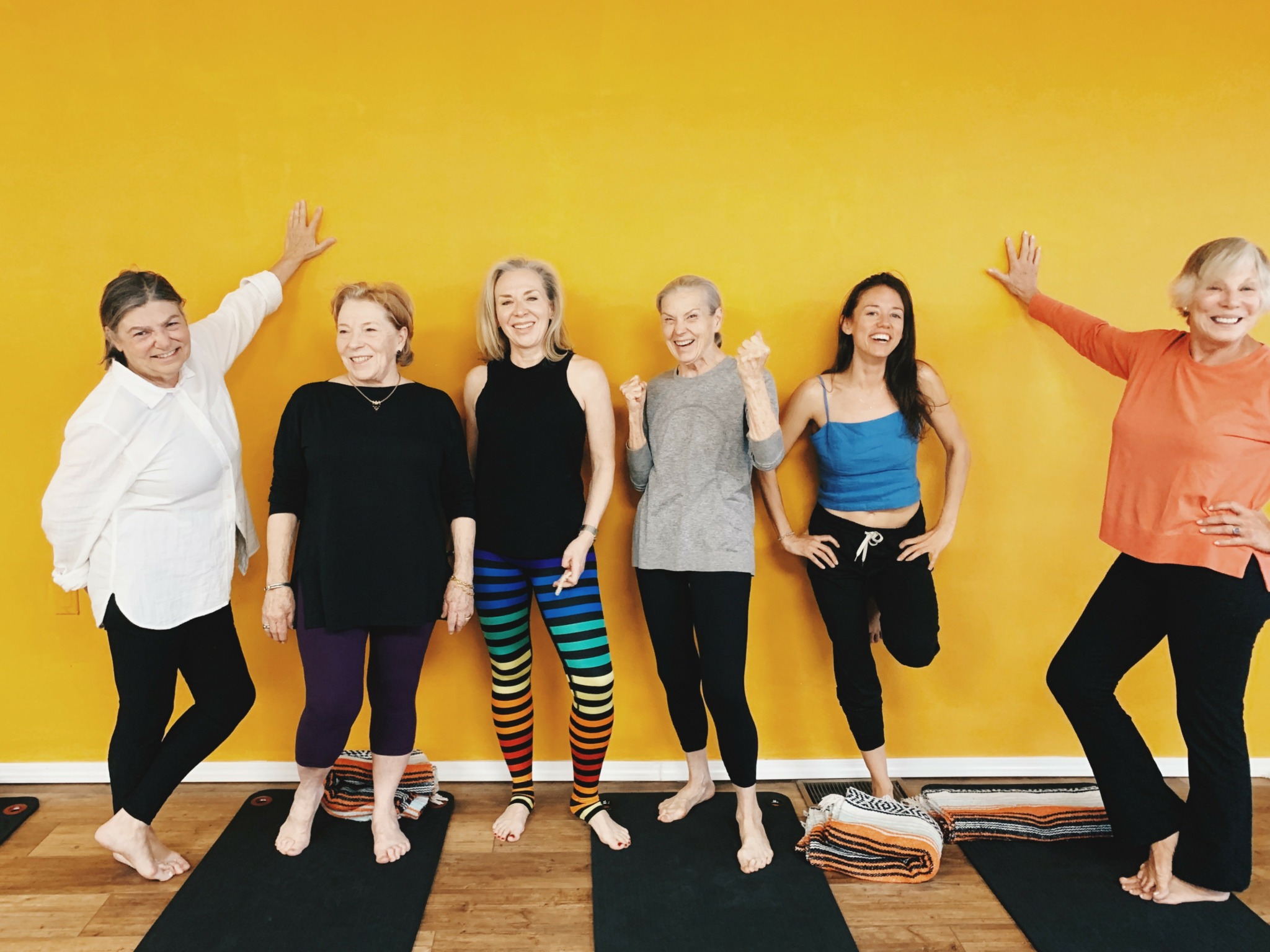
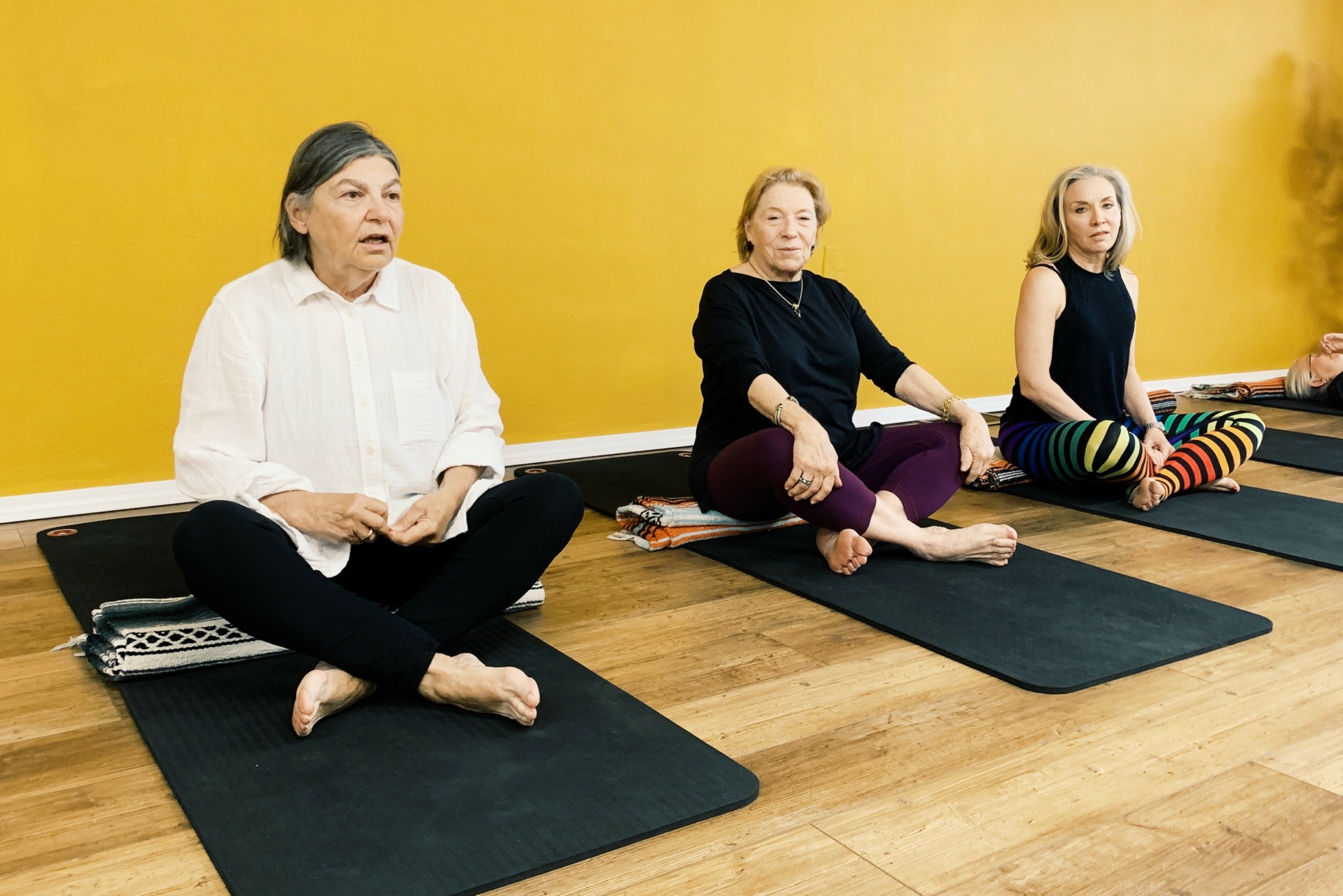
Image Credits
images from Anton Brkic, Judy Kohn and risepilates