



Alright – so today we’ve got the honor of introducing you to Chanel Haley. We think you’ll enjoy our conversation, we’ve shared it below.
Hi Chanel, thanks for joining us today. We’d love to hear the backstory behind a risk you’ve taken – whether big or small, walk us through what it was like and how it ultimately turned out.
Working in the field of political advocacy is constantly being willing to take risk. The messaging and decision making made when advocating can turn out good, but also very bad for the community we represent. Risk is also created within my personal life. The public judges on what is said, done, and what is not said or done. Because the issues we tackle are very personal to the community members.

Awesome – so before we get into the rest of our questions, can you briefly introduce yourself to our readers.
After being told “We Are Not Use to Hiring Your Kind” during a post job interview in 1999. I became interested in workplace inclusion & workplace rights. Which lead me to learning that the problem was bigger than just my experience.
In 2008 after completing training in political campaign training, that training was immediately used in helping to elect the nation’s first African-American OUT lesbian elected to a general assembly, Simone Bell. Becoming the weekend volunteer coordinator for that campaign, and later office manager and volunteer coordinator for future campaigns. Later, during 2010-2014 the Senior Legislative Aide to Georgia State Representative Simone Bell.
I am the first African-American Transgender person hired by the Georgia House of Representatives assigned to four Republicans and three Democrats. Appointed to the City of Atlanta Human Relations Commission by Atlanta City Council President Ceasar Mitchell in 2014. Later to be elected Chairperson in 2016-2018. Making her the first Trans-person to chair any City of Atlanta constituted board. She secured a 20k budget, the first for the Commission. The Human Relations Commission is the governing board for Atlanta’s nondiscrimination ordinance. The position with the commission gave her the authority to facilitate Trans* Humility Training at all the homeless shelters within Atlanta city limits. She is co-author of the “S.L.E.E.P. training manual” for the City of Atlanta. And was the only Trans-person appointed to the City of Atlanta’s HOPWA Modernization Advisory Committee. I have served four years as the secretary of Georgia’s State Advisory Committee to the United States Commission on Civil Rights, cochairing and coauthoring: “Disability Rights and Civil Rights in Georgia” report. Elected 2017-2018 Fulton County Democrat Post Seat Holder At-Large. Elected as a 2018 Delegate to the State Democrat Convention and elected a district level Delegate to the 2020 Biden Democrat National Convention. In 2017, I became the first Trans-person to be listed in Real Times Media “Who’s Who in Black Atlanta” 17th edition. She is a 2018 graduate of the City of Atlanta Citizens Police Academy conducted by the Atlanta Police Department. In 2019-2021 Ms. Haley served on the Advisory Council to Recovery Resources of Atlanta Midtown Covenant Community, Inc. She served as the chairperson of Trans Housing Atlanta Program (THAP). In 2020, I joined the Screening Committee for Out on Film and is 2020’s OUT Georgia Business Alliance 100 Most Influential LGBT Georgians. Served as an appointee to the Clayton County School Board Advisory Council as Vice-Chair in 2022. And served one term as Co-Chair on the Fulton County District Attorney’s LGBTQ Advisory Board.
Aside from performing organizational administrative duties (HR & staff management), I leads efforts that ensure nondiscrimination legislation and policies in the broad areas of employment, housing, public accommodations, law enforcement, safe schools, access to health care, education and voter registration access is inclusive of transgender and gender variant individuals and communities. And helps to build relationships with businesses and corporate environments that may have little or no LGBT background and experiences throughout the state of Georgia. She works with Elected Official’s and policymakers locally and statewide. By request, I have been contracted to facilitate sensitivity training and police interactions by the National Center for Victims of Crimes for the city of Philadelphia, and a Chicago affiliate. And regularly participate in police scenarios with Recruits for the Atlanta Police Academy. With appearances at 15 universities on 17 campuses, including Yale University. She currently facilitates “Trans* 101 Humility” Trainings by request custom for any type of organization. In 2016 and 2017 her facilitation included the Federal Bureau of Prisons. And in 2021 the Department of Juvenile Justice.

Any stories or insights that might help us understand how you’ve built such a strong reputation?
Honesty and my unique lived experience has helped me greatly. Most black transwomen have not the opportunity to work closely with elected officials and policy makers. I use my lived personal experiences & experience working with elected officials/policy makers as a guide to knowing how to approach an issue for the best outcome in favor of the community
When I facilitate trainings, I consciously only present facts and remove any personal feelings I may have. I am a representative of community, I am not the community. It would be unfair & inaccurate if I let an audience believe that my way is the only way. A “meet people where they are approach”. Audiences, and students of lgbtq+ advocacy appreciate the approach.

Learning and unlearning are both critical parts of growth – can you share a story of a time when you had to unlearn a lesson?
Managing people is very different today than it was when I first started working in the mid 1990’s. My work experience started by having supervisors dictate job duties, and say if you don’t like it “quit” or “you’re fired”. In 2025 that type of work culture does not fly.
I have had to learn and lean into “Psychological Safety”, “Psychological Meaningfulness”, & “Psychological Availability”.
Psychological Safety – Giving staff the safety to be able to speak out about grievances within the workplace without fear of negative consequences or retaliation.
Psychological Meaningfulness – Checking in with staff to make sure their job duties are fulfilling and has meaning to them. We want them to feel good about the work done.
Psychological Availability – Understanding that staff has other things going in their life. Many of which may affect their concentration and ability to do their work. As a supervisor, I have learned to be attentive to their needs and understanding to their personal situations.
Contact Info:
- Website: https://www.GeorgiaEquality.org
- Facebook: https://www.facebook.com/GAEquality
- Twitter: @ChanelRaQuel
- Youtube: https://www.youtube.com/@georgiaequality
- Other: BlueSky
https://bsky.app/profile/georgiaequality.org
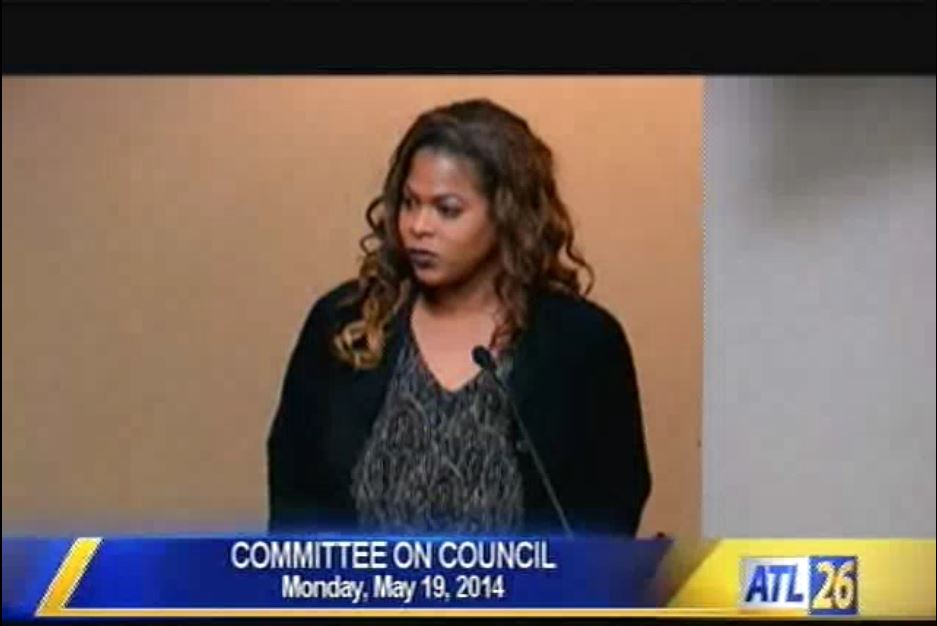
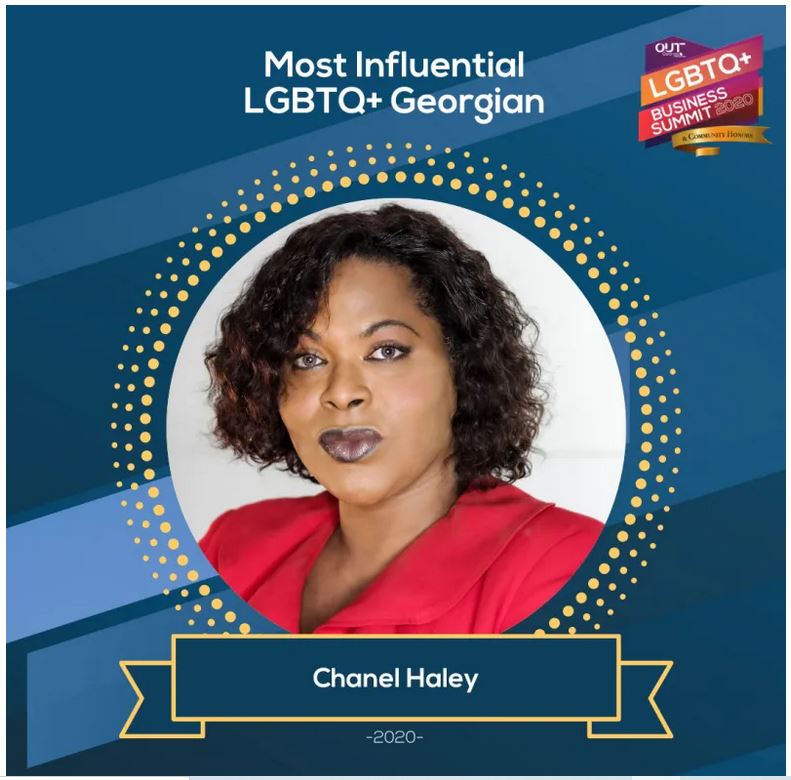

Image Credits
I own the rights to all the photos.