

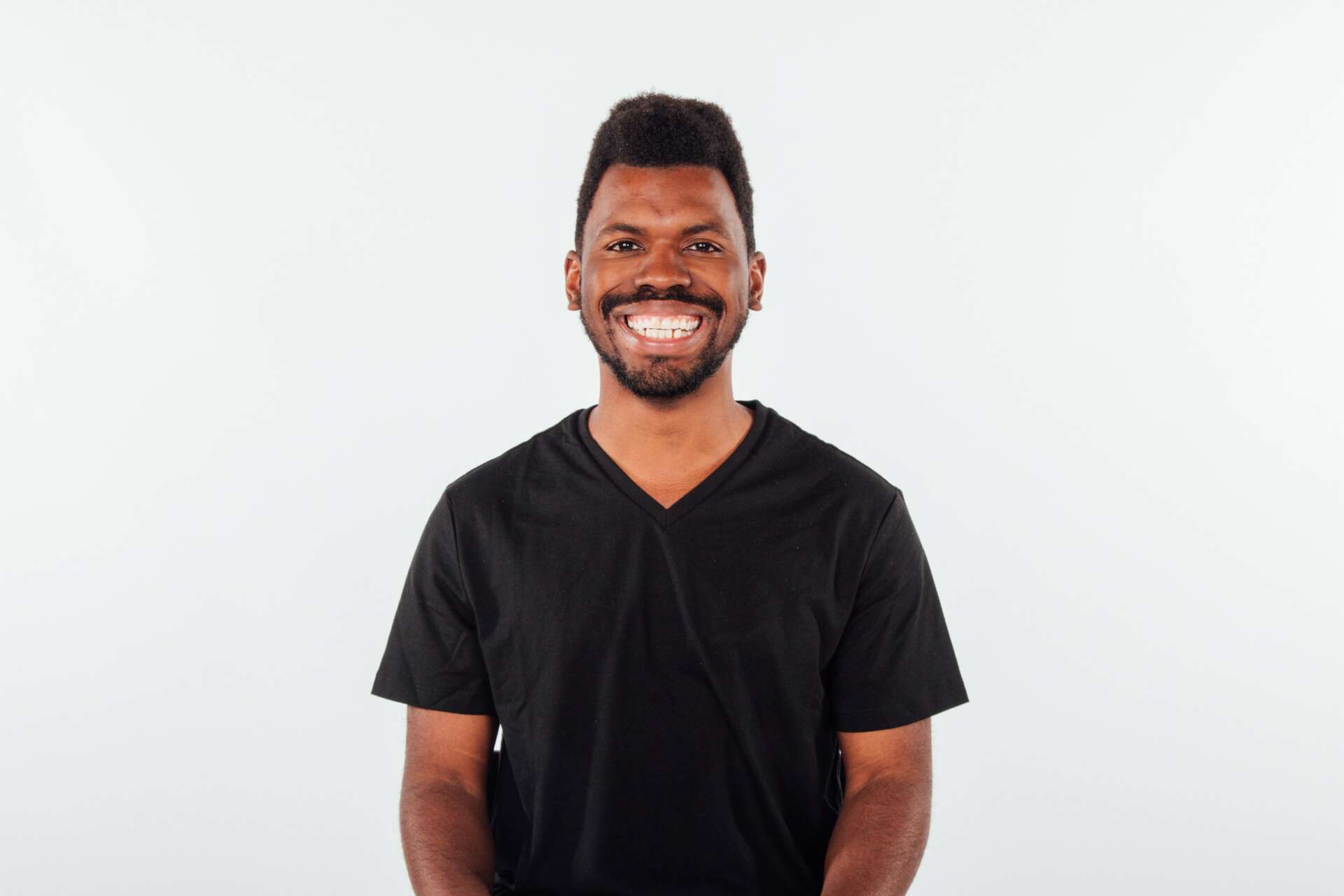

We’re excited to introduce you to the always interesting and insightful Chandler Johnson. We hope you’ll enjoy our conversation with Chandler below.
Alright, Chandler thanks for taking the time to share your stories and insights with us today. Any advice for creating a more inclusive workplace?
As a Black creative, I have lived with the paradox of Double Consciousness in workspaces. W. E. B. Du Bois coined Double Consciousness to describe the feeling of People of Color (POC) splitting their personalities, perspectives, and experiences to fit in white-dominated spaces. I have been in plenty of meetings where I have spoken up with ideas only to receive silent responses in return. I have sat at my desk only to hear everyone else being asked out to lunch, leaving me to eat alone. I have had ambiguous conversations about not having the right ‘tools’ in the ‘toolbox’ for the position, only to watch my non-POC equal receive the opportunities I requested. All of these moments leave me straddling a fence where on one side, I’m questioning if the lack of engagement is because of my current abilities as a creative or if it has to do with my skin color, whether intentionally or subliminally.
To create a more inclusive workplace, we will need culturally responsive leaders. Recently, I was in a training session with Dr. Nicole Price, an expert in leadership development. She described how Diversity, Equity, and Inclusion could quickly become a checkbox or a buzzword for change without significantly changing anything. Adding one POC to the group creates diversity. Giving more women opportunities for job interviews creates more equity even if none of them get the job. Or allowing more people to be in the room is inclusiveness, even if you don’t listen to them. She suggests that we also become culturally responsive because this process consistently urges us to be active participants when learning and relating respectfully to everyone, regardless of their culture.
I argue that inclusiveness starts with leadership because it sets the tone for the organization. Truthfully and unfortunately, many CEOs or Directors perceive themselves as leaders when they act like managers who recite insightful quotes without actively and genuinely demonstrating those sentiments. We need CEOs and Directors to be more like Phil Jackson, the 90s Chicago Bulls coach. Phil Jackson understood the differences between Michael Jordan and Dennis Rodman. He saw value in those differences and strived to create a workplace that allowed them to be themselves while orienting them toward the team’s goals. Once the leader believes in being culturally responsive, the lack of inclusion and systemic inequalities can begin to change.

Chandler, before we move on to more of these sorts of questions, can you take some time to bring our readers up to speed on you and what you do?
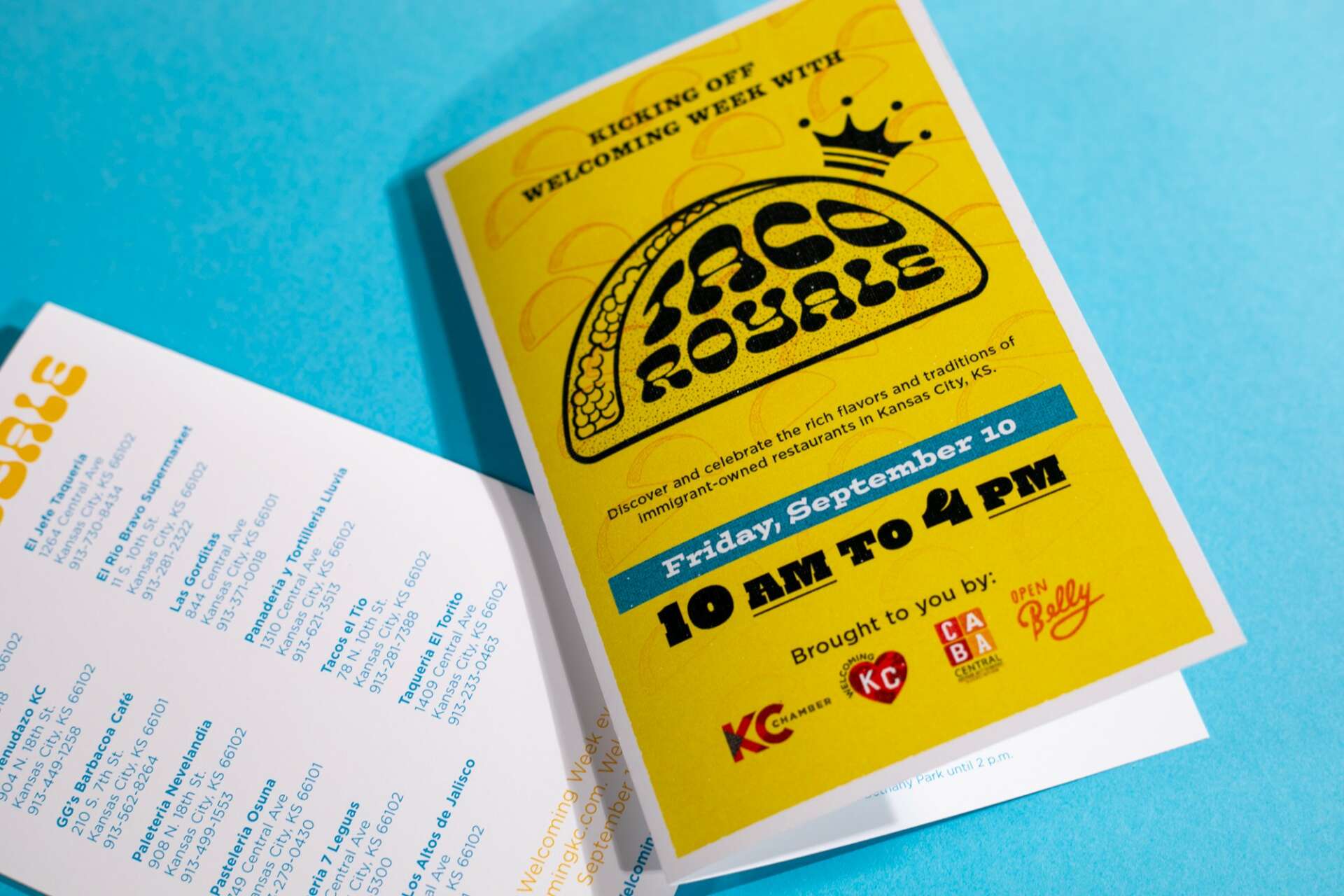
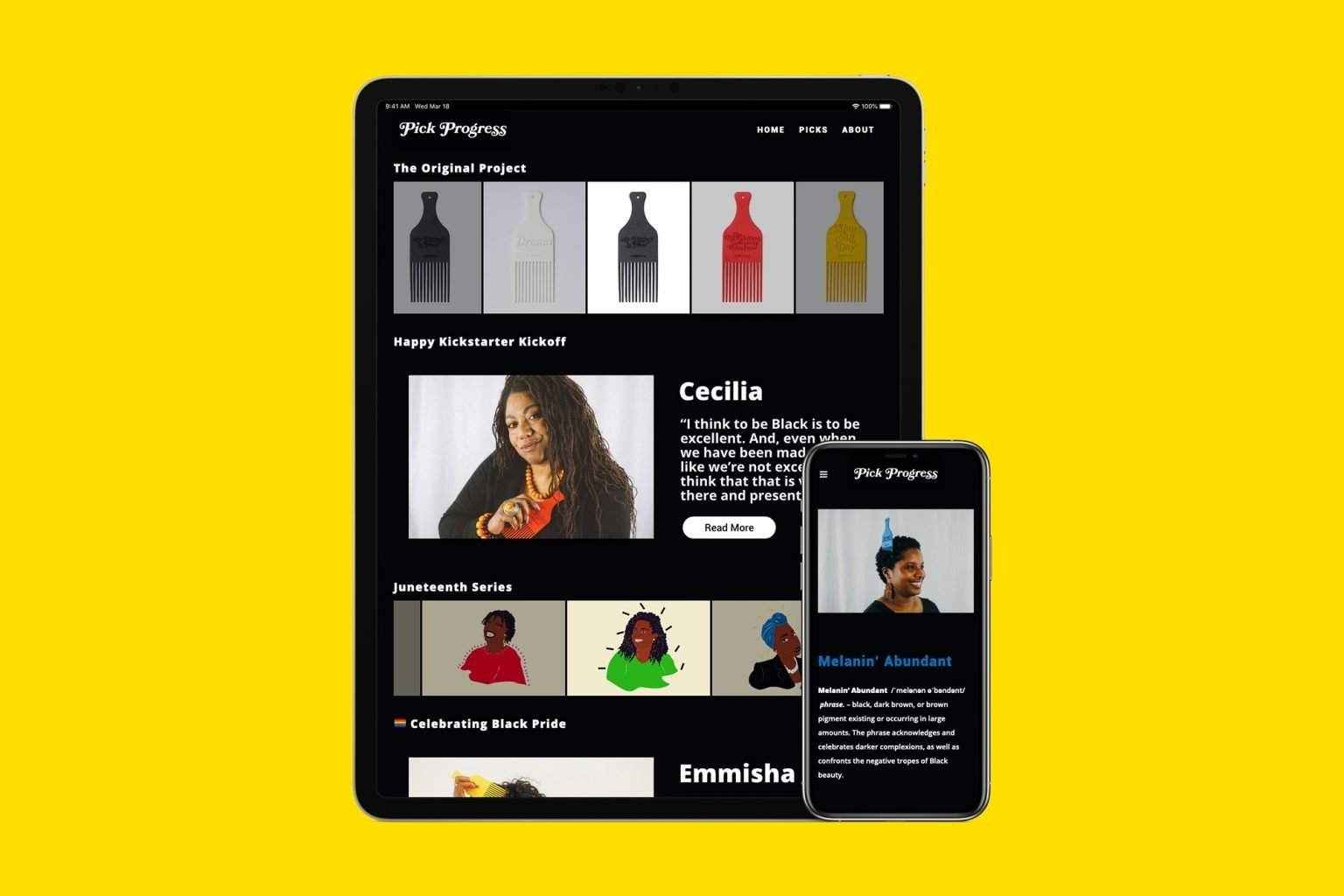
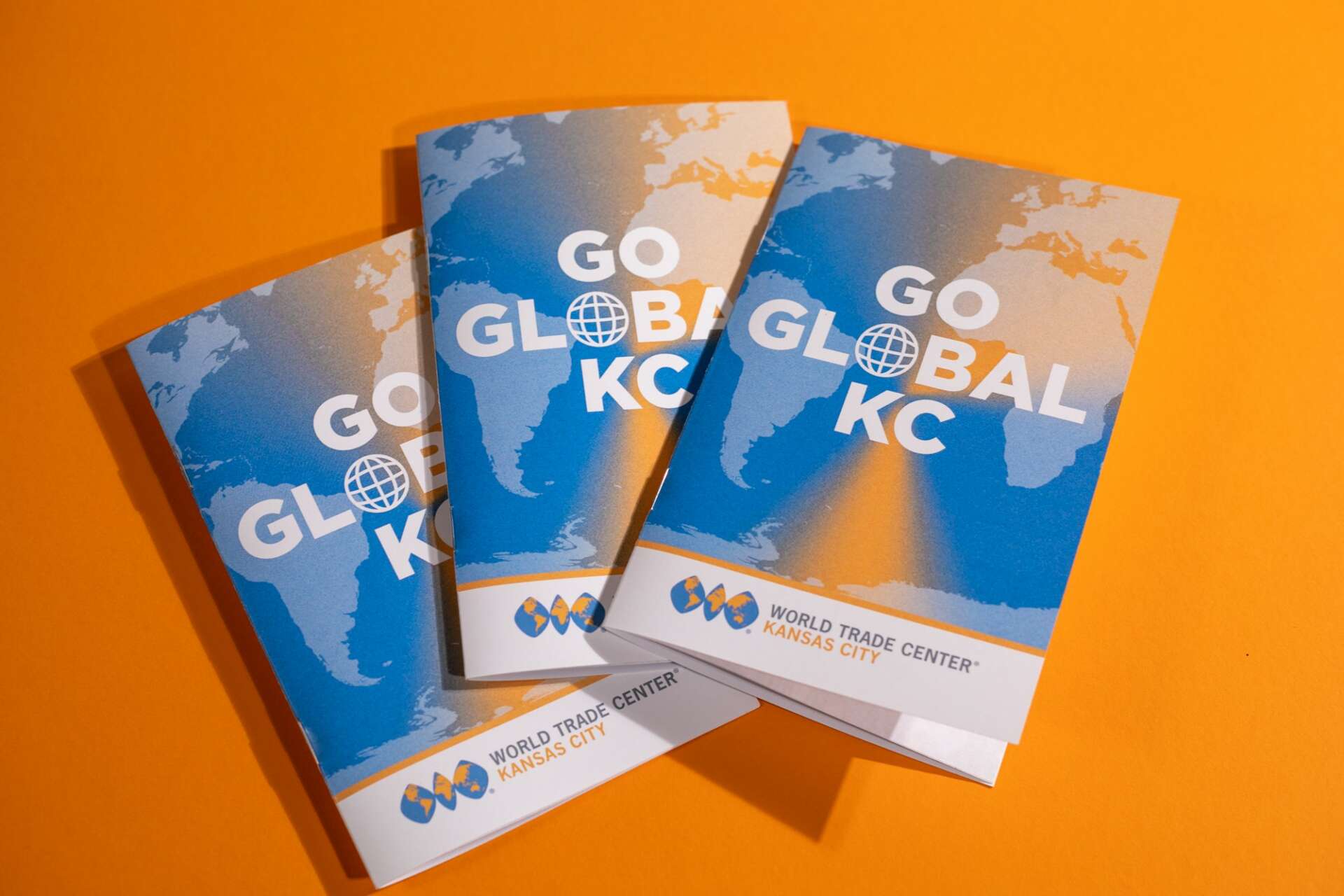
I’m currently the Art Director for the Greater Kansas City Chamber of Commerce and a Freelance Designer under the moniker Kalimizzou. I was born in Kansas City, MO but mostly grew up in Kansas, thus the inspiration for the name Kalimizzou.
Recently, I’ve been thinking a lot about the origins of my passion for creativity. For as long as I can remember, I have always loved dreaming of new possibilities and figuring out ways to make those ideas a reality. I have VHS tapes of little me acting like a news anchor and doing half-hour segments of yesterday’s news. I still have examples of elementary school art assignments where I tried to figuratively color outside the lines and do something more extraordinary than the assignment required. I still have most of my college notes because I love reliving the moments when I learned something new.
Kobe Bryant, the late great basketball phenomenon, once talked about his love of the game in a way that compelled him to wake up at 4 AM to work out and practice. As I’ve gotten older and been able to define my passions better, I realize that the opportunity to be creative every day is my lifeblood. Like Bryant, I wake up at three or four in the morning because I have an idea I’m trying to figure out or put on paper.
Additionally, my passion for being creative makes me hungry to catch up to the greatness of my creative colleagues and friends. Unlike many of my friends, I didn’t go to college for design; instead, I double majored in communication and electronic media/journalism. If creativity gives me life, communication is my love language. The seven years of college and graduate school helped me understand how to communicate through graphics, images, and websites. So, much of my creative work primarily focuses on conveying the message or core goal to the audience before incorporating any artistic choices.
All of this explanation is to say that I love what I do. I still work in all the mediums of graphic design, photography, video, and web design. I have been fortunate to travel to other countries for work and create design elements for significant events locally. I have seen websites I’ve made do so much good for specific underrepresented communities, and I’ve created social media assets for small businesses to bloom toward their full potential. If I stopped right now, I could say that I have lived a full life in this creative world, but as long as I have breath in these lungs, I’m still pursuing these creative dreams.
Is there something you think non-creatives will struggle to understand about your journey as a creative?
Hm. I don’t think there’s anything that non-creatives will struggle to understand about my journey, but there is often conflict in understanding the relationship between clients and creatives. Let me give you a completely different example to make my point.
When a person goes to a specialized doctor for an examination, they believe a doctor is an expert in that field. They trust the doctor has done the work to receive their certifications and has the wisdom that matches their rank in the hospital. The patient might be skeptical or curious when the doctor gives them feedback, but hopefully, the patient leans toward asking questions first before telling the doctor they are wrong or don’t know what they are talking about. You wouldn’t want patients to go into the operating room and perform their own surgeries because that would be absolutely wild and inappropriate. Now, I’m not saying that patients shouldn’t protect themselves or ask questions; equally, I’m not saying that there aren’t doctors who make mistakes or have egos that make it impossible to communicate with them. However, I think that if you find the right doctor, the relationship feels like performing jazz because both of you are communicating with the intent to find the balance and understand each other.
By comparison, I have many stories with clients that don’t fully acknowledge my expertise. Phrases like, “I’m not a graphic designer, but this is what I would do,” or “I don’t edit videos, but I know I could do it quicker,” or “It shouldn’t be that hard,” ring strangely in my ears because it feels like they subtly and sometimes unknowingly devalue the design knowledge I have gained over a decade and a half. I have also experienced individuals, more specifically clients, going behind my back to show me how to do the work without consulting with me about my choices. I believe in trying to be a design guru and explaining rationales for design choices. I don’t want to be a gatekeeper for design and creativity. I think everyone has creativity inside them, even if it is suppressed. I think everyone having a better understanding of what makes excellent design is best for everyone worldwide. I also believe in ‘questioning everything,’ especially if you’re a client. But I hope to build relationships with clients where they respect my abilities as they would a doctor, and we vibe with each other to seek the best solutions for the problem.


What do you find most rewarding about being creative?
It would be easy to respond that the finished product is the most rewarding aspect of being creative. However, I rarely get any joy at the end of the process. Typically, once I’m done with a project, I’m on to the next thing, and I don’t savor the success of completing the task. There might be less than a handful of projects where I took a moment to feel the sensation of ending the task, but I often think I recognized those moments as opportunities that elevated me to a new creative level, like I’m in a video game. Maybe I need to work on savoring it more, but I know I’m not built that way.
For me, the beauty is in the process and the struggle to make things happen. I love the moments of the internal demons doubting myself and then proving those little devils wrong. I live for the 5 AM moments when I finally solved that tricky line of code for the website, and now I’m dancing to Uptown Funk in my office.
There’s a documentary called 180 Degrees South about an explorer retracing the trip the founders of Patagonia, the outdoor clothing company, took in 1968 from Ventura, California, to Patagonia, Chile. In one scene, they talk about the pursuit of climbing to the top of the mountain and Yvon Chouinard, a founder of Patagonia, says, “You get to the top of a wall; there’s nothing up there. Lionel Terray, the great French climber, called it ‘The conquistadors of the useless.’ Yeah, the end result is absolutely useless, but every time I travel, I learn something new, and hopefully, I get to be a better person.”
In other words, it’s not about achieving the task at hand; I hope every time I journey up the creative mountains, I learn something new and become a better person.
Contact Info:
- Website: https://kalimizzou.com/
- Instagram: https://instagram.com/kalimizzou
- Linkedin: https://www.linkedin.com/in/chandler-johnson-a63a5292/
Image Credits
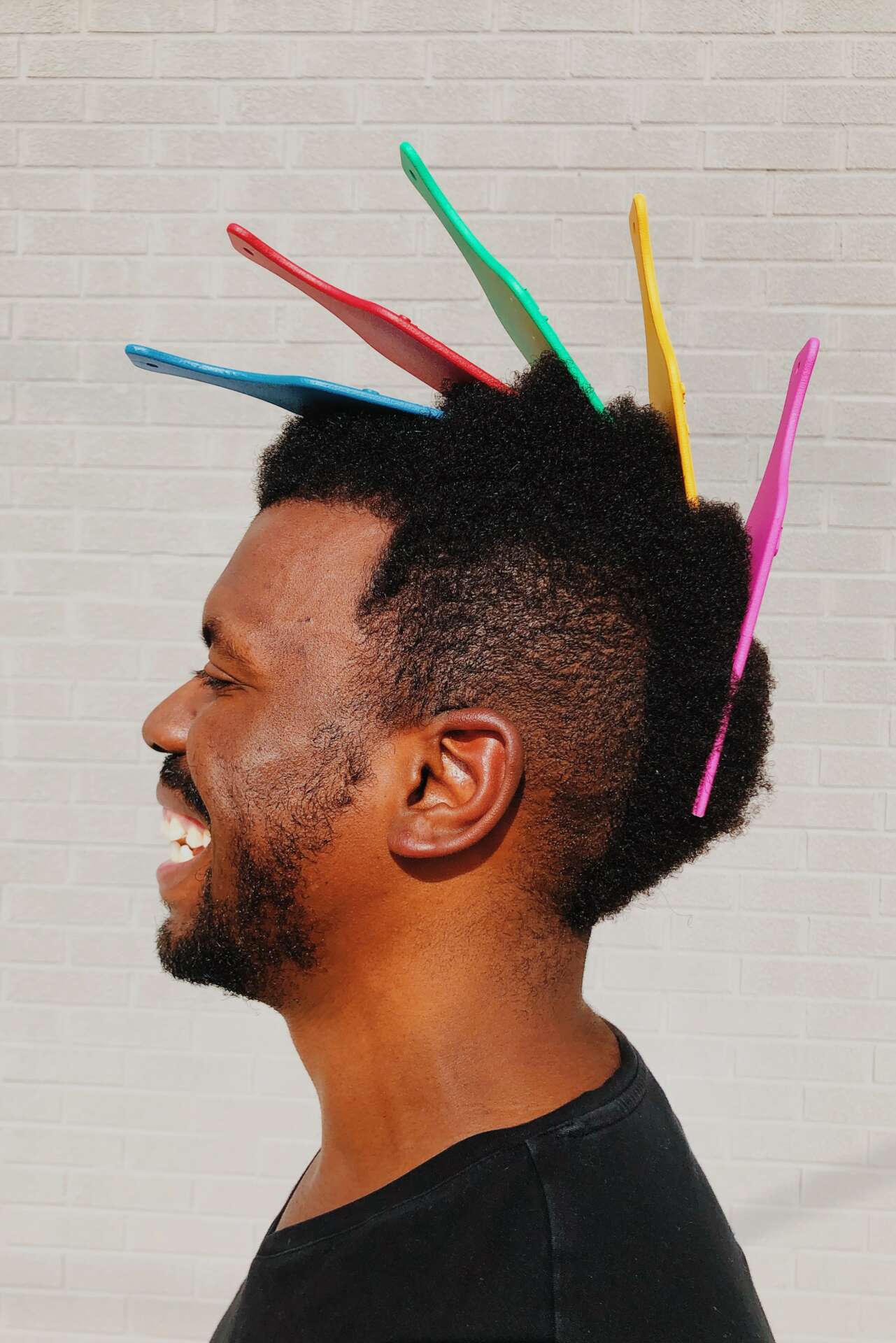
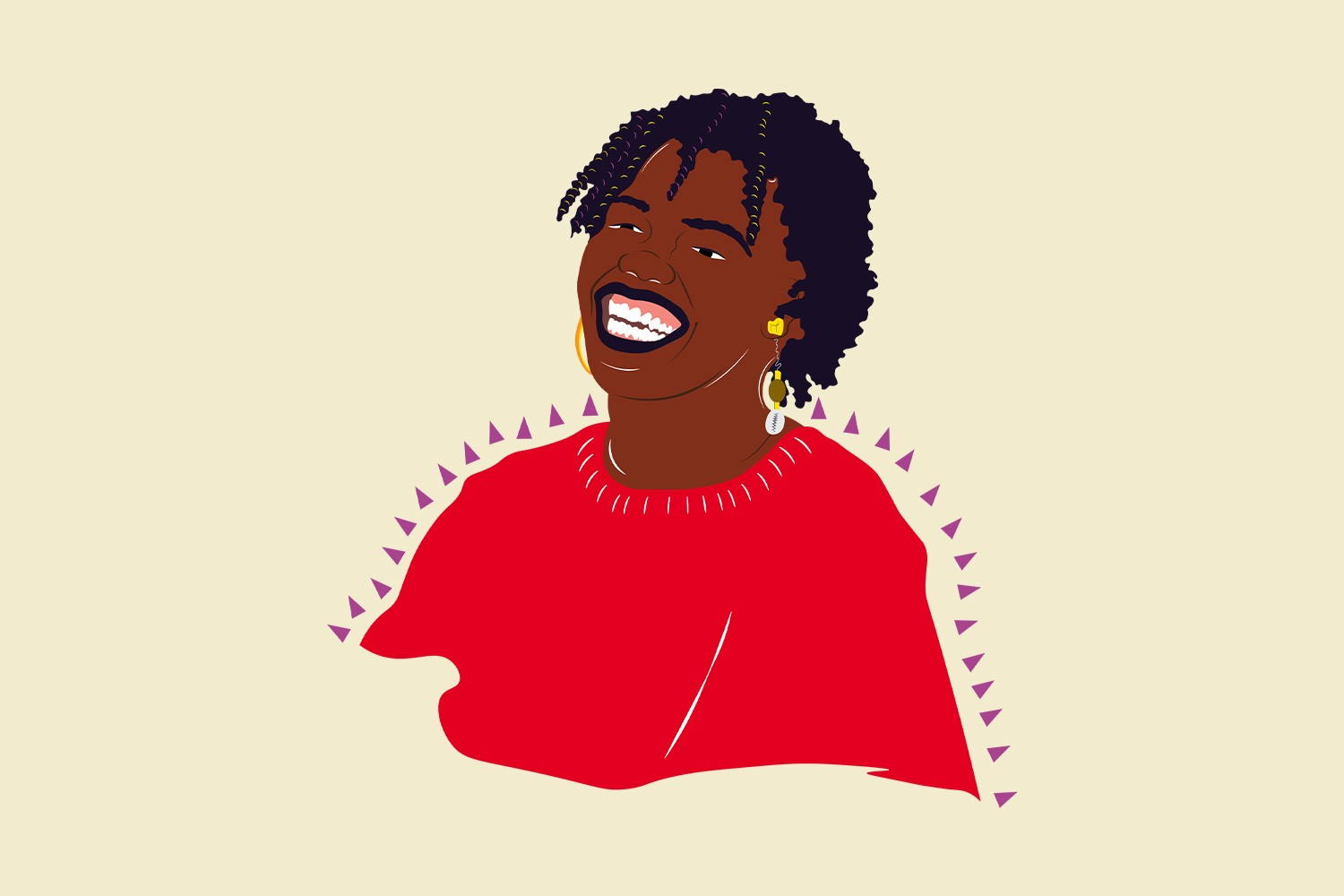
Photos by Chandler Johnson Designs by Chandler Johnson