

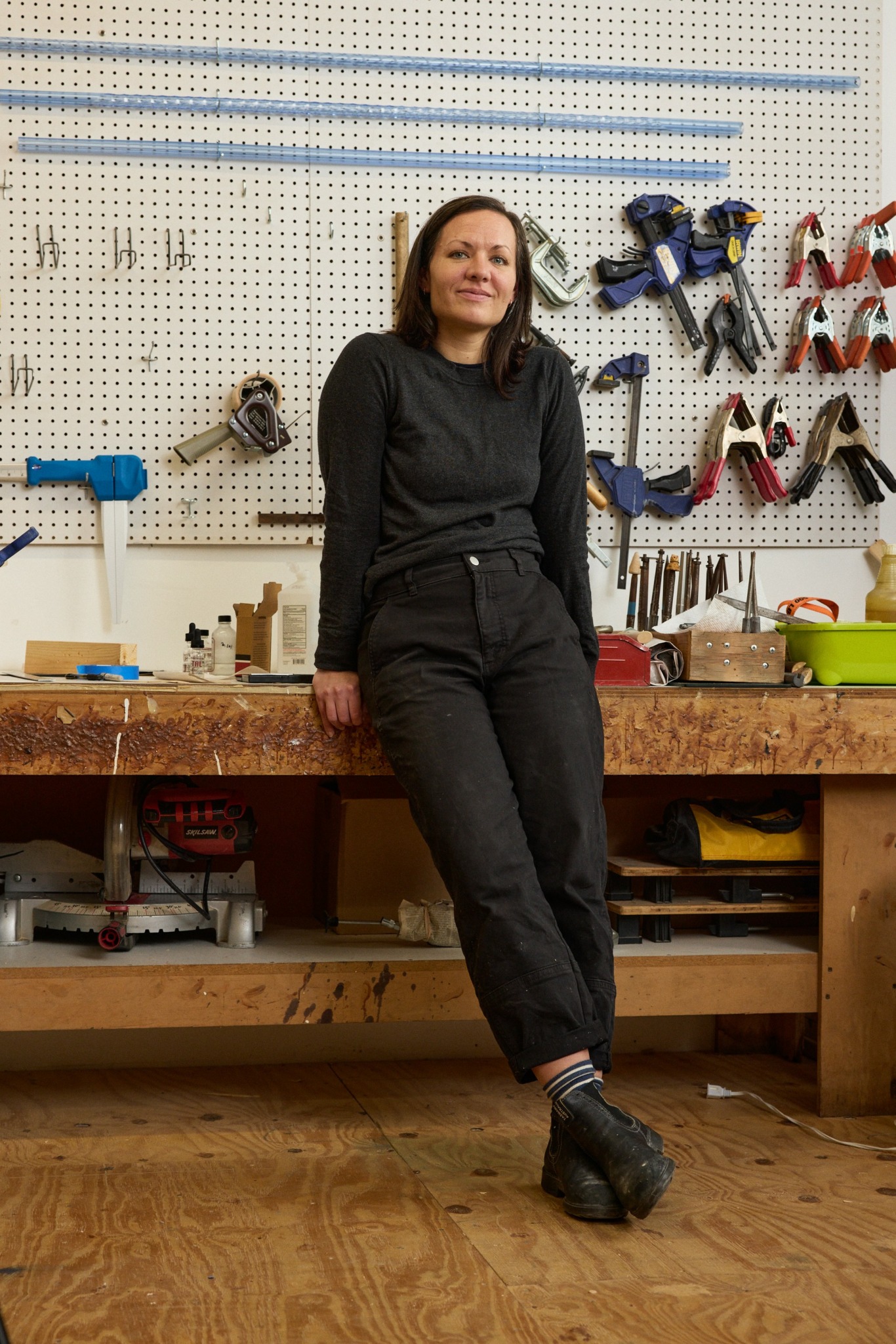

We’re excited to introduce you to the always interesting and insightful Celeste Wilson. We hope you’ll enjoy our conversation with Celeste below.
Celeste, looking forward to hearing all of your stories today. Can you talk to us about how you learned to do what you do?
I went to art school and studied glass. There was no way to speed it up – one of the most important lessons I learned about glass is that it takes time, patience, and diligent work. There are no shortcuts, you just have to commit to the learning process, even when it’s slow and frustrating. I found the most important skills I learned were both physical – understanding the material so I can anticipate how it will move and how it can be altered, as well as discipline – practicing the same exercises over and over, spending years focused on developing my skill set, and learning from others.
Great, appreciate you sharing that with us. Before we ask you to share more of your insights, can you take a moment to introduce yourself and how you got to where you are today to our readers.
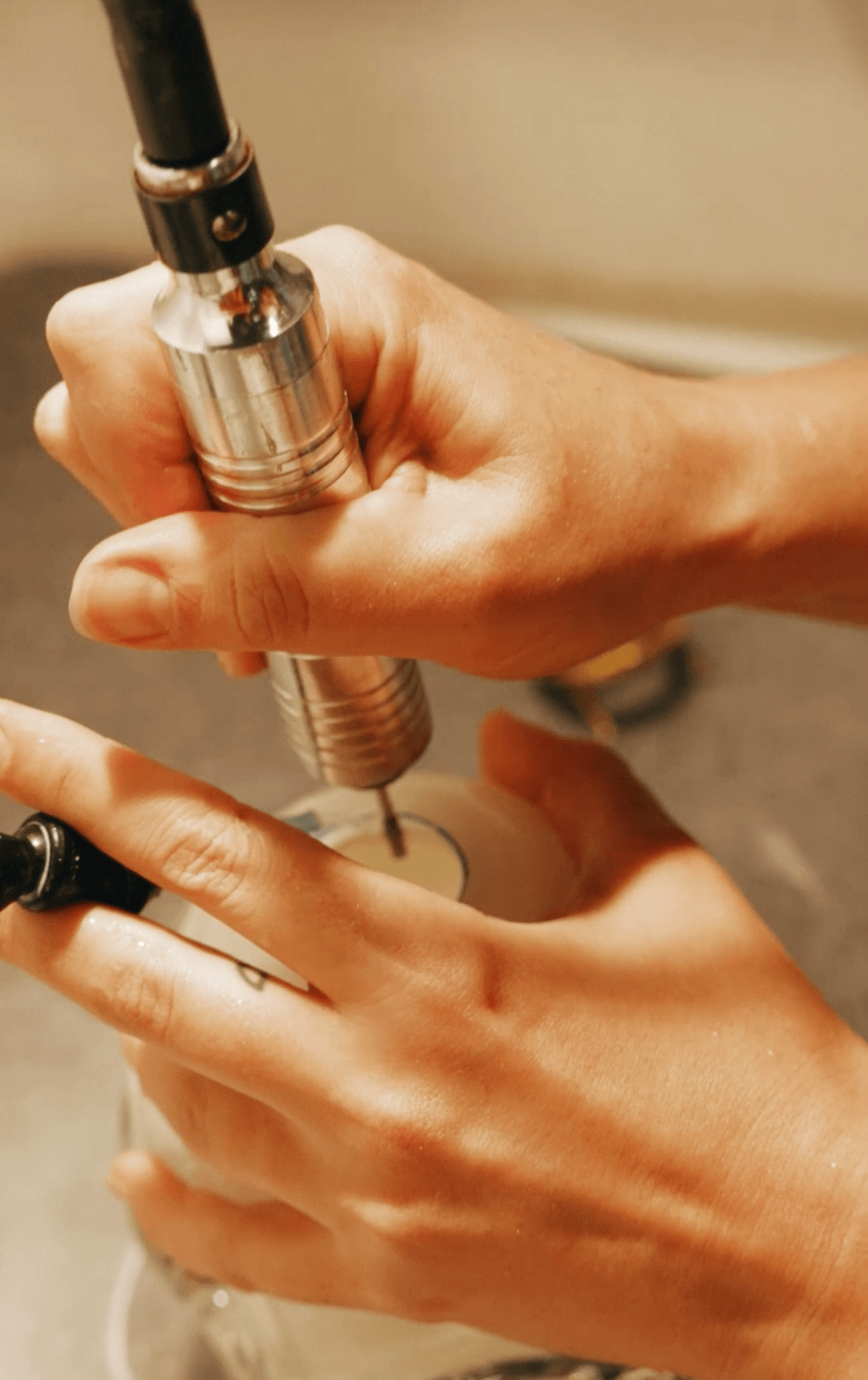
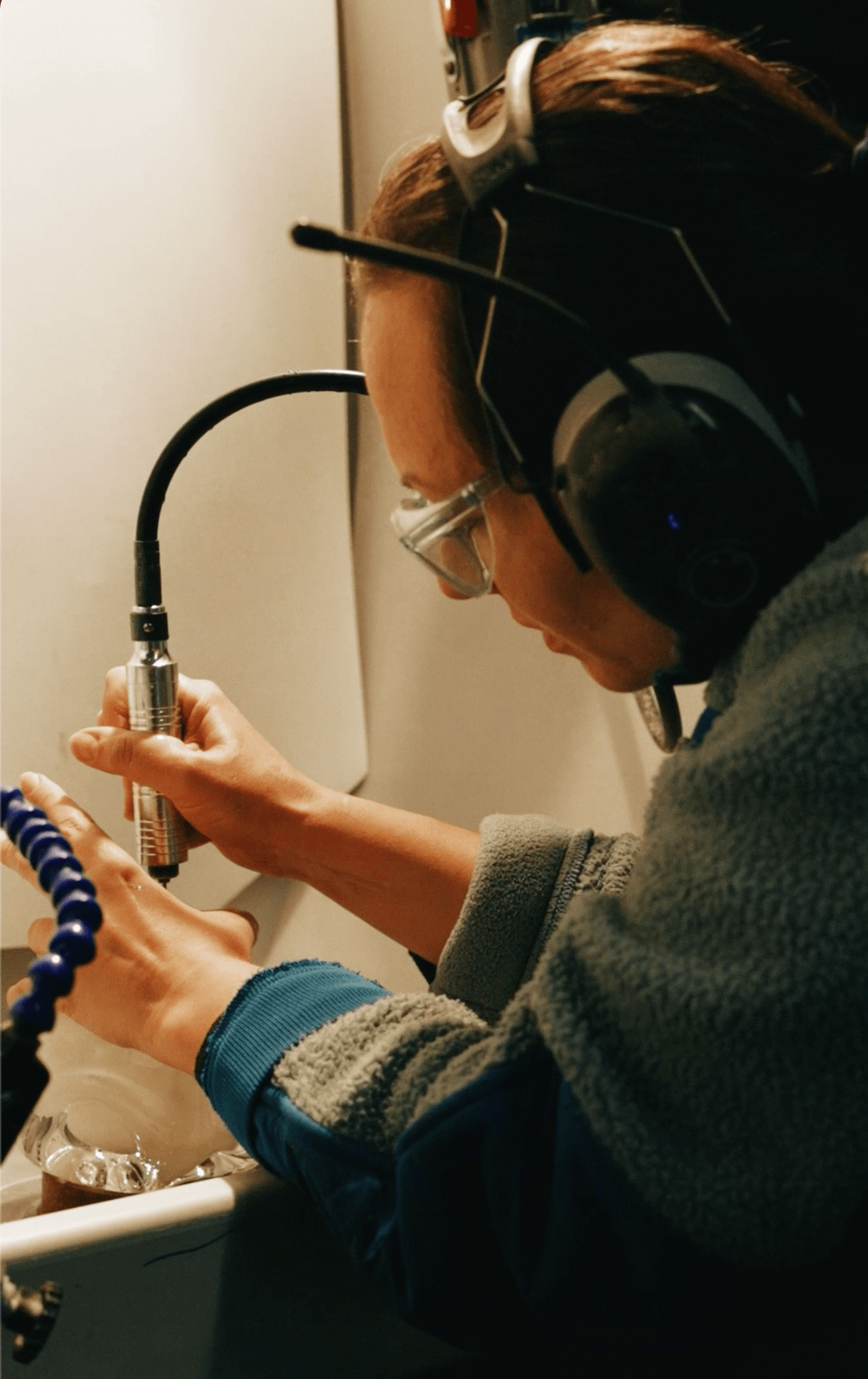
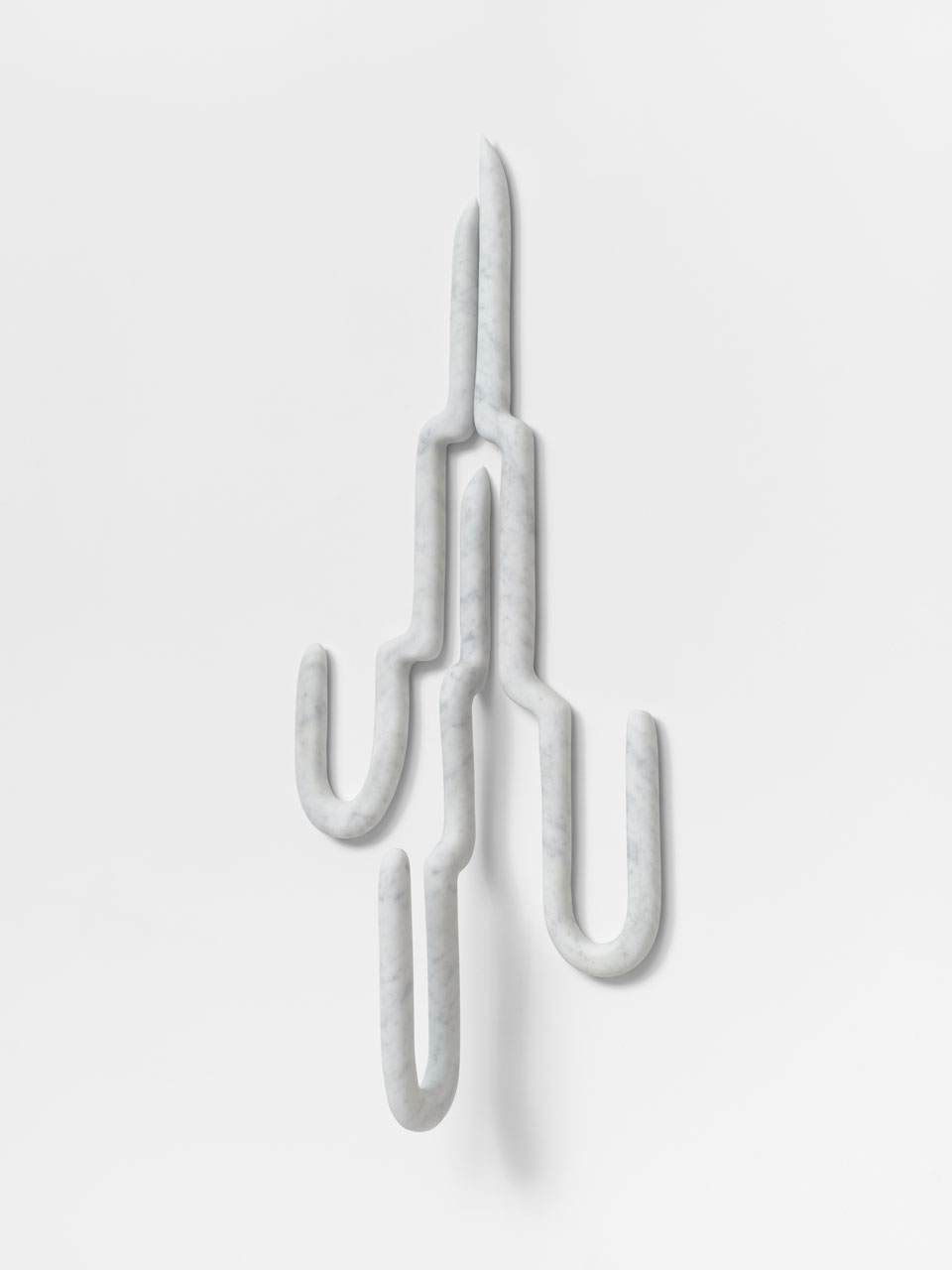
I am an artist and I own a small business with my partner. I studied glass at RISD and was able to immediately start working in the field when I moved to NYC after graduation. I have an individual studio practice working with glass and marble, and have an ongoing interest in reused or recycled materials to make sculpture, as part of a grater conceptual framework concerning waste and consumption. I have participated in many residencies and show my work in galleries and museums around the country. In addition, several years ago I opened a small fabrication company with my partner, Christopher Duffy, called Crater Works. We exclusively work with glass, most often on the finishing steps, called cold working. We primarily work with other artists and designers on sculptural work, high end lighting, and other custom projects. After glass is blown, it often needs to be further adjusted, be it having holes drilled to accommodate hardware or parts of a piece smoothed and polished. The work is time consuming and can be finicky, depending on the complexity of the project. The thing that sets Crater Works apart is our collective expertise in this specific part of the glass making process, as well as our attention to detail and our deep knowledge of the material.
What can society do to ensure an environment that’s helpful to artists and creatives?
Support of artists is vital. Making art for a living is not the traditional path, but one that often leads to a life of important creative output, collaboration, and joy. Financial support for artists is important – buying work directly from artists and galleries, as well as supporting the non profit institutions that give out grants, residencies, and other opportunities for artists. Art and culture does not just appear, it takes work and discipline, often uncredited or behind the scenes, but it shapes our world and is crucial for problem solving, expanding our thinking, and fostering connection.
Looking back, are there any resources you wish you knew about earlier in your creative journey?
I wish I had known earlier that your mentors can be some of the most important people in your life, and to find people who you connect well with and who will support you through the ups and the downs. I have been lucky enough to find a few older artists who have been incredibly important in my development and I am forever grateful for their advice, guidance, and care.
Contact Info:
- Website: https://www.celeste-wilson.com
- Instagram: @celestewilson @crater.works

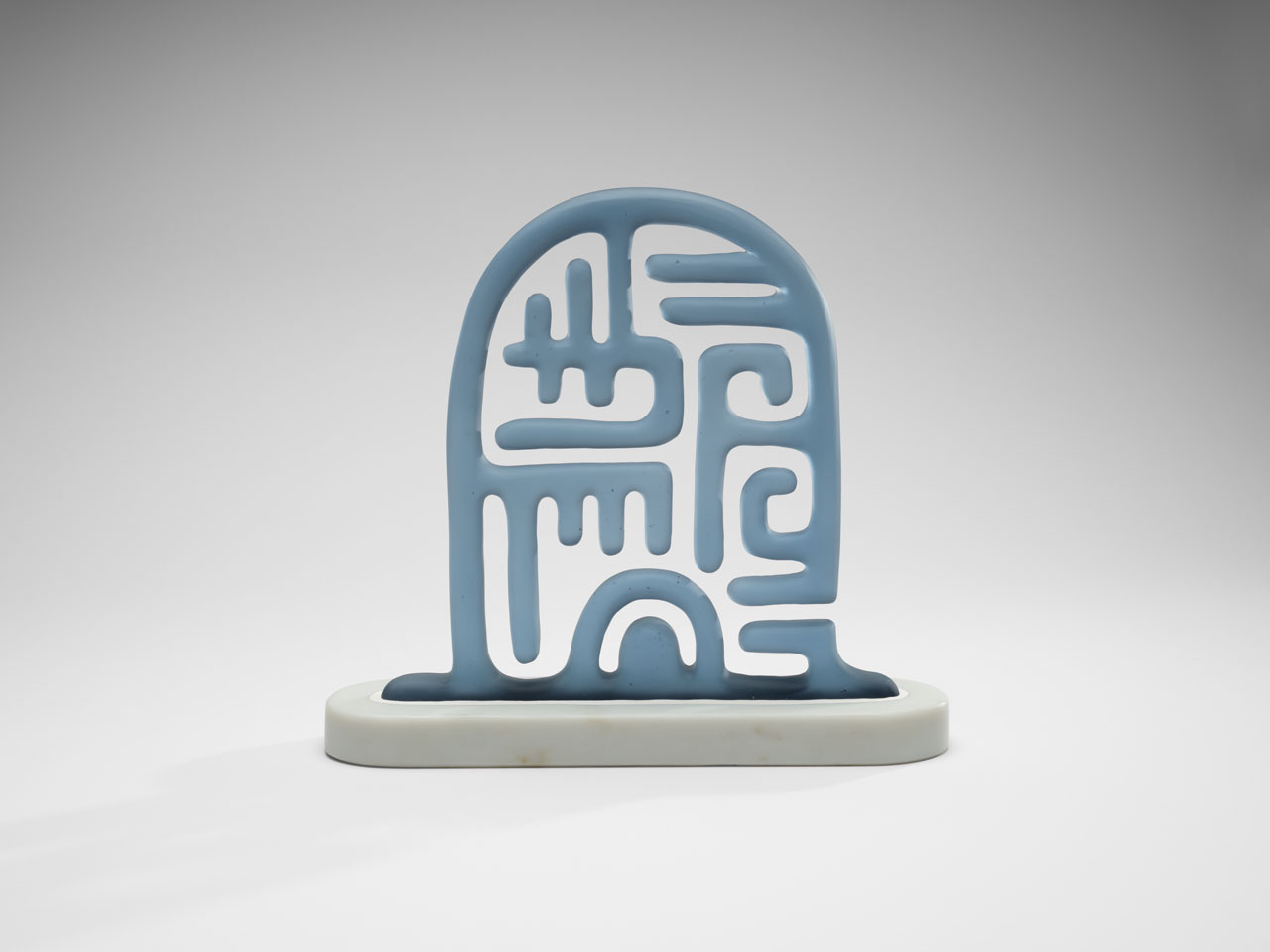

Image Credits
Stephanie Price
Steven Probert