

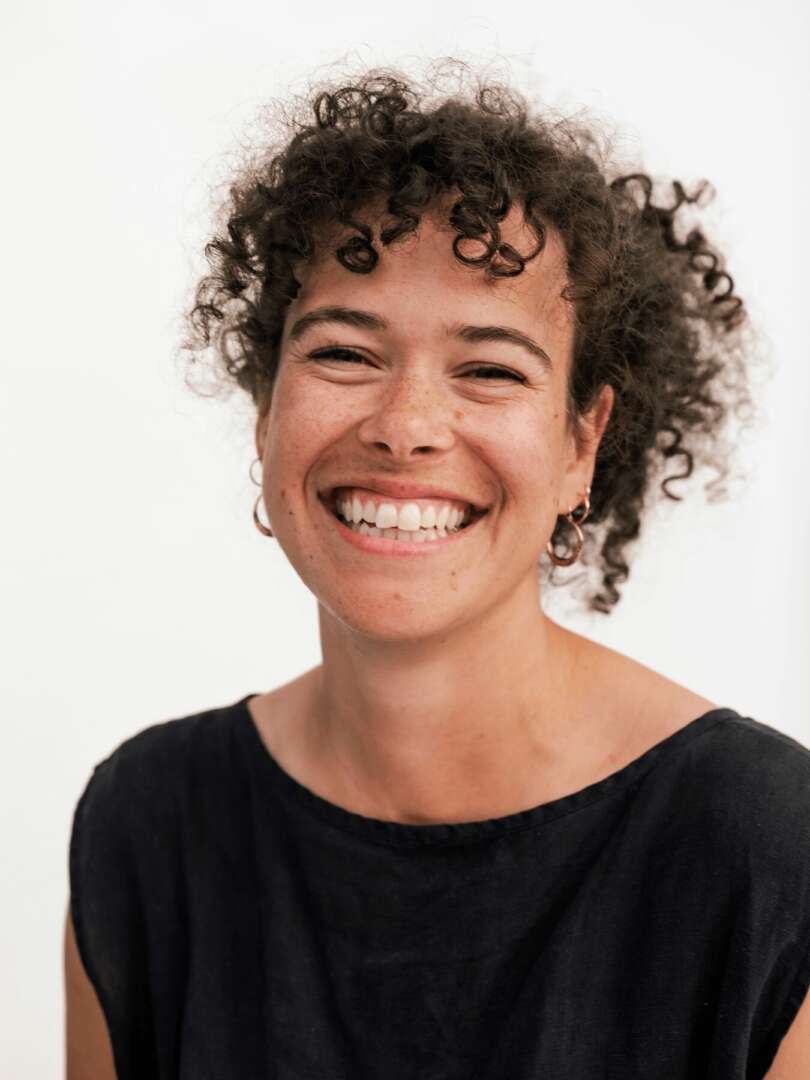

We were lucky to catch up with Ceilidh Munroe recently and have shared our conversation below.
Ceilidh, thanks for joining us, excited to have you contributing your stories and insights. Are you happy as a creative professional? Do you sometimes wonder what it would be like to work for someone else?
Sometimes it can be hard as a working artist to remember why you do it; why you feel compelled to make things. The constant string of application rejections, money stresses, and self-doubt can feel like an insurmountable barrier, and I know for myself the whole process can sometimes feel pointless or too daunting to continue. Whenever I think about other jobs in other fields, though, I just can’t imagine myself feeling truly fulfilled.
Experiences like residencies or community arts engagements programs (when the odd acceptance to an application does come through) give me time to pause and remember that I make art because I love to make art. I can’t not think about it constantly; I get inspired when I see other people’s work; I love to chat with people about their experiences and the things they make. Whenever the doubts start to become too much, I have to remind myself that I wouldn’t enjoy doing anything else quite as much, and that for every low there’s a corresponding high that will be coming my way.
Awesome – so before we get into the rest of our questions, can you briefly introduce yourself to our readers.
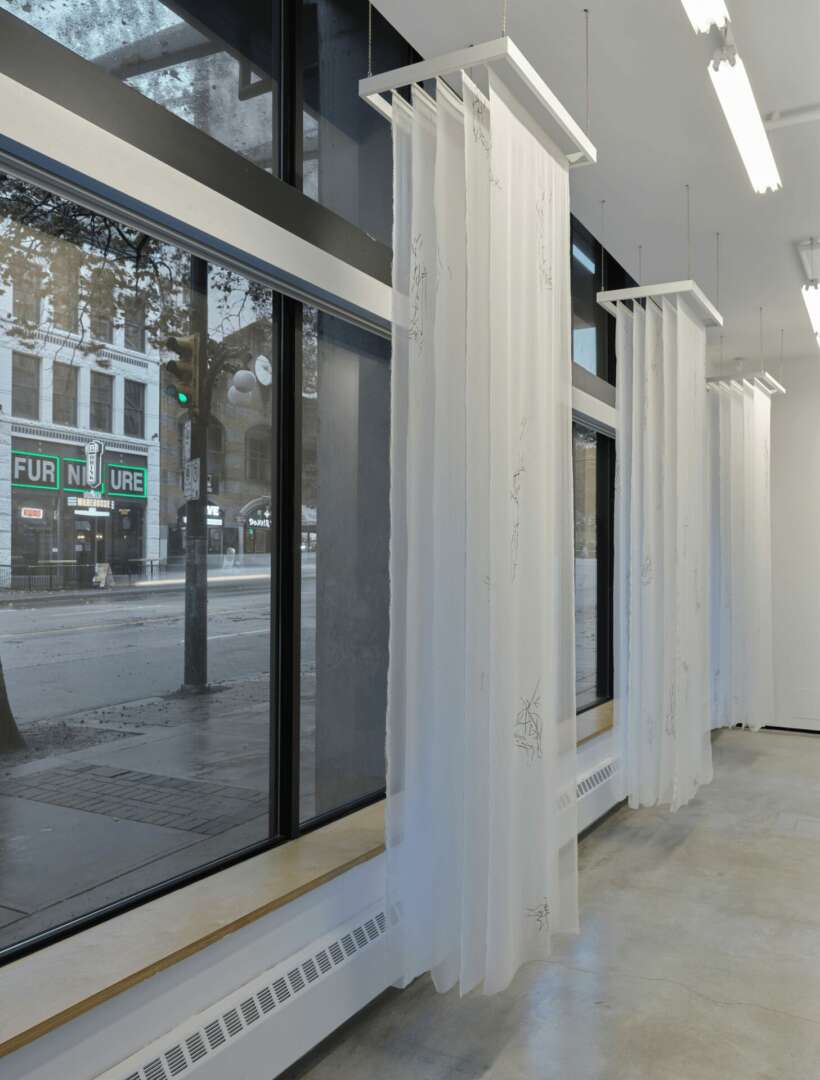
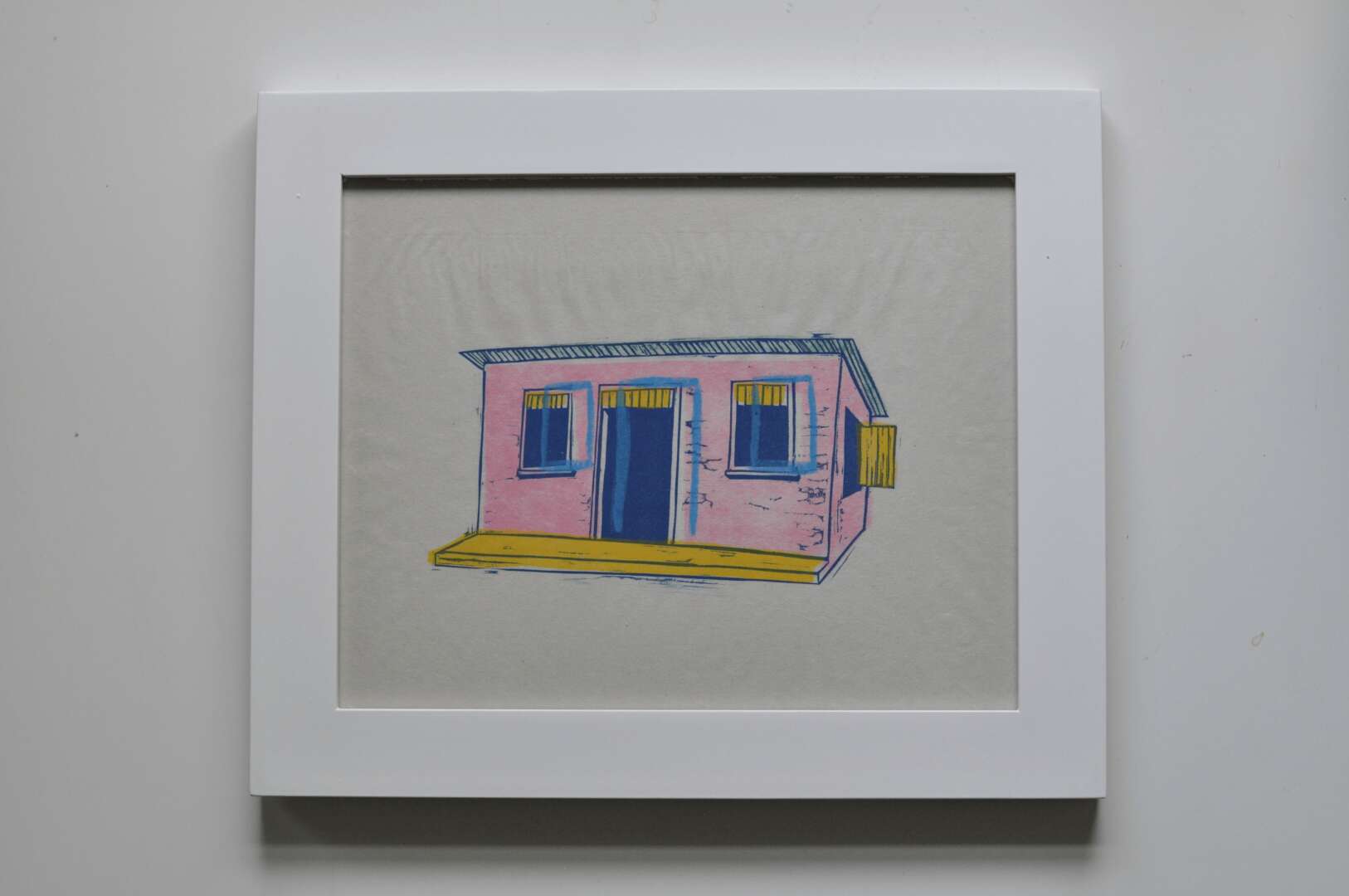
I am a visual artist based in Vancouver, BC working in printmaking, painting, installation, and sculpture. I can’t remember when I started making art, but I started taking it seriously during a year living in Canada’s Yukon after my undergrad. It took going to art school and working in the arts industry on the other side to lead me to pursue becoming an artist myself.
I am Jamaican-Canadian, and spent much of my childhood travelling to spend time with my paternal family in Jamaica. I credit those trips with sowing the seeds for how I understand my art practice now. A lot of my work is rooted in my experience as a bi-racial Black queer woman who has always felt torn between two places. A sense of yearning and loss is often present in my work, but it is almost always contrasted with a deep sense of joy and playfulness. It’s important to me never to forget the humour in life when I’m thinking through the ideas I want to work with; as a result, my work often ends up full of bright colours and can be interactive in an amusing way for the viewer.
In your view, what can society to do to best support artists, creatives and a thriving creative ecosystem?
I think funding for the arts is so important in maintaining a cross-cultural relationship with art and creativity. Working towards removing the barriers of financial instability can allow artists to really take risks and explore their work without worrying that their sales need to pay the bills. Funded initiatives and opportunities also contribute to making an interesting social fabric for everyone to enjoy – not just people working in the arts. Places are more fun and lively when there are a variety of interesting things to experience!
Learning and unlearning are both critical parts of growth – can you share a story of a time when you had to unlearn a lesson?
I think in the discourse around art it’s often implicit that to be a ‘true’ artist you have to suffer for your art. Countless examples throughout art history have been made of artists who only achieved success posthumously after lives of deep hardship. If they weren’t living in poverty, they struggled with mental health or addiction; the ‘tortured genius’ continues to be a pervasive myth in the art world.
It’s an ongoing challenge to unlearn these accepted ‘truths’ that your work isn’t good if you aren’t financially struggling or cutting off your own ear. I have to remind myself that I can eat well and have a robust social life and deep familial connections and still produce good and interesting work. Meaningful art should be able to affect a viewer regardless of the conditions under which it was made. I do believe personal experience can be important inspiration, but I struggle to come to terms with expectations that artists must give up everything for their work.
So many artists that I admire have built successful careers making thoughtful work of breathtaking beauty while treating their practice as a successful business, not just something with which to scrape by. Separating hard work, tenacity, and drive from those myths of the starving artist is likely something I will always struggle with, but I am making solid progress towards simultaneously believing in myself as an artist and being able to pay my rent – ears intact.
Contact Info:
- Website: https://ceilidhmunroe.com/
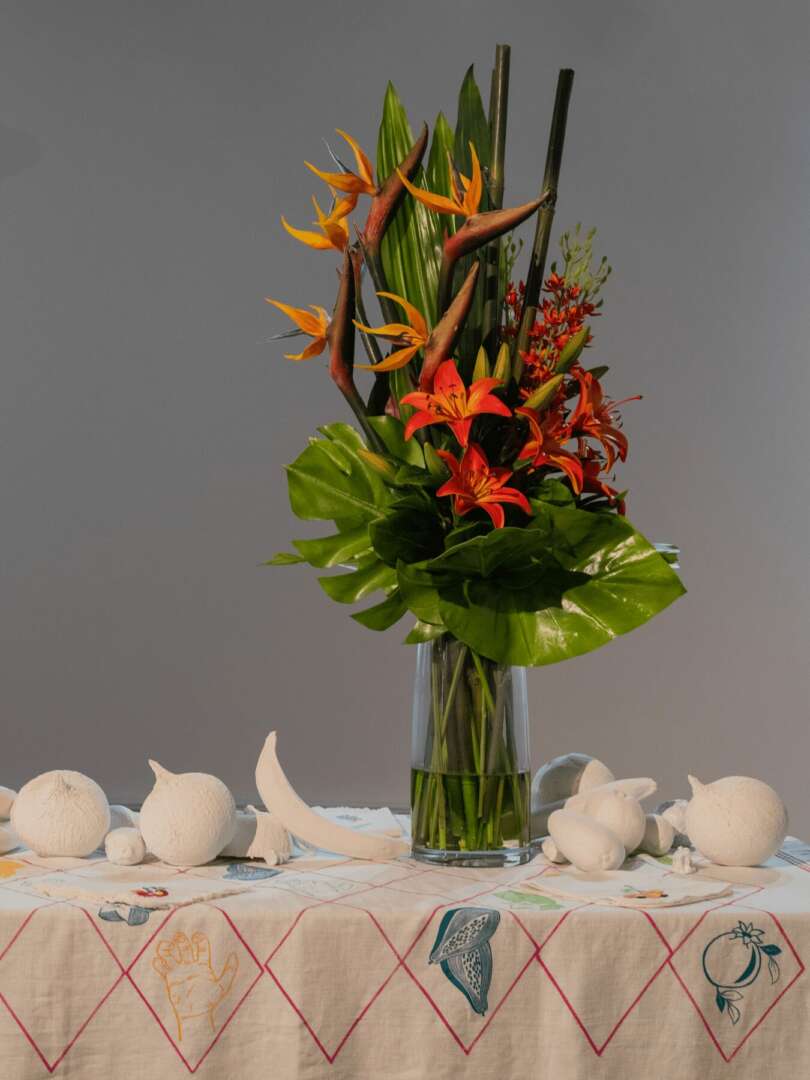
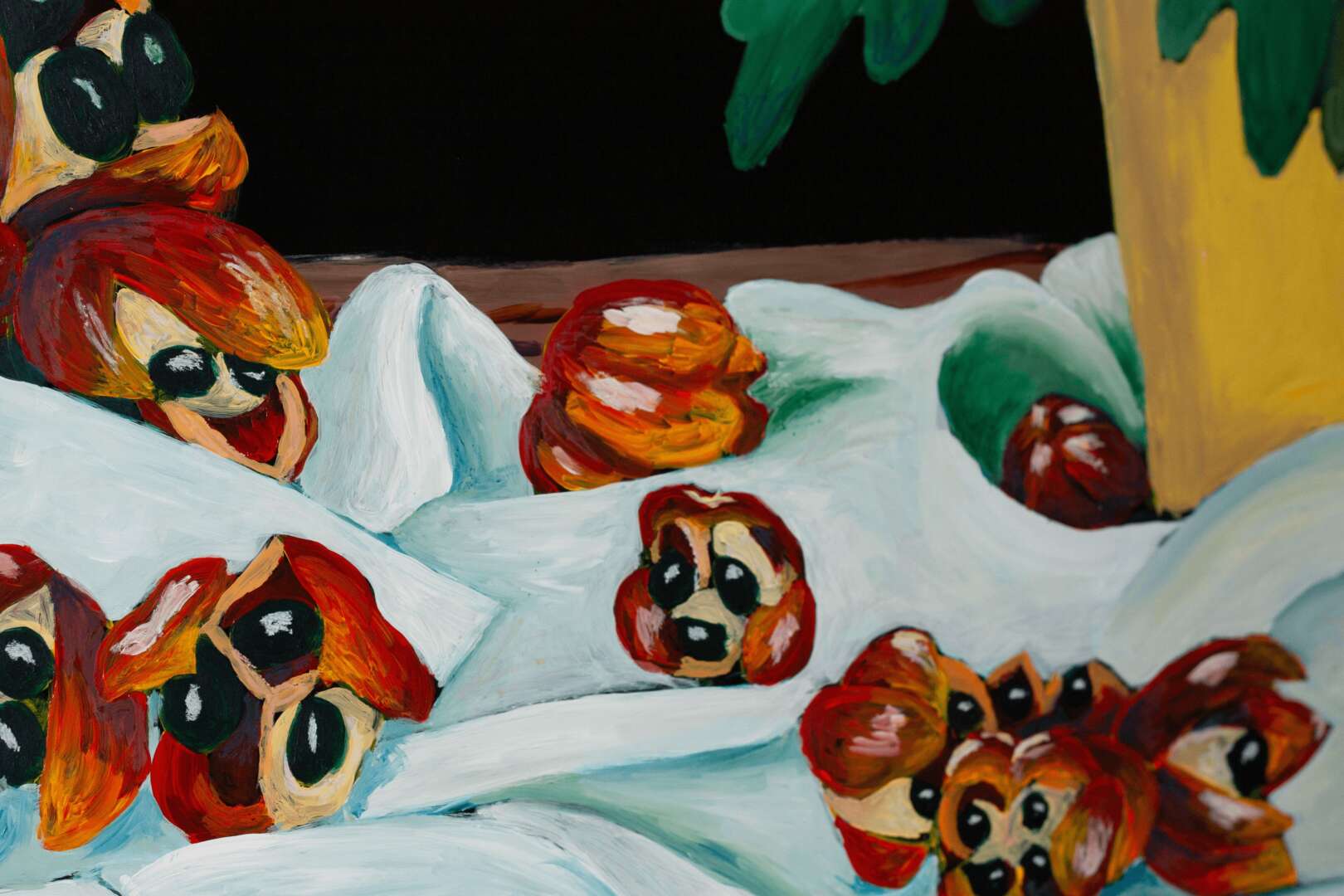
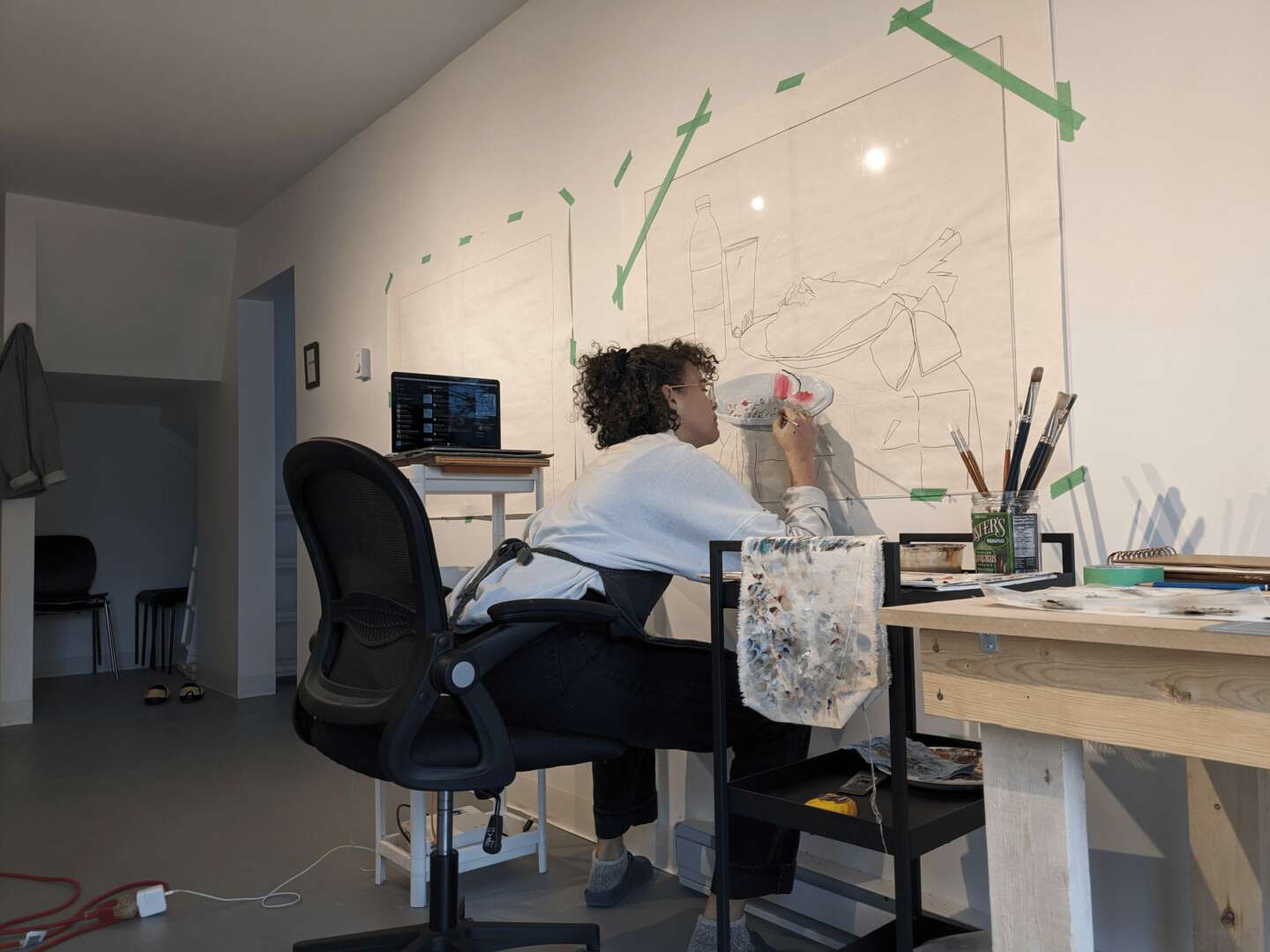
Image Credits
David Macgillivray
Rachel Topham
Ceilidh Munroe
Sean Bosman