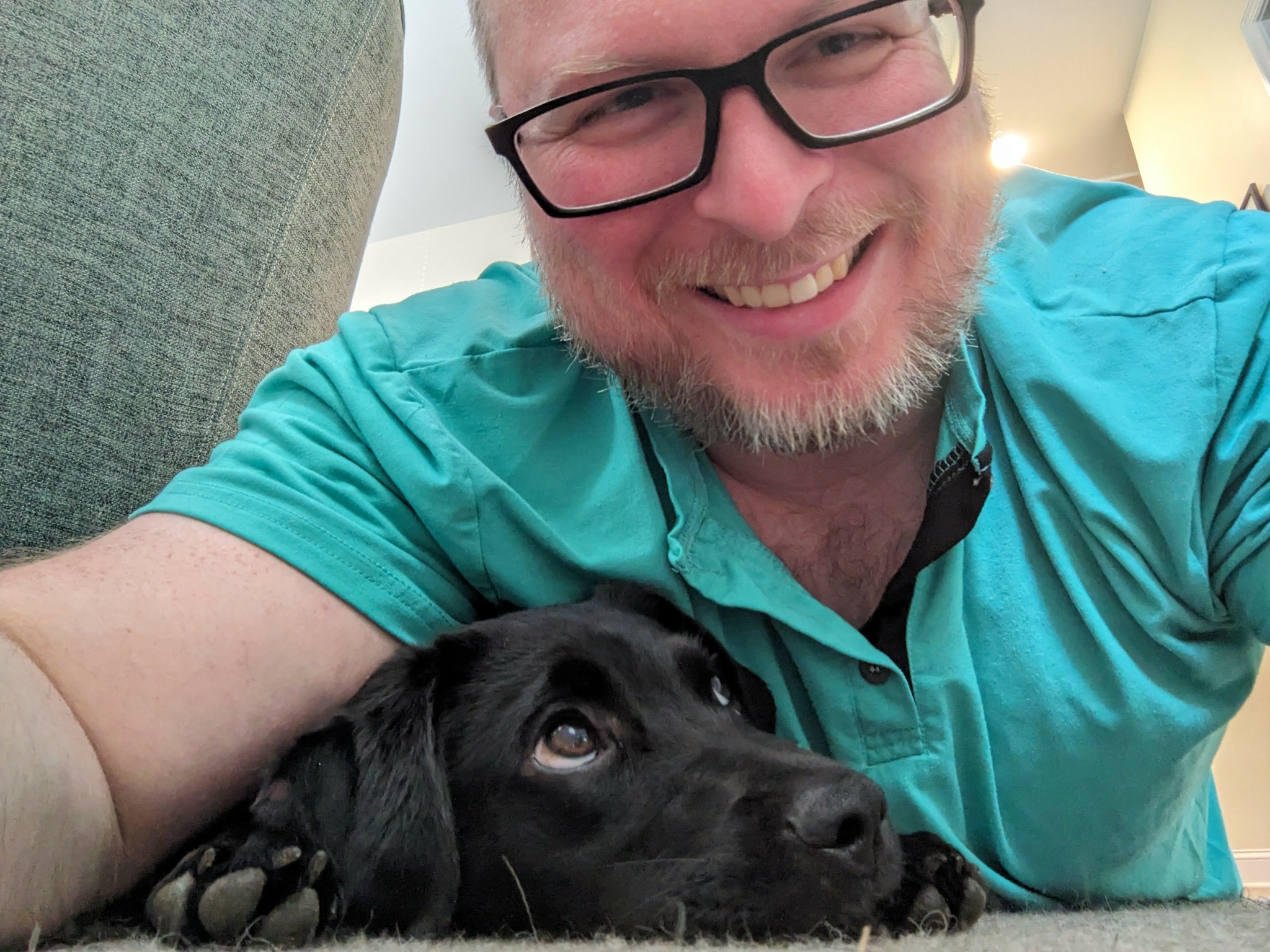

We recently connected with CD Corrigan and have shared our conversation below.
Hi CD, thanks for joining us today. Can you share an important lesson you learned in a prior job that’s helped you in your career afterwards?
The job is to figure it out.
I’ve moved through a lot of different fields over the past decade and a half–everything from Fortune 500 industrial work to failed startups and self publishing. The biggest stumbling block I’ve seen people trip over in that time is always some version of “but I don’t know how to do that.”
I was lucky in this regard. My first job out of college was in R&D at a major vertically integrated industrial tools corporation (forgive the word salad–we developed a lot of the stuff you find in the toolboxes of really specific trades all over the world, and we manufactured the things we designed ourselves).
As a fresh grad, I was a nervous wreck grappling with imposter syndrome. I remember bashfully approaching my boss and admitting I had no idea how to solve some particular question my project was running into. He looked it over with me for a while while I braced for a dressing down for my incompetence. Then he shrugged and said “hell, that’s a new one. But if we knew how to do it then we wouldn’t have a job — just try some stuff and see what happens. Let me know if you need anything.”
That’s been the key that unlocked everything going forward, especially as I branched out into my own ventures. Nobody knows how to do everything. But usually, you can find someone who knows A Thing. Ask them. Repeat as needed. Then for the mystery step — try some stuff. It’ll fail. Figure out what failed least. Try again. That’s the job: figure it out.
As always, we appreciate you sharing your insights and we’ve got a few more questions for you, but before we get to all of that can you take a minute to introduce yourself and give our readers some of your back background and context?
These days, I do two main things for the public, and one for other creators.
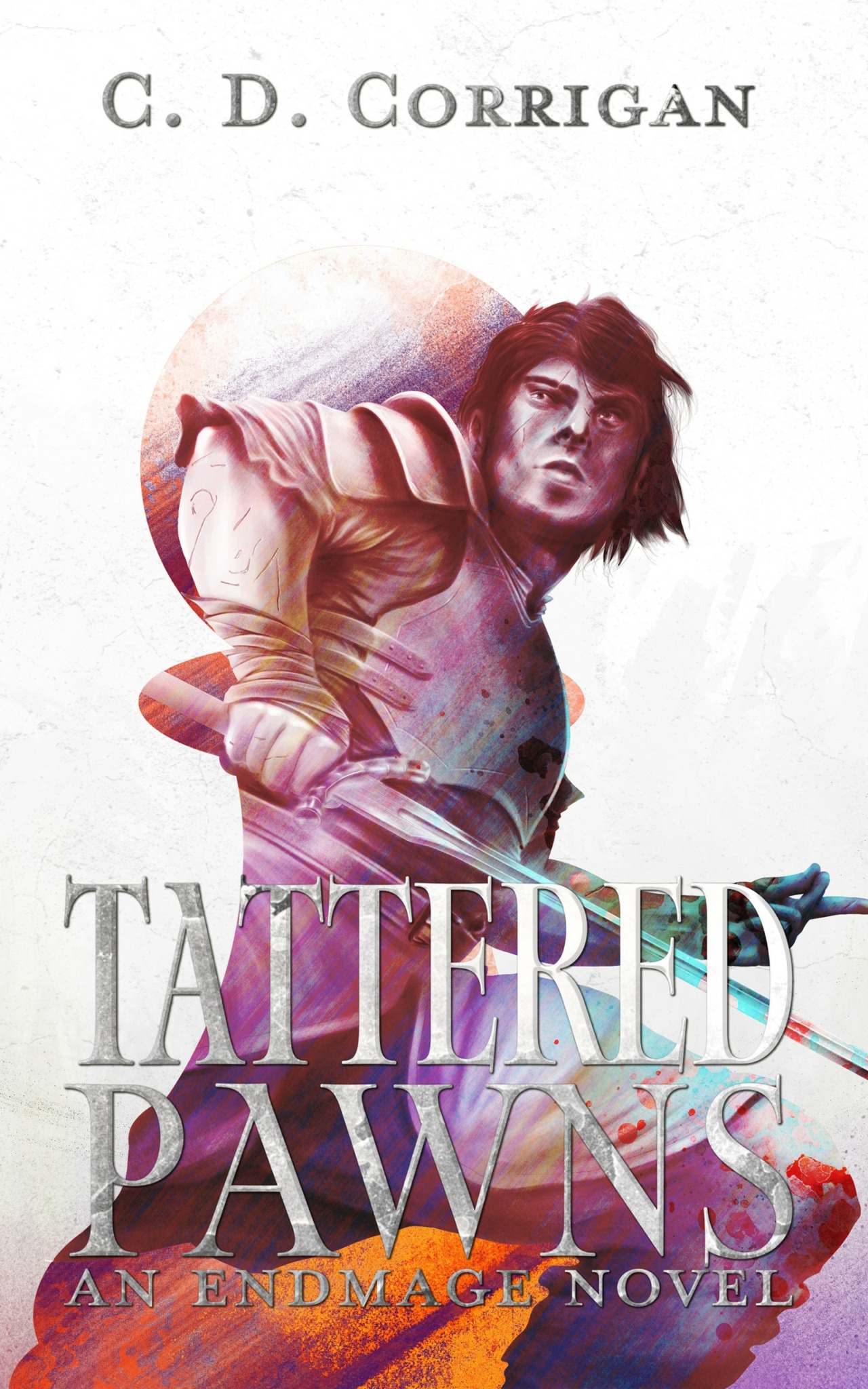
First, I’m an author! The joke is that I wrote my first novel at 13 — it was terrible, but I’ve gotten better since then. My first (released) book was Tattered Pawns, an epic dark fantasy adventure in the vein of Glen Cook’s Black Company.
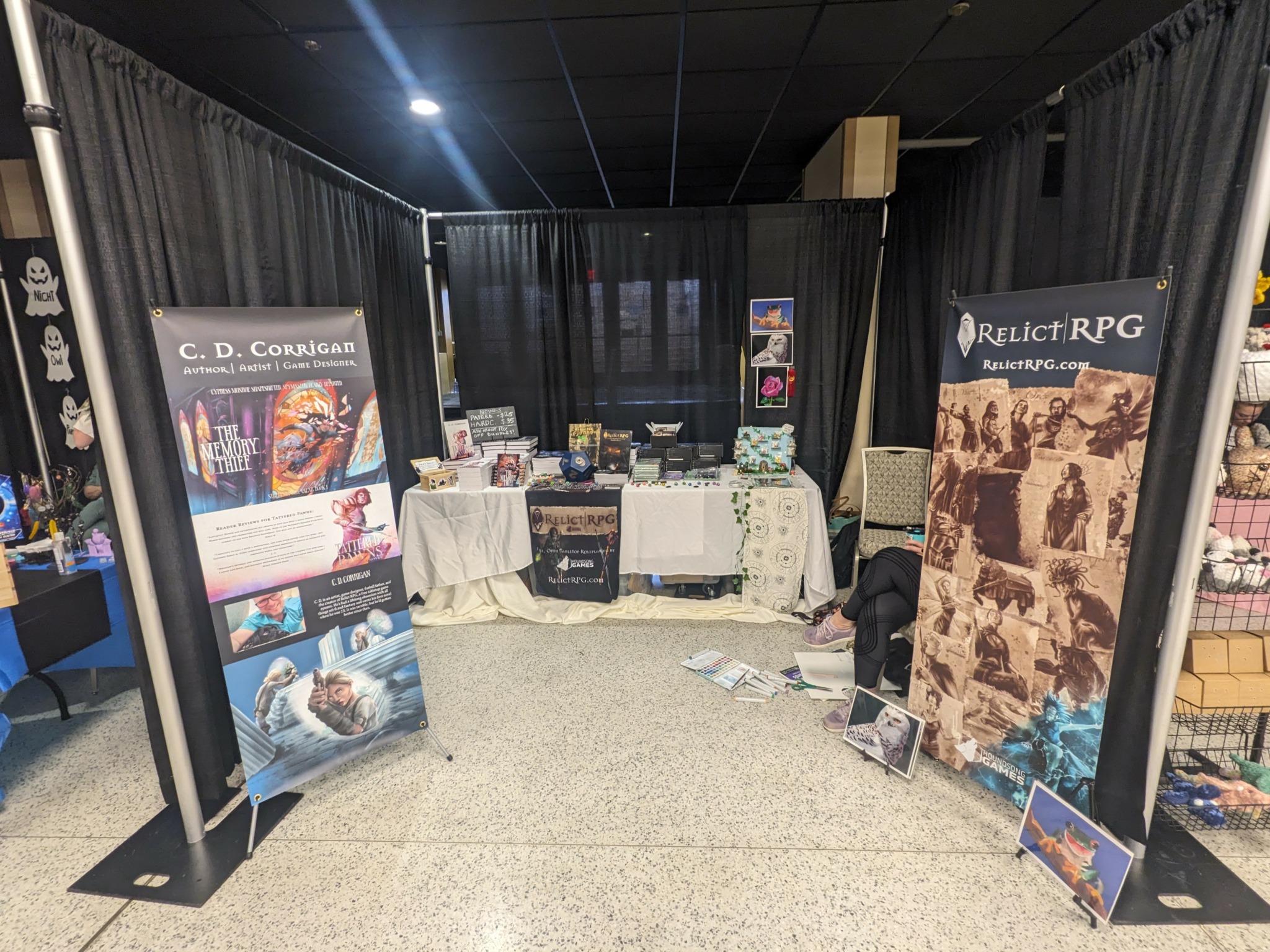
Pawns ran into an issue with my nerdy gamer brain, in that I found I couldn’t recreate the kinds of heroes and villains I wrote about Dungeons & Dragons or any of the other systems my friends and family played. Which led me (skipping a few steps for brevity) to create Relict, a free and open-source tabletop roleplaying game that focuses on extremely adaptive character creation and monster mechanics, and is the backbone of my current business. The whole thing is available for free and RelictRPG.com, although I will happily sell you some very cool rulebooks and adventures if they catch your interest.
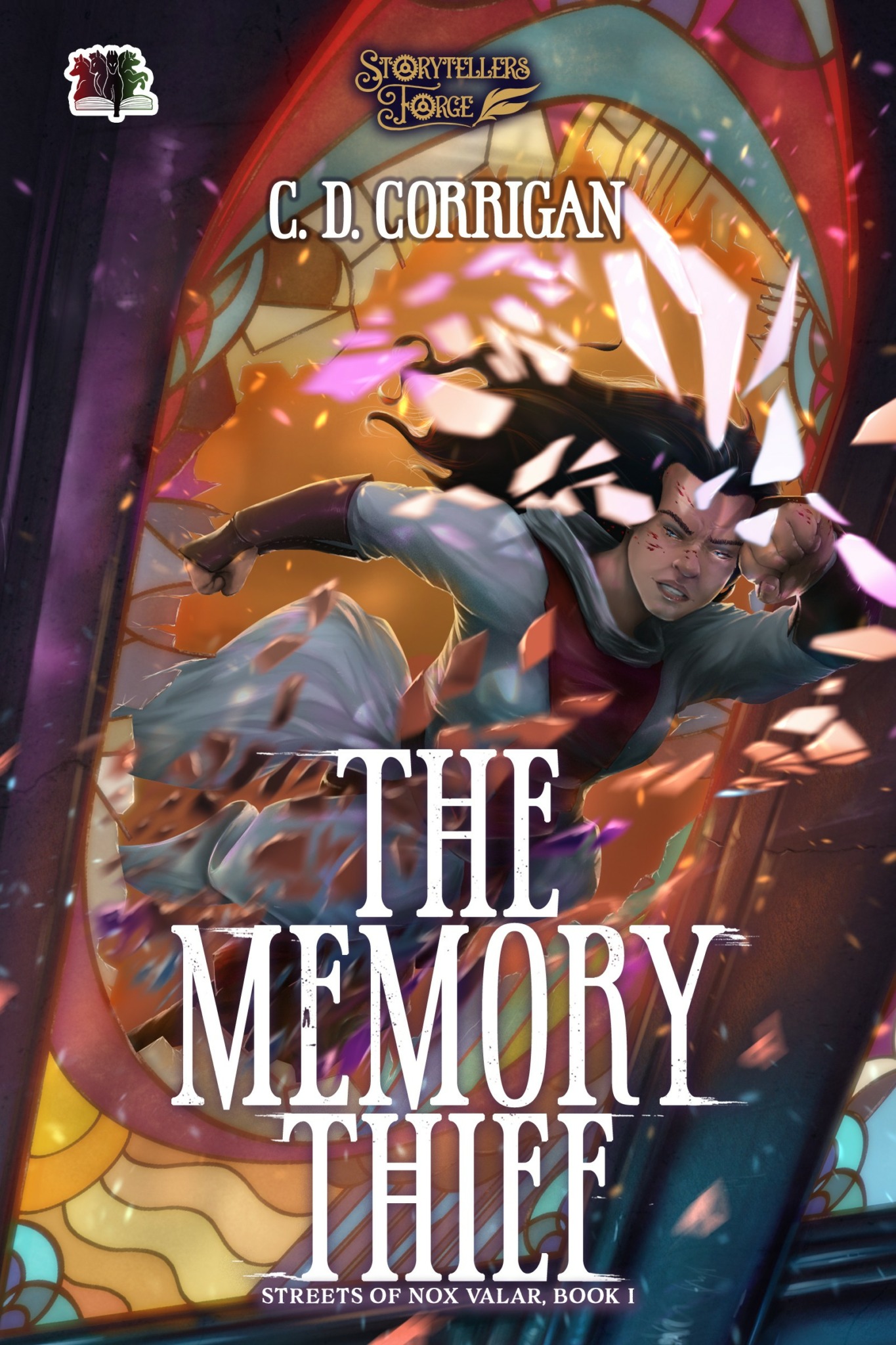
Relict caught the attention of some other folks in the industry, namely Storyteller’s Forge, who tapped me to write my next novel set within their own gaming universe. That’s where my latest book, The Memory Thief, came from, and between that project and Relict’s growth it led to my carving out a niche as a contributing artist and writer for a slew of other authors and indie gaming studios.
So, to recap: to become a published author, I made a game about a book to get hired to write a book. And to become a working artist, I wrote two books and made a game. When people ask me how to break into either writing or art as an entrepreneur, my best advice is “don’t do it this way, but it *is* working.”
What can society do to ensure an environment that’s helpful to artists and creatives?
I say this as someone who has chosen to give away the VAST majority of his creative work for free: pay them.
If we lived in a world where I could create all day and not worry about food, shelter, medicine, retirement, or the million other necessities of life and family, I would. My happiest self is chucking finished passion projects into the ether to be discovered by someone who delights in their discovery.
But nobody has built that society yet. Instead every mechanism we exist around is facilitating a subscription-powered live-service user-generated algorithmically-enclosed dopamine-seeking platform-ification of our attention while the slow, methodical, passionate human endeavors that the machine ingests and regurgitates are being forced ever deeper into a spiral to the bottom, trying to do more with less and survive on nothing to stay “relevant.”
We cannot continue to build a system predicated on monetizing consumption while removing any income from creation. It’s a statement that seems so obvious that I want to bang my head into the keyboard instead of typing it. So the next time you see something you really like, go to the creator’s page and buy a damn sticker.
Can you tell us about a time you’ve had to pivot?
Well, that’s how Relict became my flagship project, actually.
Once upon a time, Relict was a back-of-the-notebook idea I was fiddling around with that had no real plans for public release. It was (and is) weird! Graphic player health systems, different levels of monster mechanics, an unpredictable mix-and-match class creation system; there was every chance it would be a silly diversion we playtested a few times and forgot about.
My debut gaming project was supposed to be Sea of Cinders, an enormous hard science fiction expansion book for Dungeons & Dragons 5th edition (5e). I’d spent maybe a year and a half developing and testing it and collaborating with another artist to flesh the thing out.
The plan was to have it around 80-90% complete before we moved to Kickstarter and production for the final hurdles. But when we were a few months out from our target date, Wizards of the Coast (a Hasbro company who owns D&D) attempted to claw back the Open Game License that makes 3rd party projects like Cinders possible.
Interested readers who want a comprehensive breakdown on the entire OGL fiasco can find it with an easy search. The salient points are that WotC lit their community goodwill on fire and had to backtrack and abandon that notion in the end, and we decided to shelve Cinders rather than pour more time and money into a project dependent on whomever was yanking those corporate chains around. Relict went from an experiment to a main focus and…well, turns out that after a couple rounds of testing and tweaking, the experiment was a huge success.
This was also the point where I decided to make Relict free and open for other studios to use. That was something between a middle finger to WotC and a leap of faith for me, but after all the disruption with the OGL I wanted to position my work such that it could never be subject to that flavor of nonsense, whether or not I was still at the reigns.
Contact Info:
- Website: RelictRPG.com
- Instagram: @houndsong_games
- Youtube: https://www.youtube.com/@HoundsongGames
- Other: Artist portfolio: https://cara.app/houndsonggames
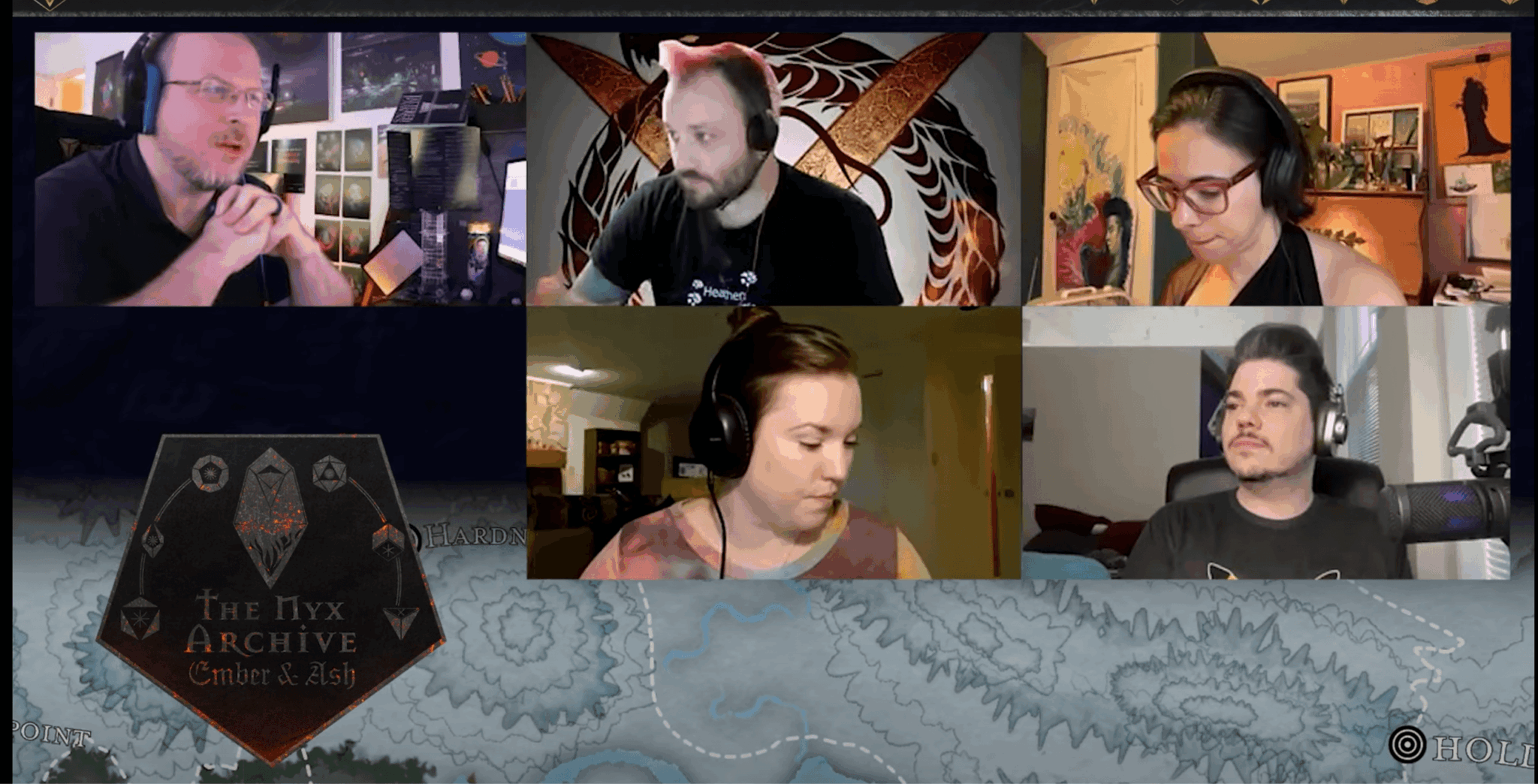
Relict Podcast | The Nyx Archive https://open.spotify.com/show/7tYG1SD36FIHYGU3wSdnFE