



Alright – so today we’ve got the honor of introducing you to Catie Radney. We think you’ll enjoy our conversation, we’ve shared it below.
Catie, appreciate you joining us today. Learning the craft is often a unique journey from every creative – we’d love to hear about your journey and if knowing what you know now, you would have done anything differently to speed up the learning process.
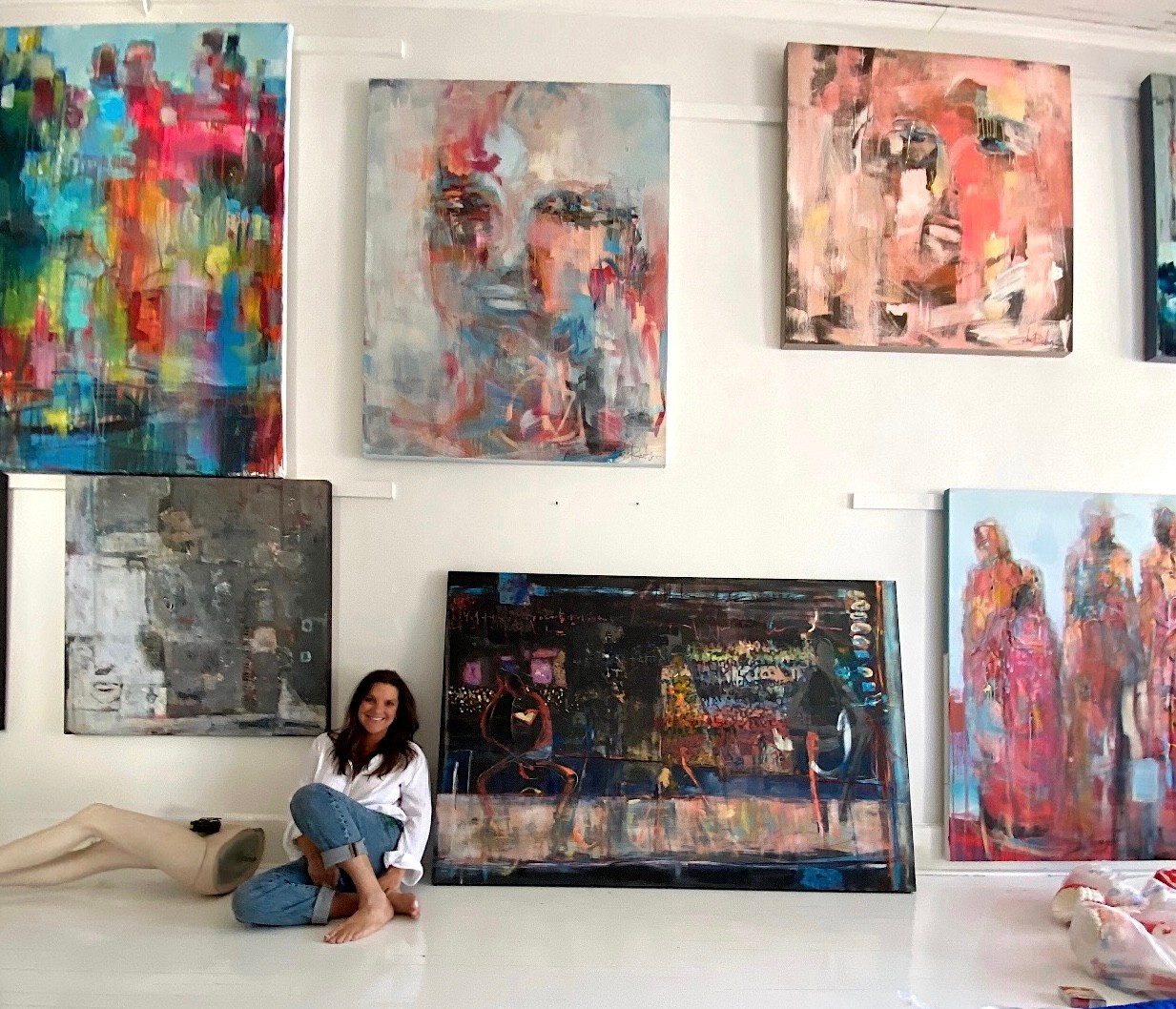
I grew up in the small town of Brewton, AL and attended the University of Alabama. I graduated with a teaching degree and my first job was teaching elementary school art. I was always creative and interested in art, but I did not receive any formal education in art or art history. I was a true beginner. I received my knowledge of art through the Sarah Carlisle Towery Art Colony. I learned a lot about art and myself here. It is where I met my two mentors, Hugh Williams and Patt Odom. Hugh was tough and challenged me constantly. He taught me to view the world in a different way. I began to find beauty in everything from large paintings to tiny pieces of trash on the ground. I am so honored to have studied under Hugh. My other mentor, Patt, was also a student of Hugh’s. She is an excellent teacher and a beautiful soul. She always gave me assignments and guidance to help me be my best. I attended every workshop I could get to and studied as much as I could. I was selling paintings locally at the time but it was not until my youngest was born that I painted full time. That is when my paintings changed. I would be in the studio from 8-5 each day and then return after my kids were in bed to paint through the night. At this time, my mental health diagnosis changed from bipolar two to bipolar one. I had so much energy that my hands could not keep up with my ideas. I painted nonstop. If I had not had art at that time in my life, I am not sure how I would have handled my manic episodes. Art truly saved my life and I thank God for giving me art when I needed it most. I started selling more and producing a lot of work. I painted several bodies of work at once and created installations throughout my studio. I created in this passionate, prolific way for eight years. Sometimes it was fun and other times miserable. Although I am still rather prolific, I have slowed down. I only complete about a fourth of what I used to, but I finish more projects now.
Great, appreciate you sharing that with us. Before we ask you to share more of your insights, can you take a moment to introduce yourself and how you got to where you are today to our readers.
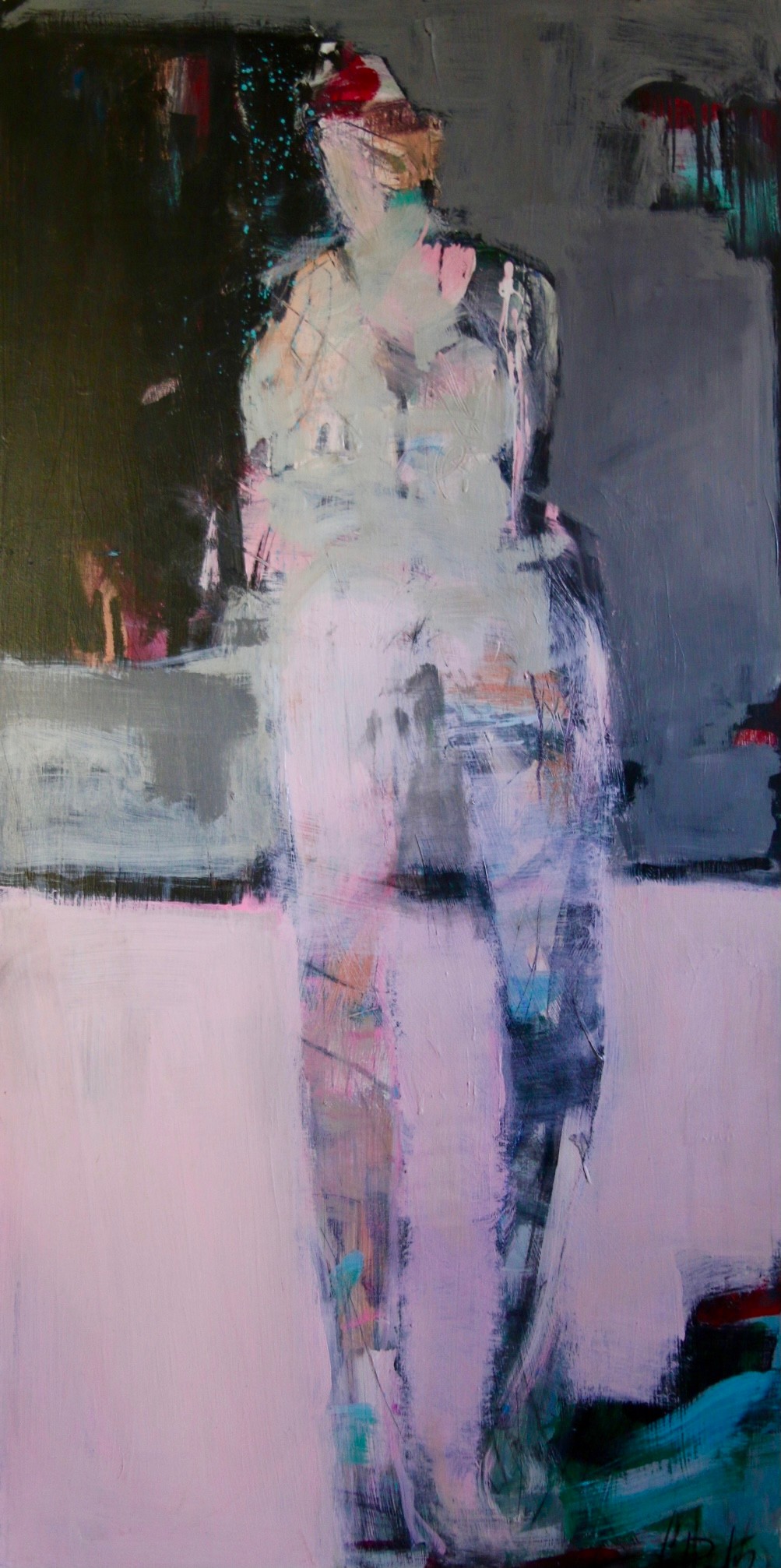
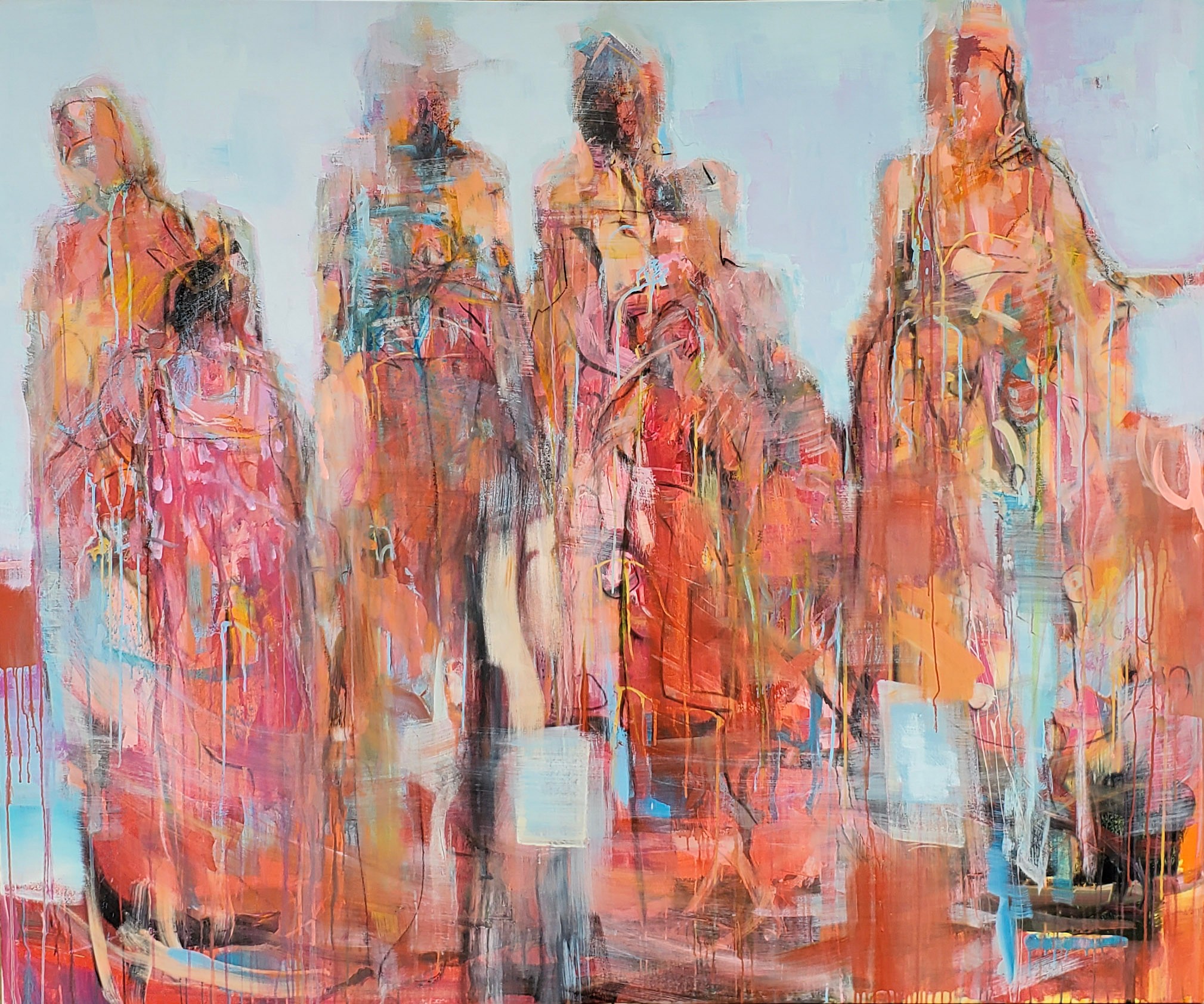
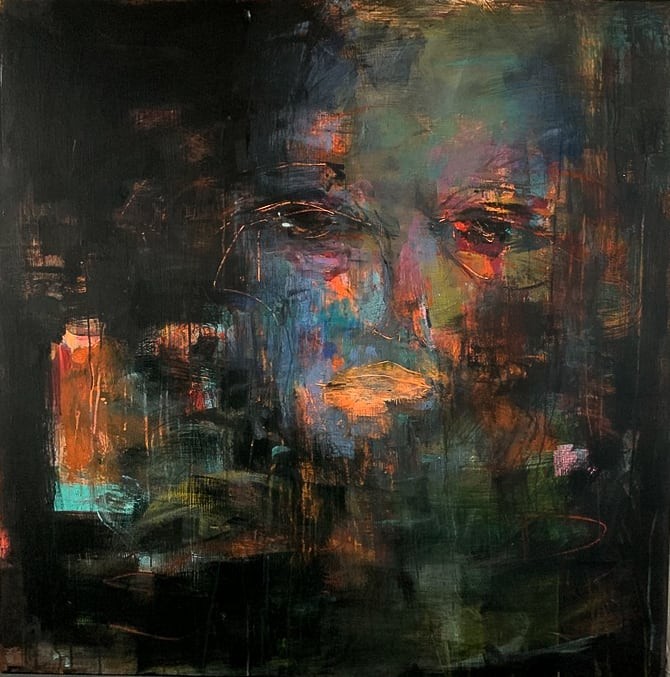
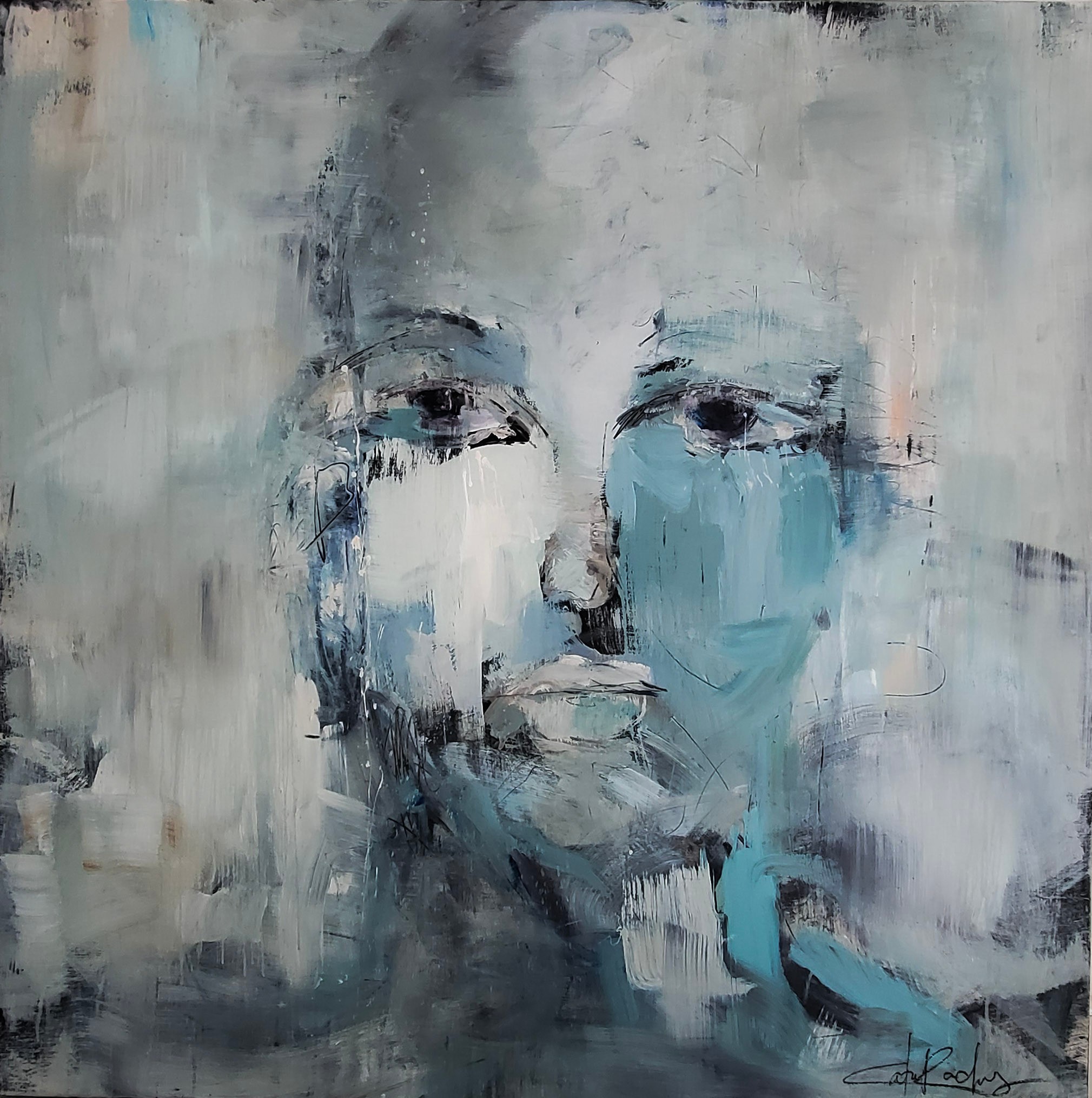
I view my work as being process-oriented. The first few paint strokes are extremely impulsive. I enter a sort of spiritual or meditative mental space. I stay in this safe place for as long as I can, but I eventually step back to see what I have painted. To others, I am not sure what they see at this stage, but I see a world of images. I see my thoughts, safe places, fears, stories of my life, fun times, and bad times. Next, I start chasing some of the images that I see. Each stroke turns into another image. Each dot of paint contains its own world, evoking its own feelings and experiences. Every movement of my eye or dot of paint changes the story and the images keep moving. The hardest part is when I must commit to the final image. I work slower in this stage and plan each stroke carefully. It is a struggle between what makes sense visually and the little pieces left from the first impulsive marks. I have heard that if you can figure out your paintings, you can figure out your life. I have not figured it out and it may take a lifetime. I don’t want to lose the secret places that come from my soul that only I can read, but I don’t want a viewer to get inside my paintings and see everything that is under it either. My works are the results of these intense and intimate conversations spoken in the language of form, space, color, and gesture. While my paintings may feature forms or silhouettes, they are deeply connected to the process of painting, which mirrors the process of living itself. In my artistic process, I strive to find a balance, replicating the constant struggle that exists in all aspects of life. As I work, the figurative forms within the composition come to life, providing structure to the layers of underpainting beneath. These implied figures serve to mask or distract from the raw honesty that I may not be ready to fully reveal. In a way, the figurative forms in my art reflect the masks that each of us wears to navigate daily life.
What do you find most rewarding about being a creative?
The most rewarding aspect of being an artist for me is witnessing someone emotionally or intellectually engage with my work. It’s exciting to hear someone identify with my painting, seeing themselves reflected in it. Each painting is a journey with so many emotions. It makes me feel like it was worth the journey if it can touch someone else in a positive way or make them feel something.
Are there any books, videos or other content that you feel have meaningfully impacted your thinking?
I have a great collection of art books that I use frequently. I also use a website called Artwork Archive. I recommend every artist use this. It is a comprehensive platform that keeps up with inventory, sales, locations of work, and more all in once place.
Contact Info:
- Website: catieradney.com
- Instagram: instagram.com/catieradneyart