



We caught up with the brilliant and insightful Catalina Garza a few weeks ago and have shared our conversation below.
Catalina, thanks for joining us, excited to have you contributing your stories and insights. Risk taking is something we’re really interested in and we’d love to hear the story of a risk you’ve taken.
One of the biggest risks we’ve taken as business owners and educators is currently in progress: we are building a brand-new facility for our dance school. This is not just an expansion—it’s a leap of faith in our mission, our community, and the next generation of dancers.
When we founded our school, we dreamed of creating a space where young artists could grow with discipline, artistry, and joy. Over the years, our student body has grown, our programs have diversified, and our impact has deepened. But like many small arts organizations, we’ve operated within the limitations of rented space—never quite able to shape the environment exactly the way we envisioned.
So, after much planning, saving, and soul-searching, we made the decision to invest in a permanent home for Quenedit Ballet School. This is a significant financial and logistical undertaking, but it represents our commitment to the future. The new building will not only allow us to continue nurturing excellence in ballet, but it will also give us the opportunity to expand into gymnastics and other complementary disciplines.
This risk isn’t just about growth—it’s about legacy. We are building a space designed to outlive us, to inspire the next generation of artists, and to become a cultural hub for our community. It’s a challenge filled with unknowns, but it’s a risk we’re proud to take—because we believe in what we do, and we believe in the young people we serve.
As always, we appreciate you sharing your insights and we’ve got a few more questions for you, but before we get to all of that can you take a minute to introduce yourself and give our readers some of your back background and context?
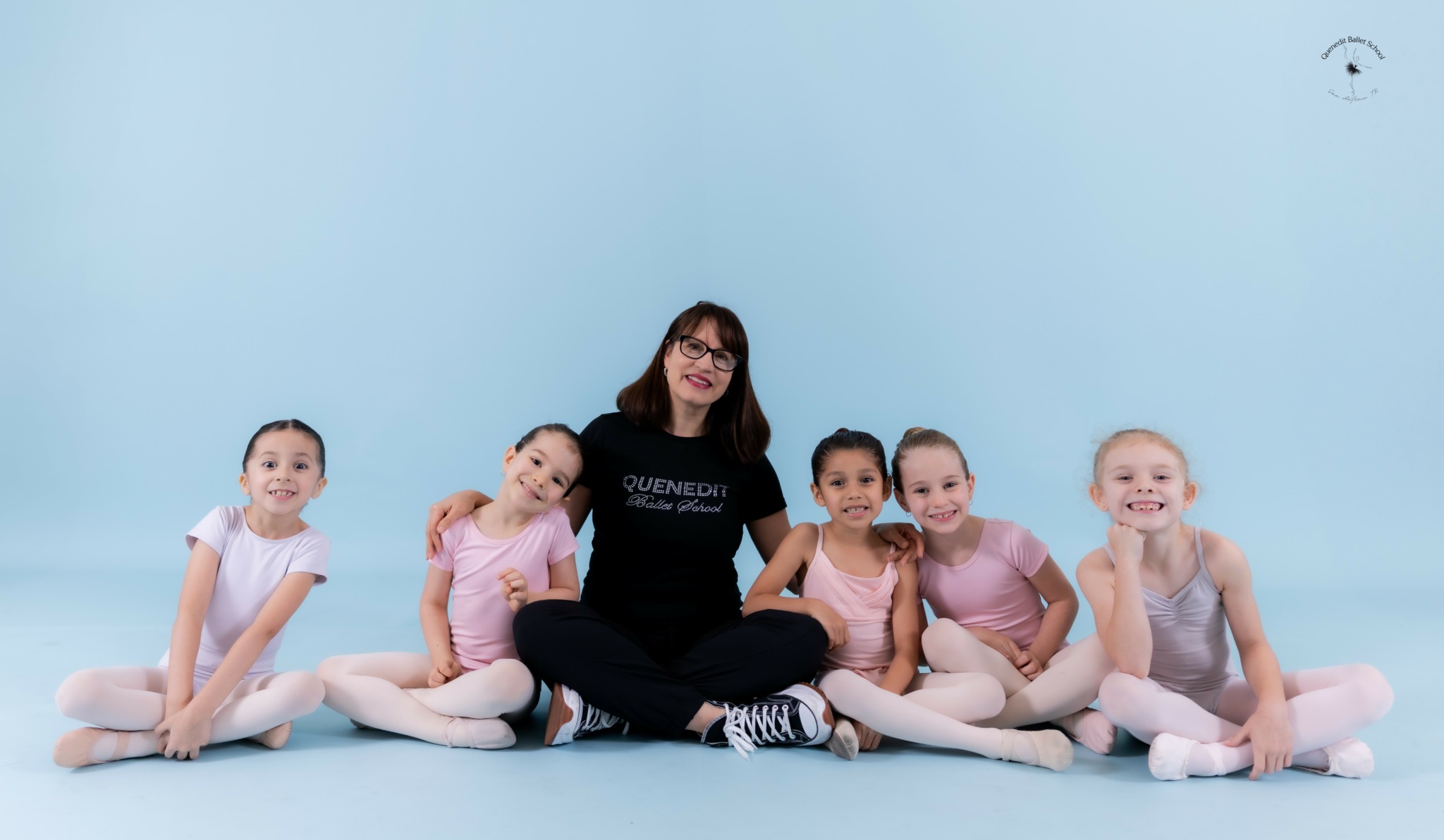
Hi, I’m Catalina Garza—co-founder and artistic director of Quenedit Ballet School in San Antonio, Texas, and also the proud director of San Antonio Dance, our nonprofit dance company that brings performances and outreach to our community.
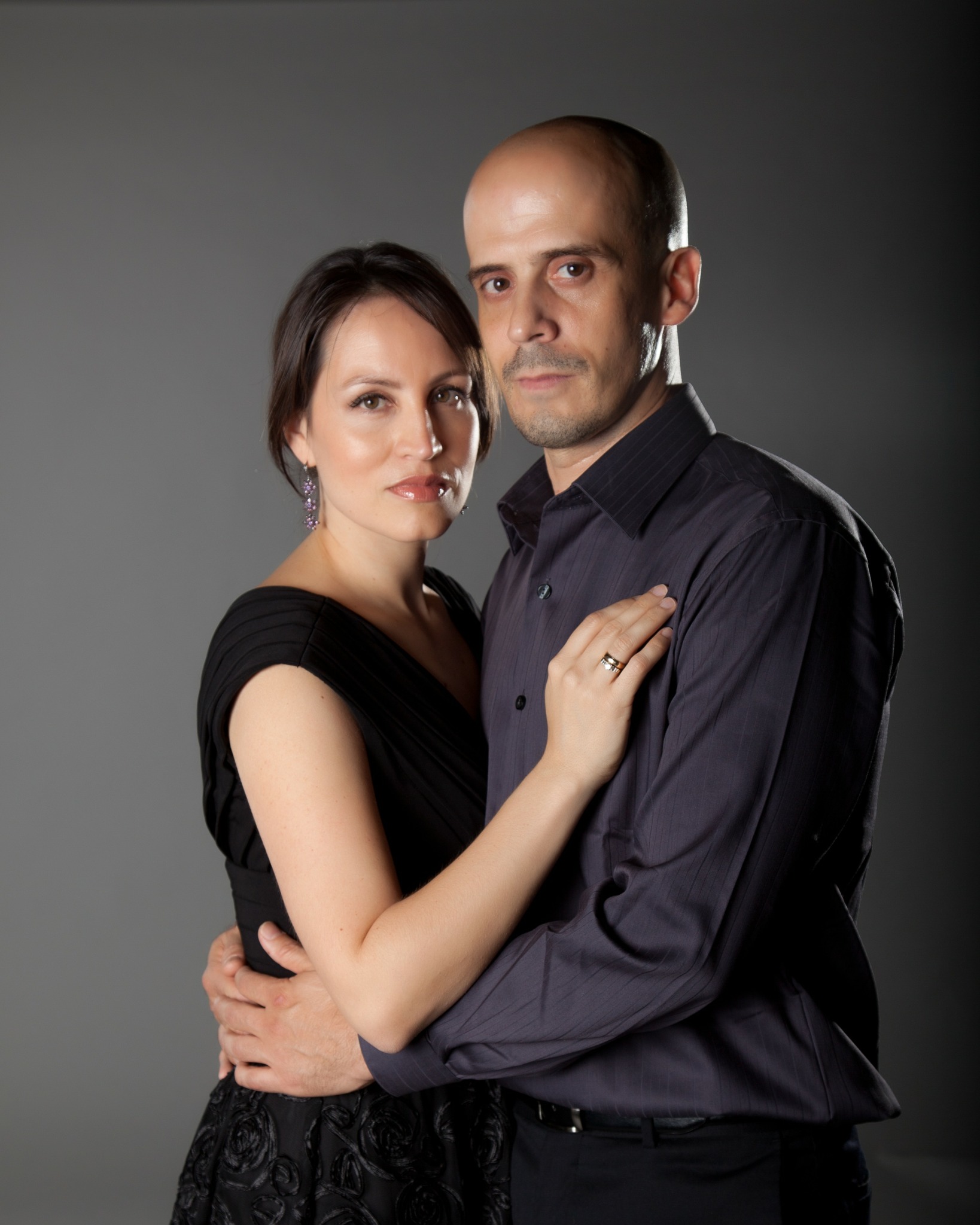
Before anything else, I’m a mom. Raising my son has been the most important part of my life, and that experience has shaped how I teach, lead, and connect with the families in our school. I’m also lucky to share both my life and my work with my husband, Ernesto Quenedit. We’ve been married for 28 years and have worked together every step of the way. Dance brought us together, and it continues to be the heart of everything we do.
At our school, we offer ballet training from beginner to pre-professional levels, plus jazz, hip hop, contemporary, acro, flexibility fusion—and we’re excited to be adding gymnastics soon! Personally, I absolutely love teaching ballet to our youngest dancers, especially ages 3 to 6. There’s nothing quite like seeing little ones fall in love with dance for the first time.
Outside of the classroom, I’m a choreographer and producer. Through San Antonio Dance, we create full-scale productions like The Nutcracker and also take performances into the community—like local hospitals and schools—because we truly believe in using dance to uplift and inspire.
Two hobbies that help me relax, recharge, and reconnect with creativity in a different way is gardening and coloring
What makes our school different is the heart behind it. We care deeply about our students—not just their technique, but who they are as people. I want families to know that when they join us, they’re becoming part of something special: a place that believes in hard work, creativity, and kindness.
Can you share a story from your journey that illustrates your resilience?
One of the most defining moments of resilience in my journey came when my husband and I decided to start a family. At the time, I was dancing with the Joffrey Ballet of Chicago, and he was a seasonal dancer with the Lyric Opera of Chicago. We were passionate about our careers, but the physical demands of professional ballet made it impossible for me to continue dancing while pregnant or raising a baby without support.
Years earlier, before moving to the U.S., I had opened a small dance studio in Santiago, Nuevo León, a rural community in Mexico where the arts were nearly nonexistent. Most of my students came from families who couldn’t afford tuition, so I offered scholarships. My mother always reminded me, “We must help those in need,” and that became a guiding principle in my teaching. I learned to build something meaningful with limited resources, and to lead with compassion—lessons that would become crucial in the years ahead.
When my son was born in 2003, our circumstances in Chicago were extremely difficult. We had no family nearby, and our combined income was under $20,000 a year. One day, a mother from the studio where I taught asked how we were managing and invited us to her office—she worked in social services. When she saw our income, she told us we qualified for government assistance. I had been living in the U.S. since 1998 but had no idea how the system worked. She helped us apply for support, including food stamps.
I will never forget standing in line at the grocery store, counting every item and feeling the eyes of the impatient person behind me. I felt so embarrassed and defeated. When I got to the parking lot, I cried in the car—holding my baby and a few bags of food. I asked myself how I had gone from being a professional dancer to this. But then I remembered: I didn’t come to this country to live like that.
That moment sparked something in me. I wasn’t going to let hardship define my story. I had already learned how to serve and build from the ground up in Santiago. Now it was time to apply that same determination and love for teaching here. Ernesto and I created a plan. We worked in as many dance schools as possible to gain experience and expand our reach. I gave up my dream of returning to the stage because I wanted to raise my son myself—I didn’t want to put him in daycare. Instead, I poured my passion into teaching.
Over time, my English improved, I grew as a choreographer, and I became an artistic director. Eventually, we made the bold decision to move to Texas and open Quenedit Ballet School. That journey—from a modest studio in a small Mexican town to teaching in Chicago to building our school in San Antonio—is a testament to resilience, purpose, and faith.
Resilience isn’t just about overcoming—it’s about building, healing, and dreaming forward, even when the odds feel impossible.
Can you open up about a time when you had a really close call with the business?
One of the hardest and most uncertain times we ever faced as business owners was during the COVID-19 pandemic. Before the shutdown, our school had over 200 students and a strong sense of momentum. Almost overnight, everything stopped. We quickly shifted to Zoom classes, thinking it would be temporary—but after two months online, we were down to just 35 students.
Even when we reopened with a hybrid model—some students on Zoom, some in-studio—our enrollment didn’t bounce back. Meanwhile, our expenses continued. Our landlord didn’t offer any rent relief, and our accountant kept warning us that we were on the verge of bankruptcy. He asked us repeatedly, “How long can you sustain this?”
Behind closed doors, Ernesto and I had difficult conversations. We told ourselves, “Dance is all we know. This is what we’ve given our lives to. We can’t walk away from it now.” At the time, our son was in high school, and we were thinking about how to pay for college—while watching not only our business savings disappear, but also our personal ones.
One of the hardest decisions we made was to sell a piece of land we owned in Canyon Lake. It was meant to be our future. We used to go there on weekends to walk through the neighborhood, dream about the house we would build, sometimes even have little picnics in the car or sit by the community pool just imagining what life might be like one day. Letting it go was painful—but necessary. Selling it bought us a few more months of survival.
Still, the pandemic dragged on. So I turned to the only option we had left: grants. There was no AI back then to help write or translate. I could read and write in English, but the application language was complex. I spent hours—sometimes full nights—reading, rewriting, checking everything three times to make sure it was correct. It was exhausting, but I kept going.
In the end, I applied for 19 grants for Quenedit Ballet School—and we were awarded 12 of them. I also applied for 12 grants on behalf of our nonprofit, San Antonio Dance, and we were awarded 3. Those grants saved us. They allowed us to pay rent, keep the doors open, and retain the few staff members we could afford to keep on payroll.
Looking back, I’m proud of the decisions we made in that moment. We sacrificed something personal to protect something much bigger—our school, our community, our mission. It wasn’t just about surviving the pandemic; it was about making sure that our dancers, families, and future still had a place to grow and thrive.
Contact Info:
- Website: https://queneditdance.com
- Instagram: https://www.instagram.com/queneditballetschool/
- Facebook: https://www.facebook.com/QueneditBalletSchool
- Linkedin: https://www.linkedin.com/company/73059931/admin/dashboard/
- Youtube: https://www.youtube.com/@queneditballetschool9107
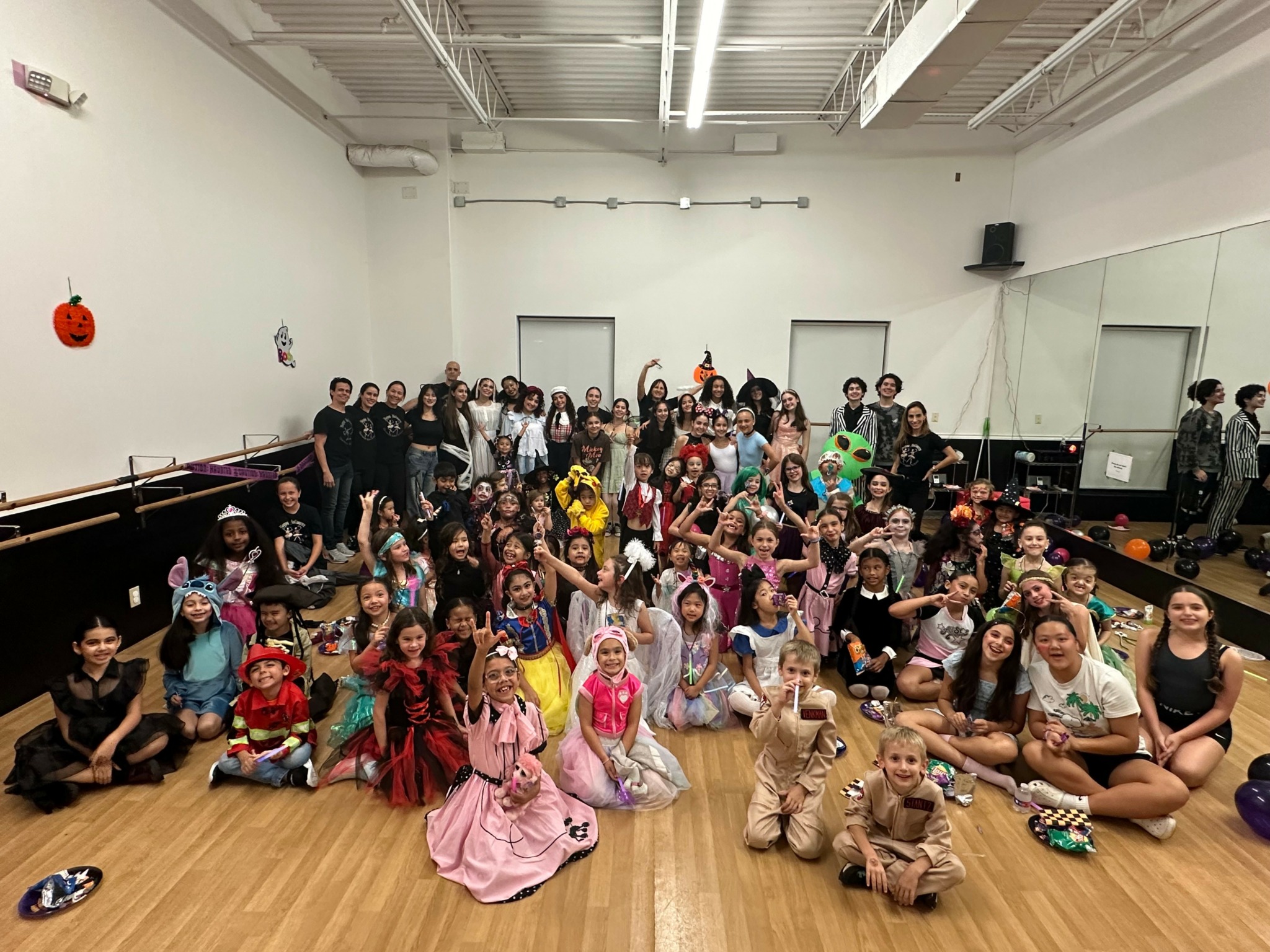
Image Credits
Artistic pixels the first one