

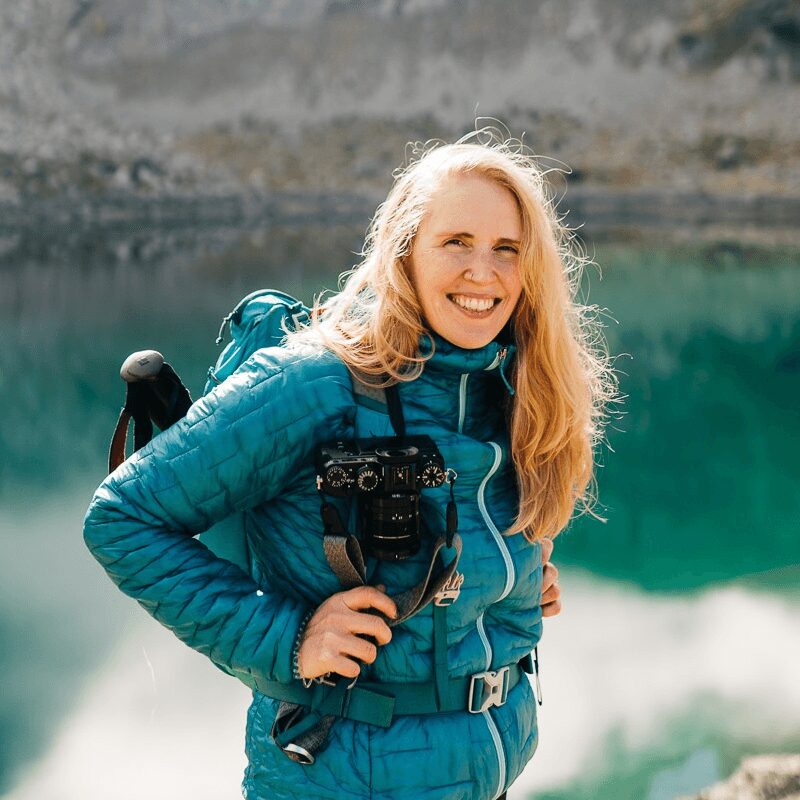

Alright – so today we’ve got the honor of introducing you to Cat Ekkelboom-White. We think you’ll enjoy our conversation, we’ve shared it below.
Alright, Cat thanks for taking the time to share your stories and insights with us today. We’d love to hear about a project that you’ve worked on that’s meant a lot to you.
I think my most meaningful project has to be one that I’m working on right now, called Photographers for People & Planet.
I moved to the Austrian Alps from the UK in 2011 after a few years teaching skiing all around the world. Moving to the mountains helped me to connect with nature so much more deeply than I had before. It wasn’t just that I got to spend more time outside, but over the years I witnessed how things were changing. A lot of the changes I have witnessed are certainly linked with the climate crisis: The glacier I can see from my front window is shrinking year by year, longer dry seasons, increasing outbreaks of tree-killing bark beetles, flooding and landslides from intense rainfall over short periods. But there are also lots of changes happening due to an increasing amount of tourism, and not all of it is having positive impacts. Locations that were once peaceful and full of life getting damaged from overcrowding, natural areas are being bulldozed to create more parking, and the quality of living for locals in these areas is, in many cases, put second to catering to every whim of the tourists.
I think I’ve always been interested in sustainability and ethics, but when I was younger it didn’t necessarily have the labels we are all so used to hearing today. As a kid, I turned vegetarian at a young age and wrote essays at middle school on animal rights. As an adult, I started engaging more in conversations around sustainability, and this was accelerated even more during my training as a hiking guide a few years ago, when we spent an afternoon talking about the different aspects of sustainability, and how that related to the work we did in the outdoor guiding and tourism space.
This made me start thinking even more critically about my own industry. As an elopement photographer, I work in a space that bridges the wedding, travel and outdoor industries. I started engaging in sustainability conversations within these different areas, and found that, for example, there were many discussions happening in the tourism space around sustainable and responsible travel that were very relevant to my work, but that these conversations were not happening in my industry. Especially conversations around the compromise between earning profit, against the benefits and damage to people and the planet.
After undertaking a deeper study in 2023 in Sustainable Media, Marketing and Creative, it led me to identify where I feel my purpose is. And that’s to bring these discussions around sustainability and ethics to the photography industry, especially those working in the wedding and travel spaces. I wanted to create resources and a platform that helps photographers understand the positive and negative impacts of their work, and to teach them how to use their voices as creatives to drive conversations around meaningful change in the industry. That’s when I decided to found Photographers for People & Planet.
Great, appreciate you sharing that with us. Before we ask you to share more of your insights, can you take a moment to introduce yourself and how you got to where you are today to our readers.
When I first moved to the Alps, I was working as a ski instructor in the winter, and working in tourism as a travel rep and tour guide in the summer. Whilst planning my own wedding, I fell in love with wedding photography, despite not feeling completely connected to the world of weddings.
After our wedding, I still couldn’t shake my obsession with wedding photos, so I decided to get myself a camera and learn to shoot weddings. Within a year, I’d launched my business and I was shooting weddings, at first just in my home state of Tirol, but within a couple of years, also all around Europe.
As my business and experience grew, I felt more disconnected with weddings. I enjoyed capturing the connection between the couple, but everything else felt very performative to me. When I got the chance to work with couples having a destination wedding, the focus was often very different. It was as much about celebrating the location as it was about the wedding. And when I shot my first elopement, I realised that so much of what people think they need for a wedding isn’t important. This couple who were eloping just wanted to spend the day connecting with nature and enjoying each other’s company and experiencing new things together. It was the most perfect wedding day. It wasn’t even about the photos. It was just about having time for them.
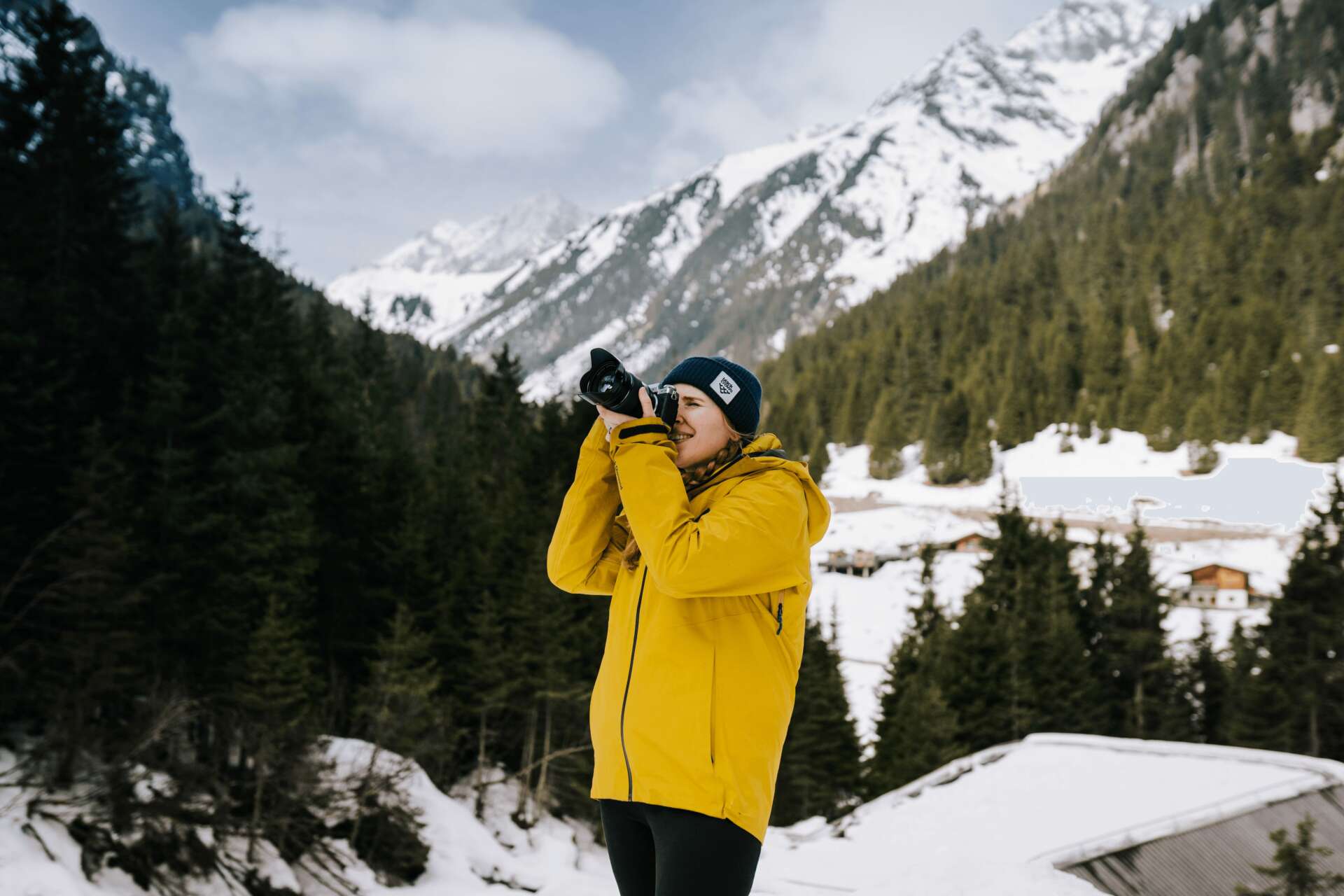
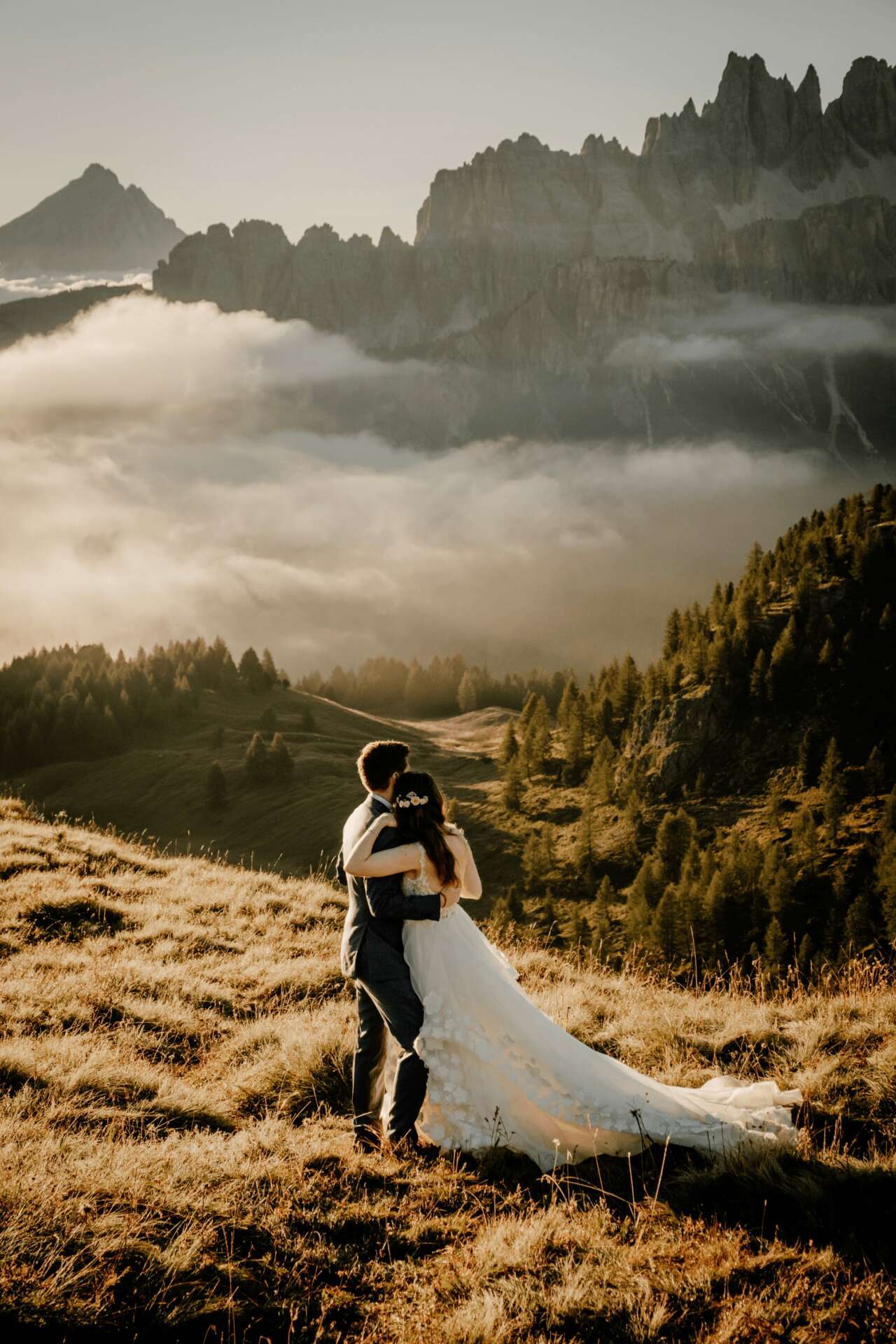
That was the catalyst for me to start moving away from traditional weddings, and bring things back to something that aligned with me – helping couples celebrate their love for nature, in nature, and embracing their love for adventure into their day. I rebranded and niched my business to focus specifically on this, and it changed everything. I became a Fujifilm ambassador, and started to get a lot of recognition for my work. I trained as a hiking guide to further enhance the experience that I could offer to my couples, and now I have the honor of taking couples on multi-day adventures around my home in the Alps and neighboring Dolomites.
How’d you build such a strong reputation within your market?
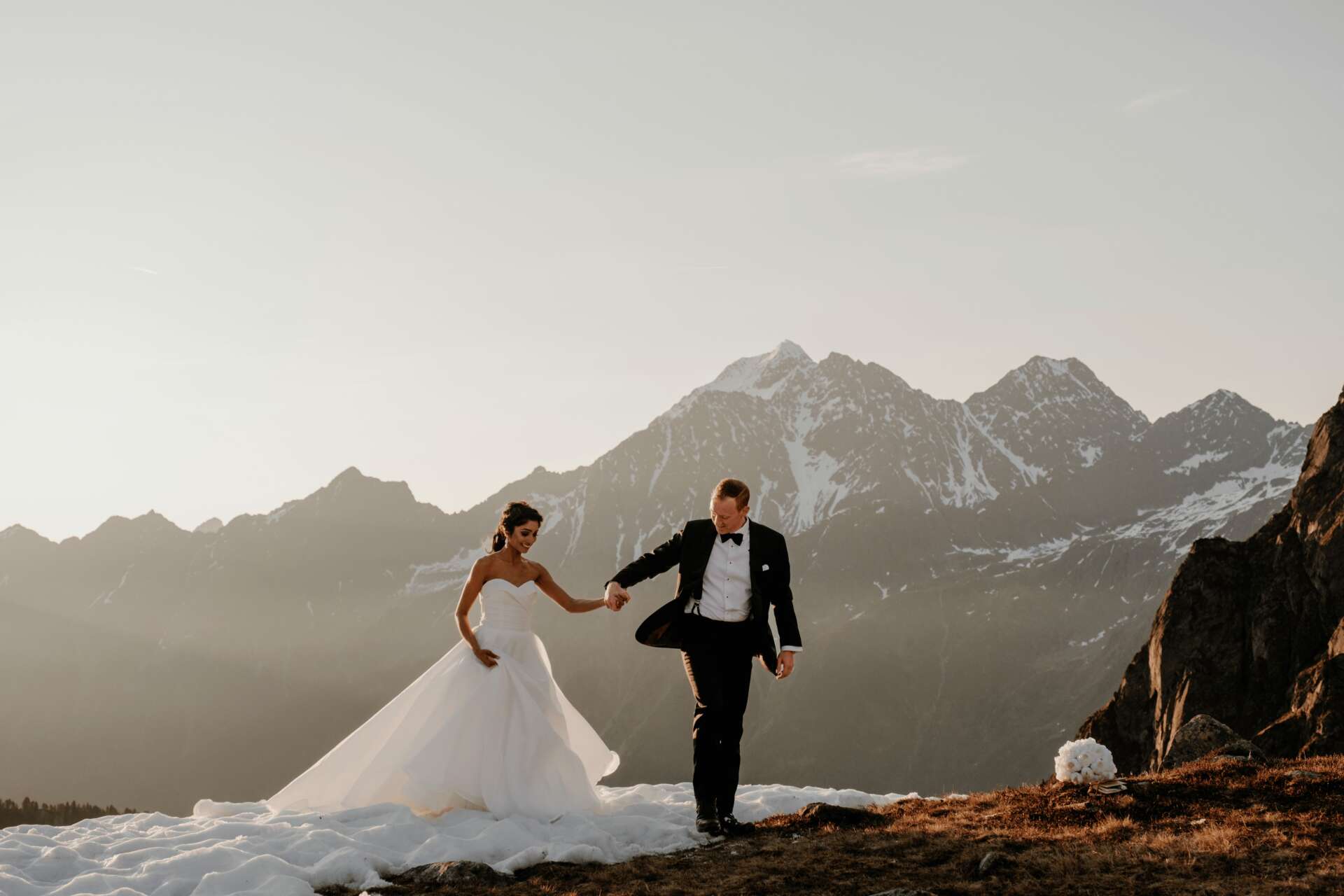
I think a big part of what helped me build my reputation as both a photographer and later as a coach and mentor to other photographers, was to always be in integrity with myself, and to not follow what’s trending. In my photography business, that has been focused on keeping things more natural and not overly styled, and promoting locations that aren’t Instagram hotspots, as I’ve always wanted my brand to resonate with couples like me who perhaps are choosing to elope in nature because they aren’t into the highly styled and fashionable things but rather want to do what matters to them.
Within the industry, I’ve also been very vocal about working ethically and not being flexible with “the rules” in order to get success, and over the years that’s attracted other creatives to work with me in a mentoring/coaching relationship because they also value integrity and ethics highly.
Are there any resources you wish you knew about earlier in your creative journey?
I wish there had been more resources focused around building a business around your own personal strengths and values, as I feel like so much of the education and resources out there are from people teaching a “do what I did to get what I’ve got” approach. But for creatives, we’re creative for a reason. We are all beautifully complex and colorful individuals who all bring different perspectives and approaches to our crafts. Following someone else’s recipe for success just doesn’t feel right – and for many people, it doesn’t work. You can’t recreate someone else’s success, you can only create your own.
I also with there were more resources around the ethics of marketing. From day one running a business, you’re taught sales and marketing 101, and you just go with it, because these are the “tried and tested” ways to sell yourself. But over the years, I’ve come to learn that just because something works, it doesn’t mean you should do it. I wish I’d known about alternatives sooner, and that’s just a part of what I’m trying to do in my work now. To help people understand there are other ways to show up and sell what you do whilst honoring your values and integrity.
Contact Info:
- Website: https://photographersforpeopleandplanet.com/
- Instagram: https://www.instagram.com/photographerspeopleplanet
- Linkedin: https://www.linkedin.com/in/cat-ekkelboom-white/
- Other: Photography website: https://wildconnectionsphotography.com/
Photography coaching: https://adventureweddingacademy.com/


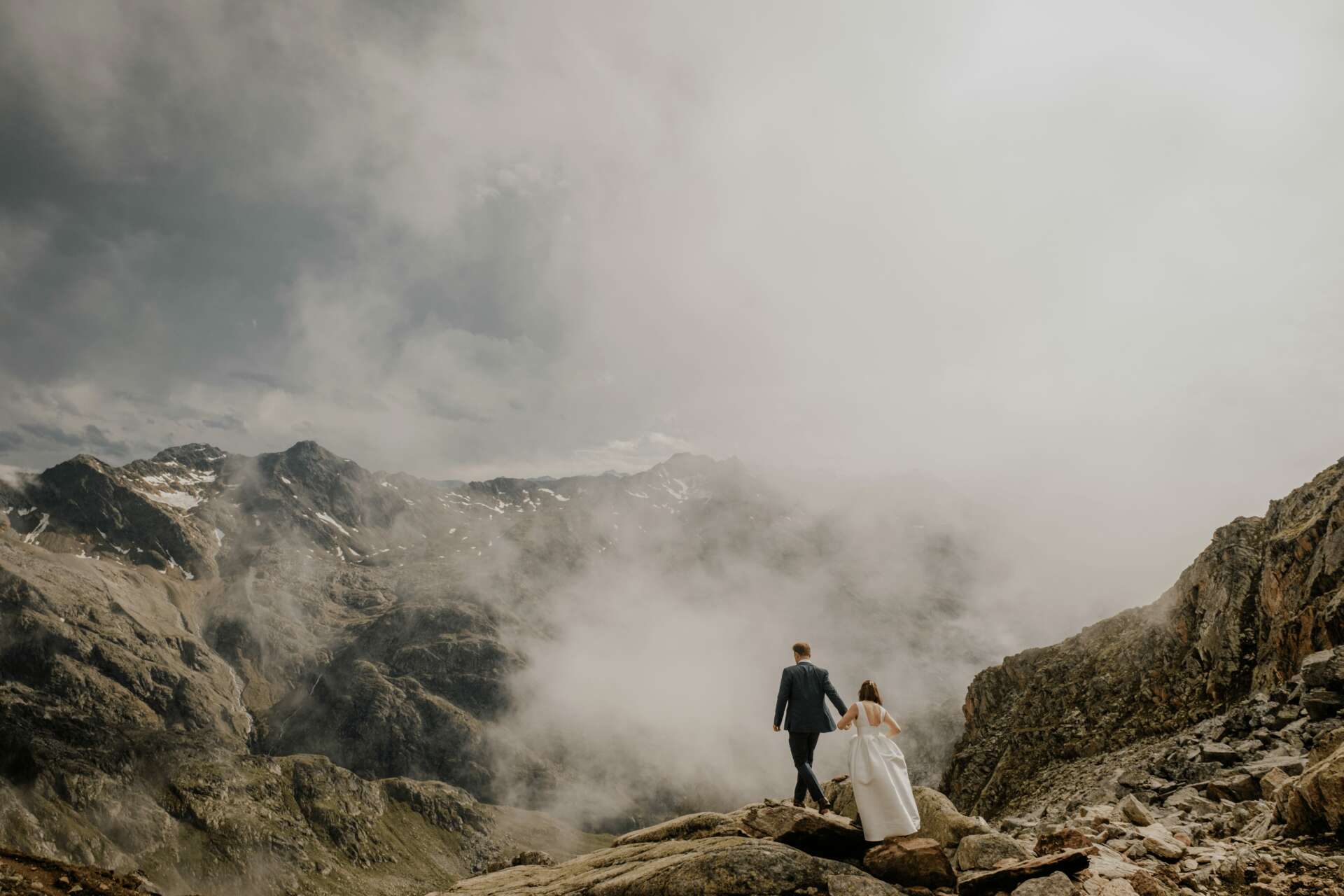
Image Credits
Photos of Cat by Made in the Mountains Photo
Photos of weddings: Wild Connections Photography