

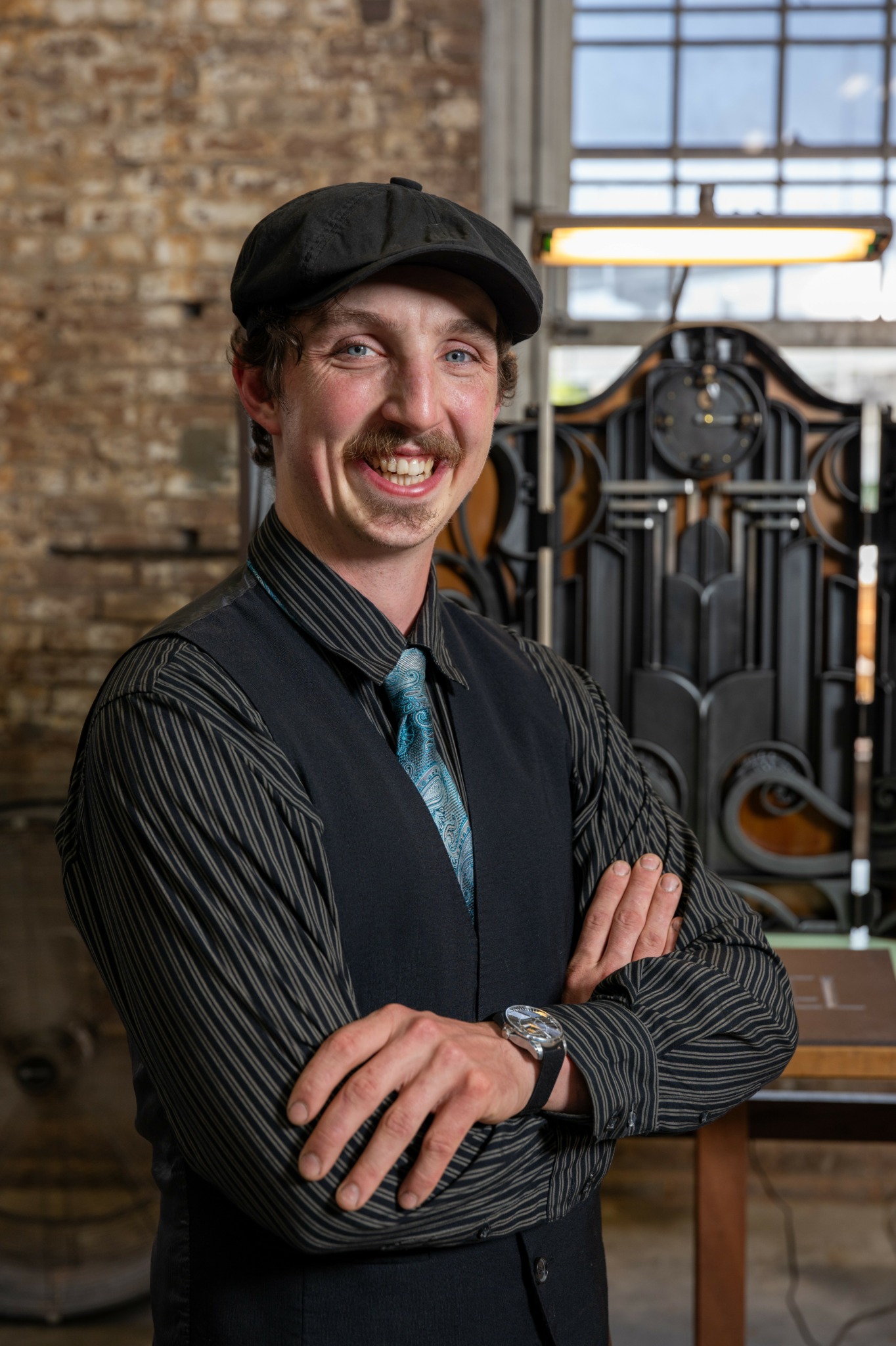

Alright – so today we’ve got the honor of introducing you to Casey Hebel. We think you’ll enjoy our conversation, we’ve shared it below.
Casey, thanks for joining us, excited to have you contributing your stories and insights. Can you talk to us about a project that’s meant a lot to you?
The most meaningful prooject that I hav worked on to date has to be me senior capstone project that I completed for my undergrad. The parameters for this project were the limits of my imagination and decipline. So I capatilized on the opportunity to create the most ambishious project i could imagine. My capstone project is my contemporary interpretation of the traditional journeyman’s toolbox. Historically, journeymen in the woodworking trades built their own toolboxes and tools, then left them at a prospective shop for the master to study. The quality of the workmanship was their proof of skill and determined whether they would be hired. I wanted to capture that same idea in my work. This piece is something I could open in front of a shop and let it speak for my craft, ability, and dedication.
Instead of a toolbox, my piece takes the form of a folding shelf clock. Its design reveals itself slowly rather than all at once. When first opened, the viewer sees a tall central clock tower framed by scrolls and decorative structure. Opening the panels again reveals a second layer. The composition stretches wider and richer, expanding on what was first seen instead of replacing it. Each scroll, curve, and line continues through adjoining panels so that nothing feels cut short. The design reads as one complete image across the body of the piece, only experienced in stages.
A major focus of this project is the use of angle iron. This material is often left at the bottom of a steel rack, valued more for strength than beauty because it is difficult to forge. I wanted to challenge that perception and explore how far it could be pushed as a decorative medium. Throughout this piece I forged angle iron into flowing scrolls, filigree, architectural structure, clock indices, and layered ornamental forms. The material that is usually seen as stiff and practical becomes expressive, fluid, and intricate.
The visual language of the clock blends influences from Art Deco and Art Nouveau. There is structure, symmetry, and rhythm paired with movement, organic flow, and natural curve. The design feels architectural but alive. The piece also maintains a sleek profile, with minimal visible connections inside, relying on clean construction and considered hardware so that nothing distracts from the design.
Beyond its technical challenge, I wanted this work to create an experience. Viewers do not simply look at it once. They interact with it, open it, study it, and discover details that are not obvious at first glance. It invites patience, attention, and curiosity. I hope someone could spend real time with it, notice the subtle transitions, and feel a sense of discovery as the piece reveals itself.
This project holds great meaning to me because it was my chance to prove to myself that I have infact learned a craft and that I can have confidence in what my hands will do. Additonally I see this peace as a selfreflecton. Something that is simple on the outside but extrodinary on the inside.
As always, we appreciate you sharing your insights and we’ve got a few more questions for you, but before we get to all of that can you take a minute to introduce yourself and give our readers some of your background and context?
My name is Casey Hebel. I was born and raised in the wooded hills of Northern California, where a passion for creating, exploring curiosities, and spending time outdoors took root early. My work and my life are grounded in honesty, dedication, and a need to understand why things are the way they are. Those principles shape not only what I make, but how I share it with others. I aim to create work and experiences that feel personal, intentional, and one of a kind.
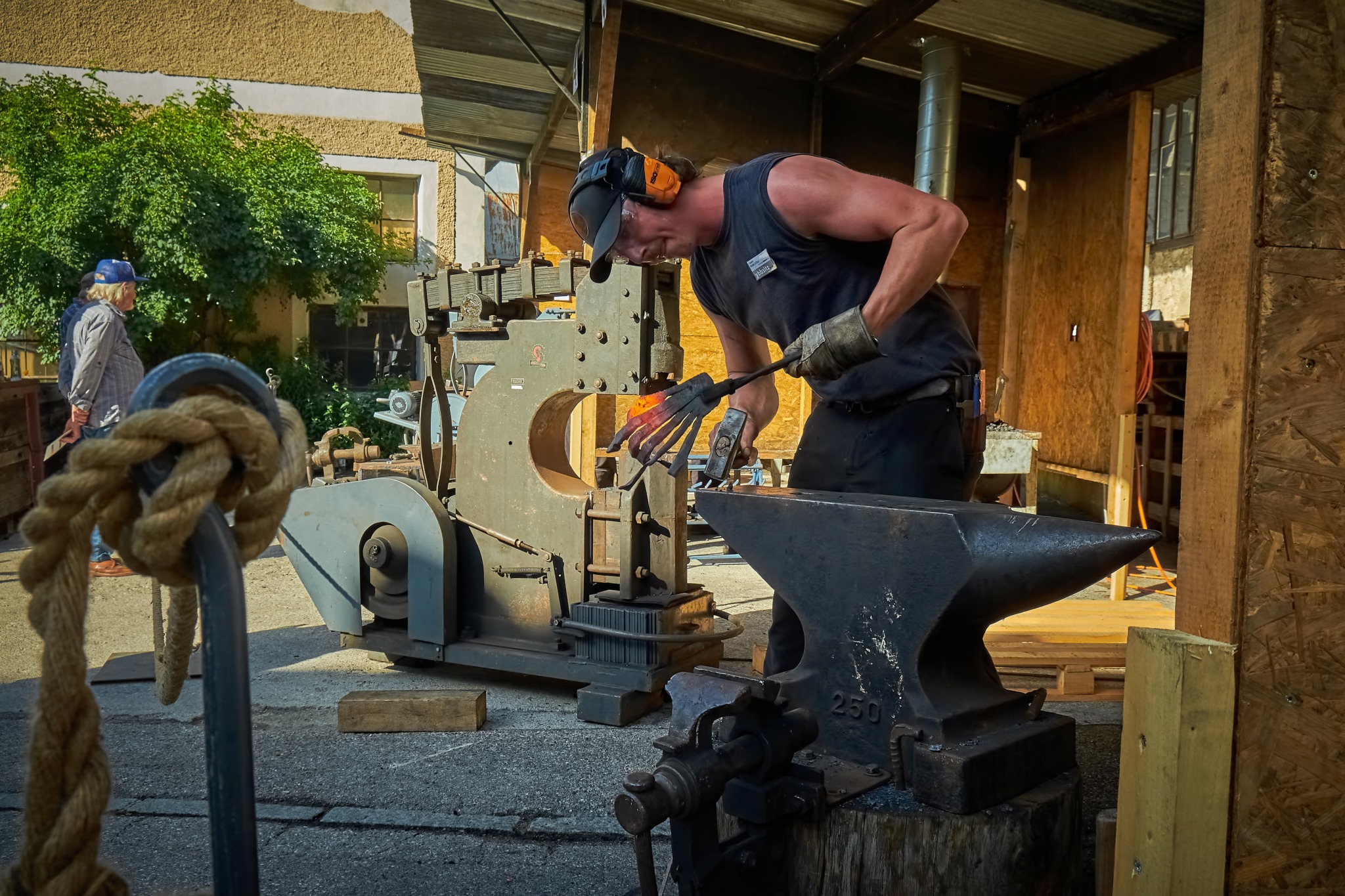
My path into blacksmithing was not a straight line. In high school welding classes, I was first introduced to metal as both a functional and artistic material. After graduation, I spent five years in the United States Marine Corps as an MV-22 crew chief, including time overseas. Toward the end of my enlistment, I found my way back to making, and that reconnection led me to blacksmithing. After taking a few introductory classes, I committed fully to the craft. That decision brought me to the American College of the Building Arts, where I earned a Bachelor of Applied Science in the Building Arts with a concentration in blacksmithing. Today, I continue my involvement there as an adjunct professor while also producing commissioned work.
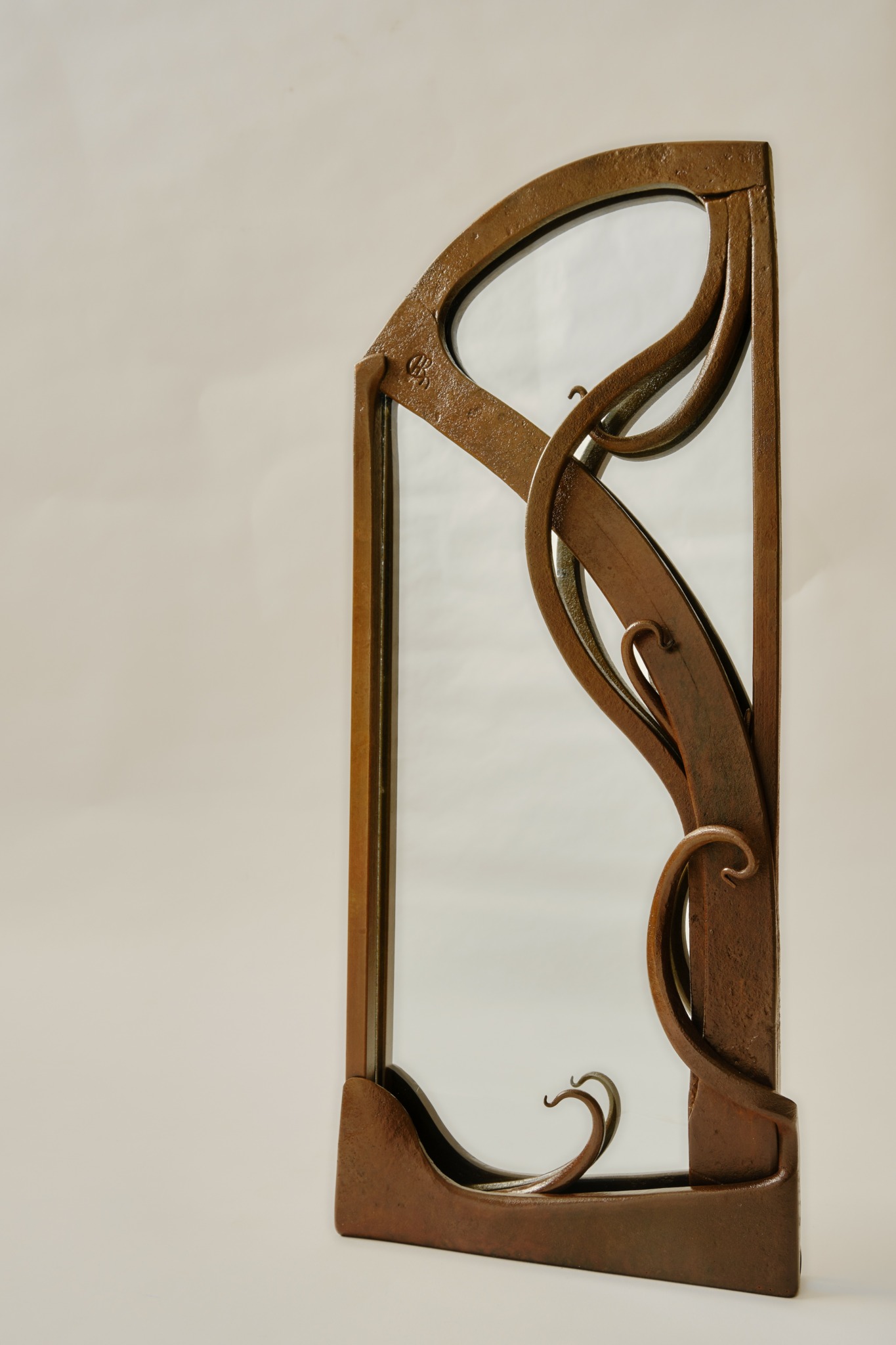
My practice sits between traditional craft and contemporary art. I create pieces that are meant to spark curiosity, serve a function when needed, and invite people into an experience. Influences from the outdoors and from architecture often find their way into my work. Some pieces are rooted in historical techniques, while others push toward more conceptual territory. At its core, my work is about making objects that carry both physical presence and meaning.
I enjoy working with clients to solve the challenge of bringing an idea to life. Often that means taking something complex or abstract and distilling it into a clear, lasting form. I think a lot about longevity, both in terms of material and in terms of what a piece communicates over time. Whether the result is functional or purely expressive, it should hold up and continue to offer something to the person experiencing it.
What sets me apart is the balance I try to maintain between past and future. I have a deep respect for the work of past masters and the values they held, especially when it comes to craftsmanship, efficiency, and minimizing waste. At the same time, I am focused on pushing those ideals forward and applying them in a modern context. Technical precision matters, but it serves a larger purpose. Every piece needs to say something.
What I am most proud of is the direction of the work itself. I am building a body of work that feels honest and my own, shaped by both tradition and exploration. It is an ongoing process, and one I am committed to fully.
If there is one thing I want people to take away, it is that everything I make is created with intention. I hope my passion for the craft brings something meaningful to others, whether that is a sense of inspiration or the simple, lasting enjoyment of living with a piece that continues to reveal itself over time.
Learning and unlearning are both critical parts of growth – can you share a story of a time when you had to unlearn a lesson?
The hardest lesson I had to learn was how to learn. That may sound strange, but the situation I found myself in made its meaning clear.I spent several months in Germany working for a master smith. With only one other employee, the shop ran on a tight schedule that demanded focus and dedication. I had been trained in the United States, and many of the ways I approached tasks were different from his. Often his methods proved to be better, though at times we were simply reaching the same result by different means.One moment that stayed with me was when he took the broom out of my hands because I was not sweeping “correctly.” It was one of many instances that frustrated me. How could I be sweeping wrong? At the time, it felt ridiculous. Toward the end of my time there, we were installing a railing for a retired master bricklayer. He ended up teaching me the lesson that finally made everything click. Translated into English, he said, “Know your way and your master’s way, and you will be twice as smart.” That was the moment it all made sense. It was never about whether I could sweep the floor. It was about being open to learning a different way of doing it. Since then, whenever I encounter someone who approaches something differently than I do, I see it as an opportunity to learn rather than a chance to prove myself right. That shift has brought a deeper sense of humility into both my life and my work.
How can we best help foster a strong, supportive environment for artists and creatives?
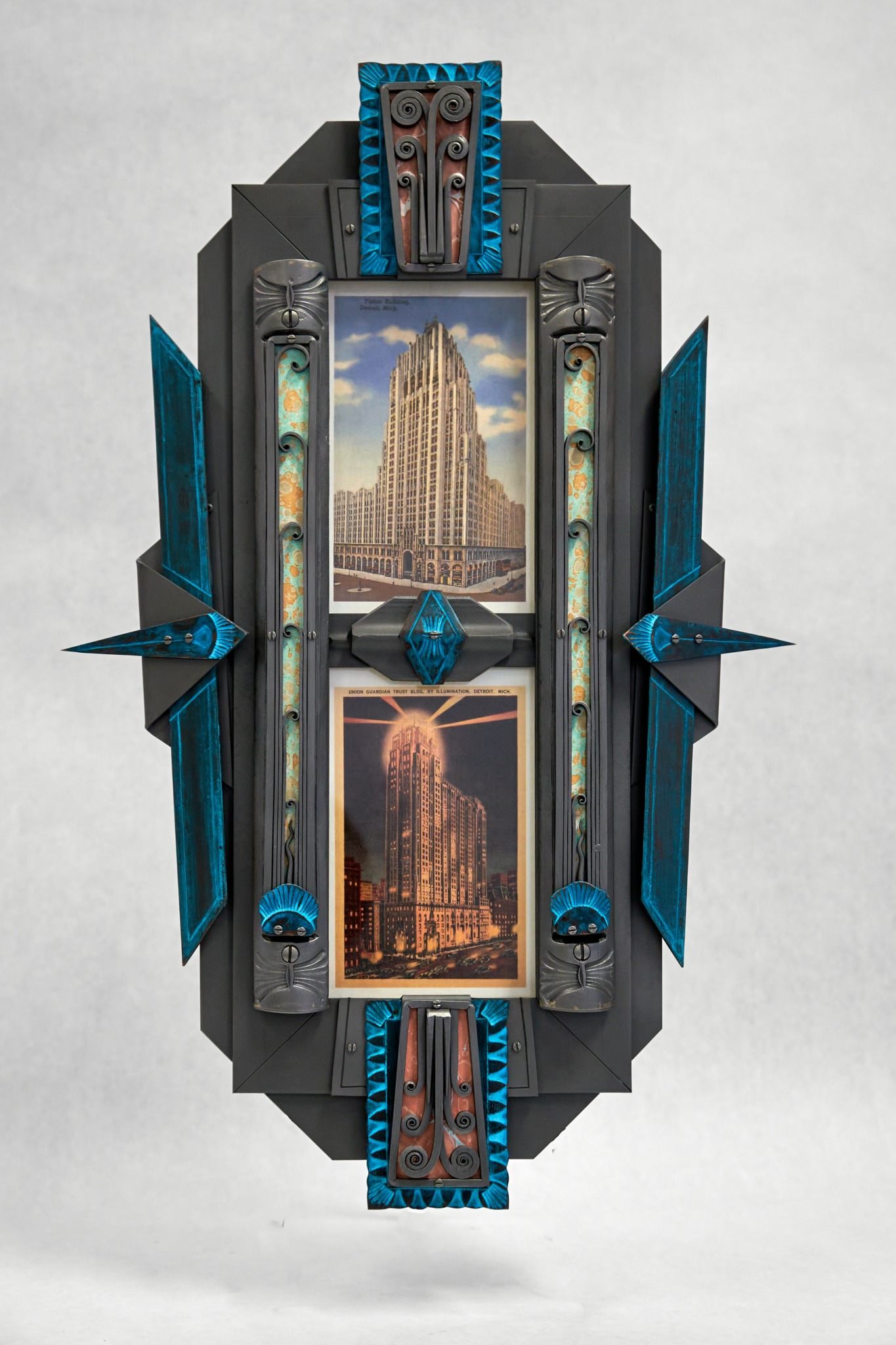
To support artists and their communities, society needs to place more value on quality and craftsmanship by choosing to buy well made, handcrafted work. There is no shortage of cheap, mass produced items that are quickly discarded and carry little meaning. That cycle creates a disconnect between people and the things they own.In the past, most objects were made by hand. They carried the mark of the maker, a sense of place, and often a story. Because of the time and effort involved, people were more thoughtful about what they brought into their lives. Ownership came with a sense of pride and responsibility, not just convenience.That same mindset still has value today. When people slow down and put real consideration into what they purchase, they begin to see beyond price alone. They start to recognize the skill, time, and intention behind a handcrafted piece. That awareness builds a stronger connection to the object and, in turn, to the person who made it.Supporting craftsmen is not only about buying something, it is about investing in a way of life that values durability, meaning, and human skill. It helps sustain traditions while also allowing them to grow and evolve. When people choose quality over quantity, they are not just filling a space, they are shaping a culture that respects making, storytelling, and the lasting value of things built with care.
Contact Info:
- Instagram: https://www.instagram.com/crhebel/
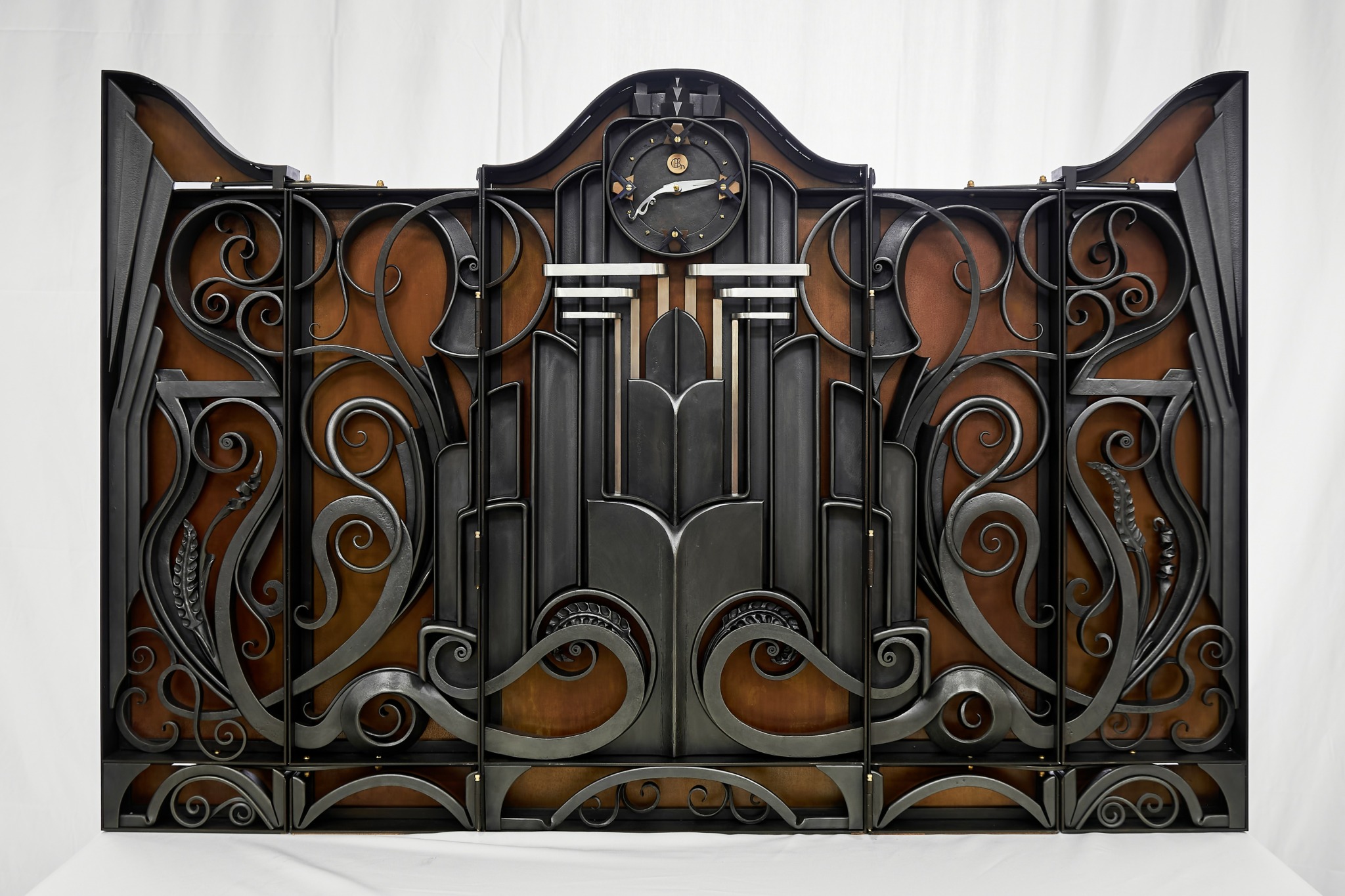
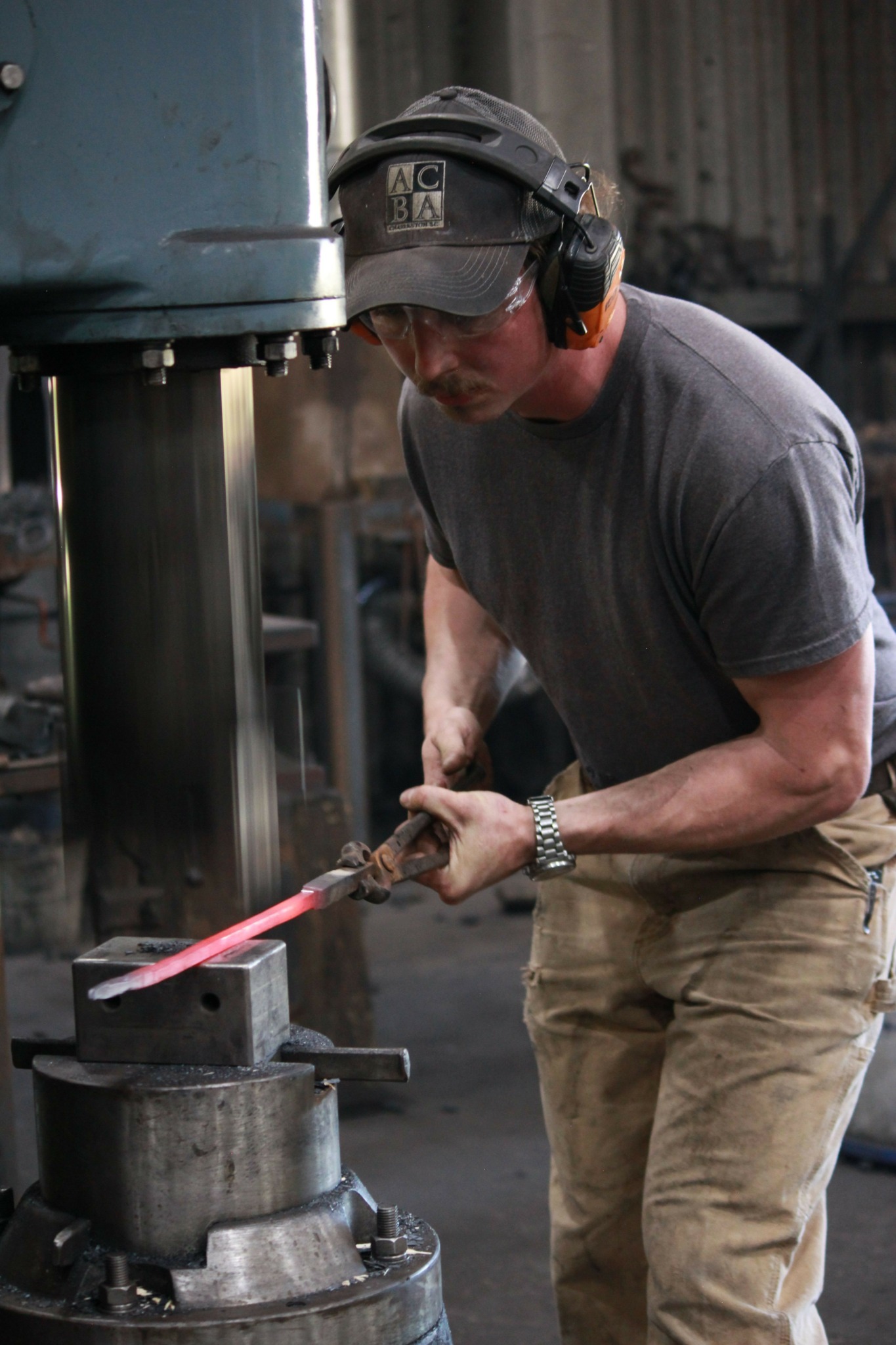
Image Credits
Casey Hebel
Yaughn Hall