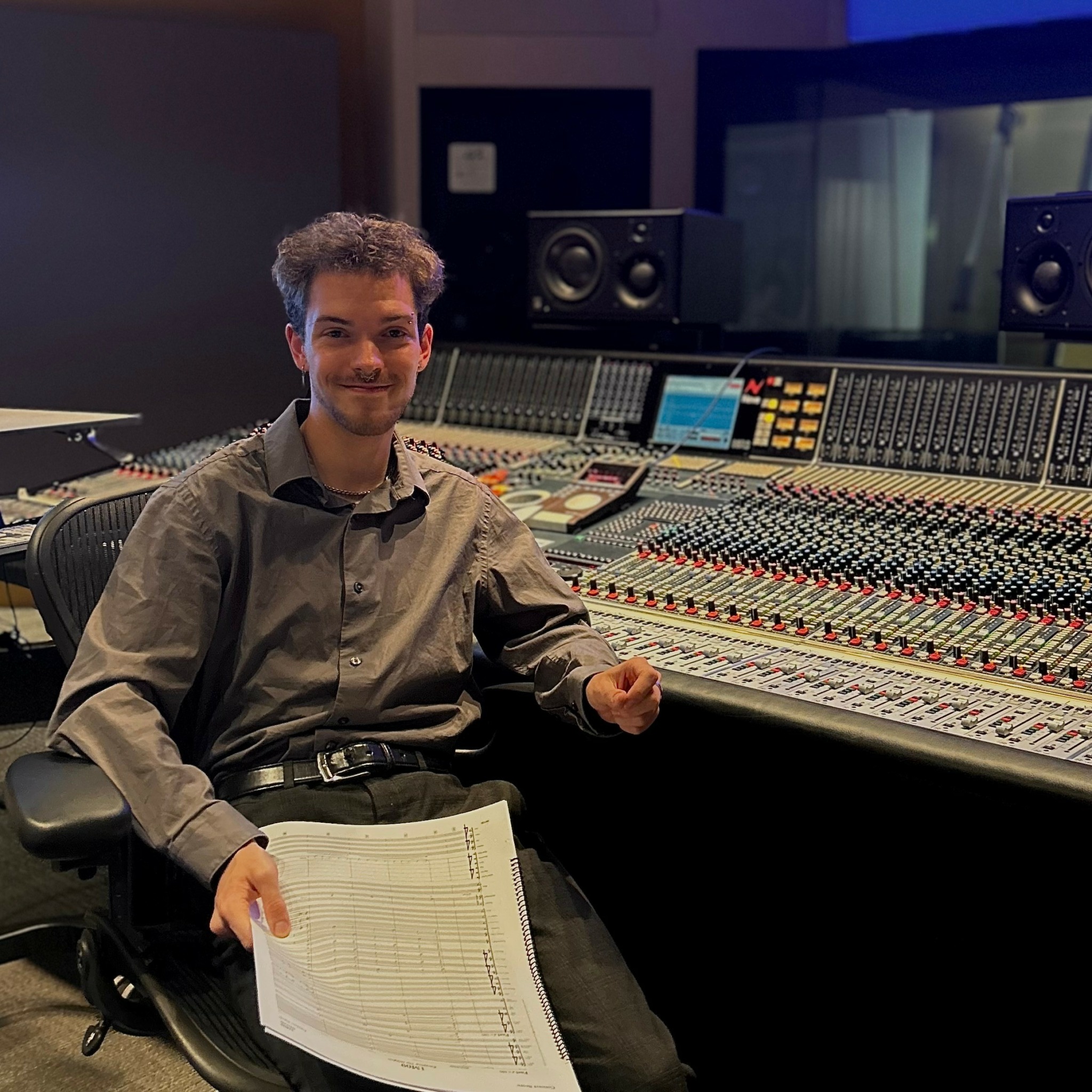

We were lucky to catch up with Carson Zuck recently and have shared our conversation below.
Carson, thanks for joining us, excited to have you contributing your stories and insights. So let’s jump to your mission – what’s the backstory behind how you developed the mission that drives your brand?
My mission as a composer is to craft scores that aren’t just supportive or decorative for a film, but born from the very pregnancy of the narrative itself: imperative, integral, and non-dispensable. Too often, film music defaults to background filler or cultural tropes; I strive to write what I call an “internal score,” one that contributes original, authentic narrative information which creates a sense of inevitability rather than dispensable interchangeability.
Awesome – so before we get into the rest of our questions, can you briefly introduce yourself to our readers.
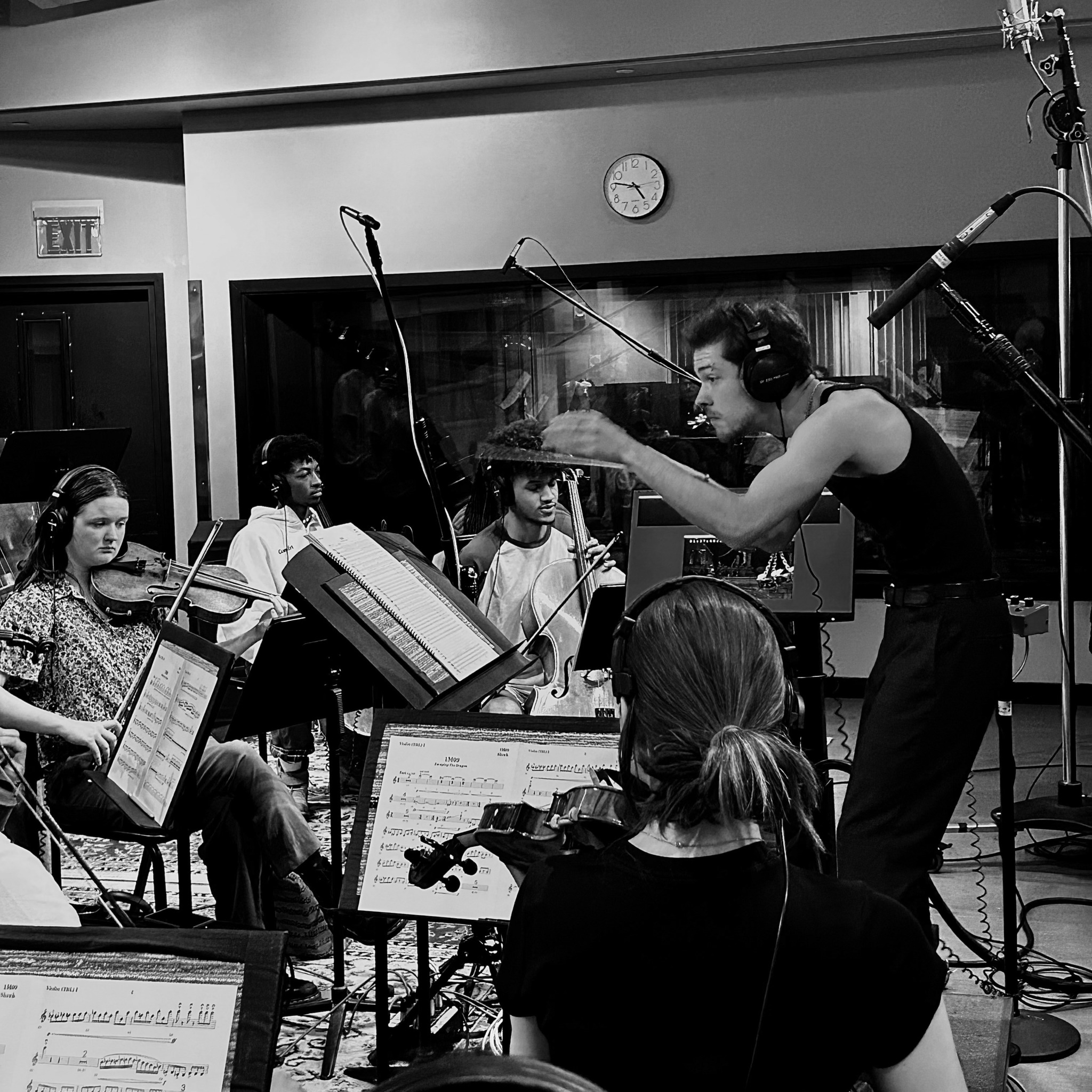
I am currently entering my final year at the Boston Conservatory at Berklee and Berklee College of Music, pursuing a bachelor’s degree in Music Composition with a minor in Screen Scoring and have been composing original music for over two dozen films over the last five years. I also serve as the Vice-President of Berklee’s Film Scoring Network, a student-led organization that connects fellow composers with industry professionals, and I currently work professionally as an audio technician. In an age where AI and stock music threatens to dominate many creative projects, especially young creator’s content, my work offers filmmakers and collaborators something those tools inherently cannot: human and meaningful creative control over the emotional and narrative voice of their film. Music is the perfume of cinema and it has an immense, often subconscious power to guide the audience through a story. I strive to write what I call an “internal score” for every film I work on. That commitment to narrative-driven, intentional scoring is what sets my work apart and it’s what I’m most proud to share with the artists I collaborate with!
We often hear about learning lessons – but just as important is unlearning lessons. Have you ever had to unlearn a lesson?
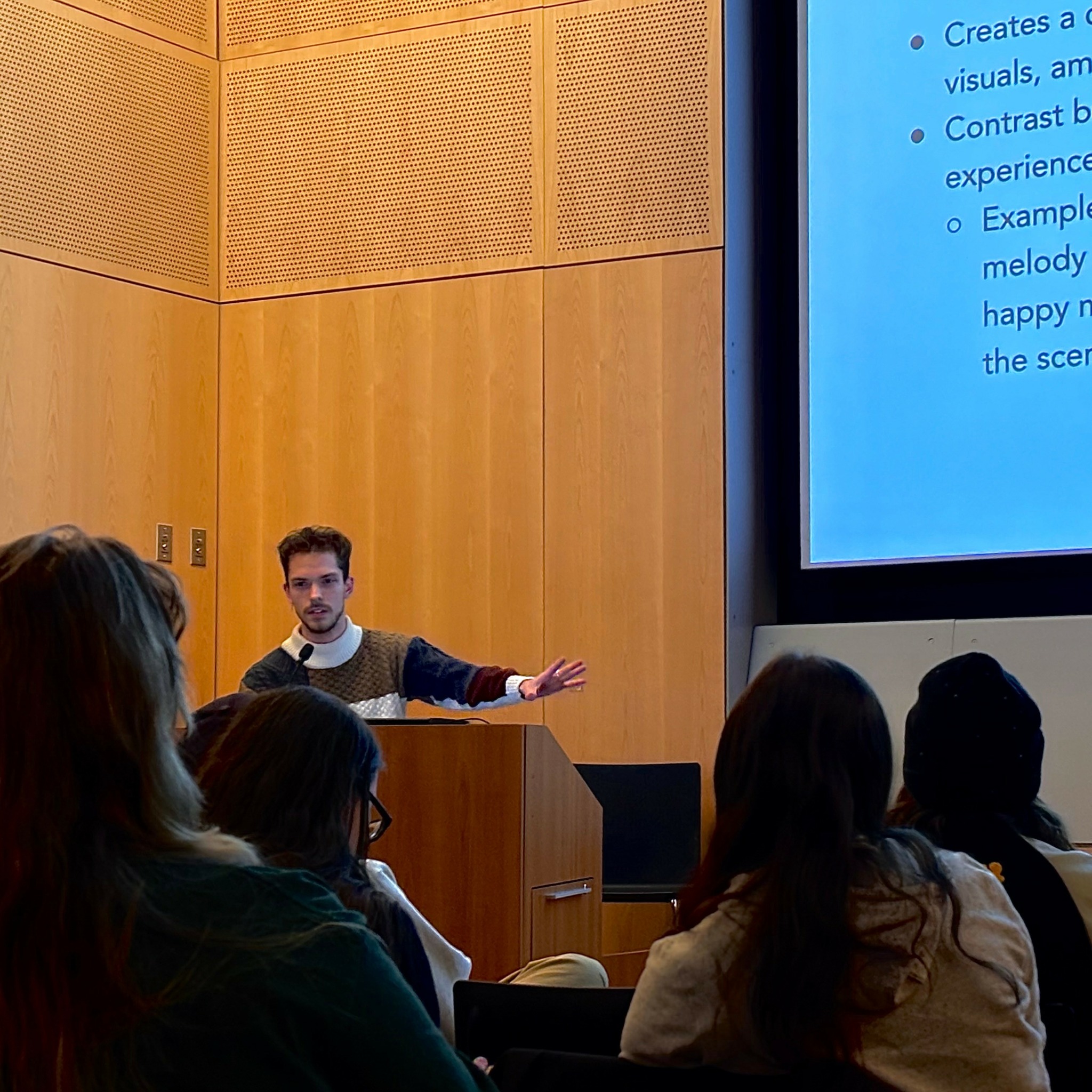
For creatives, I think the natural tendency is to want “perfection” as the output of their craft. This is not only the driving force for their creativity, but is also the ever-receding line that creates the bi-products of innovation, success, and impact in their fields. The issue with this, of course, is if you don’t view perfection as an unachievable goal, then the bi-products mentioned earlier will not emerge, but instead will be superficially generated due to this misunderstanding. As soon as you relieve yourself from perfectionism, success becomes an emergent property. There is no backstory to this lesson as it is still a lesson I am unlearning in my early-career to this day!
What do you find most rewarding about being a creative?
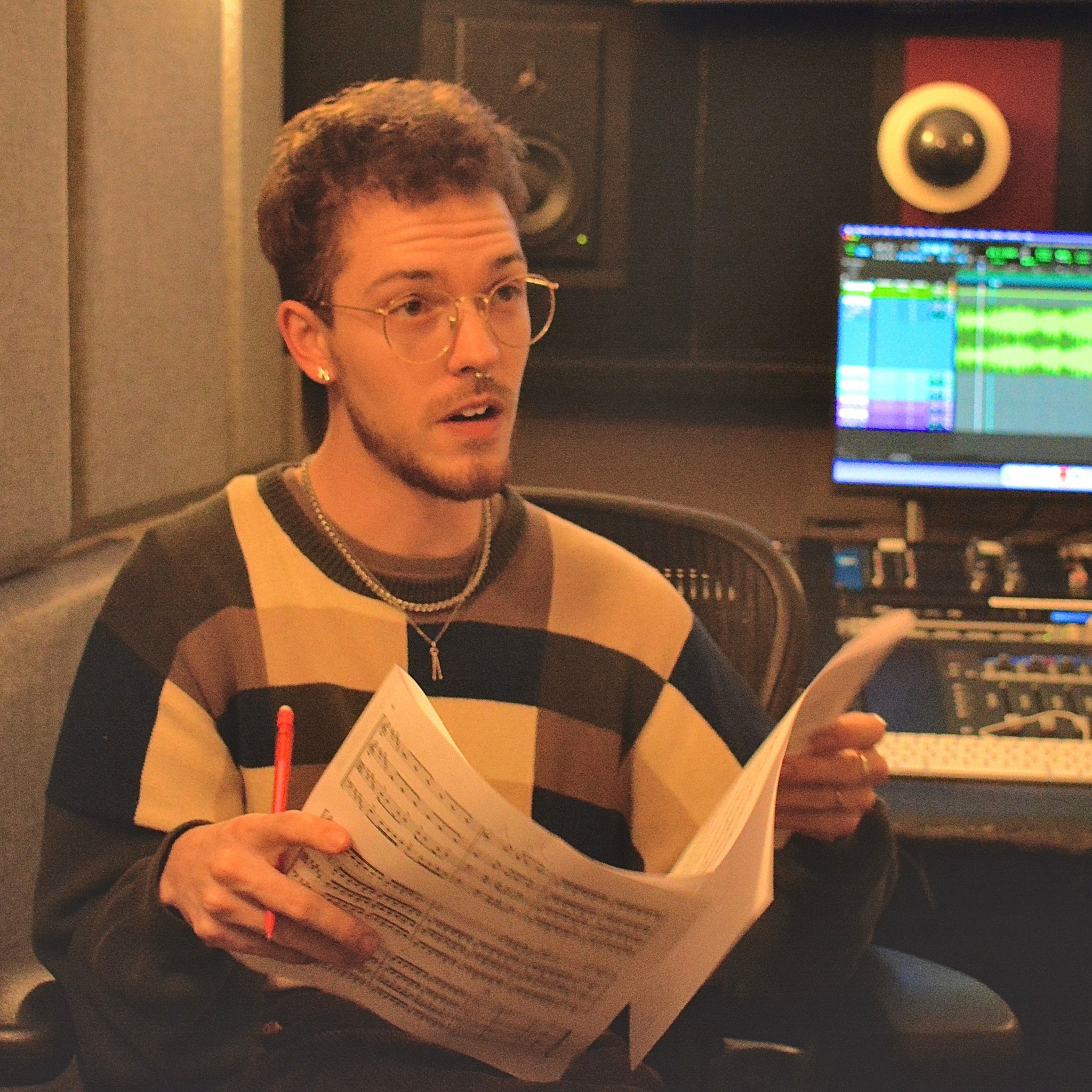
For me, the most rewarding thing about being a creative is contributing to the long, everlasting tradition of storytelling. Storytelling is one of the most primal, powerful, and rewarding traits of humanity. Good storytelling has caused the emergence of religions, made empires build and fall, and created folk lore that later evolved into culture. It’s a truly humanistic act and one that I’m honored to dedicate my life to through music and film.
Contact Info:
- Website: https://www.carsonzuck.com
- Instagram: https://www.instagram.com/carsonzuck_music/
- Linkedin: https://www.linkedin.com/in/carson-zuck?utm_source=share&utm_campaign=share_via&utm_content=profile&utm_medium=ios_app
- Other: https://play.reelcrafter.com/2cuJLn5IRHOKA-hOFglHyw