



We’re excited to introduce you to the always interesting and insightful Carson Overstreet. We hope you’ll enjoy our conversation with Carson below.
Carson, looking forward to hearing all of your stories today. Earning a full time living from one’s creative career can be incredibly difficult. Have you been able to do so and if so, can you share some of the key parts of your journey and any important advice or lessons that might help creatives who haven’t been able to yet?
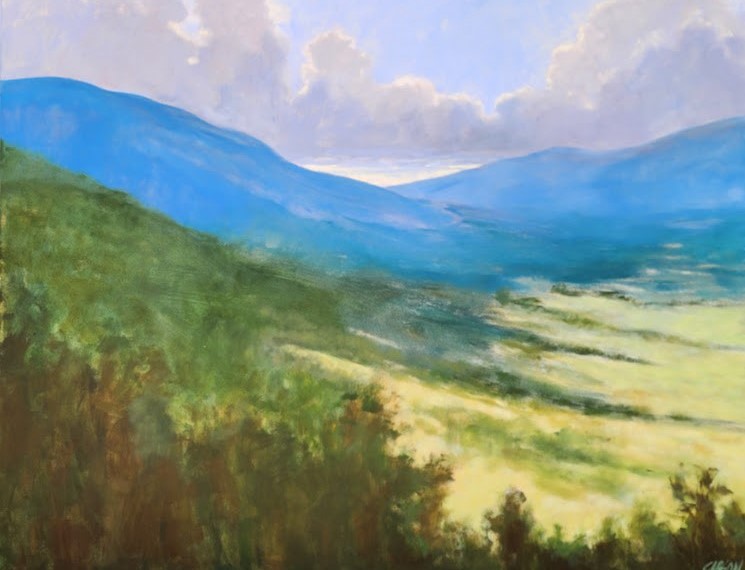
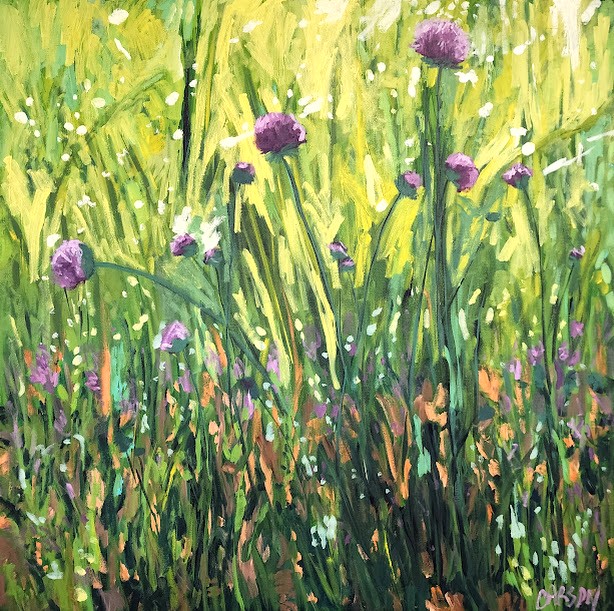
Yes, I have been able to earn a full-time living from my work; however, it did not happen overnight. I built my art career over the last eleven years while I was learning to paint; which meant my failures and successes were visible for everyone to see. For the first four years, my painting was a part-time gig, but life events made it necessary that it became full-time from that point forward. I would say I work many more hours a week than I would in a more traditional job, but I would not trade it. While I do refer to my painting career as a job, I truly believe it is my vocation or calling.
To understand why I took-up painting eleven years ago, I should explain how important creating art was to me in childhood. As a child, I was artistic and came from a very artistically inclined family. I was always drawing and creating things. Being “good at art” was very much my identity growing-up, but when it came time for college, I decided to study history at the undergraduate and graduate levels. Then after time in the nonprofit world and having two small children at home, I wanted original art for our home and thought I’d give painting a try. Looking back at that moment in time, I see now that the first half of my life had been dedicated to art yet I had made very little art in the second half of my life; although I was constantly creating (cooking, sewing, diy-ing), I was not painting or drawing. One night about 11 years ago, once my children were asleep, I set-up in my basement with poor quality paint and a large canvas and produced a painting of lily pads that was not half-bad. The process had been exhilarating, and all I wanted to do was paint more. I had never done much painting except in high school art class, so it was essentially new for me, but I could build upon the very solid drawing skills I had developed in my youth. Until about a year ago when I enrolled in an online course, I had been completely self taught.
After the night painting in my basement, my desire to paint was insatiable and my efforts were determined: I went from painting my first painting to selling my art within a year. Initially, friends were buying my paintings and sketches “at cost”, which paid for more supplies so that I could keep experimenting and continue my growth as an artist. I summoned the courage to start posting on social media, and then another friend hosted a show for me at her home which was successful financially but also in terms of exposure. This gave me confidence to approach a high-end home furnishing boutique in our city, which exhibits impressive original art. The owner was excited about my work, which was at that time, primarily large abstracts and female figures; she started selling my work and then hosted a large and successful exhibit opening for me. My art continued to gain momentum. I invested in advertising and had several exhibit openings at high-end home furnishing boutiques as well as galleries during those first few years. Around year four of painting, it had become professionally and financially a full-time job by choice but also from necessity.
It is my belief that artists today have to think of ways to create various streams of income. One cannot rely solely on gallery exhibits or rely solely on website sales. It needs to be both of those things and more. Even if an artist can make a living on, say, website sales alone, the economy and life in general are unpredictable, so it makes sense to be prepared for anything. Whether it is teaching online, offering workshops, selling prints, etc. I’ve always maintained an open and flexible mindset in regard to sales and marketing opportunities, that is, being willing to try new things with no preconceived notion on what “real” artists are supposed to do (or not do.) I think this sort of free-thinking may be challenging for many people who have been in an artist community or trained as an artist; the great irony is that the art world seems to have a lot of rules for artists! Years ago, someone in art marketing said to me: “you need to decide whether you are a sofa artist or a gallery [real] artist.” I remember thinking, “why do I have to choose?” To me, the notion that artists aren’t supposed to be interested in the commercial side of things or that only certain art is worthy is dated and frankly, ludicrous since artists must make a living just as anyone else. The starving artist image is ingrained in our minds, but the best artists in this country are not starving and are making a living as artists because they have various income streams. I see many of the top artists teaching online courses while of course, still selling their work. While I sell at bricks and mortar galleries as well as high-end home furnishing boutiques–and adore these spaces as well as their owners, I believe the internet has opened up so many options for people and has allowed artists to break away from the traditional dependence upon physical representation in a gallery to make a living. As an example, a large percentage of my work is sold via Liza Pruitt (lizapruitt.com) who represents me in her gallery which is entirely online.
To answer the final question: I believe this journey unfolded exactly the way it was supposed to for me, especially since I was learning to paint at the same time I was building my business. If I am honest, I think it happened rather quickly considering the circumstances. All that is to say, making a living as a creative is not for the faint of heart, but also something that is attainable.
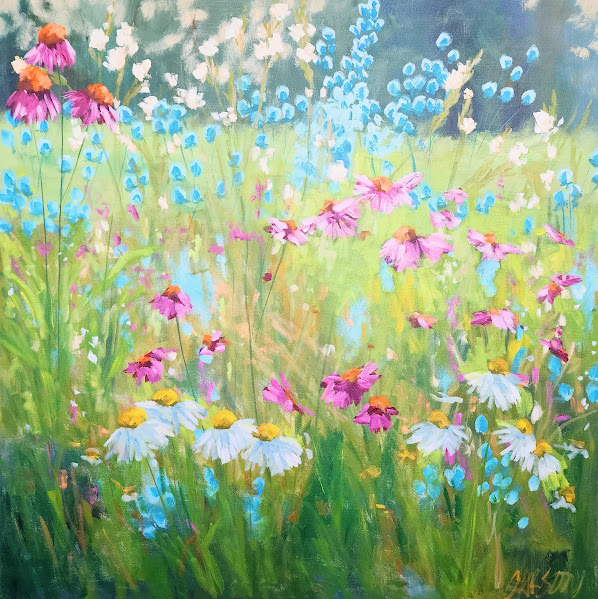
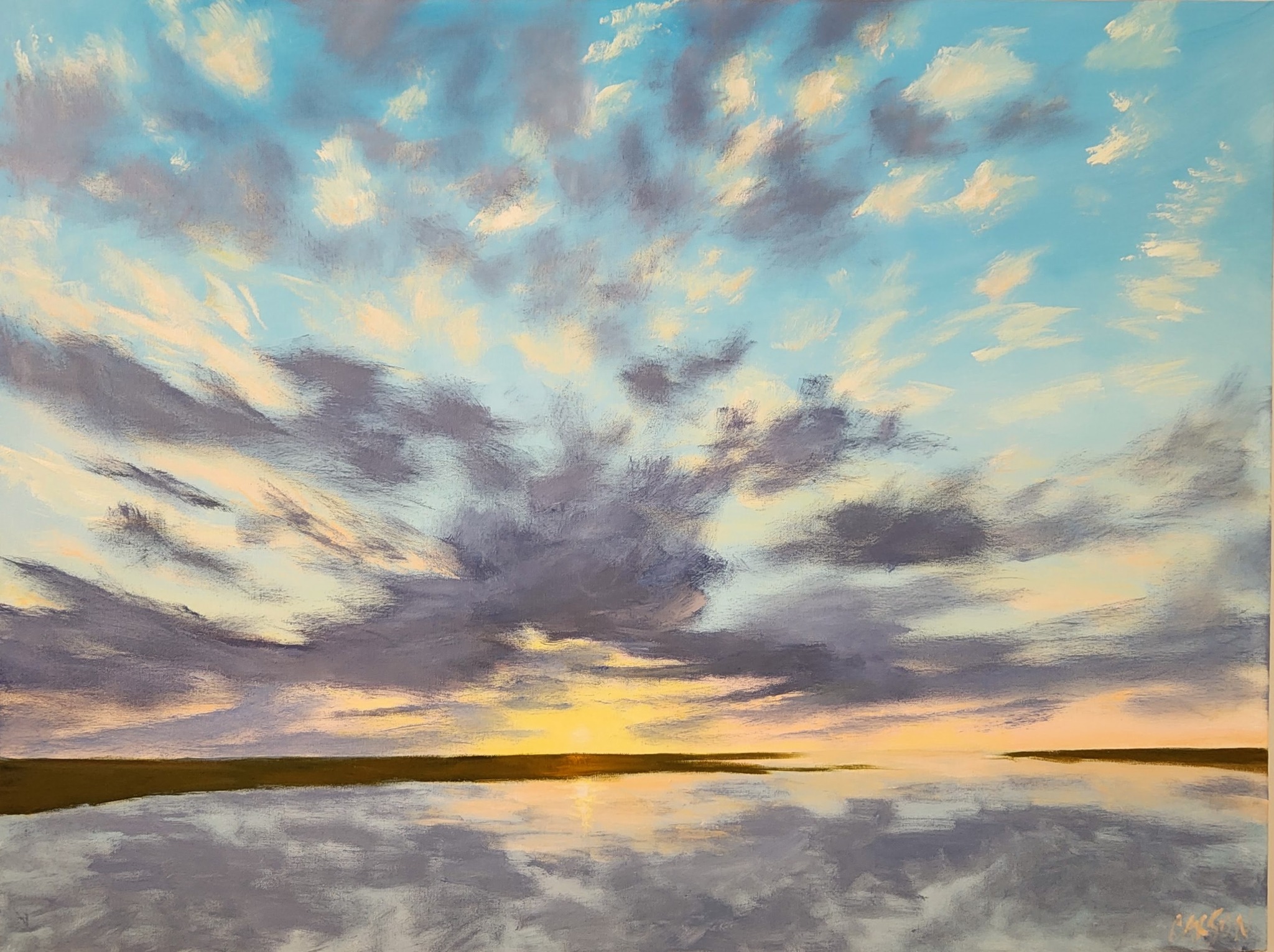
For folks who may not have read about you before, can you please tell our readers about yourself, how you got into your industry / business / discipline / craft etc, what type of products/services/creative works you provide, what problems you solve for your clients and/or what you think sets you apart from others. What are you most proud of and what are the main things you want potential clients/followers/fans to know about you/your brand/your work/ etc.
Artists go through highs and lows as I would imagine many creatives do, so in terms of being proud of my work, that changes from day to day often depending on what I produce or what sells. For artists and this artist in particular, it is difficult not to want every painting to be a masterpiece, but the reality is that not every painting is a success. In fact, the surest way to grow as an artist is to fail; this applies to the actual painting process but the business side as well. Trying new things and pushing oneself will bring failure–there is no doubt about it–but that is where the growth takes place. I cannot emphasize enough that when a painting fails, I learn as much, if not more, from its failure as when a painting succeeds.
Switching to the business side of things: While I am avoiding using the word “proud”, it is my organization, forethought and planning that have been assets to me. The best compliment on the business side of things comes from people who remark with surprise: “you are so organized!” I’m afraid that “disorganization” and “artist” often go hand and hand. I do think the organization piece is truly and sincerely difficult for many artists and that it comes down to how they are wired, so a concerted effort towards organization is advisable. It’s funny; years ago before I began painting, my boss had our nonprofit organization participate in the enneagram process. My enneagram said that I matched 2% of the population and essentially that the two sides of my brain were at war: the organized, type-A side against the bohemian, artistic side. I think this is completely true (!) but ultimately, that has benefitted my career. It’s interesting because the longer I paint, the more difficult the organizational piece seems to be for me; as if my right brain is taking over! But in all seriousness, having dedicated time, space and good systems in place for administrative work helps immensely.
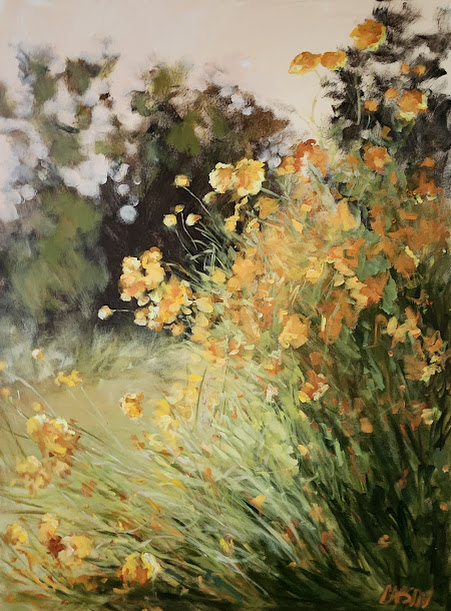
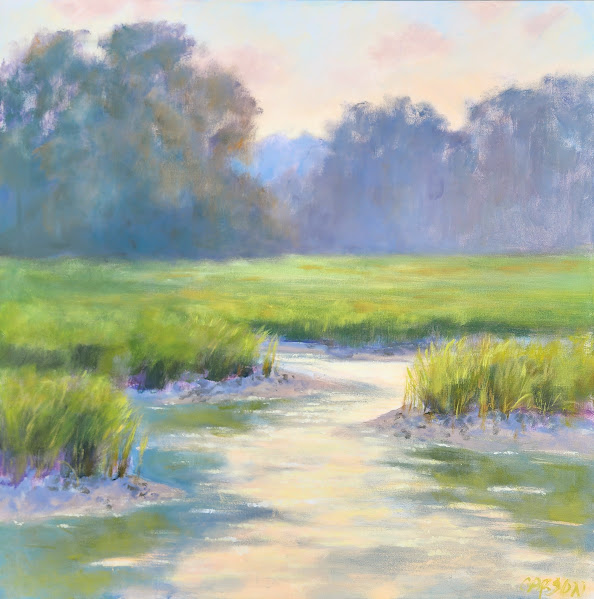
Is there something you think non-creatives will struggle to understand about your journey as a creative? Maybe you can provide some insight – you never know who might benefit from the enlightenment.
I don’t know about other creatives but for me, the thing that I find exceedingly frustrating is that most people have a difficult time understanding that being an artist is full time work for me–heavy full-time work, actually–and is how I make my living. Yes, it is difficult for others to understand what any job or career entails if they have never worked in that role. I don’t think this is limited to creatives, per se, but I do think that creatives have to defend, if you will, their work in a way that non-creatives do not, and I believe this is especially hard for mothers. Even one’s own close friends and family can be guilty! When I am introduced, if someone inquires as to what I do for a living, I have gotten into the habit of saying that I am “professional artist” or that I “work full-time as an artist.” The default is for people to think that painting is a hobby, but I believe this is because so many people undertake artistic pursuits as an actual hobby and there are far fewer that actually make a living from a creative passion, so people are surprised when they learn that it is full-time work. Even if I introduce myself as a professional artist, people will still ask things of me that they would never ask of someone in a white collar job or ask of a man, specifically as it relates to time and availability. More times that I care to remember, I have wanted to say with emphasis: “This is my full-time job!” (And sometimes I do say that.) The reality is that I work far more hours and harder than I would in a traditional 9 to 5 since I am at the same time the: artist, marketing director, office manager, bookkeeper, social media coordinator, art teacher, web site manager, mail department and so forth. It takes hard work and dedication to make it as a professional artist.
What’s the most rewarding aspect of being a creative in your experience?
Connecting with my collectors is something I truly cherish and is indeed rewarding. Sometimes, it is as simple as clients telling me how much they love one of my paintings in their home and emailing me a photograph. Other times, they tell me that a painting has moved them to tears or elicited an emotional response as it reminds them of a special moment, place or person; this happens more often when someone has commissioned me to paint a piece for them. Just this week, someone from another state purchased a painting from my website and emailed me sharing a very personal story explaining why she and her husband wanted to purchase the painting as well as its significance to them. Another example is of a painting of mine that sits just outside the chapel in the children’s wing of one of our local hospitals and was purchased to serve as a calming presence for grief stricken parents. If my art can bring comfort, joy, peace, happiness or beauty to someone’s space or life then I have succeeded in what I set out to do.
Contact Info:
- Website: https://www.carsonoverstreet.com
- Instagram: CarsonOverstreet_FineArt
- Facebook: https://www.facebook.com/carsonoverstreetfineart
- Linkedin: https://www.linkedin.com/in/carsonoverstreet/
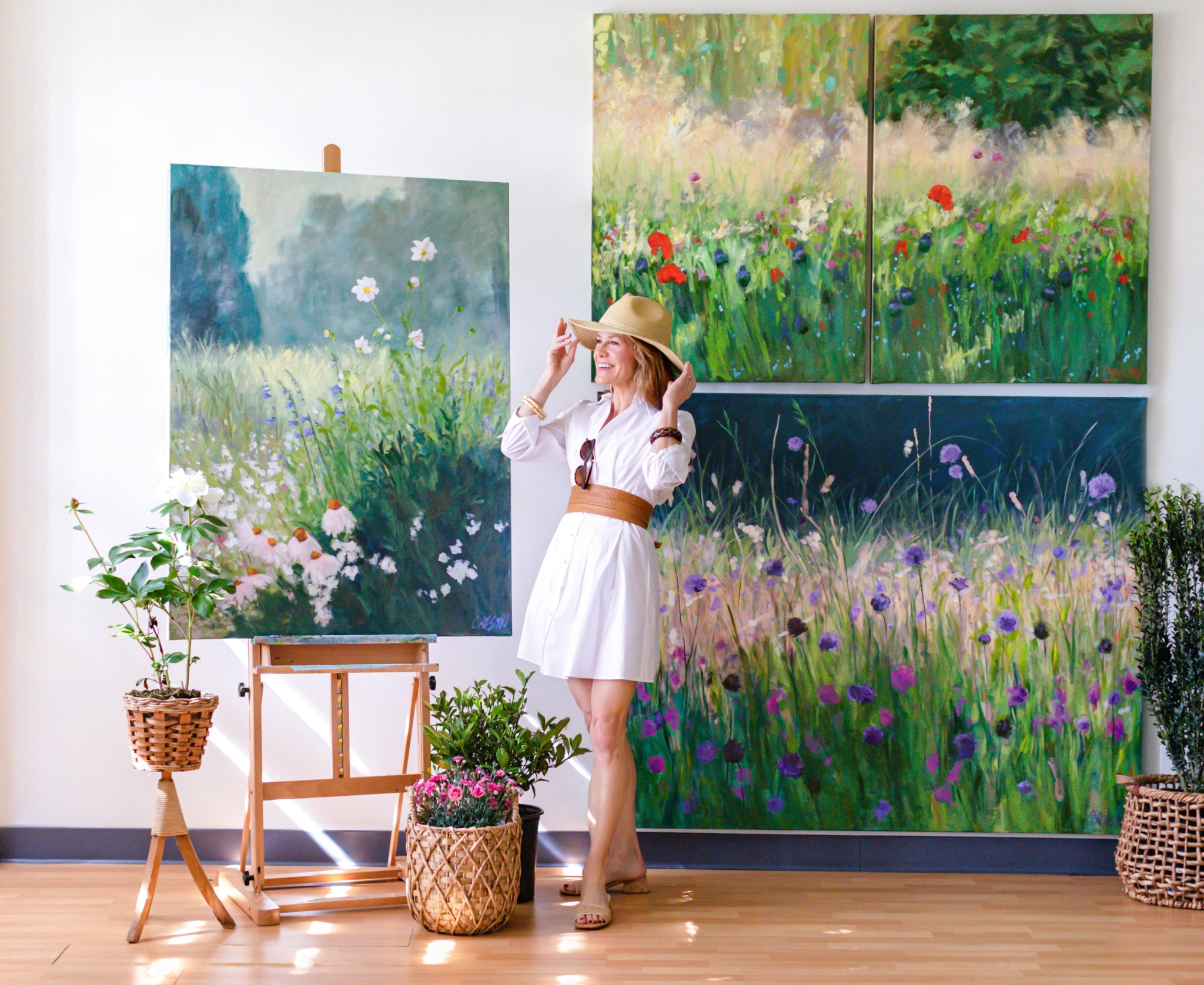
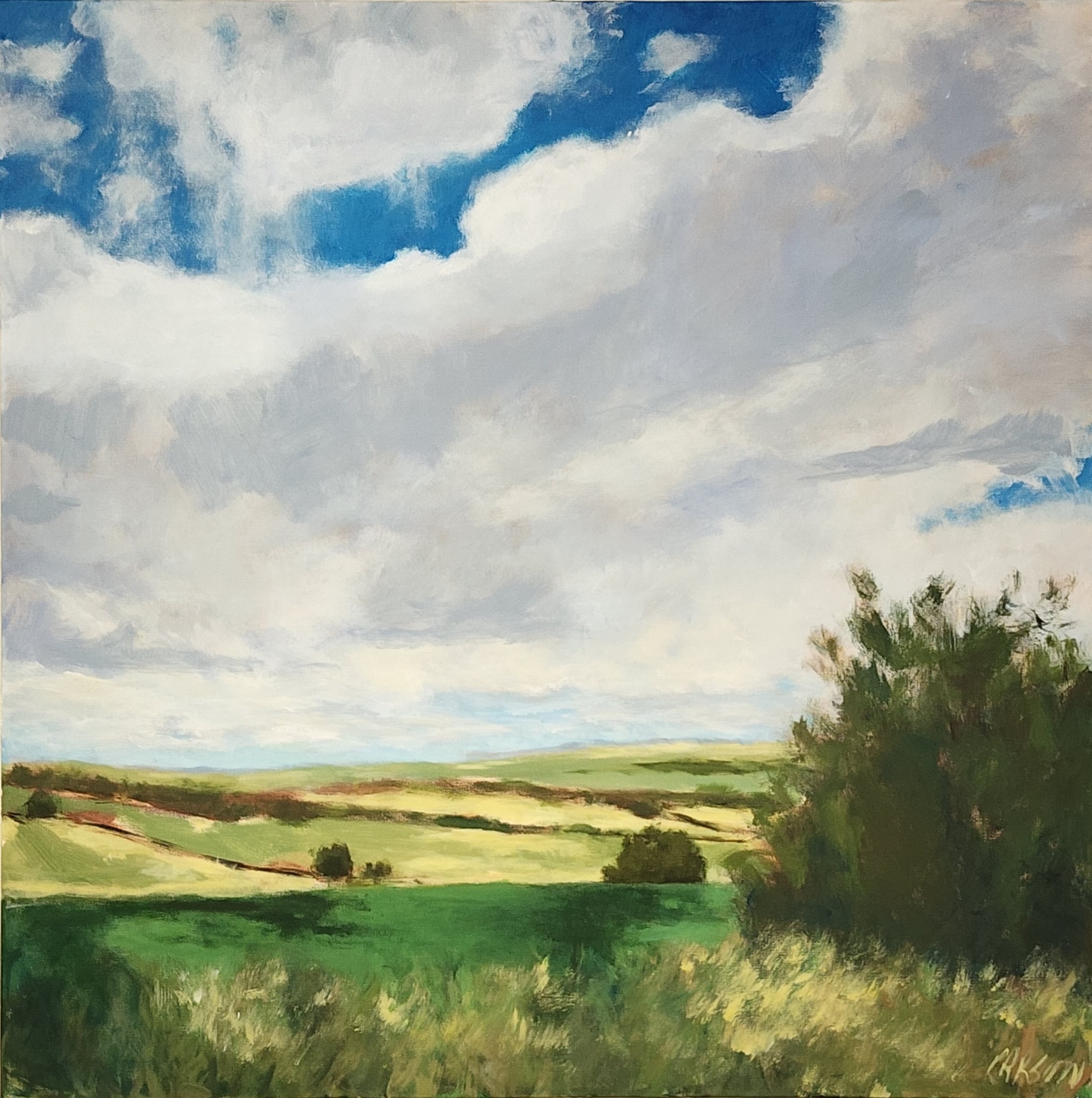
Image Credits
Kami Thacker