


Alright – so today we’ve got the honor of introducing you to Carrie Riley. We think you’ll enjoy our conversation, we’ve shared it below.
Carrie, looking forward to hearing all of your stories today. Was there a defining moment in your professional career? A moment that changed the trajectory of your career?
Yes. There was a defining moment, although I don’t think I recognized it as that at the time.
I actually started in health. I earned an associate degree in maternal child health and later a bachelor’s degree in kinesiology. But life doesn’t always move in straight lines. I ended up spending nineteen years in a completely unrelated industry with one company. It was steady. It was secure. It made sense on paper.
All the while, I was teaching yoga and breath work on the side. That was always the part of me that felt most aligned. I loved working with the nervous system. I loved watching people soften and regulate in real time.
Then, while I was still at that company, my husband, an Army veteran, died by suicide.
Everything shifted.
Grief has a way of stripping away what doesn’t matter. I found myself wanting to understand mental health in a way I hadn’t before. I began grief counseling in my free time, sitting with people navigating loss. It felt honest.
It felt meaningful.
Eventually, I left that nineteen-year career and went back to school for my MSW. During that time, I became increasingly interested in how much the body was being referenced in therapy. Breath work. Yoga. Somatic awareness. Therapists were bringing pieces of the body into the room, but I kept thinking… if the body holds experience, what would it look like to work with the body directly?
That question stayed with me.
Around that time, I was re-engaging with my kinesiology background and learning more about lymphatic work. What surprised me was how much it influenced the nervous system. We tend to think of lymphatic drainage in terms of swelling or surgery, but it has profound effects on regulation. The physiology made sense to me. The clinical implications made sense. It felt like something was clicking.
As I incorporated more somatic and polyvagal-informed approaches into my work, I started to realize that I felt most impactful when I was working through the body itself. That realization led me to enroll in massage therapy school. I became a licensed massage therapist and then went on to complete hundreds of hours of advanced training in lymphatic drainage.
There wasn’t one dramatic day where I announced a new direction. It was more a steady recognition that this wasn’t an add-on. This was the work. Lymphatic care became my specialty because it sits at the intersection of physiology, trauma, inflammation, and recovery.
Building node & needle came from that clarity. It meant walking away from security more than once. It meant narrowing instead of expanding. It meant trusting that there was space for a clinic devoted to advanced lymphatic care and paramedical tattooing delivered with both clinical depth and intention.
For me, what began in loss eventually became alignment.
Great, appreciate you sharing that with us. Before we ask you to share more of your insights, can you take a moment to introduce yourself and how you got to where you are today to our readers.
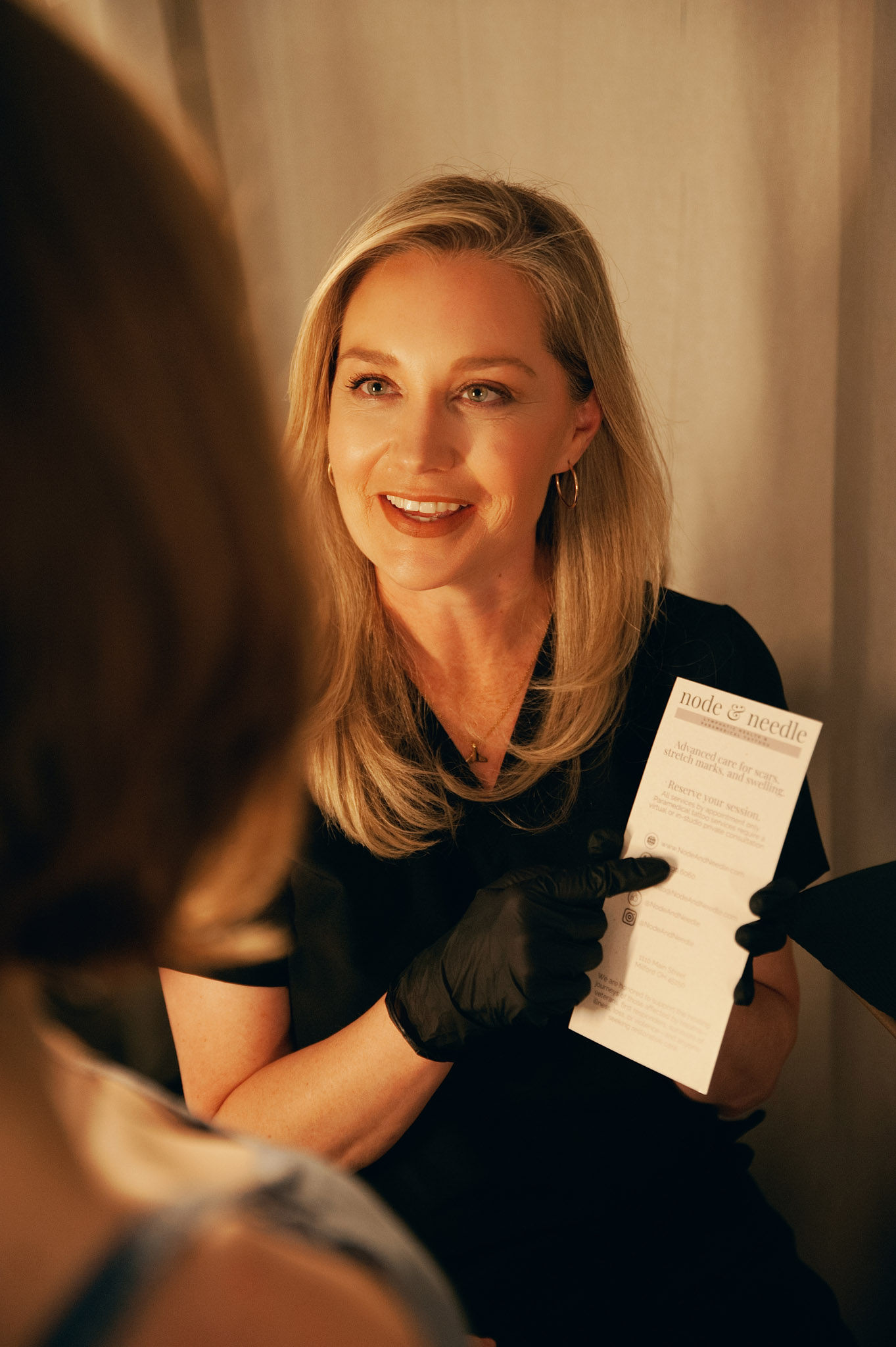
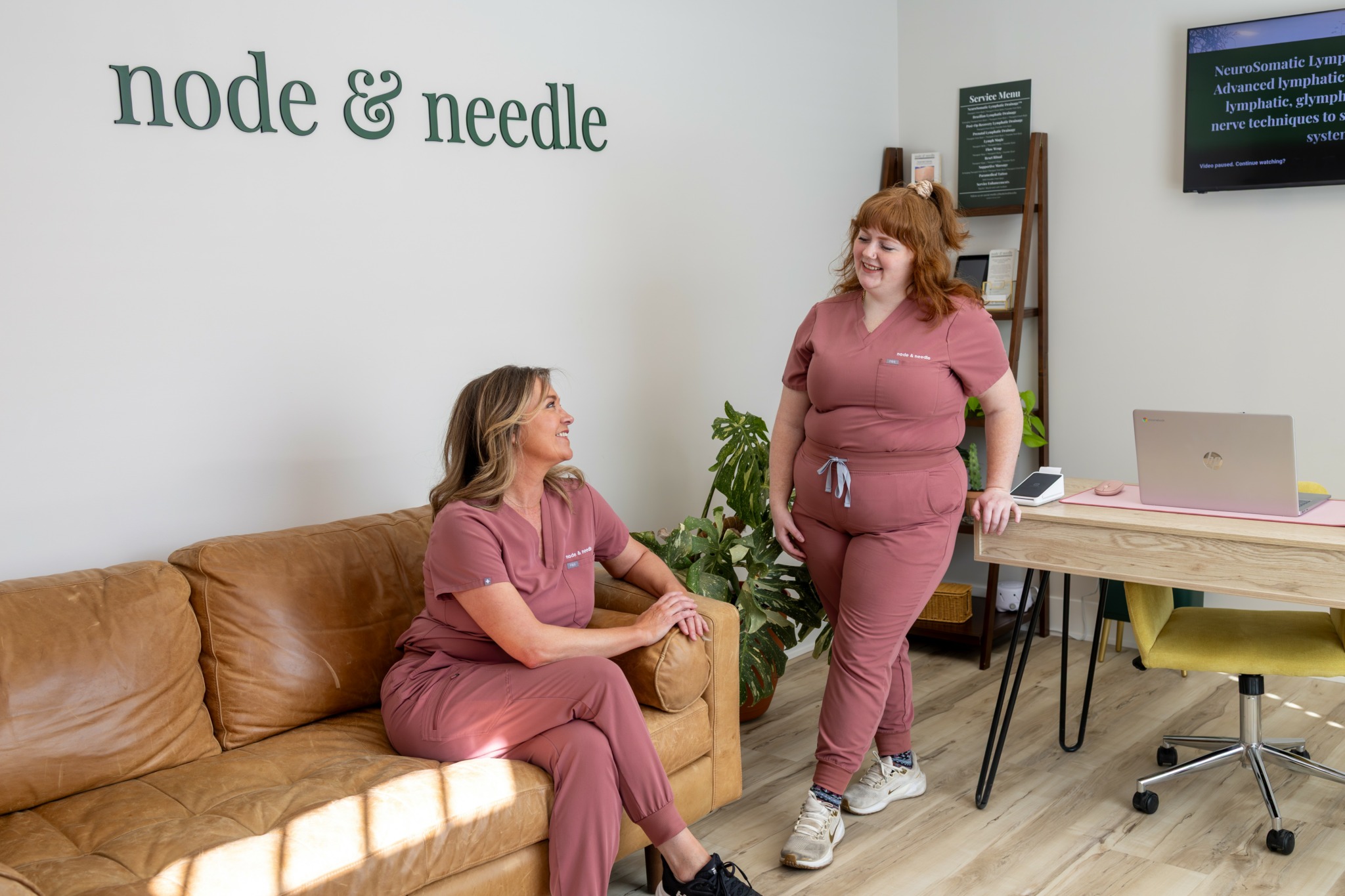
I’m the founder of node & needle. We focus on advanced lymphatic care and paramedical tattooing, which sounds very niche because it is.
I didn’t grow up thinking I’d be doing this. My background is layered. I studied maternal child health, then kinesiology. I spent nineteen years in a completely different industry before I ever stepped fully into health work. During those years, I was teaching yoga and breath work on the side because that was the part of me that felt most aligned.
After personal loss and a shift into grief counseling and social work training, I became more and more interested in how much the body carries. Not just emotionally, but physically. Swelling. Inflammation. Scar tissue. Autoimmune flares. Hormonal changes. Chronic stress. It’s all connected.
That curiosity led me into lymphatic work.
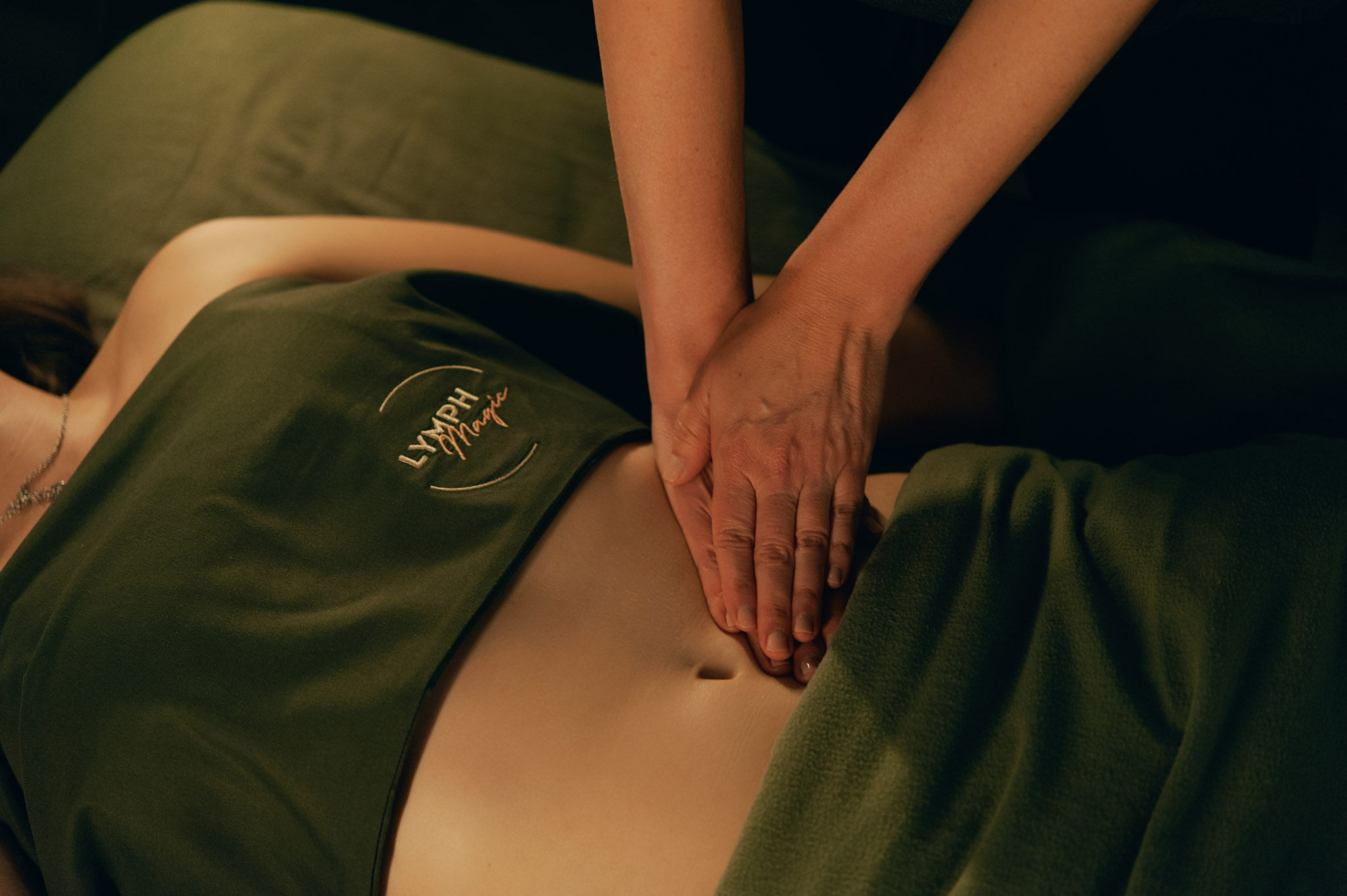
Most people associate lymphatic drainage with cosmetic surgery, and yes, we work with post-op clients all the time. But the lymphatic system is foundational to immune health and nervous system regulation. When it’s sluggish or overwhelmed, people feel it. Puffiness, fatigue, brain fog, persistent inflammation. It shows up in ways that often get brushed off.
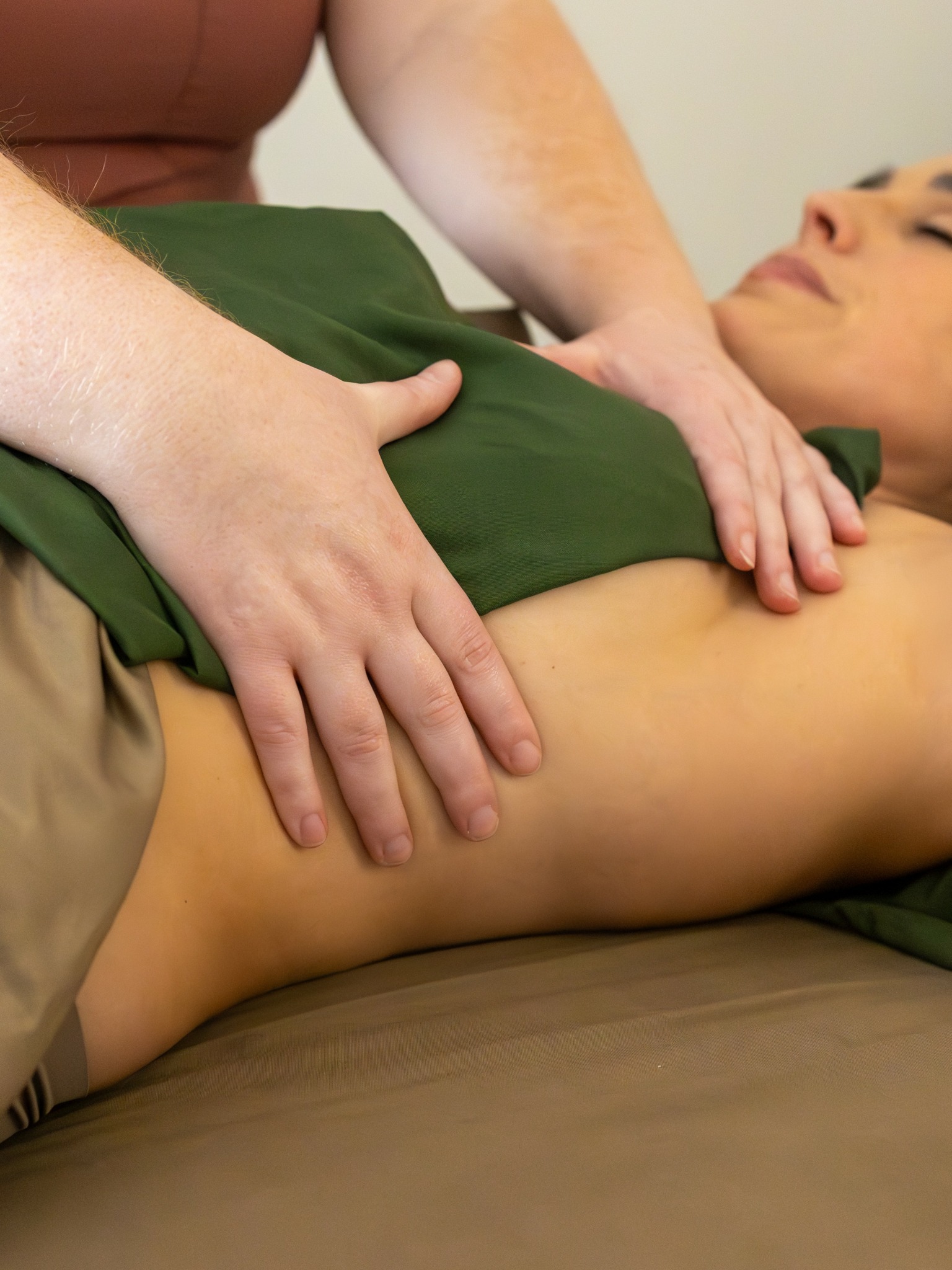
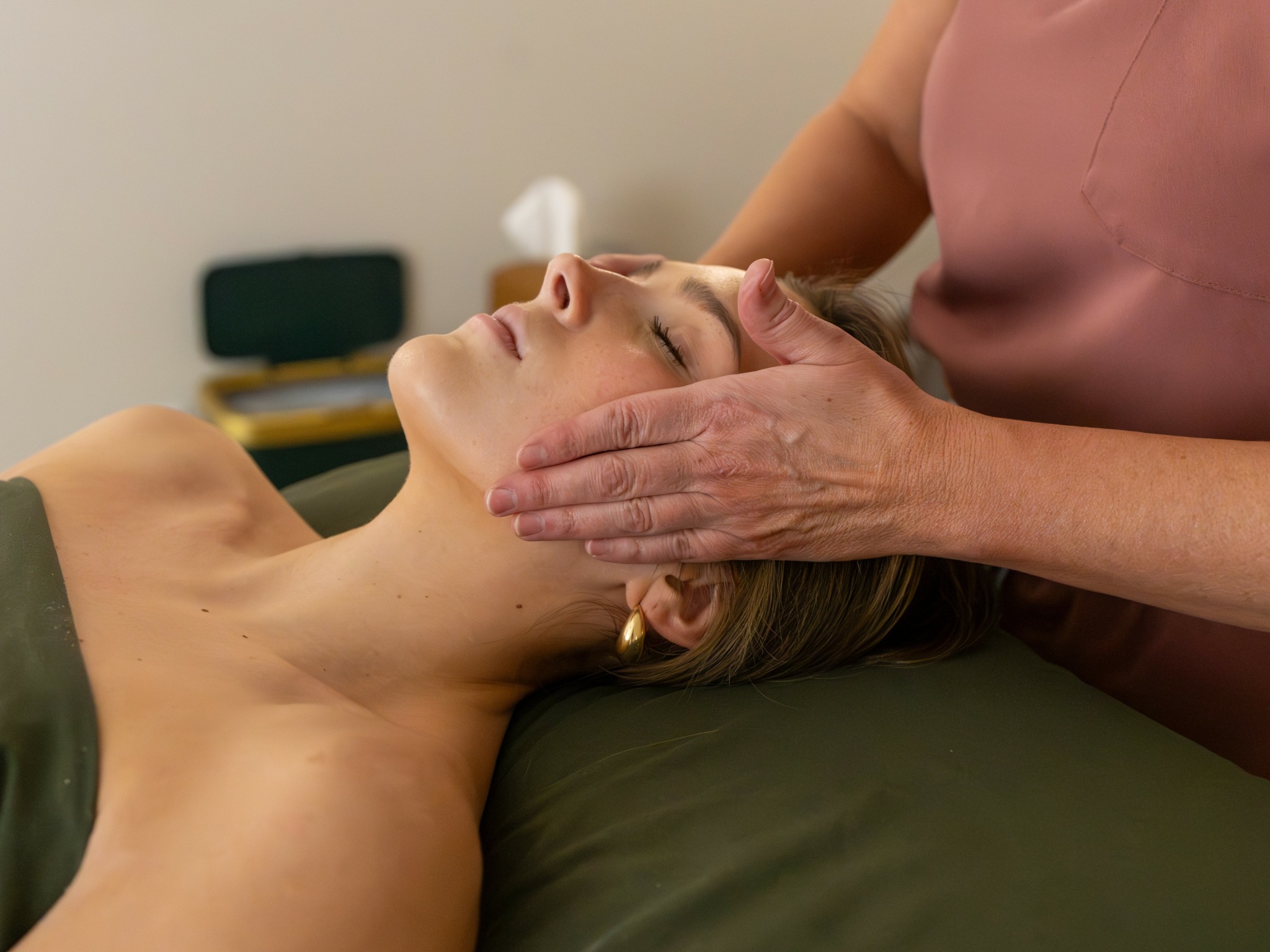
At node & needle, lymphatic work isn’t something we tack onto a massage. It’s the specialty. We work with post-surgical clients, prenatal and postnatal clients, athletes, people navigating autoimmune conditions, and people who just feel chronically inflamed and can’t quite figure out why.
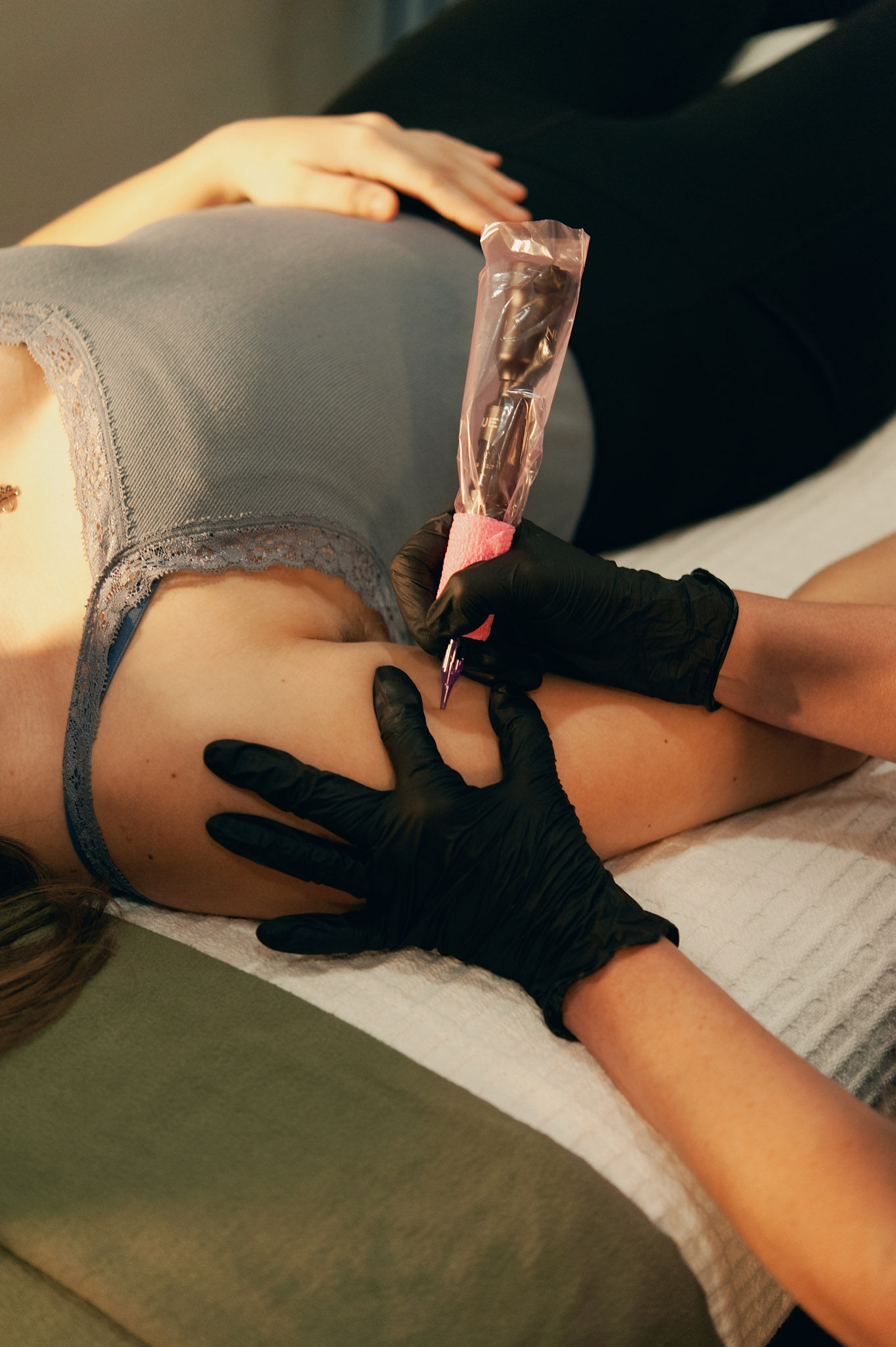
I also specialize in paramedical tattooing. That includes scar revision, stretch mark revision, and restorative work after surgeries like mastectomy. For some clients, that’s cosmetic. For others, it’s deeply personal. Scar work is rarely just about the skin.
What sets us apart, I think, is that we approach everything through both a physiological and nervous system lens. My background in trauma-informed care shapes how we treat people. We’re not just focused on technique. We’re paying attention to regulation. To safety. To how someone feels in their body while we’re working.
I’m proud that we’ve built something focused. We don’t try to be everything. Lymphatic care is our lane. We study it. We refine it. We treat it as foundational, not trendy.
If someone is considering working with us, I’d want them to know that this is thoughtful work. It’s detailed. It’s grounded in anatomy and lived experience. And we genuinely care about helping people feel more at home in their bodies.
That’s really what node & needle is about.
How about pivoting – can you share the story of a time you’ve had to pivot?
I’ve pivoted a few times, but the one that stands out most was leaving a nineteen-year career that, on paper, looked completely stable.
I was with the same company for almost two decades. I knew how to do that job. I knew how to win there. Walking away wasn’t dramatic, it was uncomfortable. There’s something about leaving what you’re good at that messes with your identity a bit.
Around that time, I was grieving and starting to feel pulled toward mental health work. I began doing grief counseling in my free time. Eventually I went back to school for my MSW. That felt like a huge shift already.
But the real pivot came after that.
While I was in social work training, I couldn’t stop thinking about the body. I had a kinesiology background. I was teaching yoga and breath work. In therapy, we talked about regulation and trauma and somatics, but I kept wondering why we weren’t working with the body more directly.
That curiosity led me to lymphatic work. And that’s where things really changed.
Deciding to go to massage therapy school after committing to a mental health path didn’t make a lot of sense to some people. It probably didn’t make perfect sense to me at first either. It just felt right. The physiology clicked. The nervous system piece clicked. It felt integrated in a way nothing else had.
If I’m honest, the hardest part of pivoting wasn’t the logistics. It was trusting myself. Letting go of how things “should” look. Accepting that my path wasn’t linear.
Looking back, every pivot layered on the one before it. None of it was wasted. But at the time, it felt messy.
I think that’s the part people don’t talk about enough. Growth rarely feels clean when you’re inside it.
Putting training and knowledge aside, what else do you think really matters in terms of succeeding in your field?
Training absolutely matters. I’ve invested a lot in education and certifications. But beyond that, what’s been most helpful is clarity.
Especially in the wellness world, it’s easy to keep adding modalities. There’s always another technique to learn. For a while, I thought growth meant expanding.
What I eventually realized is that growth, at least for me, came from narrowing.
When I committed fully to lymphatic care as my specialty, everything shifted. That includes post-mastectomy and breast surgery recovery work, post-op clients, autoimmune clients, prenatal care, and people dealing with chronic inflammation. The more focused I became, the better my results became. And the clearer my message became.
The other piece is emotional steadiness. When you’re working with someone who has just had a mastectomy, or who is navigating a body that doesn’t feel like their own anymore, technical skill isn’t enough. You have to be regulated yourself. You have to understand physiology and also hold space without making it heavy.
And as a business owner, consistency matters more than inspiration. Refining systems. Protecting your standards. Saying no to things that dilute your focus.
Training builds competence. But discernment, boundaries, and the willingness to specialize are what build something sustainable.
Contact Info:
- Website: https://www.NodeAndNeedle.com
- Instagram: https://www.instagram.com/nodeandneedle/
- Linkedin: https://www.linkedin.com/in/carrieriley/
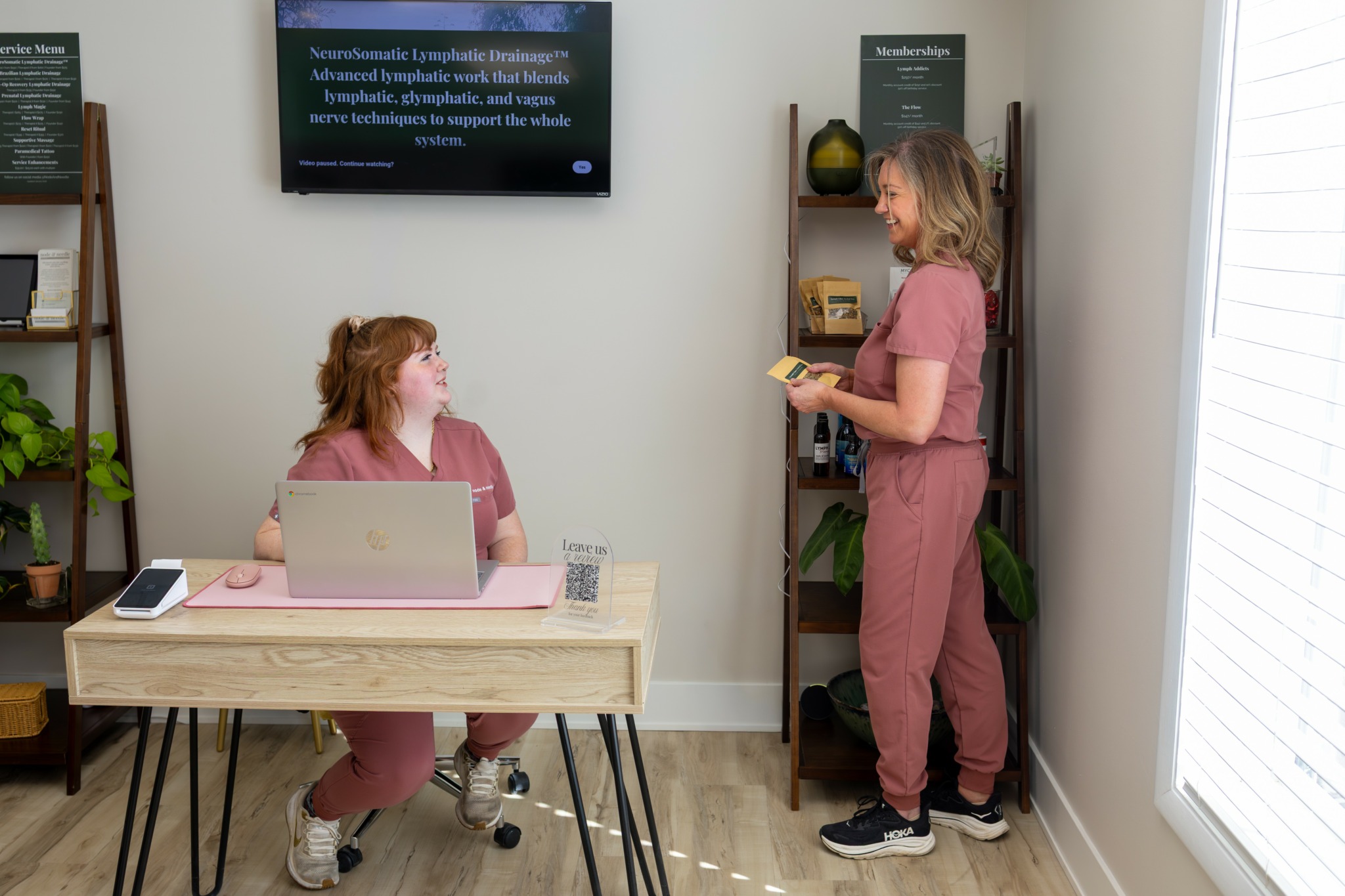
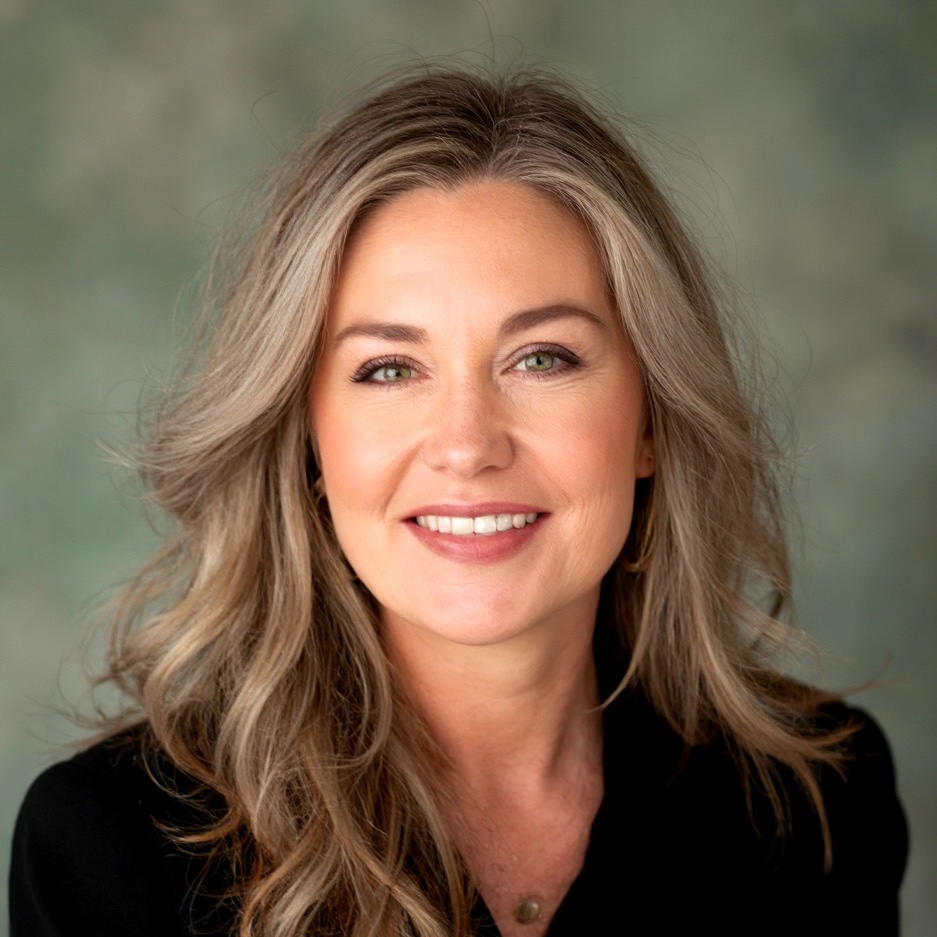
Image Credits
Jaime Koller Portait, The Beauty Boost Cincy