


We recently connected with Caroline Vanderlip and have shared our conversation below.
Caroline, thanks for taking the time to share your stories with us today How do you feel about asking friends and family to support your business? What’s appropriate, what’s not? Where do you draw the line?
There is nothing harder than conceiving of and starting a business from an idea than asking your friends and family to support it. So many new businesses fail so the odds are that the investment will not be repaid, yet entrepreneurs are forever hopeful and enthusiastic, and friends and family are usually the only source of initial funds. I think it is crucial that a frank and honest conversation is had about the likelihood of success and the need to separate the investment from the personal relationship.
Caroline, before we move on to more of these sorts of questions, can you take some time to bring our readers up to speed on you and what you do?
Growing up in NYC, waste has always been an issue but not one I ever thought about personally addressing. Overflowing sidewalks and waste bins were just the norm. Then, in 2019, I started to see that waste differently and it triggered some research that led me to this burgeoning concept called The Circular Economy. It just made so much sense to think about how we could successfully reuse lots of different products rather than being so wasteful as to consume and throw everything away after one use. I learned that recycle rates were in the single digits and commercial compost facilities in the US were a negligible number. How could I personally start to reuse and how could I influence others to do the same?
While there was an ever-growing chorus around the reuse concept, what was missing was the washing infrastructure to make reuse possible at scale. Successful reuse depends on the user knowing that the product being reused has been effectively washed and sanitized, but there were no existing industrial washing facilities; I saw an opportunity to create them so reuse could be implemented in large numbers.
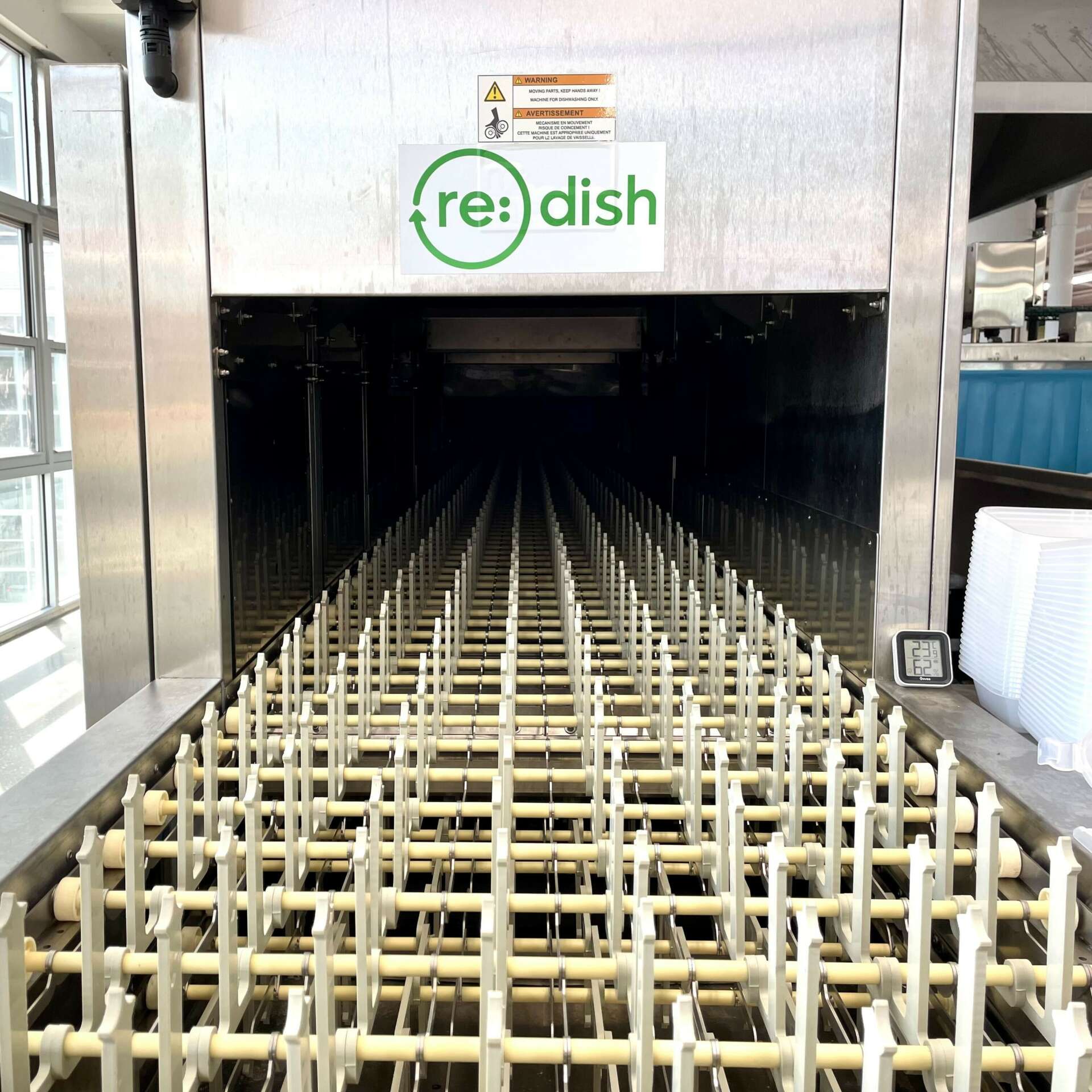
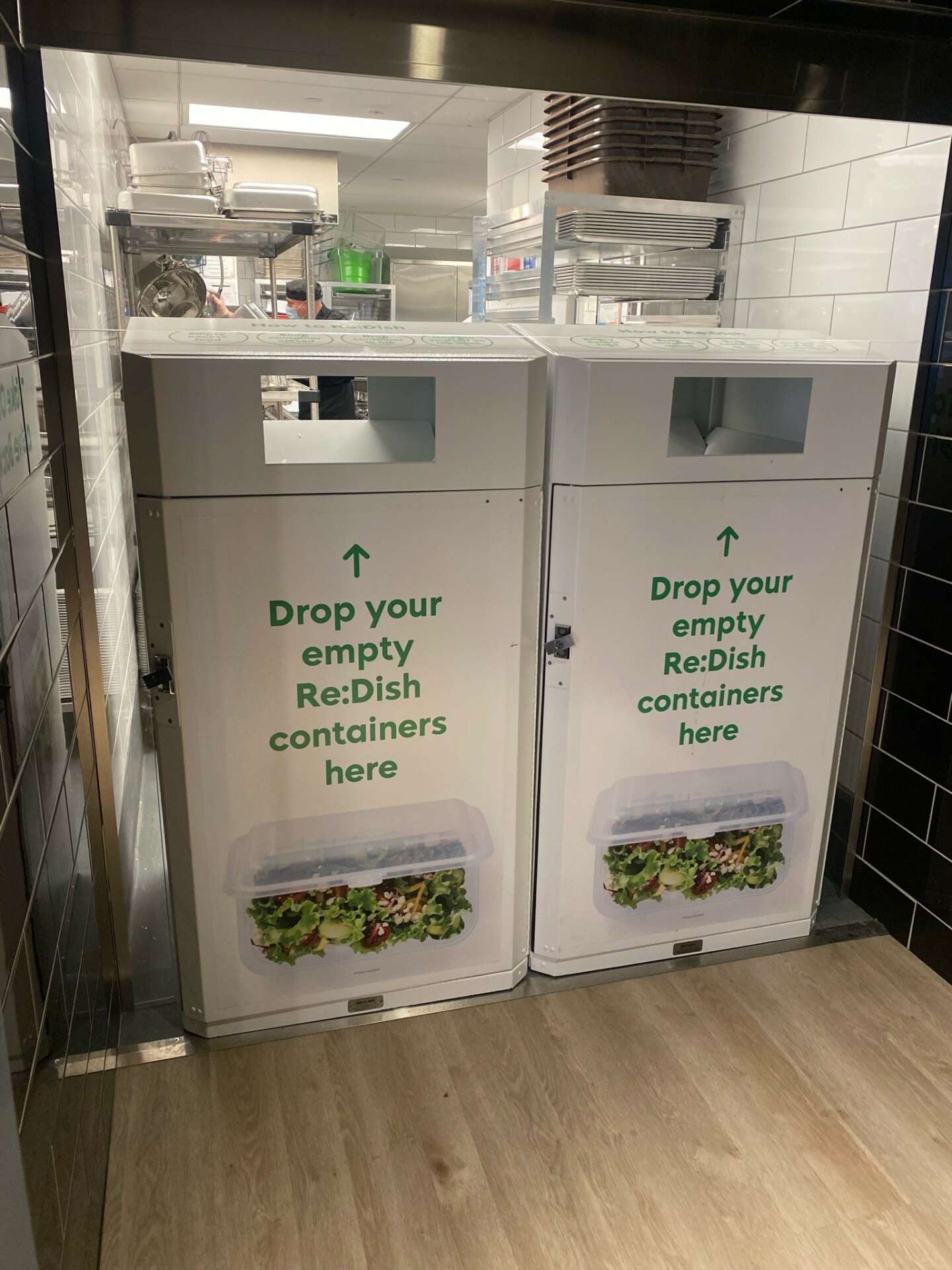
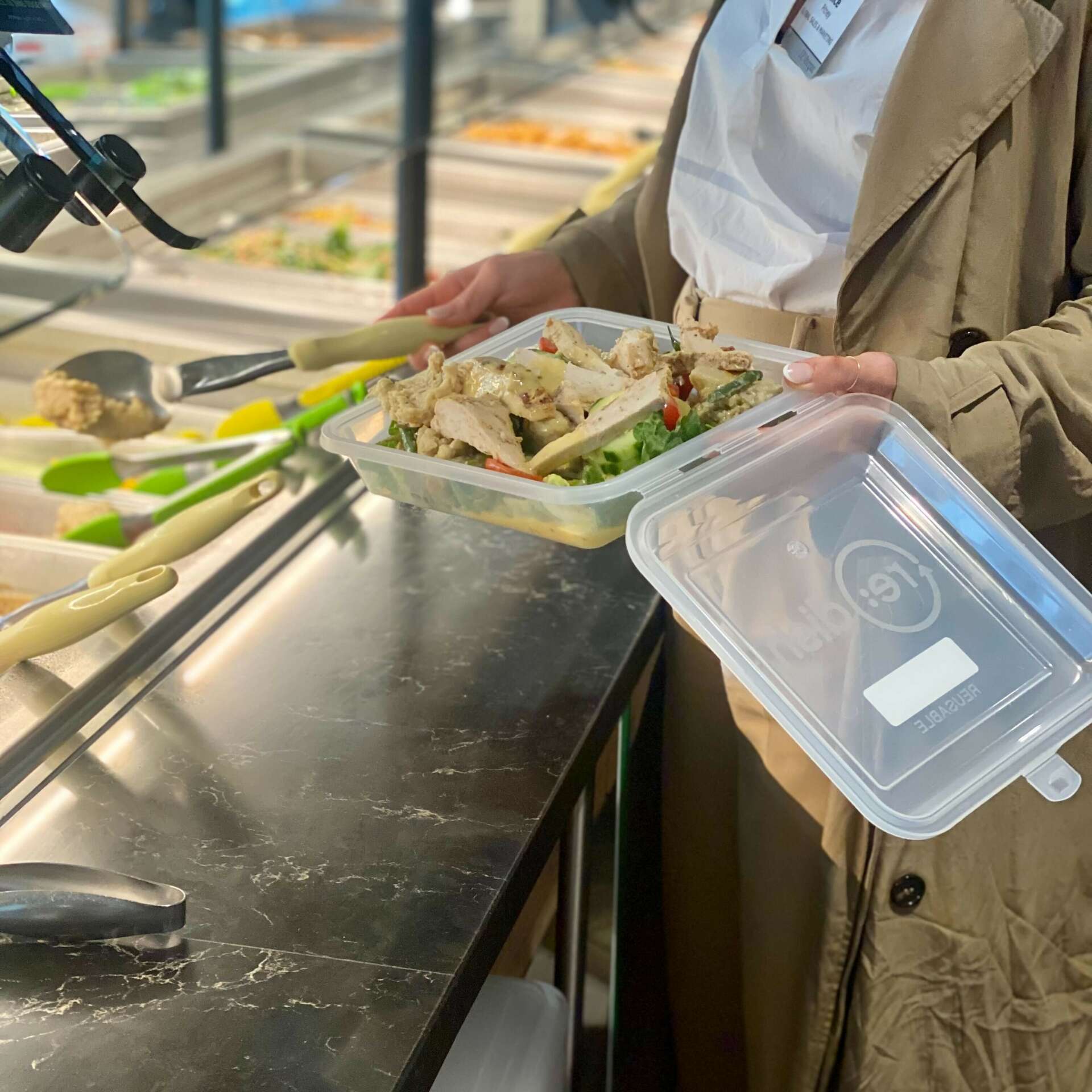
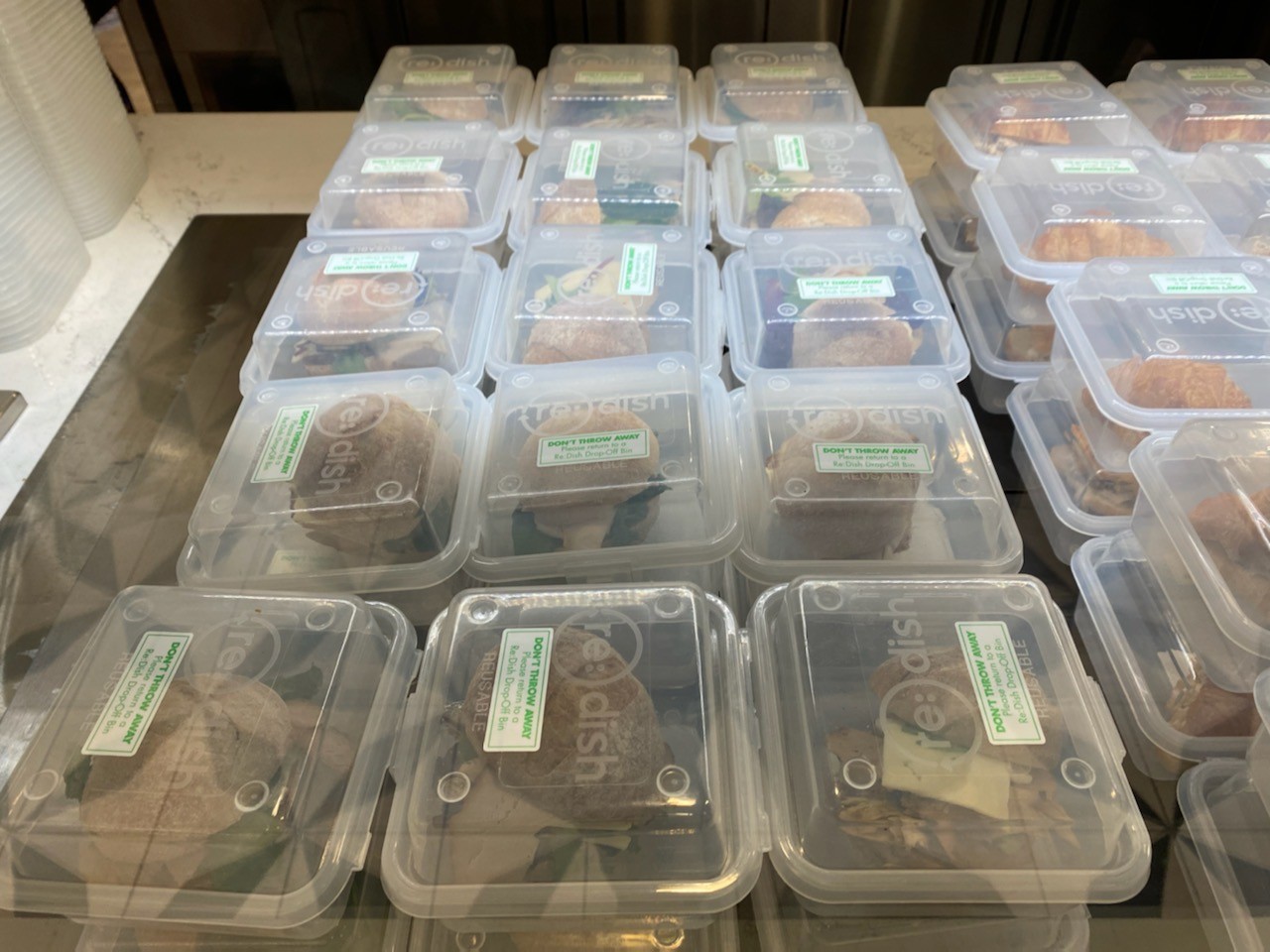
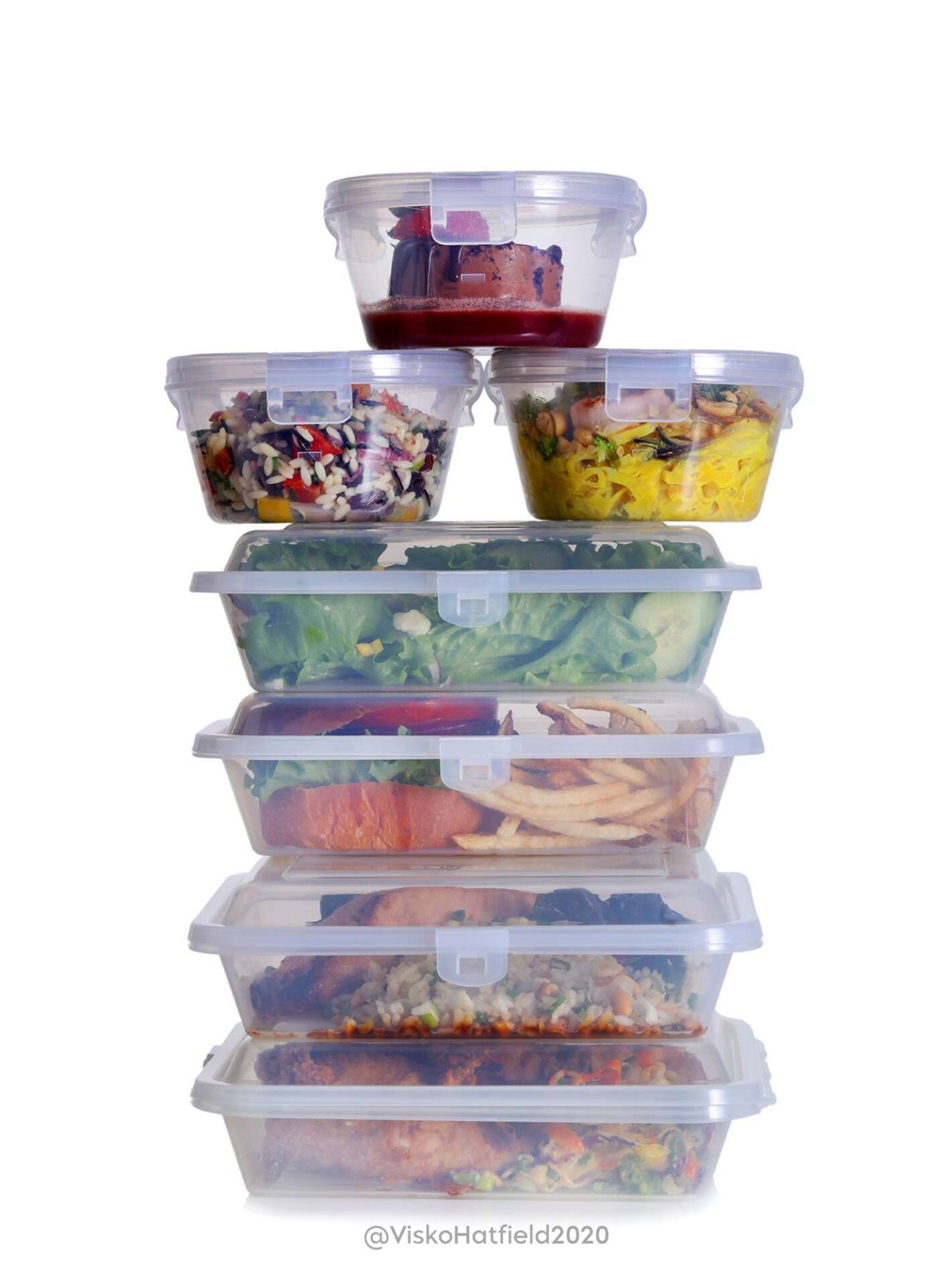
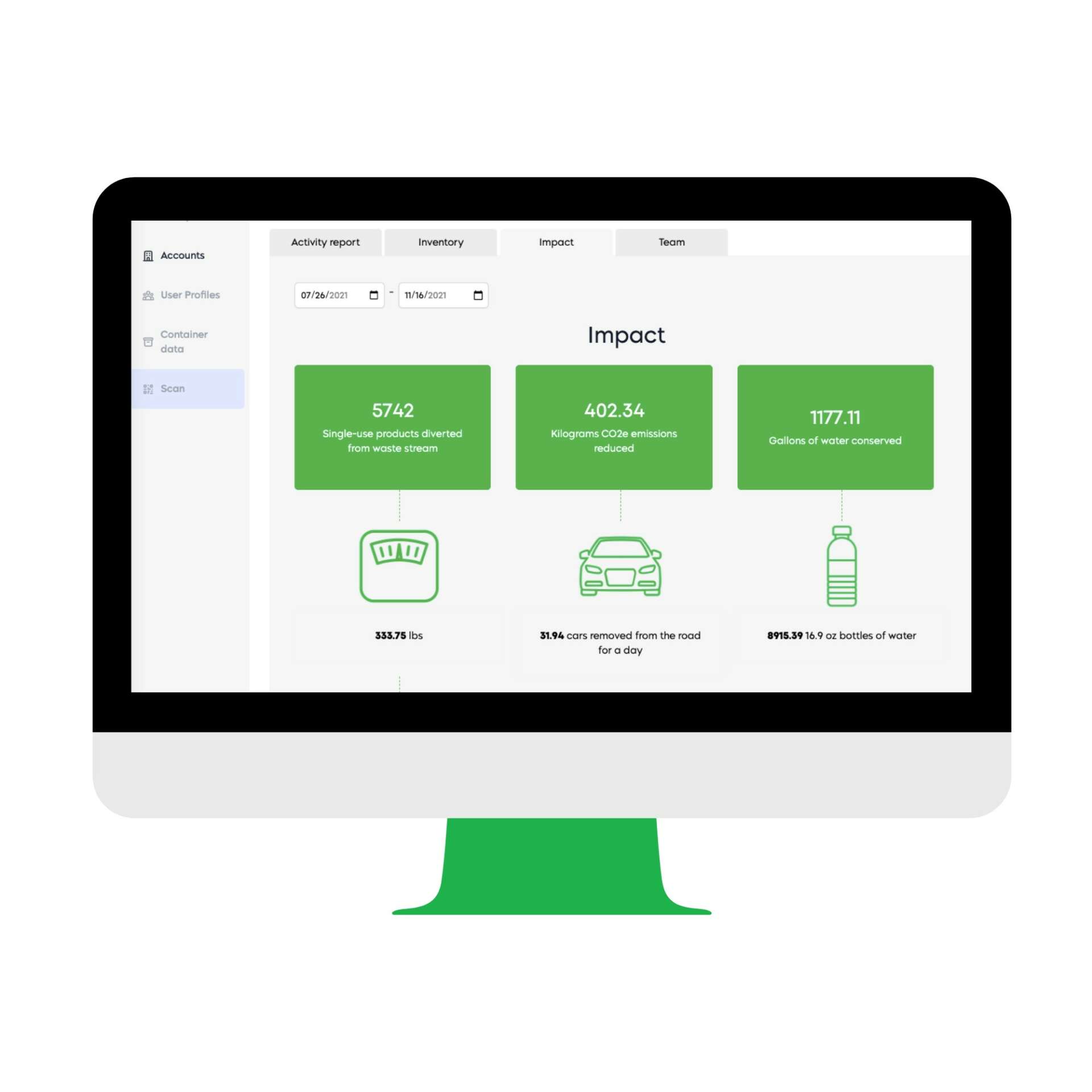
I have focused Re:Dish on trying to reduce the 9 million tons of waste Upstream estimates are created each year by institutional food service packaging. Re:Dish’s mission is to enable reuse at scale and to replace single-use disposable packaging in institutional food service with a reusable product and the service to collect, track, wash, sanitize, re-package and re-deliver that reusable product hundreds of times. As such, Re:Dish has developed the custom machinery and proprietary automation to wash roughly 100K reusable dishes, cups and containers on each operational line every day, all managed by software written specifically for the daily collection and delivery of reusables. We estimate that in 2023, Re:Dish customers will collectively reduce carbon emissions by 250,000 kilograms, just by replacing single-use packaging with reusables!
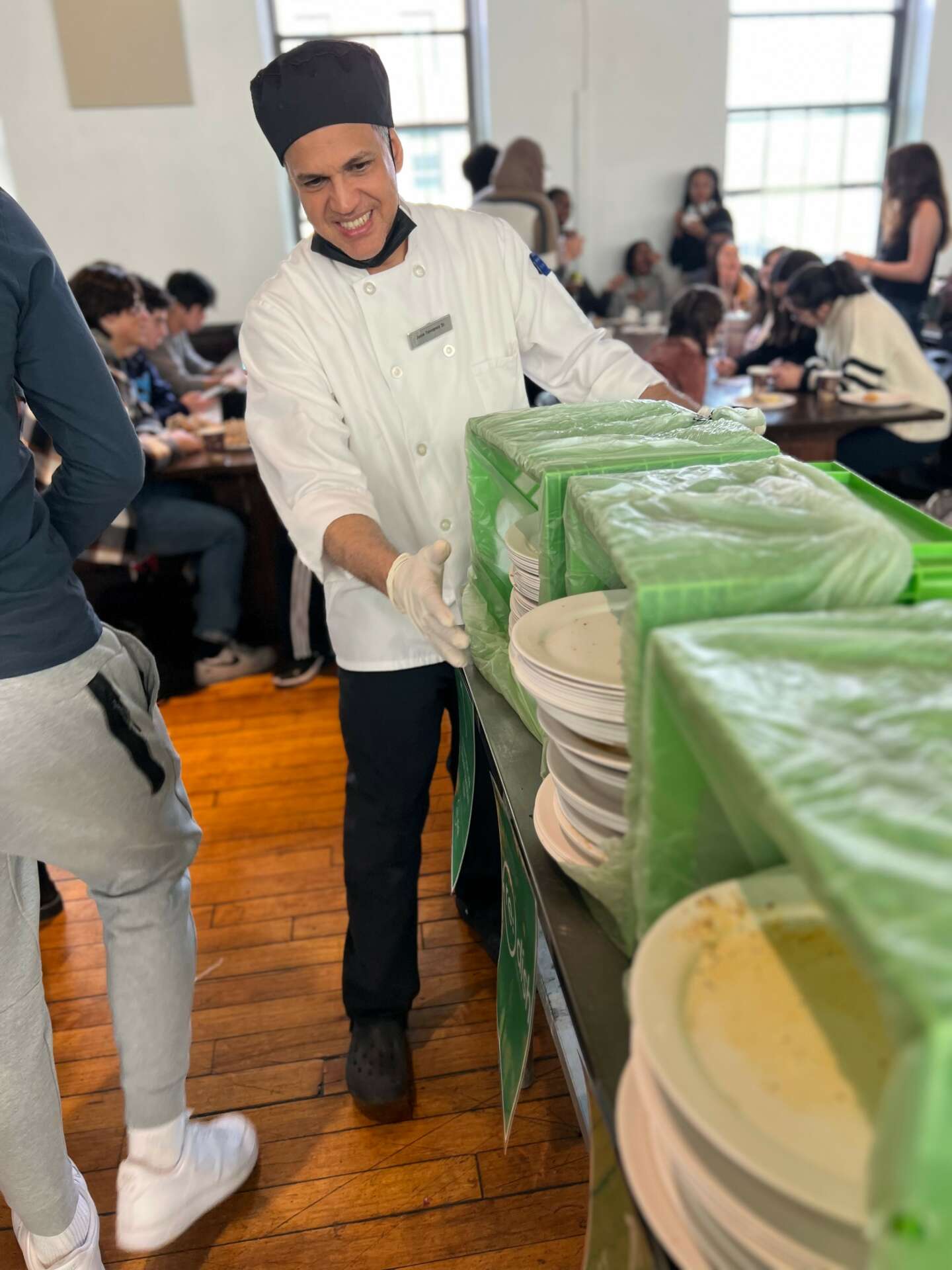
As a team, I think we are most proud of being able to introduce circularity to a large population in the hope that users will then adopt those habits in other aspects of their lives. A recent survey at one of Re:Dish’s large institutional clients indicated that at least 1/3 of the respondents were inspired to adopt more circular practices in their personal lives because of Re:Dish’s Reusable Program. For us, this is a win and gives us great satisfaction and confidence that we are having the impact that we set out to have.
Can you tell us about a time you’ve had to pivot?
Re:Dish had a major pivot in its first year. It was developed initially to address the waste from take out. Then the pandemic hit, takeout and its incumbent waste soared, and we thought we were on the right track. We designed software, spent all our initial investment dollars on research, and then recognized that restaurants were not equipped to wash more wares, and consumers were not in the habit of returning packaging back to restaurants. We decided to pivot our focus to institutions where we could make reuse more convenient, minimize the shift in behavior, and expose more people to reuse on a daily basis. It would be another year until workers returned to their offices in substantial numbers, so we spent the time building the back end infrastructure and processes to wash at scale. It was the right pivot, but it took 12-16 months for the market to confirm that we had made the right decision.
What’s worked well for you in terms of a source for new clients?
Re:Dish’s current and prospective client base are large institutions — companies with 500+ employees, K-12 schools, universities, healthcare facilities, etc. In other words, wherever there are large numbers of people eating in one location. Our best source of clients is, hands down, referrals. Large institutions have similar operating processes and problems. Knowing other companies of similar scale have implemented a reuse program successfully gives new clients confidence that they can do the same. Re:Dish’s first priority is cleanliness and we focus on education and training so the adoption of reuse is understood. A referral attesting to our standard of excellence and the ease in which a reuse program can be implemented is our best and favorite source of new clients.
Contact Info:
- Website: www.redish.com
- Instagram: https://www.instagram.com/redish_co/
- Linkedin: https://www.linkedin.com/company/redishco/
Image Credits
@viskohatfield only for the pyramid photo