

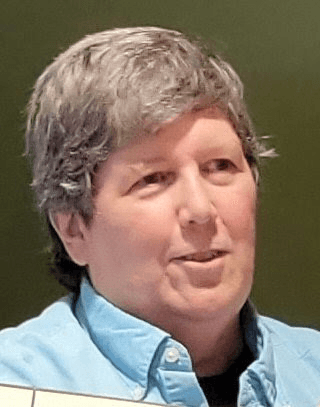

Alright – so today we’ve got the honor of introducing you to Carol L. Dougherty. We think you’ll enjoy our conversation, we’ve shared it below.
Hi Carol L., thanks for joining us today. How did you learn to do what you do? Knowing what you know now, what could you have done to speed up your learning process? What skills do you think were most essential? What obstacles stood in the way of learning more?
We all learn to write in school to some extent. If you’re lucky, as I was, one or more of your teachers (mine was my 10th grade English teacher) pushes you to do more than get by, and you realize you’re capable of more than you think.
Once I left school, I eventually found the late Gary Provost, a contributing editor for Writer’s Digest who offered a 10-day residential writing retreat in an old Victorian house in Connecticut. Again, I was challenged to not only do more than I’d believed I could, but also to check my ego at the door and simply soak in the wisdom I was being offered.
The most important thing I learned was that writing was all about generosity. After Gary died I studied with a number of people, all of whom taught me a great deal, and yes, all of them were incredibly generous with their time, encouragement, and teaching, however just before he died, Gary suggested I might want to go to a workshop run by Natalie Goldberg (author of Writing Down the Bones and Wild Mind – both about writing as a Zen practice). He felt there were things she could teach me that I needed to know, and that he didn’t really teach. A few years after he died I did go study with Nat, and ended up taking a major detour into Zen practice, which gave me a much greater ability to focus and look deeper into everything.
The biggest obstacle every step of the way was me – my inner critic, my lack of consistency, and my lack of kindness and generosity toward myself. Zen practice (and a pretty terrific teacher) helped me work on those.
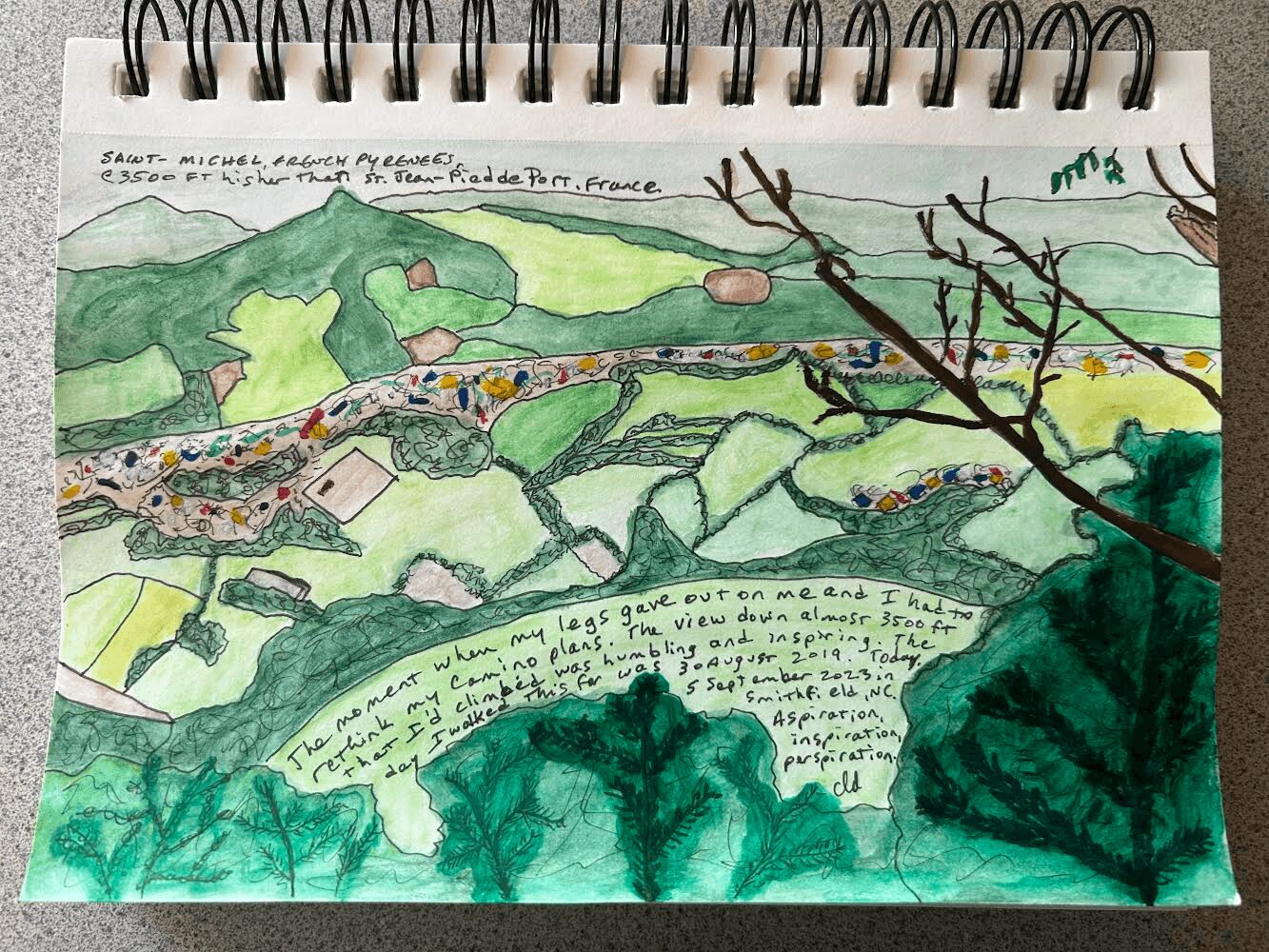
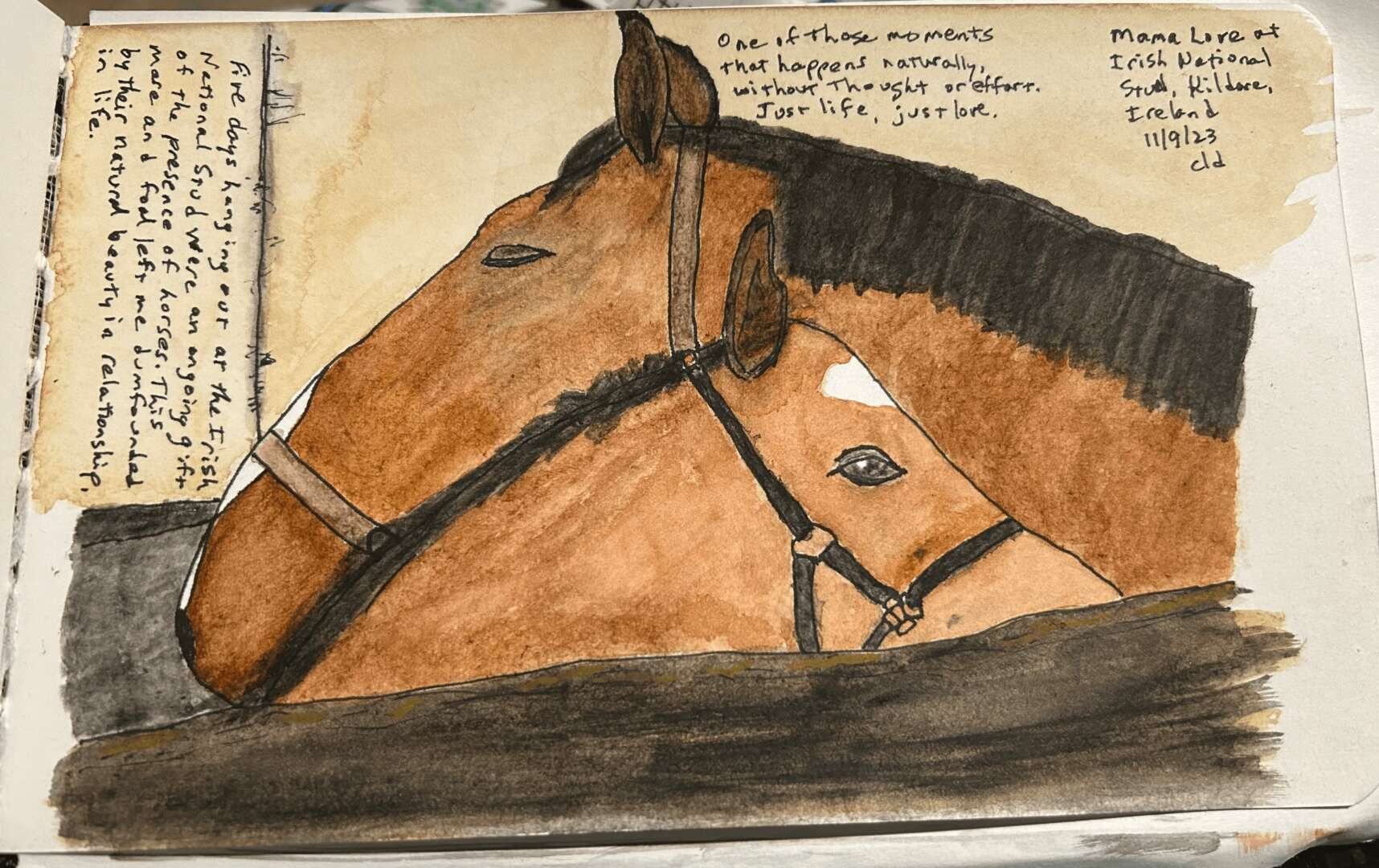
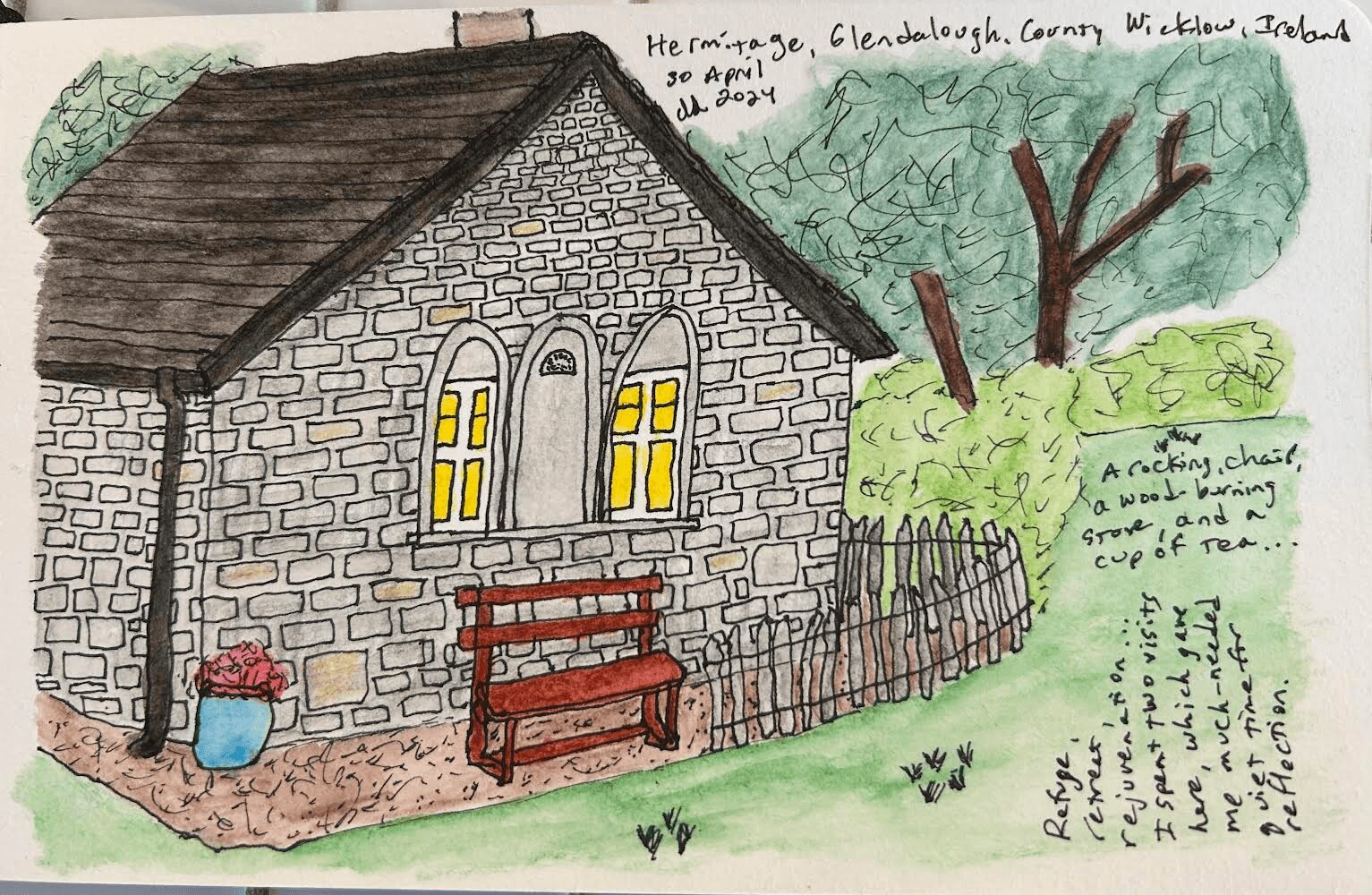
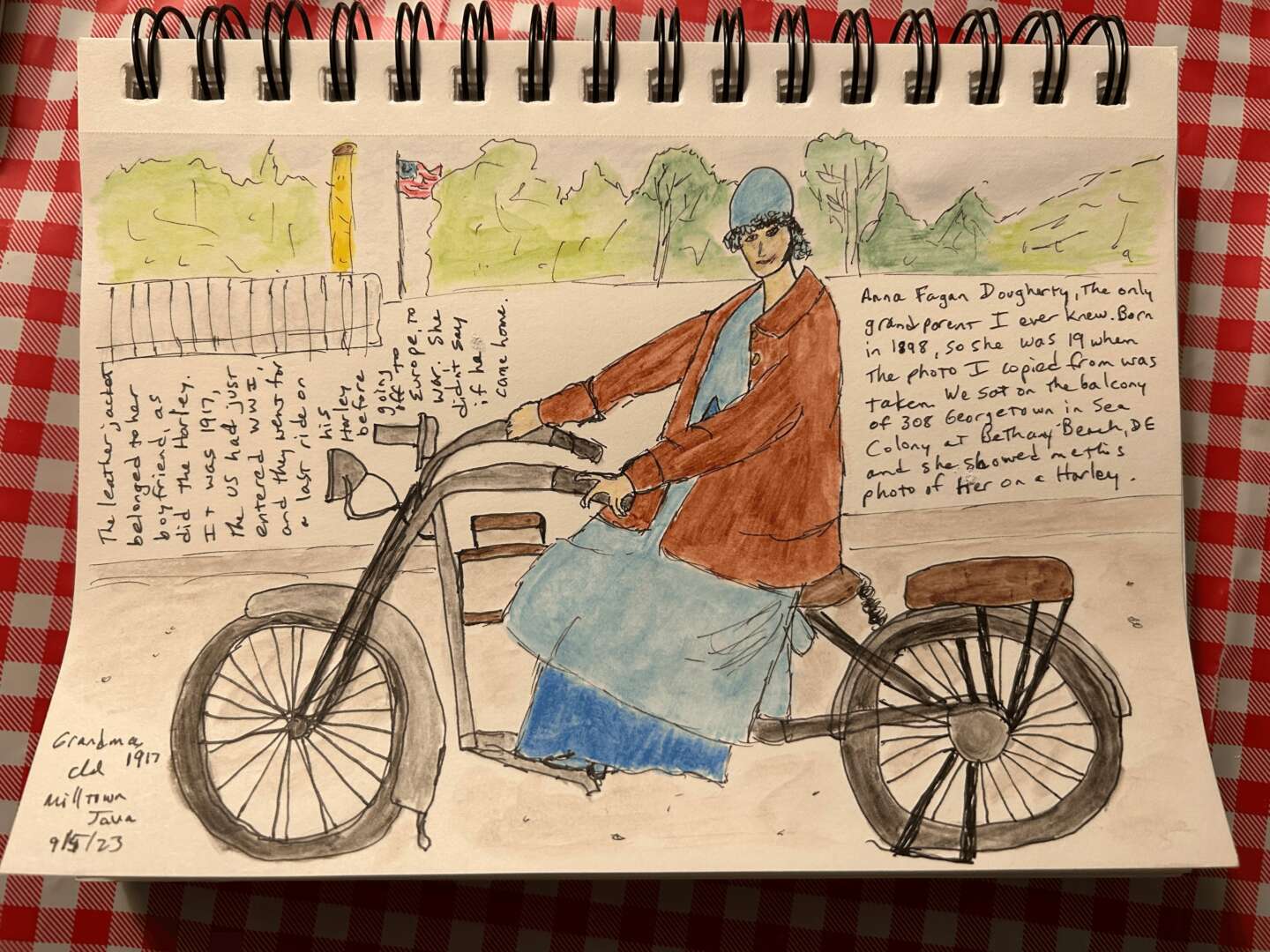
I also learned a lot from teaching. I’ve taught Gary’s curriculum numerous times over the years, and often I feel like I learn more than anyone I teach. And I’ve started doing what they call urban sketching or a variation of that, so that I do pen and watercolor sketches and write about them and what they mean to me. The drawing seems to open me to things that I find hard to write about otherwise.

Carol L., before we move on to more of these sorts of questions, can you take some time to bring our readers up to speed on you and what you do?
I’ve been writing since I learned how to write. In my early days, like second grade, I was seriously into writing letters. One of my earliest letters was a letter to Pope John XXIII. In second grade we learned about the art treasures of the Vatican. At the same time, one of our parish priests was deeply involved in the mission work in South America and talked about the dire poverty there. I had the brilliant idea that Pope John should sell off some of the Vatican treasures and give the proceeds to the poor folks in South America so they wouldn’t be poor any more! I didn’t hear back, though I suspect my mother never mailed the letter – she may have thought it wasn’t respectful to the Pope.
In sixth grade I was chosen to write and direct a play for my English class. I wrote a five act play in three pages about a leprechaun in Ireland. Such a prodigy. What I remember about writing then, is that I was fearless. There was no inner critic – I was still a kid and no one outside was telling me what I was doing wouldn’t earn me a living.
Once I hit college I veered quickly from my academic plans to focus my studies and my life on theatre. Since I wasn’t much of an actor, I turned to directing, and directed five productions in three years. I looked at the possibility of working in professional theatre, and I did for a time. My goal was to run my own theatre by the age of 30. It took me until 32, but it happened. I also went to law school during that time to beef up my resume for theatre administration, and ended up doing a research paper on the non-profit theatre which I later published (How Full of Briers: The Organizational Structure of the Non-Profit Theatre Corporation).
No matter what I did, I was always writing – journals, poetry, essays, stories. Until I met Gary Provost, my writing was directionless, but it was a bit like breathing in that I just did it. I did complete a novel during my various workshops with Gary, found an agent, and collected some great rejections. There was a lot the publishers liked about it, but it was set in Latin America and at the time they all said they couldn’t market it. My name was Dougherty, not Allende or Marquez. The real truth was that while it had a decent plot, characters, story movement, it was good, not great. I wasn’t a good enough writer to transcend the marketing issues they perceived, even though only one person came out and said that.
Eventually I took the detour I mentioned earlier into Zen practice, and though I kept writing, it was writing practice (ala Natalie Goldberg) and haiku (Japanese poetry). I also played around with drawing and art, though never had much confidence in it.
For about 10-15 years I was quite absorbed in the Zen life, both at San Francisco Zen Center and at Naropa University, where I got a Master of Divinity degree. I’d been ordained as a Soto Zen Buddhist priest at ZenCenter, in the lineage of Shunryu Suzuki-roshi (Zen Mind, Beginner’s Mind), and at Naropa wrote a thesis on Vasubandhu’s Thirty Verses.
I moved back home (to Pittsburgh, PA) to be with my dad while my mother was in a nursing home with Alzheimer’s. She was nearing the end of the road and I didn’t want him to be alone when she died. My sister and brother both had families in other states, so I went back to be with him and my mother.
During that time, I began the novel that I’ve recently published, Smiling at Grief. The title is a quote from Shakespeare’s Twelfth Night, and the book is set backstage at a professional repertory company – something I both knew and loved.
The final impetus to get it published came when I moved to North Carolina and found a vibrant arts community in which I thrived. Not only did I find a wonderful group of writers, I also found other creative folks that inspired me to expand my horizons. I started meeting regularly with a couple of people who met to sketch together, and eventually I started doing pen and watercolor sketches with little stories that went with the pictures.
Probably the most important thing I did was to find my accountability partner, Cindy Brookshire, with whom I meet for two hours every week and we talk about our work, what we’re doing, what we’re not. It took a while to get really comfortable as we didn’t know each other that well, and once we did, we pulled no punches. We are never unkind, always supportive, and yet also tough on one another. We both have found ourselves doing more and better work than we ever did before.
When I was asked to do this interview, I wasn’t sure I fit the criteria. I’m 68 years old, and still finding out who I am as a writer and artist. I revised my website so that I sell nothing on it – it has become a personal website for exploration and sharing what I’m doing. I’m definitely a work in progress – who knows where it will take me?
Have you ever had to pivot?
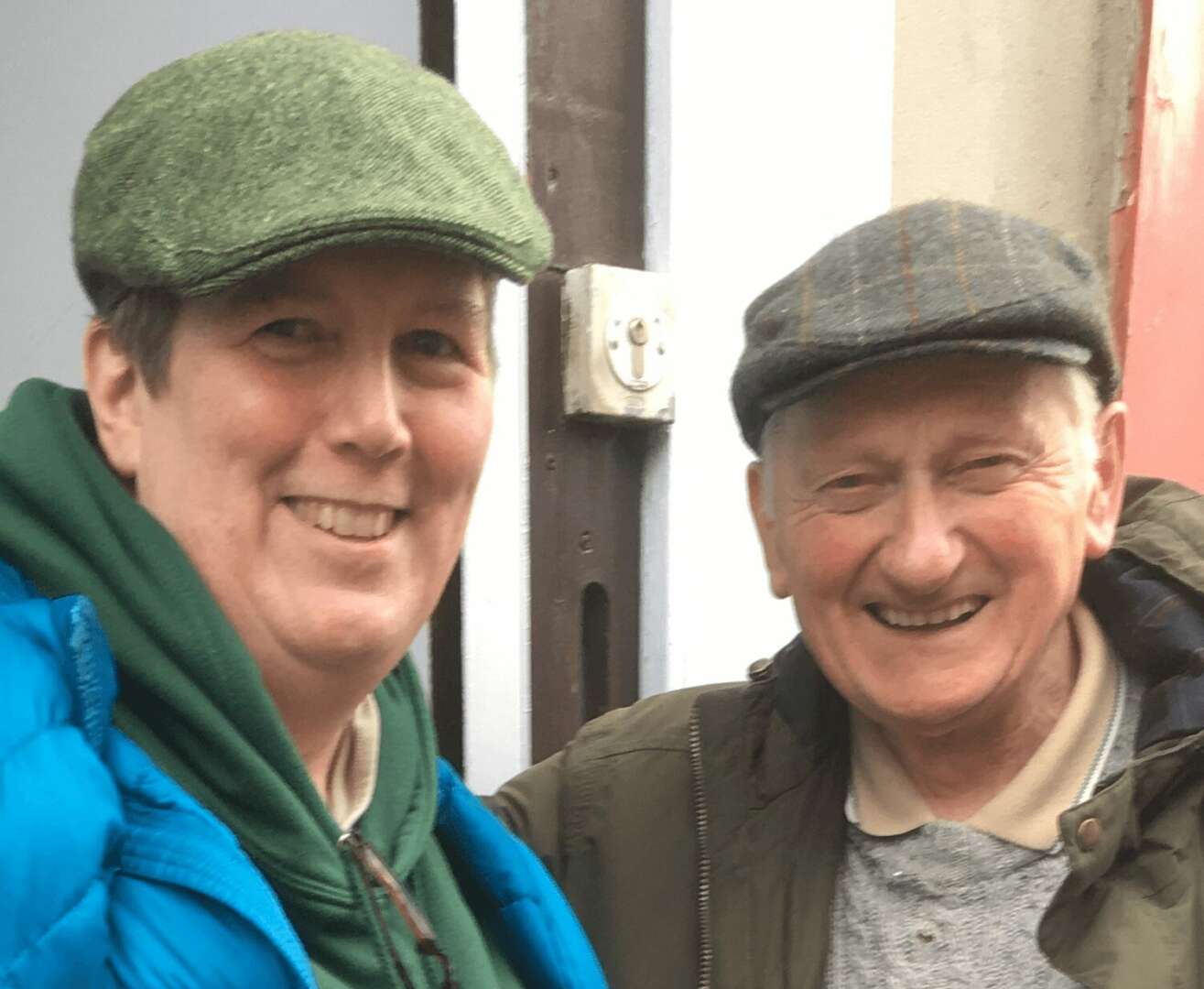
My dad died in January 2019, and I spent from January to August handling the estate, clearing out the house, and renovating for eventual sale. My sister and brother came in and helped clear things out the one weekend, but we’d lived there for more than 50 years – it was a lot to go through. Somewhere in the middle of it, as we got closer to showing the house, I watched the film The Way again (written and directed by Emilio Estevez, starring his dad, Martin Sheen), a film about walking the Camino de Santiago. I decided to go to Spain to walk the Camino de Santiago after we sold the house. Immediately I started to work on training for it, figuring out which route to take, and what to pack.
I decided on the Camino Frances, the 500 mile walk from St. Jean Pied de Port, France, to Santiago de Compostela, Spain. It was the most developed of the routes, with lots of people, and while I wanted some solitude, I was also aware that walking alone as a woman I needed to plan for safety as well. Also, I was over 60 and though my health was good, I was overweight and not sure how I’d hold up.
After months of planning, classes and consults at REI, as well as some training (I knew I needed more), I had my plane tickets and was going to leave the last week of August. The house was sold and the estate was waiting on the legal okay to distribute the last of the money from the house sale and the rest of the estate, which I would do when I returned..
I headed off to Spain (and a brief time in France) to start the Camino. I’d booked albergues or rooms for the first four nights, to be sure I had time to acclimate. My plan was to not do the difficult route over the Pyrenees, but to take the road route to Roncesvalles. My host at the first albergue convinced me that was a mistake – he said there was no trail beside the road, and a lot of trucks took that road very fast. He also said I could walk part way over the Pyrenees, have a cab service pick me up and return me to their place for the night, then take me back to where I left off the next morning to finish the route. I didn’t love the idea, but I decided it seemed like a better choice than the busy truck traffic.
The next morning I climbed 3500 feet into the Pyrenees before my legs let me know we were going no further. I looked down at how far I’d climbed and knew it was not nothing. It was a miracle I’d made it as far as I had, given my lack of serious training and conditioning. My host from the albergue kindly came and picked me up, as I hadn’t made it to the taxi pick-up site. He let me know they’d still bring me back up the next morning and I could finish hiking that part of the trip as planned. I said no, that’s not happening.
I knew there was no way I’d be able to walk the next day – at all. My legs and feet weren’t up to it. I did have a room for the next night at Roncesvalles, so I arranged to take a bus there and re-start my Camino. It worked, and I made it through the next two days and nights, at which point I came up against a bigger problem.
I could manage to walk so much every day, and even the hills were okay (not easy), but there was a problem with places to stay in Zubiri. There had been a fire in one albergue, and they were short on housing. It wasn’t possible for me to walk further at that point, especially because the next stop was Pamplona. It would have meant doubling my distance to walk for the day, and I was aware that was beyond my abilities.
In the end, I took a bus to Pamplona to rethink my plans for the Camino, and figure out if I was going to be able to do it without spending half my time in taxis and buses. I spent several days looking at my options, and could not see a way to complete the Camino on foot the way I’d planned. I was in Europe, and in the back of my mind I’d started thinking about Ireland as soon as the problems cropped up.
I’d never been to Ireland – the only one in my immediate family who hadn’t. I had given myself seven weeks to do the Camino. One week of that time was gone. I made the decision to do the final six weeks in Ireland, and it ended up being one of the best decisions of my life. I still felt like a pilgrim, it was an Irish Camino, a pilgrimage to a home I’d never visited before, and it continues to resonate through my life to this day.
Have any books or other resources had a big impact on you?
There are two books that have significantly impacted my work and my life: Dibs: In Search of Self by Virginia M. Axline, and My Name is Asher Lev by Chaim Potok.
My Name is Asher Lev is a novel about an artist. Asher is a Hasidic Jew who has a gift for drawing from a very early age. It becomes a point of contention with his father, his teachers, and his classmates, because they all believe he should be studying Torah instead of drawing or painting. I suppose you could say the book is about the soul of an artist. It is the best expression of what it is to be an artist I have ever read. Though most of my creativity is in my writing, I understand Asher’s anguish, the tensions between one’s creations and one’s family and peer pressure, and the deep love for the myriad pulls from different directions that test and inform whatever is created.
Dibs: In Search of Self is a case study by a pioneer in the field of play therapy. I discovered it when I was about 12 years old, in a Reader’s Digest Condensed Book, and read and re-read it again and again. It is the story of a young boy who is thought to be what was referred to then (mid 1960s) as “mentally retarded.” Dibs is in kindergarten, and several of his teachers have trouble dealing with him, so a psychologist is brought in to see if she can assess him and help.
The bulk of the book contains their play therapy sessions, the journey of Dibs to discover who he is in the world, and that he is in fact capable of navigating it. The courage of Dibs over the course of the book is astonishing, and it is a book I turn to again and again to remind myself that I, too, have tremendous inner resources.
Neither book is what you’d call a traditional response to your question, but they are the most powerful influences on who I am and how I live my life – work or personal – that I can offer.
Contact Info:
- Website: https://www.celticdoc.com
- Other: I do not do social media.
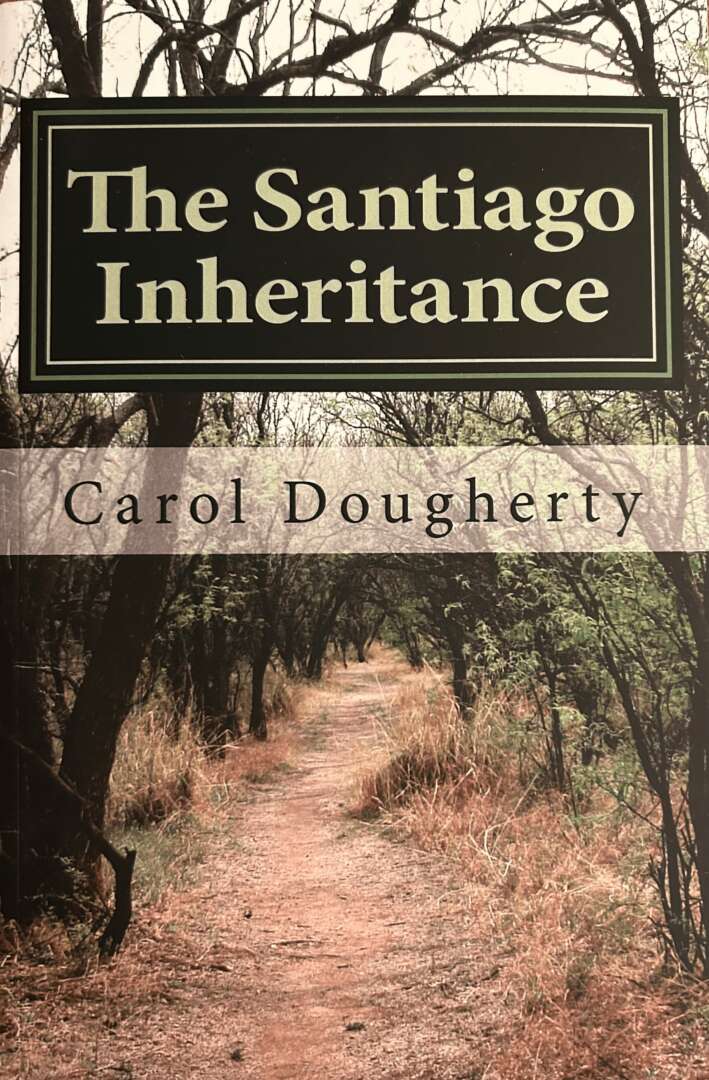
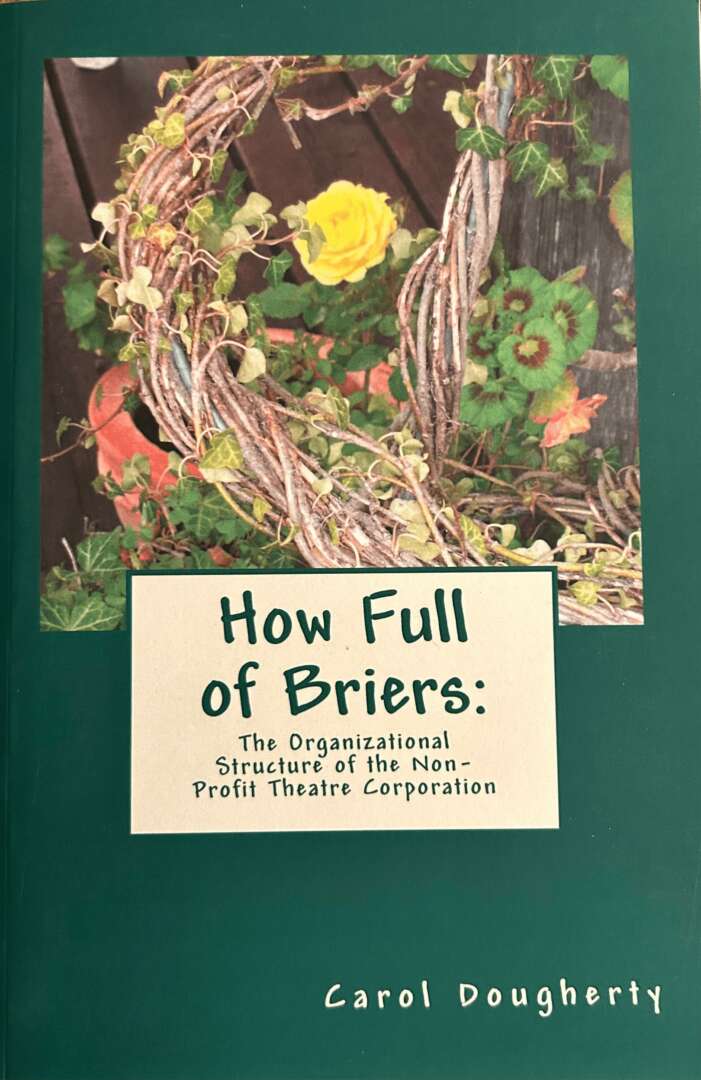
Image Credits
Photo of me by Cindy Brookshire, Smiling at Grief by I Heart Sapphfic