

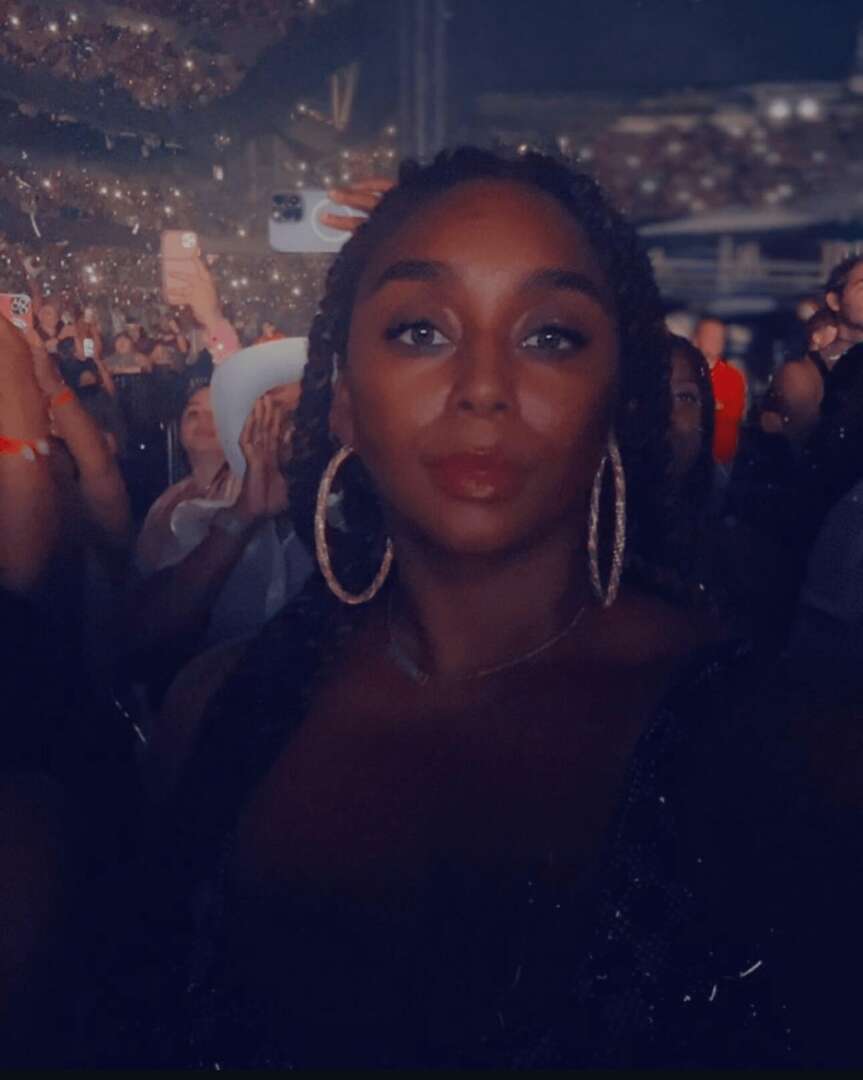

We’re excited to introduce you to the always interesting and insightful Carol Hood. We hope you’ll enjoy our conversation with Carol below.
Carol , looking forward to hearing all of your stories today. Earning a full time living from one’s creative career can be incredibly difficult. Have you been able to do so and if so, can you share some of the key parts of your journey and any important advice or lessons that might help creatives who haven’t been able to yet?
The best way I can explain earning a full-time living from creative work is that I’ve capitalized on what makes me invaluable to clients. It’s not writing or filmmaking; it’s the way I think.
I hear many writer friends lamenting over the rise of AI, automation, if it threatens their existence as creatives, but from where I stand, the most beautiful creative work is often channeled from something spiritual. Spirituality cannot truly be accessed without experiencing a degree of suffering, loss, pain. I’ve found that my creativity has amplified with every new iteration of myself, a rebirth here or there, gifted from the ashes of life burnt by a bevy of weird choices and overwhelming consequences. Life after loss, heartbreak, defeat, grief, happiness, perseverance. I use every lesson that I’m gifted to see the world a little bit differently. My writing and filmmaking skillset is merely the physical practice of what I see. That could change tomorrow if I so choose.
When it comes to channeling creativity into advertising, all I can think of right now are those Clue Books from the 90s. I remember I used to devour them in bulk—Colonel Mustard in the ballroom with the candlestick and whatnot. That’s what advertising is for me, the perpetual solving of a murder. Twisted, weird, kind of grief-inducing, but also incredibly thrilling. Creative in advertising is a problem-solving business, and the bigger the brand, the stickier the problem.
If you’re into that, then you can be an employed creative in advertising.
As always, we appreciate you sharing your insights and we’ve got a few more questions for you, but before we get to all of that can you take a minute to introduce yourself and give our readers some of your back background and context?
My name is Carol Hood and I’m VP, Digital Creative Director at Carol H. Williams Advertising. I head the creative department, social media department, and head our AI efforts. I also write, creative direct, and film direct, and idea generate ways for brands to build relationships with Black, brown, and other multicultural segments of communities. I’ve created campaigns, films, TV commercials, radio, events as well as AR/VR activations, scholarships, fellowships, even coded metaverses for a range of brands that include Chevrolet, Microsoft, Disney, the U.S. Census, the Golden State Warriors, Kaiser Permanente, and more.
My mother is Carol H. Williams, literally credited with creating the Pillsbury Doughboy and the feminist anthem for Secret antiperspirant, “Strong Enough for a Man, but Made for a Woman.” She is one of the first Black creatives, and I believe maybe even the first creative woman inducted into the Advertising Hall of Fame.
I never wanted the same for myself; in fact, it was quite the opposite. As I came to terms with my creativity (another journey I won’t go into, but I will point out it included a stint as a legislative intern in the US Congress by day and lead guitarist in a rock band by night), I one day packed up my apartment in Washington, DC, and moved to New York with one of my bandmates. She’d met a cute boy at Afro Punk, and I had big dreams of getting into Columbia’s MFA program for writing. I planned to hone my writing craft so I could one day board a plane to Florence and disappear into a cafe nestled in the heart of a forgotten piazza, never to be heard from again. The trail of my existence would only be marked by the infrequent release of an epic novel under a pseudonym.
My bandmate ended up marrying said cute boy and has a beautiful son. I met plenty of cute boys and married absolutely none of them. I was too in love with my freedom, working for the Tribeca Film Institute, taking up competitive ballroom dancing, and attending Columbia for some time, studying Mandarin and Black Women’s History at Barnard. Then, just like that, life changed. I was accepted into the Creative and Life Writing MA track at Goldsmiths College, University of London. So I ran off to the United Kingdom to study writing under esteemed novelists like Ardashir Vakil and Blake Morrison.
After that, I completed a Fellowship at the School of the Art Institute of Chicago, a school known for encouraging even the most hobbit-like writers to take classes outside of their craft. I Frodo’d my way over to the film department, and that’s where I fell in love with filmmaking and ultimately learned how to write a script. That time in film changed my life, for my career snowballed from teaching English and editing a 700-page novel to selling a series of 15-second radio spots to the US Army and receiving a payment check twice as large as what I was making teaching three classes a semester and publishing regularly in popular publications like The Guardian. So I entered advertising, where I could be a comfortably working creative.
My motto when I work with brands is to create campaigns that require them to first invest in the community that they are asking to invest in them. It’s parlayed us into a lot of cause-based work.
What’s a lesson you had to unlearn and what’s the backstory?
Unlearn the notion that you must die for your creative vision. Instead, learn to sever yourself from your work. It’s a lifelong practice of parceling out the truth from the ego then promptly removing the latter from the equation. I know I compared advertising to solving a murder, but what I’ve left out is that the murder fights back like a berserker on its second wind. I’ve seen enough coworkers and clients alike rip into each other, so terribly possessive over an idea or steeped head-down-deep into an errant ideology that will drive them to sacrifice a perfectly good team or campaign for the preservation of their own ego. That type of carnage can be destructive and demoralizing, especially if it’s your hard work on the sacrificial altar.
Grad school taught many of us to stand ten toes down on our work, especially during those two-hour-long crit-panel sessions. You’re rewarded for those moments because to be an artist in this world is to be rampantly at war with some aspect of your craft at every waking moment, whether it’s a fight to stop procrastinating or a fight to be legitimized—and the journey of it all? Phew! Serpentine and everlasting, not minding the occasional dip into hell. My grad school hutzpah had me in hell for years, chasing down my ideas as they scattered about like wild little demon rabbits.
I’ve spoken a lot about the suffering of the craft, and yet that’s the biggest lesson advertising has taught me to unlearn. Like, calm down, Van Gogh; just because the journey dipped back into hell doesn’t mean you have to go there too. I preserve my energy. I choose my battles, and mostly, I’m learning to let go. I search for balance because balance is where I feel most like my creative self, and if an idea I had is mutated by another’s pursuit to satisfy their ego, I let them have it. Here you go, take it! I’ve got ten more where that came from. It will fall apart in their hands anyway. Their possessiveness over it extinguishes its chance to breathe.
What do you think is the goal or mission that drives your creative journey?
I channel a lot of empathy into my work, so you’ll see in my film, whether I’m directing or creative directing, that I tend to look for what I call, the “in-betweens,” a mili-second pause where the mask slips and you see the subject at its core. I also like an athletic camera, I keep my DPs on their toes. I am in constant battle with my own pursuit of perfectionism. I am exactly the type of director that Jordan Peele’s Nope references, the type who would die for the perfect shot.
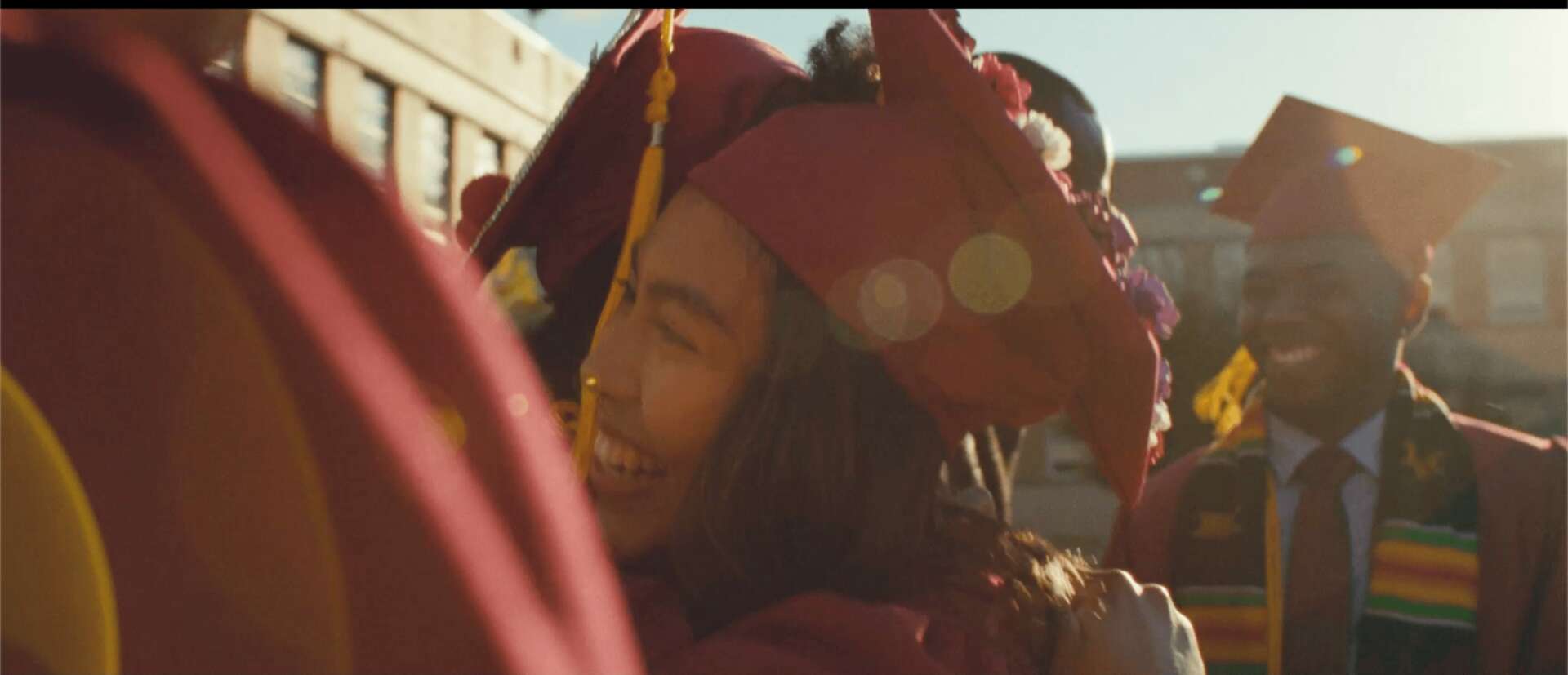
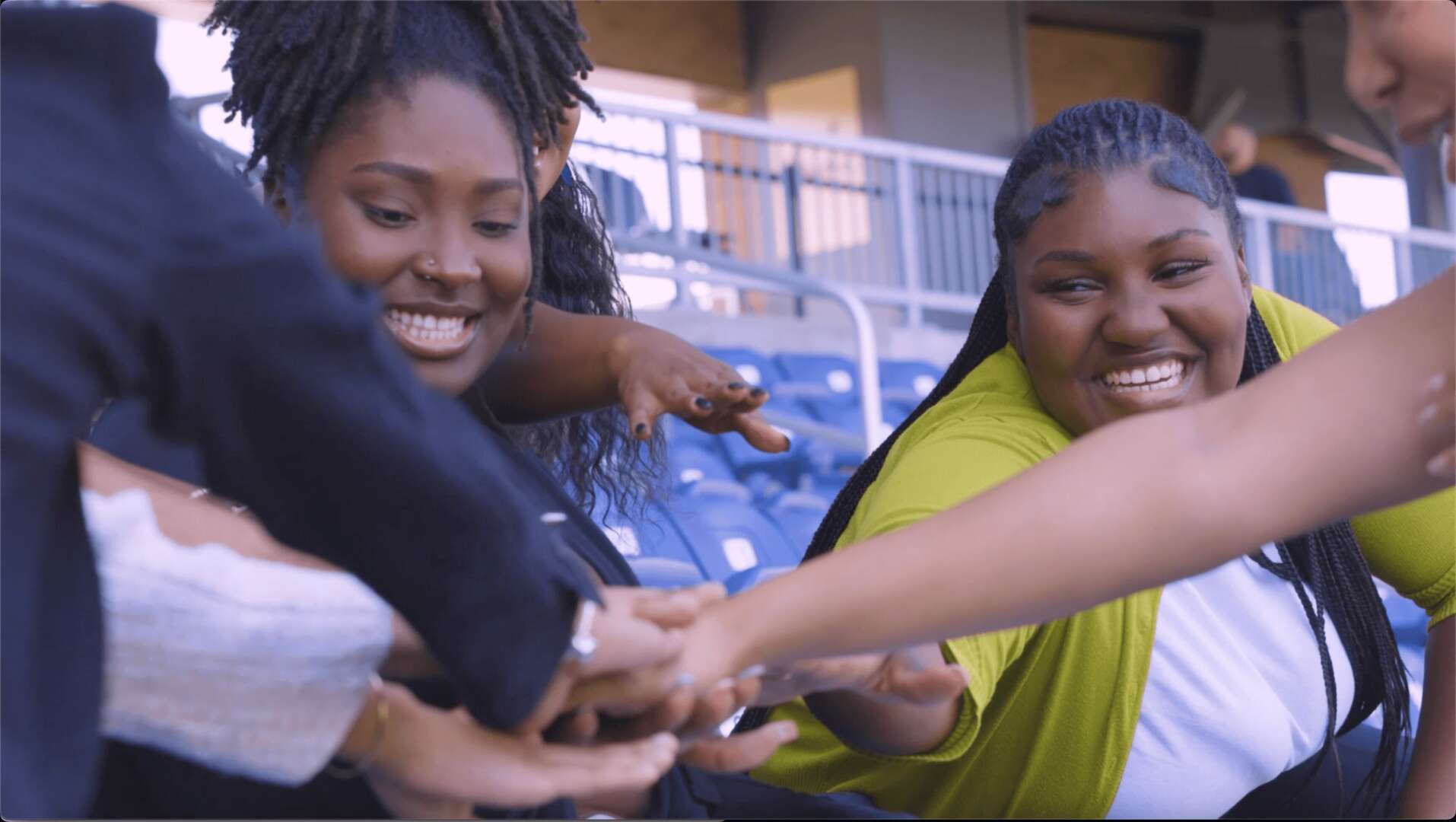
Beyond film, I feel that the crux of my advertising style lies in community building, whether that’s going behind the camera or convincing disgruntled patients in a clinic to pose for a photo shoot, or helping secure funding for a Black-owned festival, I’ve found a lot of purpose in creating and sustaining ideas that uplift Black, brown, and other multicultural communities. It’s a strange crossroads where I stand because I’m constantly having to translate goodwill into brand ROI, but like I said, solving a murder, right? But the result is a gift that keeps giving; for example: I created a fellowship for Chevrolet that has as of this year, given over $600,000 worth of scholarships to over 60 students at Historically Black Colleges and Universities. There’s also the campaign I headed for Kaiser that combated vaccine misinformation in the Black and Hispanic communities, helping save thousands of lives. Creating tangible impacts through creativity is a gorgeous privilege that I will forever be grateful for.
It’s a unique place to be in advertising, as most creatives are clamoring to be picked to sell a Super Bowl spot. Don’t get me wrong, I’d love to write and direct a Super Bowl spot. Heck, one of my biggest dreams is to creative direct and film direct a music video for Beyoncé. But until she calls me, I feel blessed that I sell ideas to brands that may “drive the funnel” or “move the needle,” but at their core are designed to have a positive and tangible impact on a community that I love.
Contact Info:
- Website: https://carolhwilliams.com/
- Instagram: https://www.instagram.com/chhoodjr/?locale=en-us
- Linkedin: https://www.linkedin.com/in/carol-hood-72004650/
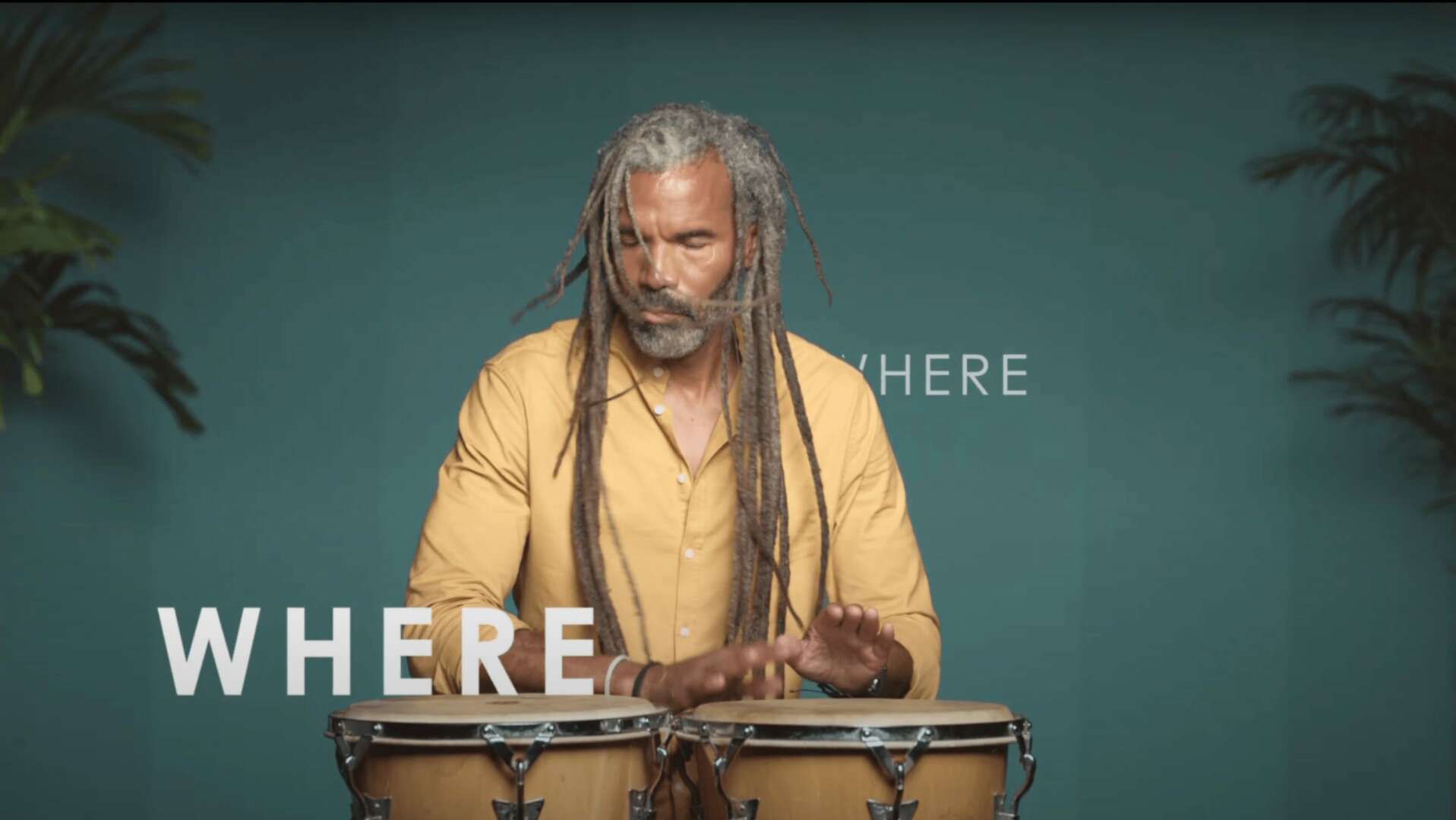

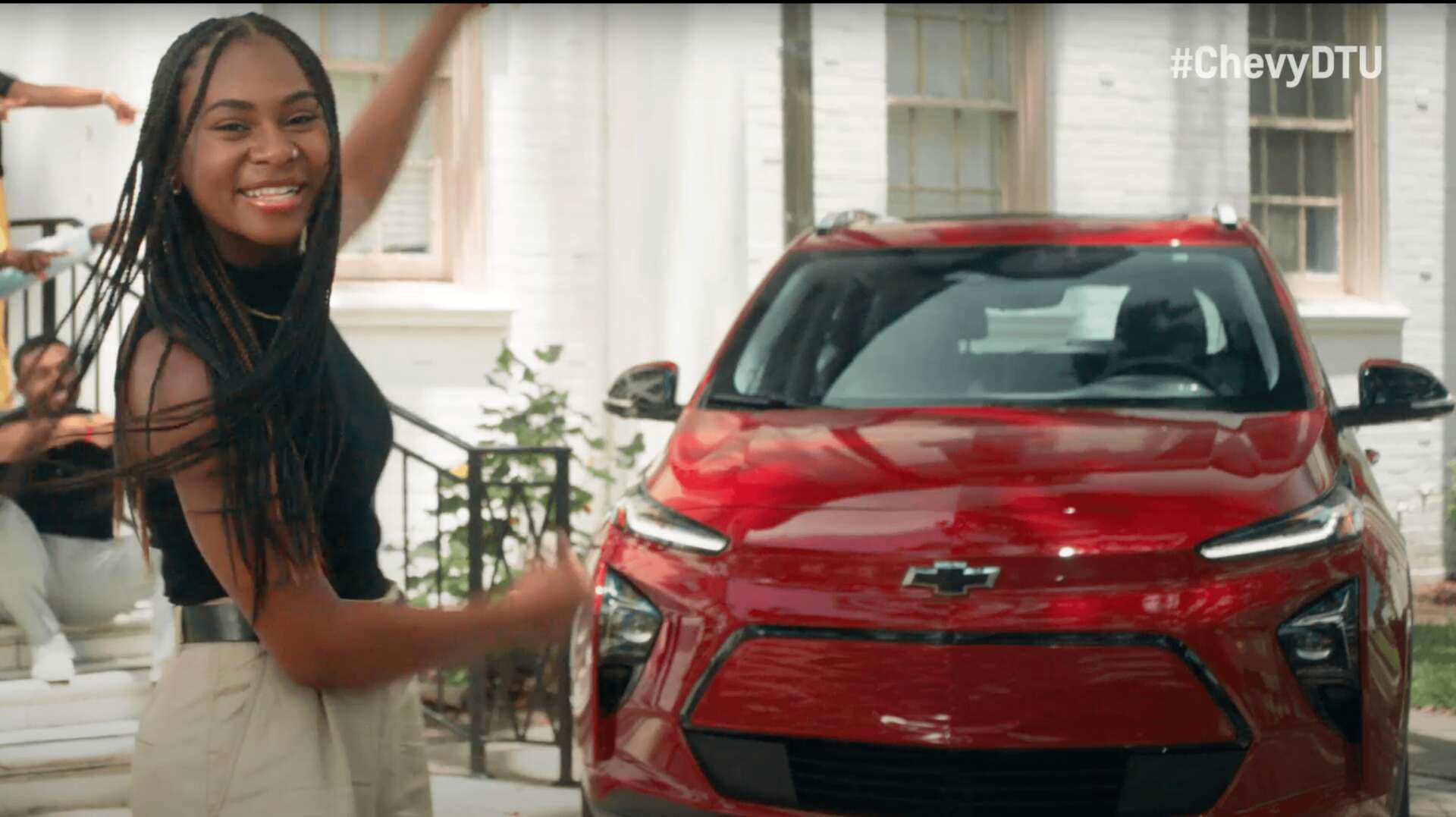
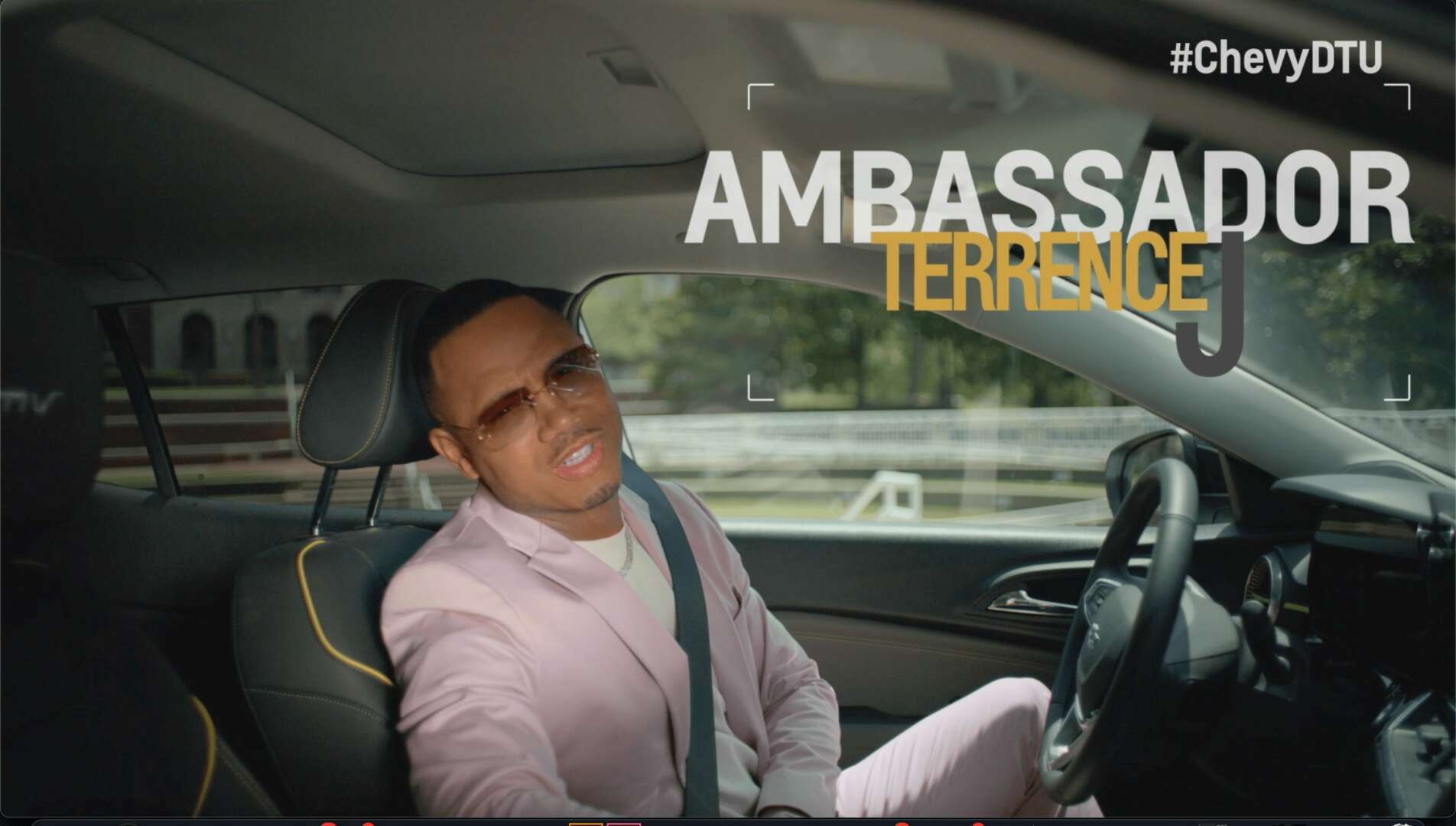
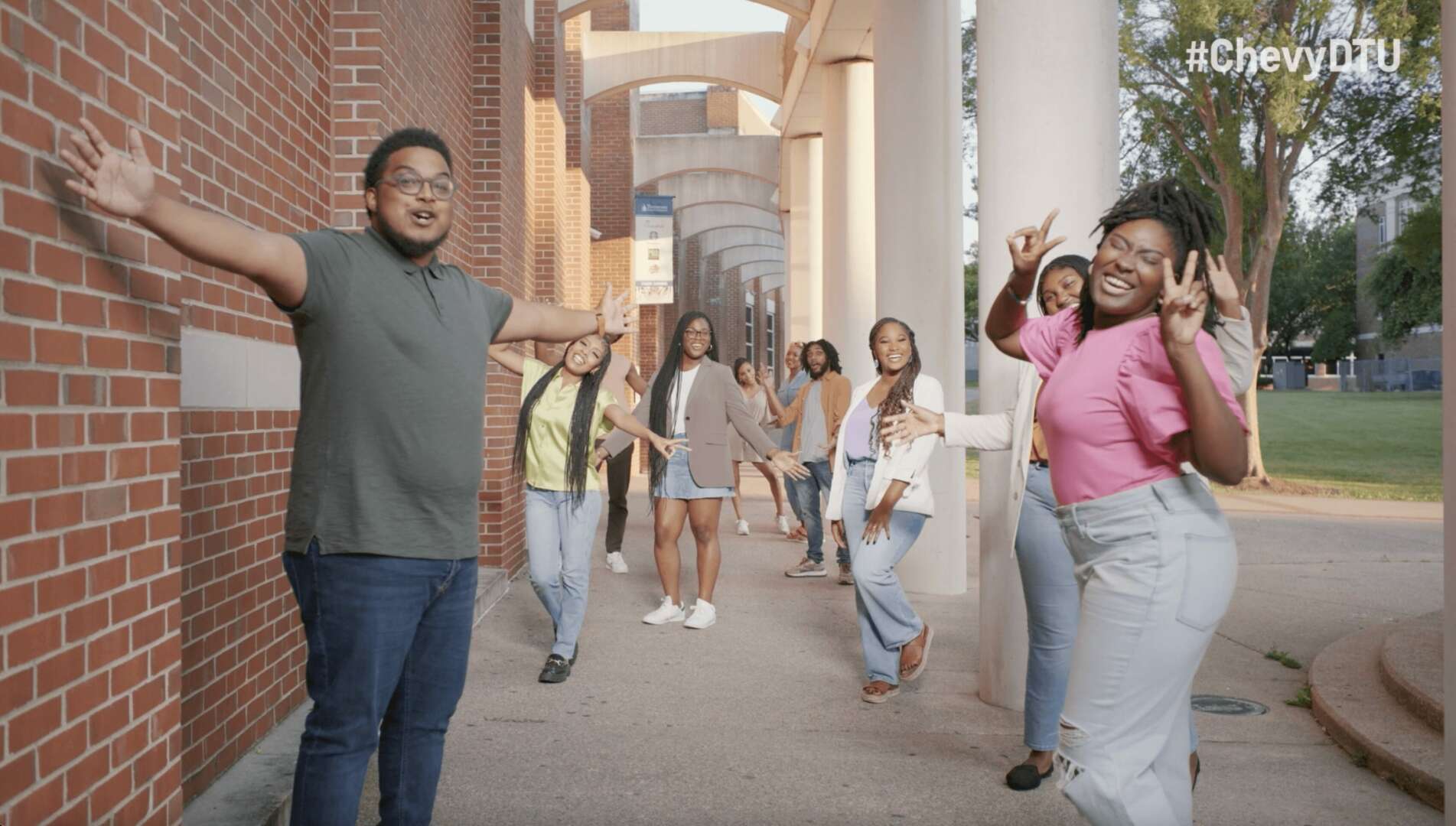
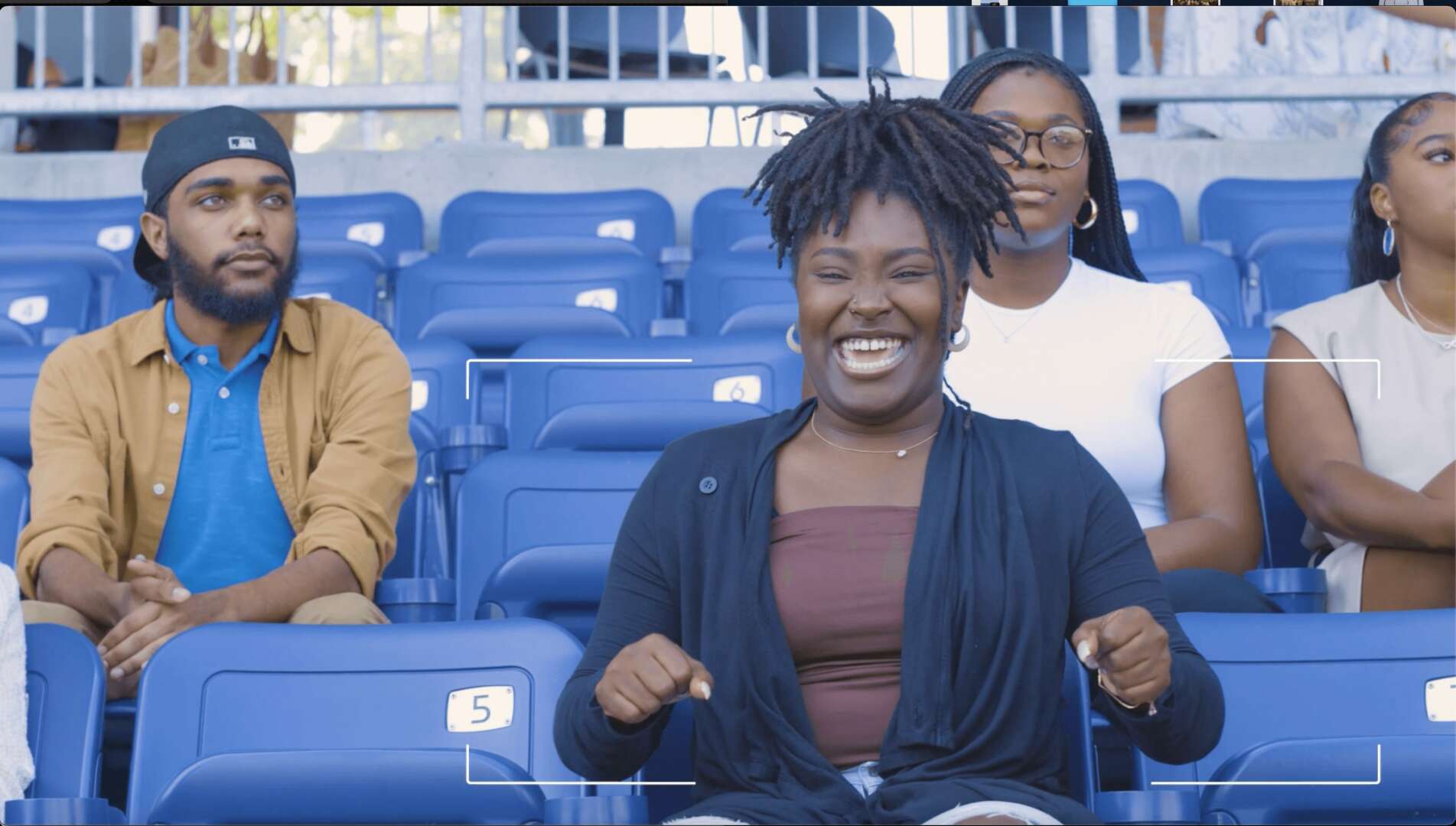
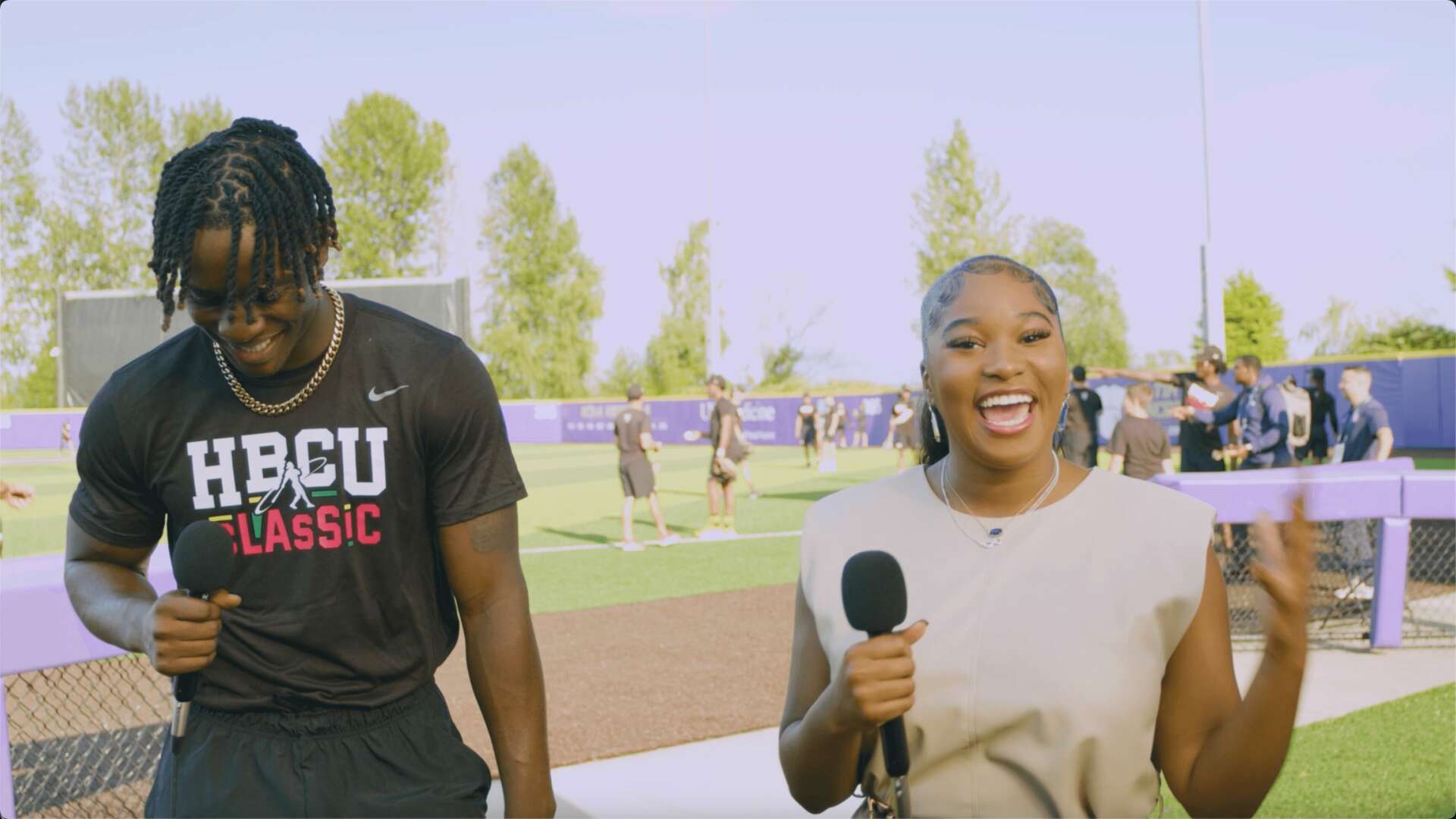
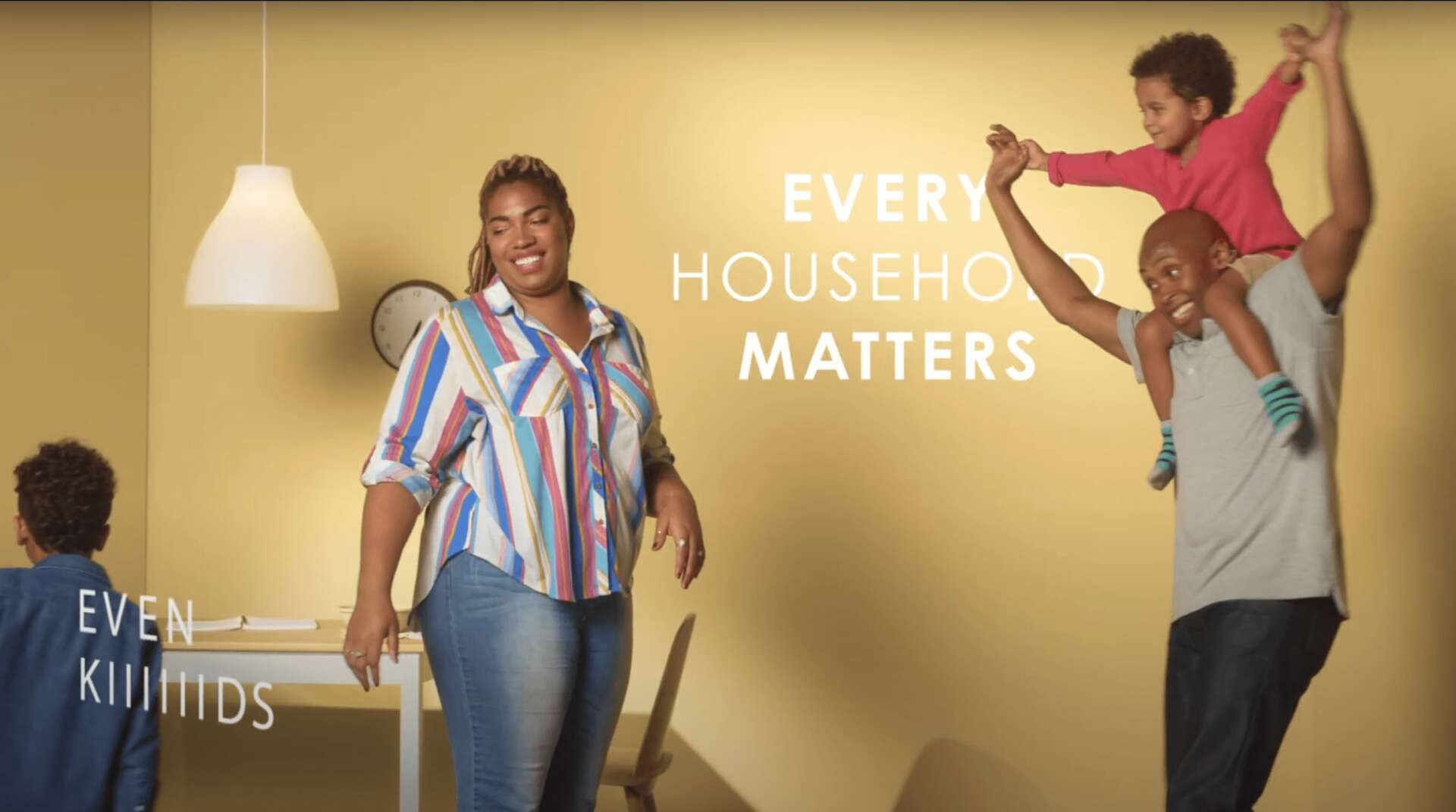
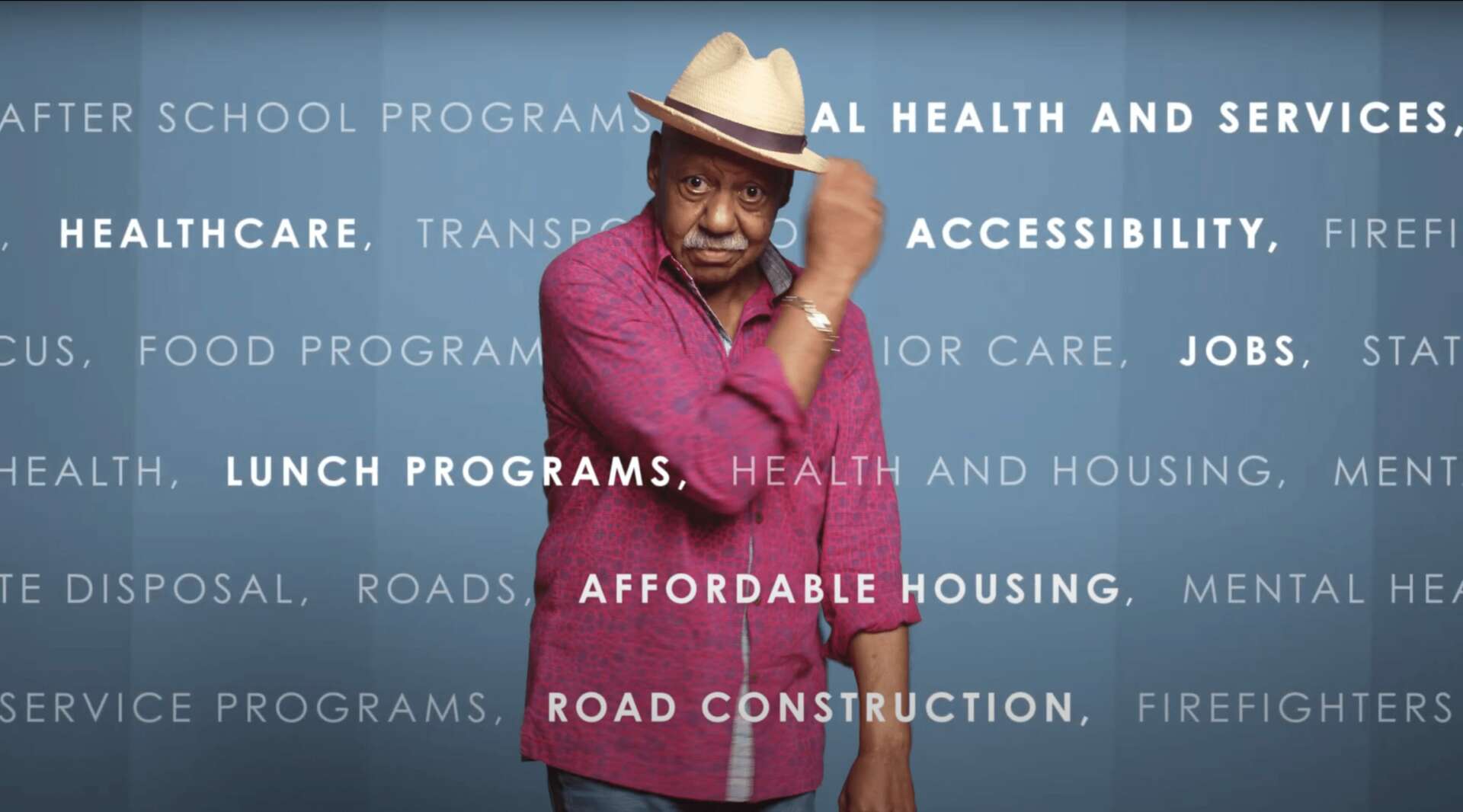
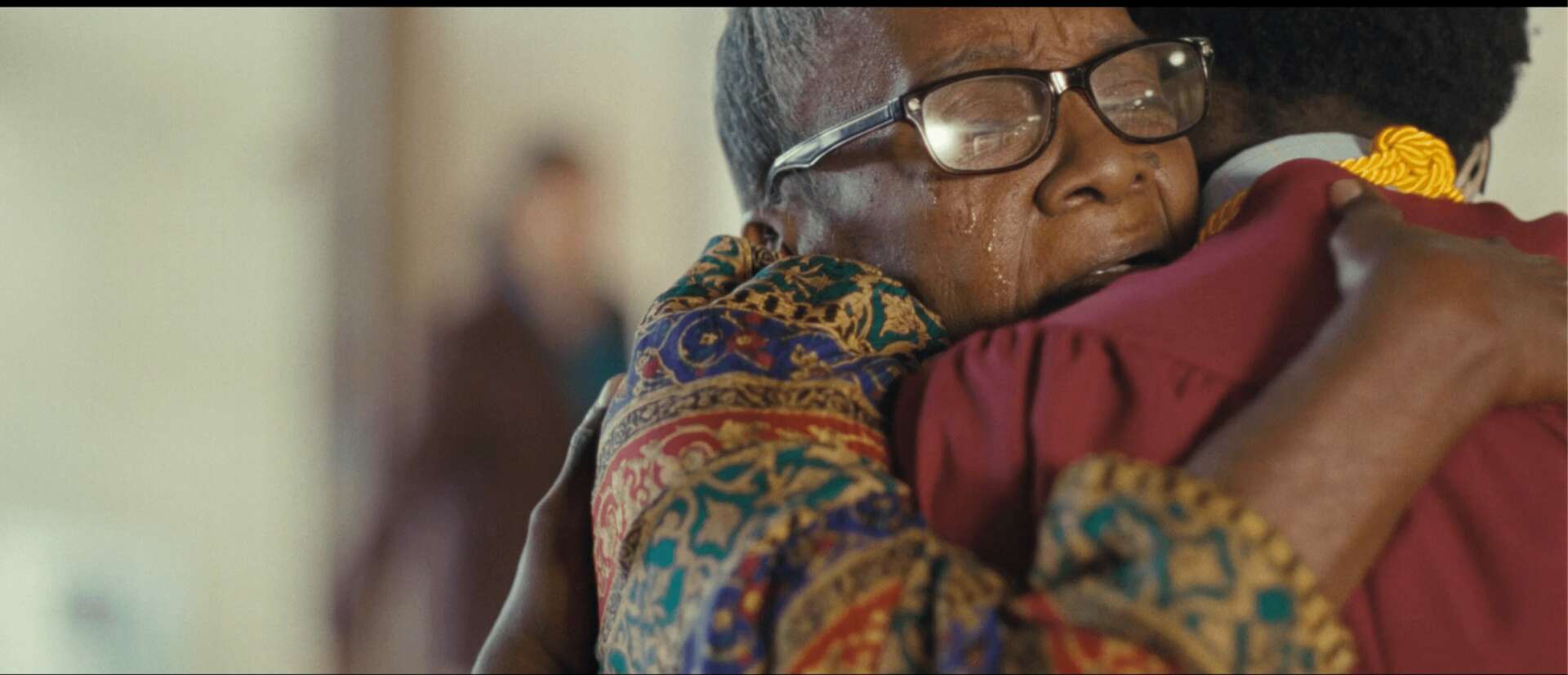
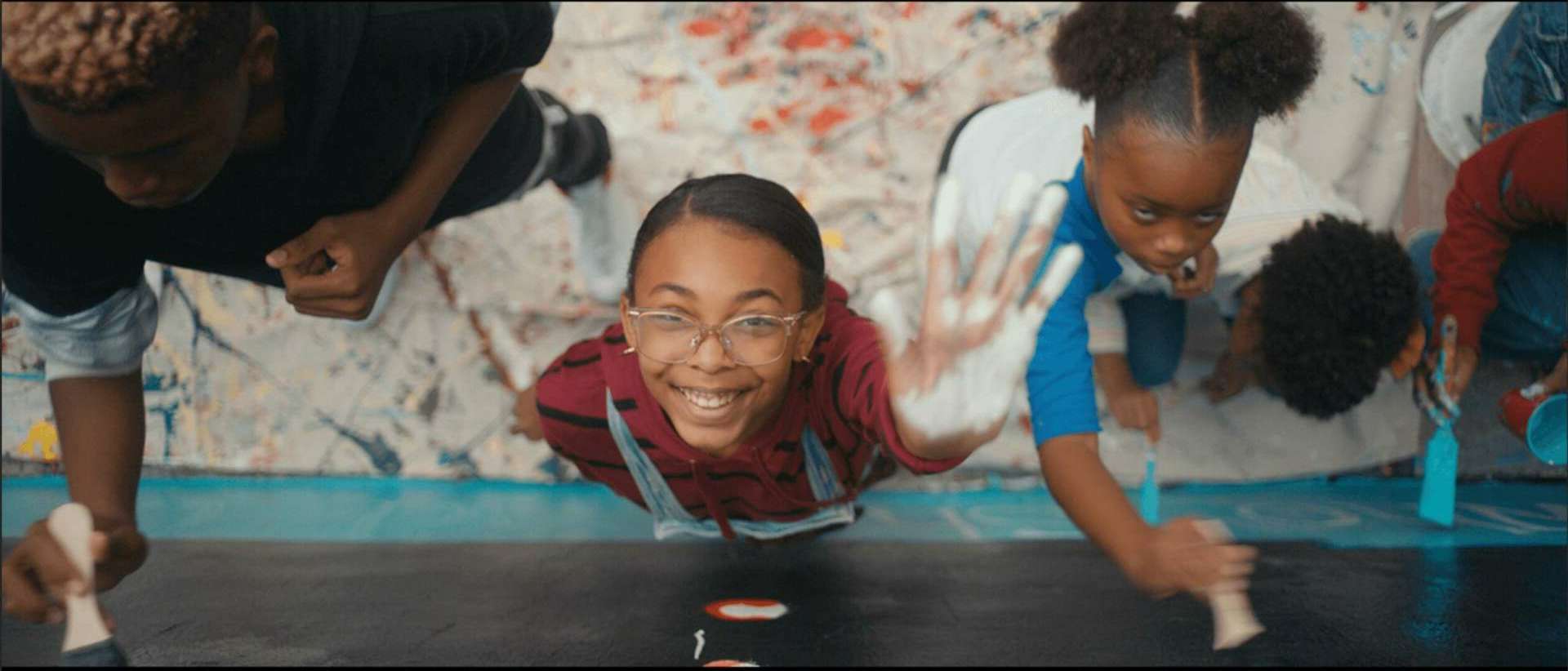
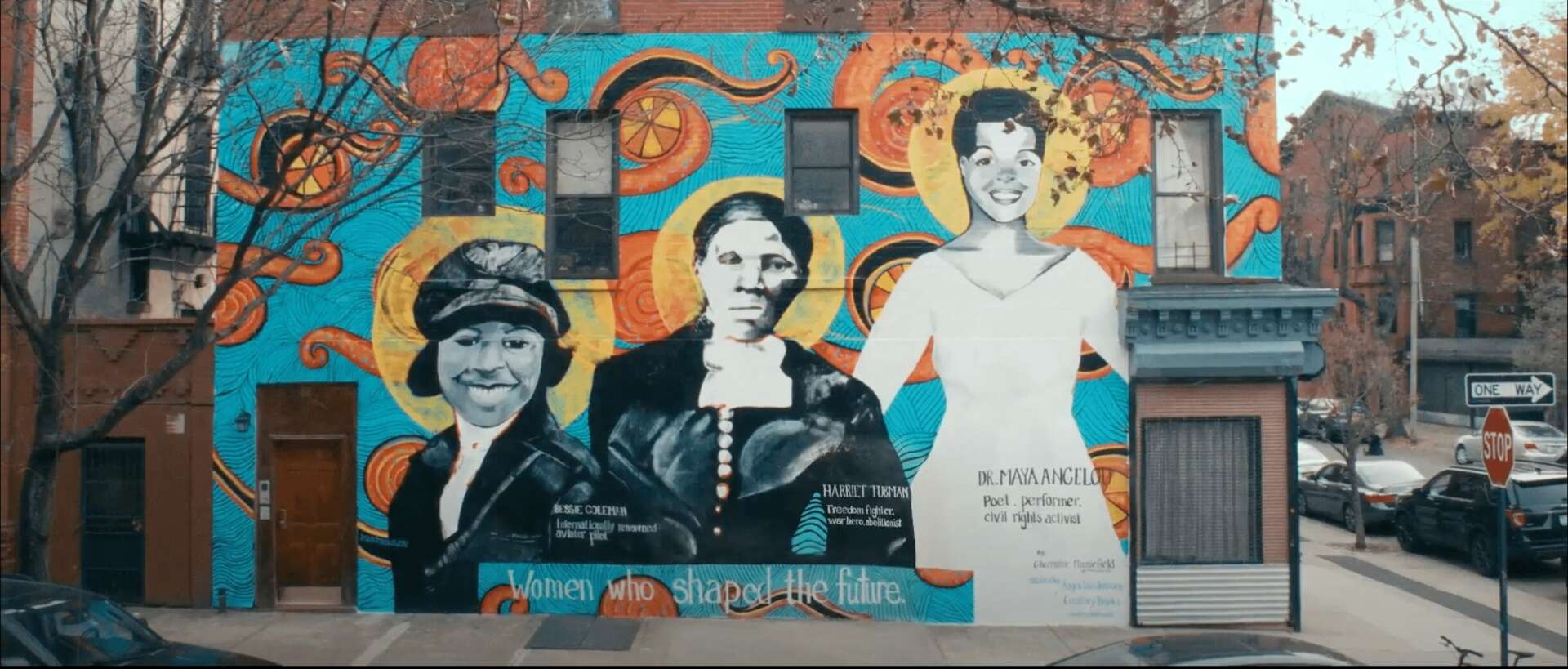
Image Credits
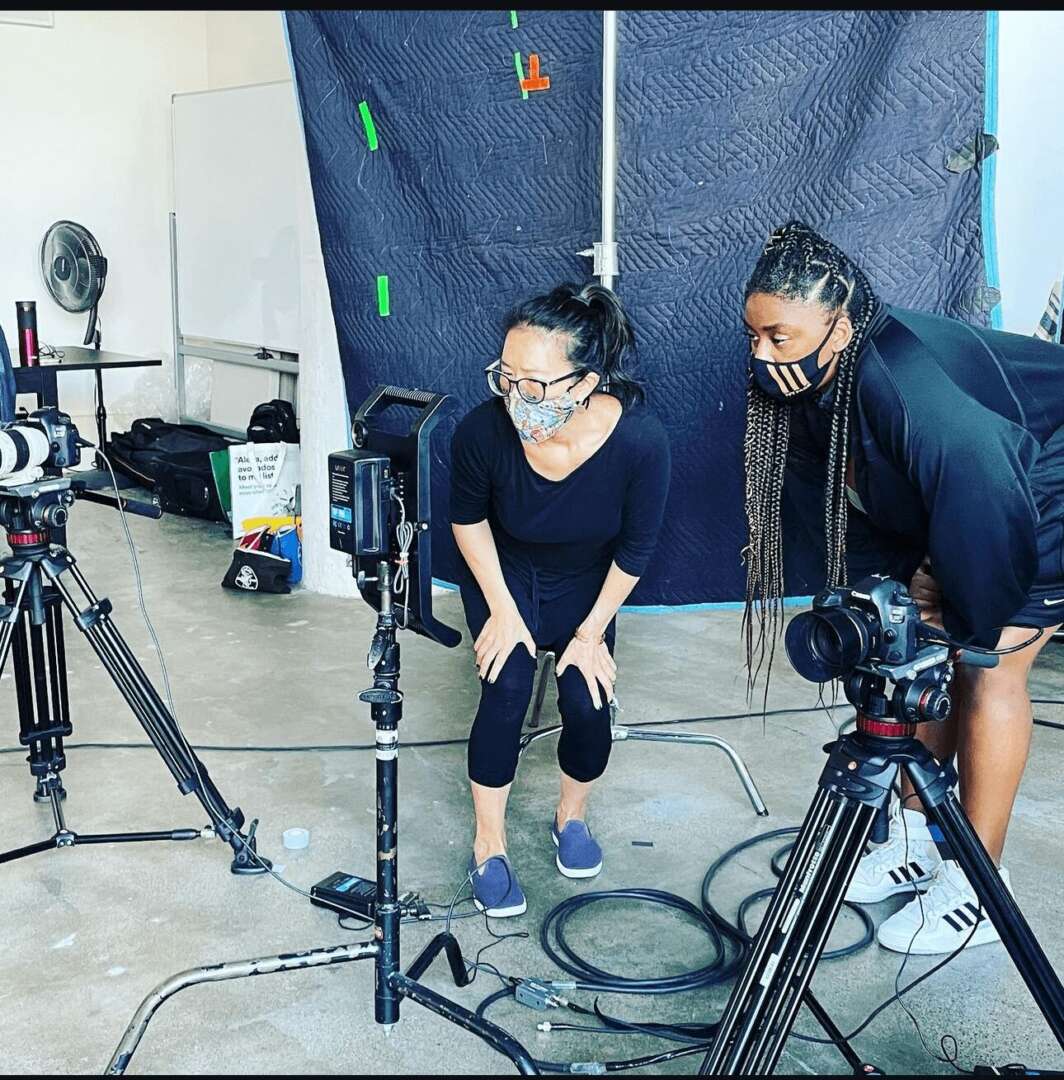
Photo image of me behind the camera shot by Scott Strazzante.
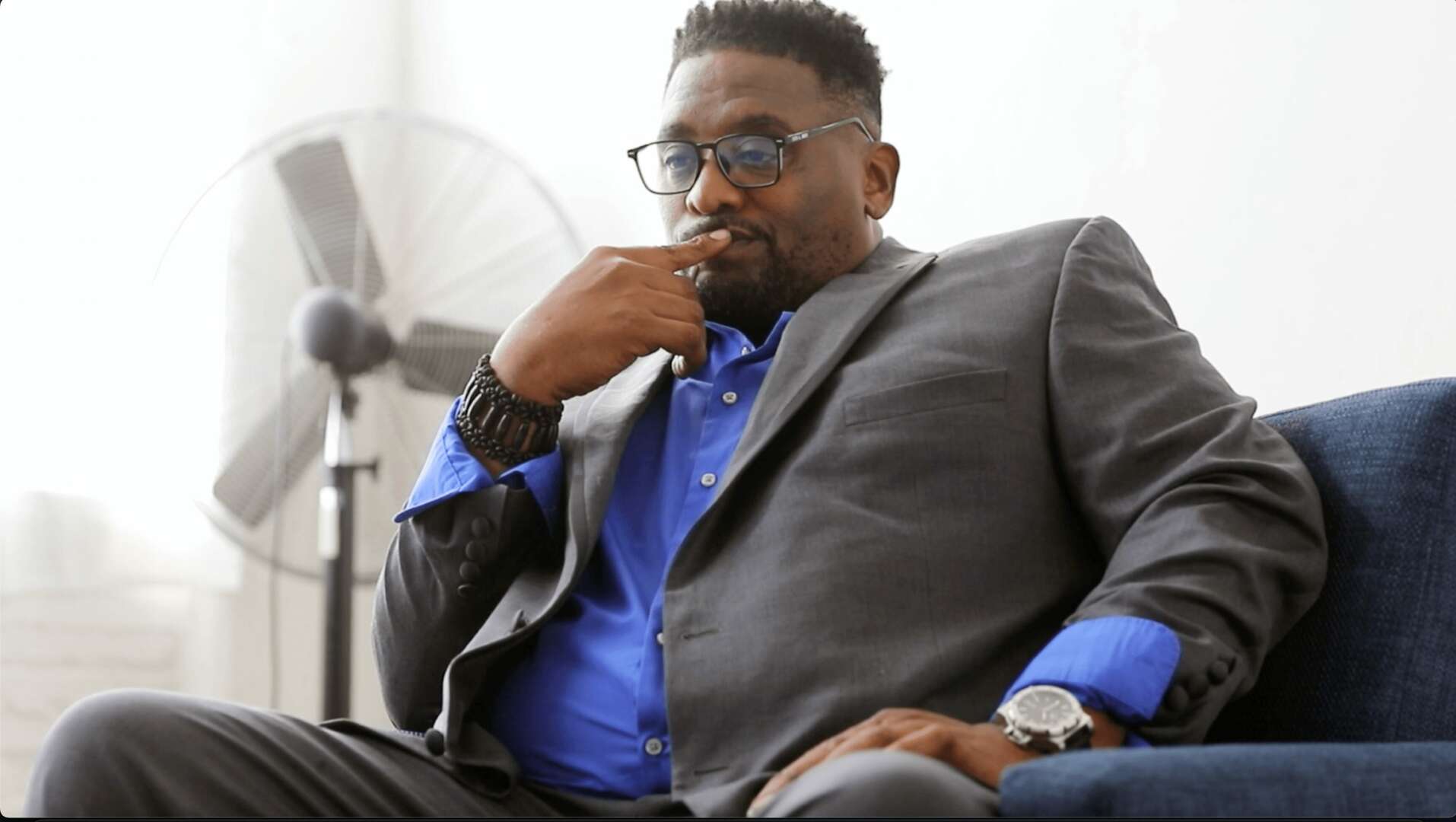
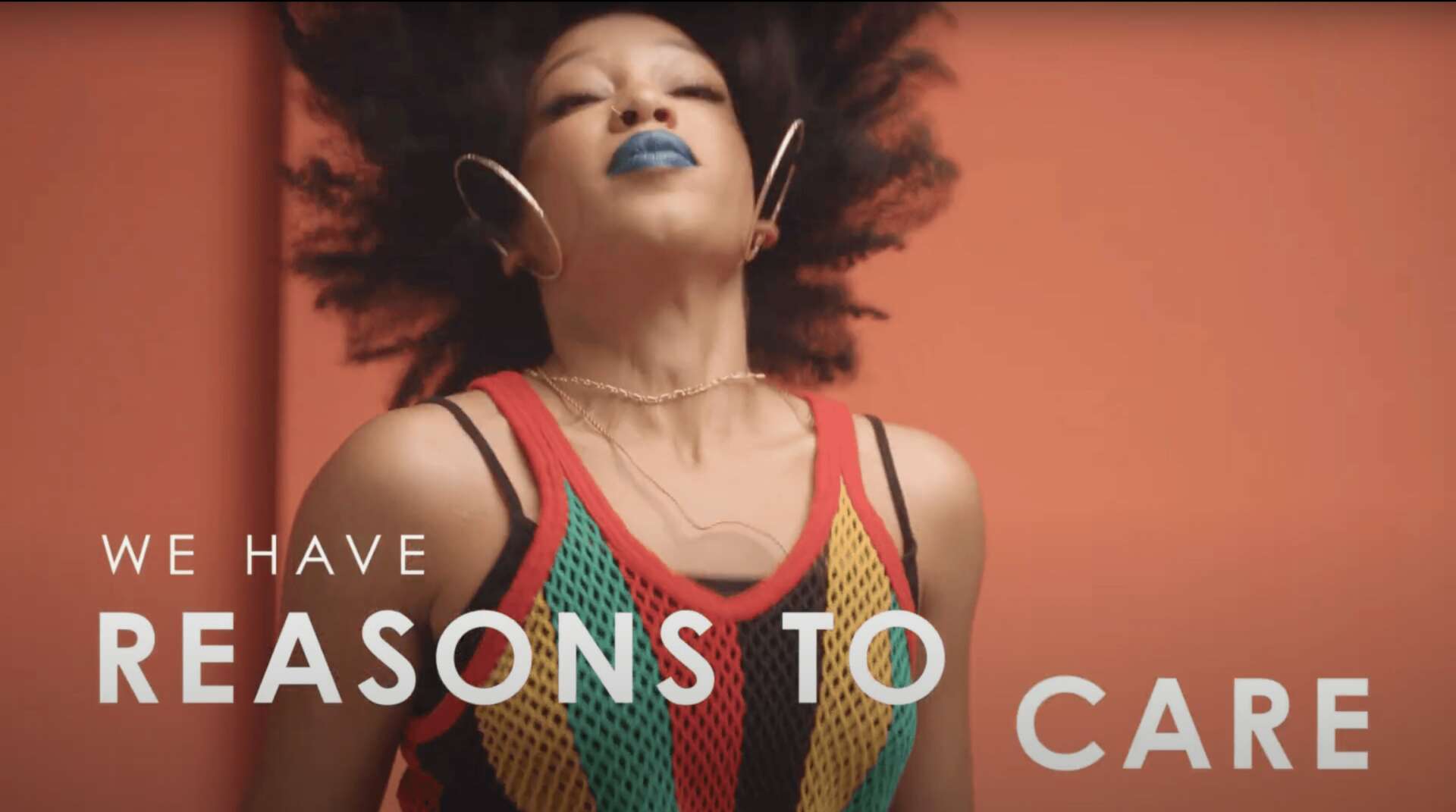
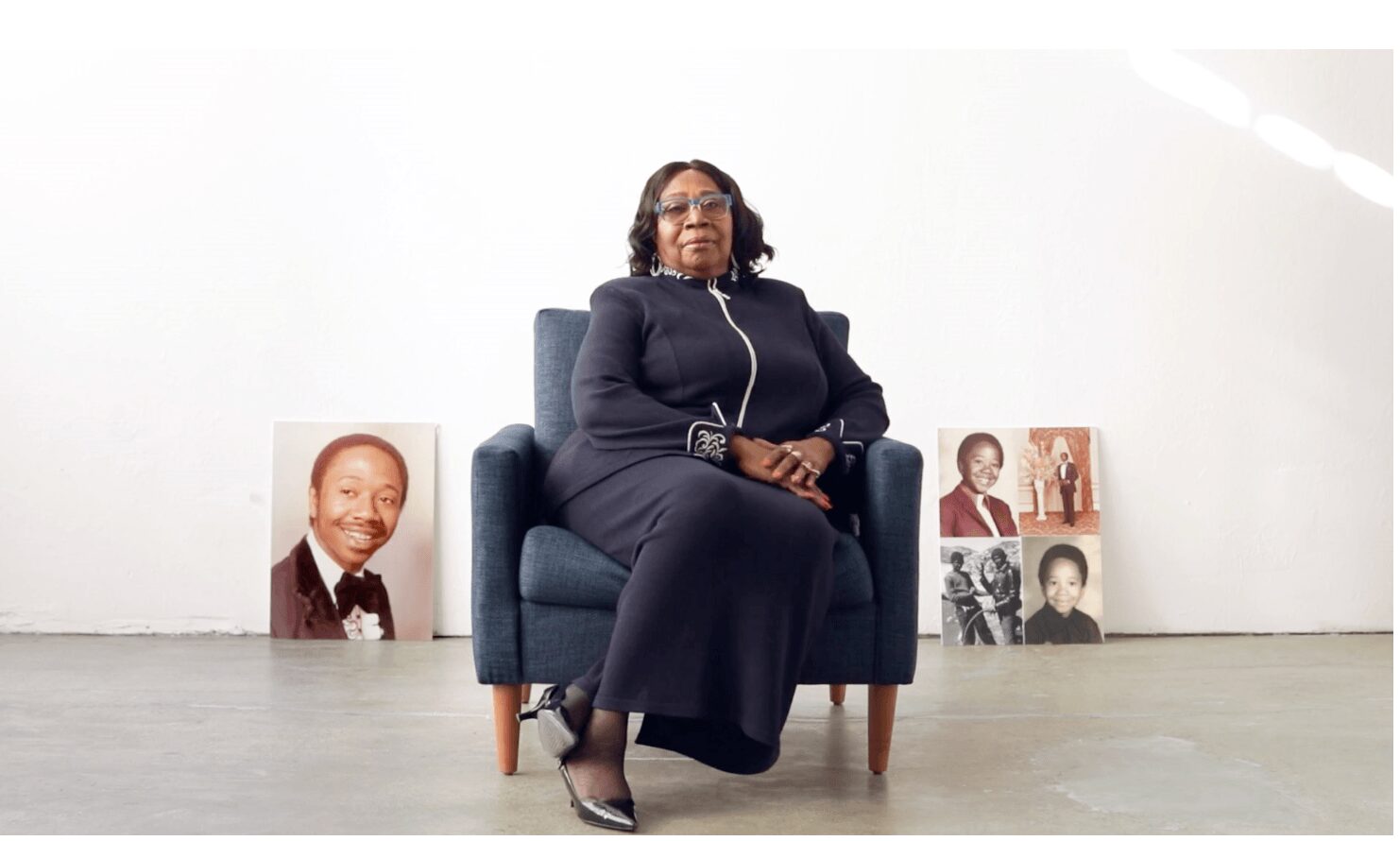
All other images are stills from my work throughout the years