

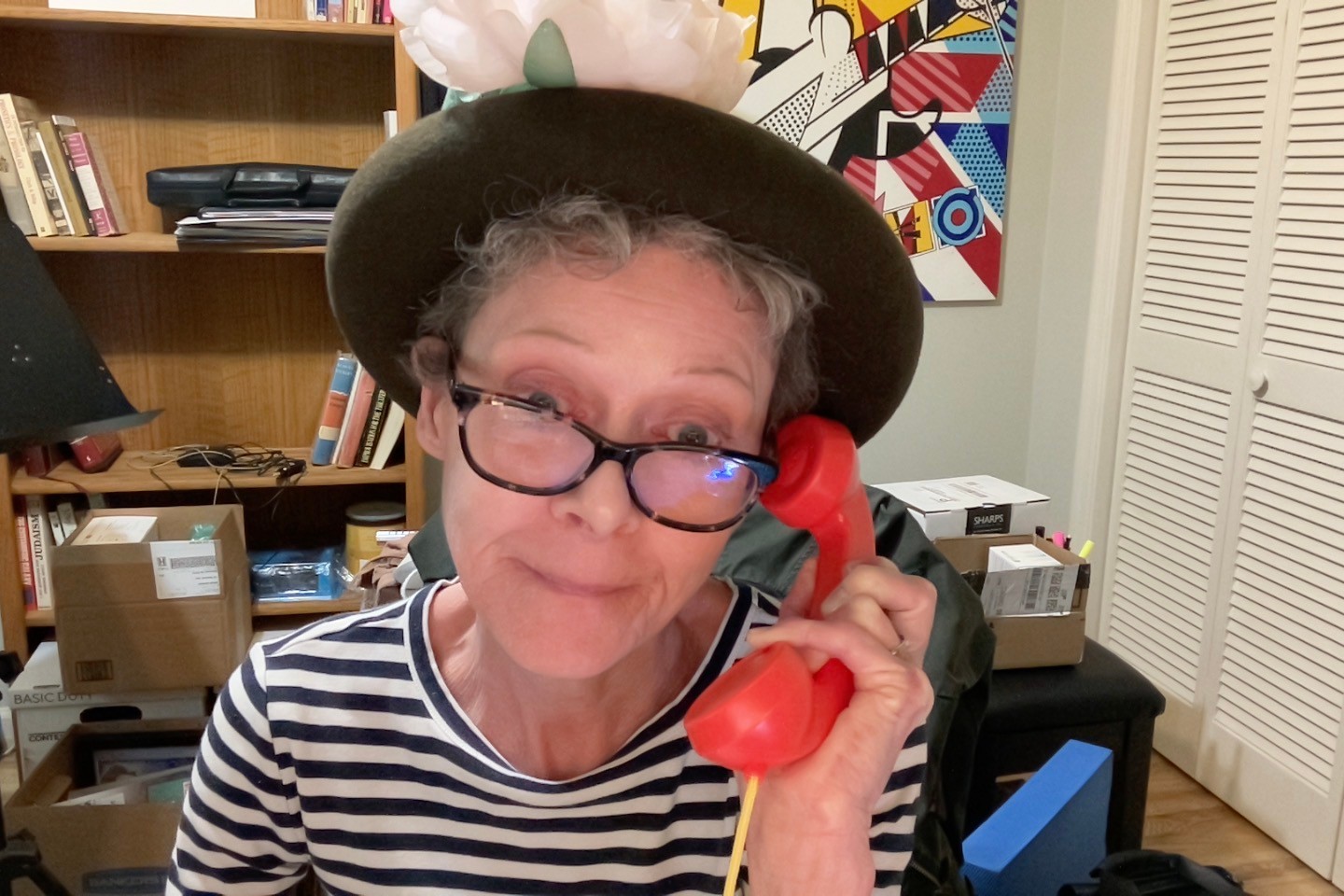

We caught up with the brilliant and insightful Carol Anth0ny a few weeks ago and have shared our conversation below.
Hi Carol, thanks for joining us today. We’d love to hear about a project that you’ve worked on that’s meant a lot to you.
Having followed the path of a creative person in many traditionally non-creative professions, I have found that “meaningful work” is something that does not come to you. The work is meaningful because of what you make from it. This point of view is a variation on “the job (or life) is what you make it. That said, if my work actually solves a problem that is important to me, it is meaningful, whether my role is curating an award-winning music event or cleaning tables after a fundraising dinner. If the project/task I complete makes life easier, healthier, productive, less stressful, more successful, happier and in effect, ‘meaningful’ for others, then that project is meaningful. It has value. It matters. To cite the “most meaningful” among projects is almost an impossibility because they are all meaningful in different ways, and who knows what the impact would have been if I had not completed any one of them. To answer the question, I will say that one radio show production I wrote, cast and directed for a local public radio station was the most memorable for me because the cast members were not only all young people 10 years old and younger, but each one struggled with a disability that made their contribution to the project more challenging. To coach, even inspire that special group of young people to bring an original work to life in such a polished and authentic way was magical for me. I cherish the experience and whenever I encounter a problem that seems beyond solution or a project that feels like “busy” work, i,e. meaningless and leading to a dead end, I recall my radio project. The memory of that helps me think of the task in a different way–more empowering, more meaningful, and something that will make me a better problem solver and person because I did it.
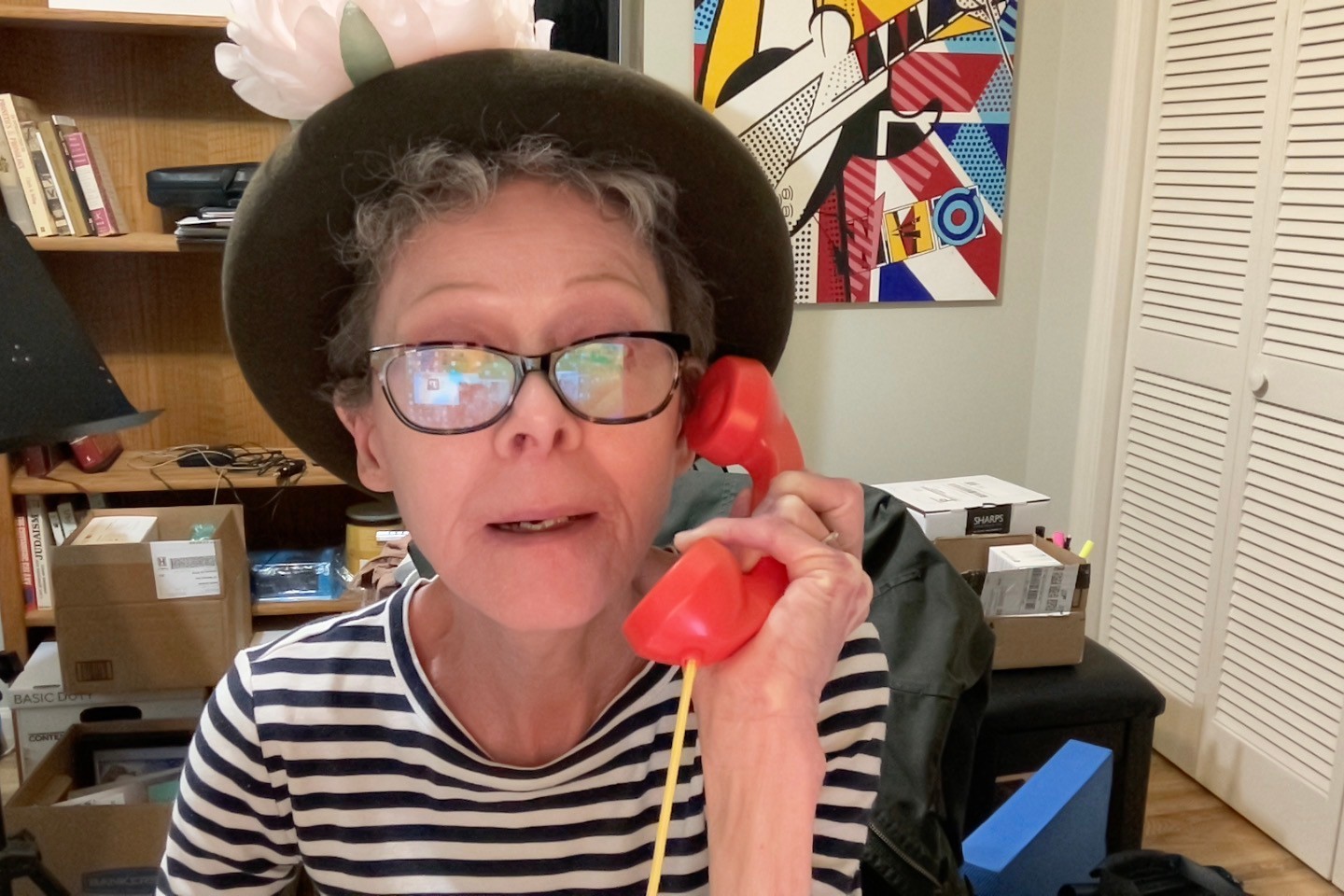
Carol, before we move on to more of these sorts of questions, can you take some time to bring our readers up to speed on you and what you do?
The work that is most important to me is the writing I have done that gives light to what other creatives have accomplished, the problems they have solved, the challenges they have overcome, and the good they have done for the world. There is nothing more sustaining for me than to discover talented individuals who are doing something of great value that no one else is talking or writing about, or even knows about. And when I say “creative”, I don’t just mean people in the arts and entertainment professions. The creative endeavor can be from any discipline and any walk of life from accountant to archaeologist, from musician to mechanic. The process of finding these innovators, movers and shakers and seekers who don’t just dream, but turn dreams into constructive change—that process is the essence behind what I do creatively. Even the writing that I do solely from the thoughts in my own head is inspired by what I have learned from those whose creative contributions have gone to a level beyond what I can attain or have yet to reach. That may seem odd as the presumption is often that a “writer” or composer (in music) is the most solitary of any creative. Not true. The most creative people always start from something that is greater than themselves.
How about pivoting – can you share the story of a time you’ve had to pivot?
Pivoting is a necessary skill in any career path. If there’s a fork in the road you probably need to take it, to paraphrase Yogi Berra. But seriously, if something isn’t working or getting you to the place you need or want to be, you need to do something else. You need to adjust, maybe change direction. You need to pivot. I started out as a music teacher in the public school system and found the experience to be uninspiring for the most part–not because I didn’t enjoy exploring, creating and sharing music with my students or the experience of preparing my students for an audition or other challenge in their own creative path. But the environment, including the need to navigate bureaucratic hurdles any time I wanted to do something that had not been done before became a burden and undermined my ability to be an effective teacher. I needed a change even though I loved teaching. I moved to New York from a small town in Georgia and pursued an acting career. The experience was successful for the time I invested in it, but wasn’t quite the right direction for me either. So, I switched gears again and became certified for a career in IT, which landed me a job in advertising. Huh? Well, to clarify it was a somewhat technical job working in desktop publishing. It elevated the experience of living from paycheck to paycheck in New York to living in a 9-5 cubicle with enough money to buy my first condo in New York City. But I wasn’t doing anything particularly creative or meaningful, and I certainly wasn’t making enough money to run for public office so again I pivoted. This pivoting went on for about 30 years until I found myself on the edge of retirement?? Where had my career, or life gone? It was all bundled up in my 30 years of what -ifs and could-have-beens restless to finally be what I really wanted to be. And by that time, I was ready for it. As they say, it’s never too late.
We’d love to hear a story of resilience from your journey.
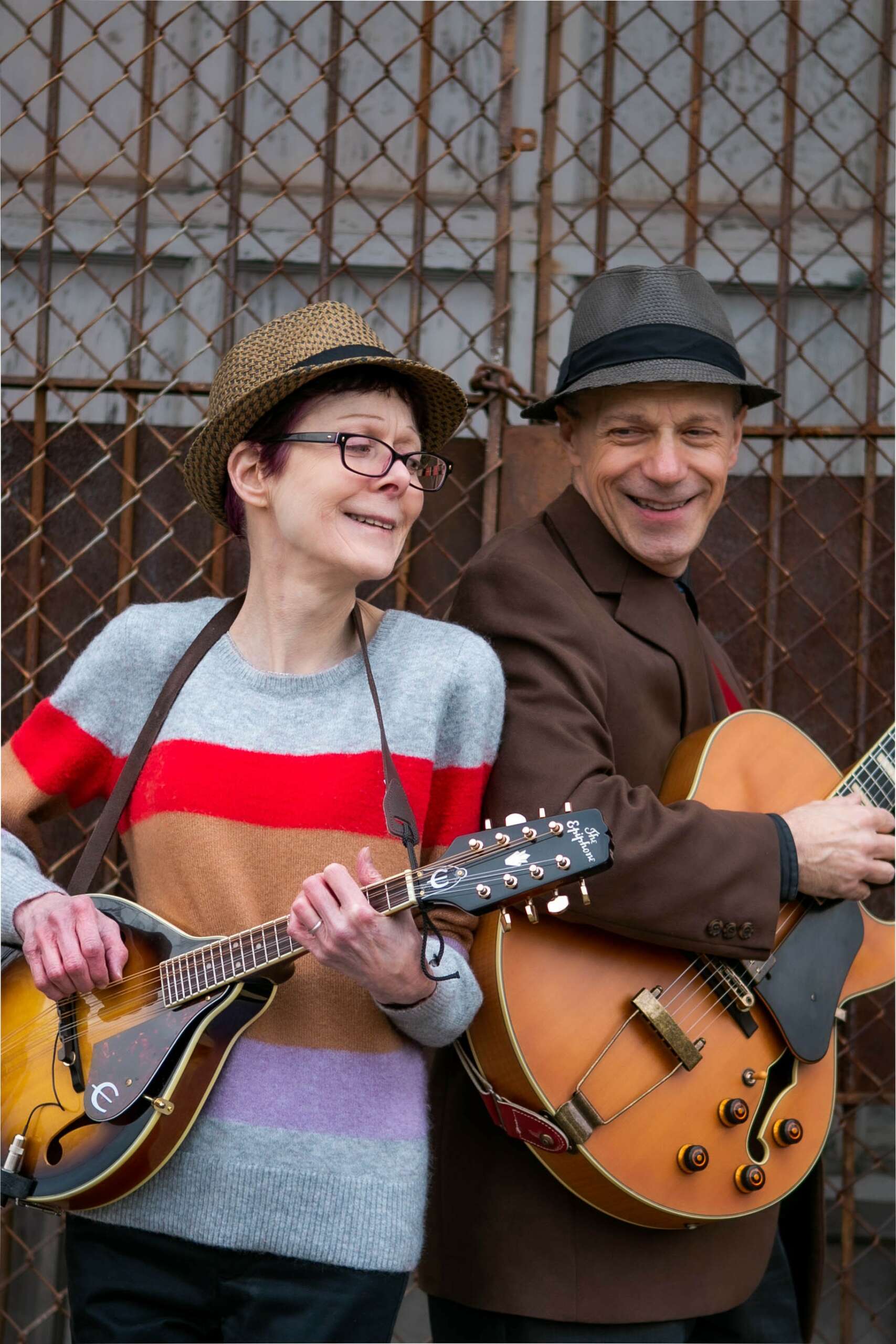
Resilience. Now there’s a quality we all could use more of. Resilience is what enables you to pick yourself up and start over or start again after being demolished by a hurricane or some other disaster. The type of event that qualifies as a disaster is relative to its impact on the person who has to exercise the resilience. For me the disaster was getting through a bout with pneumonia that put me in the hospital for two weeks and ended in a surgery that narrowly saved my life. Yes, I was saved, but I was also left with a significant lung impairment that affected my ability to sing, play, even create music. The physical stamina to do these things simply was not there. I could no longer play a wind instrument, so I learned to play cello and when the cello required too much air to carry, I learned to play the mandolin or just play and record at a keyboard that I didn’t have to carry anywhere. If the wind gets knocked out of you, you find a way to catch your breath and start again–wherever you left off, or you start something new. That’s resilience. It is a quality for which I am forever grateful and which I will always be able to carry forward.
Contact Info:
- Youtube: https://www.youtube.com/@TheUnlistedReceptionist
- Other: https://soundcloud.com/cat-dion-918585170