

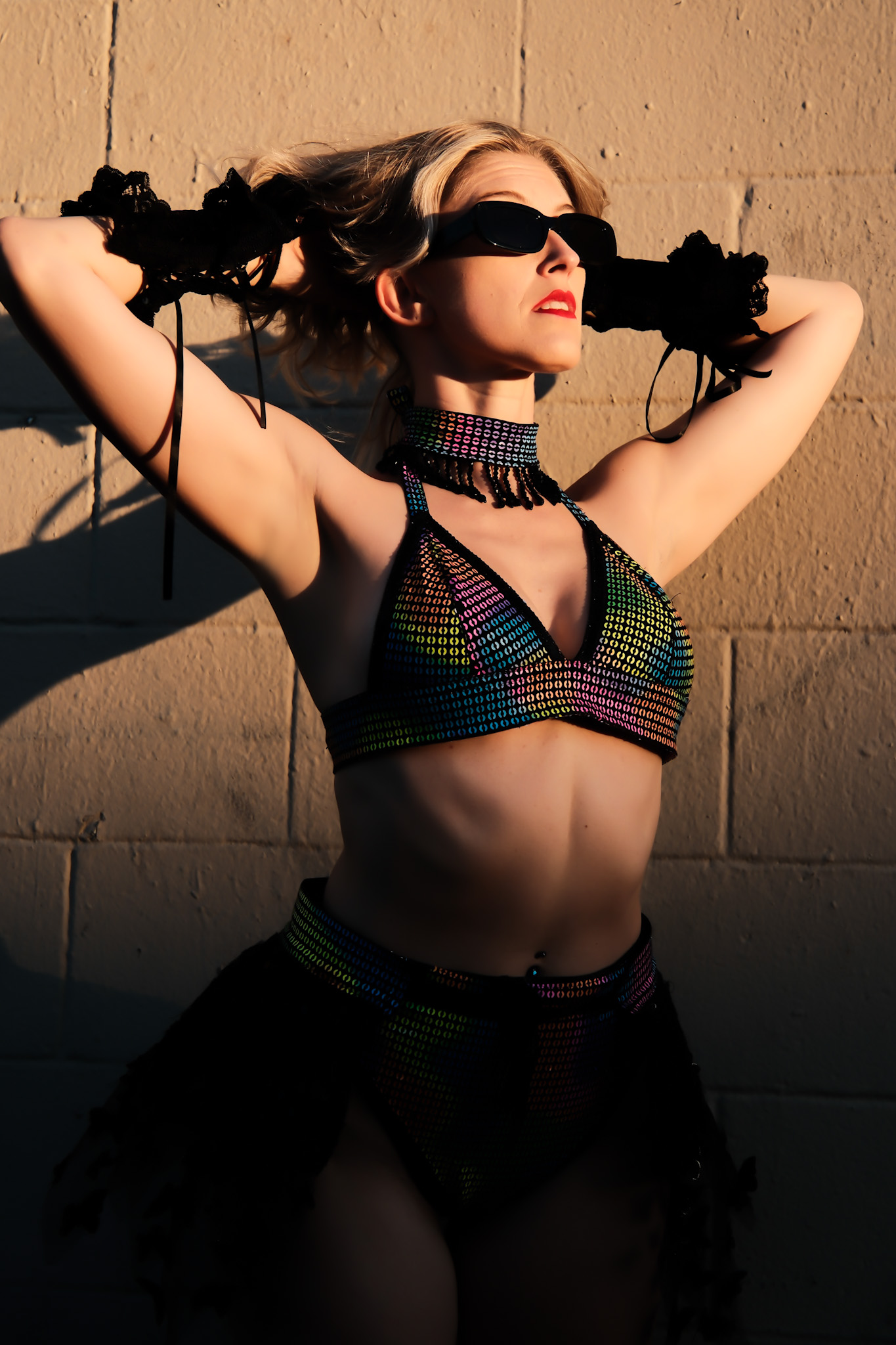

We recently connected with Carly Lind and have shared our conversation below.
Carly, looking forward to hearing all of your stories today. Can you open up about a risk you’ve taken – what it was like taking that risk, why you took the risk and how it turned out?
The first risk I ever watched someone take was my parents buying our home. I was a kid, and I didn’t understand what a mortgage was or what it meant when the market collapsed, I just knew that one day we had a home and then we didn’t. 2008 took a lot from a lot of families, and ours was one of them. My parents split not long after. And somewhere in the wreckage of all of that, I made a quiet decision that I was never going to build my life around something that could be taken from me. I was going to build it around something I carried inside me.
That thing was music. It had always been music.
I moved to Los Angeles alone to chase it. No safety net, no family nearby, no guarantee of anything. It began when I enrolled at Berklee College of Music in Boston and studied songwriting in not because it was practical, but because it was the only thing that felt true. Once I moved I realized LA has a way of testing that kind of conviction. It’s a city that will let you believe in yourself right up until the moment it doesn’t, and you have to decide every single day whether you’re still in.
I stayed in. But life kept asking more of me. I lost both of my parents, not together, but in succession, close enough that grief became less of an event and more of a climate I was living in. What pulled me through wasn’t hustle. It wasn’t grinding harder. It was breathwork. Sound healing. The nervous system stuff that nobody talks about in music business circles but that quietly saved my life. I got certified as a yoga instructor, became a breathwork and sound healing facilitator, and started to understand that everything I’d been through had actually been building something, a very specific intersection of performance, wellness, and creative strategy that not many people were standing at.
For a while I tried to fit that into a conventional career. I worked at an ad agency refining creative strategy and honestly it made me sharper. I learned how to position a story, how to build a brand, how to make something land. I’m glad I did it. But I was doing it for other people’s visions while mine sat waiting.
So I saved. Quietly and deliberately, I saved enough to buy myself a real window. And then I quit.
Not impulsively I want to be clear about that, because I think the “I just leaped” narrative flattens what actually goes into a decision like this. I leaped, yes. But I leaped after years of building the parachute. I launched my own sound bath and breathwork company. I went full force on my EDM artist project, the thing I moved to LA for in the first place, the thing that survived everything. I still take on the occasional consulting client because the strategy work genuinely lights me up, but for the first time my career is shaped around what I’m actually here to do.
How did it turn out? Well, I booked a tour 6 months later, had my first breathwork client a few months later. I’m building a wellness practice that sits at the intersection of neuroscience and sound. I’m creating content that reaches people I’ve never met and somehow makes them feel less alone.
The risk didn’t pay off in a straight line. It paid off the way real things do, slowly, then all at once, and in ways I couldn’t have predicted when I was sitting in that agency office wondering if I was brave enough to leave.
Turns out I was.
Great, appreciate you sharing that with us. Before we ask you to share more of your insights, can you take a moment to introduce yourself and how you got to where you are today to our readers.
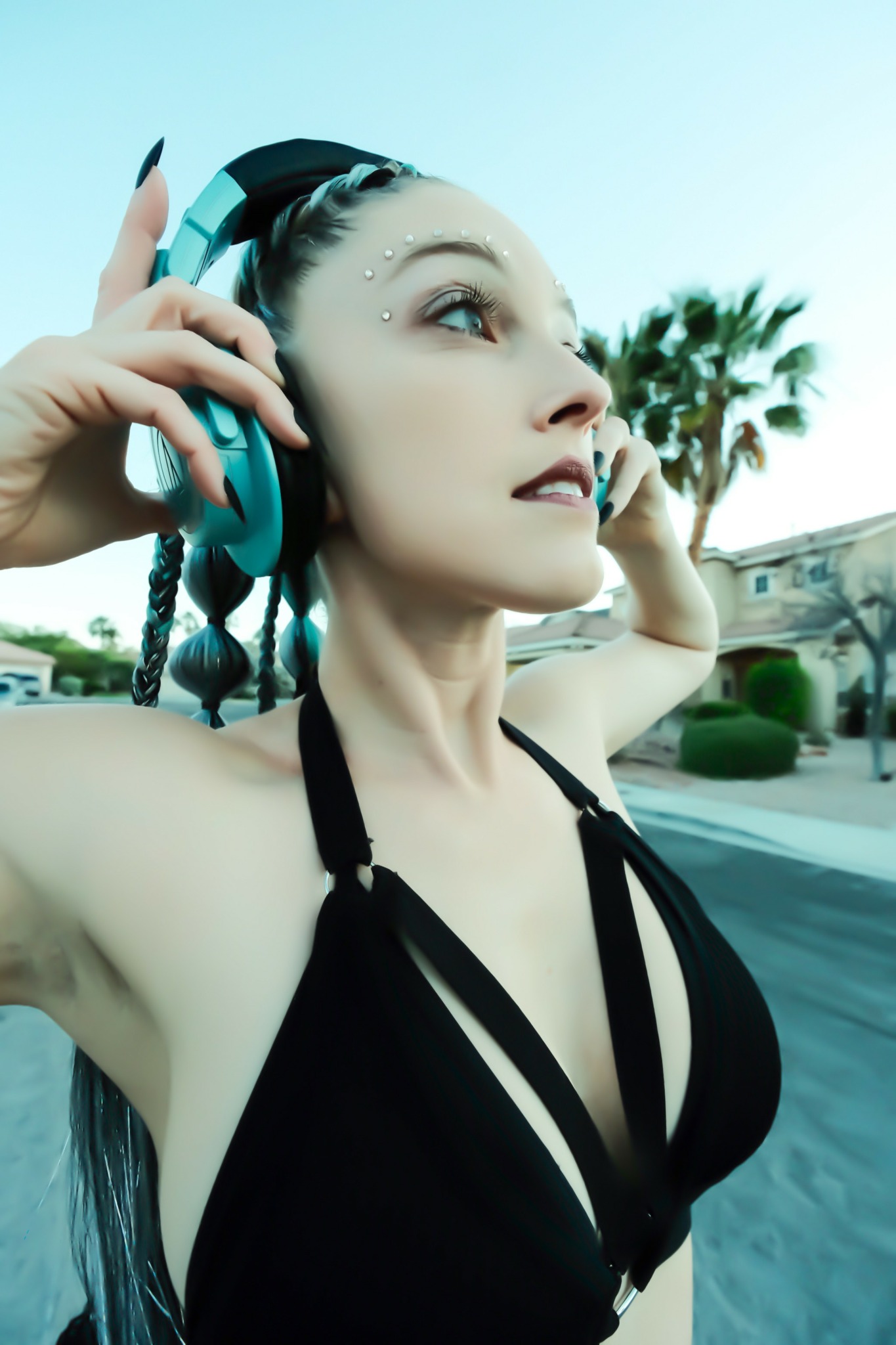
I’m Carly! a Los Angeles-based EDM artist, content creator, certified yoga instructor, breathwork facilitator, and sound healing guide. I know that’s a lot of titles, and I used to feel like I needed to pick one. I don’t anymore. The through line connecting all of it is the same thing it’s always been: I believe in the transformative power of sound, movement, and authentic storytelling. Everything I do lives at that intersection.
I grew up in a household where music was the constant. When things fell apart, and they did fall apart, early and hard music was what remained. I moved to Los Angeles alone to pursue singing and songwriting which was equal parts terrifying and the best decision I’ve ever made. Berklee College of Music taught me how to craft a story inside a song. LA taught me how to survive telling it.
My path into wellness wasn’t planned, it was earned. After losing both of my parents, I needed tools that went deeper than a good playlist or a motivational quote. I found breathwork. I found sound healing. I got certified, I studied the neuroscience behind it, and I started facilitating for others because I knew I wasn’t the only person who needed this. That’s how my wellness practice was born, not from a business plan, but from necessity.
On the creative side, I perform as an EDM artist I have a song called “Bring Me Up,” that just came out, I’m on tour with The Latin Legacy that includes Baby Bash, Lil Rob and Mc Magic and I’m taking breathwork clients. Music has always been the spine of everything I do, and lately I’ve been channeling that into a content series called “Music Has Always Been Political” a deep dive into the history of politically charged songs and the artists who used their platform to say something that needed to be said. It’s the kind of content I wish existed when I was younger, and the response has reminded me why I make things in the first place.
I also work as a UGC creator and social media consultant. My background in creative strategy at an ad agency gave me a strong foundation in brand positioning and content architecture, and I bring that into partnerships with brands I genuinely believe in. I’ve worked with companies in wellness, beauty, supplements, and entertainment and what sets my work apart is that I don’t separate the strategy from the story. I’m not just making content that looks good. I’m making content that converts because it’s rooted in something real.
What do I actually solve for people? Depending on who’s working with me, it looks different. For brands, I help translate their product into a story that a real human wants to watch and share. For wellness clients, I help regulate the nervous system and build capacity not more hustle, more resilience. For people who find me through my music or my content series, I hope I’m offering permission. Permission to be complicated, to take up space, to make things that make people uncomfortable in the best way.
What sets me apart is probably this: I’ve lived enough of my own story to stop performing a version of it. The things I talk about, grief, rebuilding, the relationship between art and truth, aren’t content strategies for me. They’re my actual life. And I think people can feel that difference.
What am I most proud of? Honestly, still being here and still making things. That sounds simple but it isn’t. I’m proud of performing on stages I dreamed about as a kid. I’m proud of holding space for people in sound baths who walked in carrying something heavy and walked out a little lighter. I’m proud of a content series that’s making people actually listen to lyrics they’ve been hearing for fifty years without hearing.
What do I want people to know? That freedom is a practice, not a destination. That your nervous system is worth investing in. That art was never meant to make you comfortable, it was meant to make you feel something. And that wherever you are in your story, it’s not over.
How can we best help foster a strong, supportive environment for artists and creatives?
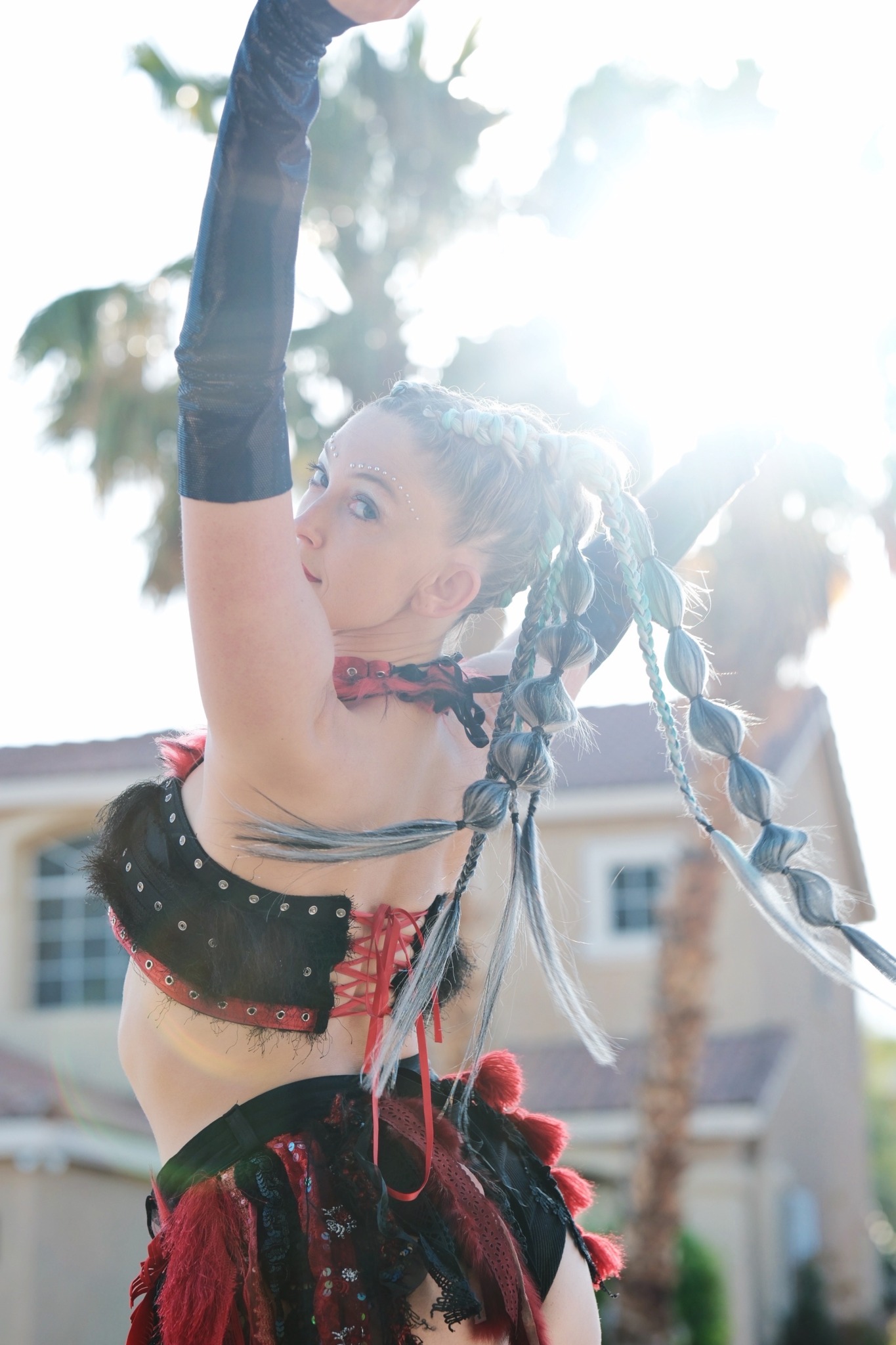
The first thing society needs to do is stop treating art like a luxury and start recognizing it for what it actually is: infrastructure. Art is how cultures process trauma, challenge power, and imagine something different. It has always been. War Pigs came out in 1970 and it’s still describing 2026. Art is a mirror. We don’t fund mirrors well in this country.
The second thing is to pay artists. Fairly, and without making them feel grateful for scraps. We live in an era where a song can be streamed a million times and the person who made it can’t pay rent. We’ve built an entire economy around creative content while systematically devaluing the people creating it. Imagine how boring life would be without artists? Why do we take artists for granted?
Third, and this is the one I feel most personally, society needs to stop asking artists to be palatable. The pressure to depoliticize, to soften, to “just entertain” is everywhere, and it’s getting louder. But the most important art in human history made people deeply uncomfortable. Picasso’s Guernica didn’t ask for your permission to show you what war looked like. Billie Holiday didn’t make “Strange Fruit” easier to listen to so more people would play it on the radio. Ozzy Osbourne called generals witches and politicians cowards in 1970 and people called it satanic instead of hearing what he was actually saying. Discomfort is not a design flaw in art. It’s a feature.
On a more structural level: fund arts education. Not as an afterthought, not as the first budget line that gets cut when things get hard. Children who are taught to make things, to express something, to sit with creative uncertainty and push through it, grow into adults with more emotional range, more empathy, more capacity to imagine solutions to problems that don’t exist yet. We’re not funding art in schools because it’s nice to have. We’re funding the next generation’s ability to think differently. Growing up in a traumatizing home, the only thing that helped bring me up in a healthy manner was the ability to process my emotions through art. Art saved my life.
And finally, consume intentionally. Stream the album, buy the ticket, share the video, leave the comment that tells someone their work landed. The algorithm is not neutral and neither is attention. Where you put yours is a vote for what kind of creative ecosystem survives. Artists don’t just need money, they need to know the work is reaching someone. That feedback loop is what keeps people making things through the hard years, the years where nothing seems to be working, the years where quitting would be so much easier.
I’ve had those years. What kept me going was knowing that somewhere, something I made mattered to someone. Society can give that to artists simply by paying attention.
Can you share a story from your journey that illustrates your resilience?
Resilience, for me it was never a trait. It was a practice I learned out of necessity, over and over, in situations that didn’t give me the option of falling apart for long.
The version of the story I come back to most starts in 2008. I was a kid when my family lost our home in the financial crisis. I watched my parents try to hold things together and I watched the seams give anyway, the house went, and eventually so did the marriage. There’s a particular kind of instability that gets into your nervous system when the ground moves under you that young. You either spend your life avoiding anything that might shake again, or you learn to stand differently. I chose the second one, though it took me years to understand that’s what I was doing.
I moved to Boston alone to study music at Berklee. No family nearby, no safety net, just a conviction that this was the thing I was supposed to do and a willingness to find out what happened if I actually did it. Afterwards, I took off to Los Angeles. LA is a city that requires constant resilience in small doses, it asks you to keep believing in something while very little visible evidence supports the belief. I got good at that.
Then I lost my mom. And then my dad. Not together, but close enough that grief became less of a season and more of a new permanent weather system I was learning to live inside. I want to be honest about what that period was like because I think softening it does a disservice to anyone who’s been through something similar: it was the hardest thing I’ve ever done. There were days where the life I was building felt completely abstract, like something that belonged to a version of me that no longer existed.
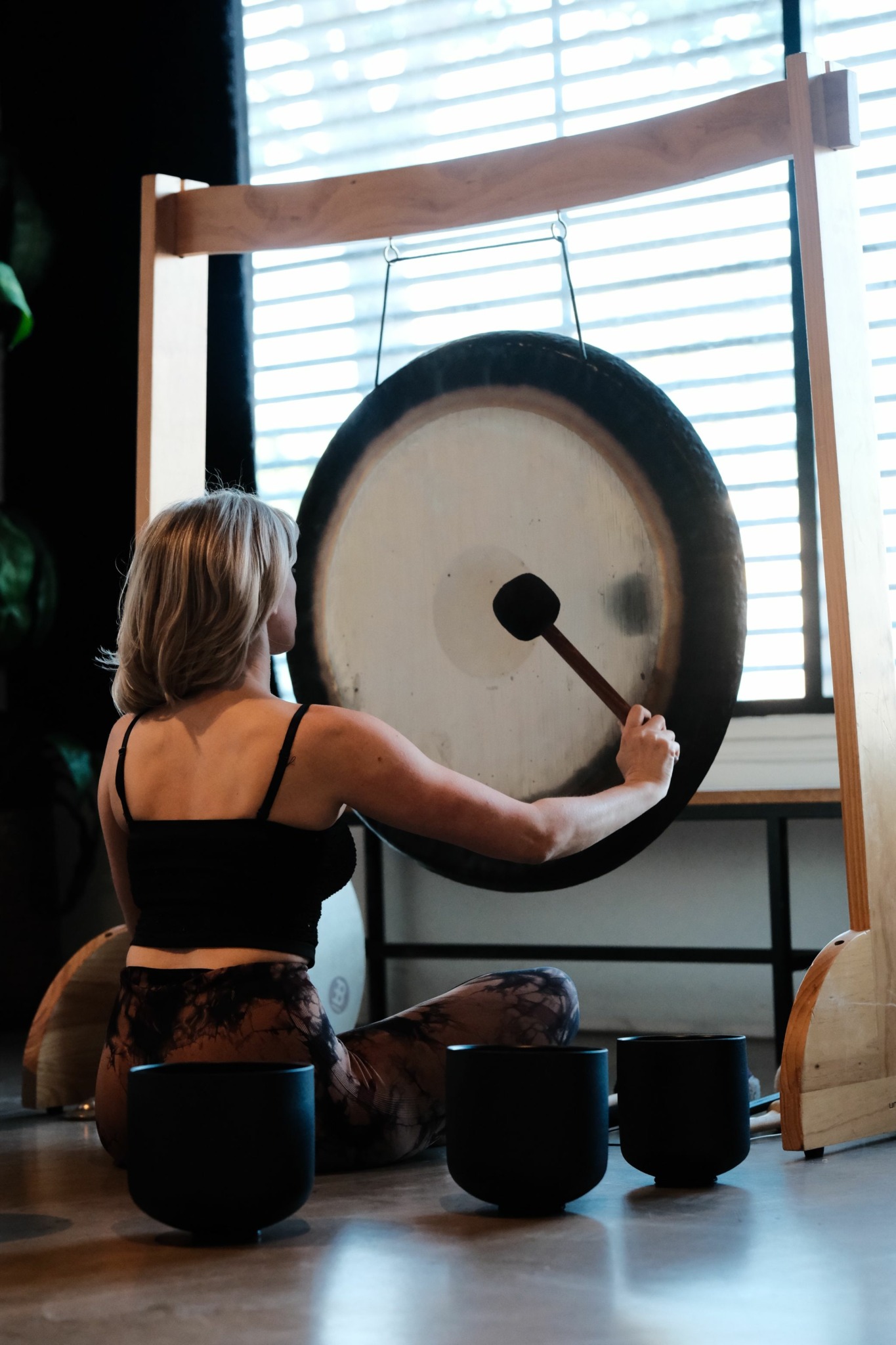
What brought me back, genuinely and practically, was breathwork. Was sound. Was getting on a yoga mat and discovering that my body knew how to regulate itself when my mind had completely lost the plot. I didn’t come to wellness as a career move. I came to it because it worked when nothing else did. And eventually I got certified, started facilitating for others, and built a practice around the thing that had rebuilt me.
The part of that story I’m still living is the best part: Breathwork changed my life, so much so I took it back. I started writing again, singing, dancing and I even booked my first tour as a back up singer to Baby Bash, MC Magic and Lil Rob. I’m performing at the FIFA World Cup 2026 Fan Festival next week and I’m still like pinch me!
I’m doing the exact work I moved to LA alone at 21, to do.
Resilience, for me, turned out to be less about bouncing back and more about refusing to decide the story was over before it actually was. Every time something ended, the house, the marriage, my parents, a version of my career, there was a moment where I could have let that be the last chapter. I never did. Not because I’m exceptional, but because I genuinely believe the thing I’m building matters. And that belief, even on its smallest days, has always been enough to keep going.
Contact Info:
- Instagram: https://www.instagram.com/queencarlyy/
- Facebook: https://www.facebook.com/QueenCarlyyy/
- Youtube: https://www.youtube.com/@queencarlyy/shorts
- Soundcloud: https://soundcloud.com/carlylindmusic
- Other: https://www.tiktok.com/@queencarlyyyyy
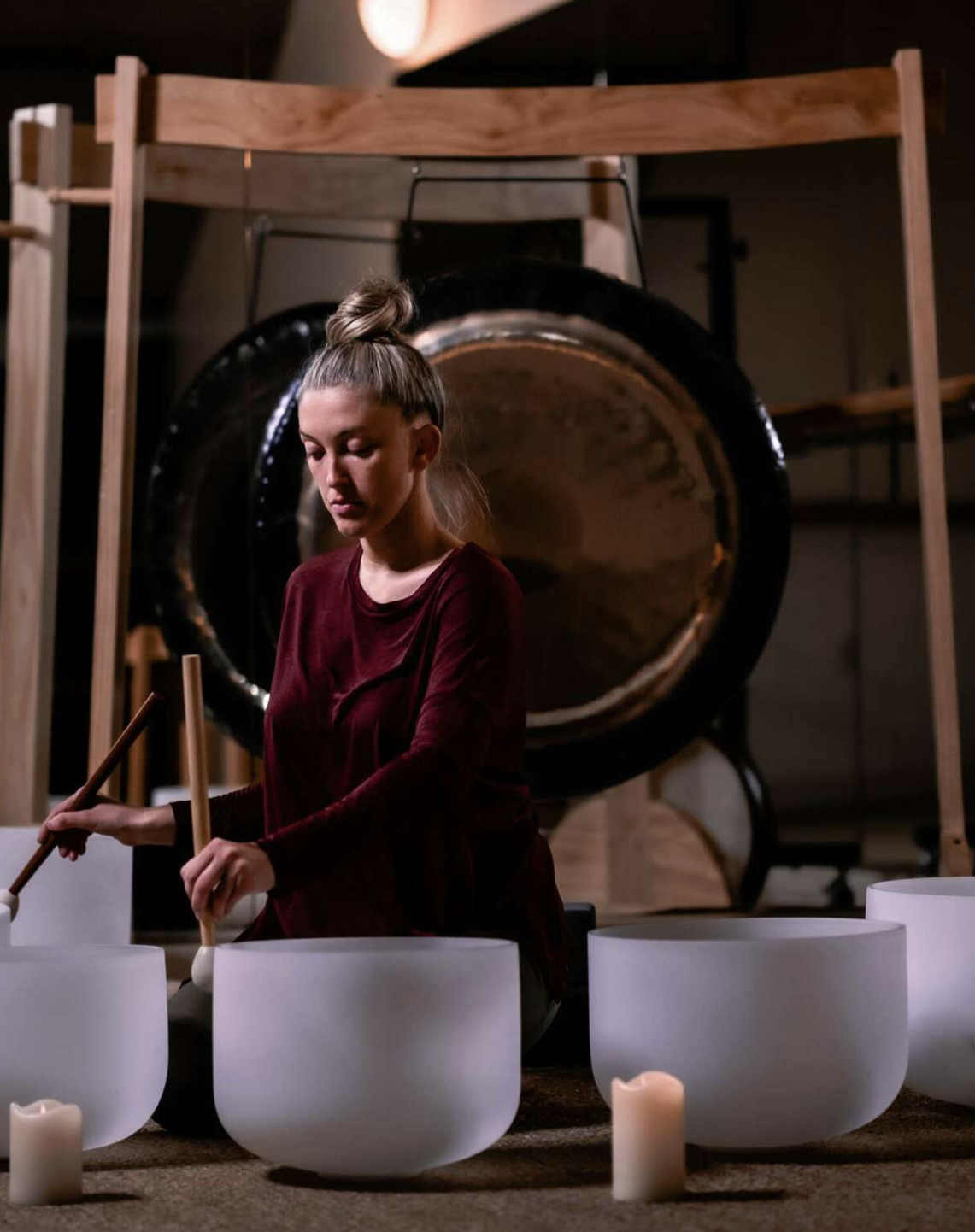
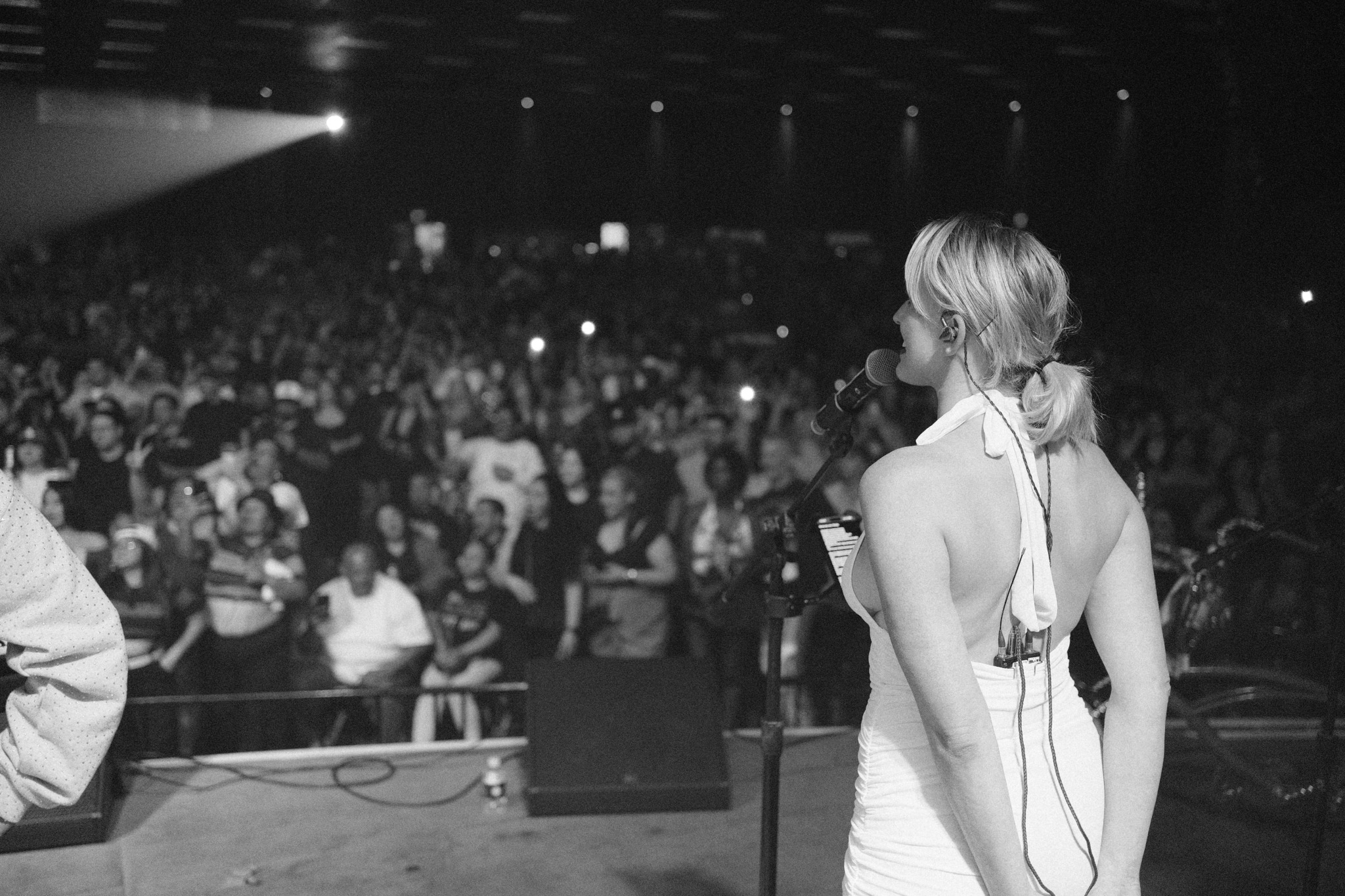
Image Credits
Phillip Meneses for all