
We were lucky to catch up with Carlos Semple recently and have shared our conversation below.
Hi Carlos, thanks for joining us today. Can you talk to us about how you learned to do what you do?
I learned how to animate by going to community college, where I took a two-year generalized animation course. It covered everything from storyboarding to 2D and 3D animation, and it really helped me understand the production pipeline and the programs used in each area. If I could go back and do something differently to speed up my learning, I’d definitely spend more time drawing from life, understanding light, and studying form. That kind of foundational practice would have made a huge difference early on.
As for the most essential skills, aside from the 12 principles of animation, I’d say critical thinking, online marketing, communication, public speaking, resilience, and curiosity have all been incredibly important. These are valuable not just for being an artist but for anyone trying to build a business around their work.
In terms of obstacles, honestly, the biggest ones were myself and my environment. I dealt with a lot of self-doubt and lack of drive, and sometimes the spaces I was in didn’t really support the kind of growth I needed. There wasn’t a sense of community, and I felt like I plateaued early. Changing my mindset and putting myself in better environments really helped me push forward.
Carlos, love having you share your insights with us. Before we ask you more questions, maybe you can take a moment to introduce yourself to our readers who might have missed our earlier conversations?
I’m Carlos Semple Jr., an Afro-Latino 2D animator and storyboard artist originally from South Jamaica, Queens, New York, now based in Georgia. My journey into animation wasn’t exactly traditional. I always loved doodling as a kid, but I never really saw it as a career option until college. My mom suggested I check out the local community college’s animation program in North Carolina, and after taking a campus tour and seeing the student work, I was hooked. I ended up enrolling in a two-year program that introduced me to everything from 3D modeling to pitching original ideas. That experience helped me figure out that 2D animation and storyboarding were what I was most passionate about.
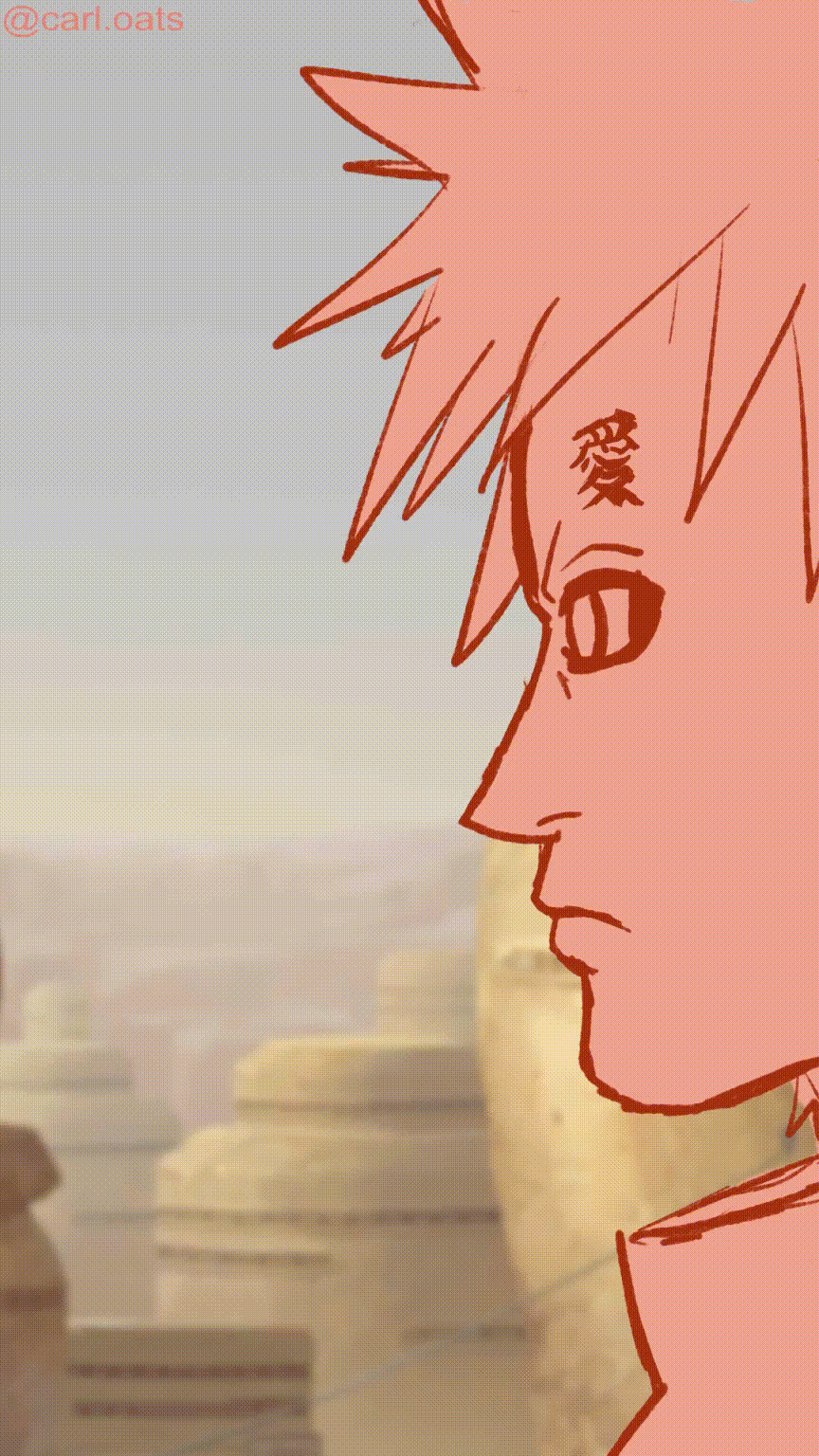
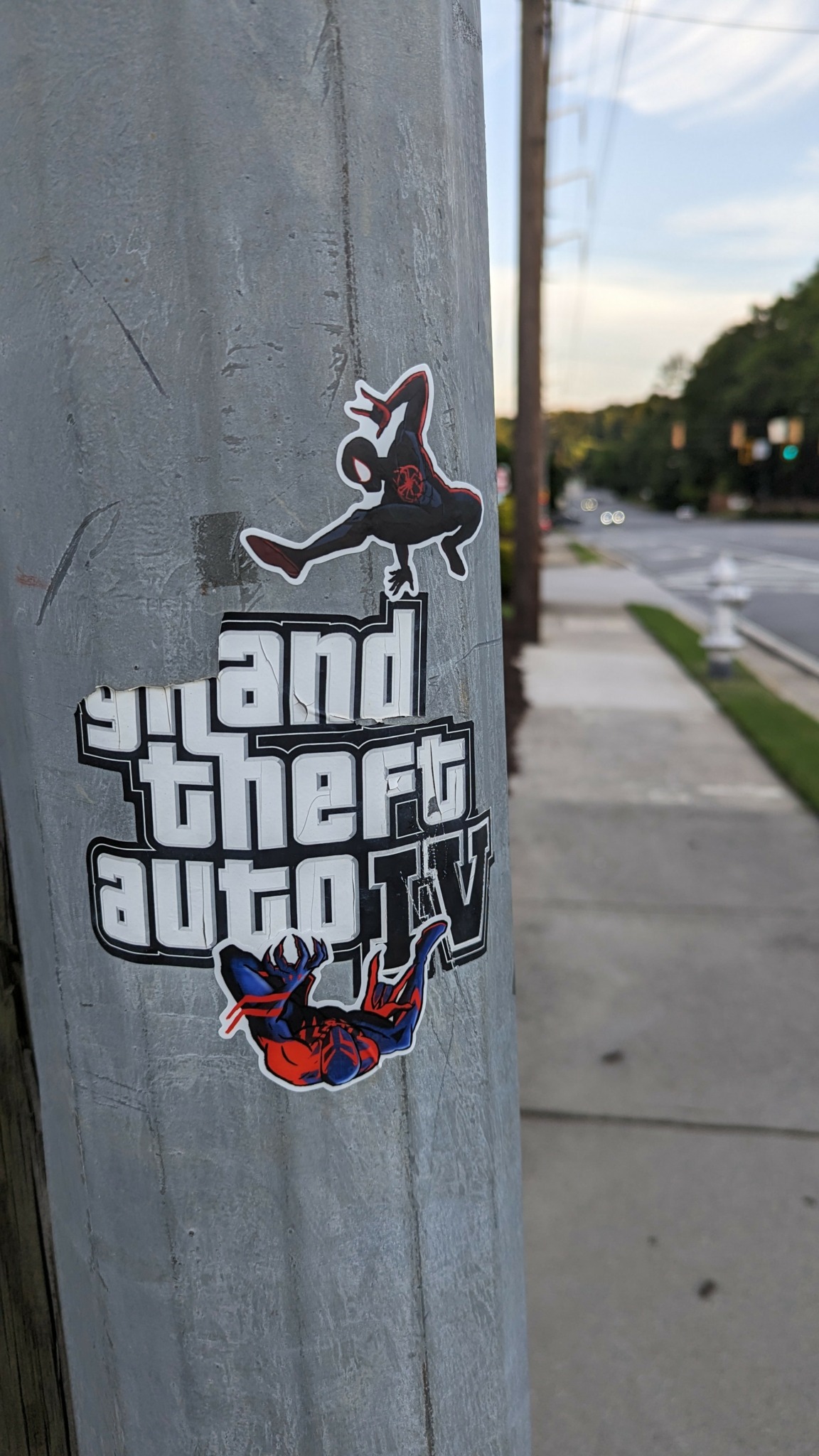
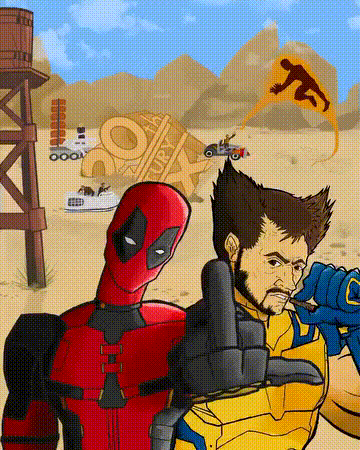
Since then, I’ve worked on a wide range of projects including music videos, indie films, commercials, and YouTube content. I specialize in character-driven animation and storyboards that focus on humor, action, and personality. My style is bold, expressive, and often inspired by pop culture, fighting games, and stand-up comedy. I like creating work that makes people laugh, feel something, or even just pause and think for a moment. My goal is to make people feel something and walk away smiling (or at least cackling in confusion). What sets me apart is my sense of humor and the way I bring it into my work. Animation is an amazing medium for expressing humor and ideas visually, and I enjoy finding new ways to make those ideas come alive.
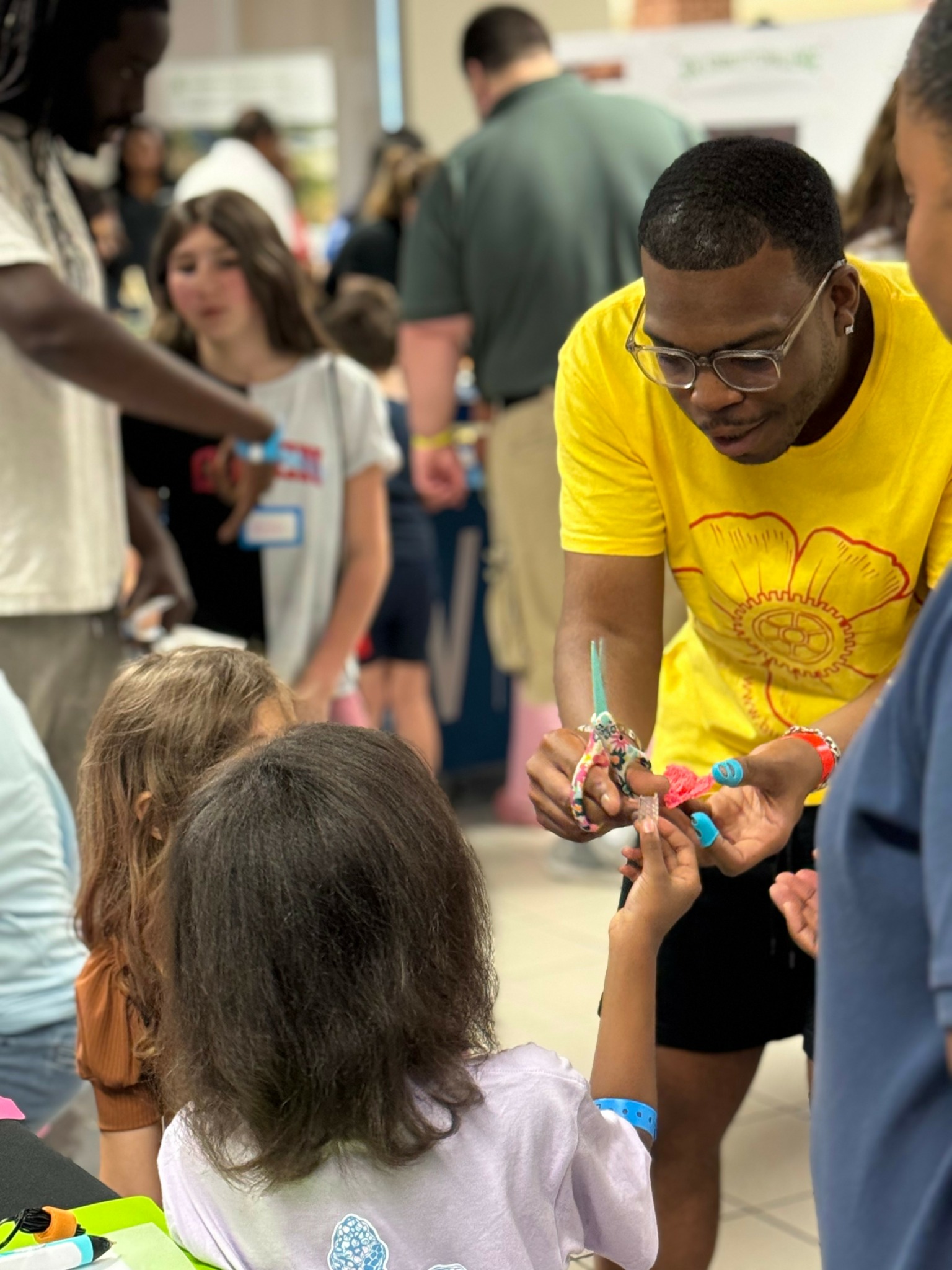
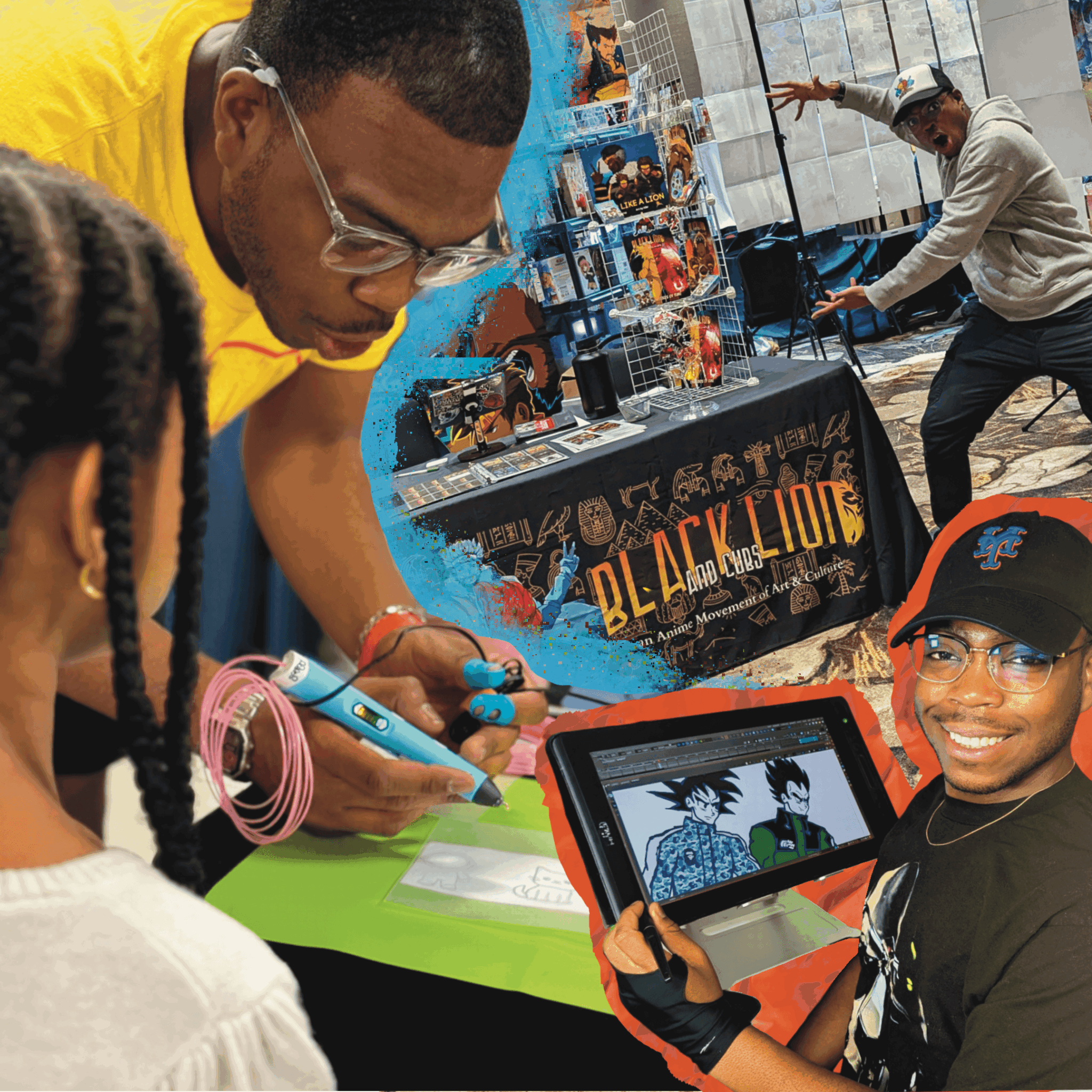
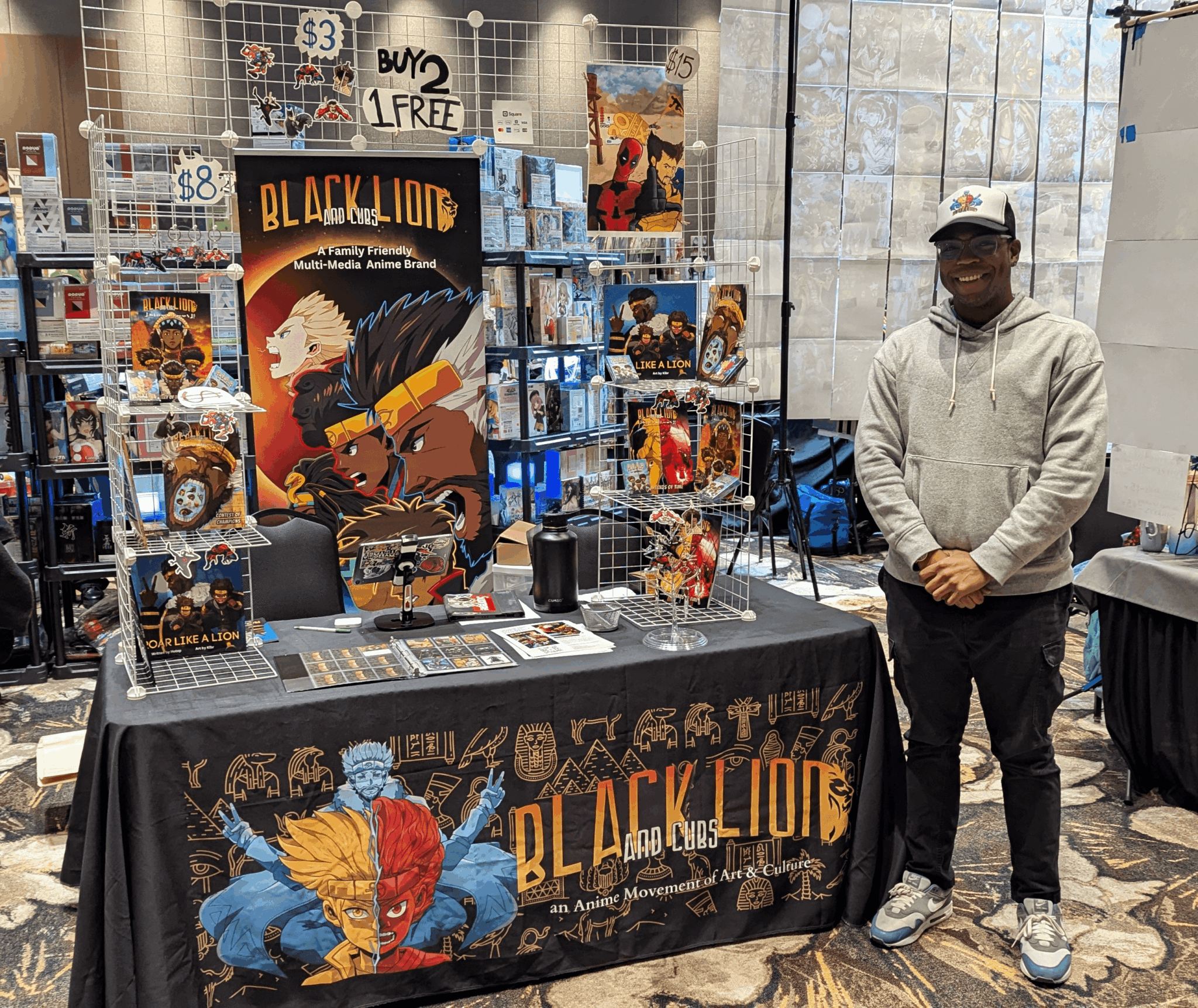
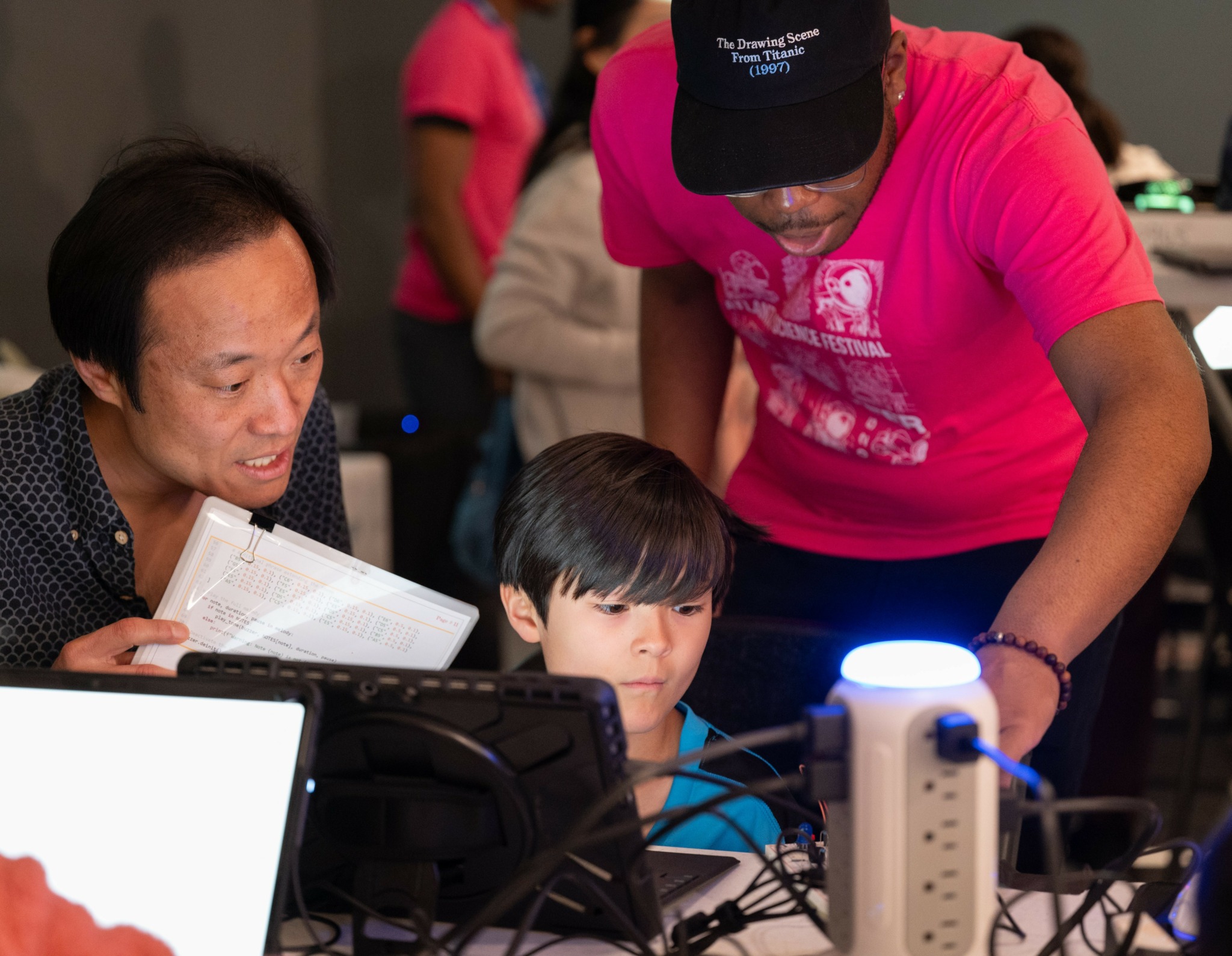
In addition to freelancing, I’ve been collaborating with different creative groups and recently started developing my own original IP. I also volunteer with the Buttercups STEAM Camp, which encourages kids to explore creativity through science, technology, engineering, arts, and math. I’ve helped run their booths at local schools and community events, and it’s been inspiring to see kids build confidence and develop an interest in tech through creative activities. I’ve also been supporting the Black Lion & Cubs brand, a family-friendly independent anime brand. They’re currently preparing a Kickstarter for their new game, and I’ve been helping them at events and festivals.
What I’m most proud of is how far I’ve come by believing in myself, even when opportunities were hard to find. I’ve had to push through self-doubt, lack of local connections, and the ups and downs of a competitive industry, especially one that’s been imploding on itself for quite a while. But I’ve never stopped creating, and I’ve never stopped learning. For anyone getting to know me and my work, just know that I’m dedicated to telling stories that connect with people, entertain them, and leave an impression. This is a career I’m passionate about, and I’m excited to keep building on everything I’ve started.
Do you think there is something that non-creatives might struggle to understand about your journey as a creative? Maybe you can shed some light?
One thing non-creatives often don’t realize about a creative journey is how emotionally demanding it can be, especially when it comes to maintaining relationships. It is really hard to keep both romantic and platonic relationships strong when the people around you don’t understand your career path or don’t make the effort to understand what being a creative actually means. Creativity is not just a job; it is a mindset and lifestyle that often requires long hours, irregular schedules, and emotional ups and downs. When those closest to you do not get that, it can lead to frustration, miscommunication, and sometimes feeling isolated.
Patience is crucial in relationships, but it is even more important when your work is not easily explained or appreciated by others. It takes effort on both sides to bridge that gap. Without that understanding, it is easy for creatives to feel misunderstood or unsupported.
I also think it is really important for everyone, not just creatives, to have a hobby or creative outlet. Whether it is something you do purely for personal expression or as a side hustle for financial gain, having a space to create, decompress, and express yourself outside of work is vital. It helps keep your mental health balanced and nurtures a sense of identity beyond just a job title.
Along those lines, having a “3rd Space,” a place outside of home and work where you can relax, be yourself, and connect with others, is essential. For creatives, this might be a community art studio, a figure drawing class, weekly art meetup, or even discord groups. These spaces help us recharge, find inspiration, and build supportive communities. They remind us that we are never alone in our struggles and dreams.
So if you are not a creative, try to be patient and curious about what goes on behind the scenes. Enjoy the process just as much as the people making it. If you are a creative, remember that it is okay to set boundaries, seek out understanding communities, and carve out time and space for your own peace. It all matters for staying grounded and thriving in this challenging but rewarding journey.
How can we best help foster a strong, supportive environment for artists and creatives?
In my view, the best way society can support artists and creatives is by paying them what they’re truly worth. Artists invest their time, talent, and heart into their work and deserve fair compensation, including residuals when their work is reused or profits are made. Technology and AI should not aim to replace artists but serve as tools to ease the mundane, freeing creatives to focus on craft and expression.
Social media platforms like Instagram, Twitter, and Facebook must develop special tools or algorithms that help creatives get their work seen. Right now, artists are buried under a flood of general content, it’s easier to post a quick photo than a detailed painting. Platforms need to recognize the unique value of creative content and boost its visibility.
Another major issue is plagiarism and exploitation by big companies, who often use artists’ work without permission or fair pay. This devalues creativity and makes it harder for independent artists to thrive. Society must hold these companies accountable and ensure artists receive proper residuals and credit for their work.
There’s also a growing problem with people calling themselves artists simply because they can write an AI prompt and pass off the results as their own. That’s not artistry. It’s like calling a towel boy your NFL quarterback because he watched a few Tom Brady highlight reels. The skill, effort, and creativity are in LITERALLY a different league..
Finally, society needs to wake up to how addicted people are to social media and endless doom-scrolling, which has shattered our fruit fly attention spans. This makes it harder than ever for genuine art to break through. To foster a thriving creative ecosystem, society must support artists financially, respect their unique skills, and create spaces where people can truly engage with creative work.
Contact Info:
- Website: https://semplecarlos.wixsite.com/mgs3
- Instagram: https://www.instagram.com/carl.oats/
- Linkedin: https://www.linkedin.com/in/carlos-semple-914b76164/
- Youtube: https://www.twitch.tv/carl0ats
- Other: Buttercup STEMS Summer Camp- https://www.buttercupsteam.com/
Black Lion & Cubs Website + Kickstarter- https://www.blacklionandcubs.com/#
-https://www.kickstarter.com/projects/blacklionandcubs/danger-chamber-the-video-game