
Alright – so today we’ve got the honor of introducing you to Carlos Cavalcanti. We think you’ll enjoy our conversation, we’ve shared it below.
Carlos, thanks for joining us, excited to have you contributing your stories and insights. It’s easy to look at a business or industry as an outsider and assume it’s super profitable – but we’ve seen over and over again in our conversation with folks that most industries have factors that make profitability a challenge. What’s biggest challenge to profitability in your industry?
I don’t believe this is unique to our industry, but the lack—or complete absence—of support for small businesses when negotiating with large conglomerates is undeniably one of the primary challenges to profitability in our sector, condemning small companies to remain small while large ones grow exponentially.
Sitting in a negotiation room with large distributors or retailers and assuming the “free market” will ensure a fair and balanced deal is bordering on delusion or even bad faith by those who genuinely advocate for this idea. On one side, you have a conglomerate with a market value rivaling the GDP of entire countries. On the other, a small business that, to even enter the “game,” is willing to sign anything.
As a result, small businesses with growth potential but without the market notoriety needed for strong distribution networks often end up sacrificing equity or control of their operations to funds or “sharks” who have direct access to the industry’s backstage. As a rule, to catch the attention of large retailers, you must grow your business and gain recognition. This presents a paradox: to grow and gain relevance, you need distribution, but distribution won’t consider you unless you already have market relevance.
Yet, exceptions do occur. And when small companies, after much perseverance, finally get a shot with buyers from big companies, they are often forced to accept any terms imposed on them, including—but not limited to—taking on the responsibilities and liabilities within their distribution chains. This can create an almost insurmountable challenge in maintaining profitability.
And that’s where the issue lies. Who could step in to balance these negotiations and level the playing field? Unfortunately, I don’t have all the answers. However, one thing is clear: if we had laws protecting small businesses from having to absorb the risks and responsibilities of larger players, that would certainly be a good start.

Carlos, before we move on to more of these sorts of questions, can you take some time to bring our readers up to speed on you and what you do?
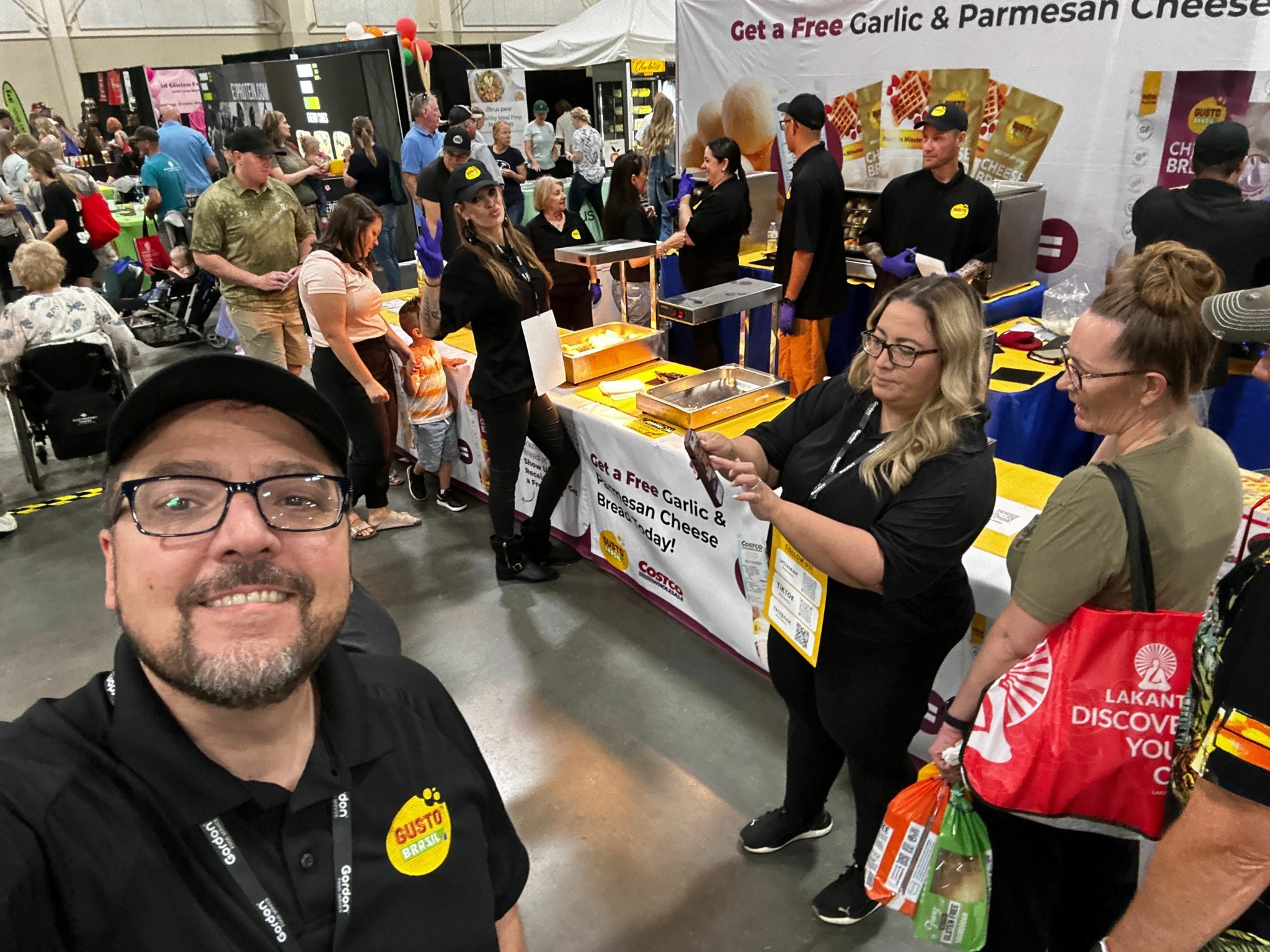
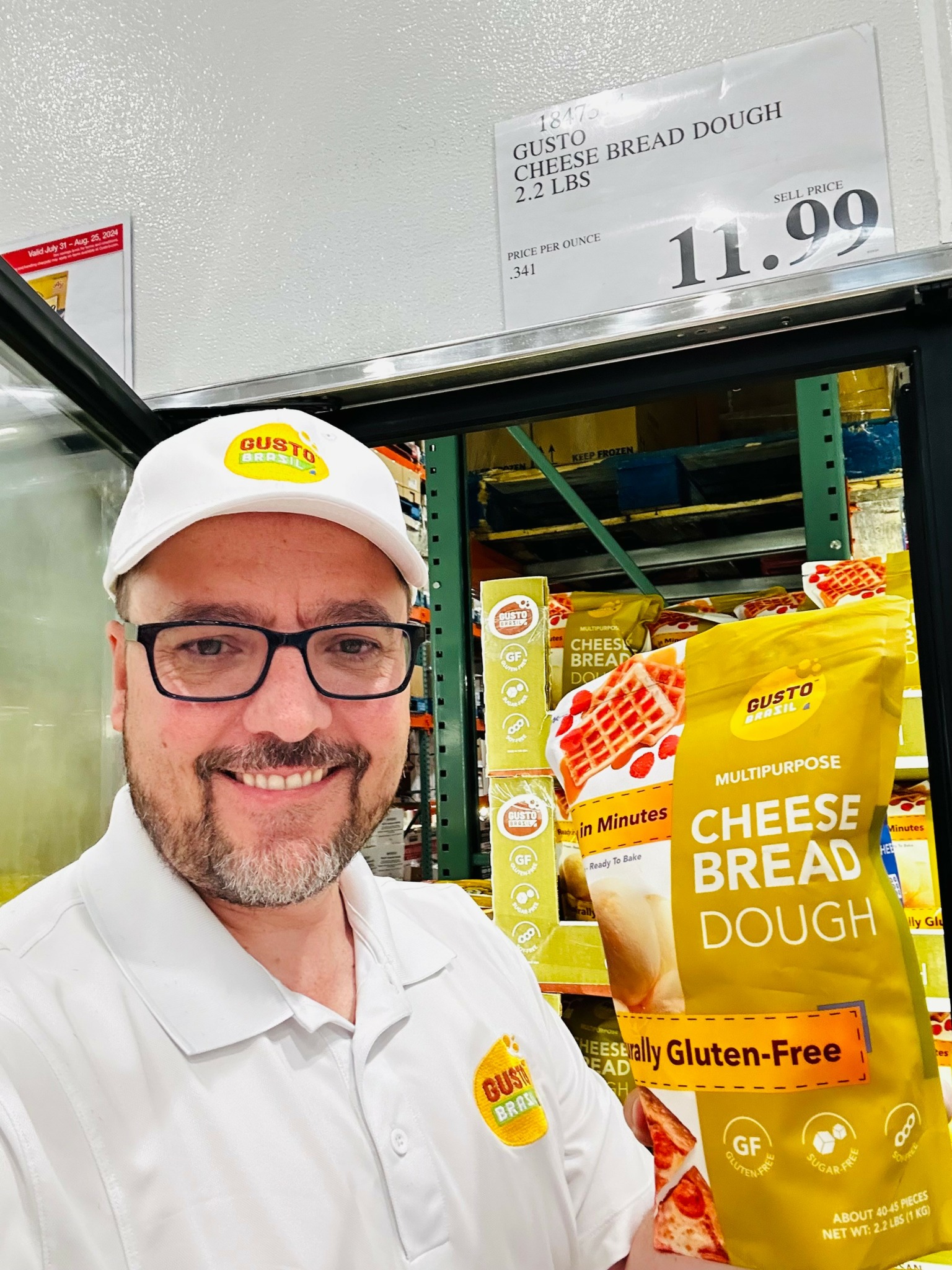
I co-founded Gusto Brazil in 2016 alongside a friend and former colleague from Brazil. Our company, based in Salt Lake City, UT, specializes in Brazilian Cheese Bread (pão de queijo) produced in a state-of-the-art, SQF-certified facility. We’re deeply committed to transforming this beloved Brazilian tradition into an American favorite. The quality and authenticity of our ingredients and processes are what set us apart, enabling us to secure major retail partnerships with brands like Walmart and Costco.
Our product is naturally gluten-free, made with the same ingredients and methods that have been used for centuries. This authenticity not only resonates with the growing demand for gluten-free products but also aligns with our commitment to quality. At Gusto Brazil, we’ve expanded into both the food service and retail sectors, now reaching over 30 states.
What I’m most proud of is how far we’ve come, despite the challenges we’ve faced. Our journey has taught me a lot about resilience, perseverance, and the power of staying true to our mission. I’m passionate about spreading the flavors of Brazil, but also about showing how small businesses can make a big impact in a highly competitive market. I’m excited to continue growing and learning, with a strong focus on delivering authentic, high-quality products to our customers.
I want potential clients and followers to know that at Gusto Brazil, we’re not just selling a product – we’re sharing a piece of Brazil’s culinary culture with the world while standing by the values of quality, tradition, and authenticity.
How did you put together the initial capital you needed to start your business?
I sold my house and the stake I held in a small company in Brazil.
Can you tell us the story behind how you met your business partner?
I started this business with Rogerio Vertamatti, a friend and business partner from Brazil with whom I’ve had various ventures. We met in 2003 when I began working for an internet agency called Tribal. I worked in the sales department, and he was a project manager, which taught us how to work together and respect each other’s roles without stepping on each other’s toes. He was responsible for managing all the projects I sold for the company, creating an incredible synergy that helped us build what we have today.
Contact Info:
- Website: https://www.gustobrazil.com
- Instagram: https://www.instagram.com/gustobrasilusa
- Facebook: https://www.facebook.com/gustobrasil
- Linkedin: https://www.linkedin.com/in/carloscavalcanti/
- Youtube: https://www.youtube.com/@gustobrazil5225