

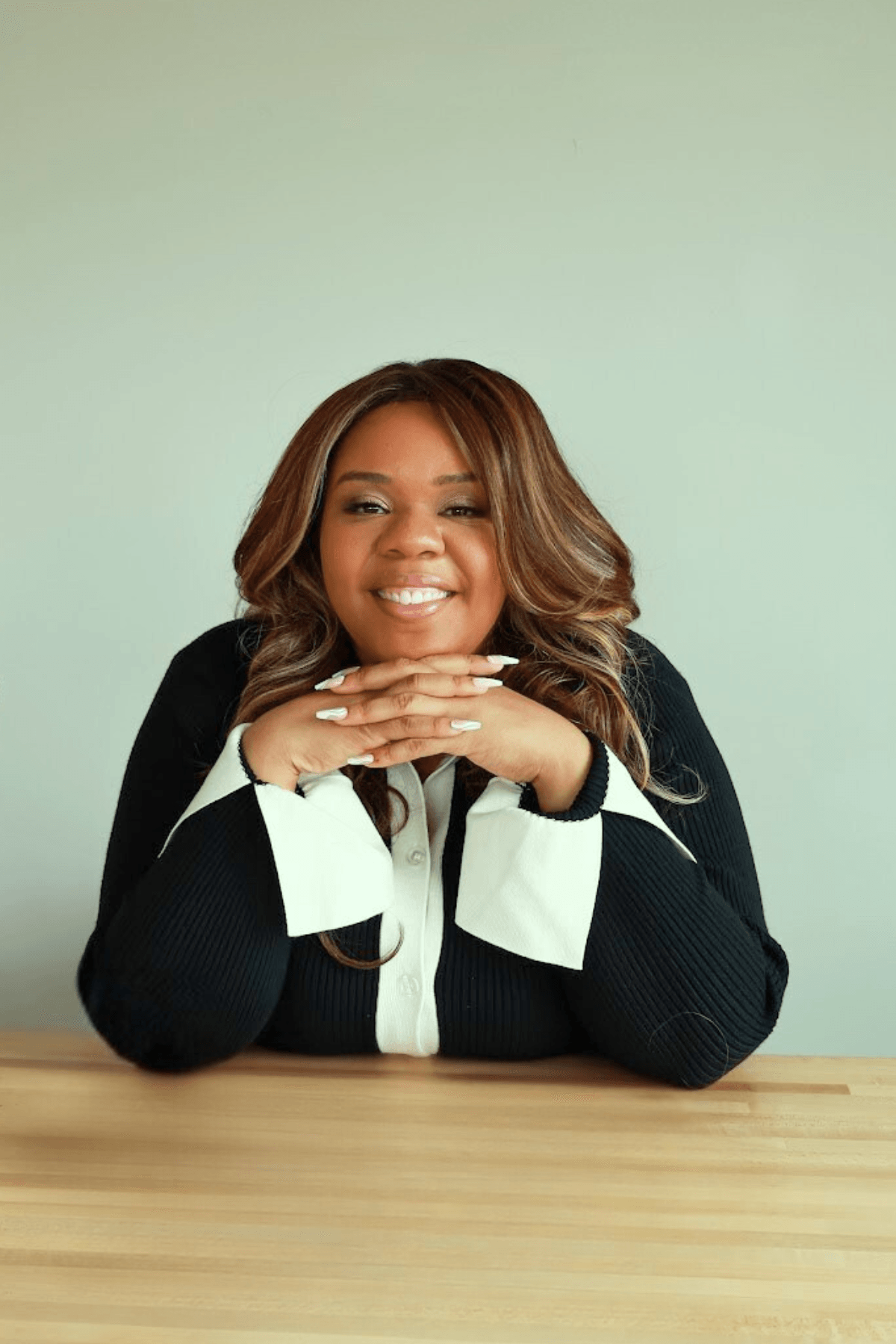

We’re excited to introduce you to the always interesting and insightful Carla Williams. We hope you’ll enjoy our conversation with Carla below.
Alright, Carla thanks for taking the time to share your stories and insights with us today. How did you come up with the idea for your business?
The View From Here Wellness Collective was born out of a lifetime of witnessing and experiencing the quiet exhaustion that so many Black women carry, the kind that doesn’t always have a name but lives in our bodies, our hearts, and our daily lives. For years, I was that woman. The one who was “strong” for everyone else. The one who showed up, excelled, and supported, while quietly running on fumes. I thought that was just life. I thought that was what was expected of me.
It wasn’t until I personally hit burnout, in a way that shook me to my core, that I realized the cost of constantly putting my own well-being at the bottom of the list. Around that same time, I started having deeper conversations with other Black women, friends, colleagues, and strangers who became confidants in passing, and I heard the same stories over and over. We were all navigating this unspoken weight: societal pressures, systemic inequities, the need to be “twice as good,” the generational messages about self-sacrifice, and the lack of spaces where we could just be without performing or proving.
The more I listened, the more I realized that the problem wasn’t just personal. It was structural. There weren’t enough spaces designed intentionally for Black women to care for themselves, to connect without judgment, and to receive tools that spoke to our realities. Yes, there were wellness spaces, but too often, they weren’t built for us, didn’t see us, or asked us to leave parts of ourselves at the door.
That’s when the vision took shape. I knew I wanted to create something that didn’t just offer resources but offered belonging. A space where self-love wasn’t just a buzzword, but a practice we could reclaim together. A collective where healing was holistic and rooted in our culture, our stories, and our lived experiences.
I believed it would work because I wasn’t guessing at the need; I was living it, and so was every woman I spoke to. I wasn’t trying to “fill a niche” in a business sense; I was trying to build a lifeline for women who are always holding everything and everyone else together. And honestly, what got me most excited was imagining the ripple effect. I knew that when Black women are nurtured, supported, and empowered to care for themselves, our communities shift. Our families shift. The world shifts.
The View From Here Wellness Collective isn’t just a business to me, it’s a commitment. It’s my way of saying to Black women everywhere: You don’t have to carry it all alone. You deserve to be poured into, to be seen, and to take up space in your own healing.
Carla, before we move on to more of these sorts of questions, can you take some time to bring our readers up to speed on you and what you do?
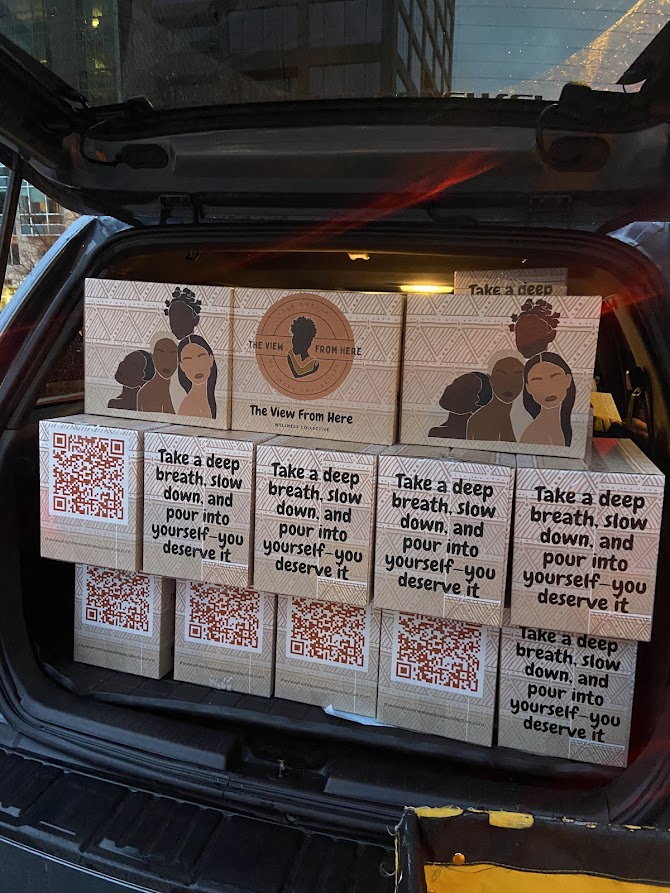
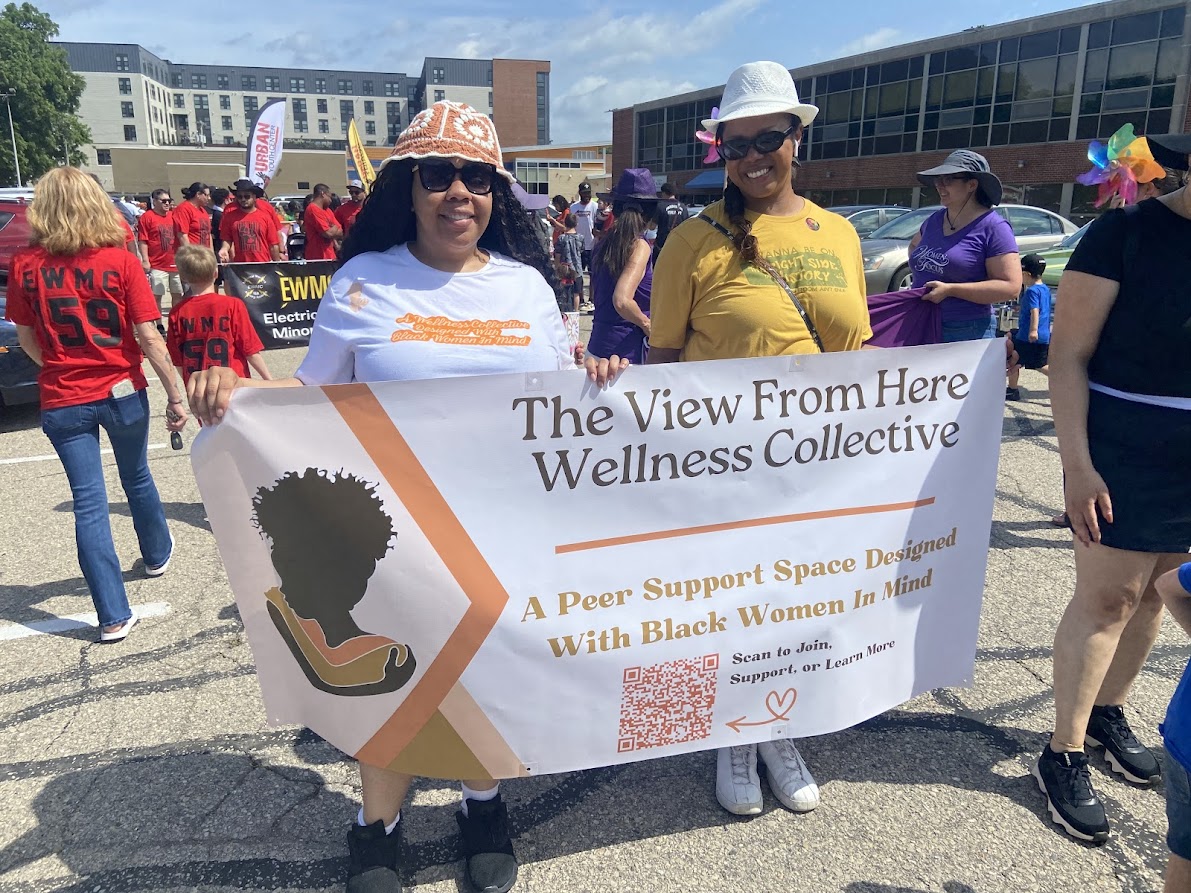
My name is Carla Williams, and I’m the Founder of The View From Here Wellness Collective, a space where Black women come to be cared for, not just inspired. My work is rooted in the belief that wellness for us isn’t a trend — it’s liberation. Every program, event, and conversation we host is designed to be both culturally affirming and practical, giving Black women the tools to prioritize themselves in ways that honor our lived realities.
We host intentional gatherings that feel like coming home, where women can connect without the weight of having to explain themselves. We lead workshops, peer support spaces, podcasts, and gatherings that are grounded in the truth of our experiences, not a one-size-fits-all approach. We create resources that make wellness accessible and relevant, addressing the real barriers, time, access, and representation that too often keep us from caring for ourselves. Every project, event, and offering I create is designed as part of a wraparound approach to care — meeting Black women in different spaces, with different tools, but always with the same mission: to affirm, equip, and restore.
The Black Women Deserve Podcast is where the conversations live. It’s where we unpack the realities of our lives with honesty and depth, everything from self-love and healing to career and community. These are not surface-level chats; they’re layered, vulnerable, and rooted in our shared experiences. It’s a space where Black women hear themselves reflected and leave with both affirmation and practical steps to nurture their well-being.
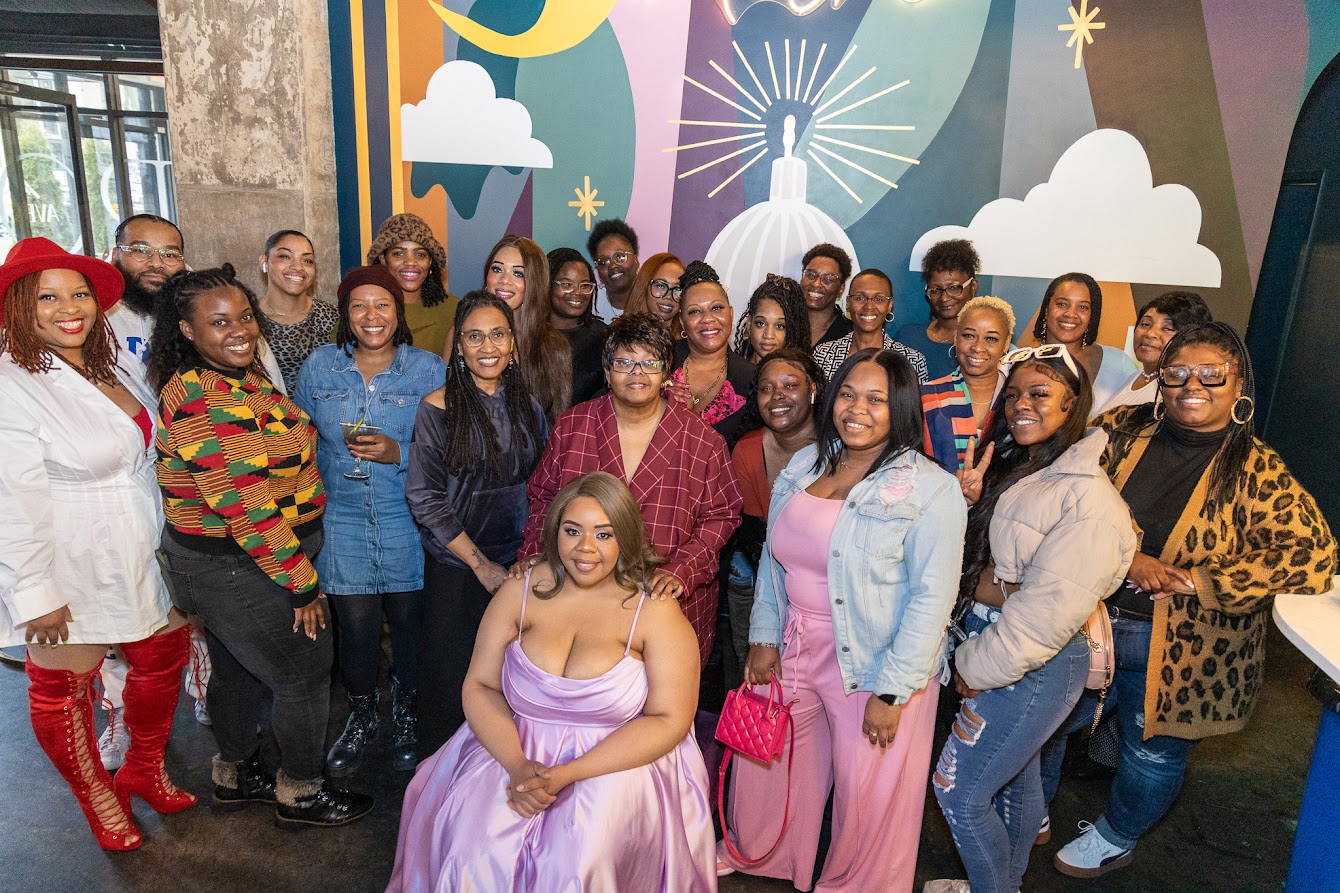
Glow and Gather is my Annual Self-Love Luncheon, bringing the Black Women Deserve Podcast to life. This intimate dinner blends soul food, storytelling, and connection, giving women a space to engage with the stories shared on the podcast and feel both at home and deeply seen. Part reunion, part revival, it’s a celebration devoted entirely to honoring Black women, filled with joy, affirmation, and community building.
The event also includes a give-back component, from assembling care packages for unhoused women with the YWCA to mobilizing resources for the community. For me, self-love isn’t just personal restoration; it’s about strengthening the communities we belong to, and Glow and Gather makes that connection tangible.
As a public speaker, I extend that care to conferences, panels, and workshops. I lead guided journaling experiences that go beyond just “writing prompts.” These sessions are deep dives into reflection, clarity, and intentional goal setting. They allow women to pause, listen to themselves, and put language to what they need moving forward.
Each of these touchpoints, the podcast, the gatherings, the celebrations, the speaking engagements, are threads in a larger tapestry of care. They work together to address the different dimensions of wellness: conversation, connection, celebration, reflection, and community action. My goal is to ensure that wherever a Black woman encounters my work, she feels seen, valued, and supported in ways that last far beyond the moment.
I’m most proud of the moments when women leave our spaces lighter, not because their problems are gone, but because they’re carrying them differently. They have language for what they’re feeling, a community behind them, and permission to center themselves without guilt. The View From Here isn’t a side project or a feel-good brand, it’s a movement to dismantle the conditions that keep Black women running on empty and to build something stronger in their place: a culture of care that is ours to define.
What’s a lesson you had to unlearn and what’s the backstory?
Building The View From Here Wellness Collective taught me that it’s not only okay to let people see me trying, it’s necessary. For so long, I thought leadership meant showing up polished, with every answer ready and every detail figured out. I thought my value as a creator, as a space-holder, was in appearing certain. But the truth is, if I had waited to be perfect, The View From Here would have never existed.
This work started as a podcast. I had never touched a mic in my life, but I knew I wanted a space to have raw, unfiltered conversations with Black women about what we truly needed to be well. It was my personal answer to the grief, the rage, and the urgency I felt watching the Mothers of the Movement, witnessing the waves of the Black Lives Matter movement. I wanted to use mutual aid as a form of activism, to create care as a political act. And yet… I didn’t know what I was doing. Not really. The beginning was mostly trial and error, and if I’m honest, more error than trial.
Eventually, I stepped away. But heartbreak, my first real one, as a late bloomer, brought me back. I went searching for community, for a space where I could grieve, process, and rebuild. Instead of hiding my pain, I decided to be visible in it. I let people watch me piece myself back together. I documented solo dates. I spoke openly about relearning to love myself. It was raw, unpolished, sometimes uncomfortable, but it resonated.
That vulnerability became a magnet. Women found me who had similar stories, or who were just starting their own. They didn’t need me to have it all figured out; they needed to know they weren’t alone. Over time, the podcast and the social media conversations grew into The View From Here Wellness Collective, an ecosystem of care that now includes gatherings, celebrations, workshops, and wraparound support.
The biggest lesson I had to unlearn was this: showing the mess isn’t a liability, it’s an invitation. For years, I believed my credibility depended on being unshakable. But what I’ve learned is that my real credibility comes from being reachable. Letting my community see me learning in real time told them it was safe for them to do the same. It shifted the energy from “I’m the expert, and you’re the student” to “We are in this together,” which is why every episode of the Black Women Deserve Podcast closes with my reminder: “We’re building this space together.”
In a world that teaches Black women to be flawless just to be deemed worthy, I had to dismantle my own conditioning. I had to unlearn the idea that care means delivering a polished product, when in truth, care is about showing up, even in the in-between. Our power isn’t in pretending we don’t struggle; it’s in holding each other through the struggle. That’s the heartbeat of The View From Here.
Can you tell us about a time you’ve had to pivot?
Storytelling has always been in my blood. In my family, it wasn’t just a pastime, it was a lifeline. My mom had this way of protecting us from the harshness of life by spinning entire worlds out of thin air. When the air in the room felt heavy with worry, she’d tell us a story. She’d make up characters, give them adventures, and somehow, in those moments, we could breathe again. Those stories didn’t erase the struggle, but they gave us a way to carry it.
Growing up in that environment, it felt only natural that I’d want to become a storyteller myself. Journalism seemed like the perfect home for me, a place where I could listen deeply, gather people’s truths, and share them in ways that made them feel seen. I loved it. I loved hearing people open up, trusted me with their words. And when I started my master’s in journalism, I thought, This is it. This is my path.
But somewhere along the way, the work began to feel different. The industry was shifting, and so was I. The emphasis on speed, on sensational headlines, on distilling someone’s complex reality into a neat, clickable package… it started to wear me down. I still believed in the power of stories, but it no longer felt like I was telling them in a way that built connection or community.
And then the pandemic hit. The news cycle became a relentless wave of fear, grief, and uncertainty. I found myself avoiding the very thing I had once devoted my life to. I realized just how deeply I was craving something else. I didn’t want to hear one more grim headline, yet I still wanted stories, real onesStories that didn’t just inform, but that could heal and remind us of our humanity.
That was the turning point. I realized I didn’t have to abandon storytelling altogether I just needed to change the how and the why. I wanted to create spaces where stories weren’t rushed, where vulnerability was honored, and where Black women could speak without having to translate themselves or defend their humanity. That’s when the seeds of the Black Women Deserve Podcast began to take root. And from there, it kept growing eventually into The View From Here Wellness Collective, a living, breathing ecosystem of care.
Looking back, my pivot wasn’t about leaving journalism. It was about reclaiming storytelling making it slower, deeper, more communal. It was about moving from “reporting” to witnessing. And in that shift, I found not just my work, but my purpose.
Contact Info:
- Website: https://www.theviewfromherewellnesscollective.com/
- Instagram: https://www.instagram.com/croptopcutiecw/
- Facebook: https://www.facebook.com/croptopcutiecw
- Linkedin: https://www.linkedin.com/in/the-view-from-here-wellness-collective/
- Other: https://podcasts.apple.com/us/podcast/black-women-deserve/id1789807717
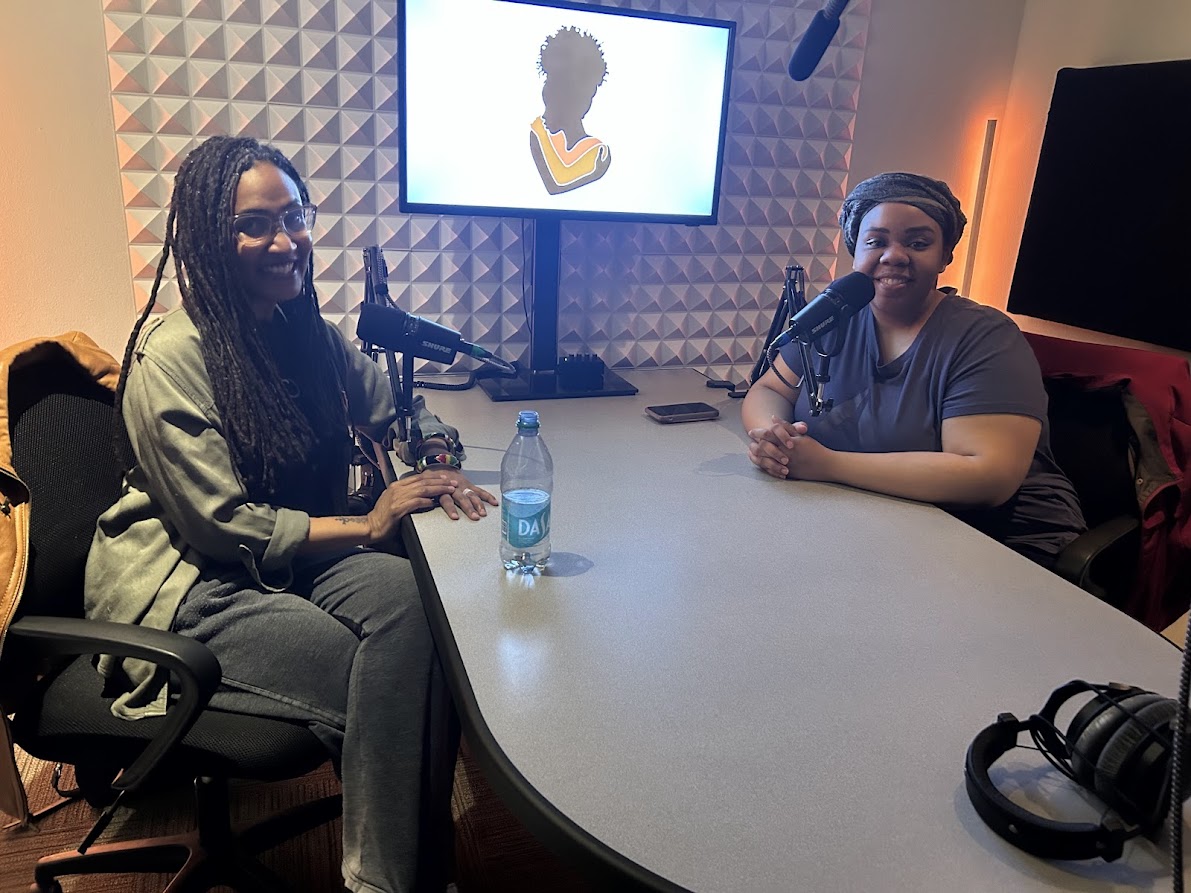
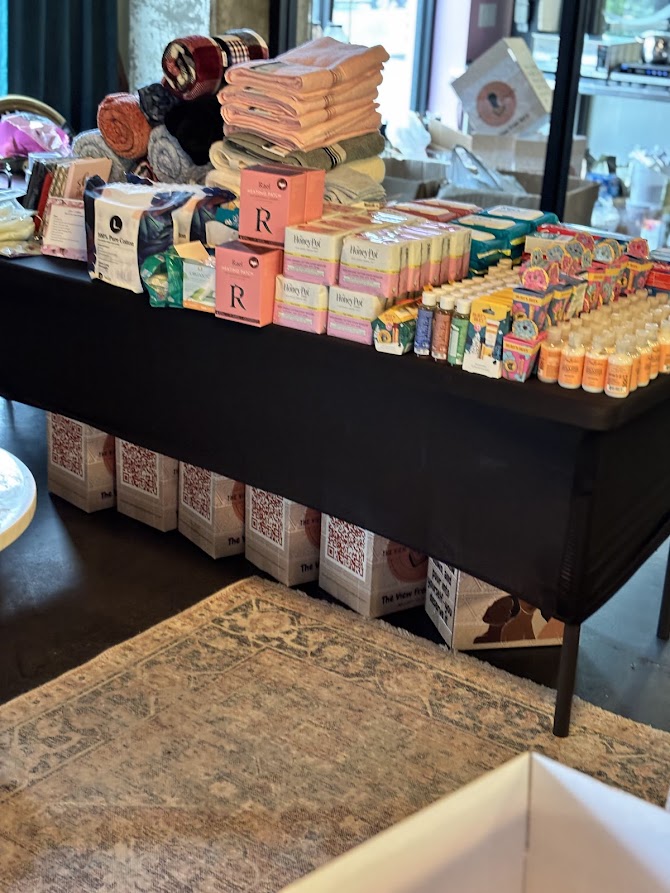
Image Credits
Carla Williams