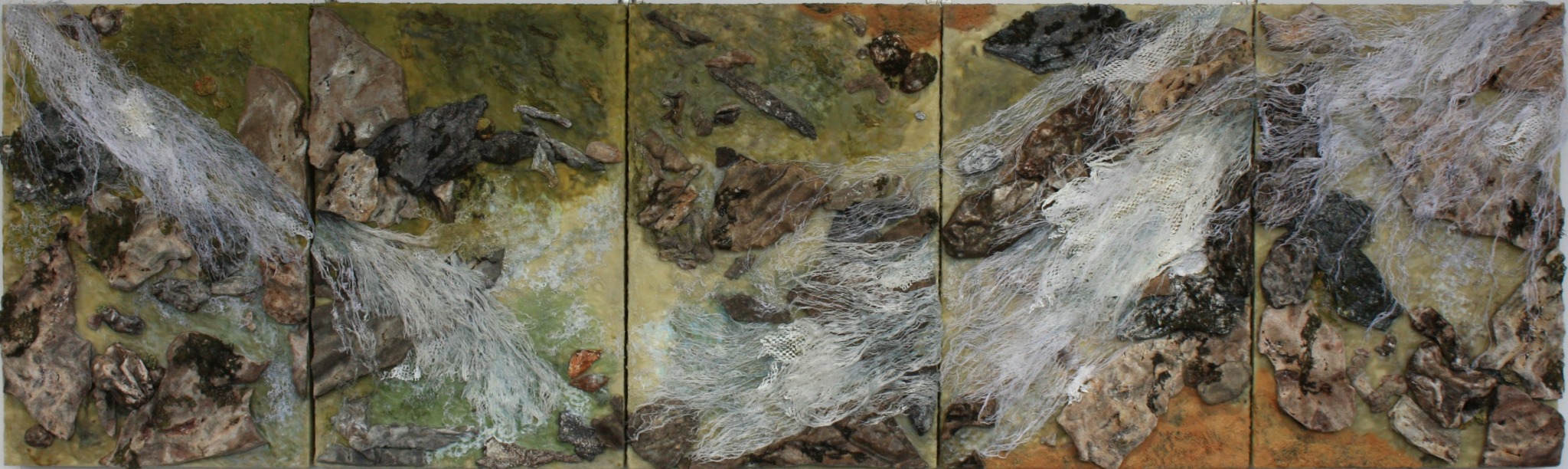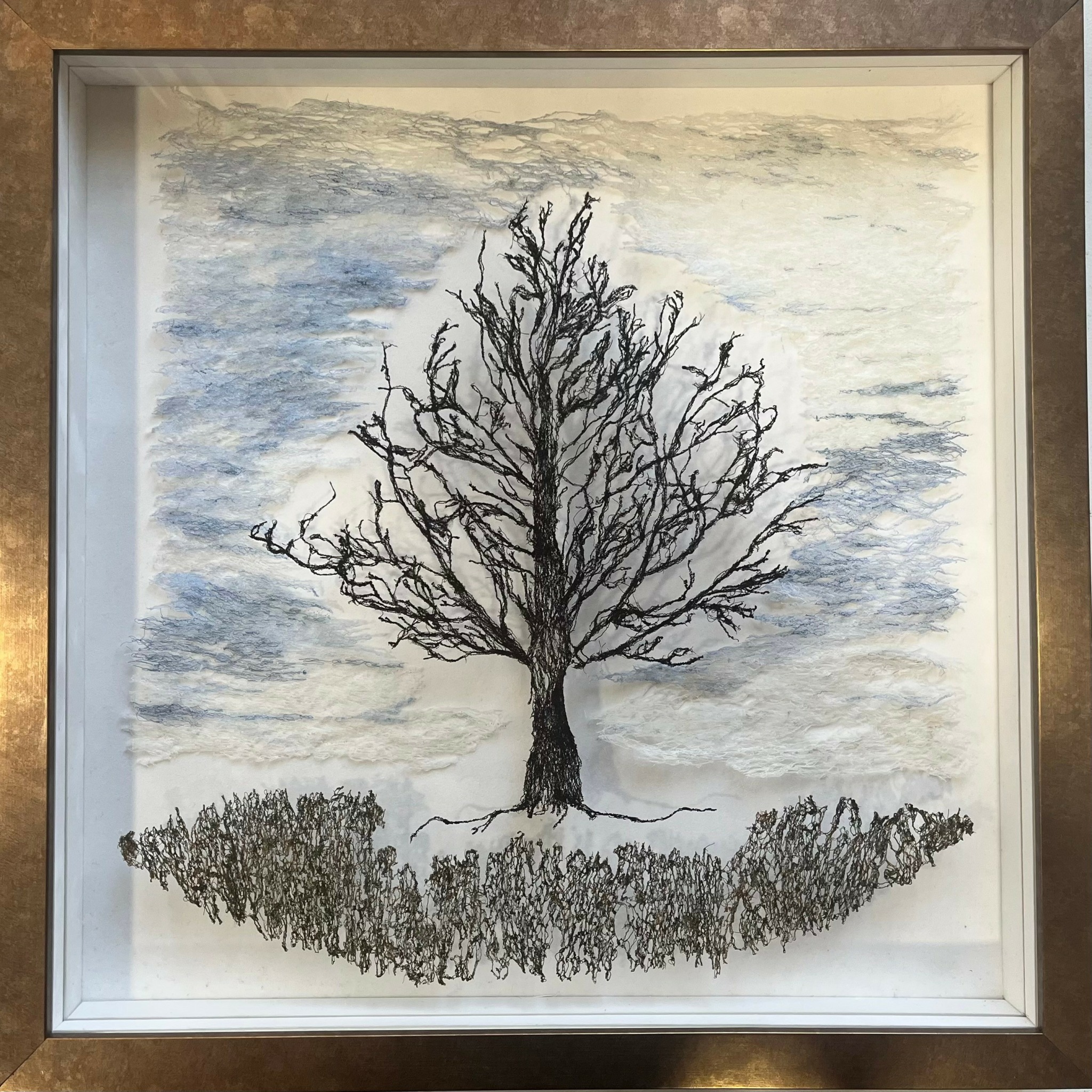

We caught up with the brilliant and insightful Carla J Fisher a few weeks ago and have shared our conversation below.
Carla J, appreciate you joining us today. We’d love to hear about when you first realized that you wanted to pursue a creative path professionally.
For me, it wasn’t one single job or one tidy little lesson that made me want to pursue art. It was the whole picture coming together over a lifetime.
I originally began my formal college education studying journalism at the University of Missouri. That was my first chosen career, and I particularly loved the idea of telling the stories of people I met and places I had been. But I was young, on my own, and putting myself through school. I did not yet understand all the “rules of the road” when it came to college scholarships and financial aid, and by my junior year I found myself working nearly full time just to keep going.
In fact, when I later appealed a one-year suspension from the School of Journalism for working more than the permitted number of hours outside the program, my boss submitted an affidavit saying I was scheduled for 39 hours a week and often worked more. So that first career was stymied, but the skill set was not lost. Journalism taught me how to observe, how to ask questions, how to shape a story, and how to communicate clearly. Those skills still live in everything I do.
Roughly ten years later, I returned to school to study finance. Using CLEP testing, correspondence courses — the snail-mail equivalent of online classes today — and night classes, I earned my bachelor’s degree in Business Finance from Columbia College while working around my husband’s military career and raising our three children. I literally graduated one week and moved to Germany with my husband and children two weeks later.
Once in Germany, I needed to pass my Series 7 securities exam. First, though, I had to find a company and a senior licensed individual willing to sponsor me, even knowing I would probably never work for them. My eyes were fixed on Merrill Lynch. Through my husband’s military contacts, I was given that gift. I studied on my own, took the exam, and after more than a year and many interviews, I became a broker with Merrill Lynch — as a female, in Germany, in the 1980’s, which is its own tale of perseverance and success.
When my husband was transferred back to the United States, I had to uproot the business plan I had so carefully built and start all over again. I became relicensed in the U.S. and went on to have a 25-year career with Merrill Lynch, first as a broker, then as a broker manager, then a manager, and finally as a Regional Sales Manager based out of Seattle.
Then came another kind of education. My husband, Ed, and I put all our worldly goods in storage and traveled around the country in a 40-foot motorhome for three and a half years. That experience taught me another kind of resourcefulness — how to live lightly, adjust quickly, and pay attention to the world around me.
And then Ed had the audacity to die.
After 40 years of “we,” I had to learn how to become “me.” That led to my third college career. I went back to school in my 60s at the University of the Arts in Philadelphia, entering their Post-Baccalaureate program to study art. The program allowed me to prove my abilities in a primary discipline, fiber arts, and two sub-disciplines, glassblowing and large-scale metal sculpture, with the ability to matriculate into an MFA program. I graduated in 2016.
Now, as an entrepreneurial studio artist, I realize it took all three educations — journalism, finance, and art — plus all those lived experiences, to bring me to this very moment. Journalism taught me story. Finance taught me business. Art gave me purpose. Widowhood gave me the reason.
So no, it wasn’t a single lesson. It was a full life.
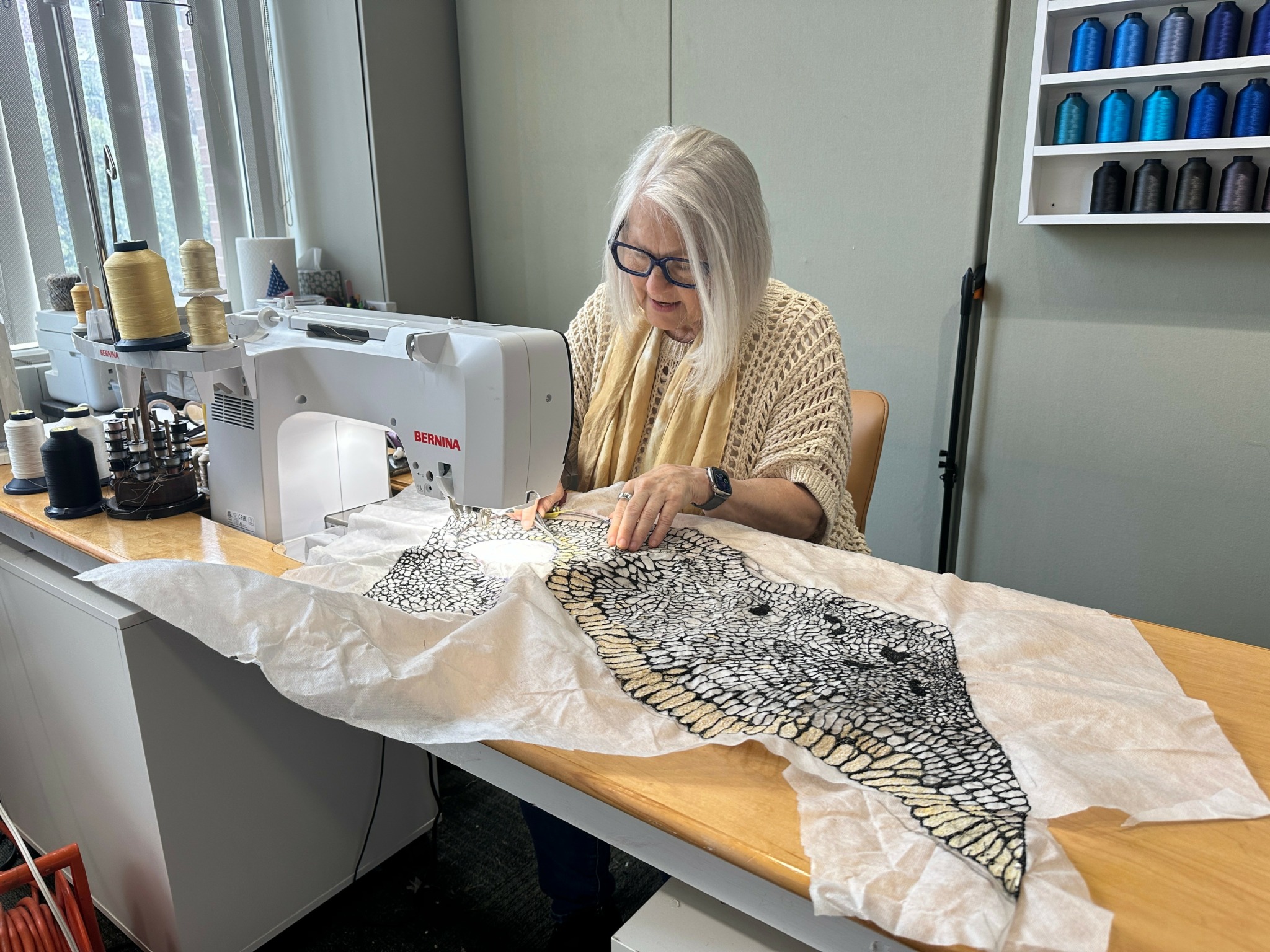
Great, appreciate you sharing that with us. Before we ask you to share more of your insights, can you take a moment to introduce yourself and how you got to where you are today to our readers.
I am an independent artist who strives to make art that makes people feel something.
Sometimes I want them to feel joy — joy for life itself, for movement, for beauty, for the small surprises hiding in ordinary materials. Sometimes I want them to feel the sadness of loss, but in a way that still leaves room for grace. I often use humor or reflection in my titles because I like the idea of inviting people close, then reminding them not to take life quite so seriously.
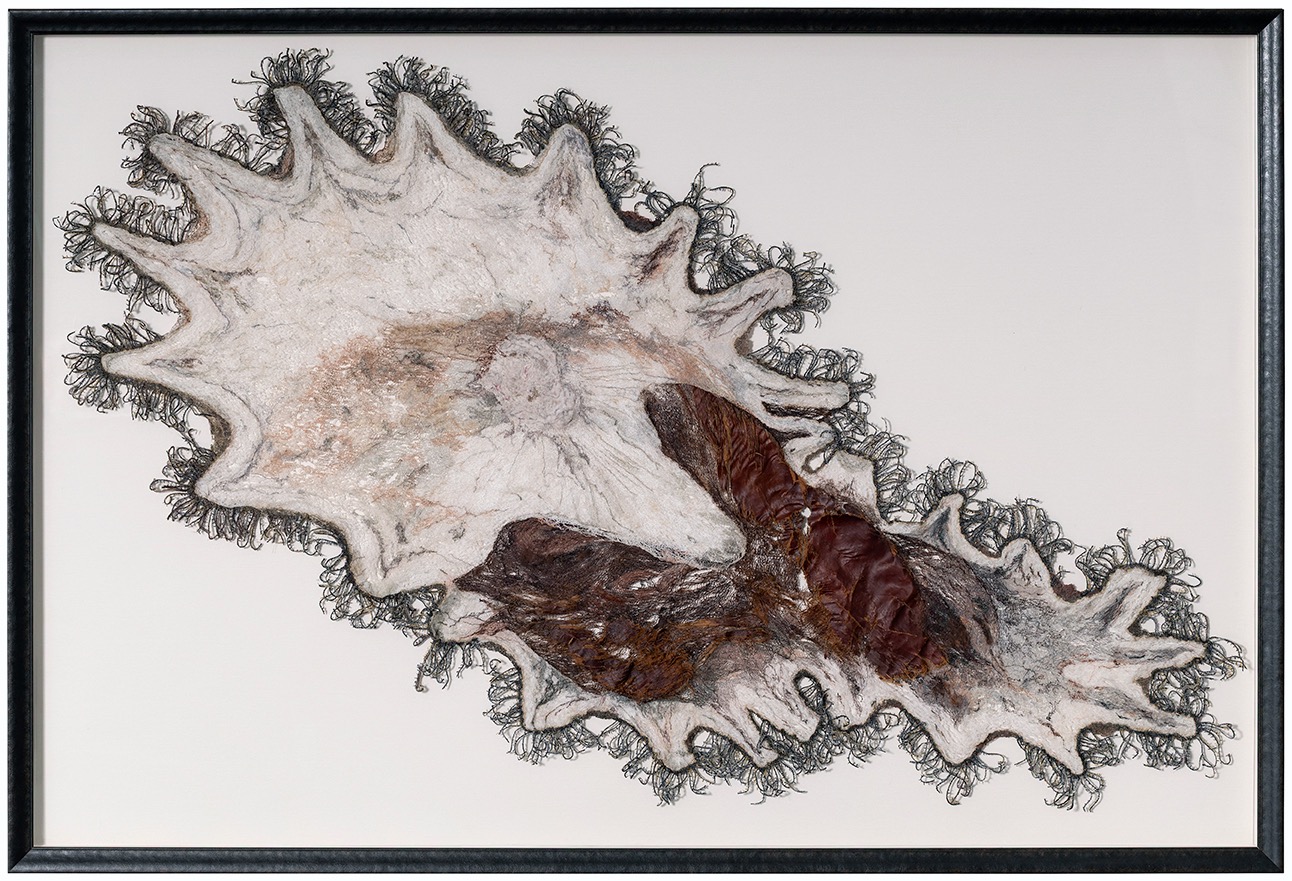
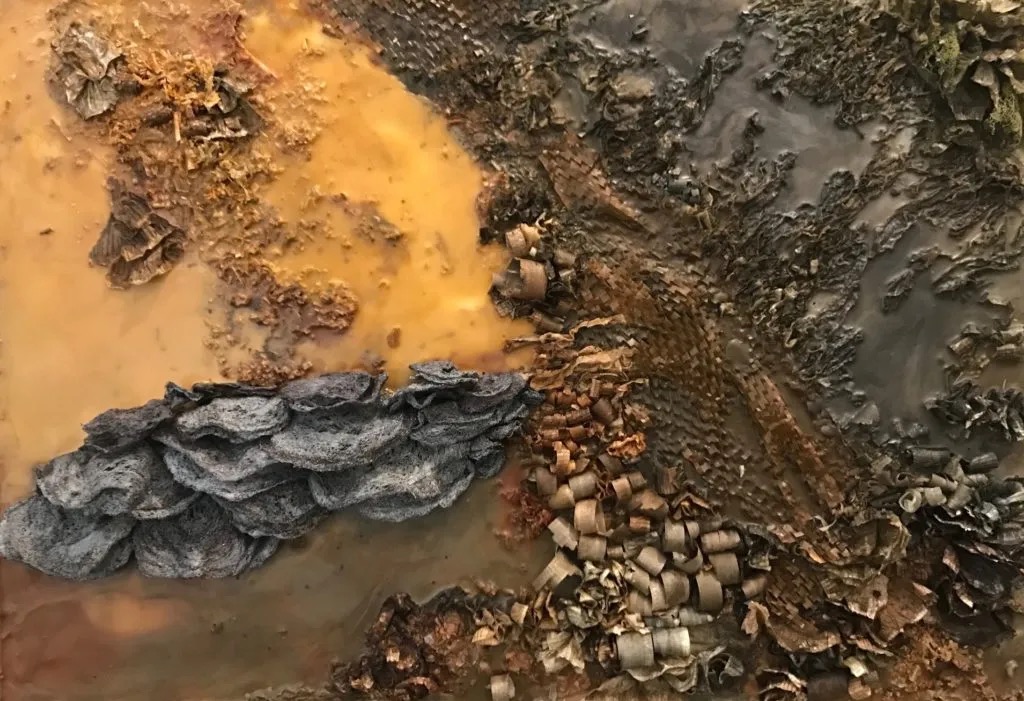
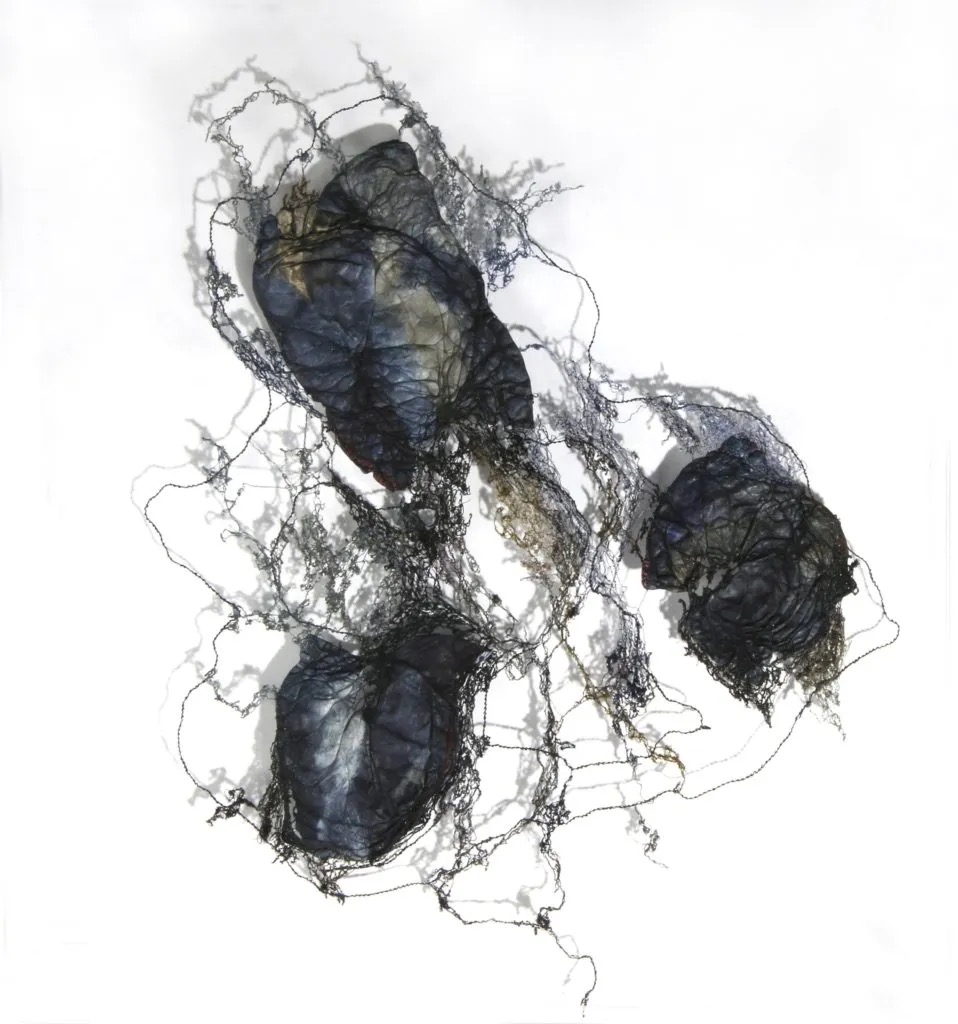
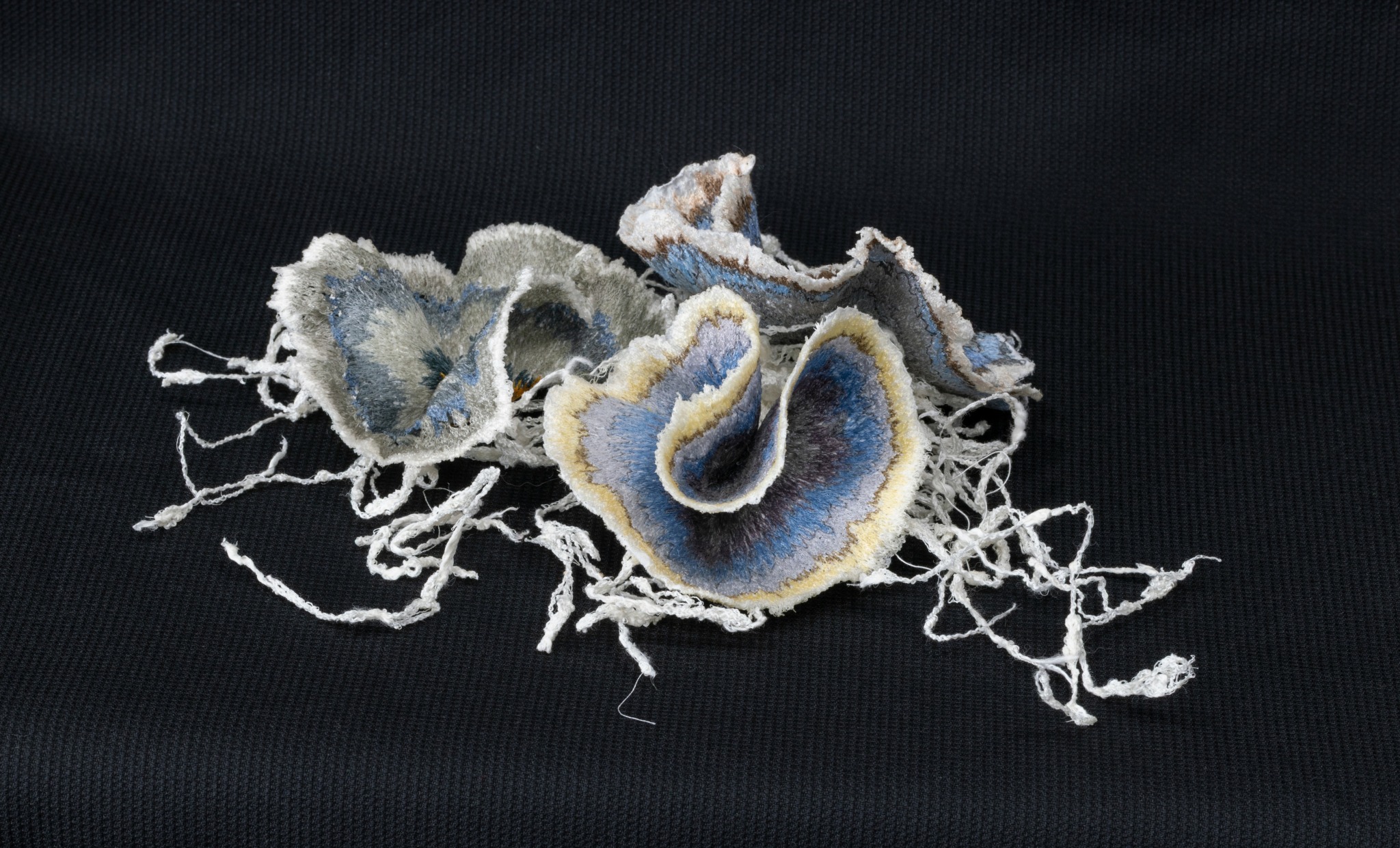
Everything I make contains thread. Thread is my central material, but it is also my metaphor. I make thread do things people do not expect it can do. I sculpt it into shapes, curves, and undulations. Sometimes I create truly three-dimensional works using thread itself as the structure.
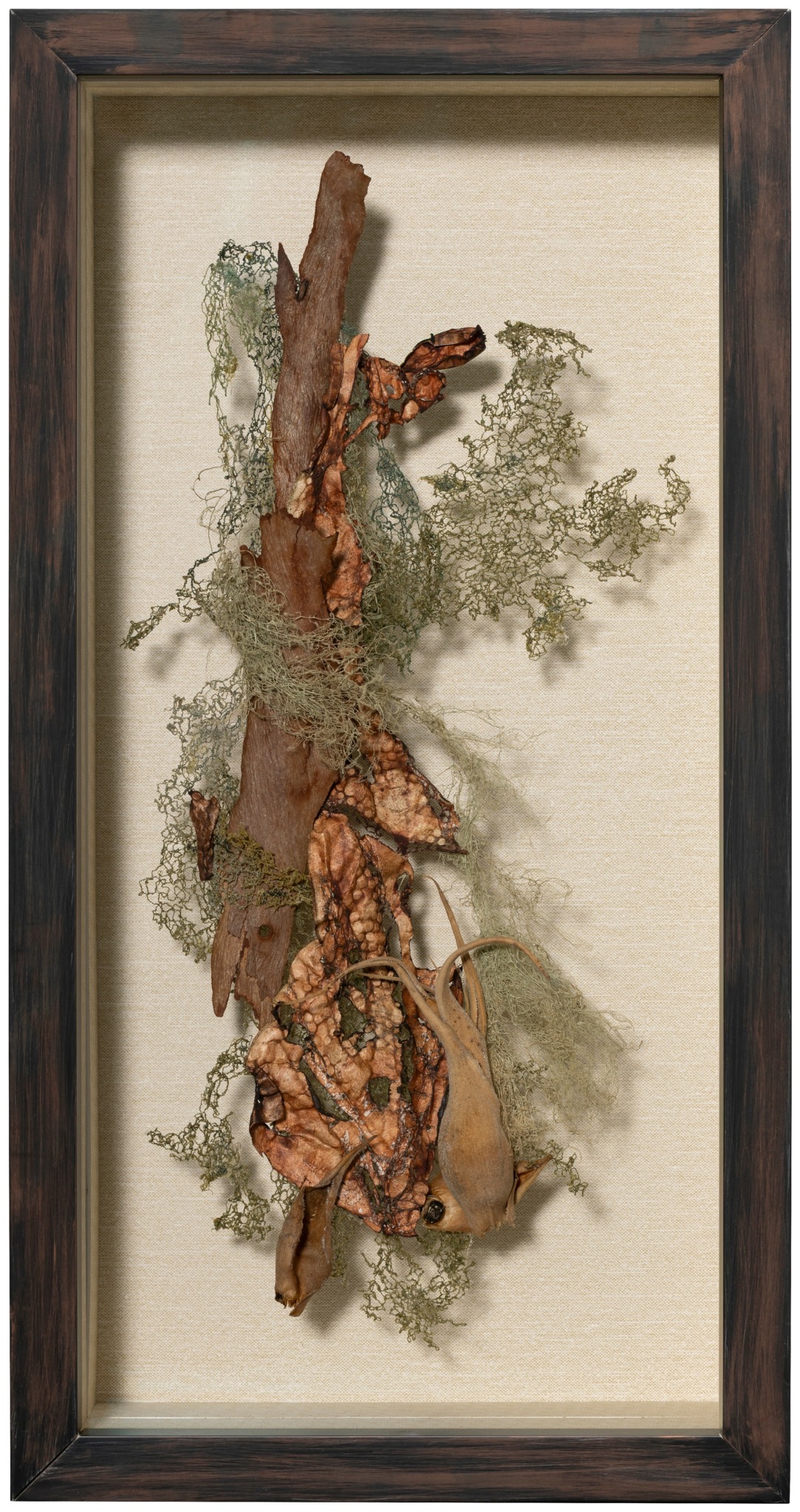
When I use materials other than thread, they are almost always recycled or reclaimed. That, too, is a metaphor: it represents widowhood. When you lose a spouse, particularly after 40 years as I did, you can feel lost, empty, useless, purposeless — all the words we might use to describe something discarded. So I take things that have been discarded and turn them into something beautiful. In many ways, that is exactly what art did for my life.
I have sewn all my life. My mother used to tell the story of placing me on the floor beside her while she sewed on her expensive White Domestic sewing machine when I was about two years old. By the time I was four, if she left the room with a project still sitting at the machine, I would climb into the chair and start sewing. Knowing she had a very determined child on her hands, she decided she had better teach me properly.
Looking back, I realize sewing was always my solace. After my husband died, I initially thought I would go back to school to become a pattern maker. But during my very first class, Constructed Surfaces, taught by master fiber artist Warren Seelig, I discovered the way of working that I still use today. I never looked back, and I have never regretted not becoming that pattern maker.
People often say, “I’ve never seen anything like this before.” And honestly, that is probably true. I worked with an agent for a period of time, and she once told me she had only found a very small number of artists in the world doing anything remotely similar to what I was doing. I’m sure more are out there now, but I also know there still are not many.
What I most want people to know is that beauty can emerge from darkness. Life can go on after loss. It will be different, yes. But it can still be wonderful, meaningful, and deeply fulfilling if you have the courage to place one foot in front of the other.
My artwork is different, and so am I. If Ed were alive, I am absolutely certain he would be my biggest champion. But I am equally certain that if he were alive, I would not be an artist. There would have been no need. My life was full as it was.
This path is different. But if my work — or my life — can inspire someone else to find the courage to build a new path after loss, then my greater purpose is being fulfilled.
Can you share a story from your journey that illustrates your resilience?
I had an agent beginning roughly in my second year of private studio practice. Claudia was wonderful, and I learned so much from her about the business side of art! That turned out to be a tremendous gift, because once Covid hit, she left the industry completely.
During Covid, as with so many people, my own life shifted again. I left Philadelphia and moved to Oriental, North Carolina, a tiny coastal town of 900 residents that felt almost idyllic. There, I opened a gallery featuring multiple full- and part-time working artists, as well as artwork literally from artists around the world. We taught weekly classes for anyone interested — to local residents, boat owners, and visitors passing through a town that was home port to over three thousand sailboats and powerboats.
I am very proud to say that we were profitable every month we were in business.
Then we lost our lease.
After that, I faced another major obstacle: my hands. I had multiple surgeries on both hands — four on my right and five on my left. For a fiber artist, hands are not a minor detail. They are the tools, the translators, the bridge between idea and object. Having to go through that many surgeries and still believe I could keep working required more faith than I probably admitted at the time.
Eventually, my granddaughter led me to Lancaster, Pennsylvania, where she was attending college. Once here, I met Victoria Abadir and immediately recognized in her gallery model a version of what I had been doing in North Carolina. It felt familiar. It felt possible.
So I made the decision. I sold my house in a full price, all-cash, no-contingency, 17-day-closing whirlwind and moved to Lancaster.
Tell me that was not divinely inspired.
Now I have rejoined the ranks of working artists here, and I am loving it. Would I love to have an agent again? Absolutely. But I also believe that will come if I keep doing my part: showing up, producing good work, and staying open to whatever comes next.
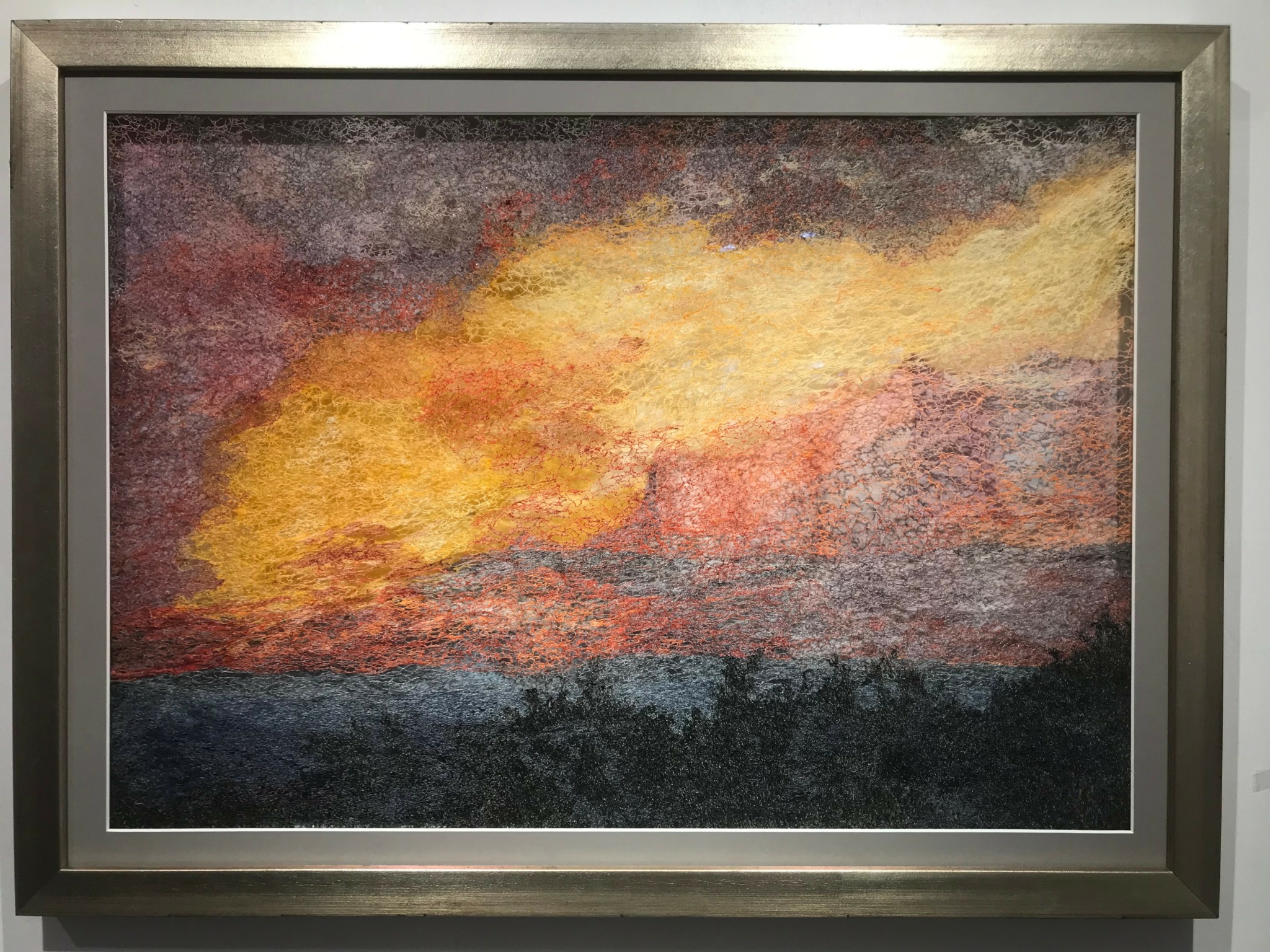
What can society do to ensure an environment that’s helpful to artists and creatives?
Specifically, I think many people who appreciate art — and even those who buy it — do not always understand the structure behind an artist’s pricing.
For example, a buyer may see a price of $1,000 and assume the artist is receiving $1,000. In reality, if the work is sold through a gallery, the gallery may take approximately 40 percent for its promotion, sales, space, staffing, and support. The remaining portion must cover the artist’s framing, canvases, supplies, materials, shipping to the gallery, possible return shipping, marketing, studio rent, insurance, and all the unseen costs of maintaining a professional practice. The percentage may seem handsome, but if it were not for the galleries and their introduction of the artist’s work to their publics, far fewer sales would likely occur. Having worked as both an artist and a gallerist, I know full well how they earn their keep!
By the time all of that is accounted for, the artist receives much less than the buyer may imagine. That is business, and it is part of the system. But I do think if the public understood that backstory, they might be less hesitant to purchase original work and more aware of how meaningful each purchase really is to both the artist and the gallery.
Supporting local artists matters. Showing up at gallery openings, art fairs, studio tours, and exhibitions matters. Buying original work when you can matters. Even sharing an artist’s work, inviting others to see it, or speaking about it with enthusiasm helps build a thriving creative ecosystem.
I also think it bears saying that beyond the materials, the rent, the framing, and the business expenses, every piece contains something of the artist’s soul. When someone chooses to spend their hard-earned dollars to bring that work into their home, it is deeply meaningful. It says, “I see this. I value this. I want to live with this.”
Artists can also help themselves by becoming part of artist advocacy groups and building friendships with other artists across genres. We need one another. We need people who understand the strange mix of vulnerability, discipline, rejection, joy, and persistence that comes with making creative work. Artists can inspire, collaborate with, encourage, and promote one another.
A thriving creative ecosystem is not built by artists alone, and it is not built by buyers alone. It happens when communities understand that art is not extra. Art is part of what makes a place alive.
Contact Info:
- Website: https://www.carlajfisher.com
- Instagram: carlajfisher
- Linkedin: cfisher99