



We recently connected with Carl Gonzales and have shared our conversation below.
Alright, Carl thanks for taking the time to share your stories and insights with us today. Can you tell us about a time that your work has been misunderstood? Why do you think it happened and did any interesting insights emerge from the experience?
As an artist of color, I’ve often found that being misunderstood or mischaracterized isn’t the exception, it’s the expectation. I’m a 6’2” Latiné man built more like a linebacker than the stereotype of a musical theatre performer. The last thing people assume when they see me is that I can sing, tap dance, or write plays. I once had someone tell me, without irony, that “my existence was an enigma.” And that’s not uncommon. Before I even open my mouth, music directors assume I’m a baritone. I’ve had people attribute my presence in musical theatre to the influence of Lin-Manuel Miranda without ever asking about my background, training, or influences. (For the record, I’m a Sondheim guy, but yes, Lin, still cast me.)
But the deeper issue is this: artists of color are often forced to perform not only our craft, but our identity. We are regularly measured against a standard of perfection rooted in whiteness, and that framework doesn’t make space for our complexities, our culture, or our humanity. That’s not just frustrating, it’s exhausting. And it’s part of why so many of us are misunderstood from the moment we step into the room.
What I’ve learned is that those assumptions won’t disappear on their own. So we push back. We write our own work. We produce our own stories. We study everything there is to learn about our craft, not to gain approval, but to claim space. To reshape the standard. To shift the conversation.
That’s why my mission is so clear. My presence on a stage, or behind the table, is not an anomaly. It’s part of a broader movement to build theatre that reflects the world as it is, not as it has been narrowly defined.
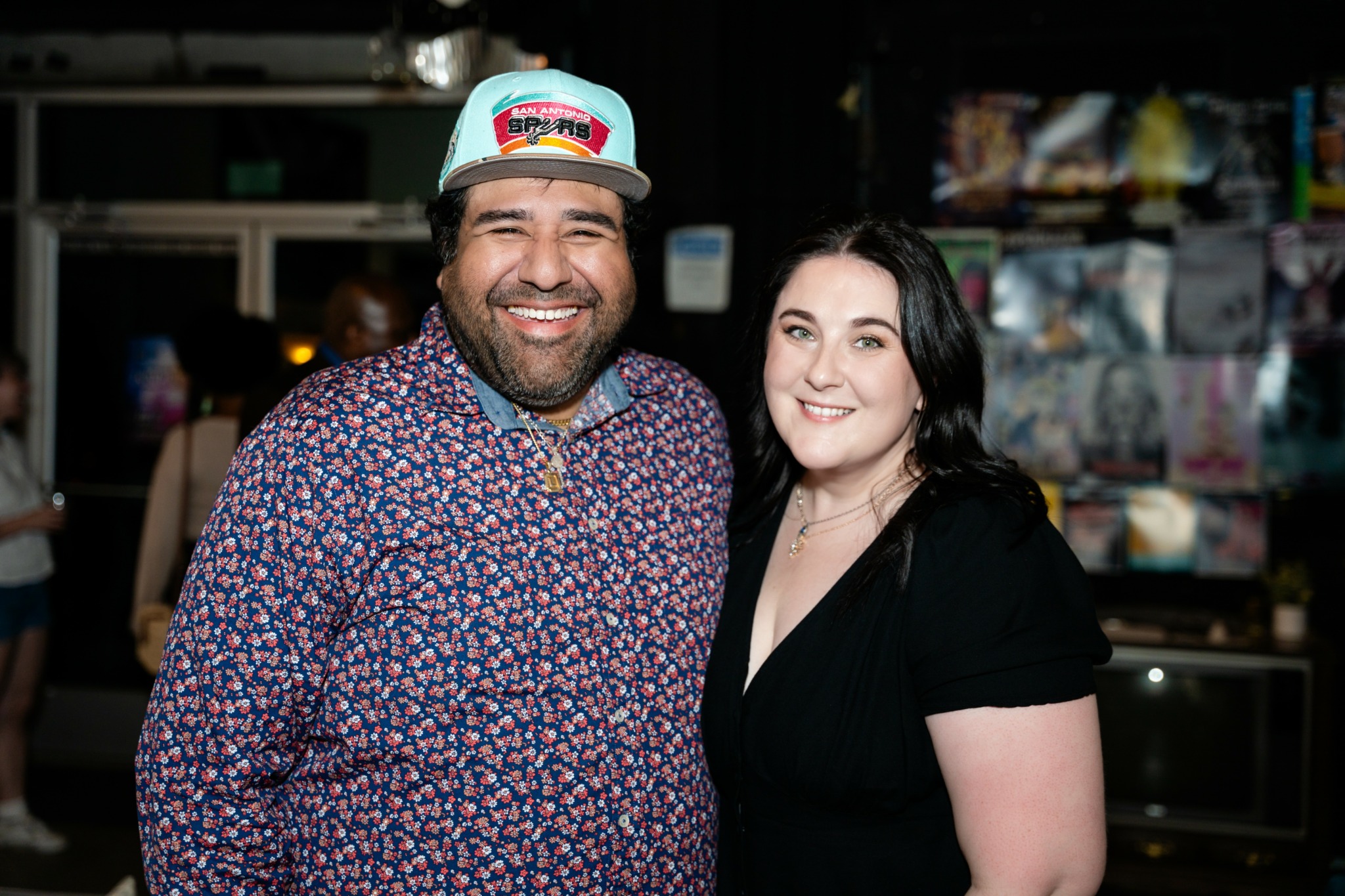
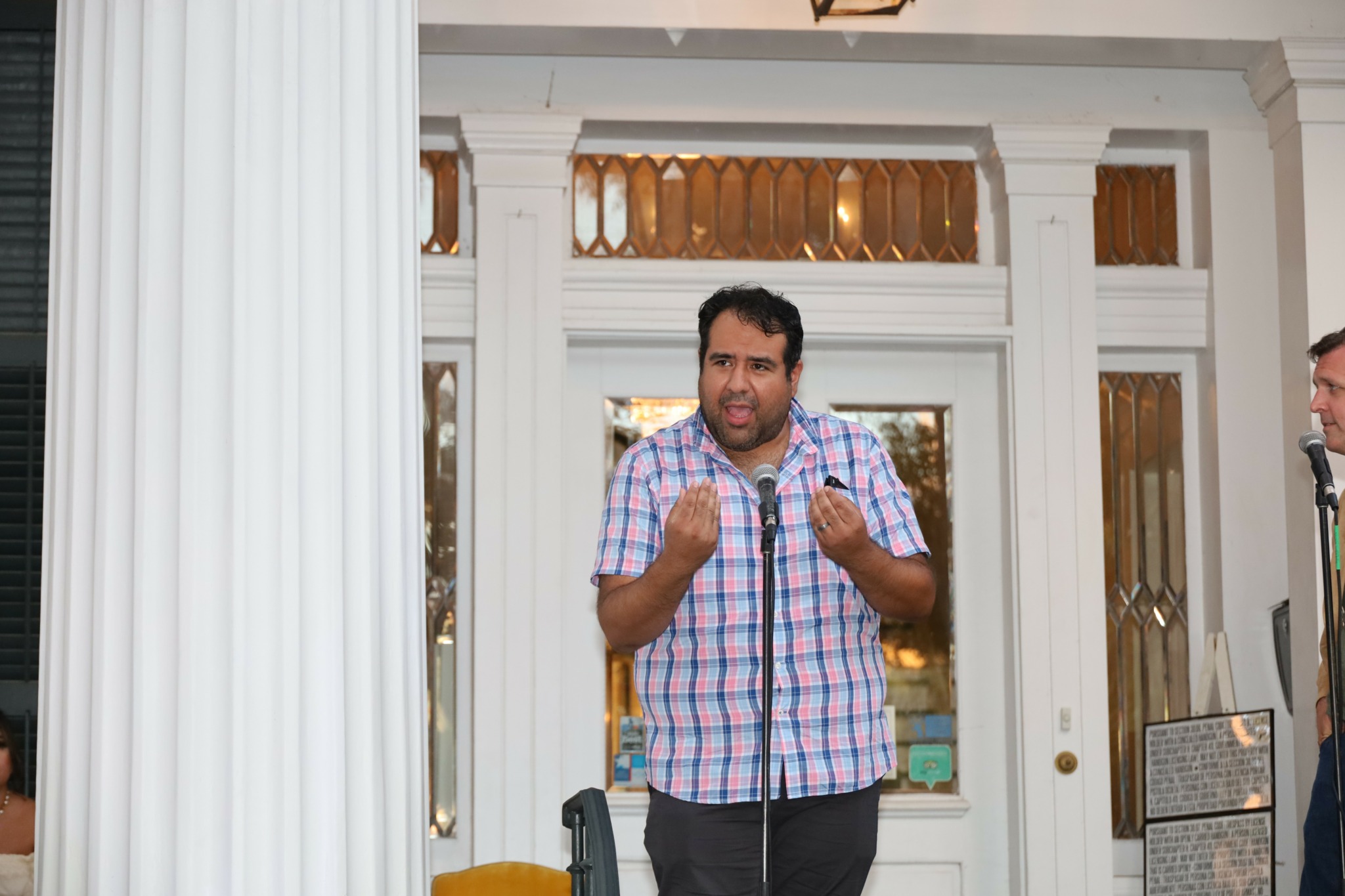
As always, we appreciate you sharing your insights and we’ve got a few more questions for you, but before we get to all of that can you take a minute to introduce yourself and give our readers some of your back background and context?
I’m a director, actor, playwright, composer, and educator based in Austin, Texas. If you ask my mom, my career started when I was four years old, performing every Disney movie in our living room in my underwear. If you ask me, it began the moment I saw Phantom of the Opera on a high school trip to New York. Seeing that show flipped a switch in me. I came back home as a full-blown theatre kid and never looked back.
I earned my B.F.A. from Texas State University in what was then called Pre-Directing (now Performance and Production). During that time, I was invited to join a rock band. I didn’t play bass (yet), but I said yes anyway. I skipped class for a week, bought a bass from a pawn shop, studied Flea from the Red Hot Chili Peppers, and leaned on my background in music theory and guitar. That leap of faith led to a successful run performing across Austin and surrounding areas. But eventually, I found myself pulled back to the theatre, where my heart truly lives.
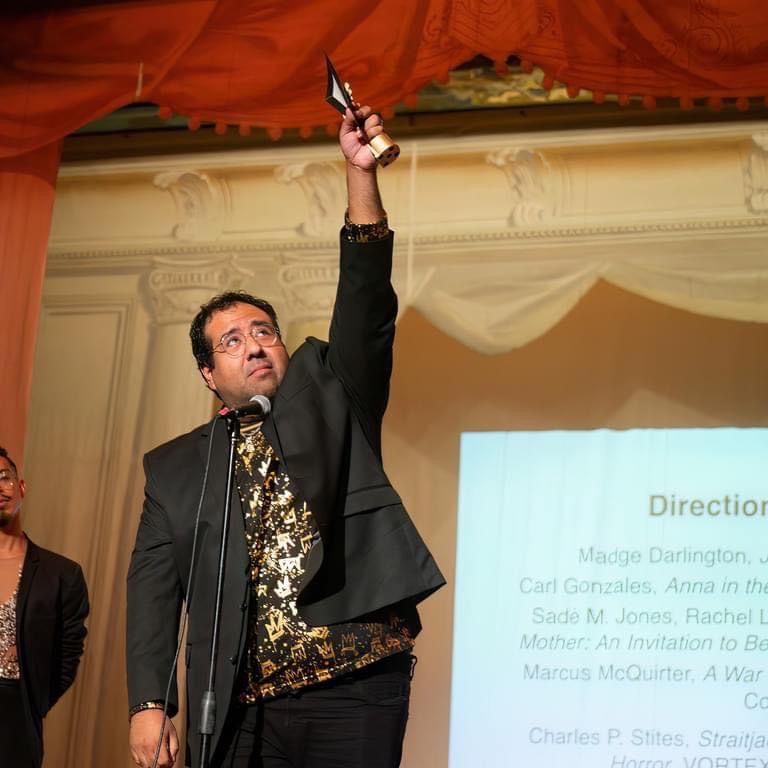
When the pandemic hit, like many artists, I took a necessary pause. Then in 2022, Lisa Scheps, Artistic Director of Ground Floor Theatre, invited me to direct Anna in the Tropics by Nilo Cruz. That production was a turning point. The cast and creative team were magic and the direction, if I may say, was the most focused work I’d ever done. I brought in my wife, Lacey Cannon Gonzales, as Assistant Director and together we crafted a show that swept nearly every major Austin regional theatre award, including Best Production and Best Direction. Some people called it an overnight success. What they didn’t see were the ten years of groundwork that led to that moment.
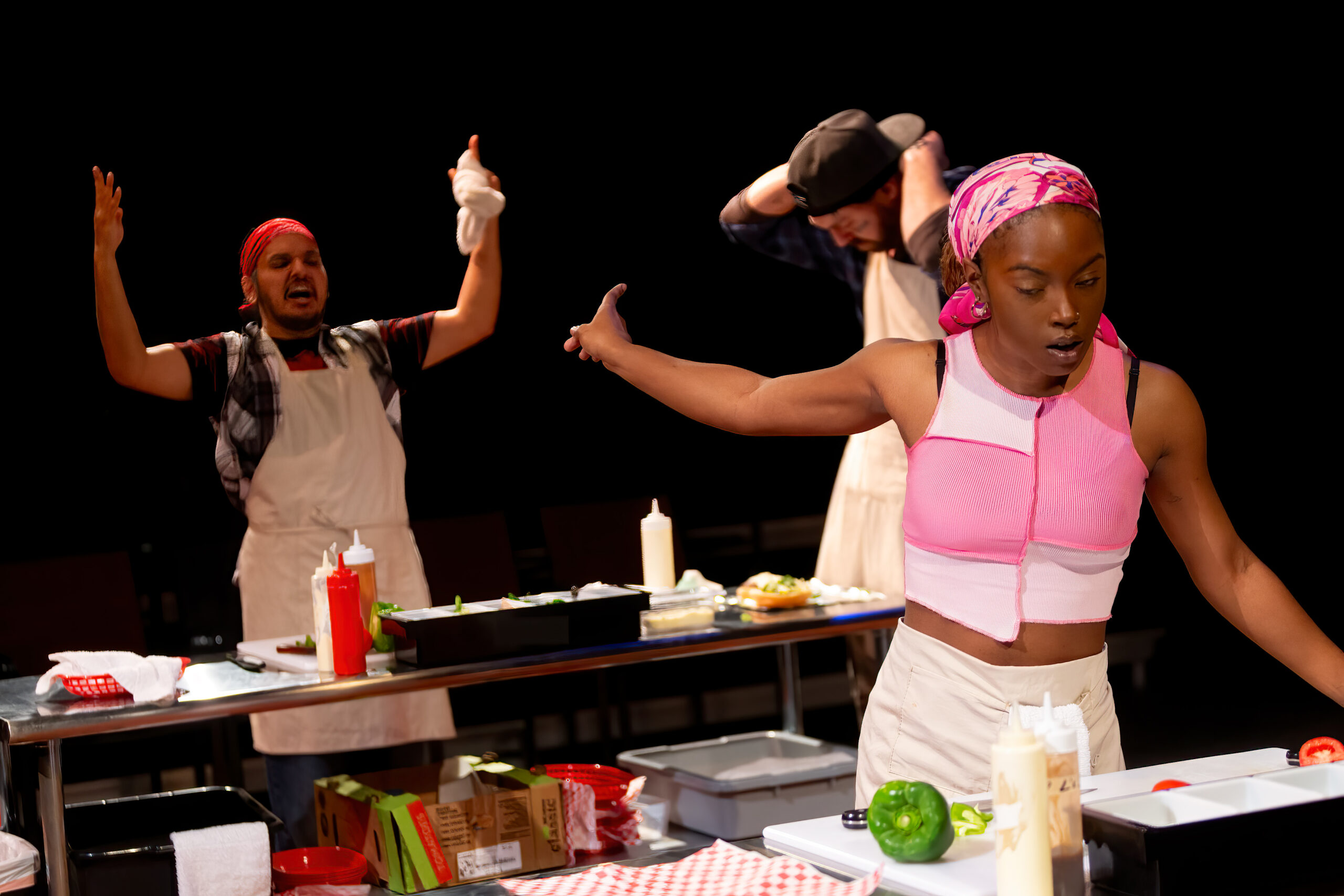
That same year, I wrote my first horror play, La Planchada, a story rooted in cultural folklore and historical truth. I knew immediately Lacey needed to direct it. She might actually be a better director than I am (please don’t tell her; she’ll frame this sentence and hang it next to our wedding photo). She and her co-director Ivonne Lozano-DeLuna led an all-star cast to a Best of Fest win at FronteraFest 2023, an internationally recognized theatre festival held in Austin, Texas.
Since then, my journey has had its share of triumphs and challenges. But each experience has only clarified my purpose. I can’t afford to take on work that doesn’t align with my mission: to tell stories that should not die. I am driven by a deep commitment to communities that have been historically and systematically shut out of the conversation onstage and off. I believe in the power of theatre to honor these stories, to preserve them, and to amplify voices that have too often been ignored or erased.
Every show I direct, every script I write, every class I teach, it all comes back to that mission. I’m not interested in trend-chasing or applause for its own sake. I’m here to tell the stories that matter, especially the ones that were never supposed to survive. That’s the work I’m most proud of and that’s what I want people to know about me.
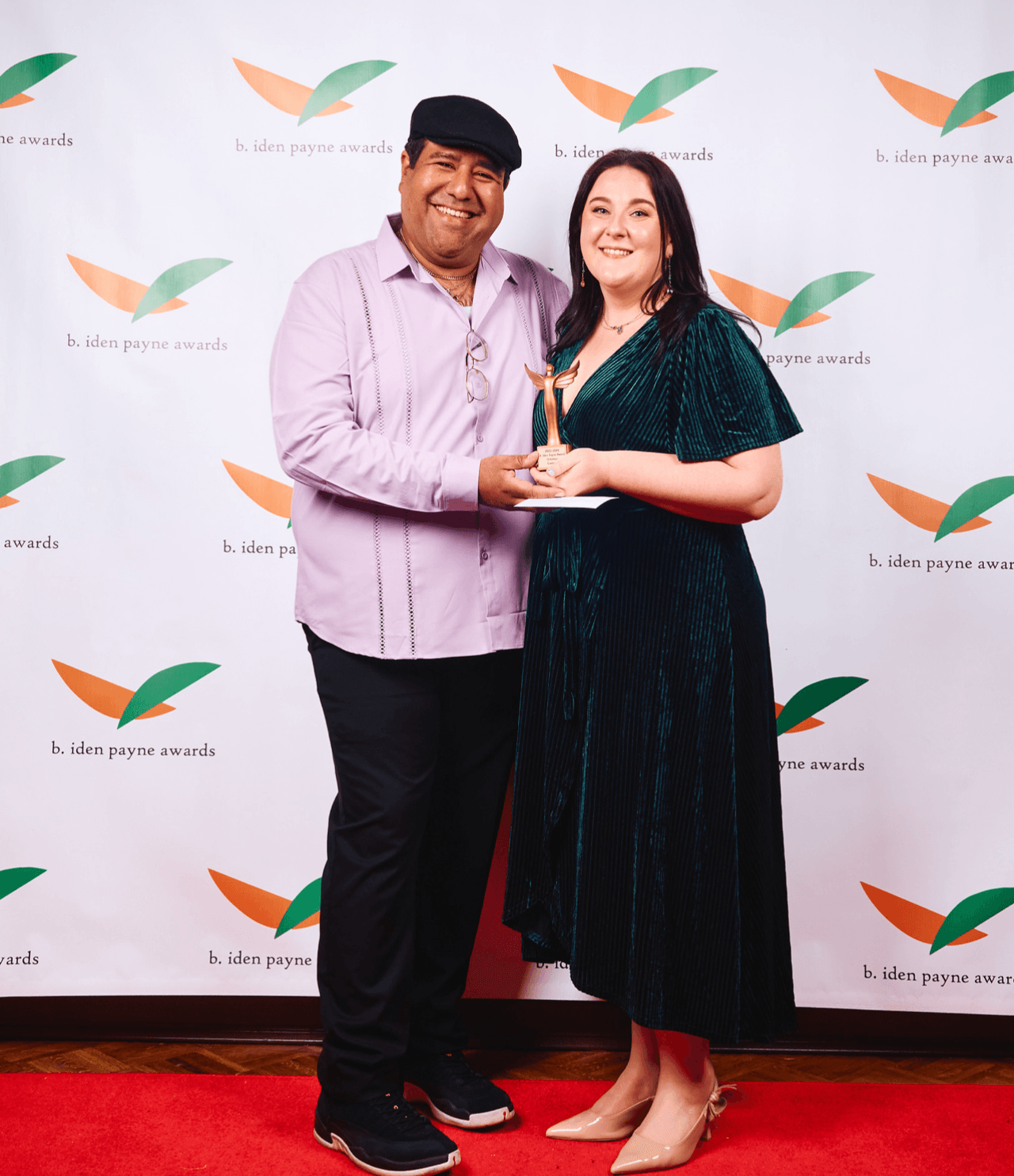
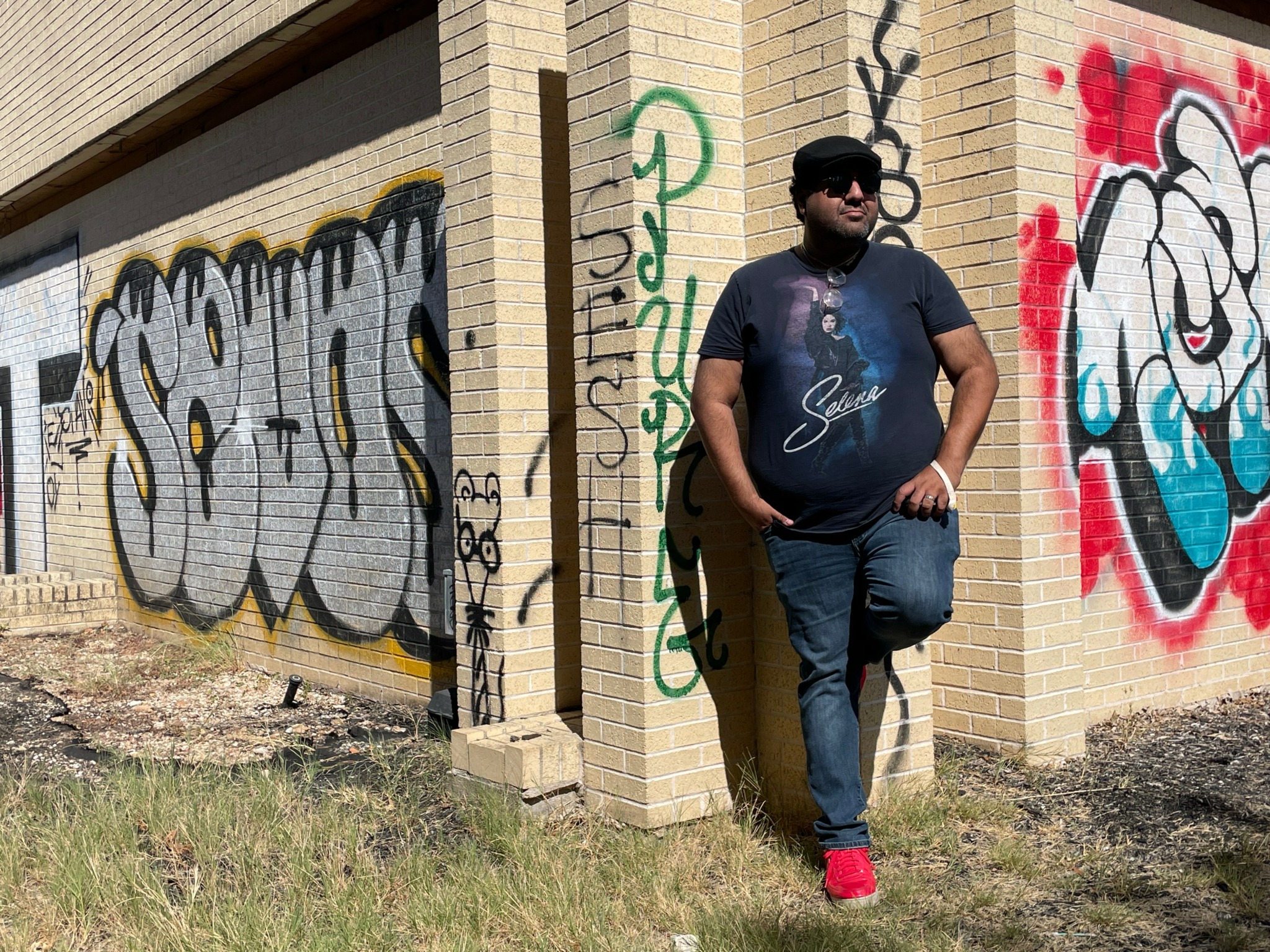
What can society do to ensure an environment that’s helpful to artists and creatives?
I wish there were a more poetic answer, but the truth is artists need support to survive, and often that support has to be financial. If you care about the creative ecosystem in your city, start with your local theatre. Buy a ticket. Better yet, buy a season pass. Sign up for a monthly donation, even if it’s small. If a performance moves you, show that appreciation with an extra gift. Most theatre companies, especially those dedicated to marginalized voices, are operating on razor-thin margins. When we say “every dollar counts,” we’re not being dramatic. We mean it.
But support doesn’t stop at the box office. If financial giving isn’t possible right now (because yes, groceries are expensive), then use your voice. Share the show. Tell your friends. In a world run by algorithms, word of mouth still makes all the difference.
Theatre has always been about community. It’s a space where stories come to life, where voices that have been ignored get heard. But that only happens when people show up, not just in the audience, but as part of the ecosystem that keeps it going. If we want to keep telling stories that need to be told, we need everyone at the table.
Do you think there is something that non-creatives might struggle to understand about your journey as a creative? Maybe you can shed some light?
I’ve got three answers to this.
1. First, this is not a hobby. Theatre as a hobby is beautiful, life-giving, and important. But theatre as a career? It’s full-time work. It’s exhausting. It’s high-stakes. And when it works, it’s magic. But it’s not casual.
2. Second, it’s not always easy to keep going. There are days when the exhaustion outweighs the applause. You question your path. You wonder if it’s sustainable. And still, you wake up and recommit. Because the work matters. The stories matter. The people you’re doing it for matter.
3. Third, we need you. Truly. We create these stories to share them, to start conversations, and to invite people in. When you show up, it keeps the work alive.
Okay. It’s actually four answers.
4. Here’s the real truth: I don’t subscribe to the idea of “non-creatives.” Creativity isn’t something reserved for artists. It lives in every person I’ve ever met. In how you solve problems, in how you nurture your community, in the way you dream. We’ve all been taught to see creativity as something rare, but I think it’s one of the most natural, human resources we have. Whether you choose to use it or not is up to you. But it’s in you. And I think the world becomes more vibrant when we each decide to let that part of ourselves be seen.
Contact Info:
- Instagram: @Somelatinoguy, @thecarlgonzales
- Facebook: https://www.facebook.com/Carl.Gonzales1
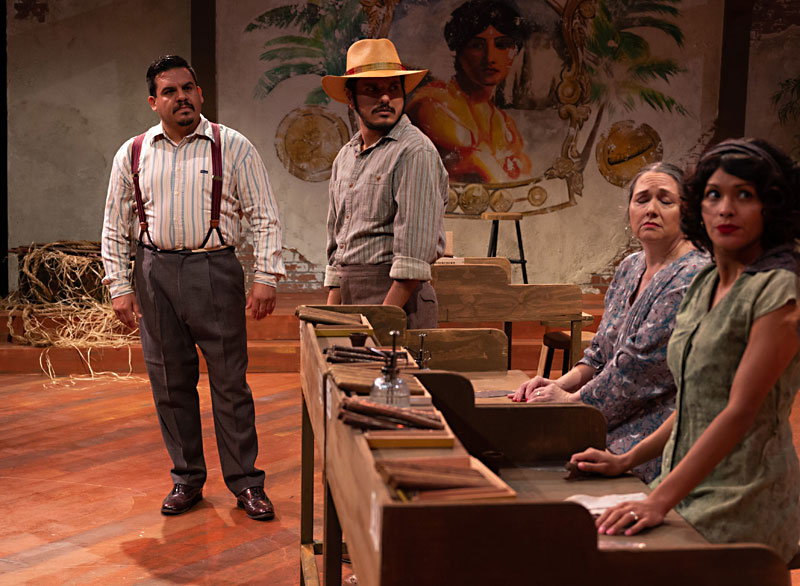
Image Credits
Lens of Athena Photography
Steve Rogers Photography
James Wilkus Photography
Cindy Elizabeth Photography
grain_wilson photography