We were lucky to catch up with Carissa Henry recently and have shared our conversation below.
Carissa, looking forward to hearing all of your stories today. We’d love to hear the story behind how you got your first job in field that you currently practice in.
My journey into the field I practice in today wasn’t linear—it was a series of unexpected turns that shaped not just my career but also my sense of purpose. It all started back in high school. I began at a large, traditional high school my freshman year, but halfway through my sophomore year, I transferred to an alternative school with fewer than 100 students. It was a huge shift, but one that helped me refocus. I went from starting my sophomore year behind with freshman credits to graduating in just 3.5 years at 17 years old.
From there, I went straight to a local university without a clear idea of what I wanted to do. I quickly realized how easy it was to get lost and distracted without direction. After three semesters, I made the tough decision to drop out and enroll in an adult recreational school to become a Licensed Practical Nurse (LPN). That decision set me on a path that would shape the rest of my career.
At 21, I got my first job as an LPN working in a nursing home. I worked a Baylor shift—12-hour shifts on Saturday and Sunday, plus an 8-hour evening shift on Wednesdays. I even got paid for 8 hours I didn’t work to make it a 40-hour week. Looking back, I don’t know if those kinds of shifts still exist, but I loved it. It allowed me to spend weekdays with my daughter, who was just a baby at the time, while also giving me the flexibility to figure out my next steps.
That’s when I decided to pursue my bachelor’s in health administration through an online program—something that wasn’t nearly as common or accessible back then as it is now. That decision opened doors to health care managerial roles, where I focused on solving root causes of systemic issues within health care settings. Eventually, I earned my master’s degree in public health and found myself working with underserved populations—communities that deeply inspired me and confirmed that addressing the needs of marginalized groups was where I wanted to focus my efforts.
When I started my doctoral program, my research interests were centered on mental health and substance abuse. But everything shifted when my daughter, Mila, launched her nonprofit, MH Boxes, which provides mental health resources to Black adolescent girls. Her vision and determination inspired me to change my dissertation focus to the mental health needs of young Black girls—a cause that feels so personal and urgent.
Looking back, I’m incredibly grateful for the winding road that led me here. Each step—from transferring schools to figuring out life as a young mom, from discovering alternative education pathways to working in health care settings—played a role in shaping my passions and values. That first job as an LPN in a nursing home gave me the stability and clarity I needed to carve my own path, and I wouldn’t trade that experience for anything.
As always, we appreciate you sharing your insights and we’ve got a few more questions for you, but before we get to all of that can you take a minute to introduce yourself and give our readers some of your back background and context?
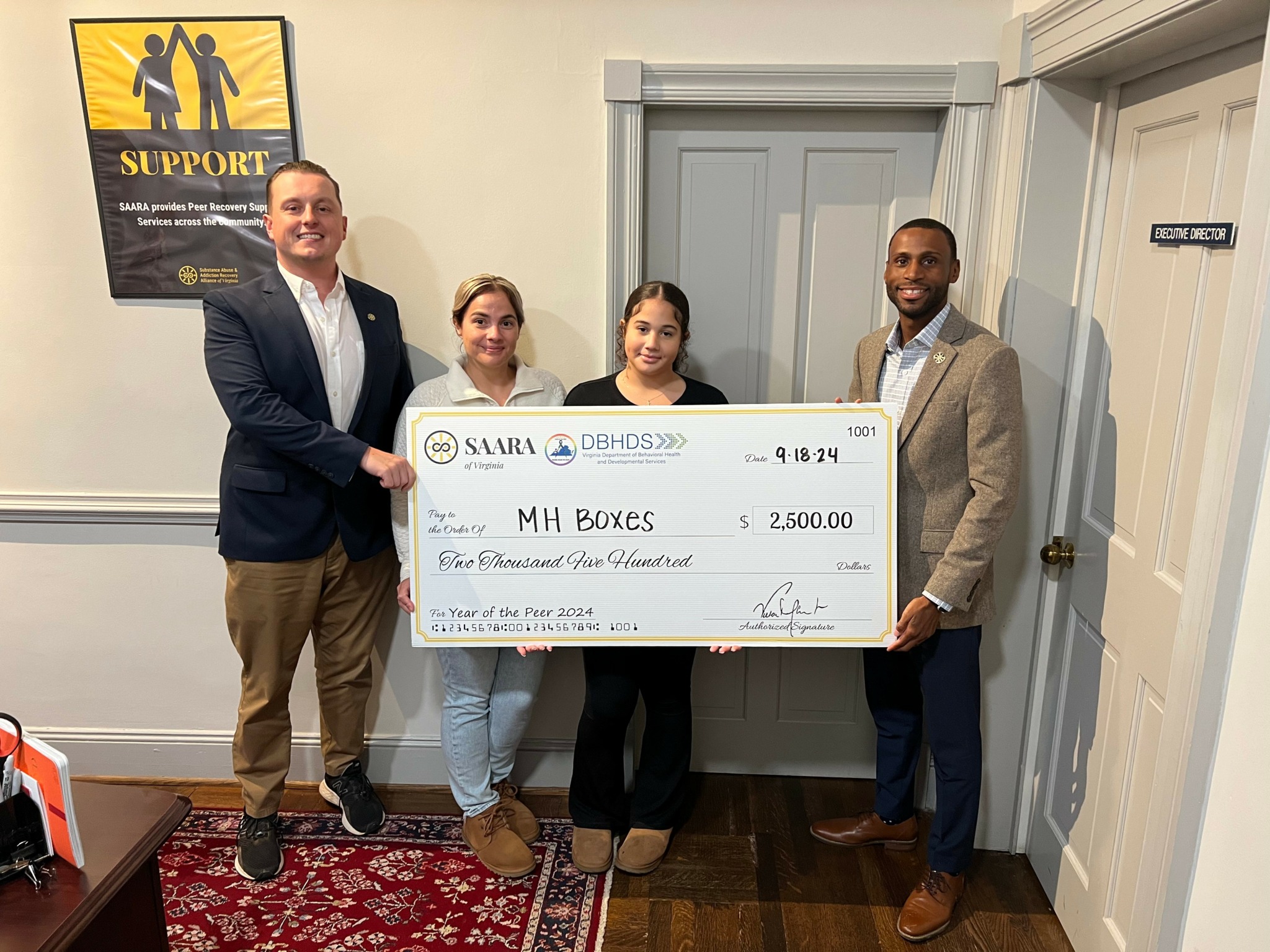
I’ve always been a passionate advocate for mental health and community empowerment. As the Co-Founder of MH Boxes, a nonprofit organization launched in January 2024, we work to address the mental health needs of adolescent Black girls. Our mission is rooted in recognizing the unique challenges these girls face, such as stigma surrounding mental health, limited access to culturally relevant resources, and systemic inequities that often go unnoticed.
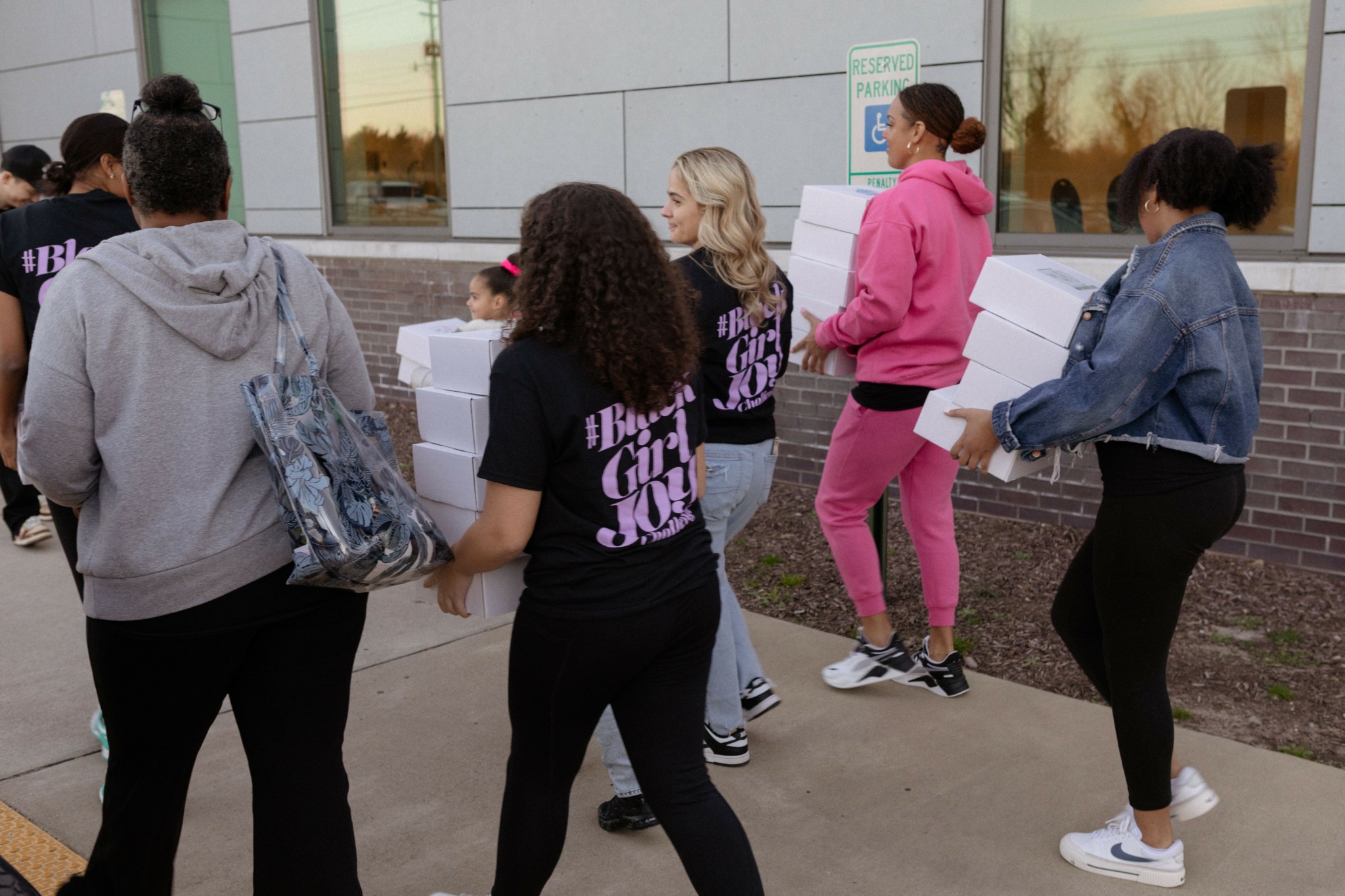
MH Boxes began as an idea inspired by my daughter’s journey of understanding her own mental health challenges. We wanted to create something tangible and meaningful to support young girls who might feel unseen or unsupported. Starting with care packages that included mental health resources, journals, self-care items, and other tools for emotional well-being, MH Boxes quickly grew into more than just a care package—it became a movement for advocacy, education, and change.
MH Boxes provides care packages filled with items designed to help adolescent Black girls navigate their mental health journey. Beyond the boxes, we plan to grow to host workshops, peer support programs, and community outreach initiatives. These programs aim to destigmatize mental health in Black communities and empower girls with tools and knowledge to advocate for their well-being. Our work also involves partnering with schools, community organizations, and mental health professionals to create a supportive ecosystem around these young girls.
Our work addresses the deep disparities in mental health care for Black girls. These include access support and stigma. We make culturally relevant resources available to girls who might not otherwise have access. By normalizing conversations about mental health, we break down barriers that prevent girls from seeking help. We provide tools for self-care and emotional expression, fostering a sense of community and belonging.
MH Boxes is more than just a nonprofit—it’s a reflection of lived experiences and a commitment to systemic change. What sets us apart is our focus on culturally relevant, personalized support for Black girls. We recognize that their experiences are unique, and our approach is rooted in understanding and amplifying their voices. By involving the community, empowering young leaders, and integrating mental health education into every aspect of our work, we’re creating long-lasting impact.
One of the things I’m most proud of is the community we’ve built. In less than a year, we’ve delivered over 1,200 care packages and created partnerships with schools, nonprofits, and local businesses to reach even more girls in need. Seeing the smiles and hearing the feedback from girls who feel seen and supported because of MH Boxes is incredibly fulfilling. It’s also been inspiring to see how this initiative has sparked broader conversations about mental health in the Black community.
MH Boxes is about hope, empowerment, and change. It’s a reminder that even small acts of care and compassion can make a big difference in someone’s life. Whether you’re a parent, a community leader, or someone who cares about the well-being of Black girls, there’s a role for you in this movement. We welcome your support, whether it’s through donations, partnerships, or simply spreading the word about what we’re doing.
Together, we can break down barriers, rewrite narratives, and ensure that every Black girl has the tools and support she needs to thrive. That’s what MH Boxes is all about.

Putting training and knowledge aside, what else do you think really matters in terms of succeeding in your field?
Other than training and knowledge, I believe community and people believing in the cause are the most crucial elements for succeeding in my field. When you’re working in advocacy, nonprofit work, or any mission-driven field, having a supportive community amplifies your impact. It’s the people—whether they’re volunteers, donors, or community members—who breathe life into your vision and turn ideas into actionable change. For me, the success of MH Boxes is a testament to this. It’s been the unwavering belief of those around me that has propelled us forward. From local organizations and schools collaborating to distribute care packages, to individuals sharing our mission and supporting us through donations or partnerships, their belief in the cause is what fuels this work. It’s not just about providing resources or creating programs; it’s about creating a movement that people want to be part of because they see its value and impact. When people believe in what you’re doing, they not only support you—they become advocates themselves, spreading the mission further than you could ever do alone. That collective energy, passion, and commitment is what truly drives change.
Can you share a story from your journey that illustrates your resilience?
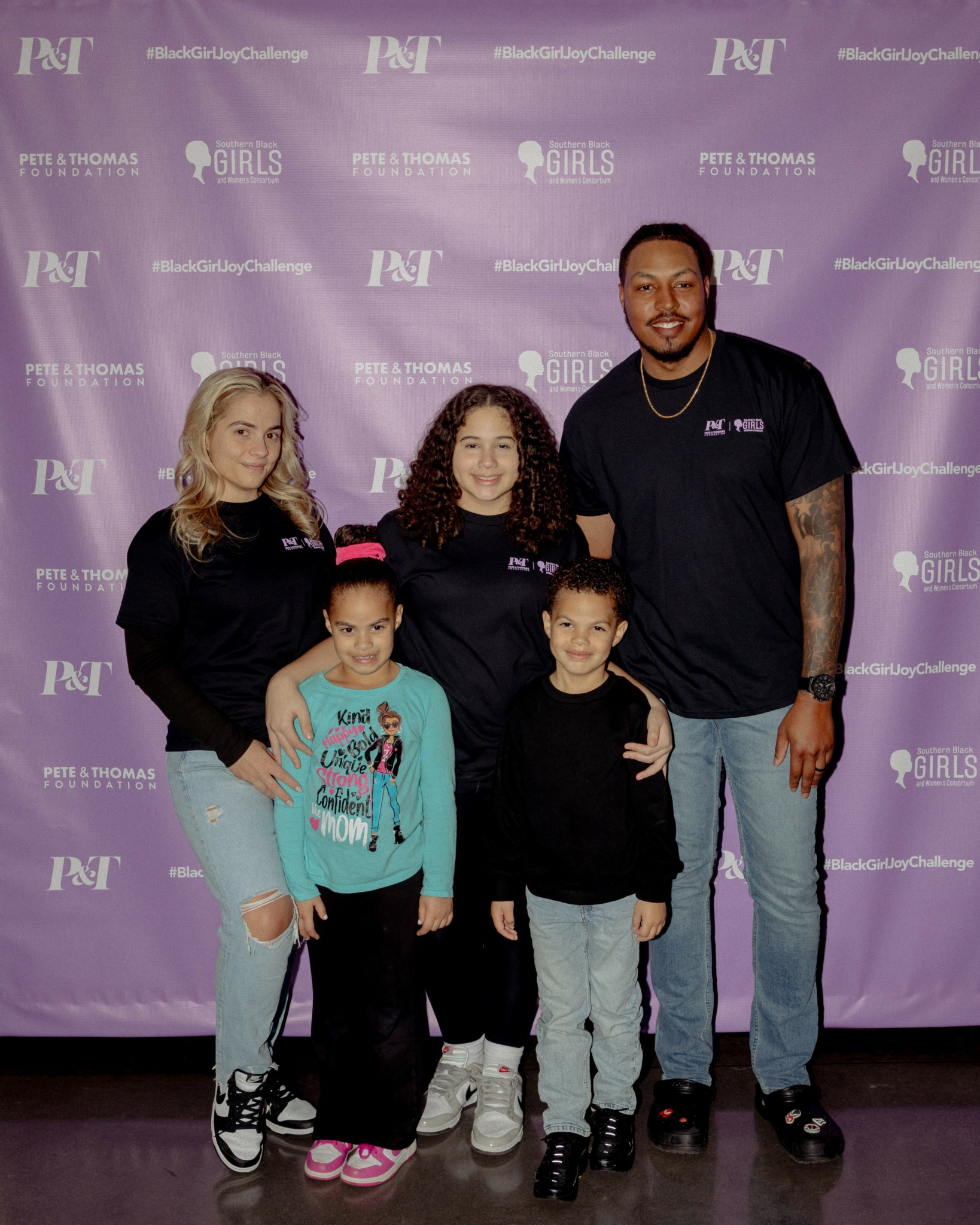
One story that truly illustrates my resilience is my journey as a parent raising biracial children who struggle with mental health. It’s one thing to understand mental health challenges as a healthcare provider, but it’s entirely different to navigate them personally as a parent.
One of the most difficult experiences I’ve faced was having my daughter admitted to a mental health hospital. As a mother, it was an emotionally overwhelming time—feeling the pain of seeing her struggle and knowing I had to trust others with her care. As someone who has also been personally affected by mental health challenges, it was a moment that tested me on every level.
I had to learn to advocate for her needs within the system while managing my own emotions and fears. It required immense strength to separate my professional knowledge from my personal vulnerability and to focus on what she needed most at that moment: love, support, and understanding.
That experience reshaped how I approach mental health, both in my personal life and professionally. It deepened my empathy for families going through similar situations and gave me the courage to talk openly about these challenges. It also inspired the work I do with MH Boxes, as I saw firsthand how much young people and their families need support systems that truly understand their unique experiences.
This journey taught me that resilience isn’t about having all the answers or being unshakable—it’s about showing up, even when it’s hard, and finding ways to keep moving forward for the ones you love. It’s about using those difficult moments to fuel change, which is what I aim to do every day through my advocacy and the work we do at MH Boxes.
Contact Info:
- Website: https://mhboxes.org/
- Instagram: https://www.instagram.com/mhboxes
- Linkedin: https://www.linkedin.com/company/mh-boxes