

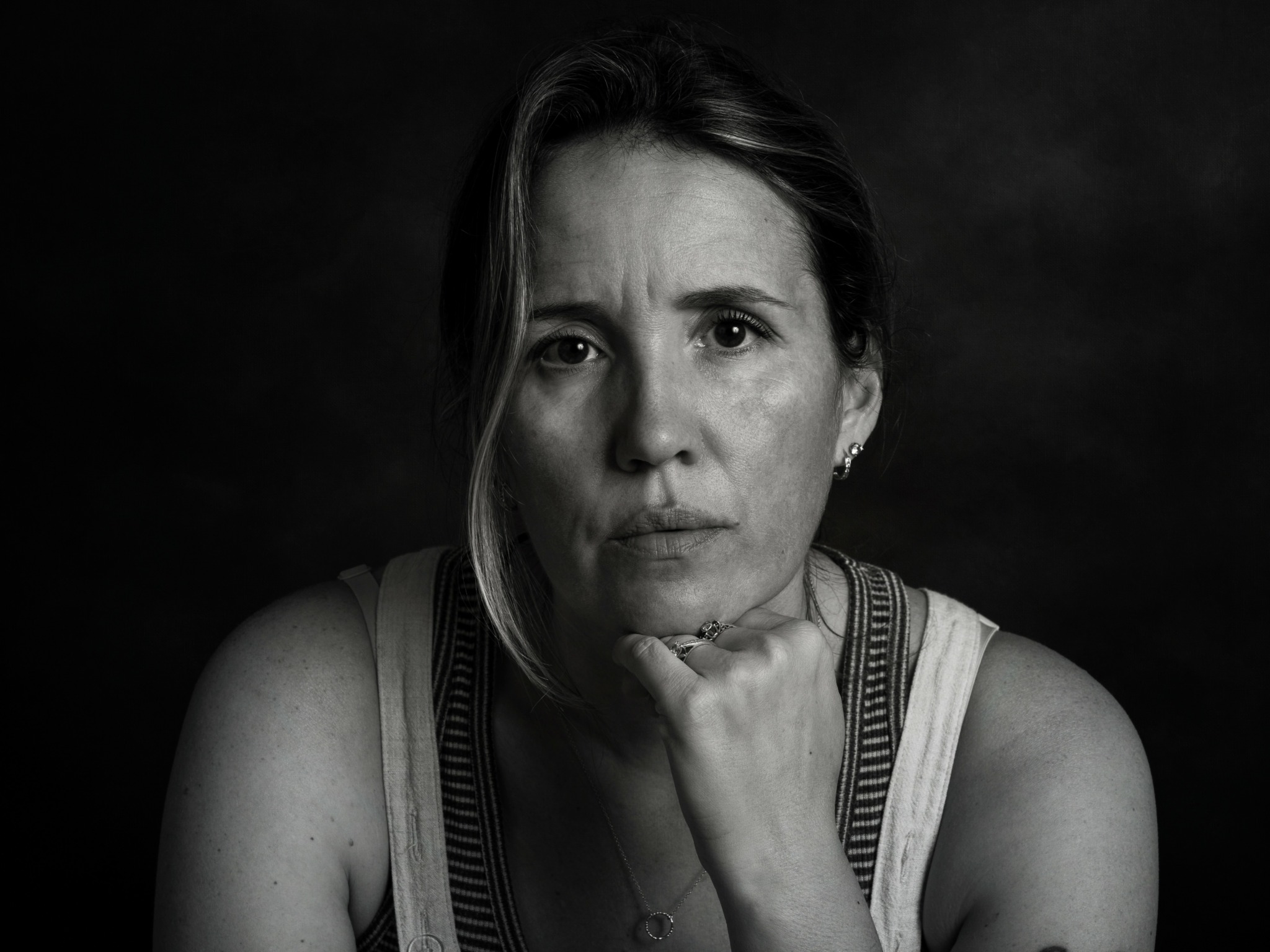

We recently connected with Cari-Anne Mercer and have shared our conversation below.
Cari-Anne, thanks for taking the time to share your stories with us today We’d love to hear about a project that you’ve worked on that’s meant a lot to you.
I would have to say the most meaningful project I’ve worked on is the one I’m currently building. It’s called Woman Erased.
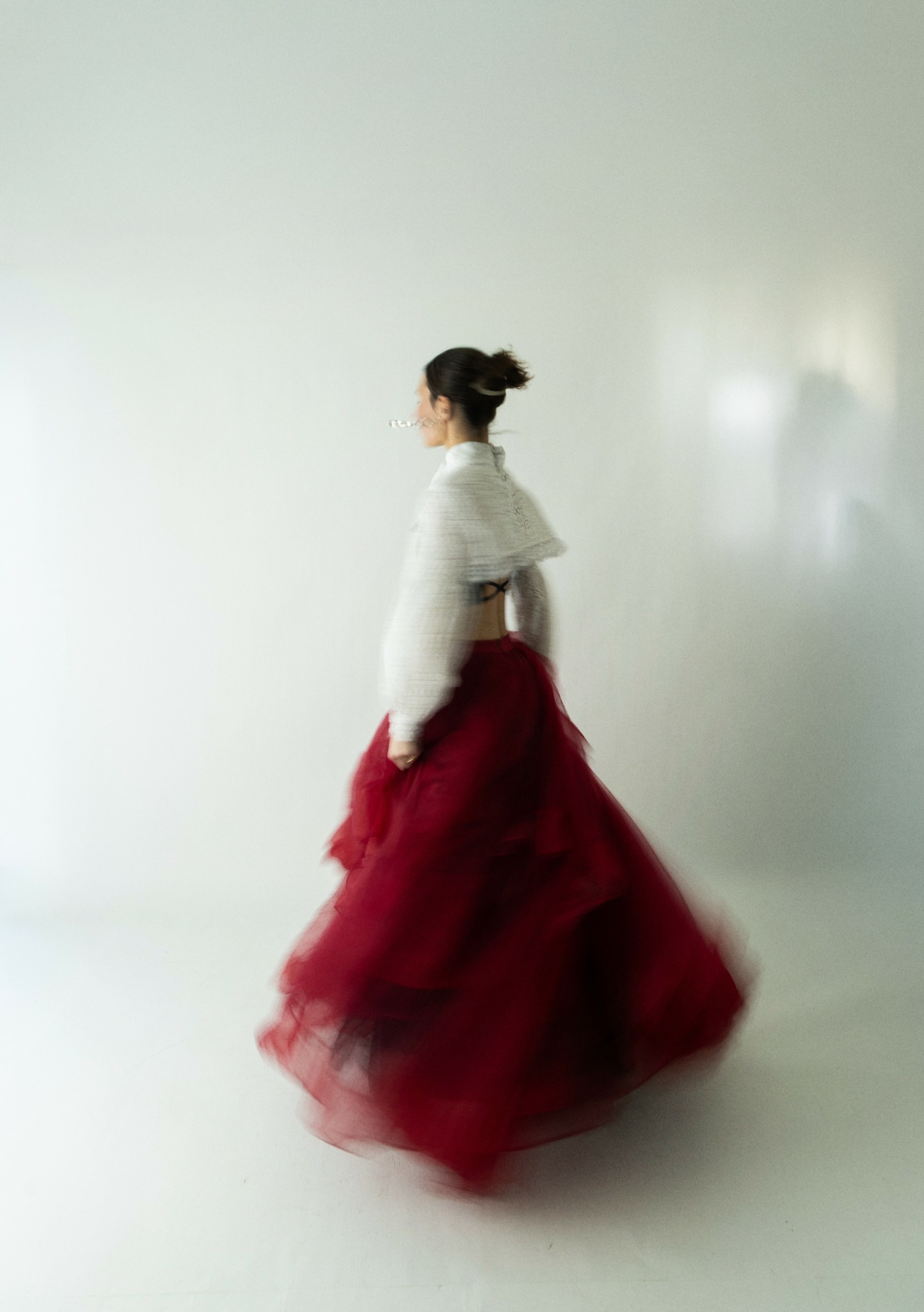
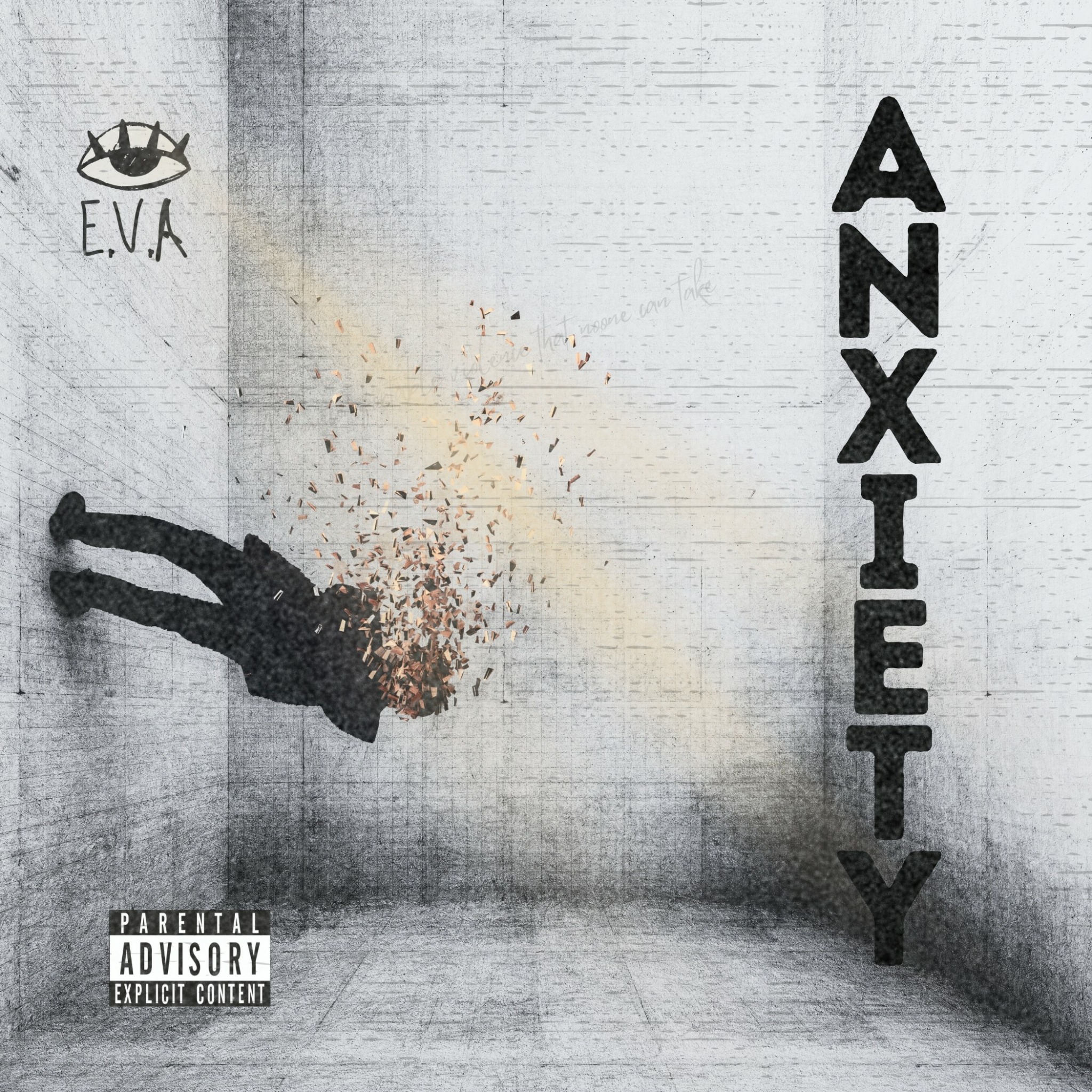
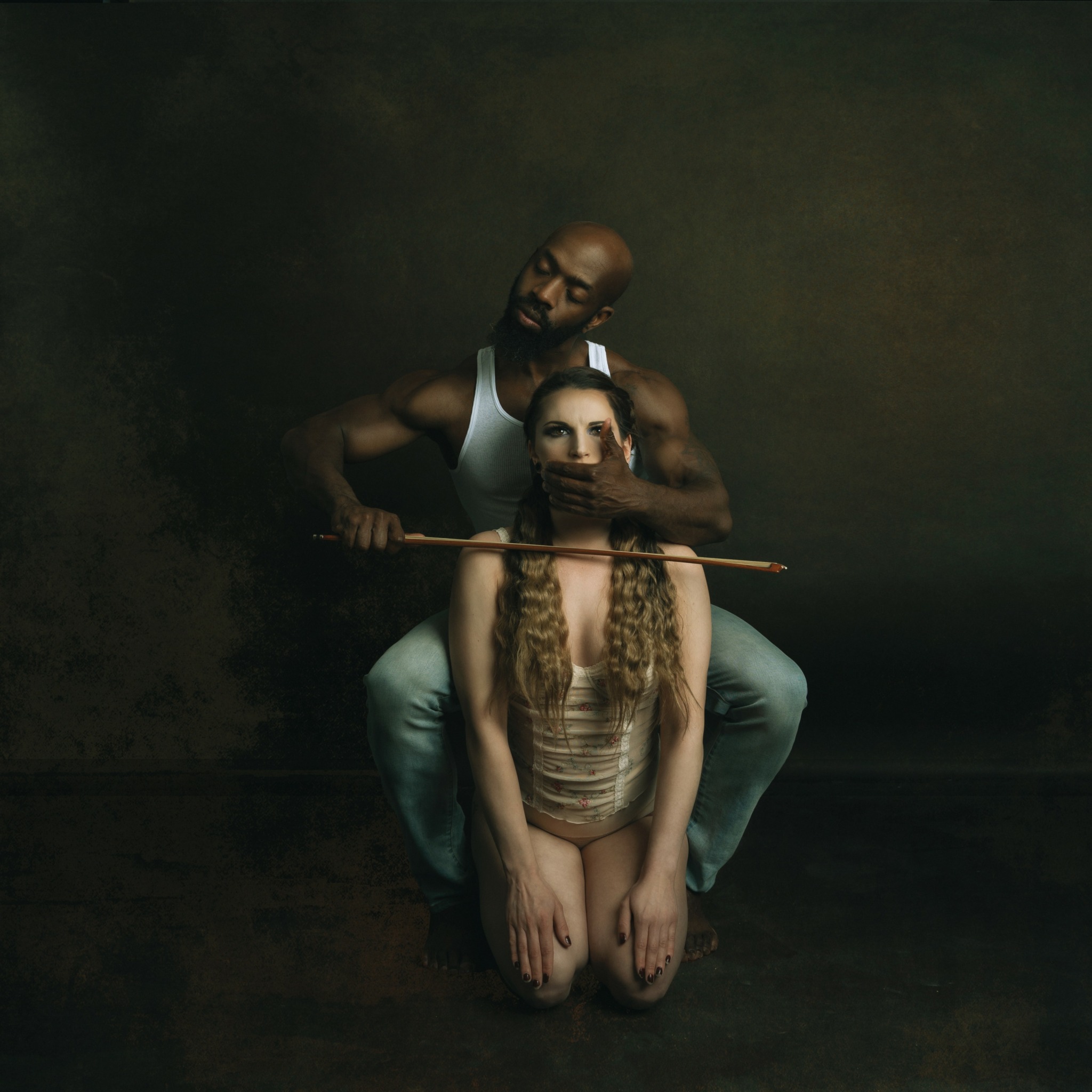
It’s a culmination of everything I do—photography, poetry, and songwriting—but more importantly, it’s a response to lived experience. This project centers on women navigating life during trauma, after trauma, or simply despite it. Not as victims, but as complex, enduring human beings.
Each piece begins collaboratively. I build the concept with the woman in mind, creating a space where she can express herself in a way that feels both abstract and deeply intimate. The imagery is intentionally symbolic—often quiet, restrained, or partially obscured—because trauma rarely announces itself loudly.
From there, I create a title that distills the emotional core of the image, followed by a poem that expands on what can’t be said visually. In many cases, I also write a song to accompany the piece, adding another emotional layer and allowing the work to live beyond the frame.
Woman Erased is meaningful to me because it isn’t just documentation—it’s reclamation. It gives form to experiences that are often minimized, misunderstood, or silenced, and it allows women to be seen on their own terms.
Cari-Anne, before we move on to more of these sorts of questions, can you take some time to bring our readers up to speed on you and what you do?
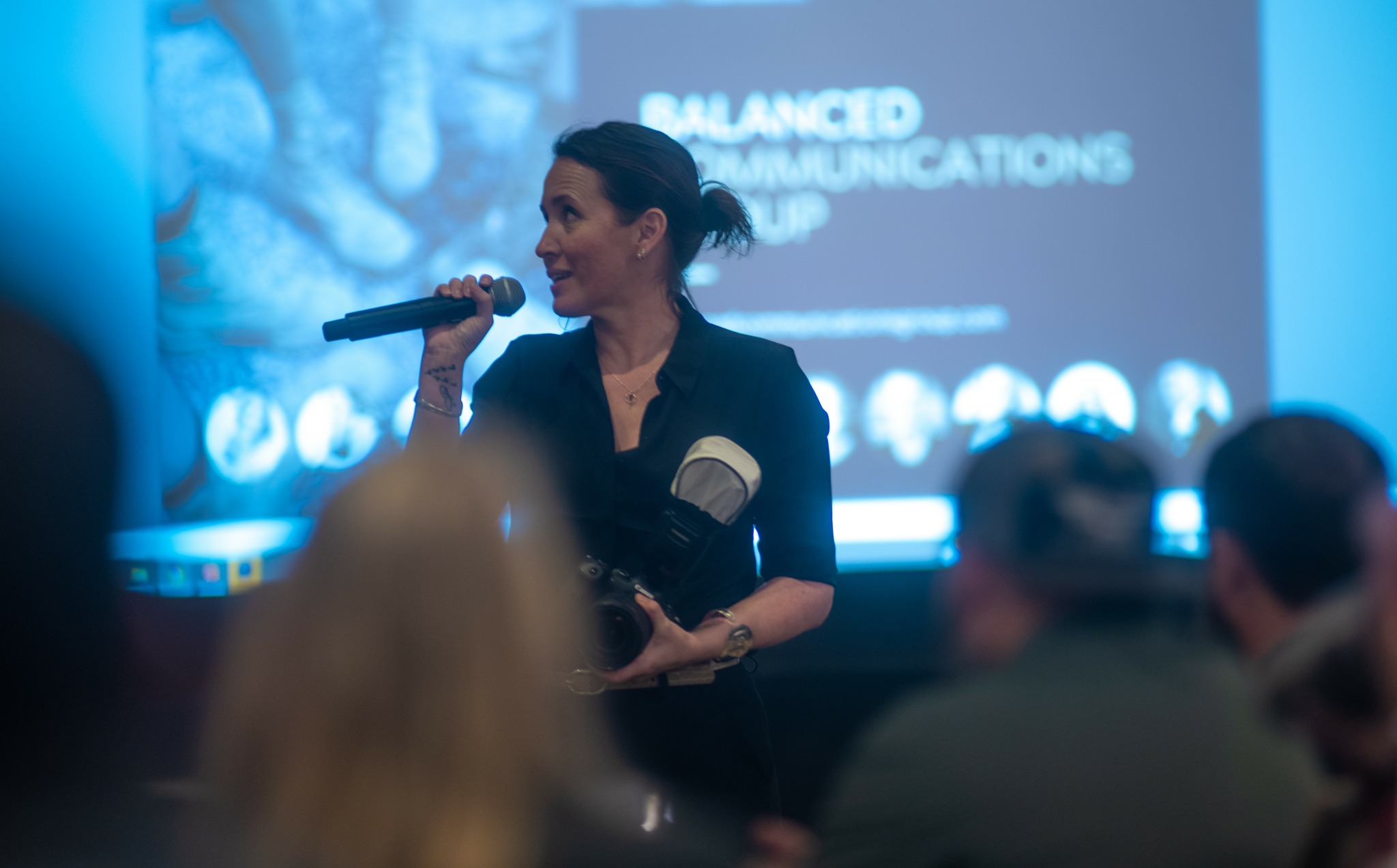
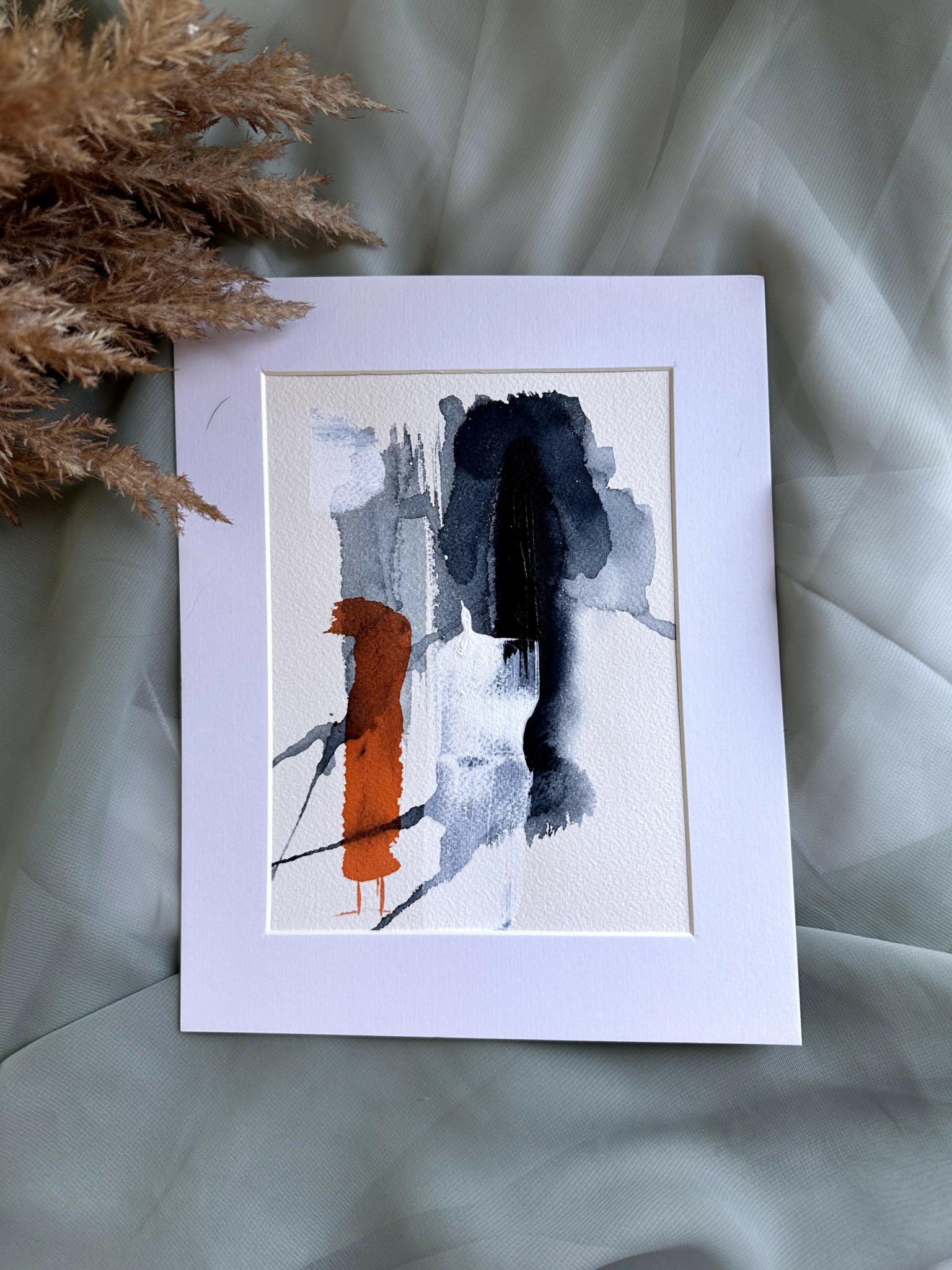
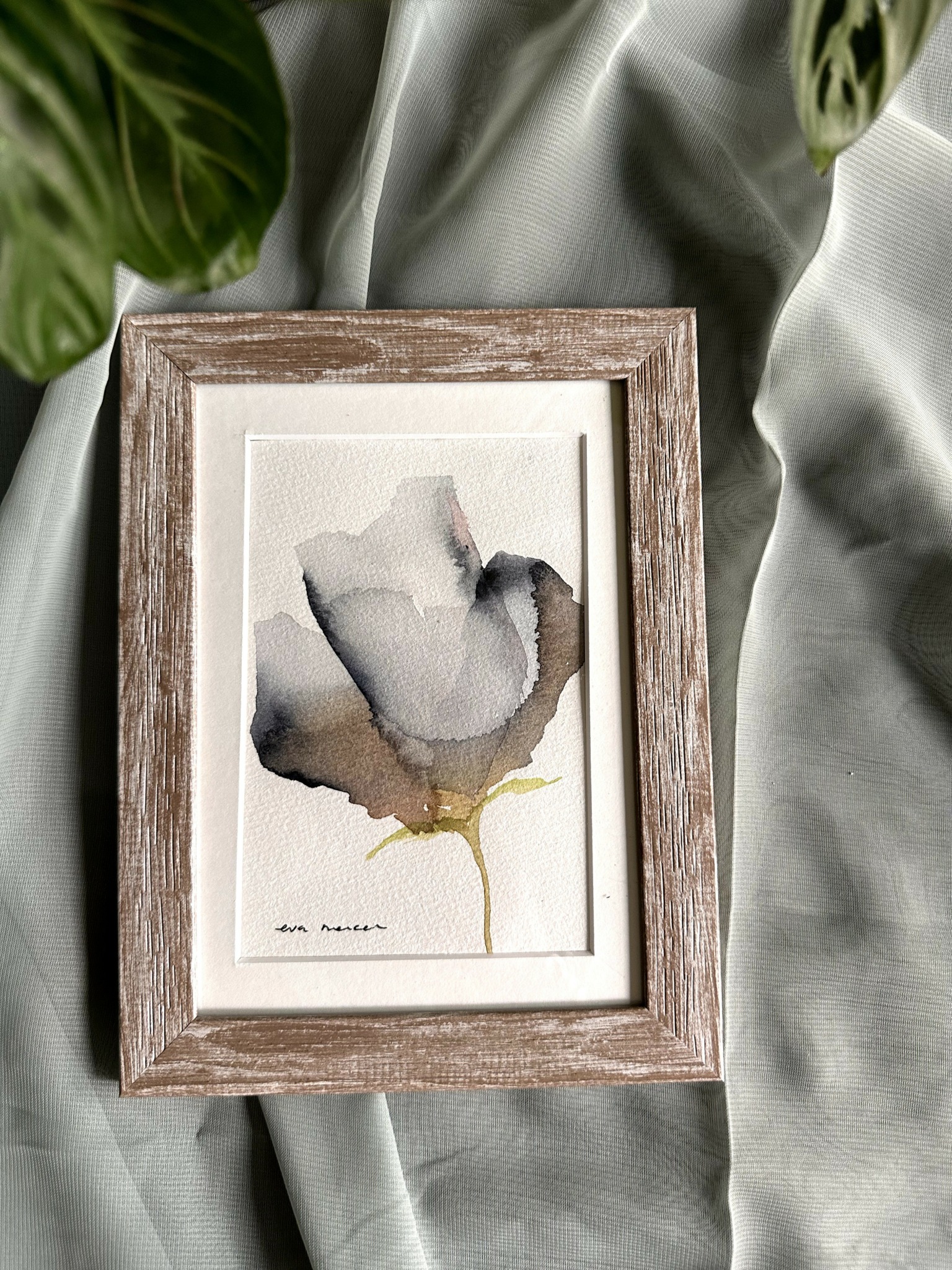
I’m a fine-art photographer, author/poet, songwriter, sculptor, and watercolorist, focusing mainly on my photography and writing projects.
My work across all disciplines focuses on identity, memory, and the ways trauma reshapes how we see ourselves and the world.
My path into this work began in the U.S. Air Force, where I served as a broadcaster. Storytelling was my first discipline—learning how to observe, listen, and translate complex human experiences into something others could understand. After leaving the military, I worked as a photojournalist and journalist for a newspaper, further grounding my work in real lives, real moments, and ethical storytelling.
Over time, disabilities sustained during my military service made traditional work increasingly difficult. Rather than stepping away from storytelling, I shifted how I told stories. Photography and writing became not just my profession, but a way to work honestly, and on my own terms. That transition marked the beginning of my work as a full-time artist.
Alongside visual work, I’ve been writing for as long as I can remember. My poetry has been published in collegiate journals, and I self-published my first novel, When We Were Mortals, several years ago. I’m currently developing my second long-form dystopian series, The Erasure Cycle, which explores themes of memory, identity, power, and survival—ideas that echo throughout my visual work.
What sets me apart is that my work is built on lived experience and layered storytelling. My background in broadcasting, journalism, writing, and art allows me to approach each project with narrative intention and ethical care. I don’t chase trends or create work meant to be disposable. Every image, poem, or song is meant to linger.
What I’m most proud of is the trust my subjects place in me—and the way my work resonates with people who often feel erased, overlooked, or misunderstood. I want people to know that my brand isn’t about perfection or polish. It’s about truth, resilience, and telling stories that matter, even when they’re uncomfortable.
Is there mission driving your creative journey?
My mission is to tell the survivor’s story from a different perspective—one that moves beyond victimhood and toward agency. I want women to see themselves as warriors, not in spite of their scars, but because of them.
My work acknowledges trauma without allowing it to define the entirety of a person. The goal isn’t to dwell in pain, but to give it form, context, and ultimately power. By expressing these experiences through art, I aim to dismantle the long-standing stigma surrounding survival and transform it into something reclaimed—something strong, complex, and unapologetically human.
At its core, my creative journey is about turning what once silenced women into a source of identity, resilience, and self-ownership.
How can we best help foster a strong, supportive environment for artists and creatives?
In my view, one of the most important things society can do to support artists is to stop treating social media popularity as the primary marker of success. We’ve created a “you made it” mentality that equates visibility with value, and that’s deeply damaging to creative ecosystems.
Today, artists are expected not only to create meaningful work, but to constantly measure themselves against whoever is most popular at the moment—often confusing reach with quality. This shifts the focus away from craft, depth, and originality, and toward performance, algorithms, and comparison.
A thriving creative ecosystem needs a return to values rather than vanity. That means supporting artists based on the substance of their work, the risks they take, and the stories they tell—not just how well they market themselves. It means investing in long-term growth, thoughtful critique, and spaces where experimentation is encouraged rather than punished for not being immediately profitable or shareable.
When we stop asking artists to chase attention and start giving them room to develop, culture becomes richer, more honest, and far more sustainable.
Contact Info:
- Website: https://www.evamercer.com
- Instagram: evamercerartist
- Facebook: https://www.facebook.com/evamercerhouse
- Soundcloud: https://soundcloud.com/evamercer
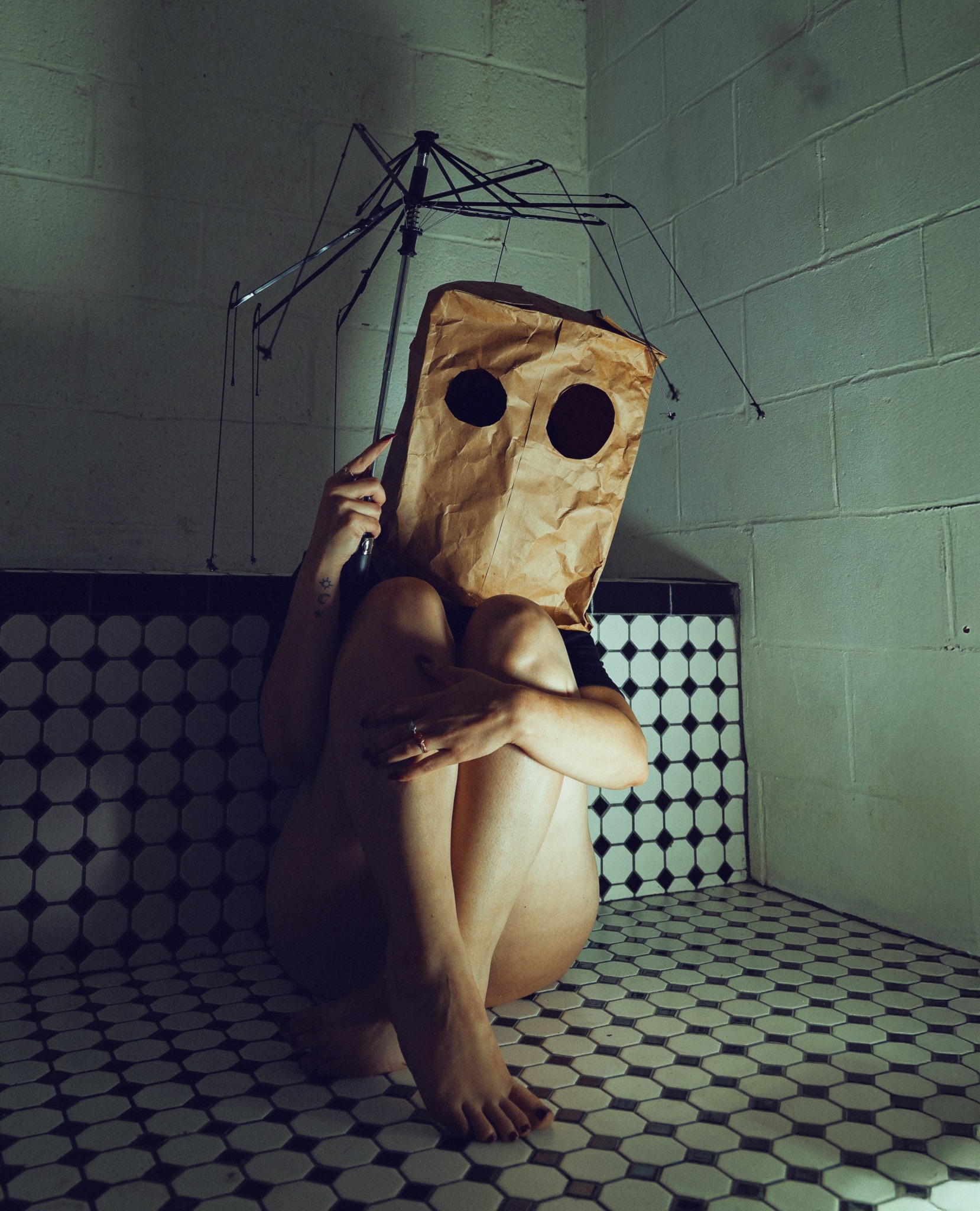
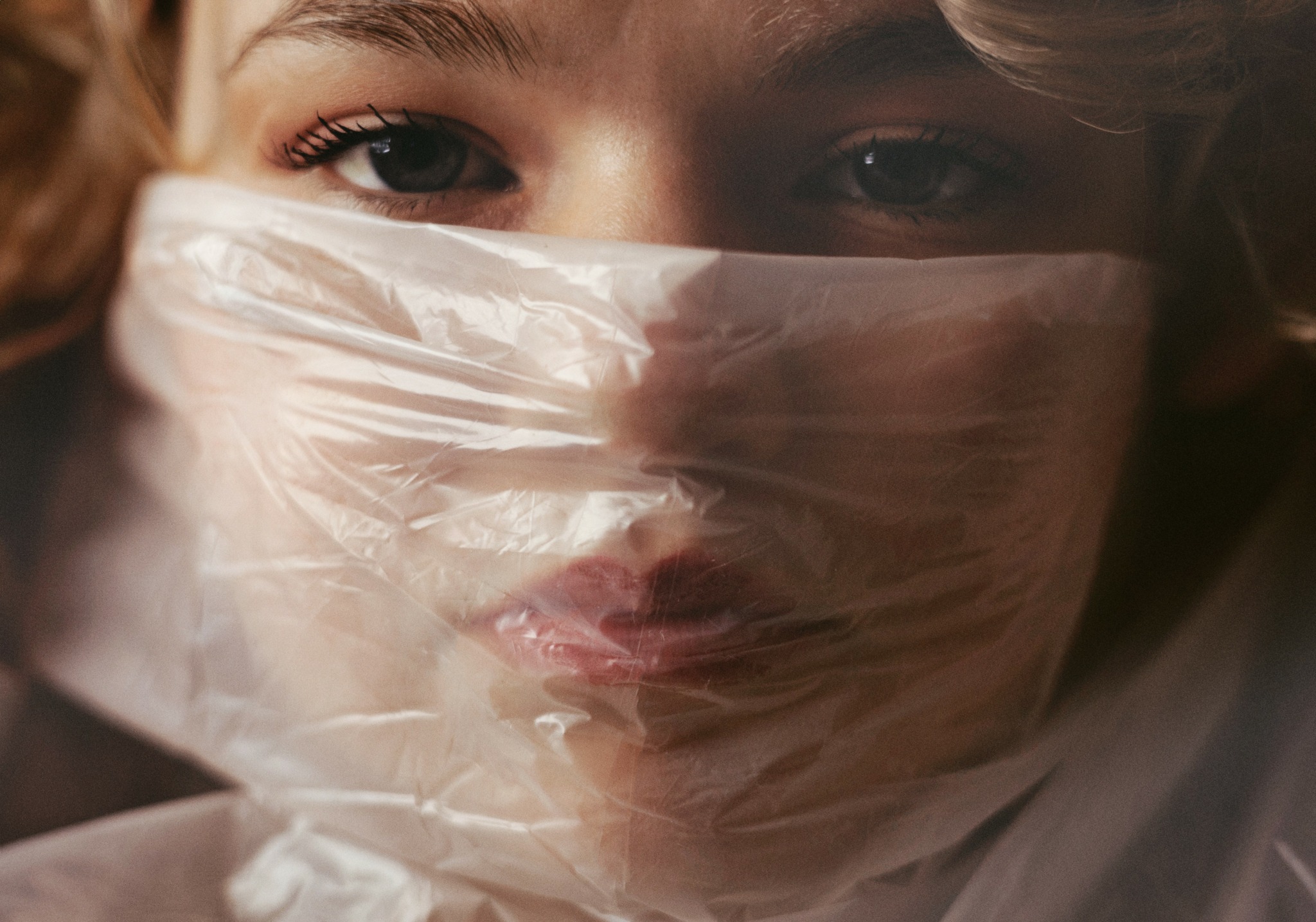
Image Credits
Harmoni Conklin (model)
Michaela Quinn (model)
Lilith Written (model)
Indi Gogh (model)
Ashley Lauren (model)