



We caught up with the brilliant and insightful Candy Isabel a few weeks ago and have shared our conversation below.
Candy, thanks for taking the time to share your stories with us today How did you come up with the idea for your business?
The idea for Khamai Strategies came to me during a time of reflection and frustration. I had spent over a decade working in the nonprofit sector, and while I saw firsthand the good these organizations were trying to achieve, I also noticed a major disconnect. The voices of the communities they were trying to serve were often missing from the decision-making process. I kept seeing organizations with great intentions making decisions based on assumptions rather than the real needs of the people they wanted to help.
It was in one of those moments, after leading a small workshop, that it hit me—if I was seeing this gap, others probably were too, and no one seemed to be addressing it head-on. I knew there had to be a better way. I realized that centering the voices of the community and integrating their feedback directly into organizational strategies could lead to more meaningful, impactful work. It wasn’t just about fixing a problem but building trust, creating relationships, and empowering the people who are often overlooked. That idea fueled me, and I knew it was something that had to exist.
I didn’t have a clear blueprint, but what excited me the most was that this approach—putting the community first—was different. It wasn’t just about delivering services or writing reports; it was about creating a deeper connection between organizations and the people they serve. I could help organizations operationalize their missions in a way that was more sustainable, equitable, and impactful. What got me most excited was the potential to shift the power dynamics and give communities a real say in what happens to them.
I knew this would work because I was solving a problem that I had personally experienced, both professionally and as someone who had grown up relying on nonprofit services. I could see the missing piece clearly, and I knew that if I could connect the dots for organizations, they would see it too. That’s what motivated me to take the leap, and seeing how far Khamai Strategies has come since then reassures me that it was absolutely the right move.
As always, we appreciate you sharing your insights and we’ve got a few more questions for you, but before we get to all of that can you take a minute to introduce yourself and give our readers some of your back background and context?
I’m Candy Isabel, the founder and principal consultant at Khamai Strategies. I’ve spent over a decade in the nonprofit and human services sectors, and my journey into this space has been both personal and professional. Growing up in a family that relied on government assistance and nonprofit programs, I saw firsthand the impact these organizations could have, but I also experienced the challenges and gaps within them. That experience shaped my passion for working with nonprofits and community organizations to ensure they truly serve the communities they aim to help.
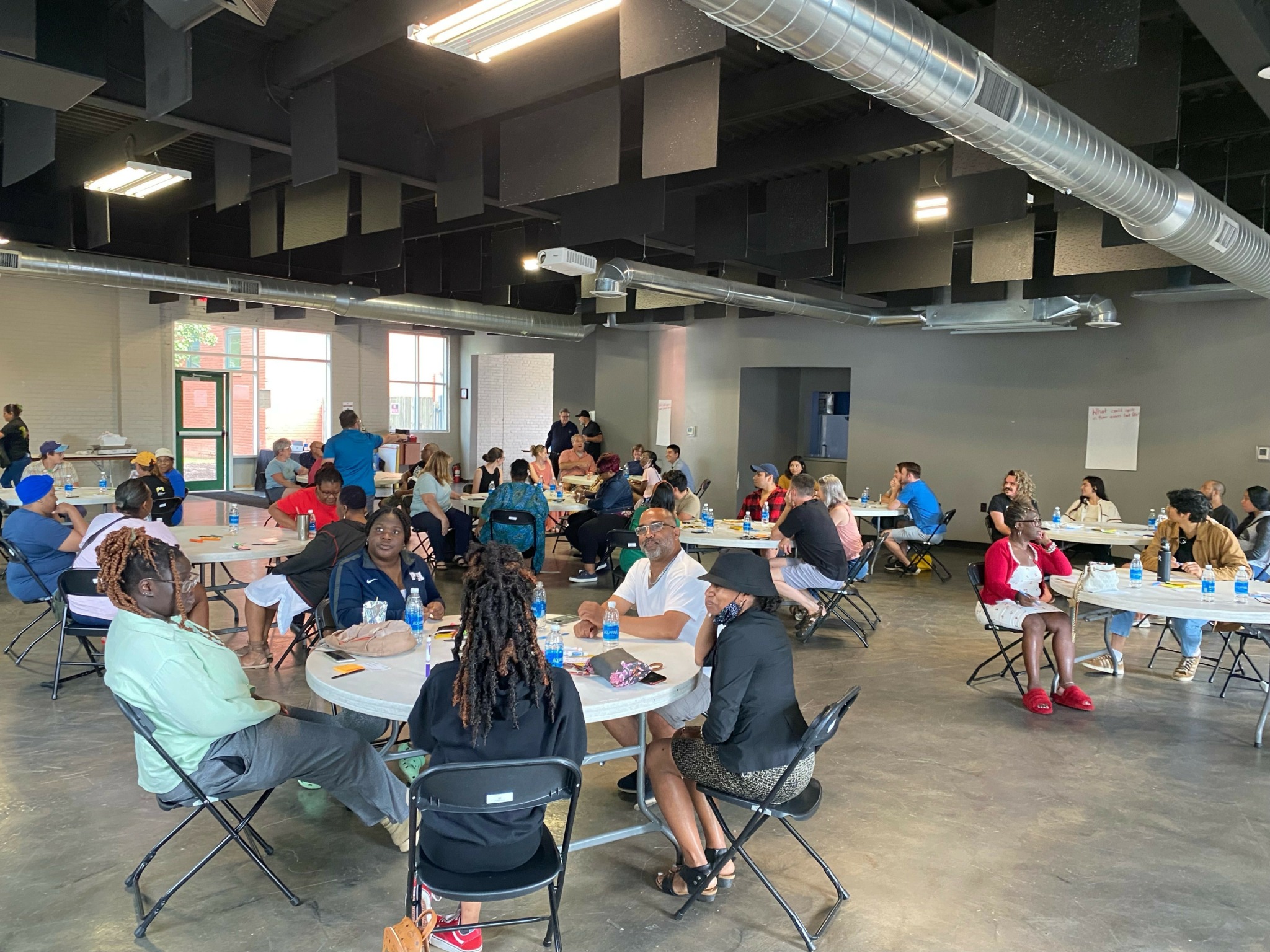
Khamai Strategies was born out of a need to bridge the gap between organizations and the people they serve. I noticed that while many nonprofits had great missions, they often struggled to operationalize those missions effectively or include the voices of the community in their decision-making processes. That’s where we come in. Our services focus on project management, strategic planning, stakeholder engagement, and process development. We help organizations align their goals with the actual needs of the communities they serve, ensuring their work is equitable, sustainable, and impactful.
One of the things I’m most proud of is our ability to work through an equity lens. We ensure that the communities’ voices are centered in every project, from facilitating focus groups to conducting stakeholder interviews. This approach not only helps organizations build stronger relationships with the communities they serve but also ensures their efforts are truly meaningful and responsive to actual needs.
At Khamai Strategies, we offer services like community engagement, strategic planning, project management, process development, and more. We are not just advisors—we work alongside organizations to implement these strategies and create measurable impact. We also provide bilingual services to ensure that language is never a barrier to community involvement.
What sets us apart is our commitment to authentic engagement. We don’t just check boxes; we challenge organizations to really think about how they’re serving their communities and help them figure out how to do it better. We’re there for the tough conversations, pushing boundaries to ensure long-term sustainability and growth.
The thing I’m most proud of is seeing the tangible impact our work has had on both organizations and the communities they serve. Helping organizations create strategies that are deeply rooted in community input and seeing those ideas come to life is incredibly rewarding. I want potential clients and partners to know that when they work with Khamai Strategies, they’re getting a partner who is invested in their success, committed to equity, and ready to do the hard work to make lasting change.

Can you tell us about what’s worked well for you in terms of growing your clientele?
The most effective strategy for growing my clientele has undoubtedly been networking and word of mouth. Connections are everything in this business. Over the years, I’ve maintained contact with former bosses, coworkers, friends, and people I’ve met along the way, which has been invaluable for building a strong foundation.
When I expanded Khamai Strategies to Georgia, I didn’t know anyone and had to start from scratch. That’s when I leaned heavily on networking. I joined organizations like the Georgia Hispanic Chamber of Commerce and the Gwinnett Chamber of Commerce, along with other membership networks. I made it a point to attend at least one networking event every week, even without any immediate expectations. I believe in the quote, “Networking is more about farming than hunting.” It’s about planting seeds, nurturing relationships, and watching them grow over time, rather than expecting immediate returns.
After meeting new people, I always make sure to follow up—whether it’s grabbing coffee or lunch, the goal is to build real connections and see how we can support each other. When I have discovery calls with potential clients, I try to be as open and authentic as possible. Being yourself goes a long way in building trust.
Another critical piece is following up. I can’t count the number of sales I’ve closed simply by following up 2 or 3 times after that initial connection. Persistence and genuine relationship-building have been the cornerstone of my client growth.
We often hear about learning lessons – but just as important is unlearning lessons. Have you ever had to unlearn a lesson?
One of the biggest lessons I had to unlearn came from a long-term client relationship where I allowed the lines between consultant and team member to blur. I genuinely love helping people, and when things got tough within the organization, I found myself stepping in to fill gaps, going above and beyond what was initially agreed upon. At the time, it felt like the right thing to do. I wanted to see the organization succeed, and I didn’t mind getting more deeply involved.
However, things didn’t go as planned. Despite my efforts, the organization faced major funding cuts, and my contract was heavily impacted. To make matters worse, the situation wasn’t handled in the most professional manner. This experience taught me a tough, but valuable lesson: no matter how invested you become, as a consultant, you are still an external party. It’s important to stick to the agreed-upon terms and not overextend beyond your role, especially when those efforts aren’t always valued or recognized in the way you hope.
I don’t regret stepping in and helping—helping people is at the core of what I do—but it taught me that boundaries in professional relationships are essential. Now, I’m much more mindful of maintaining a clear distinction between being a supportive consultant and overstepping my role.
Contact Info:
- Website: https://www.khamaistrategies.com/
- Instagram: https://www.instagram.com/khamaistrategies/
- Facebook: https://m.facebook.com/khamaistrategies
- Linkedin: https://www.linkedin.com/in/candyisabel
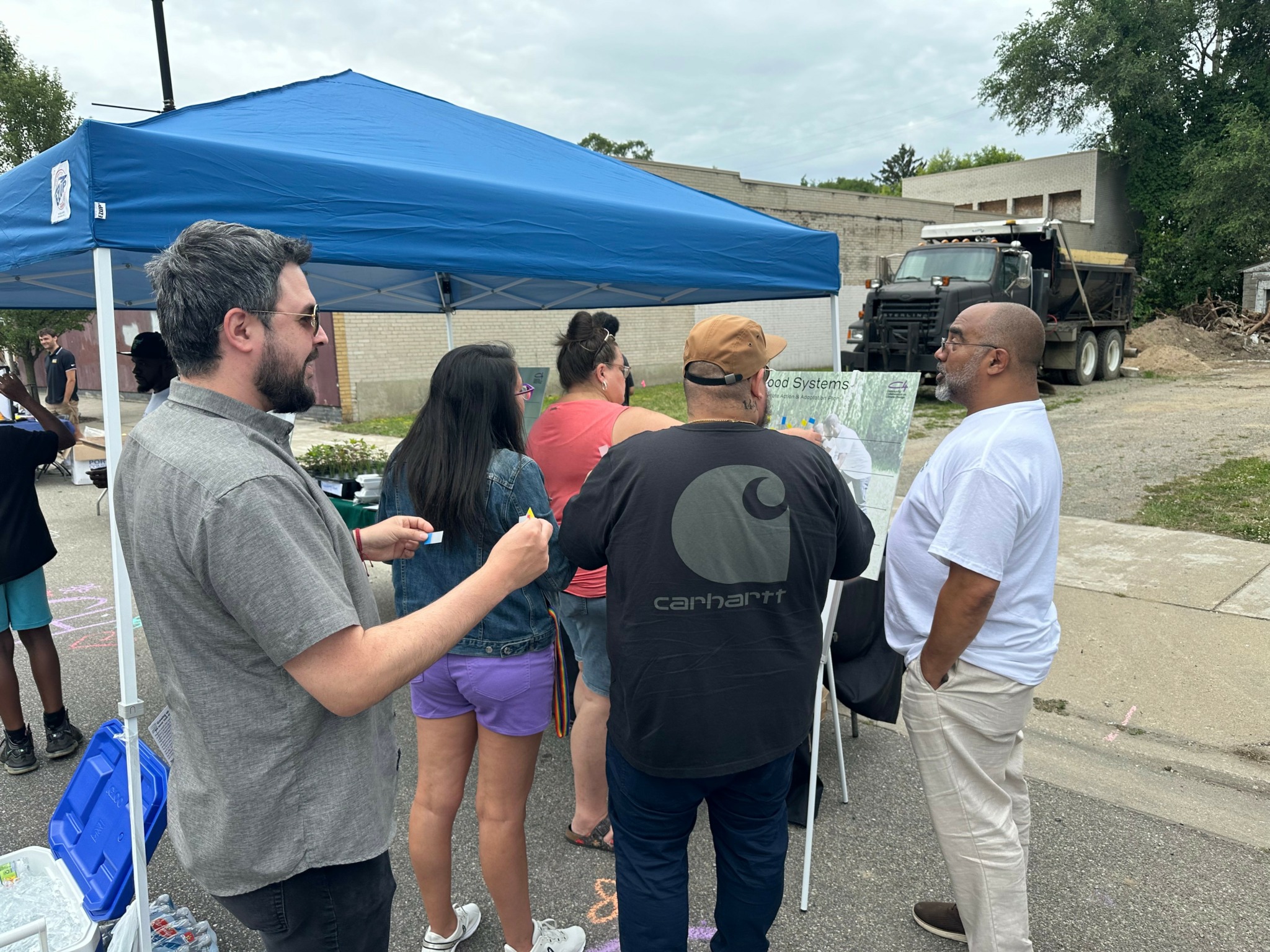
Image Credits
Jasmine Smith Photography