

We’re excited to introduce you to the always interesting and insightful Candace Esparza. We hope you’ll enjoy our conversation with Candace below.
Alright, Candace thanks for taking the time to share your stories and insights with us today. Your ability to build a team is often a key determinant of your success as a business owner and so we’d love to get a conversation going with successful entrepreneurs like yourself around what your recruiting process was like -especially early on. How did you build your team?
When I opened Devine Childcare Development Center, I didn’t start alone — but it also wasn’t the large team we have today. In the beginning, it was just a handful of us trying to bring a vision to life. I jumped into everything right alongside my staff: rocking babies, prepping meals, cleaning classrooms, doing paperwork at midnight — whatever it took. Those early days required a lot of heart, grit, and trust.
Recruiting my first team members was personal. Devine is a small community, so word of mouth traveled fast. I leaned heavily on relationships — parents who believed in me, former coworkers who supported my mission, and people who simply shared a passion for children. I wasn’t looking for “perfect résumés”; I was looking for people who genuinely loved kids and were willing to grow with me.
Our early interview process was simple but meaningful: I wanted to walk applicants through the building, let them meet the kids, feel the energy of the center, and see whether their heart lit up. Some of the best hires I’ve ever made didn’t come from job boards — they came from conversations, community connections, and people stepping in to help because they believed in what we were building.
Training in the beginning was hands-on — very hands-on. We didn’t have a polished orientation like we do now. Instead, we learned together through real classroom experiences, long discussions, mistakes, and victories. I always say that childcare is a calling, and those first team members proved it. They showed up with passion, flexibility, and so much heart.
Looking back, if I were starting today, the only thing I would do differently is give myself more grace. I thought I had to do everything perfectly from day one — but the truth is, small businesses grow through trial, error, and a whole lot of learning. I also would have put more systems in place earlier, especially around training and documentation. Over time, we’ve built those out beautifully, and it’s made us stronger.
But honestly, I wouldn’t change much about the people who stood beside me in the beginning. They helped build the foundation of what DCDC is today — a center rooted in community, love, and the belief that every child deserves a place where they feel safe, supported, and celebrated.
Candace, before we move on to more of these sorts of questions, can you take some time to bring our readers up to speed on you and what you do?
I’m Candace Esparza, owner of Devine Childcare Development Center, and my path into childcare wasn’t traditional at all. In fact, I spent ten years working at USAA before ever stepping into the childcare industry. I didn’t come from an early childhood background — I came from a place of wanting something better for my own child.
When my daughter was born, my husband, Jesse Esparza, and I struggled to find a childcare center that truly felt safe, structured, and nurturing. I wanted a place where she could grow, learn, and thrive — a place that felt like an extension of home. When we couldn’t find exactly what we were looking for, we decided to build it ourselves.
With the incredible support of my husband and my parents, we opened DCDC. I learned this industry from the inside out — licensing, curriculum, compliance, staffing, nutrition, safety — all while building a center where children are genuinely cared for and families feel supported. My lack of formal childcare experience became a strength because I built the center from a parent’s perspective, prioritizing trust, communication, consistency, and structure.
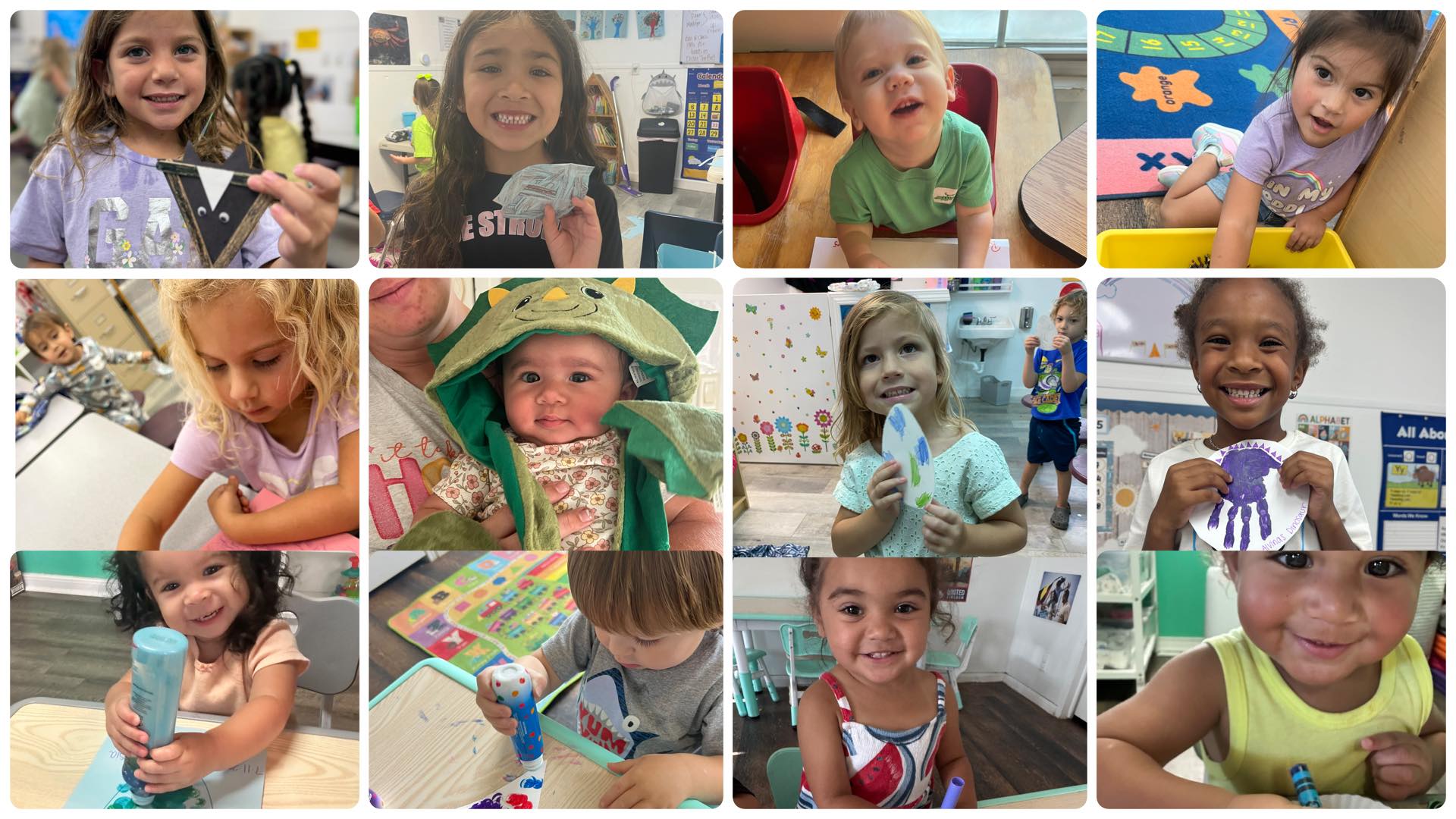
Today, DCDC provides high-quality early childhood education for infants through preschool. We focus on safety, routine, hands-on learning, family involvement, and strong nutrition. We follow Texas childcare licensing standards, CACFP meal guidelines, and we are committed to continually improving through the Texas Rising Star system.
What truly sets us apart is our heart for our community and the systems we’ve created to support families and staff.
We value transparency and communication.
We invest deeply in staff culture, training, and structure.
We create a safe, loving, and educational environment for every child.
Parents trust us because we are consistent, structured, and genuinely committed to their children’s well-being.
What I’m most proud of is starting from nothing but a dream and turning it into a place that supports dozens of families every day. I walked away from a stable corporate job because I believed my daughter — and our community — deserved better. And now, seeing DCDC grow, watching our children flourish, supporting amazing educators, and connecting with families is one of the greatest blessings of my life.
What I want people to know about DCDC is simple:
We lead with heart. We built this center with family, for families — and every child who walks through our doors becomes a part of that story.
Any insights you can share with us about how you built up your social media presence?
Building my audience on social media wasn’t something I planned — it happened naturally as I shared our real story, our growth, and the heart behind DCDC. When I first opened the daycare, I didn’t have a marketing strategy or a “brand plan.” I simply started sharing what we were doing: our classrooms, our themed weeks, our staff celebrations, our community events, and the everyday moments that made our center special.
People connected with the authenticity. They saw our staff having fun, the kids learning, and our center becoming a real part of the community. Parents shared posts, friends supported us, and the audience grew because the content wasn’t staged — it was real.
I also made it a point to stay active and consistent.
I posted regularly.
I shared our wins and our progress.
I celebrated staff, parents, kids, and community partnerships.
I kept everything positive and uplifting.
Over time, our social media became more than just updates — it became a way for families to feel connected and for the community to see who we are.
My biggest advice for anyone starting out is this:
1. Show the heart behind your business.
People follow people — not just logos. Share your story, your team, your values, and your “why.”
2. Be consistent.
You don’t have to post every day, but you do have to show up regularly so people remember who you are.
3. Keep it real.
Parents can tell when something is overly polished or forced. The most engaging posts are often the simplest: a classroom moment, a staff shoutout, a fun event, or a behind-the-scenes look.
4. Use your community.
We grew because parents shared our content, tagged friends, and talked about us. Community is powerful — especially in a small town.
5. Don’t be afraid to show personality.
We share fun, humor, staff activities, and all the things that make our center “us.” Social media should reflect your culture, not just your services.
Today, our social media is one of our strongest assets because it shows exactly who we are: a place filled with joy, structure, teamwork, and community. And if I can build an audience while also running a full childcare center, anyone can — as long as you’re willing to be genuine and consistent.
Any advice for managing a team?
Managing a team and maintaining high morale starts with one simple principle: people perform their best when they feel valued, supported, and seen. Childcare is a demanding field, so I make it a priority to create an environment where my staff feels appreciated, motivated, and empowered.
My biggest piece of advice is to invest in your team as humans first, employees second.
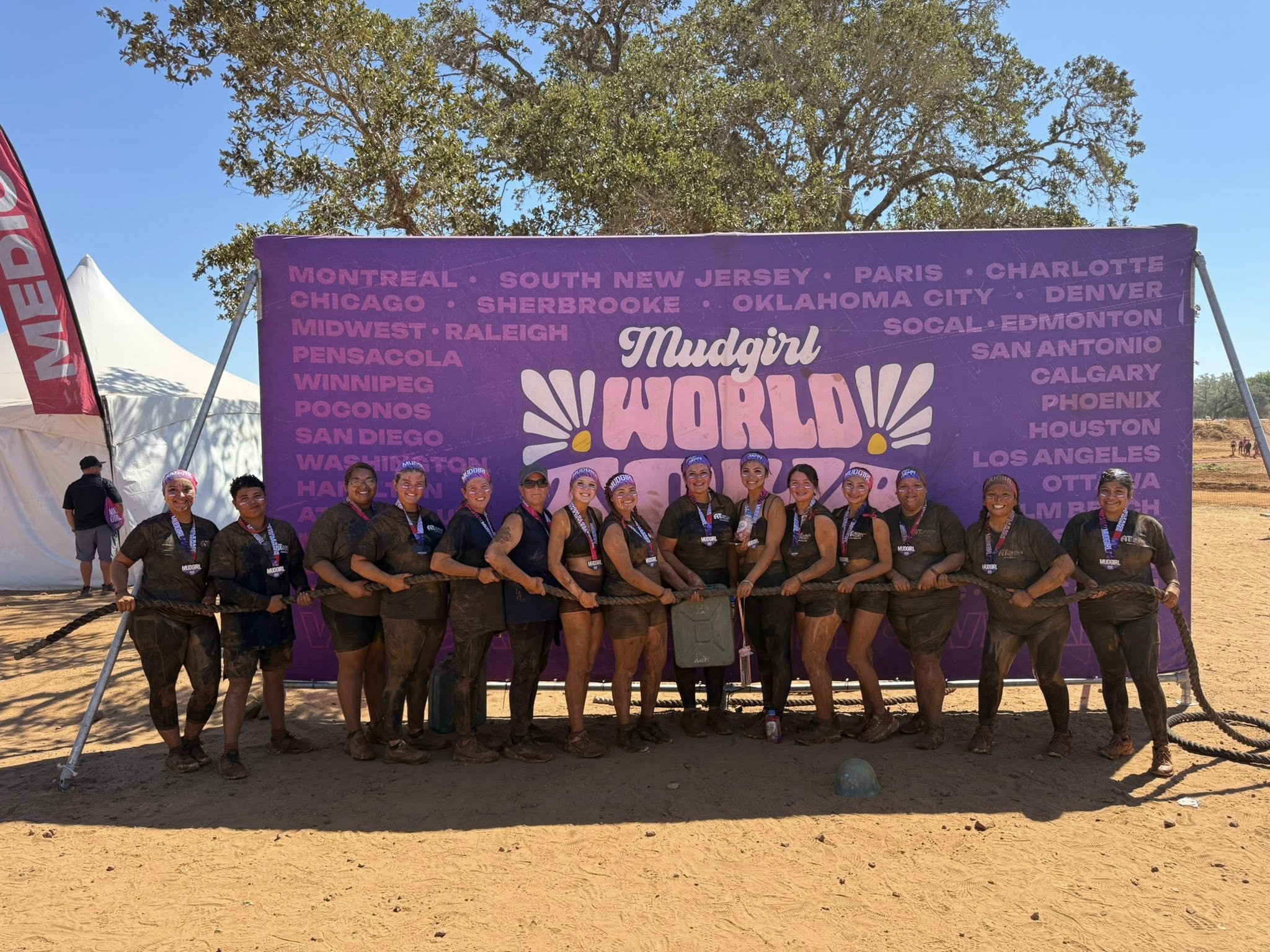
At DCDC, we do theme days, Fun Day Fridays, staff incentives, team-building outings, and creative activities — not because it’s required, but because it builds connection. When your staff genuinely enjoys being at work, it shows in the energy of your center and the quality of care your children receive.
Here are a few practices that have made a huge difference for us:
1. Communicate openly and consistently.
Your team should always know what’s expected of them, but they should also feel comfortable coming to you. I keep communication honest, clear, and supportive.
2. Celebrate wins — big and small.
From spotlighting teachers on social media to surprising them with Sonic drinks, handwritten notes, or fun activities, recognition goes a long way. People want to feel appreciated.
3. Create structure and systems.
High morale doesn’t mean chaos. Staff feel more successful when they have routines, checklists, and clear expectations. Structure builds confidence.
4. Train, support, and develop.
We invest in training, offer one-on-one support, and encourage growth. When people feel like they’re learning and improving, their pride and motivation naturally increase.
5. Build a culture of teamwork—not competition.
We work together, step in for each other, and celebrate each classroom. No one should ever feel alone in their role.
6. Lead by example.
I never ask my staff to do something I’m not willing to do myself. From cleaning rooms to helping in classrooms, being present makes a huge impact on morale.
What I’ve learned is that when you pour into your staff, they pour into the children. High morale isn’t about big budgets — it’s about kindness, consistency, communication, and showing your team that you truly care about their well-being.
Contact Info:
- Website: https://devinecdc.com
- Facebook: https://www.facebook.com/profile.php?id=100087113124768
- Linkedin: https://www.linkedin.com/company/devinechildcaredc
- Other: https://www.tiktok.com/@dcdc_devine?_r=1&_t=ZP-91tFdTkpqtL