

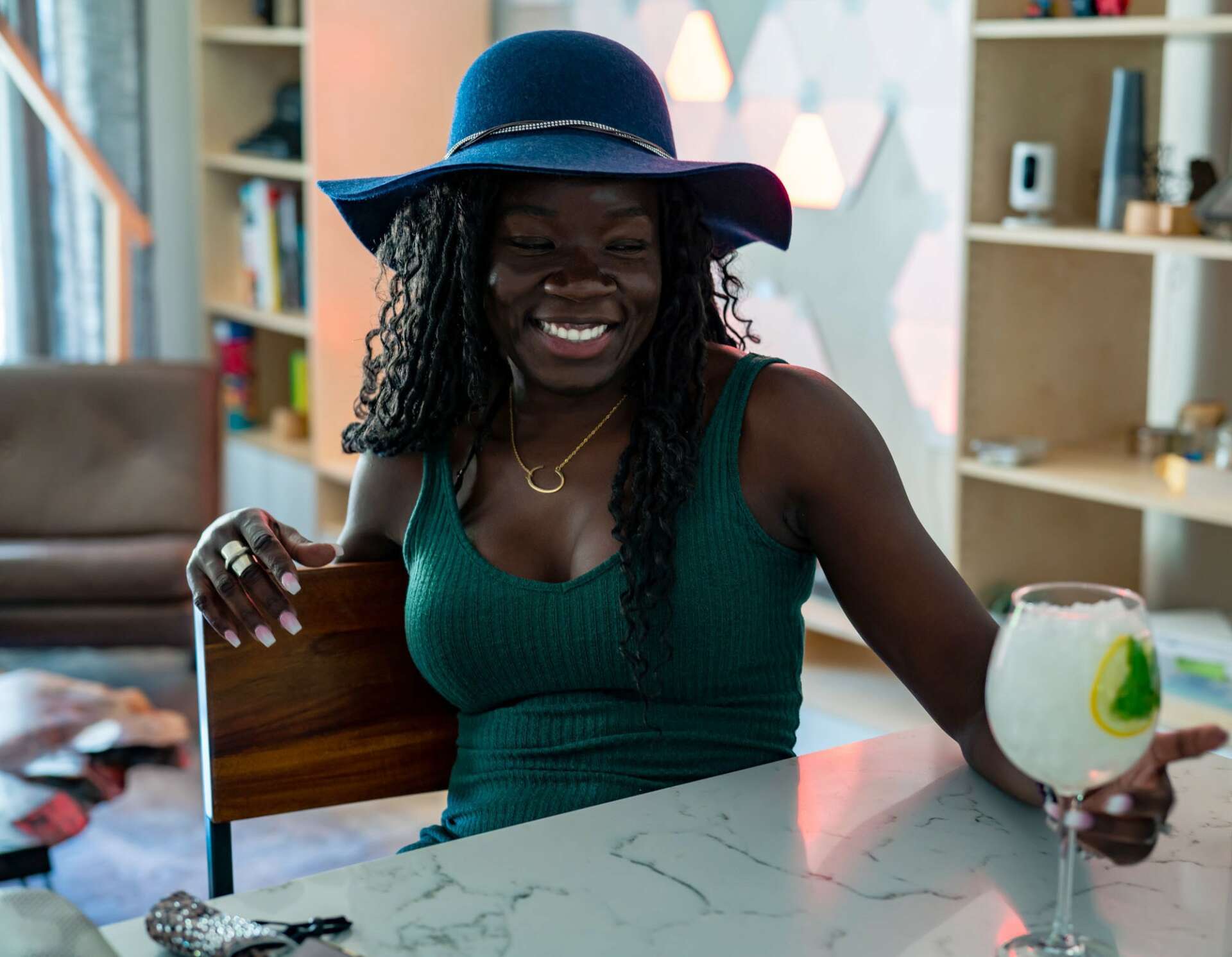

We caught up with the brilliant and insightful Camille Nugent a few weeks ago and have shared our conversation below.
Camille, looking forward to hearing all of your stories today. Can you talk to us about a project that’s meant a lot to you?
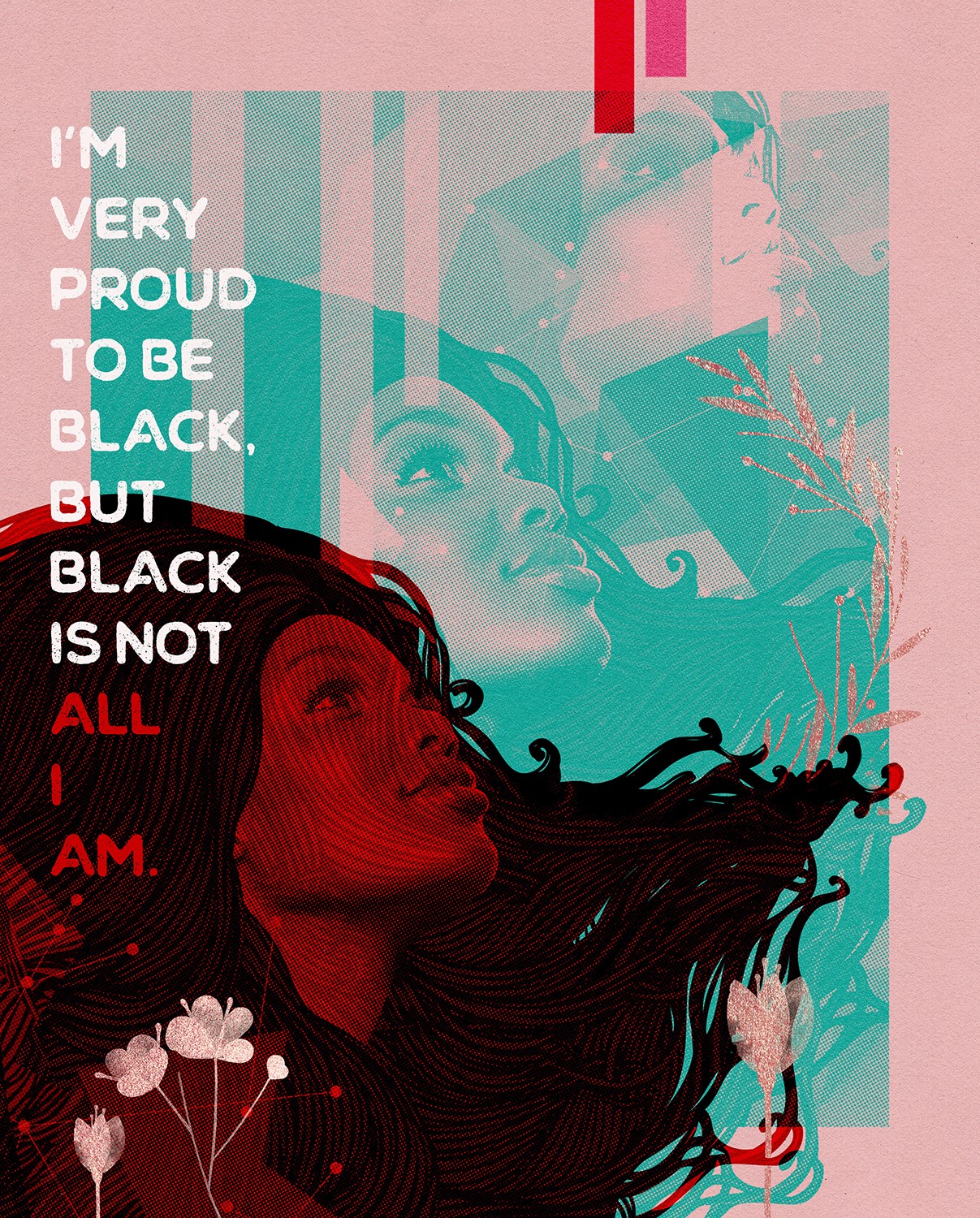
In 2018, I was invited to participate in an exhibit at Adobe in Lehi, Utah, for Black History Month. I created a piece called “I Am” that was my first foray into digital collage. While working on it, I thought back to my experiences in Tonga as well as the 20 years, by that point, that I had been living as a black, immigrant woman in Utah.
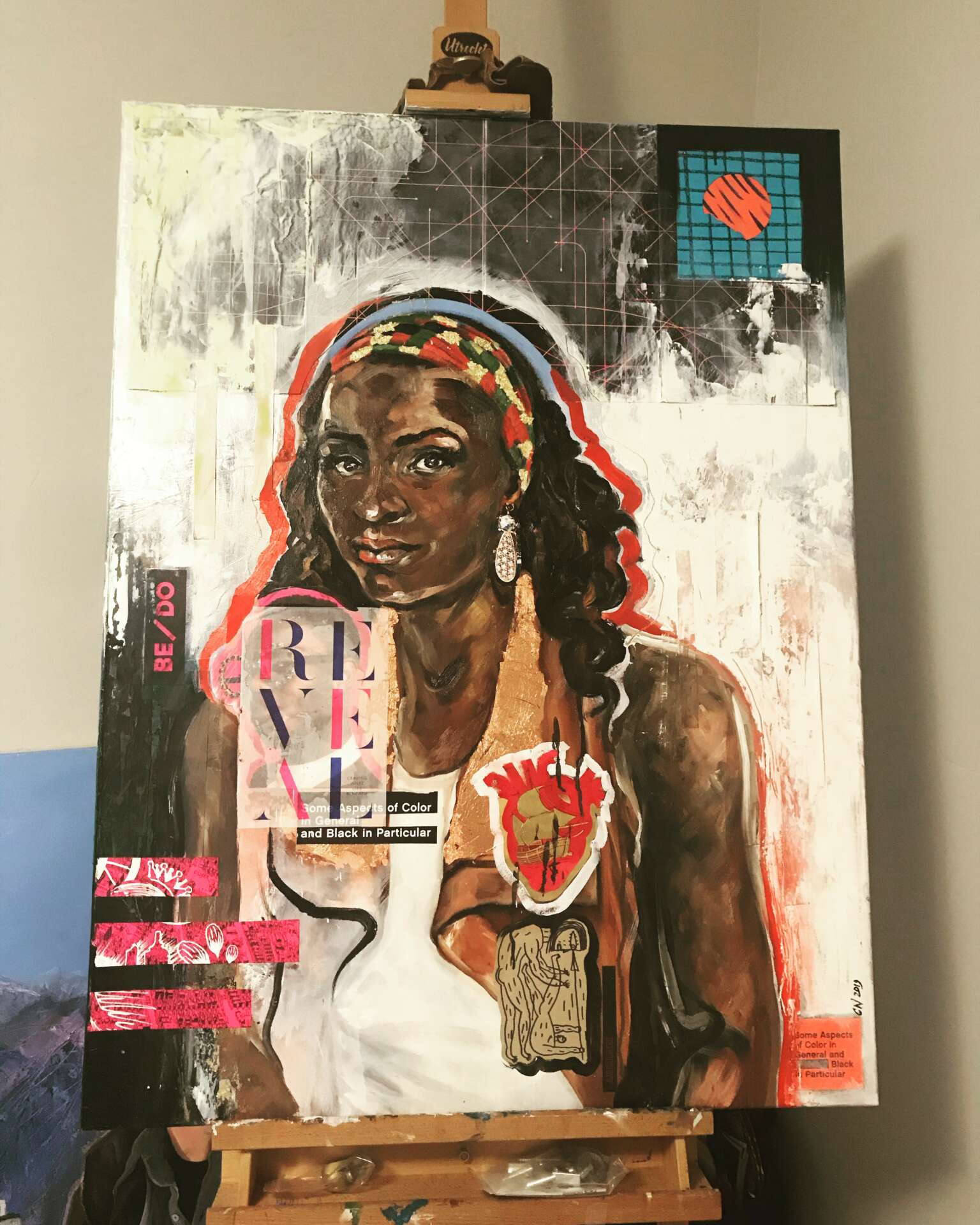
I’ve always been interested in collage art, starting from when I was very young and continuing into my studies at Brigham Young University in the Fine Arts program. I would often create mixed-media collages combining oil paintings with glued paper, magazines, or metallic leaf.
While at BYU, I went on a study abroad program to Tonga and New Zealand. It was an incredible, life-changing, eye-opening experience. The first 5 weeks of the trip were in Tonga, and I loved learning about the culture, making art, and exploring with my fellow students. Sometimes while out on field trips or visiting towns or villages, children would point at me, run up to me, and touch my hair or skin and then run away, giggle, and hide. It heightened my awareness of the outward differences between my fellow students and me. My final project at the end of the program was a series of collages with watercolor, torn magazines, and pencil sketches. Thematically, it was an exploration of the sense of “otherness” that I felt in Tonga.
The piece was also partly inspired by a quote by Denzel Washington, which states, “I’m very proud to be black, but black is not all I am. That’s my cultural historical background, my genetic makeup, but it’s not all of who I am nor is it the basis from which I answer every question.” The following was my artist statement for the piece.
“It wasn’t until I left Jamaica many years ago, that my being black became a ‘thing’. It’s a superficial difference that invites curiosity ranging from the innocent to the overtly offensive. Most of the time I feel the same as anyone else. Accepted. Loved. I’ve also been told it’s nice to finally have some “color around here”, or had my skin and hair pulled at, and was shocked to tears by a shove and a racial epithet. I was the embodiment of an assumption rather than an individual.
“This woman gazes upward: dignified. She’s neither a victim nor a hero. She is aware and appreciative of the many facets comprising her individuality. She knows where she has come from, and what she is capable of. I am a black woman. My character has been shaped by genetic traits, culture, experience, and my idiosyncrasies. I am different things to many people, and all those things are me.”
In the years since I created “I Am”, I’ve shown it in exhibitions as well as sold prints of it. I have had conversations (and shed more than a few tears) with so many people with whom the message resonated, particularly people of color living in Utah who have had similar experiences.
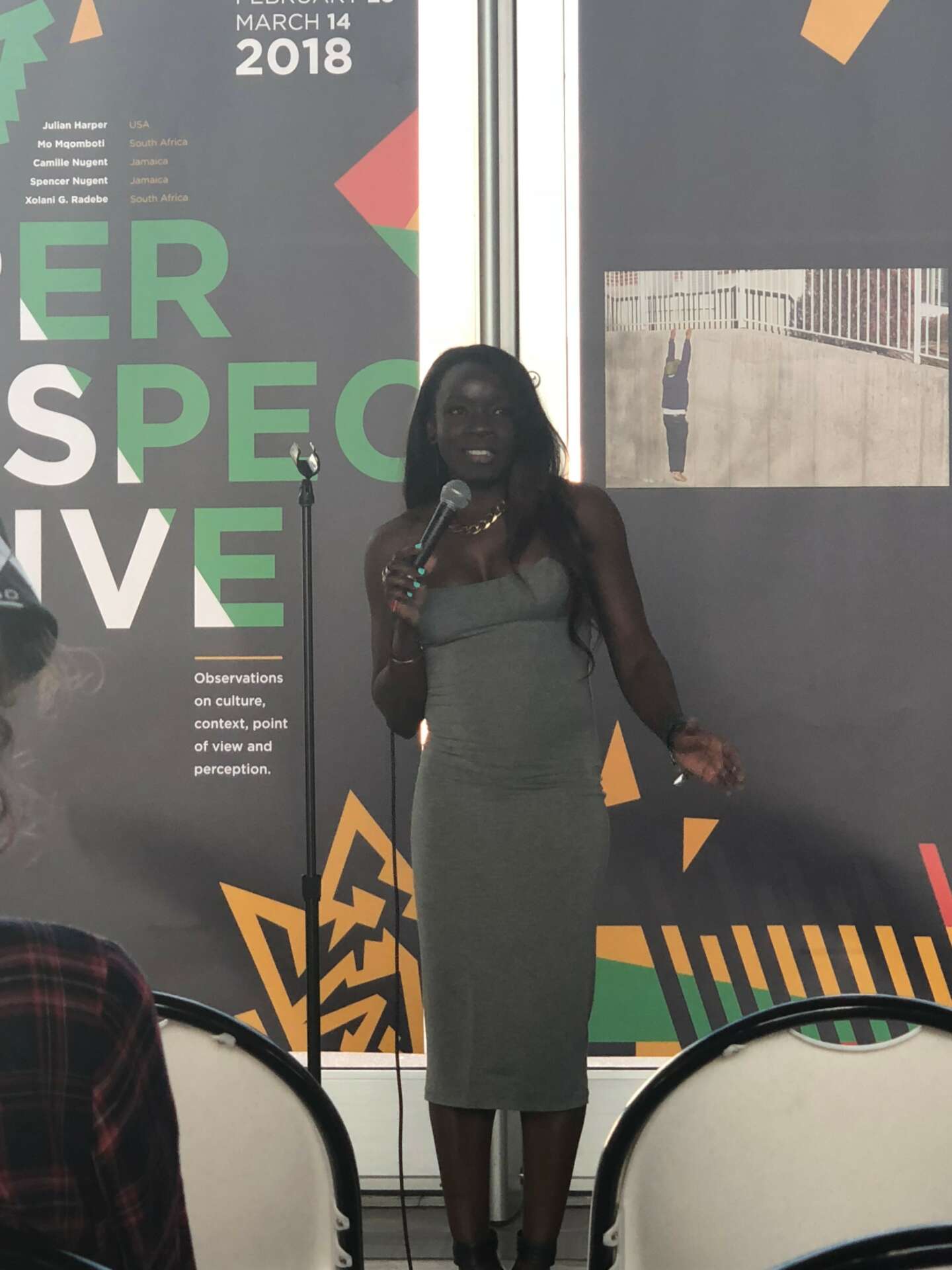
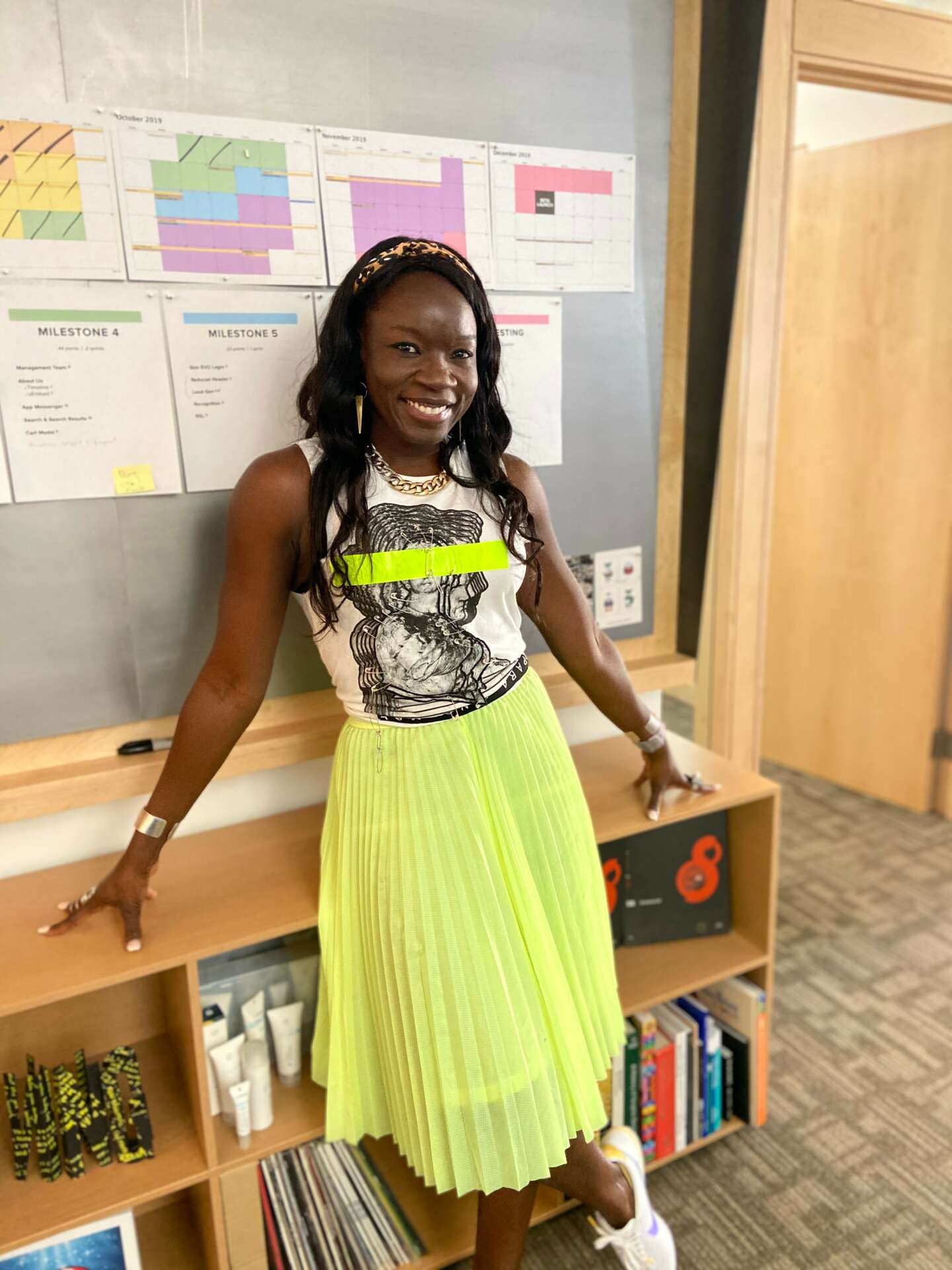
As always, we appreciate you sharing your insights and we’ve got a few more questions for you, but before we get to all of that can you take a minute to introduce yourself and give our readers some of your back background and context?
I come from a family of engineers, scientists, artists, and musicians. I studied for and received my BFA degree from Brigham Young University with an emphasis in drawing and painting. I wanted to study Fashion Design, but the program ended the year that I started at university and that was the only school that our parents would support us going to. I studied hard and earned merit scholarships to help pay for my education. After I graduated with my BFA, I was accepted into Parsons School of Design for my MFA degree. I wanted to be an art professor and teach and inspire students the way that I had been during my time at school.
The MFA program at Parsons was quite expensive and I didn’t want to get into debt to pay for it so I stayed in Utah and worked at BYU at the Center for Instructional Design, working on online courses for the university. That’s where I learned many of the programs I use now, including Adobe Photoshop and Illustrator. I was only able to work at the CID for a year because of the type of visa I had at the time, and then I got my first job working as a graphic designer in the education-based, SaaS space. This was a bit of a pivot from fine art to graphic design. I worked on some art in my spare time, but as an oil painter, I didn’t have the home studio space to keep up with the medium. Or, so I told myself.
For the next 20+ years, I’ve worked as a graphic designer, senior designer, art director, and creative director. In 2016, I lost my voice and despite all efforts, was unable to speak louder than a whisper for over 6 months. I saw physicians and the diagnosis was that my condition was stress related and not physical. I went to a speech therapist to learn how to talk again. My body had been communicating to me that I needed to slow down and take care of myself but I ignored the message for too long. With my husband’s support, I quit my job and started my own business as an independent design contractor. I loved setting my own hours, working for a variety of clients, and expanding my skill set. While prospecting for clients, I found an agency called DINNG and was hired there as a senior designer in 2018. I learned so much at DINNG, and, as with everything in life, I’m so grateful for the experience. There were so many opportunities for networking with and learning from other designers that one may not find as an in-house corporate designer. In 2020, DINNG was dissolved as an agency and absorbed by LifeVantage, the main client, as the in-house design team, where I’m currently the art director.
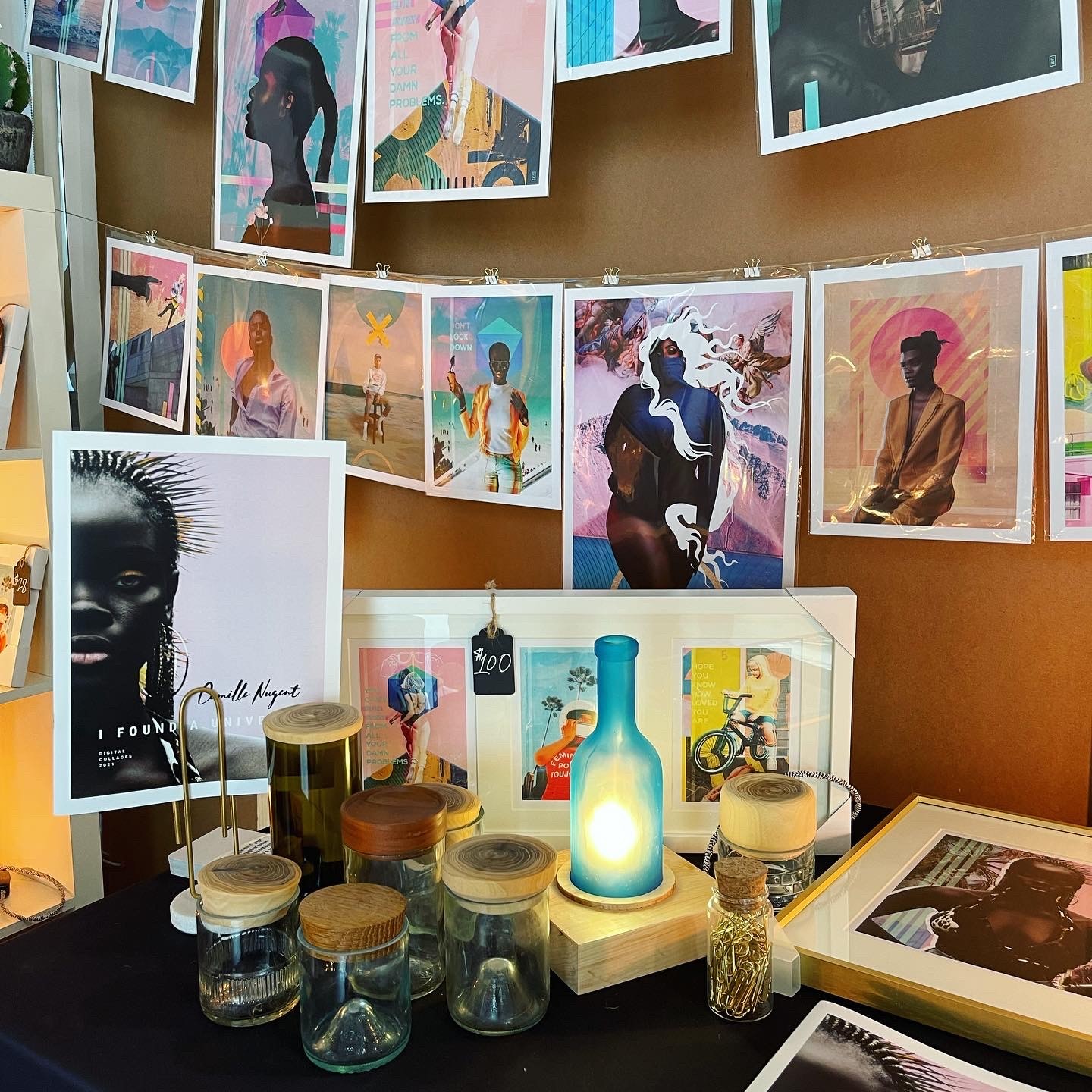
While at DINNG, I broadened and sharpened my design chops, and dedicated time to work on personal projects. In 2019, my brother Spencer and I were invited to create art for the Misplaced Showcase, an art market and charity event for the Children’s Justice Center. In addition to a collaborative installation piece with Spencer, I worked on 5 new digital collages and loved immersing myself in the medium. To me, this feels like a perfect marriage between graphic design and the mixed media fine art collages I’ve loved making over the years.
During the pandemic in 2020, I delved even further into the medium, using it as cathartic expression, self-care, therapy, and healing. In the pieces I created, I explored anxiety and stress stemming from the lockdown, as well as various emotions from my past and current stage in life. Initially, I was apprehensive to share these because some of them felt so raw and personal, but I had a great response from friends and knew that my work could resonate with others, that what I created was beyond me and just my experiences.
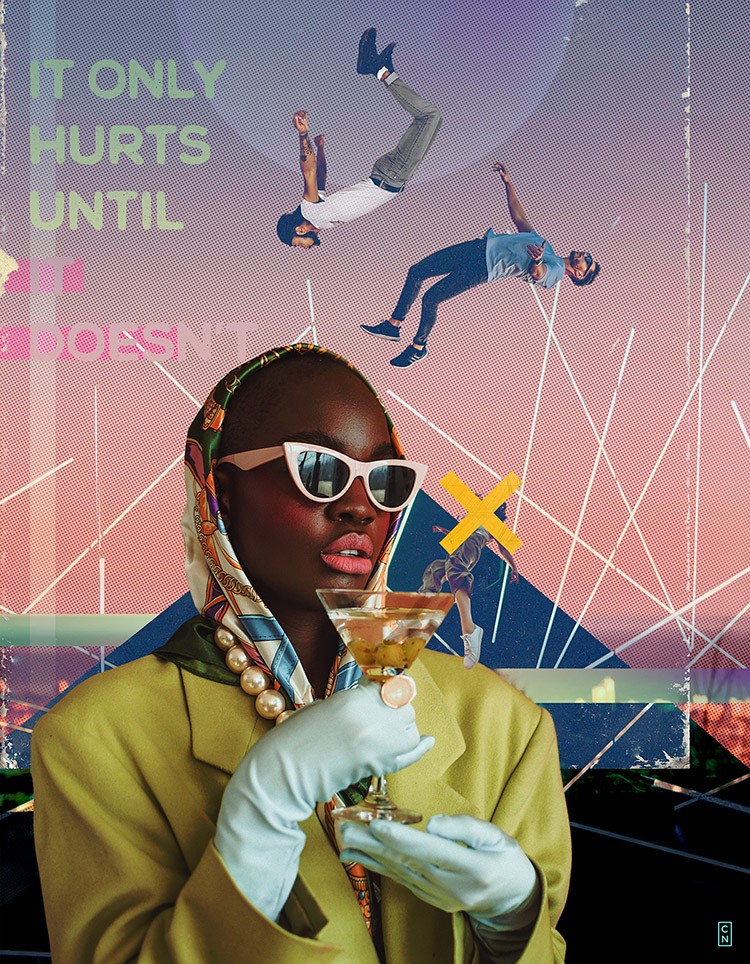
I combine my education and experience in the fine arts and graphic design with an overarching philosophy: Create beautiful things. Be kind while you do that. I’m passionate about equal representation in my art. Through my digital collages, I enjoy exploring the literal and figurative layers of human emotion. The subjects of my work are primarily people of color and are often shaped by my culture, experiences, and my idiosyncrasies. In soft, surreal dreamscapes, they navigate the sometimes-tenuous line between connection and isolation.
What do you think is the goal or mission that drives your creative journey?
I think that early on in my career, my drive to create came from wanting to be seen, heard, understood. Now, I still feel that creative drive but it has expanded to an outlet for self-care and introspection, a need for balance, and an exploration of connection. A couple of years ago, I was introduced to the concept of Sonder, which is defined as “the profound feeling of realizing that everyone, including strangers passing in the street, has a life as complex as one’s own, which they are constantly living despite one’s personal lack of awareness of it.” I believe that everyone and everything is connected in some way and we can wordlessly bridge those connections through the arts, sparking deeper discussion and conversation.

What do you find most rewarding about being a creative?
The greatest reward comes from knowing that my work is meaningful and that it resonates on a personal level with people I’ve never even met. It’s speaking in a language that is so unique to me, yet is universal enough to be understood without saying a word.
Contact Info:
- Website: https://www.camillenugent.com
- Instagram: https://www.instagram.com/camillenugentdesign
- Linkedin: https://www.linkedin.com/in/camillenugent1/
Image Credits
Spencer Nugent. Danielle Follett.