

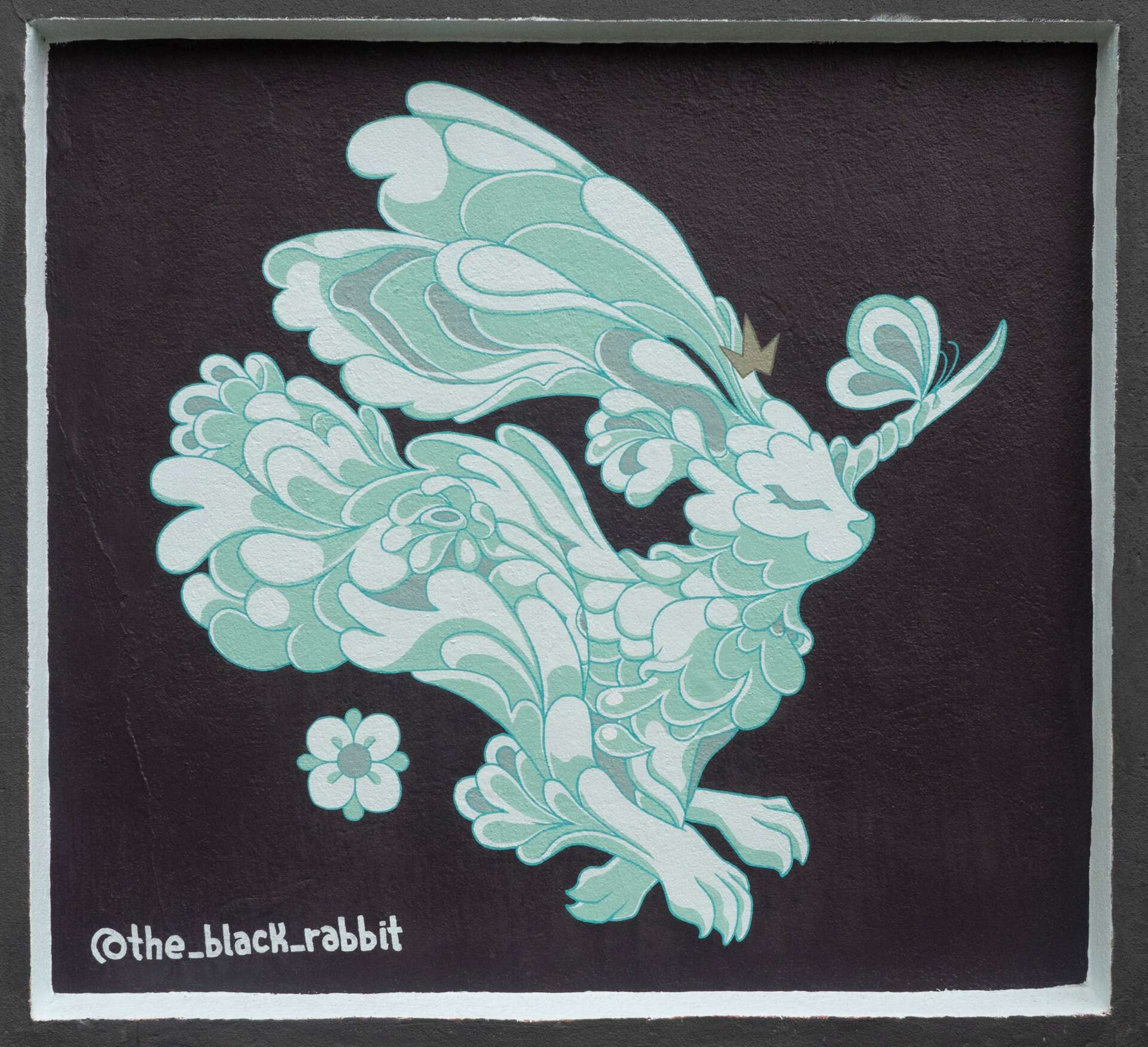

We recently connected with Cameron Jeffrey and have shared our conversation below.
Cameron , appreciate you joining us today. Learning the craft is often a unique journey from every creative – we’d love to hear about your journey and if knowing what you know now, you would have done anything differently to speed up the learning process.
There’s so many elements lost in trying to condense what leads up to something, especially a success, because we all want to focus on how we pushed the boulder up the hill rather than the minutiae that made that feat possible or the transparency of what anticipating the next hill looks like; so here I’ll stick to it was a lot of late nights with my sketchbooks at coffee shops and bars.
As for whether I would do anything different to speed up this process, I’d say I would’ve told myself that experimentation is key; to not be afraid to ‘play around’ more because the ever critical eye of the perfectionist rarely ever translates in the same ways to the public. I also, ironically, always hate this sort of advice (which is probably why things have played out as they have for me) because a LOT of artists are taught to be perfectionists due to the societal expectation and narrative that you have to be good at everything you do or attempt but also ALL the time. I don’t feel like there’s as much room for error these days because of the demand for product, content, or something of yourself is more ever-present than ever. That being said, to me, a lot of creatives need to work at finding a comfortable balance between Art – the hobby – and Art – the profession – within the current landscape, and that sucks because I definitely still have trouble with the perfectionist in me.
Another essential skill worth mentioning, at least to me at the moment, is remembering that it’s your art, not someone else’s. Appealing to this mental conception of what your art should be or look like in comparison with other artist’s works is great for style exploration, but it shouldn’t become the function for defining yourself as an artist. Your work is yours, not *insert artist you’re currently following or obsessed with*’s work, so don’t beat yourself up for not being them
As always, we appreciate you sharing your insights and we’ve got a few more questions for you, but before we get to all of that can you take a minute to introduce yourself and give our readers some of your back background and context?
I’m always curious about what percentage of people feel that awkwardness with sharking themselves at parts of the interview like these.
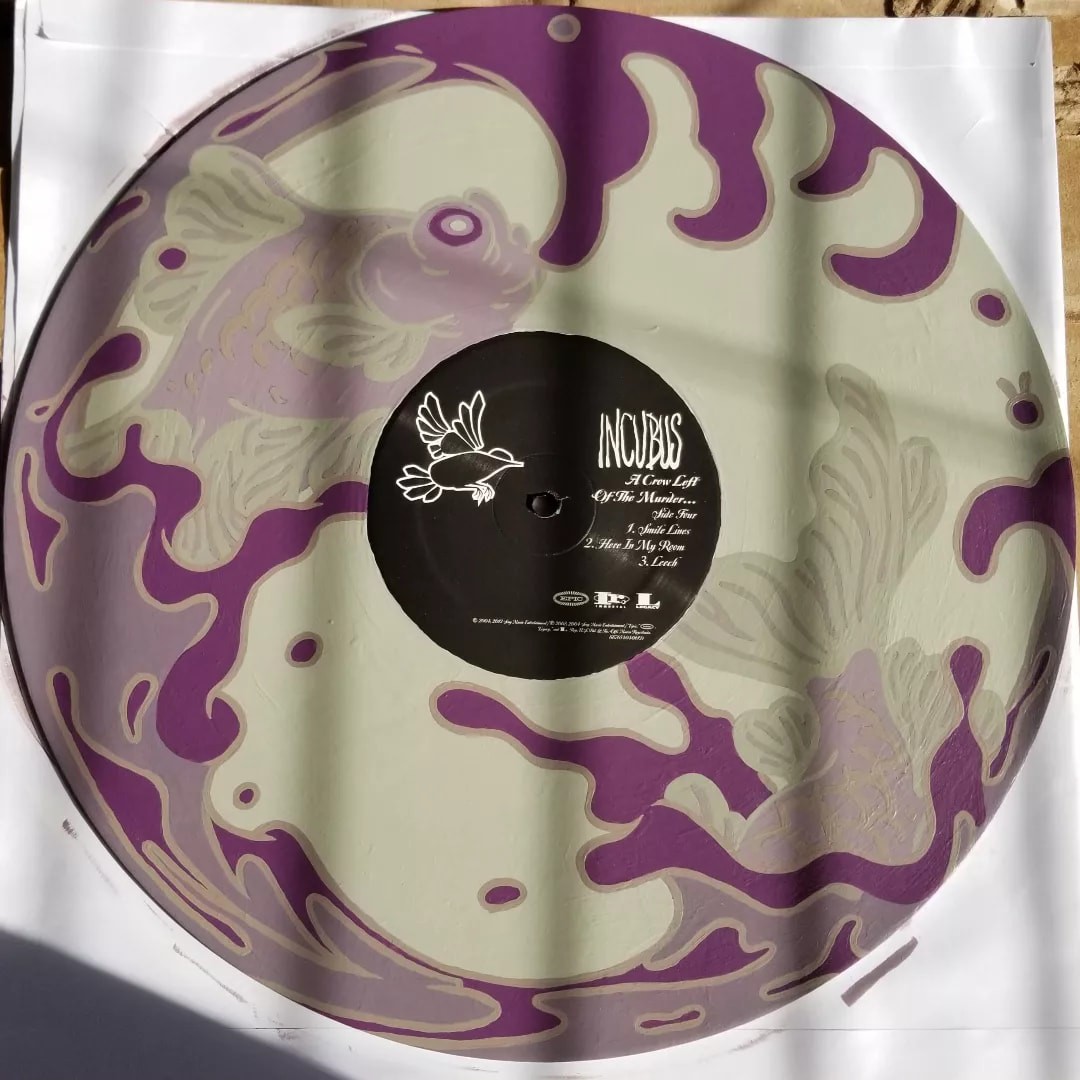
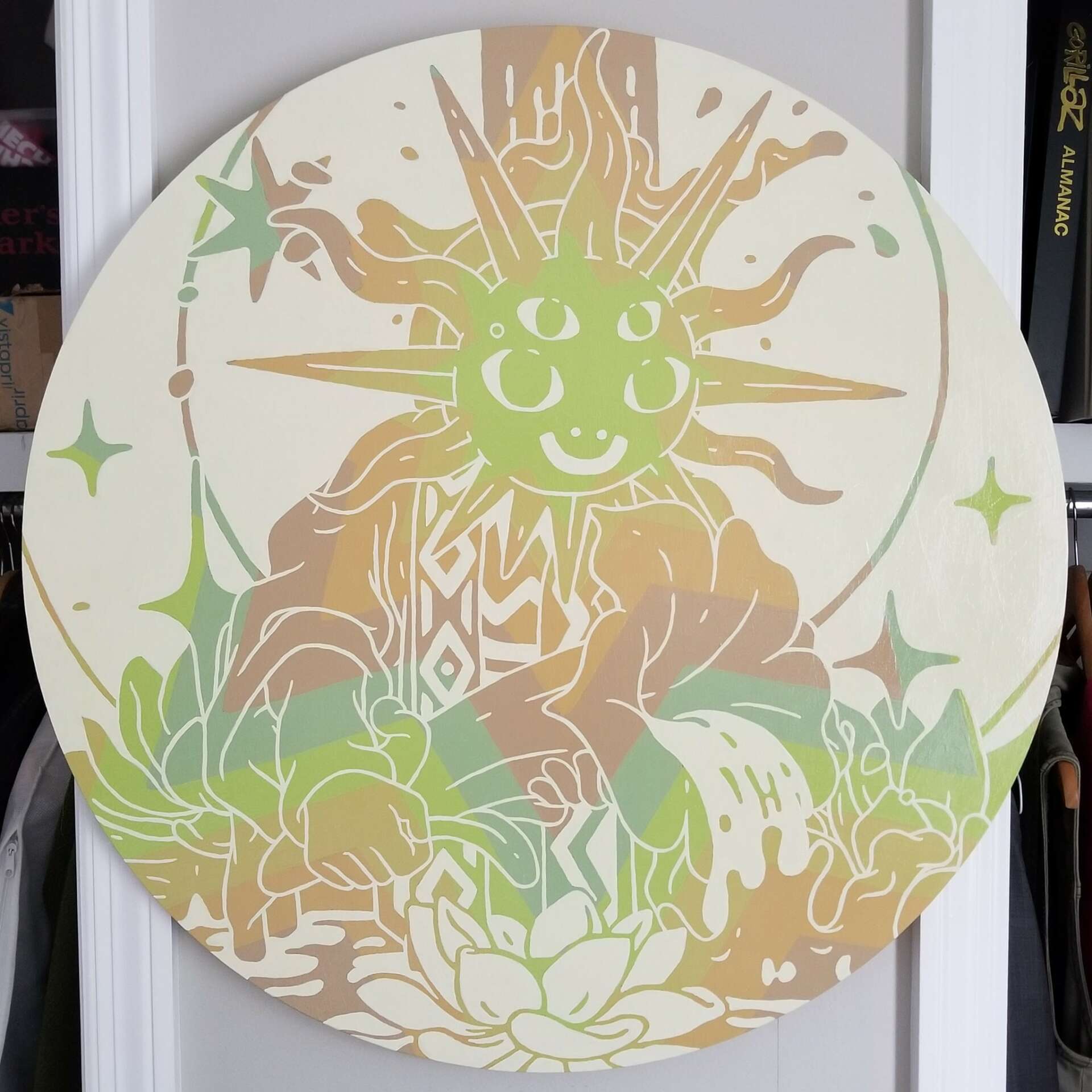
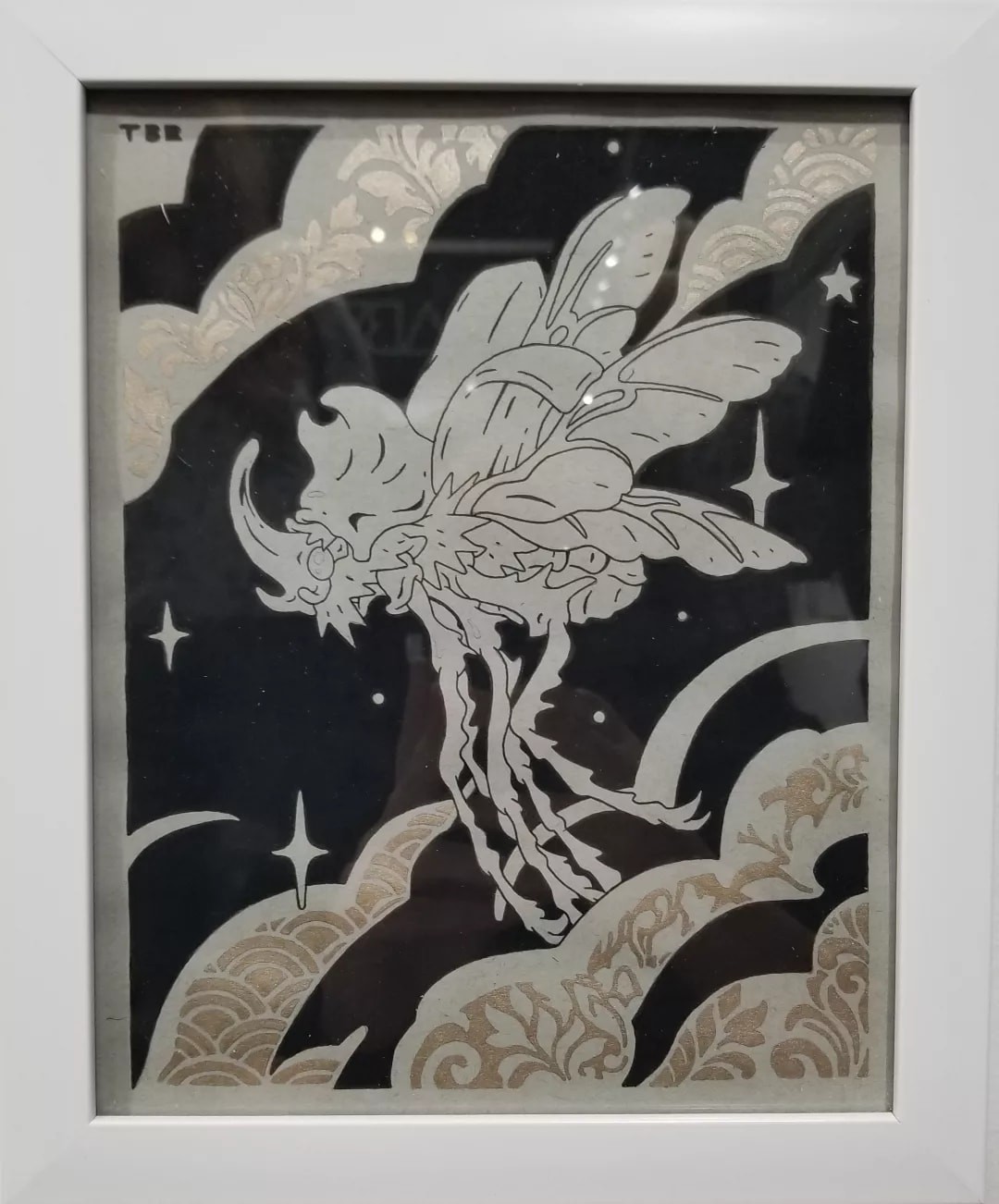
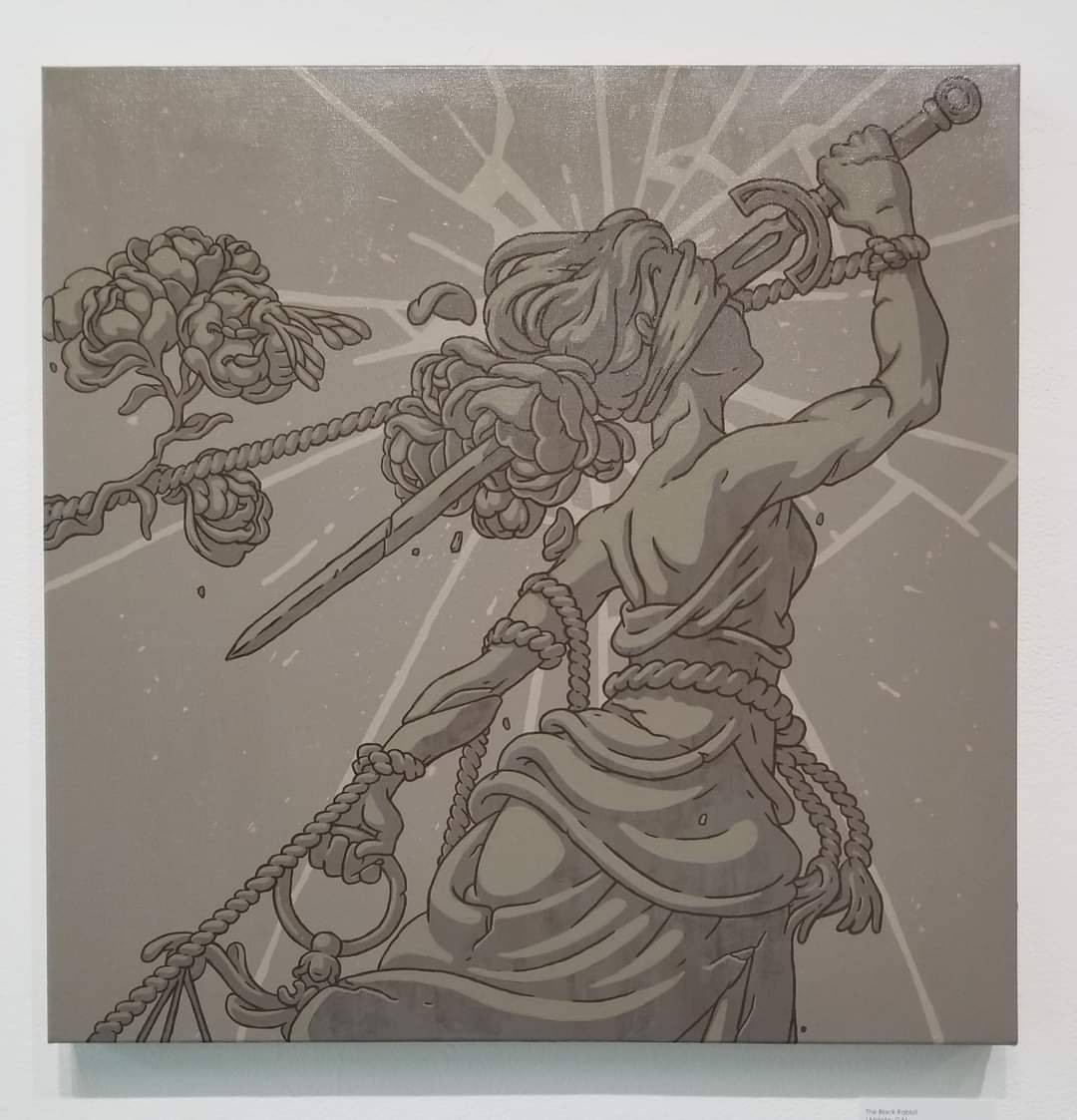
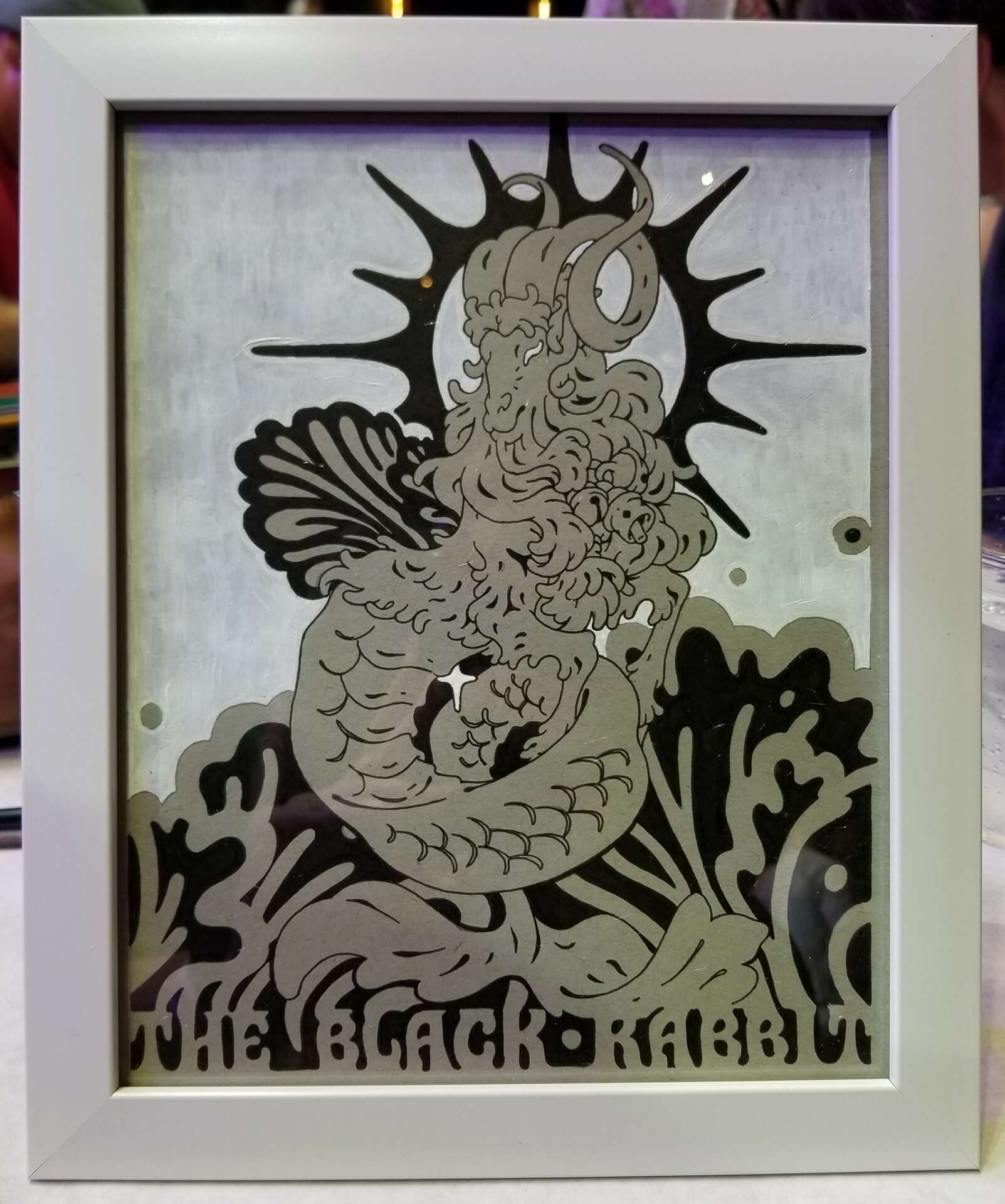
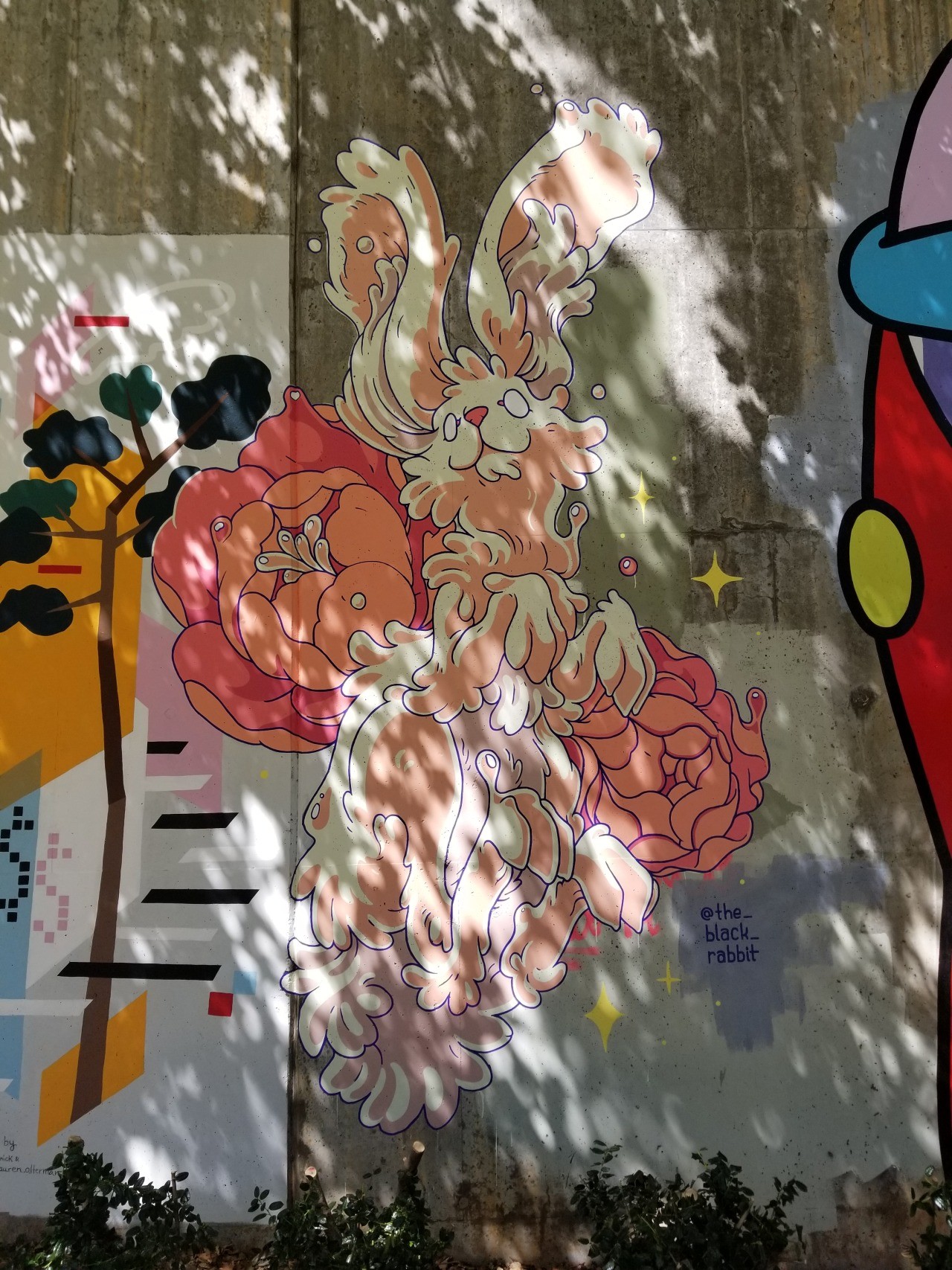
My alias is The Black Rabbit and I’ve sort of ventured in and out of the industry/business over the course of my tenure as an artist. I’ve dabbled in comics during my stint with Studio Fizzy, animation with Floyd County Productions, illustration for local breweries and comic conventions, paintings with some local galleries, as well as a few murals around town, most of these being gotten into by a mix of either relentless pursuit or dumb luck. I think what goes unsaid in these types of answers though is that there’s also a lot of rejection that’s coupled with these successes, but we tend to keep those behind the curtains for the sake of curating public personas.
I’m currently enjoying working on a few illustrations and upcoming murals for some clients that hopefully I’ll be able to share soon. A lot of The Black Rabbit is an ongoing exploration of what it takes to make this journey work, and I’m always grateful to the people that see value in what I’ve created and what I’m creating.
What can society do to ensure an environment that’s helpful to artists and creatives?
I’d say currently to interact with, comment on, share posts/pieces you like, and buy stuff from your favorite creators when and where you can; it means so much to the creatives themselves as well as helps balance out the prejudices of the algorithms. A lot of the advent of social media was great at adding platforms for visibility to people with less resources than others, but algorithms have REALLY put a damper on a lot of that lately, especially in platforms like Facebook, Instagram, and even Twitter. It’s been wild talking with other artists about how 2021 and 2022 have nerfed interactions and view counts for artists even from their own follower lists which is a whole other rabbit hole of issues. Get in there and say hi, we love to hear from y’all!
We often hear about learning lessons – but just as important is unlearning lessons. Have you ever had to unlearn a lesson?
I’m sure this has been said/done/regurgitated for time immemorial, but what’s once more, right?
Success is a non-linear path, and chances are if it looks linear, then a LOT of other people were involved in making that happen. There’s a meme or comic out there that covers this whole “winners vs losers” thing and how the public perceives them, and while I personally hate those monikers because its all a current story in flux, it does drive home this idea that “winners” are just infinitely, effortlessly successful; which the comic points out isn’t the case. There’s a series of L’s in there that go unmentioned or fall out of focus in favor of those handful of W’s, which is the driving distinction in this comic in discussion. That was something that took me a while to unlearn, those perceptions of what a successful path should look like, and relearn it as a balancing act with room for errors that you try to learn from and adjust after. It’s hard to not take those L’s personally, because the nature of being a creative is inherently personal, so it helps to pull back from those instances to put those in perspective as pins in a board of achievements.
Contact Info:
- Website: theblackrabbit.bigcartel.com
- Instagram: @the_black_rabbit
- Facebook: www.facebook.com/theblkrabbit
- Twitter: @theblkrabbit
- Other: el-conejo-negro.tumblr.com