We’re excited to introduce you to the always interesting and insightful Cambria Griffith. We hope you’ll enjoy our conversation with Cambria below.
Alright, Cambria thanks for taking the time to share your stories and insights with us today. One of the things we most admire about small businesses is their ability to diverge from the corporate/industry standard. Is there something that you or your brand do that differs from the industry standard? We’d love to hear about it as well as any stories you might have that illustrate how or why this difference matters.
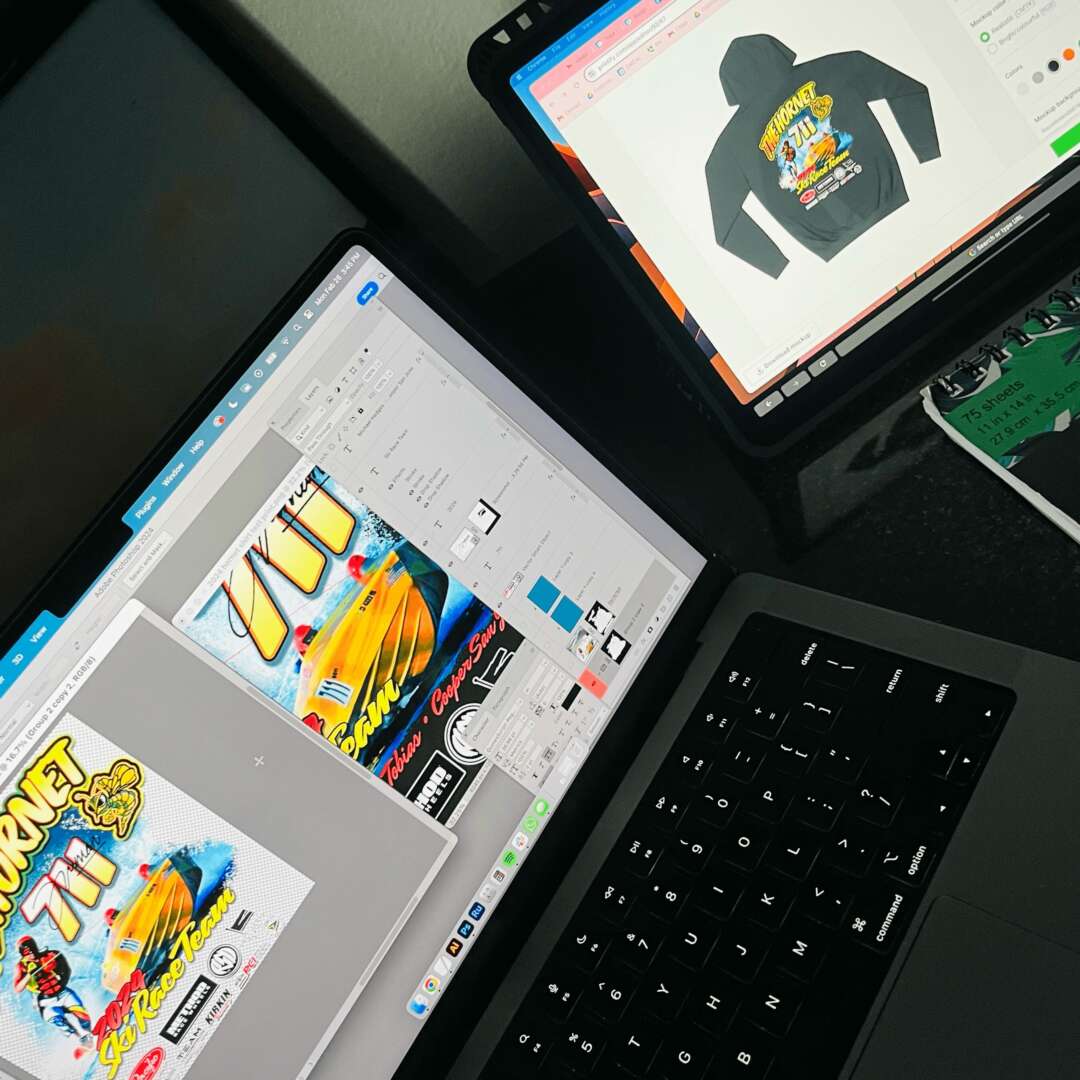
I focus on highly customized problem solving and prioritize productivity & creativity equally. I’ve heard clients’ common struggles when it comes to creative consultants or freelancers falling off track or lagging on projects, so I keep that as buttoned up as possible. When I work with a client, it’s not just creative deliverables cranking through, but a heavy amount of project management and coaching, too. That’s not to say hours go wasted on just talking and sending updates – it’s about having useful project management tools available and tailoring communications to fulfill a client’s needs and make sure we are aligned.
It would be a lot easier to give the same treatment to every client’s challenges, but I go deep on understanding their entire creative and marketing ecosystem so we can find the real gaps and the root of any issues, rather than continually treating the same symptoms and spinning our wheels.

Cambria, love having you share your insights with us. Before we ask you more questions, maybe you can take a moment to introduce yourself to our readers who might have missed our earlier conversations?
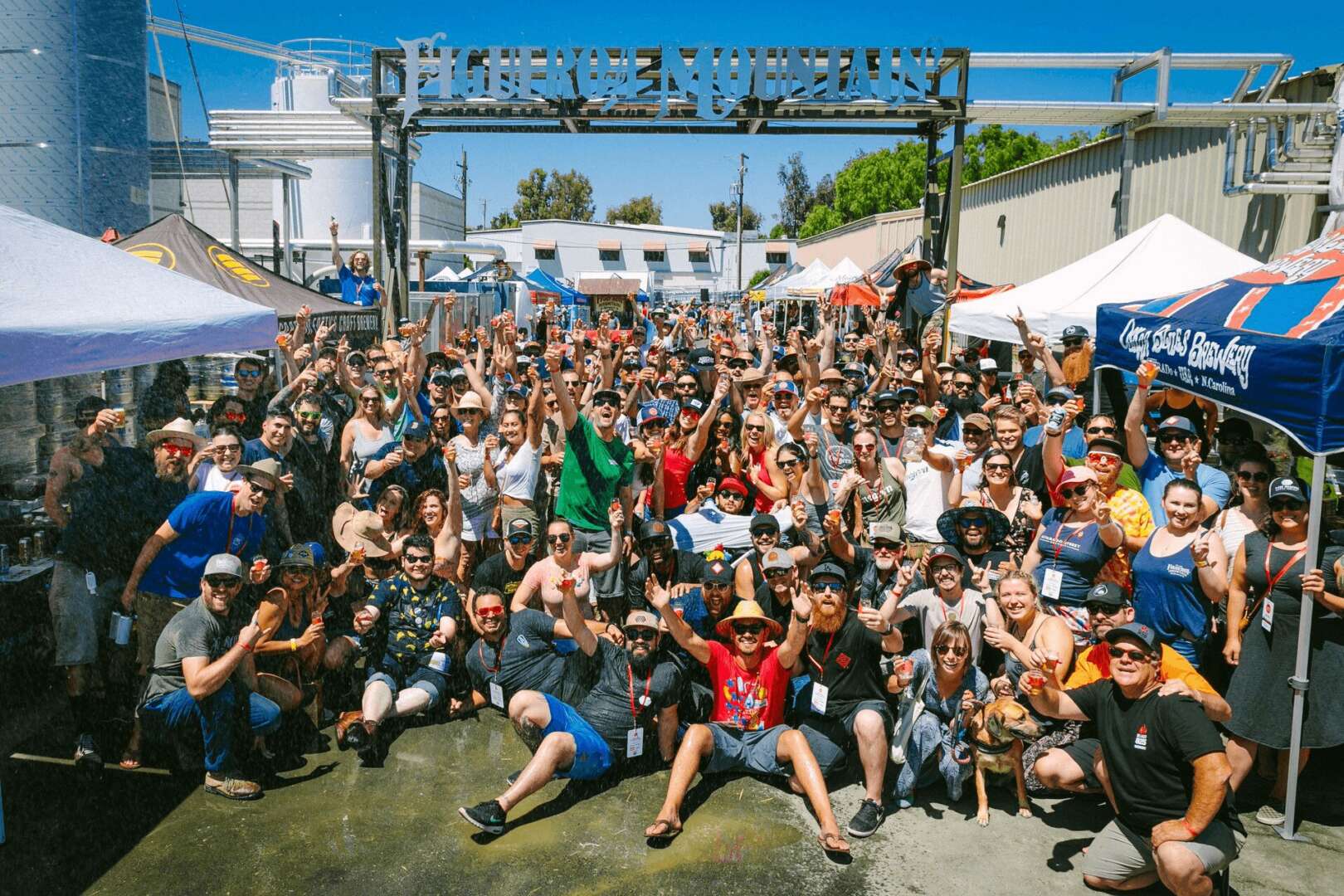
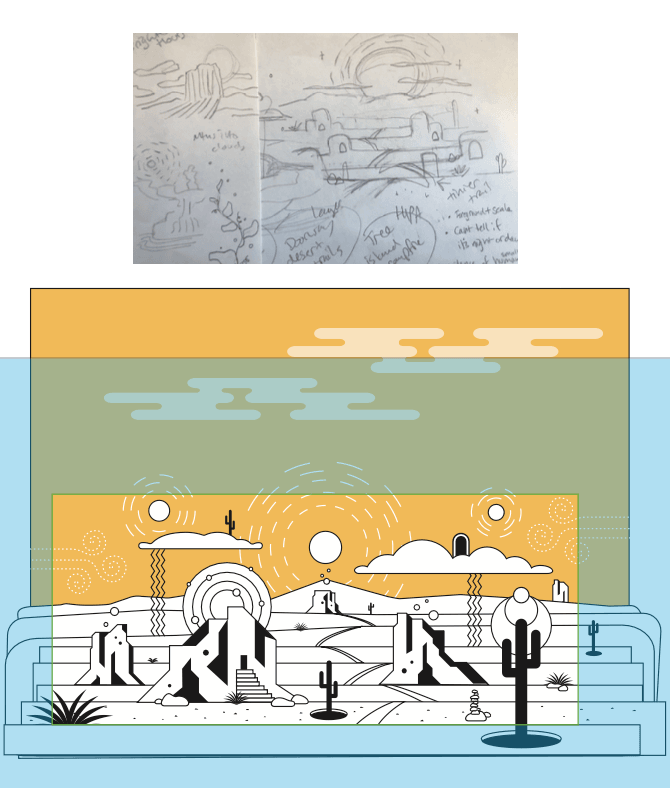
My professional trajectory has a few sidesteps that I never planned on, but make sense at their core. I’ve always been a creative type, so as much as I refused to claim a creative major in college, because I feared graduating without a job lined up, I eventually caved and claimed Fine Arts with an emphasis in digital media (what they not-so-creatively dubbed Intermedia) at the University of Southern California, graduating in 2007. I was shocked I had to battle with my counselor on what classes qualified towards my degree. I’m proud to be a Trojan, but their art department was disappointing and stuck in the past. The web design courses I loved were worth 2 points for an Art History major, and zero towards my degree. So I continued to take a mix of classes that were in digital media no matter what school they were in at USC – animation was in the cinema school, art & tech was partially in the engineering school, and classes that taught the Adobe Suite were viewed as secondary to painting and sculpture. It was weird. But there were some professors and T.A.’s that were pushing this edge and I am grateful for them – Skip Rizzo, Tad Beck, Stephan Themis, Andrea Zittel, and others. In my senior year I was aggressive in securing internships and doing my best job possible at them. I found internships that ranged from a one-man-show web designer to a Beverly Hills boutique web agency, to a Warner Bros. subdivision. I asked them all for a real job, and landed one at WB, where I worked for 5 years as a web designer, working my way from junior design to advertising integration. There were intense personalities, startup shows, long hours, and exciting projects. I survived two rounds of layoffs, and always worked on something creative on the side. One of those projects was a website about things to do in and around Los Angeles, and I promoted it through then nascent social media. I designed our logo, wrote blog content, shot photography, secured interviews, and worked on it with fellow coworkers – until one day one of them sold it out from under us and completely vanished without a trace. I was devastated, but he couldn’t take away my creativity. I had developed an interest in telling the story of the the burgeoning craft beer industry, and so I became synonymous with LA beer coverage. That is when Tony Yanow approached me to tell the story of his companies, including a new brewery he was working on. In 2011, I accepted his offer and went independent as a social media & marketing consultant for Golden Road Brewing, Tony’s Darts Away, Mohawk Bend, and his other projects. It was exhausting, fun, and a fascinating time, but I was spread incredibly thin doing a lot of different tasks. When Orange County’s The Bruery had a job opening, I was a shoe-in and got the role which lead to nearly 5 years of working in marketing there. During that time I created a ton of great work to tell their story in graphics, photography, blogs, advertising, social media, and new products. I grew a killer team there, and was a on the road a ton expanding their national distribution reach. I developed the Offshoot Beer branding there and was approached by Figueroa Mountain to take a position as their Director of Marketing. And so I did, for two years, helping poise them for acquisition, converting their packaging, staging a rebrand, retooling their product line up, developing new products, and creating a whole new Lagerville event experience. Then, they went bankrupt and laid off all SoCal based staff, including my team that came with me from The Bruery. A month later, Covid hit. 5 months later, former colleagues called me to say the guys who started Blizzard Entertainment wanted to open a brewery, and they wanted me to create and market it. I cofounded Radiant Beer Co, which I left two years later to start consulting full time. I’ve now consulted for two years and finally have my own time & energy at my command to work with clients I love, and across different industries. Most of my work is design and marketing in beer & agriculture, but I also have smaller clients in medical, veterinary, and racing.
Are there any books, videos or other content that you feel have meaningfully impacted your thinking?
I rarely make time to stop and read, but when I do, it has to be useful. So when I find a good book, I buy it for others. Three go-to’s I’ve shared are Art & Fear, Managing Up, and Why We Write.
Art & Fear and Why We Write are great books on the creative process, as told by professionals. The gift and struggle of creativity can sometimes be challenging for non-creatives to fully grasp and empathize with, since it can sound like a lot of BS. These books will help you feel much more sane as a creative, especially if you are not often surrounded by your own kind.
Managing Up is a book I found at the right time in my career path. It’s insightful and empowering, but reasonable. And it made a tangible difference for me at that time.
Traction is bonus favorite, but it’s a bit more of a workbooky-book on how any business gets things done.

We often hear about learning lessons – but just as important is unlearning lessons. Have you ever had to unlearn a lesson?
Half my brain is visionary, half is doer. So while I love a good creative brainstorming mess and working through chaos, I also want order, systems, and zen. Combine that with being your toughest critic, and you might never ever get a project out the door.
I always strove to utter perfection – maybe it came from growing up competitive with three brothers, from having a do-it-yourself mentality, from stern ballet teachers from age 3 through 13, or from the pressure I put on myself to be the best in academics – but perfection was important, and I always found things in my own work or self that weren’t quite perfect enough.
Now, I embrace imperfection, but that doesn’t mean a sloppy finished project either. In my experience, the fastest way to stop cutting down or second guessing your own work is to show it to others and get out of your own head. Working in that style has not been my comfort zone, but I love it now. However, this mode of work takes mutual trust with your client and a clear project scope. You need to demonstrate to them first that you are qualified in your role, and boundaries on revisions need to be clear.
This is also a great way to invite others into the project and stoke things that have gotten stuck. It helps give space for all to have a say and give notes before it’s too late. Whether or not all those notes are used, they are at least part of a conversation. It’s a wonderful way to make progress.
Contact Info:
- Website: https://cambriagriffith.com
- Instagram: https://www.instagram.com/cambriamade
- Linkedin: https://www.linkedin.com/in/cambriagriffith
- Other: shop – https://cambriamade.com/