

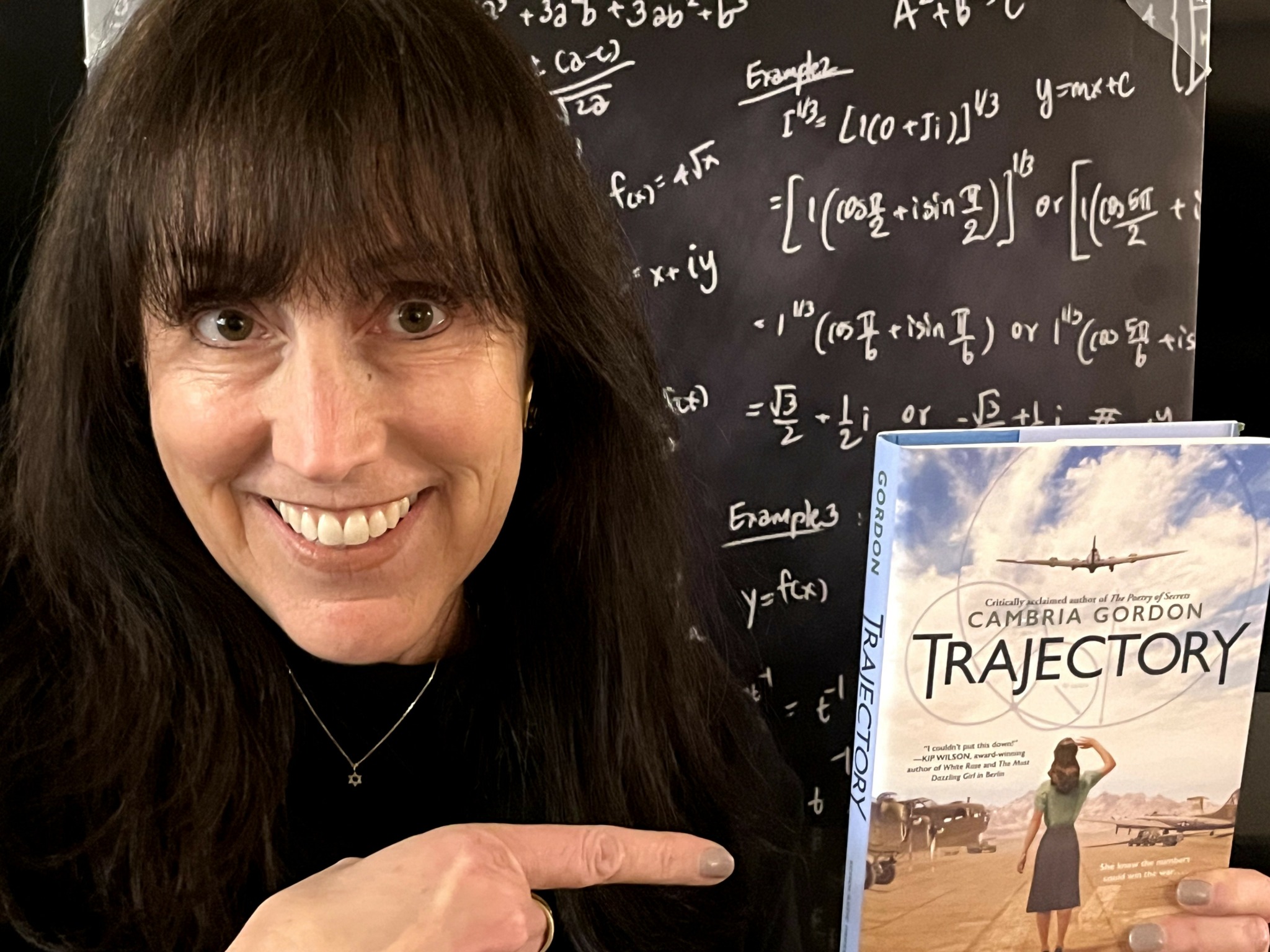

We recently connected with Cambria Gordon and have shared our conversation below.
Hi Cambria, thanks for joining us today. Is there a historical figure you look up to? Who are they and what lessons or values have you learned from them?
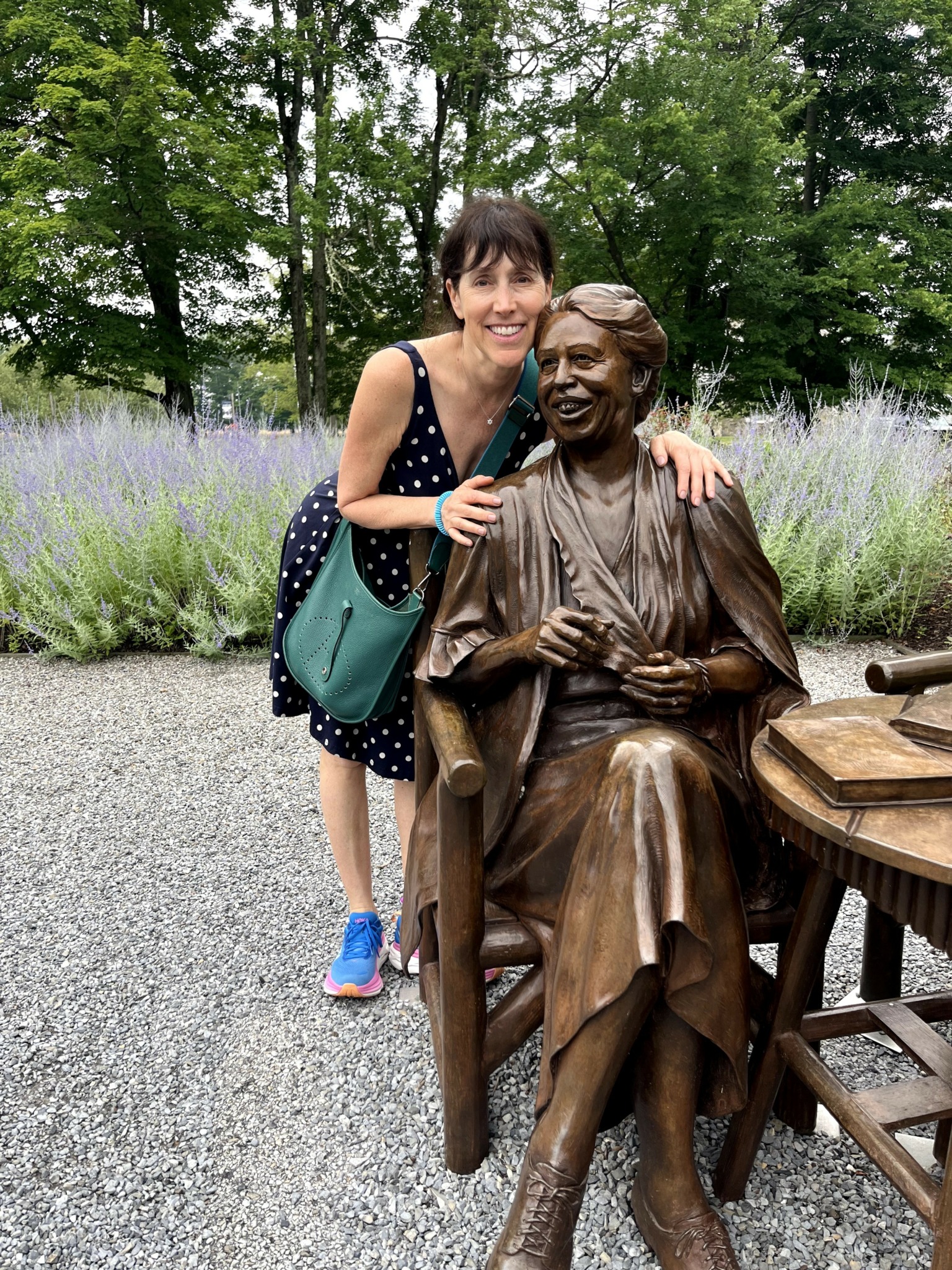
I admire Eleanor Roosevelt so much, I named a character after her and made her integral to the story line of my book, Trajectory. As a child, Eleanor felt like an ugly duckling. She was shy and a terrible public speaker. But she had a solidity about her, a strong moral center. She was smart and tenacious and caught Franklin’s eye. When she was First Lady, she had a weekly column in a women’s magazine. Someone wrote in and asked her if she had “colored” blood in her family because she derives so much pleasure from associating with “colored” folks. Eleanor wrote that if we go back far enough, we will see that we all stem from the same beginnings.
When it wasn’t popular to trust science, to be accepting of those different from us, Eleanor did it anyway.
She trained herself to give speeches, to be affable and outgoing when meeting new people. Her husband found other lovers and she herself, had a relationship with a woman.
Those traits –– to not care what people think, to listen to your own instincts, are how I try and live my life.
Cambria, love having you share your insights with us. Before we ask you more questions, maybe you can take a moment to introduce yourself to our readers who might have missed our earlier conversations?
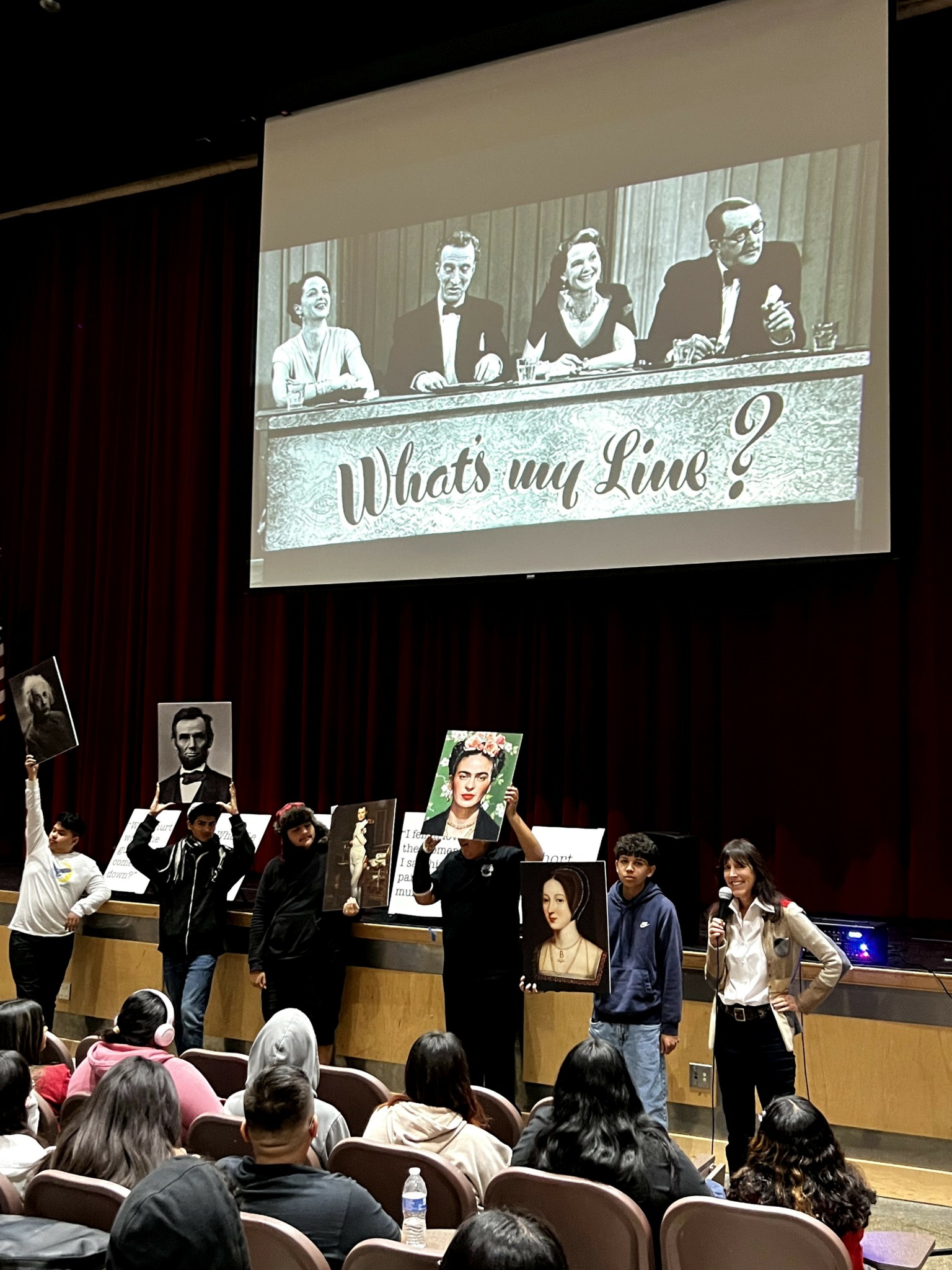
I’ve always loved a good commercial. In college, I read Ad Age and dreamed of working on Madison Avenue. My first job was as a traffic coordinator in an advertising agency. I liked it, but when I brought files to the creatives on the upper floors I dreamt of being one of them. So I went to night school to learn how to write ads. I developed a portfolio and got my first copywriting job at a small agency, writing copy for real estate developments. I then moved to a hair care company and wrote copy for their shampoo bottles, their make-up line, and in-house magazine. Then came the big national agencies, DDB Needham, Foote Cone and Belding, Chiat Day, BBDO. I won awards and loved every second. But when I had children, my priorities changed. I remembered how much I loved the books I used to read as a kid. I began to take classes to learn how to write for young people. My first book was a non-fiction book on global warming, to make the science accessible to kids so they wouldn’t be scared. I wanted them to feel empowered. This was right when An Inconvenient Truth first came out and no one knew about climate change. I’d been volunteering for NRDC and this seemed like a perfect blend of my passions. The book was translated into 12 languages. My co-author and I even went on The Today Show. Mostly, I loved visiting classrooms, teaching children what they could do to help the planet. But in the back of my mind, I still had my dream of publishing a work of fiction. There was a long, dry period, where everything I wrote was rejected. Chapter books, middle grade novels, young adult novels, they all went back into the drawer. I gave up many times. Maybe I’ll stick to non-fiction, I thought. But that didn’t satisfy me in the same way.
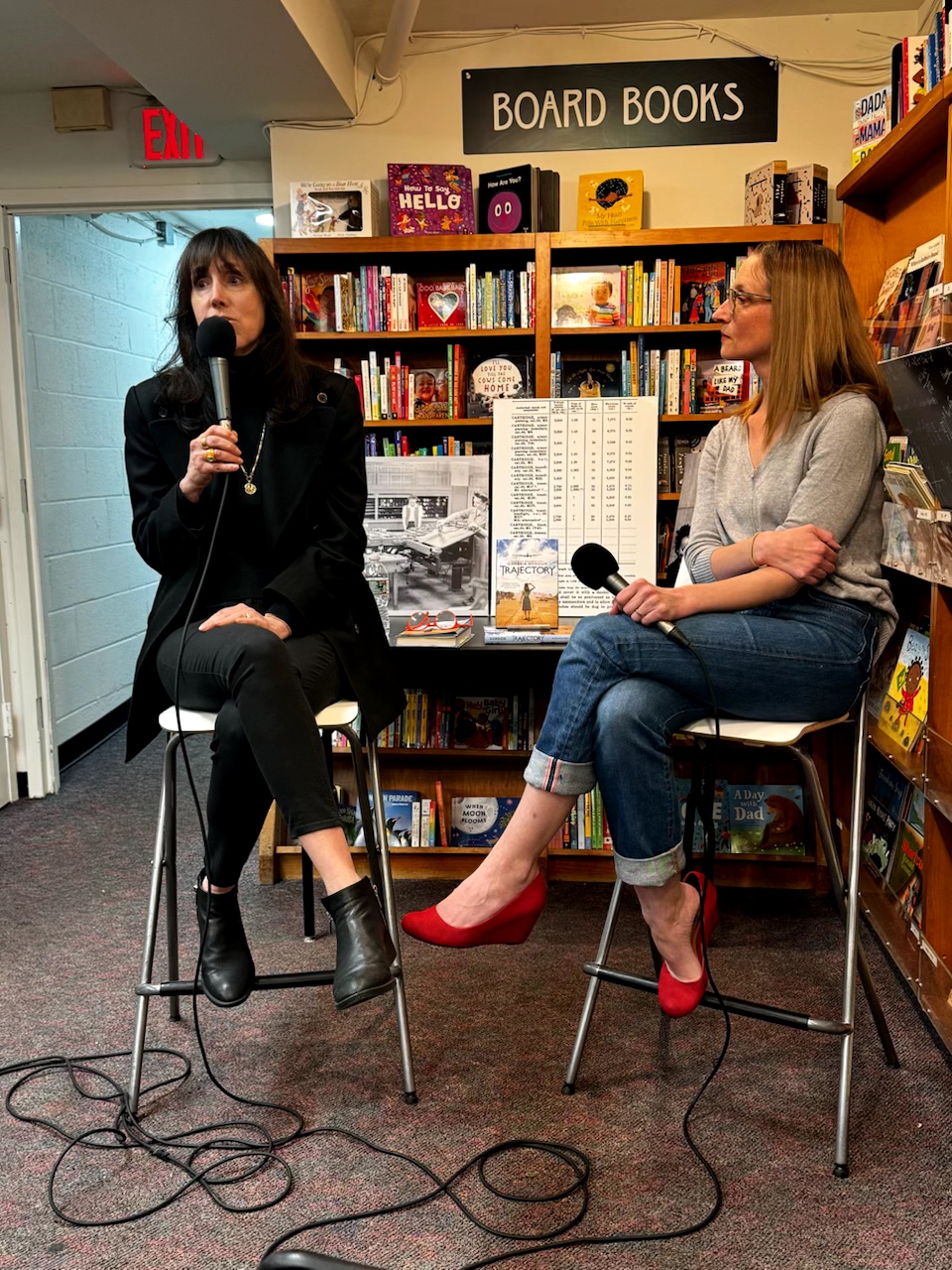
Everything changed when our family moved to Madrid for a sabbatical year. I became fascinated by what happened to the Jews of Spain before the Inquisition and after. It was a subject I hadn’t learned much about in school. Monty Python was basically my resource for this time in history. I read all I could on the subject. When we returned home to Los Angeles, I told my agent, I had an idea for a book. A sort of Romeo and Juliet forbidden love story set during the Spanish Inquisition. She said write it! Then I thought, oh my God, I have to do this now. I was completely intimidated. I’d never written historical fiction before. Would readers believe my voice? What did a 17-year-old converso (Jewish convert to Chrisianity) who lived in 1493 sound like? It took me two years to write the book. And it sold to Scholastic Press. The Poetry of Secrets, a young adult novel, came out in 2021 to critical acclaim. Turns out, I’m a history geek. I love the research part of the process. My second YA novel, Trajectory, was published in 2024. It’s based on the real female mathematicians of WWII and has won several national literary awards. I’ve just finished my first adult historical fiction novel, set in France in the 1890’s. My agent will be going out with it at the end of this month.
I’m most proud of not giving up, of finding a way in to a career that I’d always wanted to have. I’m teaching and entertaining at the same time, making sure readers don’t forget these important moments in our past. It helps us conquer the challenges of the present.
Alright – so here’s a fun one. What do you think about NFTs?
I’m an old school creative. I believe there’s a reason why an original Louis Vuitton bag or a Donald Judd sculpture possess a certain monetary value. The consumer is rewarding innovation. A knock-off purse or a piece of art done in the style of an artist isn’t the same. It destroys the artist’s original vision. I feel the same about NFT’s. It’s not the actual art. It’s a token, a representation of the actual art. It diminishes the intent of the artist. It may skyrocket in value, but in the process, you lose the purpose of why we create. We must celebrate what came out of someone’s hand or head. It’s precious and can’t be duplicated.
What’s the most rewarding aspect of being a creative in your experience?
The ability to work alone, at my own pace, to find subjects that I’m passionate about and nurture them into a story. Then, to release that story into the world where it will take on a life of its own.
Contact Info:
- Website: https://www.cambrialgordon.com
- Instagram: @cambrialgordonauthor
- Facebook: CambriaGordonAuthor
- Linkedin: Cambria Gordon Author
- Twitter: @cambrialgordon
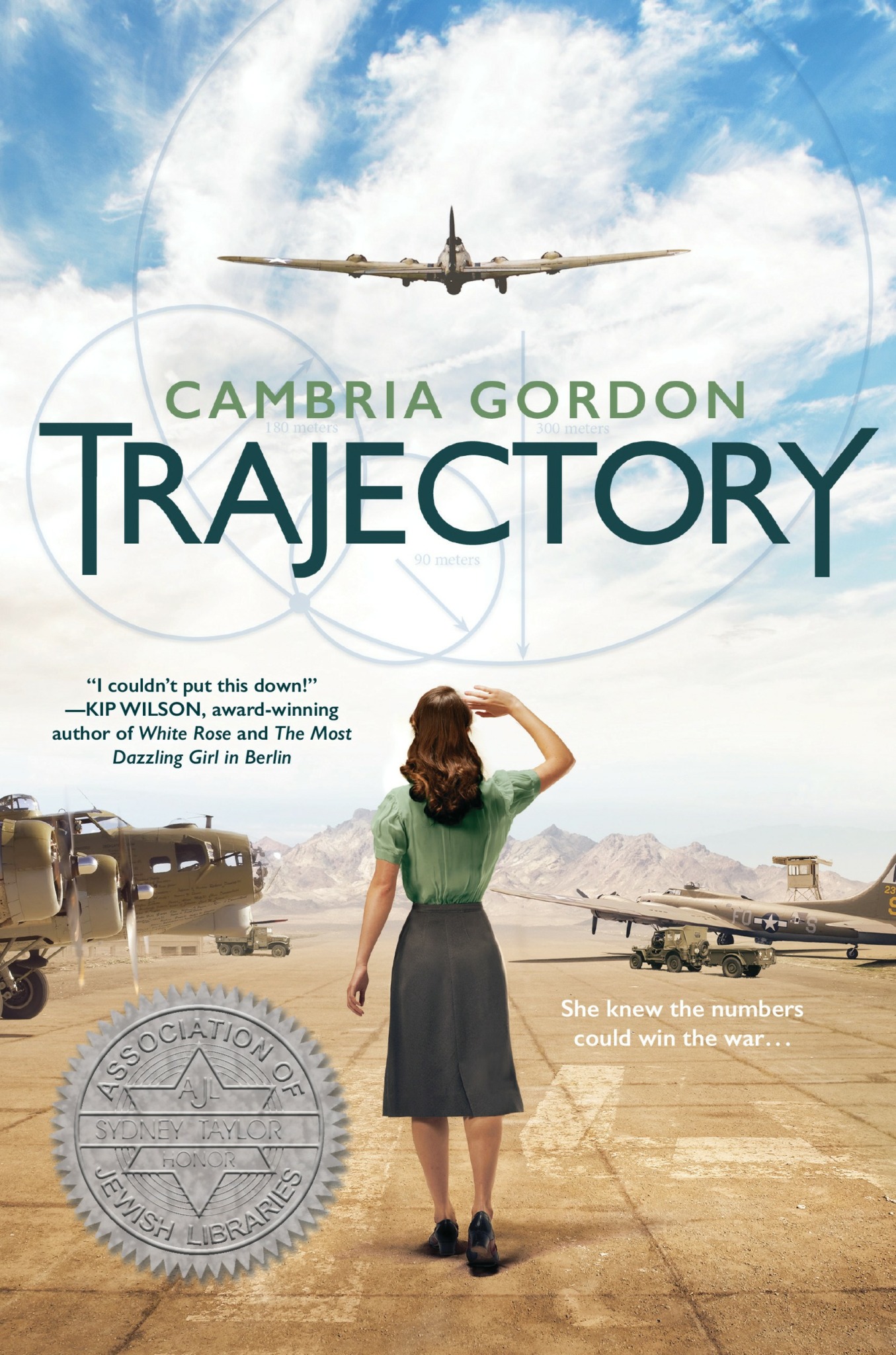
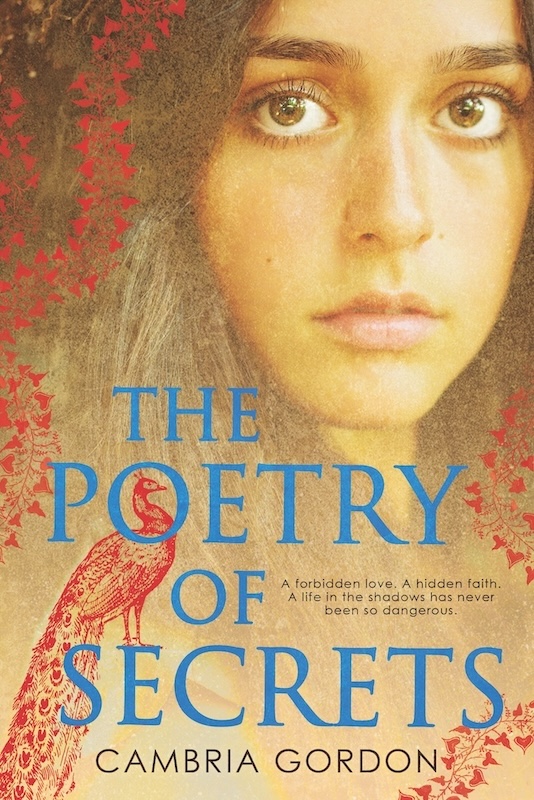
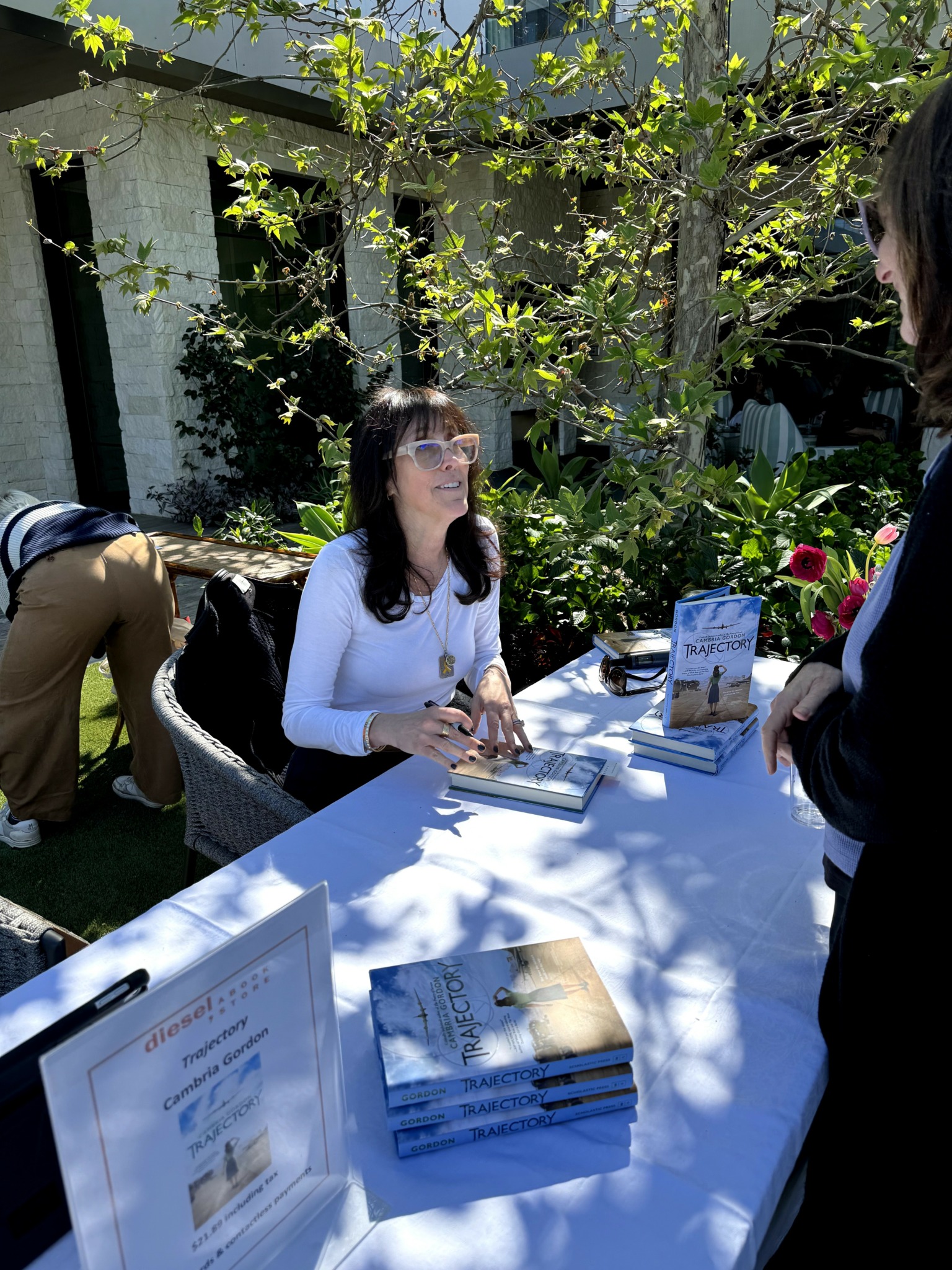
Image Credits
not applicable