

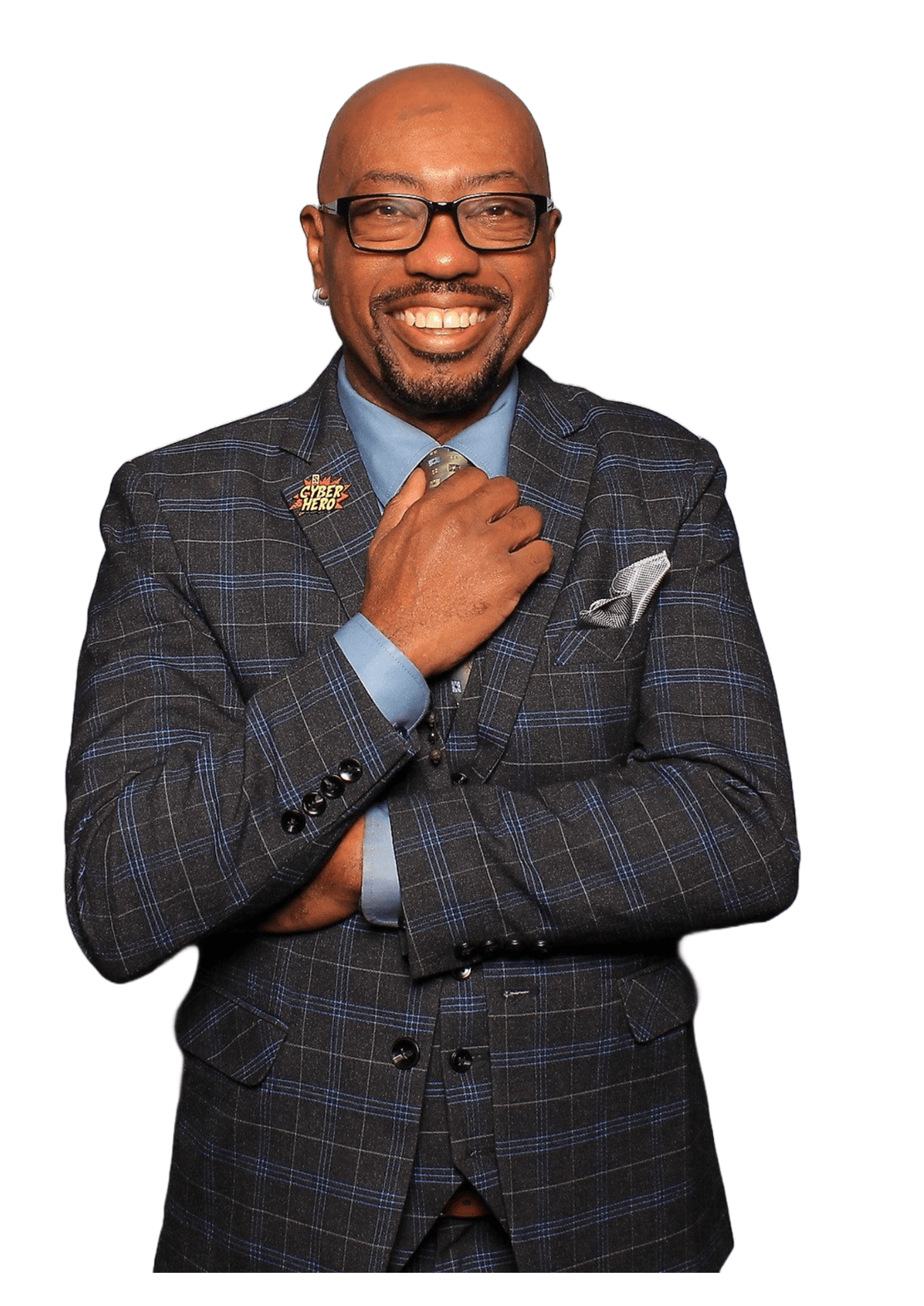

We recently connected with Burton Kelso and have shared our conversation below.
Alright, Burton thanks for taking the time to share your stories and insights with us today. We’d love to have you retell us the story behind how you came up with the idea for your business, I think our audience would really enjoy hearing the backstory.
When I first started Integral in 1993, the world was on the brink of a digital revolution, but for the average person, technology felt like a foreign language. I remember seeing people struggle, not just with the machines, but with the intimidating culture surrounding them. Back then, if your computer broke, you had to disconnect a maze of cables, haul a 40-pound monitor and a heavy tower into your car, and leave it at a shop for a week.
I saw the frustration in the eyes of small business owners and families. They weren’t just losing a tool; they were losing their productivity and their peace of mind. I realized that while technology was advancing, the human element of service was being left behind.
The idea for my business was born from a simple observation: Technology should serve people, not the other way around. I decided to flip the industry model on its head. Instead of asking the customer to come to the “experts,” I would bring the expertise to them. By going directly into homes and offices, I could see the environment where the technology lived. I could sit next to a client at their own desk, in their own chair, and help them gain confidence in their own space.
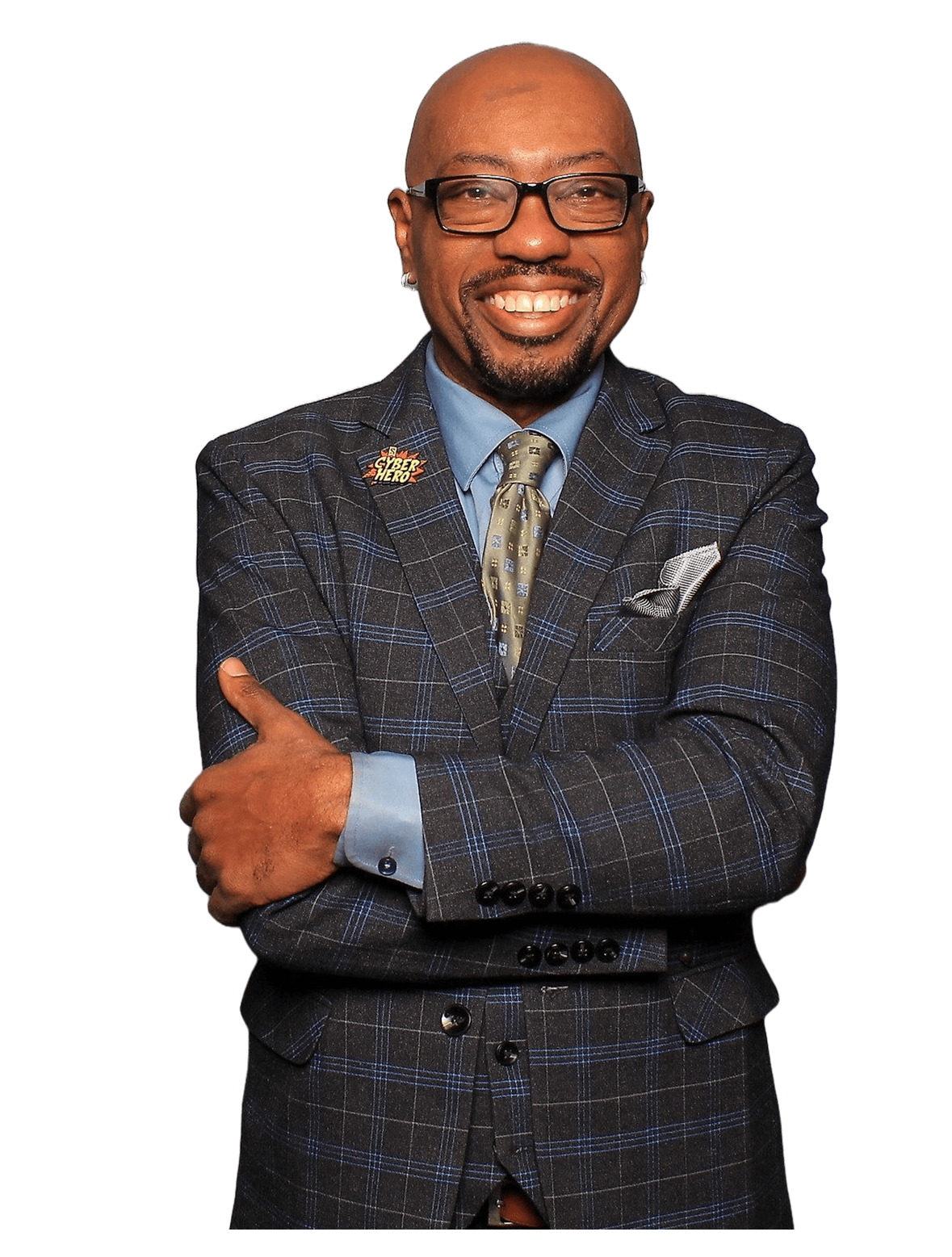
Great, appreciate you sharing that with us. Before we ask you to share more of your insights, can you take a moment to introduce yourself and how you got to where you are today to our readers.
I didn’t enter the tech industry through a corporate fast-track or a fancy recruitment firm. I got into this business because I kept getting fired from every job I had. I realized early on that I wasn’t built to work in someone else’s rigid system, especially working for companies that didn’t prioritize the person behind the screen. In 1993, I decided that if I couldn’t find a workplace that fit me, I would build one that fit the needs of my community.
Since those early days in the 90s, Integral has evolved into a full-service provider of human-friendly computer repair and IT managed services. We serve homes and businesses throughout the Kansas City metro area and beyond. Whether it’s a family trying to keep their home network secure or a small business needing a fully managed IT infrastructure to stay competitive, we provide the technical backbone that keeps their world running.
We solve the “Frustration Gap.” Most people don’t hate technology; they hate the feeling of being powerless when it fails. We step in to remove that anxiety. We solve the technical glitches, the security vulnerabilities, and the “why isn’t this working?” headaches that stop productivity in its tracks.
What truly sets us apart—and what has kept us in business for over three decades—is our philosophy: We aren’t “geeks,” and we actually like helping people more than we like working on computers. In an industry that can often feel cold, condescending, or overly clinical, we lead with empathy. We don’t hide behind jargon or act like the smartest people in the room. We treat every service call as a chance to help a neighbor. To us, the computer is just a tool; the customer is the priority. We’ve spent the last 33 years proving that you don’t need to be a “tech person” to have technology that works perfectly for you.
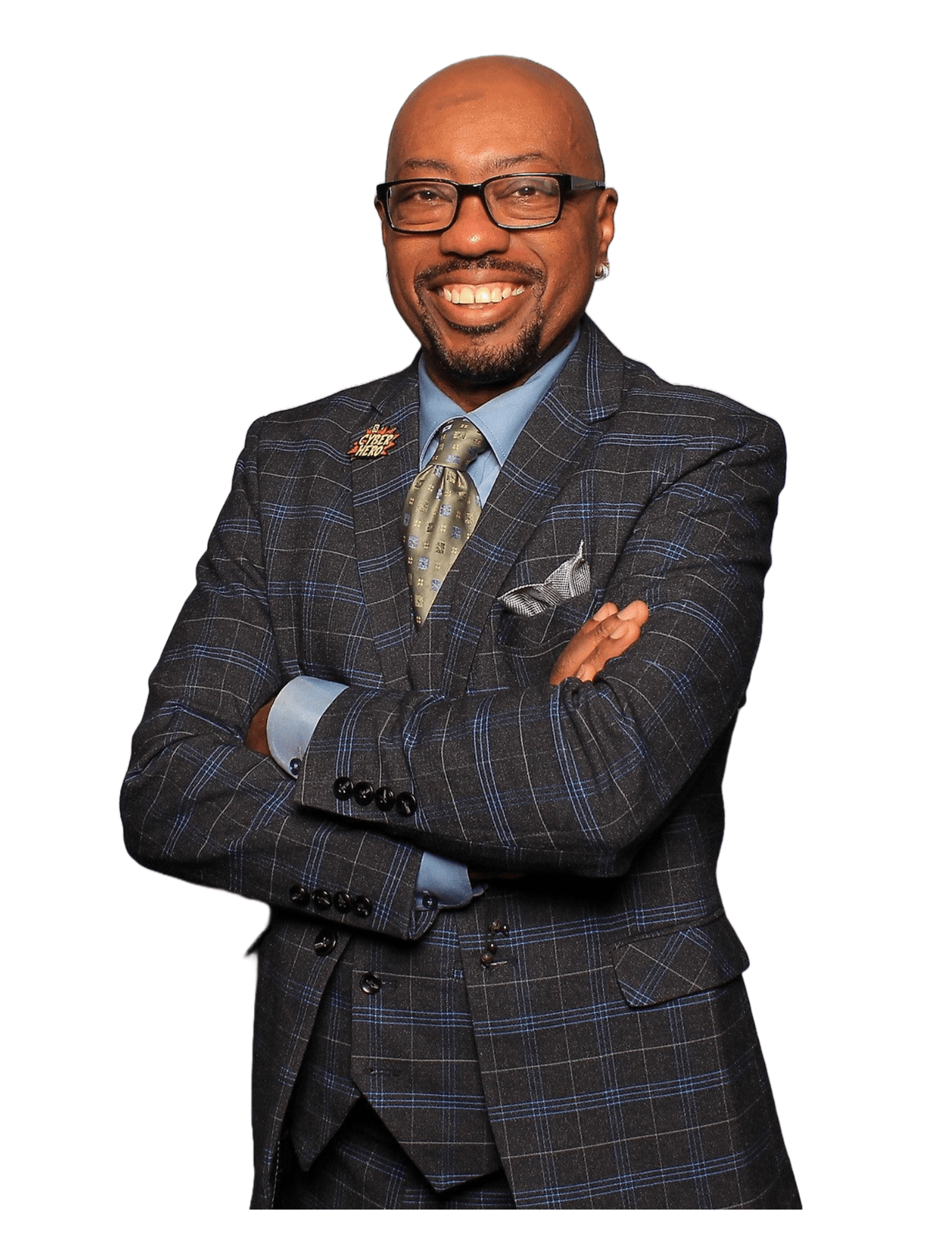
We often hear about learning lessons – but just as important is unlearning lessons. Have you ever had to unlearn a lesson?
When I first founded Integral, I had to unlearn the idea that being a “tech hero” meant being the person who could fix any device the fastest. I was operating under the assumption that my value was purely technical—that I was being paid for my hands and my knowledge of circuitry and code. I thought the “win” was a repaired machine. I had to completely dismantle that mindset to realize that the repair is secondary to the relationship.
This realization came through a long-standing customer who is no longer with us today. For years, I would go to their home or office, dive straight into the hardware, solve the problem, and feel proud of my efficiency. I thought I was doing a great job because the tech worked.
But over time, through our conversations and their feedback, I realized they weren’t just calling me because their computer was acting up. They were calling because technology made them feel vulnerable, and they wanted the peace of mind that comes with having someone they trusted in their corner.
They didn’t just want a “fix”; they wanted to know that if things went sideways, someone who cared about them—not just their computer—would be there to help. They taught me that a long-term solution isn’t a patch or a new hard drive; it’s consistency, presence, and empathy.
That customer changed the DNA of my business. It stopped being about the “device” and started being about the “user.” I stopped rushing to the finish line of a repair and started listening more. Today, when we walk into a home or a Kansas City business, we aren’t looking for a broken machine to save; we are looking for a person to support. We moved from being a “fix-it” shop to a partner in our clients’ lives and livelihoods.
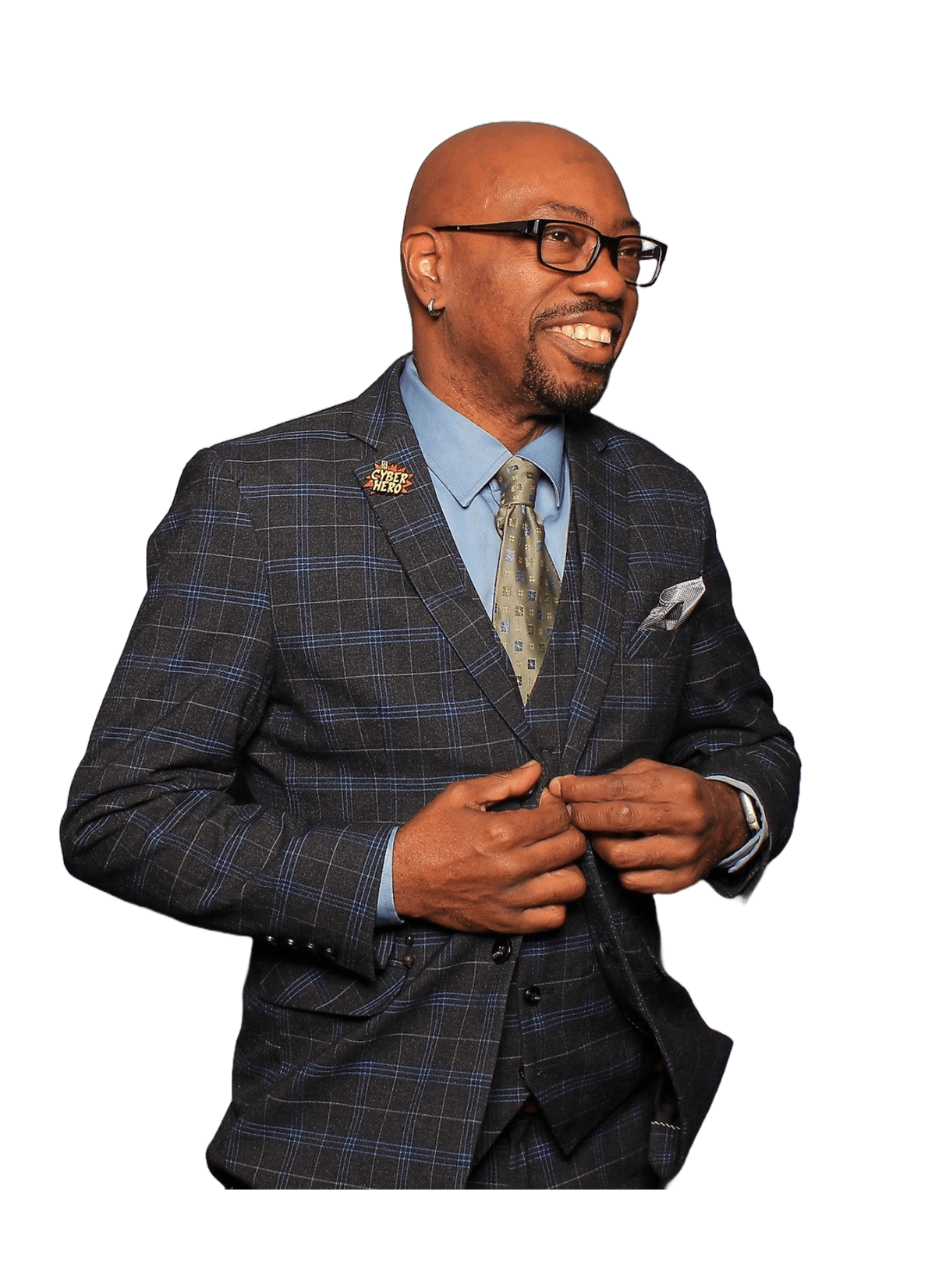
Let’s talk about resilience next – do you have a story you can share with us?
The true story of my resilience is found in the fact that while the technology has changed completely, my mission hasn’t changed at all. I survived the dot-com bubble, the 2008 crash, and a global pandemic by staying true to the idea that people need a human advocate in a digital world. I’ve had to lead my clients through several seismic shifts, and each one required me to reinvent my business model:
I watched the world move from heavy towers to devices that fit in a pocket. Resilience meant moving my “house call” philosophy from fixing a single box to securing an entire digital lifestyle that travels with the client. In the 90s, “security” was a simple antivirus. Today, it’s a sophisticated battlefield. I’ve had to transition from a repairman to a digital sentry, helping Kansas City families and businesses protect their identities and livelihoods from threats that didn’t even exist when I started.
Now, we are entering the era of AI. Many find it terrifying, but my role remains the same as it was in ’93: being the bridge. I help people understand that these aren’t just “scary robots,” but tools that—if handled correctly—can make their lives easier.
Helping a grandmother understand her first iPad in 2010 required the same patience and empathy as helping a small business owner implement AI workflows in 2026. My resilience comes from the realization that no matter how fast the hardware changes, the human need for trust, clarity, and help remains constant. I am still here because I’ve never stopped being that help.
Contact Info:
- Website: https://www.burtonkelso.com
- Instagram: www,instagram.com/burtonkelso
- Facebook: https://www.facebook.com/burtonkelso
- Linkedin: https://www.linkedin.com/in/burtonkelso
- Twitter: https://www.twitter.com/burtonkelso
- Youtube: https://www.youtube.com/burtonmkelso
- Other: Company Social Media:
Website:
www.callintegralnow.com
Facebook.com
www.facebook.com/callintegralnow
www.x.com/callintegralnow
www.instagram.com/callintegralnow
www.linkedin.com/company/callintegralnow/
Image Credits
AI images courtesy of Grok AI