



We recently connected with Burak Yerebakan and have shared our conversation below.
Burak , looking forward to hearing all of your stories today. Learning the craft is often a unique journey from every creative – we’d love to hear about your journey and if knowing what you know now, you would have done anything differently to speed up the learning process.
I think learning is a result of curiosity. I was curious since I’ve heard a distorted electric guitar sound for the first time when I was a kid. I was hooked. What is this sound? And how can I learn to create it? Then I started asking questions and followed the tracks. Still now, my learning process is the same. If you can ask questions, answers are easy to find. Getting easier and easier everyday, if only I had something called Youtube then, now there is AI and all the new ways of getting answers. It’s hard to find the questions because the right questions shape the way you learn. So there comes curiosity and influences. Curiosity is like hunger for me it’s usually there all the time like I wanna eat all the time. But you can’t eat the same kind of candy or food consistently for a long time, you get fed up and can’t swallow anymore. You don’t even want it anymore. So there comes the influences, the environment you put yourself in, the the things you surround yourself with. Since I had my first guitar, I just kept asking questions, whenever I saw someone I thought who might have some answers for me. My friends, my teachers, some musician I met at a show or on the street.
Learning takes time. Digesting takes time and most of the times I felt like you collect the data, you get the information but turning them into knowledge requires life experiences. You need to try to process all that data and information to eliminate the results for yourself. Speeding up that process does not look like a choice to me if you are self educating yourself. I think the key factor here is finding the vision. Learning and witnessing different points of views, which you can learn from the people who went through the same struggles before. I did my best to find and meet all those people all my life to ask them questions. What I could have done to make this faster could be moving to Los Angeles sooner in my life, which did not seem to be possible. Because LA has been the place for me to meet hundreds of creatives with vision. Not only in music, but all forms of art, creative and technical industries. That is actually why I moved to LA 8 years ago, I had questions and came here to find all the answers and can’t imagine I could have done anything better in that sense.
Before skills, I think what is really essential was the connection between curiosity and vision. When I was young some artist told me “Skill is not a real thing, what that word really means is the motivation to practice.” He said that about playing an instrument, but to me that goes for any kind of work. The curiosity of learning, the motivation to work harder and harder, learning more and more everyday. Keeping yourself curious is something you can handle by yourself but finding the people with vision is not easy. So I think, to make all that happen, you really need to get out of your comfort zone and put yourself in an environment that will constantly keep you excited and surprised while you have access to all the ‘why’ and ‘how’s,
Of course it is not easy to be in that mindset all the time. Frustration of not being able to connect the dots wears you down. As I said it takes time and real life events to understand what all that information means. And most of the time, those real life experiences are hard to get into and not up to you. For example you can only learn the details of how to be better in big scale projects is only if you can be a part of one. Especially in music production it is not very common to be in a team of over 100 people compared to the film industry, or super high budget productions so you might never get a chance to learn some certain things until you get to a level in your life and career where you are more connected and working with people with a great vision and experience.
Burak , love having you share your insights with us. Before we ask you more questions, maybe you can take a moment to introduce yourself to our readers who might have missed our earlier conversations?
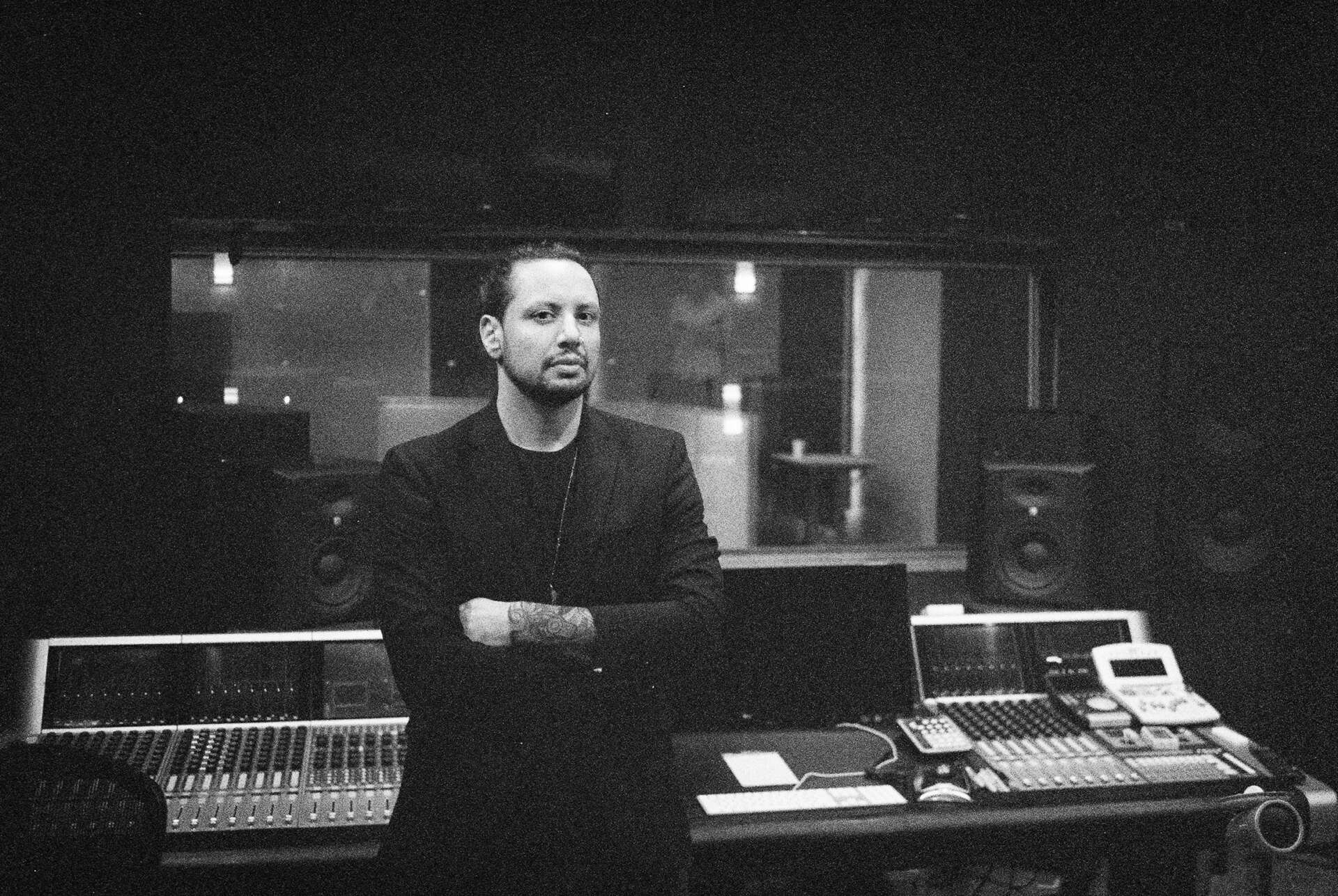
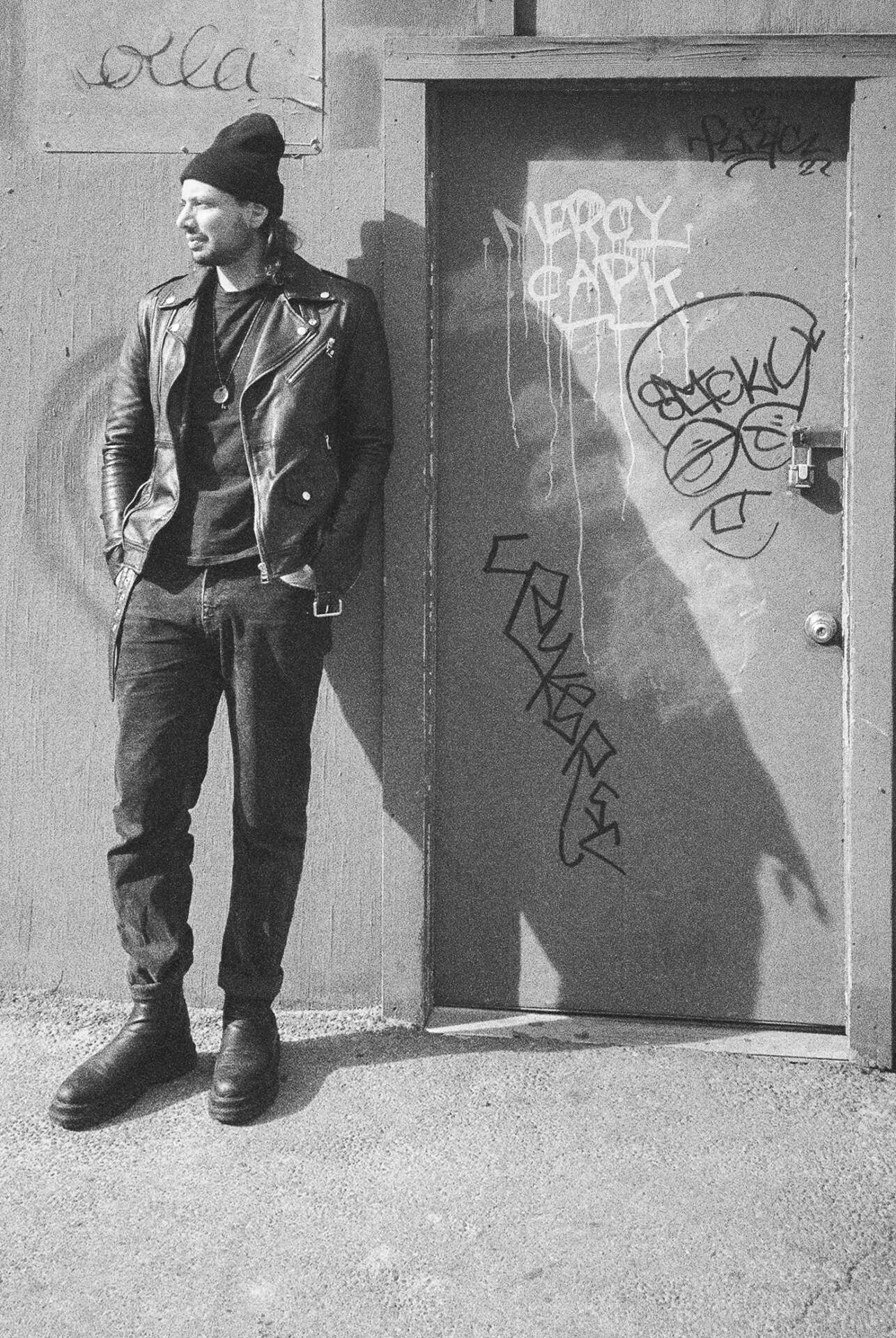
Back in Istanbul, for over 10 years I worked as a professional guitar player in many rock bands and toured with many artists. After I moved to Los Angeles I focused more on music production, recording and mixing. I built a music studio where I wrote, recorded and produced music for my own bands alongside a number of local artists and bands, which I call “The Wakeful Room”.
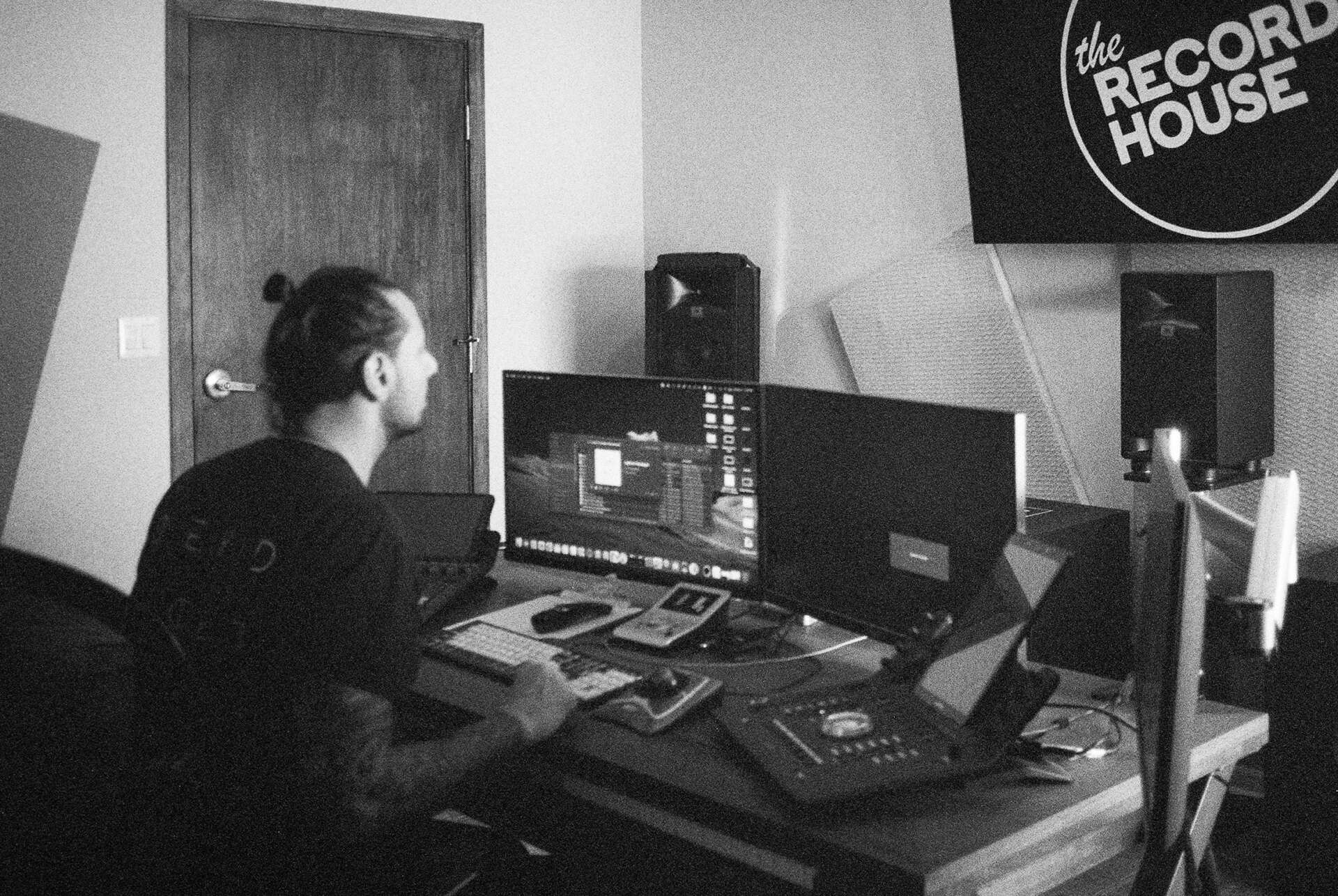
Music production can get very complicated but it is getting easier for artists to do it by themselves up to a point. So most of the artists are also producers, they have an idea of how to design the final product and they record and create their own music in their home studios. But they usually can’t bring it to a level that they are ready to release those tracks. So what I call what I do is ‘Music Production Coaching’ as I am not only the producer but I am supervising the producer or co-producing their records with them. Most of my clients start working on their songs but they get stuck eventually before they see the finish line. This is usually the biggest problem with artists and producers so I help them finalize the track, which requires a full go through from the starting point.
How start working is usually a coffee meeting in the studio with the artist/producers. Or on a Zoom call if it is remote, which I started doing that a lot with the pandemic. We sit down and talk about 3 very important things. 1-Goals: We listen to what we have on the table and we set reference songs as sonic goals or the feeling and vibe we want to achieve as a result. And discuss the ways to get there. 2- Timeline: When do we really need to get there, realistically. 3- Budget: How can we manage the budget so well that we share work and use our resources wisely to get the best results. That usually includes me giving them lots of homework to do so when they come back in the studio we don’t lose time on the things that they can achieve without me.
So I basically create a whole production plan and guide the whole process to turn their unfinished tracks into finalized ready to release masters. This whole experience helps them learn and understand producing music in a more professional way if they have not worked with a producer before. So next time they start working on a track, they manage their energy more efficiently that they don’t get frustrated on the parts that they are not experienced and they can focus more on being an artist and the goals.
I love music and I care a lot about making music that makes people feel good. With 20 years of being a professional in the field all I want is to share my experience and spread the love. So I try to encourage people to be curious, ask questions and learn more. I think the way I work with them is a really good way to learn how to improve their music creating skills hand on. It is also very rewarding because they get their tracks to a finished and ready to release state, compared to watching tutorials and taking courses about how to become a better producer.
In your view, what can society to do to best support artists, creatives and a thriving creative ecosystem?
Educate themselves so they care about the creation and the creatives. We need awareness. With the social media and the way the technology is used these days, people started caring less about everything, attention spans are getting shorter and the value people give to real art is getting smaller and smaller. Shiny computer generated objects get more attention than art created with real hard work and character, mostly by the uneducated people. We need more appreciation which we can only receive if people understand what is really going on.
What do you think is the goal or mission that drives your creative journey?
As artists and creatives we have more chances to be heard when we say something. And it really matters if you’re heard and listened. I see artists as the guards of beauty and kindness in the world so I feel like we need to work harder and harder to protect as it is already falling apart every other day. Deep down that is what I believe our mission is as creatives and I try to encourage that idea in the ways that I can and that drives me to get better at what I do.

Contact Info:
- Website: https://www.thewakefulroom.com
- Instagram: https://www.instagram.com/wakefulmusic/
- Facebook: https://www.facebook.com/thewakefulroom
Image Credits
Vincent Walter Jacob