



Alright – so today we’ve got the honor of introducing you to Bryson Malone. We think you’ll enjoy our conversation, we’ve shared it below.
Bryson, thanks for taking the time to share your stories with us today How did you learn to do what you do? Knowing what you know now, what could you have done to speed up your learning process? What skills do you think were most essential? What obstacles stood in the way of learning more?
I never learned photography, design, or art direction. I learned how to learn. The most important thing in any creative career is to learn how to learn. And even before this, we must start with humility, curiosity, and empathy.
Learning starts with humility. If we admit that we don’t know anything, we remain open to learning everything. From this open place, curiosity leads us down paths that interest us. We each have unique life experiences, so honest curiosity will ensure that these 1-of-1 life experiences lead us down a unique path that offers the world a new way of thinking. Lastly, empathy keeps us connected to others, and allows us to see and feel the experiences of others, which we then digest in to our worldview, which in turn shapes our creative output.
That’s how I see things anyway.
To this day, I have never take a photography class. I studied philosophy and studio art, and I think those disciplines gave me a unique foundation upon which I’ve built my career. The last variable, which is far more practical than mystic, is discipline and hard work. There is infinite literature on this (The War of Art, The Artist’s Way, Atomic Habits, etc), but it took me almost a decade to truly internalize this and act on it. I cannot stress this enough: set a daily routine of creativity, stick with it, and you will succeed.
Bryson, before we move on to more of these sorts of questions, can you take some time to bring our readers up to speed on you and what you do?
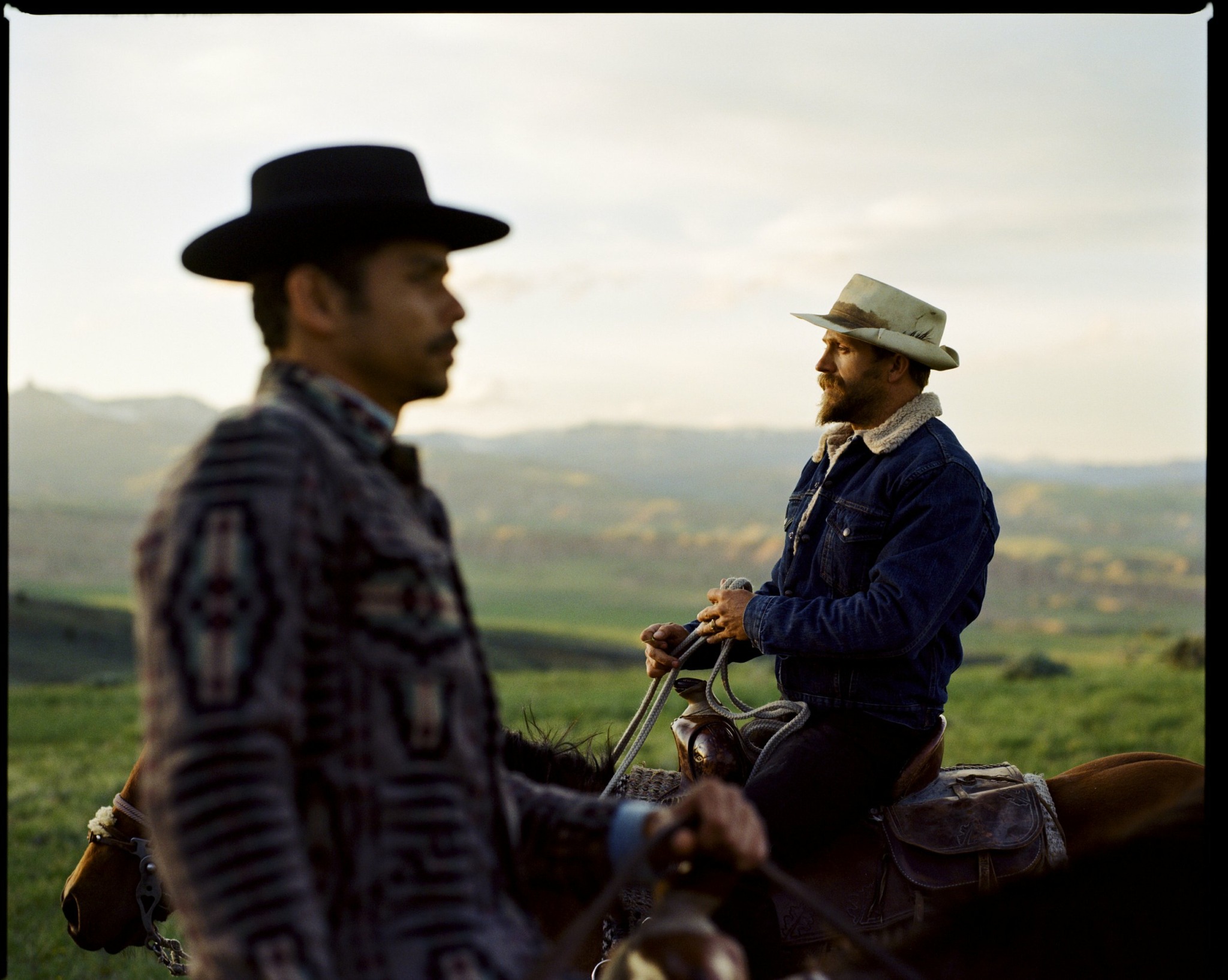
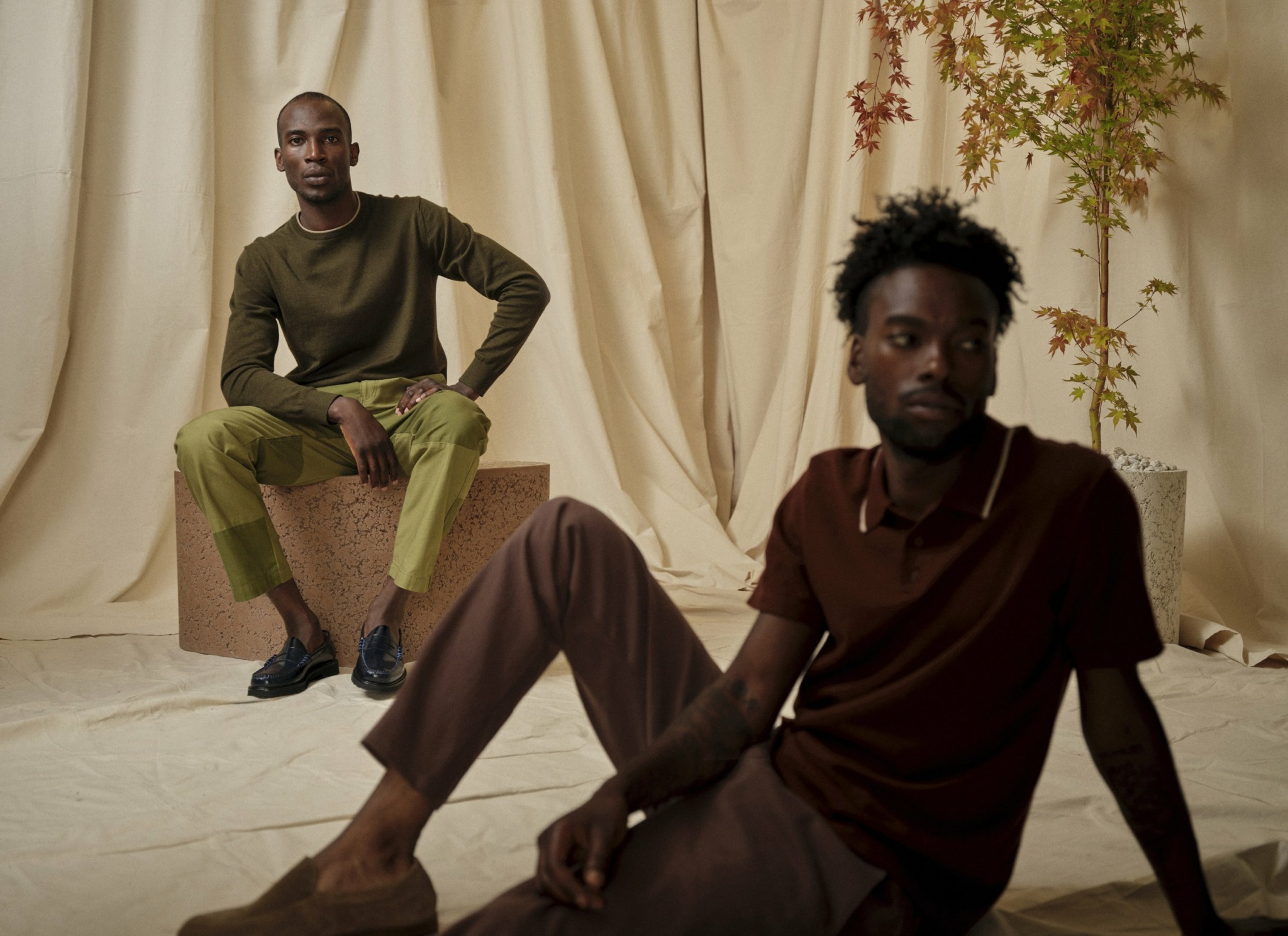
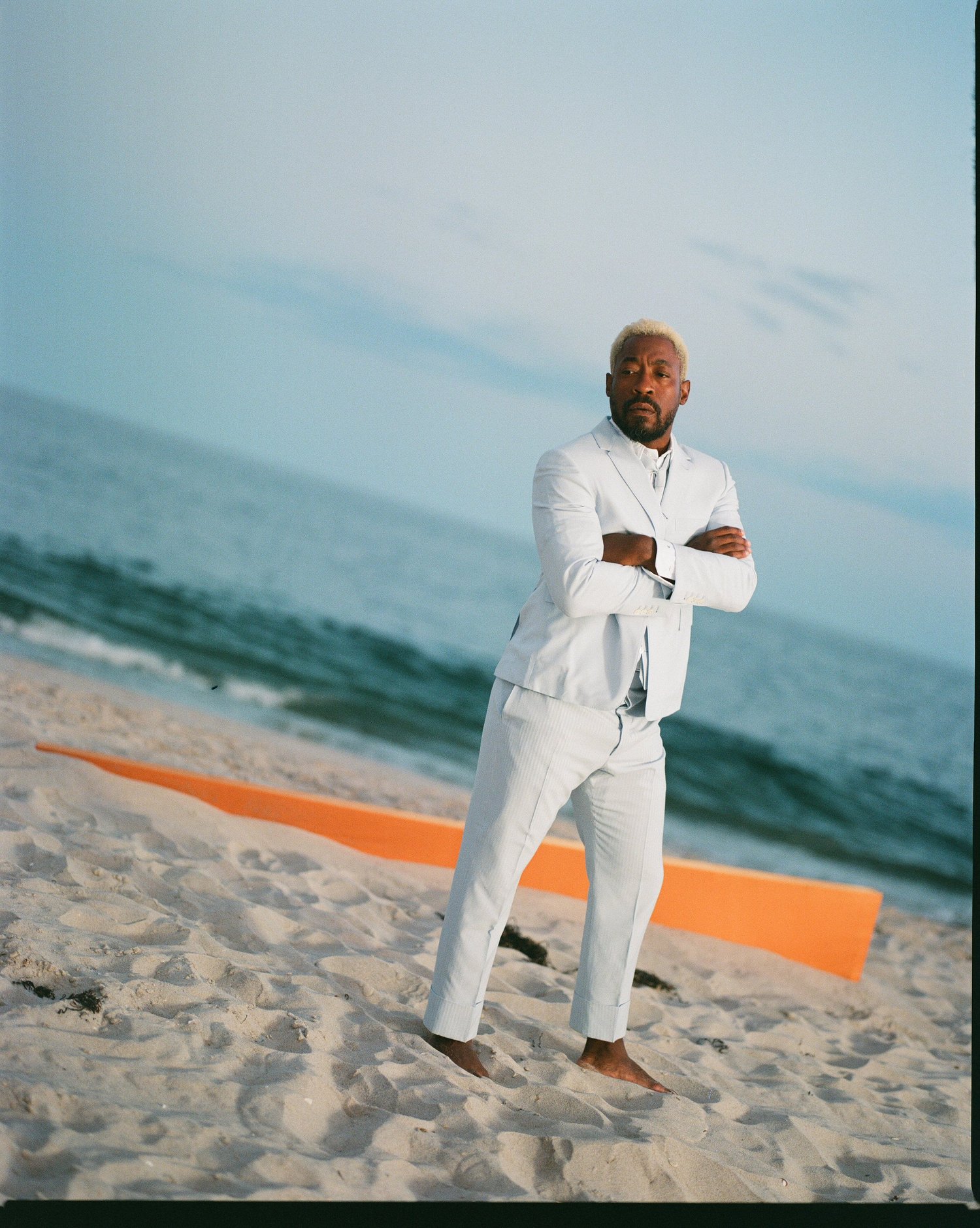
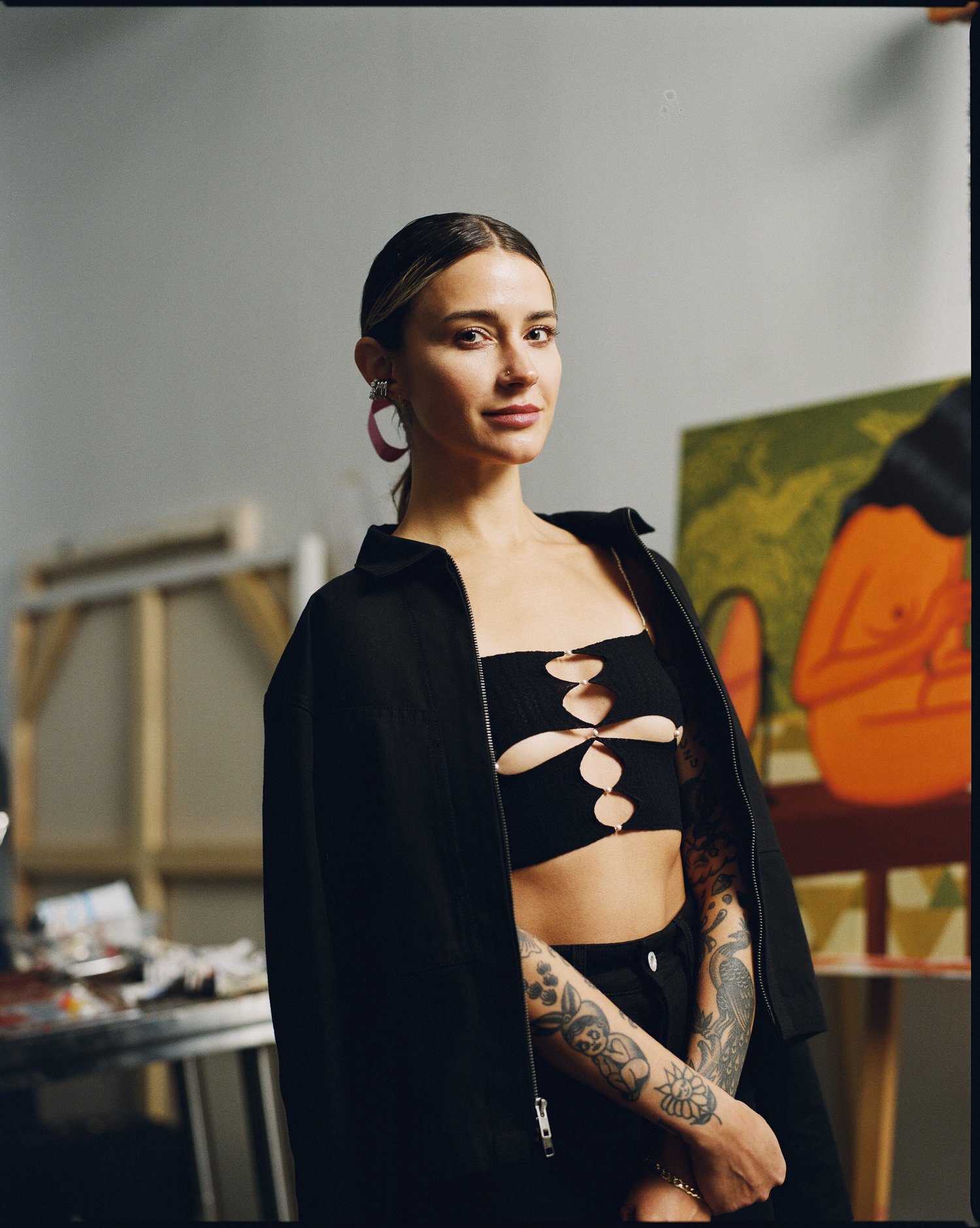
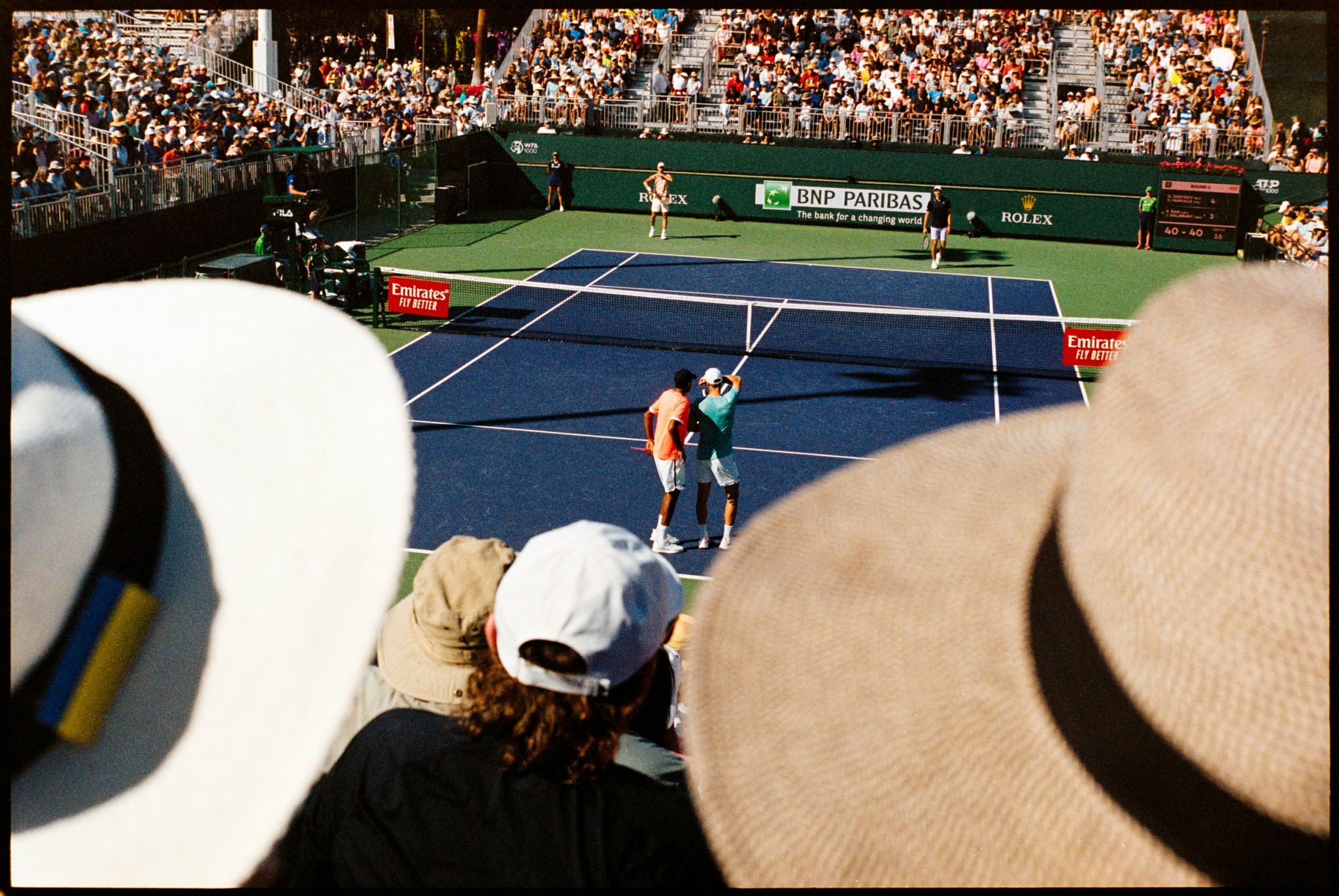
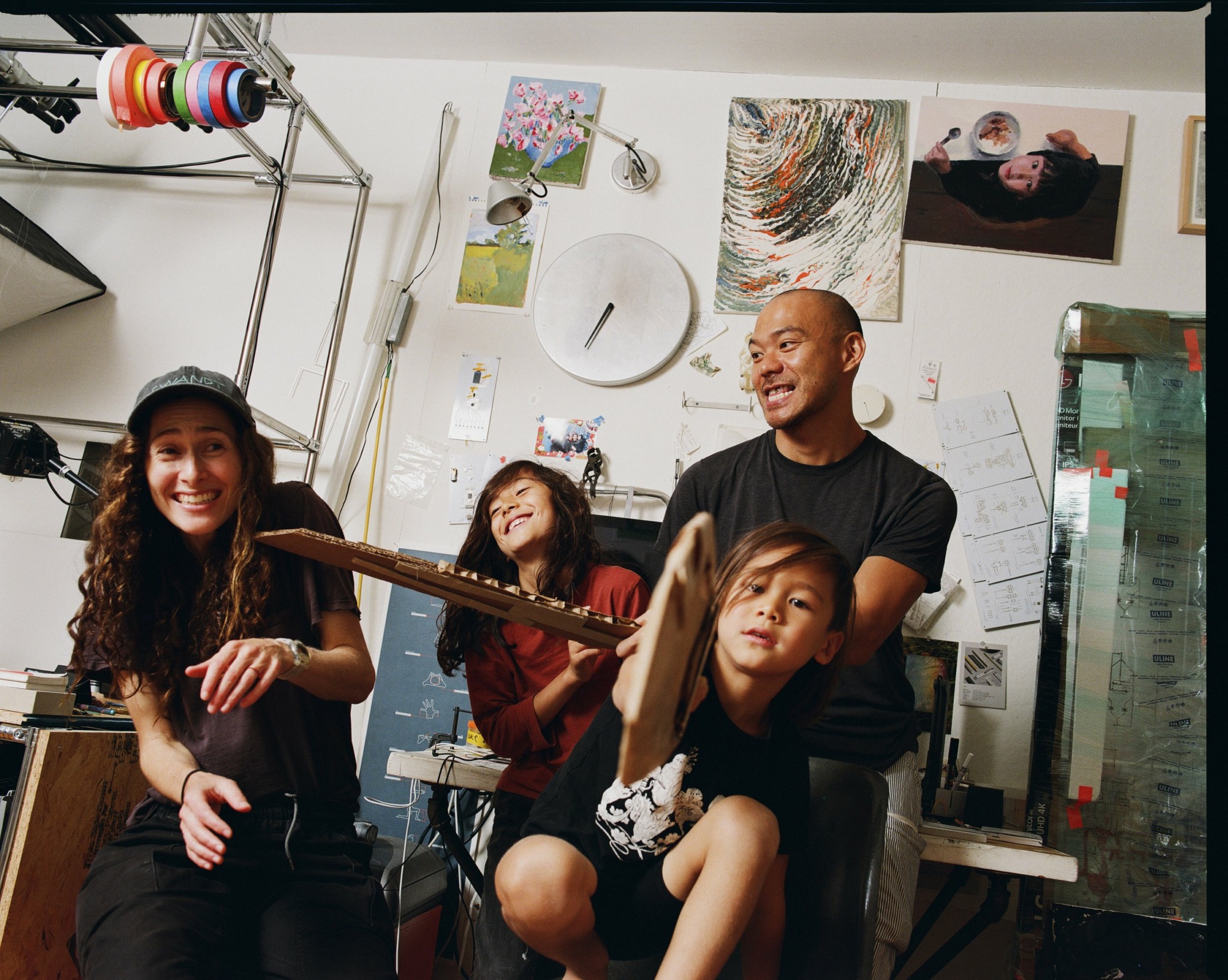
I am a commercial photographer and art director, as well as a fine artist. These two practices are separate, but both necessary- the client work pays for my art supplies, and my art practice informs the creative direction I use in my client work. I spent 7+ years in-house at Huckberry (menswear/outdoor retailer) as an Art Director, helping the brand grow 16x, and I’ve done freelance art direction and photography for global brands like Visa, Patagonia, Lyft, YETI, Architectural Digest, and more, with a focus on editorial portraiture and commercial campaigns.
I studied philosophy and studio art, and my predilection to big-picture thinking is why I am valuable to brands. I can connect culture and humanity to product, and identify creative strategies that communicate the brand/product to consumers. From these big-picture strategies, I can identity the technical choices (color, type, photo style, etc) that will shape the emotional reaction of the audience. This blend of big-picture, logical thought and the mysticism of art/creative technique is the key to my work.
On a practical and realistic note, none of these big ideas would matter if I didn’t know how to be communicative, kind, and collaborative throughout the whole creative process. Even the best creative ideas will fail at the hands of big egos and bad communication. Empathy and hard work are the truth!
Do you have any stories of times when you almost missed payroll or any other near death experiences for your business?
There is no one story, but I want to be transparent in saying that finances and success are not linear. I have almost missed rent many months, so I am going to say a few things that I wish someone told me when I was younger:
-finances and operations are important. Get your ducks in a row, or hire someone to help you. This WILL pay off long term
-Having a bad financial month/year/years does not mean your work is bad, and financial success does not mean that your work is good. Creative output and finances are two separate (but related) processes, and you need to work hard on both of them, not just one of them
-the most successful people you know have struggled too. Keep your head down, and never compare yourself to other people….EVER
Looking back, are there any resources you wish you knew about earlier in your creative journey?
A few years ago, I quit my career to reset after many years of heads-down work. Here are some resources that revived my creativity and got me to the most creative space I’ve ever been in. Additionally, I find exercise, reduction of technology, and time alone to be key to creative work.
Note: I ignored many of these classics for years, thinking I knew better. Big mistake.
-Atomic Habits by James Clear
-The Artist’s Way by Julia Cameron
-Entertaining Ourselves to Death by Neil Postman
-The Work of Art by Adam Moss
-Unreasonable Hospitality by Will Guidara
-On the Standard of Taste by David Hume
-Critique of Pure Judgment by Kant
-Art as Experience by John Dewey
-Art and Phenomenology by Parry (a slow but incredible read)
-Adorno’s Aesthetic Theory (email me for a PDF)
-Generally, I find it easier to learn from books and magazines than the internet. Study the content, but also the form.
-Are.na
-Your creative network
Contact Info:
- Website: https://www.brysonmalone.com/
- Instagram: https://www.instagram.com/brysonmalone/
- Linkedin: https://www.linkedin.com/in/bryson-malone-748a0769/
- Twitter: @brysonmalone
- Other: https://www.are.na/bryson-malone/index
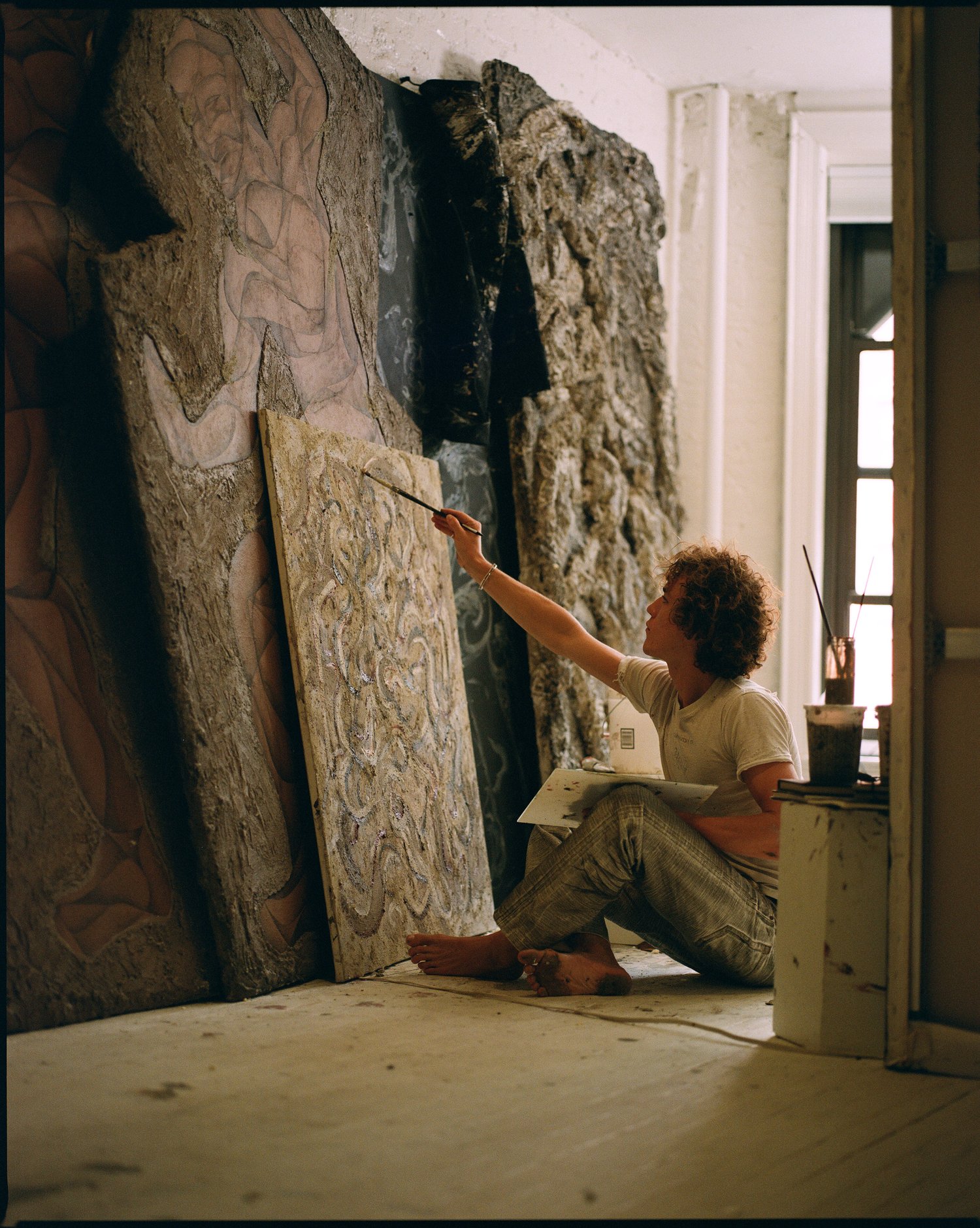
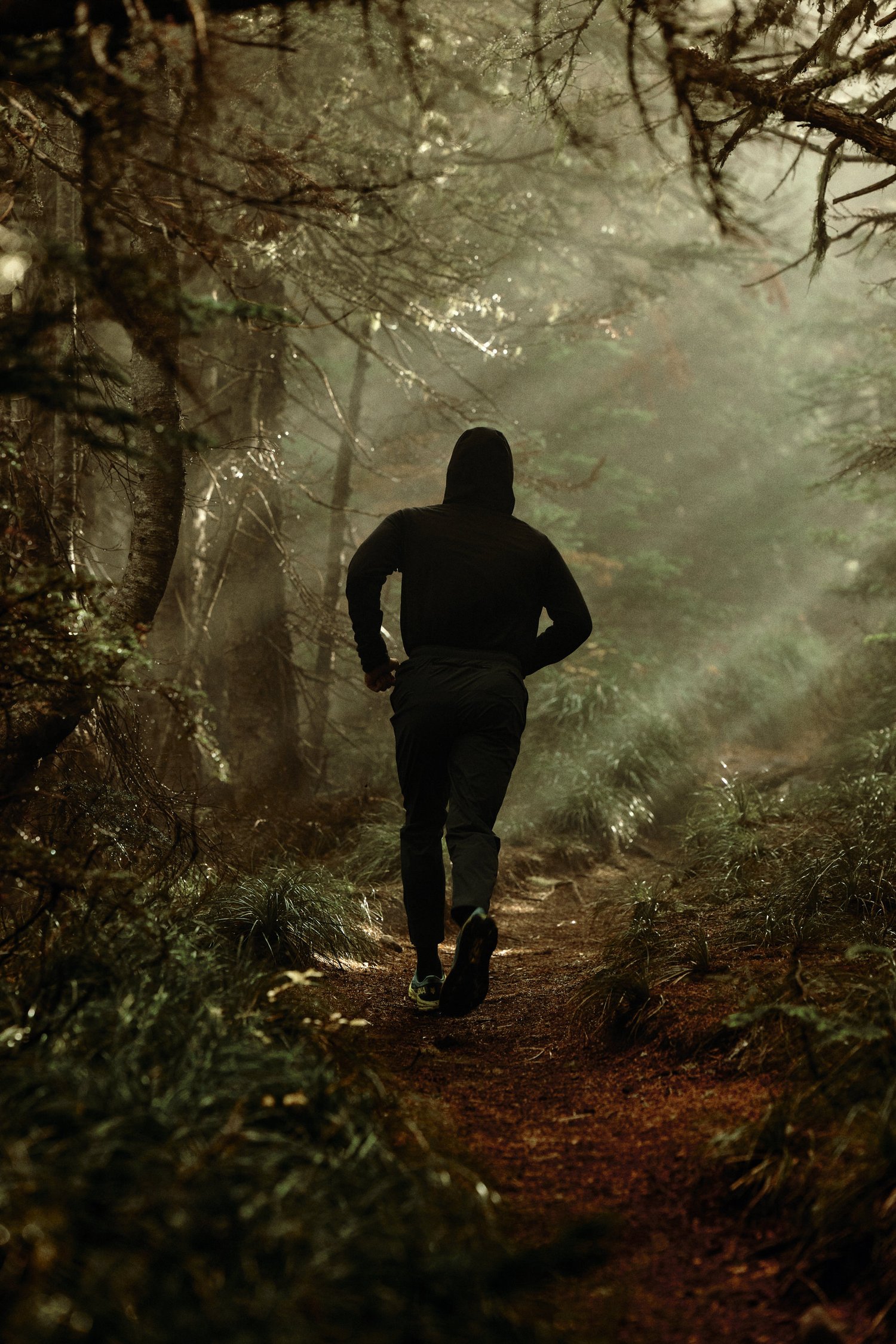
Image Credits
Photos: Bryson Malone