



By Mariana Garay
We were lucky to catch up with Bruna Marcon weber recently and have shared our conversation below.
Bruna, looking forward to hearing all of your stories today. Do you feel you or your work has ever been misunderstood or mischaracterized? If so, tell us the story and how/why it happened and if there are any interesting learnings or insights you took from the experience?
I was mischaracterized not in terms of my occupation but as a woman. I’m an artist, and photography is the primary medium I use. I also get photography commissions.
¨Can I take a photo of both of you?¨, I asked them while doing my job for a foreign company. They were the CEO and another high-level executive – the people I was supposed to photograph most on the occasion. They were whispering in their language, laughing and staring at me. However, I was able to understand a few words. ¨I know what bella ragazza means¨. They laughed, and one said there was no issue expressing that a woman is beautiful. They keep chatting about me in front of me in Italian. From that, I tried to keep my distance.
At a certain point, the CEO was back to me babbling about my camera, mentioning he had the same gear. He asked to take a picture of me. I could not bear how nonsensical that was. I restrained myself and just said that that was my job and that I was the one who had to take photos of the event that was taking place. Then, the harasser suddenly grabbed the camera from my hands and took photos of me.
I still have those pictures where I was expressing a grin of embarrassment. I guess I kept those couple of images to make a project about harassment in the future.
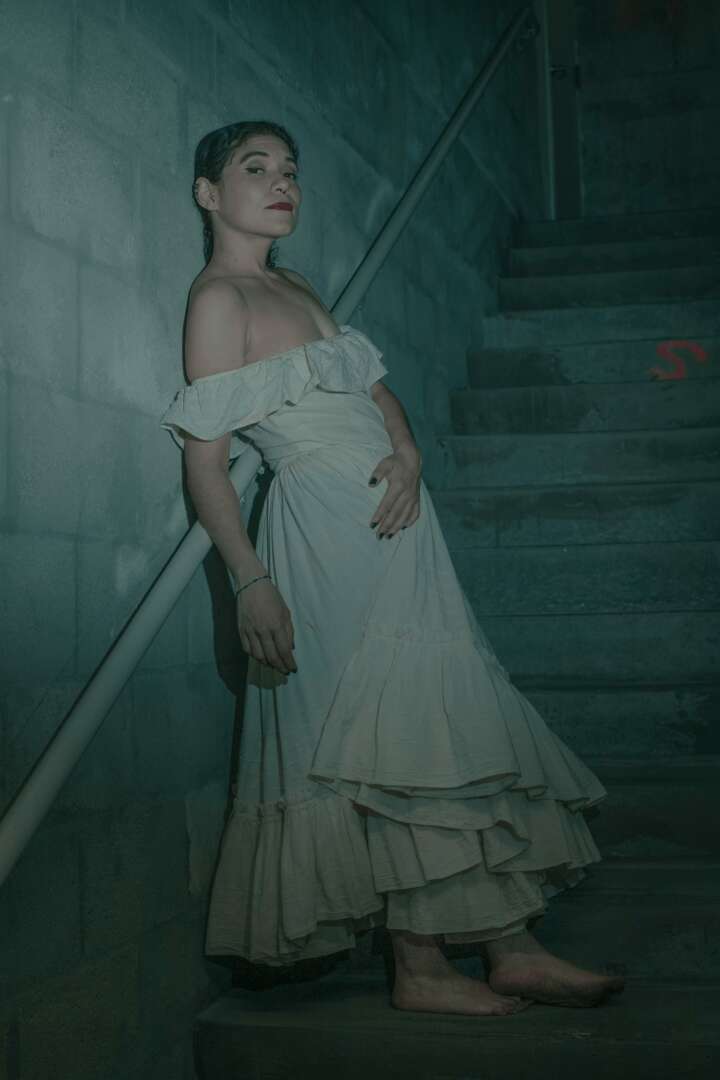
by Bruna Marcon Weber
Bruna, love having you share your insights with us. Before we ask you more questions, maybe you can take a moment to introduce yourself to our readers who might have missed our earlier conversations?
I create or recreate stories with photography and other mediums. Some of those stories can be fictional and some have a documentary nature. For instance, recently I developed stories about the range of states of minds people can reach. Through a series of portraits, I recalled moods from tenderness to rage. That allows others to realize the range of layers one can carry, evoking power, vulnerabilities, and much more.
Usually my artwork is a platform to evoke critical thinking on gender and social issues. I denounce broad outbreaks of violence by bringing up particular and personal stories.
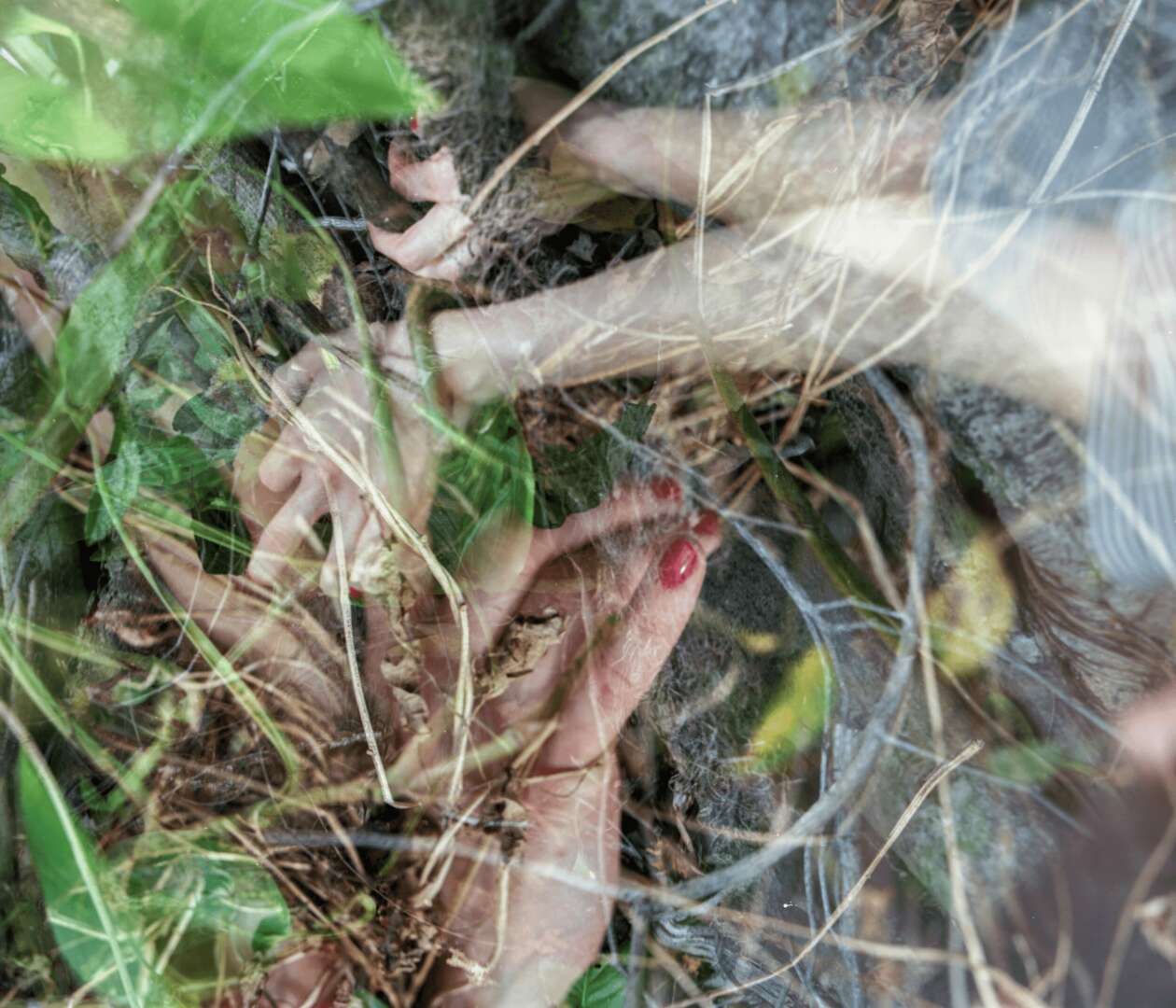 by Bruna Marcon Weber
In your view, what can society to do to best support artists, creatives and a thriving creative ecosystem?
Before you even think about supporting artists, there is the necessity of encouraging artistic production. How? It must start with public administration investment. From K-12, the educational system should encompass a deeper training in art forms but also in art history. Besides that, families that have parents as artists need the support of the community with reliable nurseries, likewise well paid jobs. In Miami county, pretty often I spot out jobs in museums or other cultural institutions that offer wages of $15 per hour. That amount does not seem reasonable to me. Thus the answer is: providing basic care and well income.
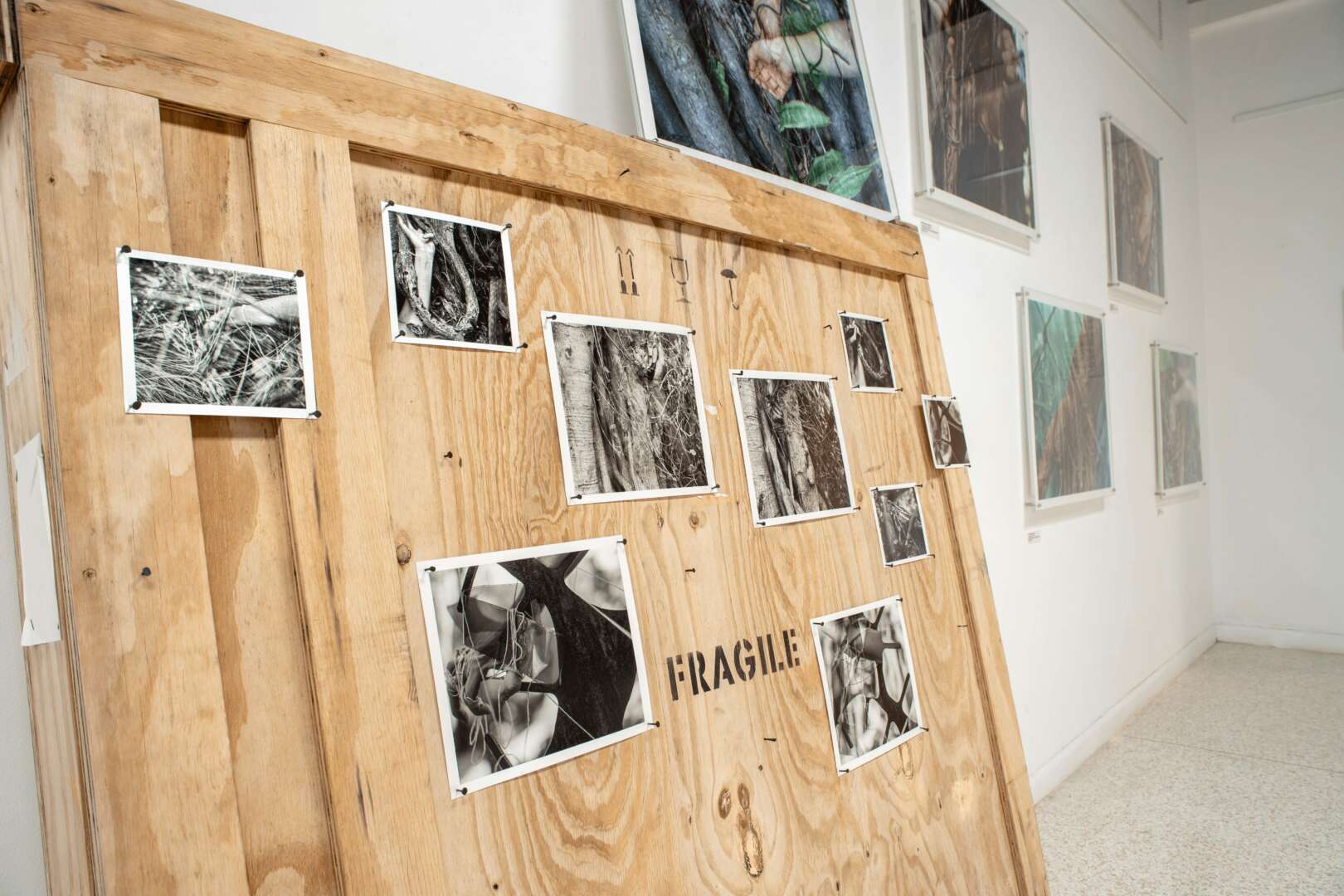 by Bruna Marcon Weber
We’d love to hear your thoughts on NFTs. (Note: this is for education/entertainment purposes only, readers should not construe this as advice)
To be honest, I feel like they are a symptom of our days. People try to get limited assets to feel special and exclusive, even though those assets are ephemeral. I would advise people to invest their time in history, art history, critical thinking, and promote local art. Much more authentic than NFT is supporting local culture.
Contact Info:
- Website: https://brunamarcon.art/
- Instagram: https://www.instagram.com/brunamarconweber/
- Linkedin: https://www.linkedin.com/in/bruna-marcon-weber/
- Other: https://www.instagram.com/brunamarconweberphoto/
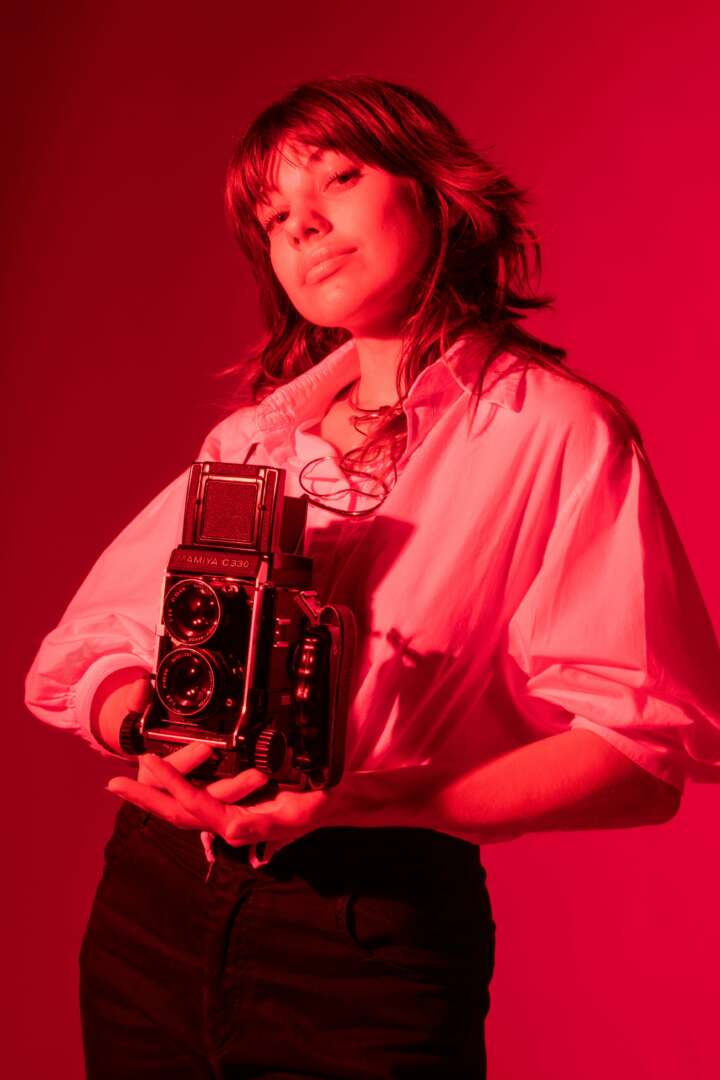
by Mariana Garay
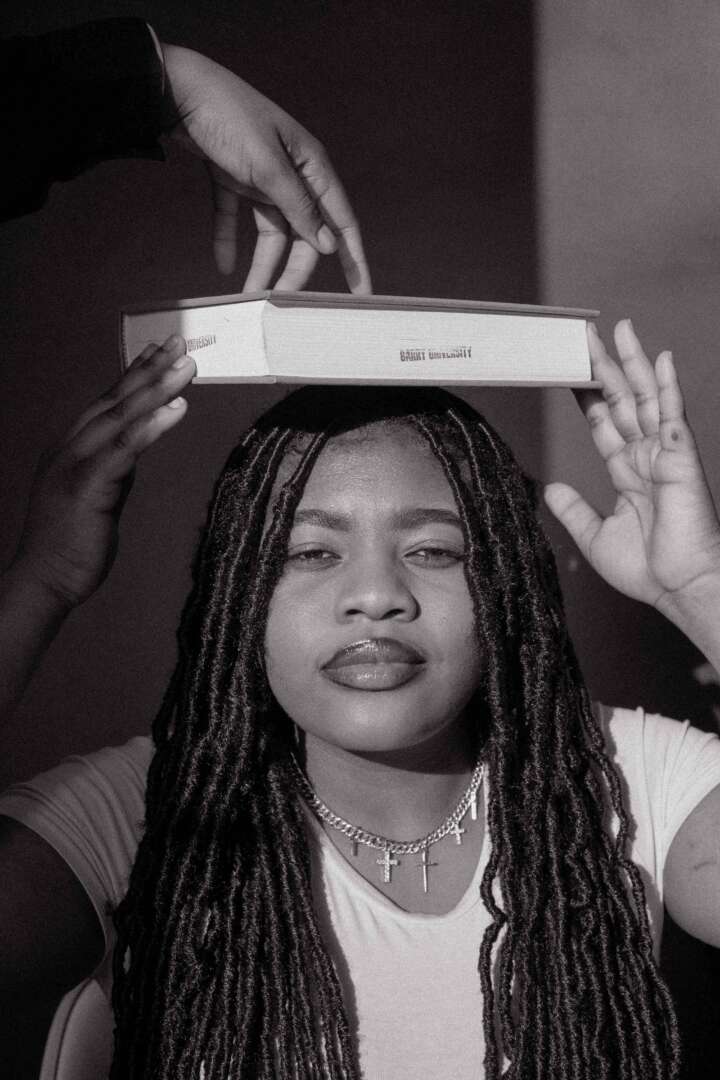
by Bruna Marcon Weber
 by Bruna Marcon Weber
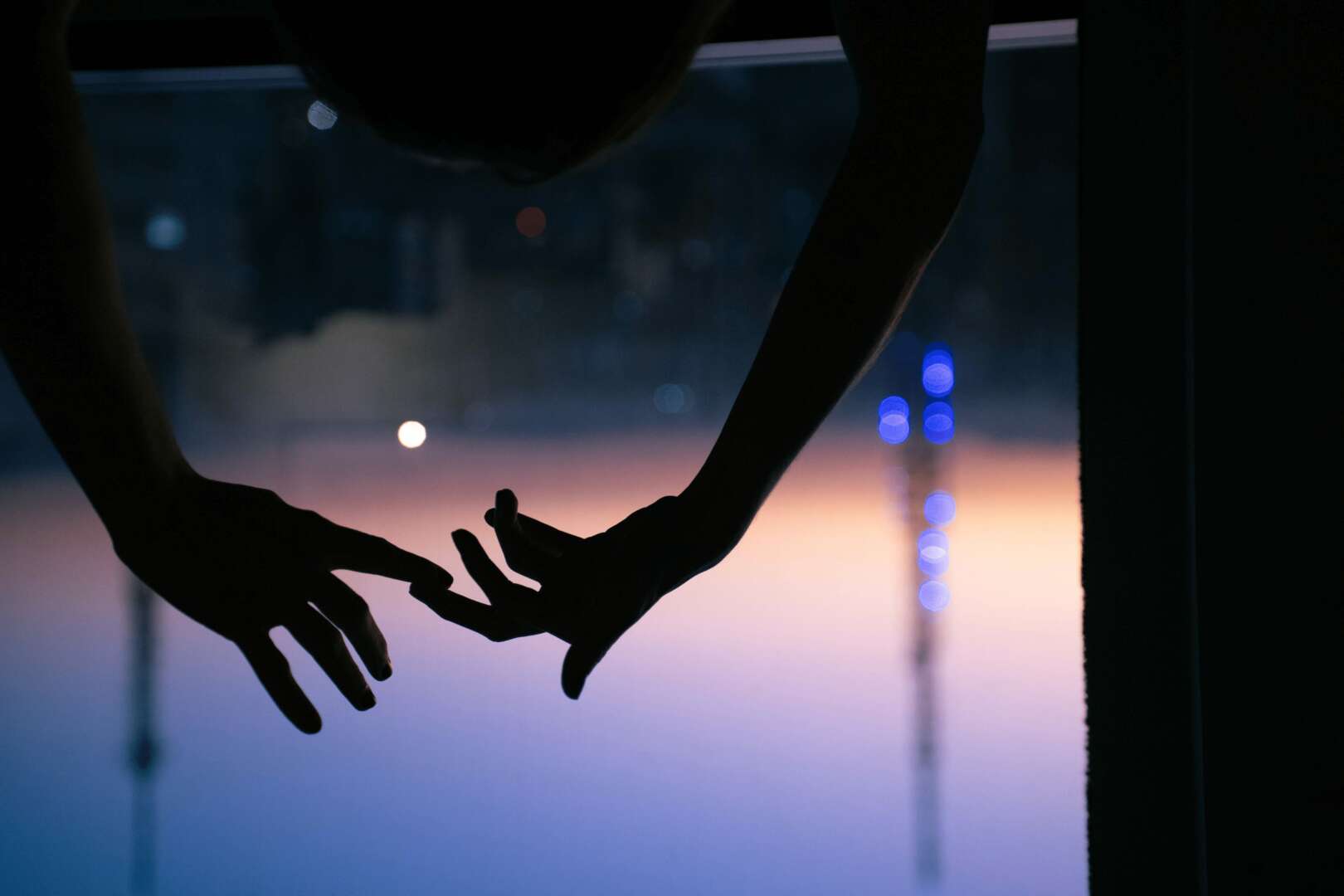 by Bruna Marcon Weber
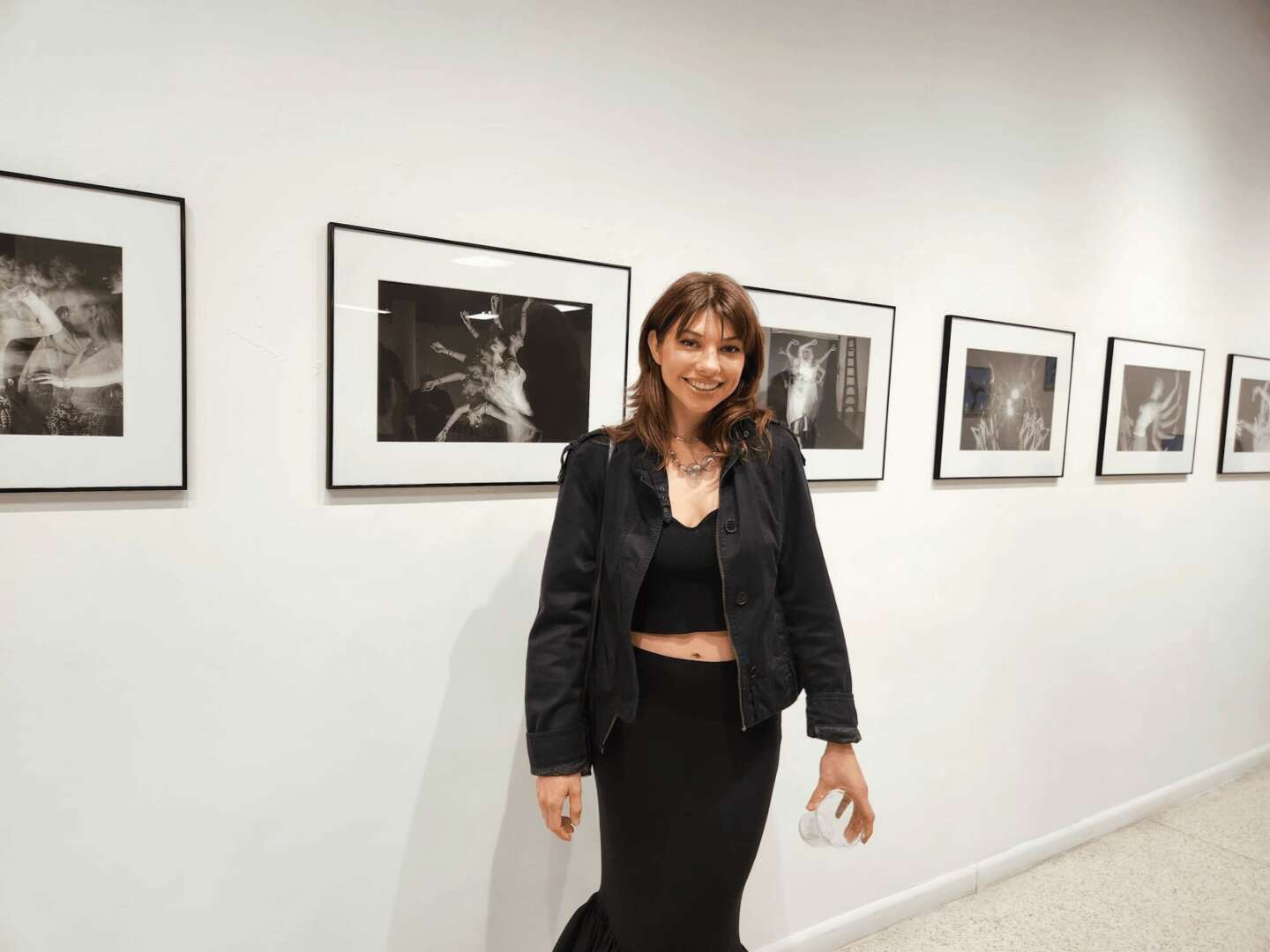 by RemiJin Camping
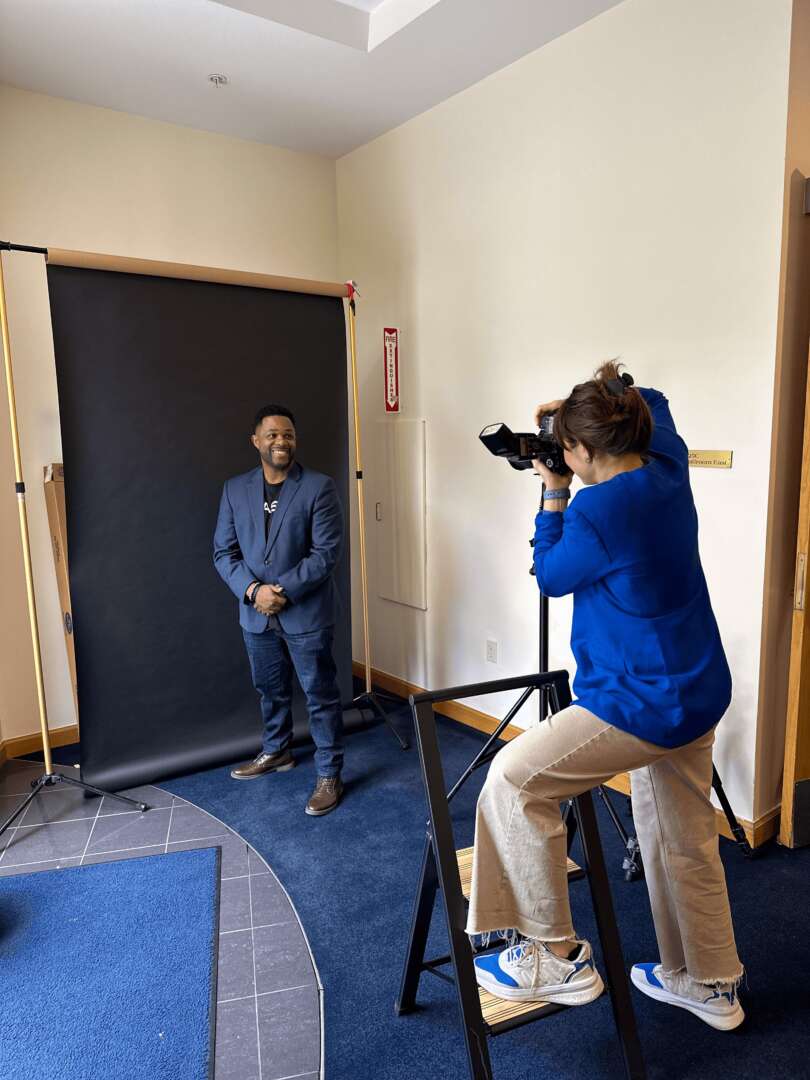
by Joely Francis