



We’re excited to introduce you to the always interesting and insightful Brittani Starr. We hope you’ll enjoy our conversation with Brittani below.
Brittani, appreciate you joining us today. When did you first know you wanted to pursue a creative/artistic path professionally?
I’ve always been passionate about the arts. From playing in the church band to forming my own bands, creativity has always been a part of my life. However, the advancement of technology is what truly pushed me to fully embrace it.
In the past, renting a recording studio—even from a friend—was costly, and even designing my own cover art still came with expenses. Now, with the ability to create, produce, and design independently, the process is more accessible, allowing me to bring my vision to life without compromise.
Looking back, I would have jumped in sooner instead of following the ‘expected’ path of taking conventional jobs. But the truth is, I’ve always known this was my path—it just took time to find a way to pursue it without sacrificing myself or my vision.

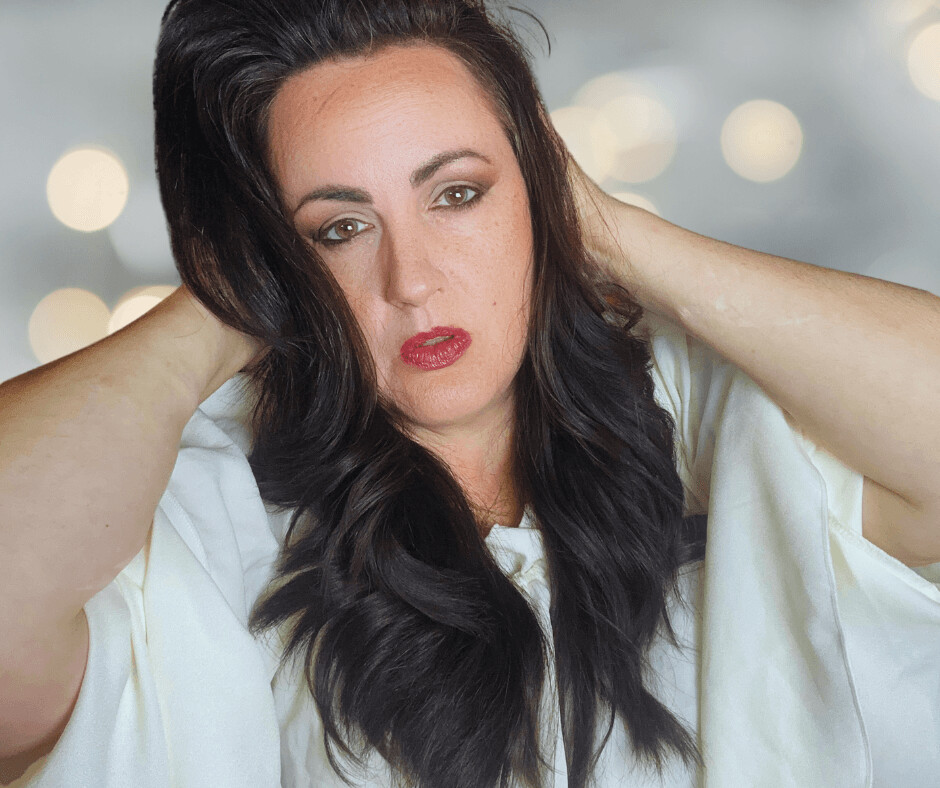
Great, appreciate you sharing that with us. Before we ask you to share more of your insights, can you take a moment to introduce yourself and how you got to where you are today to our readers.
I’ve always been a creator, but I’ve never fit into just one category. I write, I direct, I produce, I make music—I’ve never felt like I had to pick just one thing. Storytelling, in all its forms, has been at the core of everything I do. Whether it’s through film, music, or even turning books into cinematic experiences, I’ve always been drawn to creating worlds that feel real, even when they’re filled with magic.
Getting into this industry wasn’t a straight path for me. I’ve always known this was my calling, but for a long time, I felt like I had to follow the traditional route—getting “normal” jobs, doing what was expected. The problem was, none of it made me happy. I kept coming back to creating, no matter what. What really changed everything was technology. The ability to do it all myself—film, edit, produce, record music—gave me the freedom I had been searching for. I didn’t need to wait for permission. I could build something of my own.
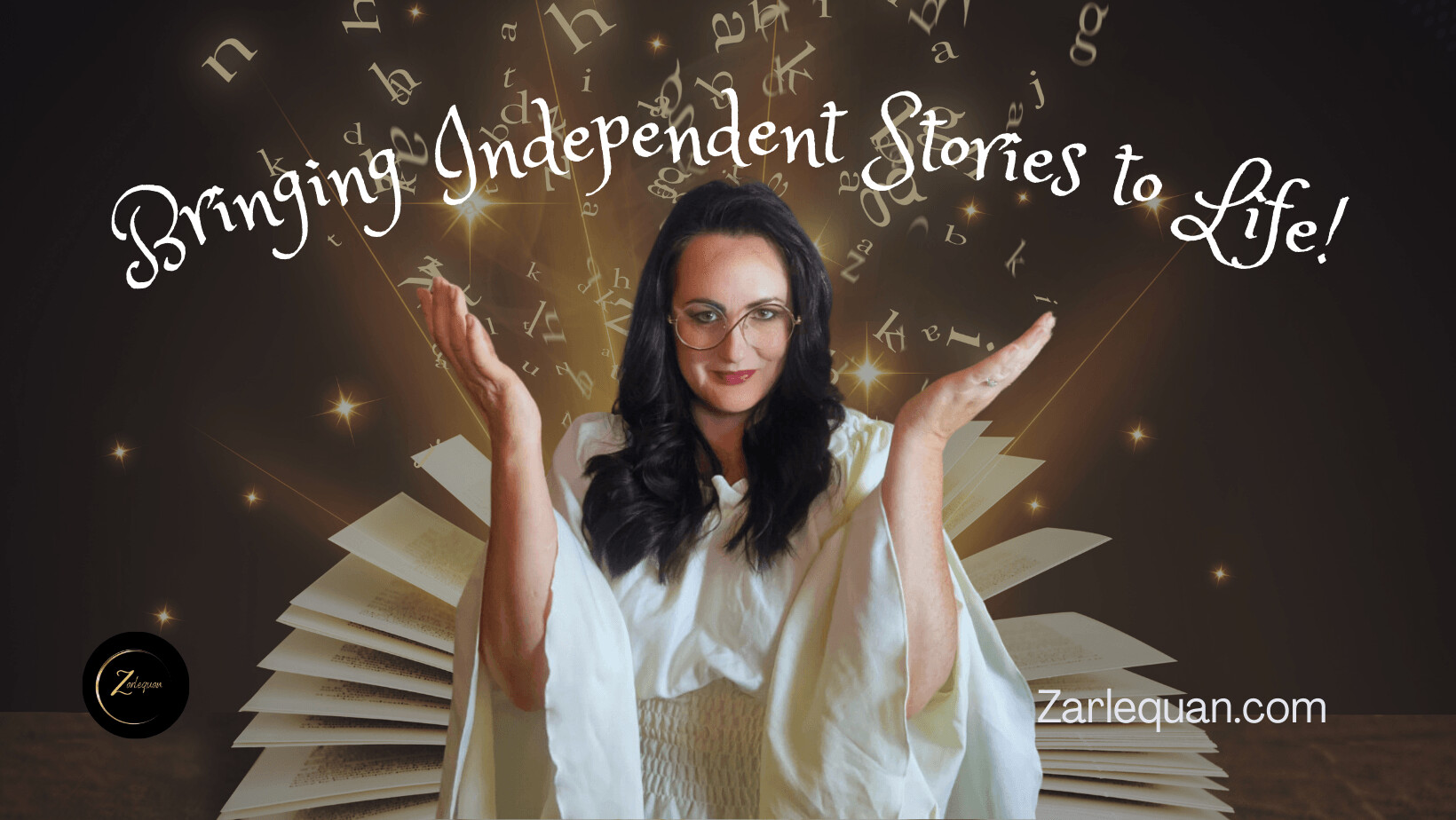
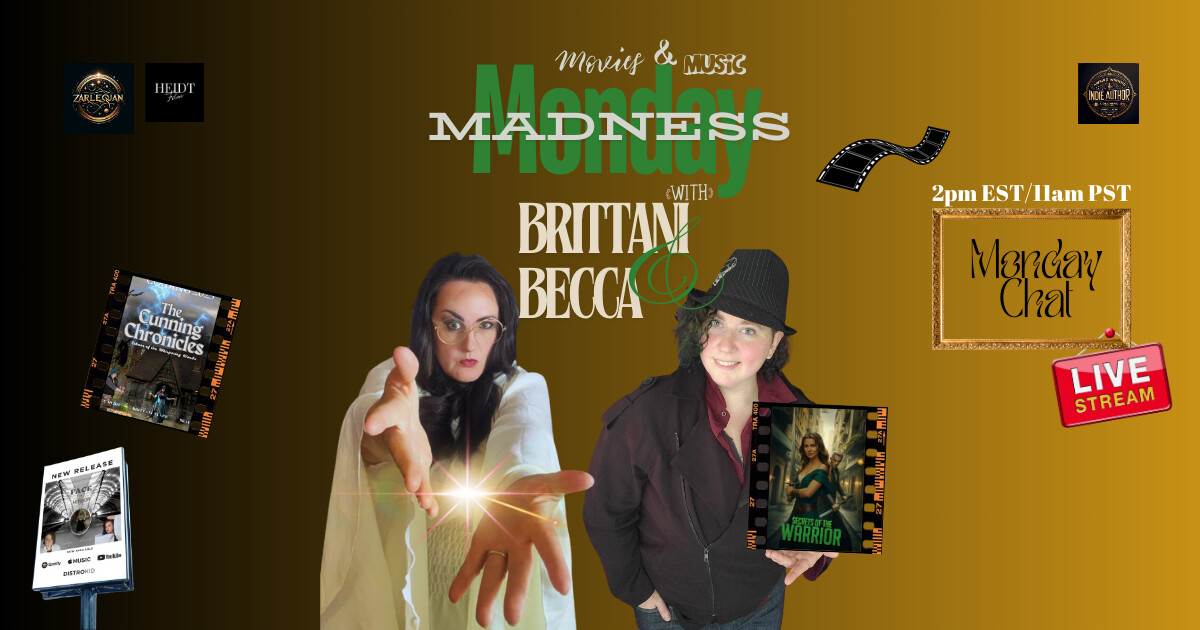
That’s what Zarlequan is. It started as an idea, and now it’s this growing creative force that brings indie films, music, and storytelling to life. I direct and produce low-budget, high-quality indie films that feel just as immersive and powerful as big studio productions. I work with independent musicians through Zarlequan Records, supporting artists who might not have had the chance to share their music otherwise. I also help authors turn their books into films, because I know firsthand how hard it is to take a story from page to screen without losing its heart.
What sets me apart is that I actually care about the people I work with. I’ve been the underdog. I know what it’s like to have big ideas but no one willing to take a chance on you. That’s why I created my own space, not just for me, but for others like me. I’m not interested in just making content—I want to tell stories that mean something, that stick with people, that change how they see the world.
If there’s one thing I want people to know about me and my work, it’s that I don’t believe in limitations. If you have a vision, a story, or a song inside you, there’s always a way to bring it to life. That’s what I do—help people make the impossible happen.
Learning and unlearning are both critical parts of growth – can you share a story of a time when you had to unlearn a lesson?
One of the biggest lessons I had to unlearn was that other people’s competition or comparison doesn’t define my worth. Growing up, I absorbed the idea that success was about proving yourself, about being “better” than others, or that taking care of myself was somehow selfish or vain. I had to unlearn that.
I realized that my mother’s trauma is not mine to carry, and that I don’t have to operate from a place of survival just because others did. I had to learn that working out and taking care of my body isn’t about vanity—it’s about survival, about feeling strong, alive, and capable. I had to unlearn all the blocks my parents carried and allow myself to love and care for myself without guilt.
Most importantly, I had to unlearn the idea that what other people think of me is my business. It’s not. People will always compare, always try to one-up each other, but that has nothing to do with me. I am not in competition with anyone. My only goal is to be better than I was yesterday, to create what feels right, and to stay aligned with my own vision.
Unlearning these things wasn’t easy, but once I did, I found freedom—freedom to create, to live, and to move forward without anger or fear. Now, I do things from a place of love and purpose, not obligation or expectation. And that has made all the difference.
How can we best help foster a strong, supportive environment for artists and creatives?
Society thrives on creativity, yet artists and creatives are often expected to work for exposure, undervalue their craft, or struggle just to have their work taken seriously. If we truly want to support a thriving creative ecosystem, we need to shift the way we see and value art.
First, pay artists. Creativity isn’t just a hobby—it’s work, and it deserves compensation. Too often, creatives are expected to give their time, talent, and energy for free, but art shapes culture, tells stories, and keeps history alive. Society needs to respect that by funding the arts, supporting independent creators, and making sure artists can sustain themselves.
Second, remove the gatekeeping. Mainstream industries are built on exclusivity, making it nearly impossible for indie filmmakers, musicians, and authors to break through. Instead, we need more independent platforms, grants, and opportunities that uplift artists on their own terms, without forcing them to conform to outdated industry standards. The rise of self-publishing, indie streaming, and direct-to-fan platforms is proof that creatives thrive when given the chance.
Third, change the mindset around creativity. Artists aren’t just “dreamers”—they’re visionaries, culture-shapers, and problem-solvers. Instead of treating creative careers as risky or frivolous, we should encourage young people to pursue the arts with the same respect given to STEM fields. Imagine how different the world would be if people were empowered to embrace their creativity from the start instead of fighting to justify it.
Finally, support independent creators. Follow them, share their work, buy from them directly, and engage with their content. Even something as simple as liking, commenting, or recommending their work to a friend helps them grow and sustain their art.
A thriving creative ecosystem is one where artists can create without fear of financial instability, where new voices have a place to be heard, and where creativity is seen as an essential part of the world—not an afterthought. Society has the power to make that happen. All it takes is valuing art, funding artists, and amplifying independent voices.
Contact Info:
- Website: https://zarlequan.com
- Instagram: https://instagram.com/zarlequan?igshid=NzZlODBkYWE4Ng==
- Facebook: https://www.facebook.com/zarlequan?mibextid=2JQ9oc
- Linkedin: https://www.linkedin.com/in/brittani-s-09ba86a5
- Youtube: https://www.youtube.com/@zarlequan
- Other: https://www.youtube.com/@BrittaniStarrMusic
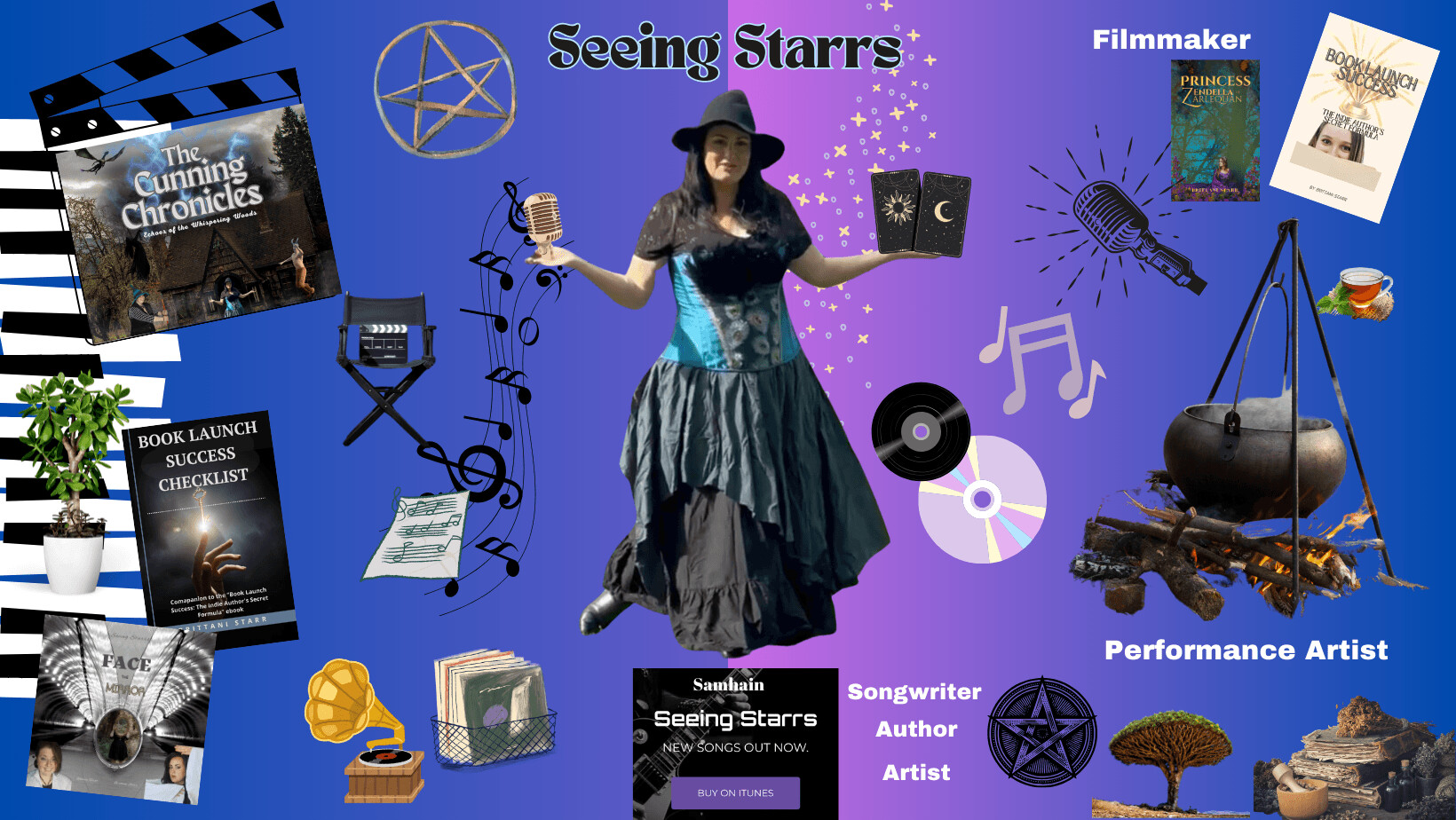



Image Credits
Brittani Starr