

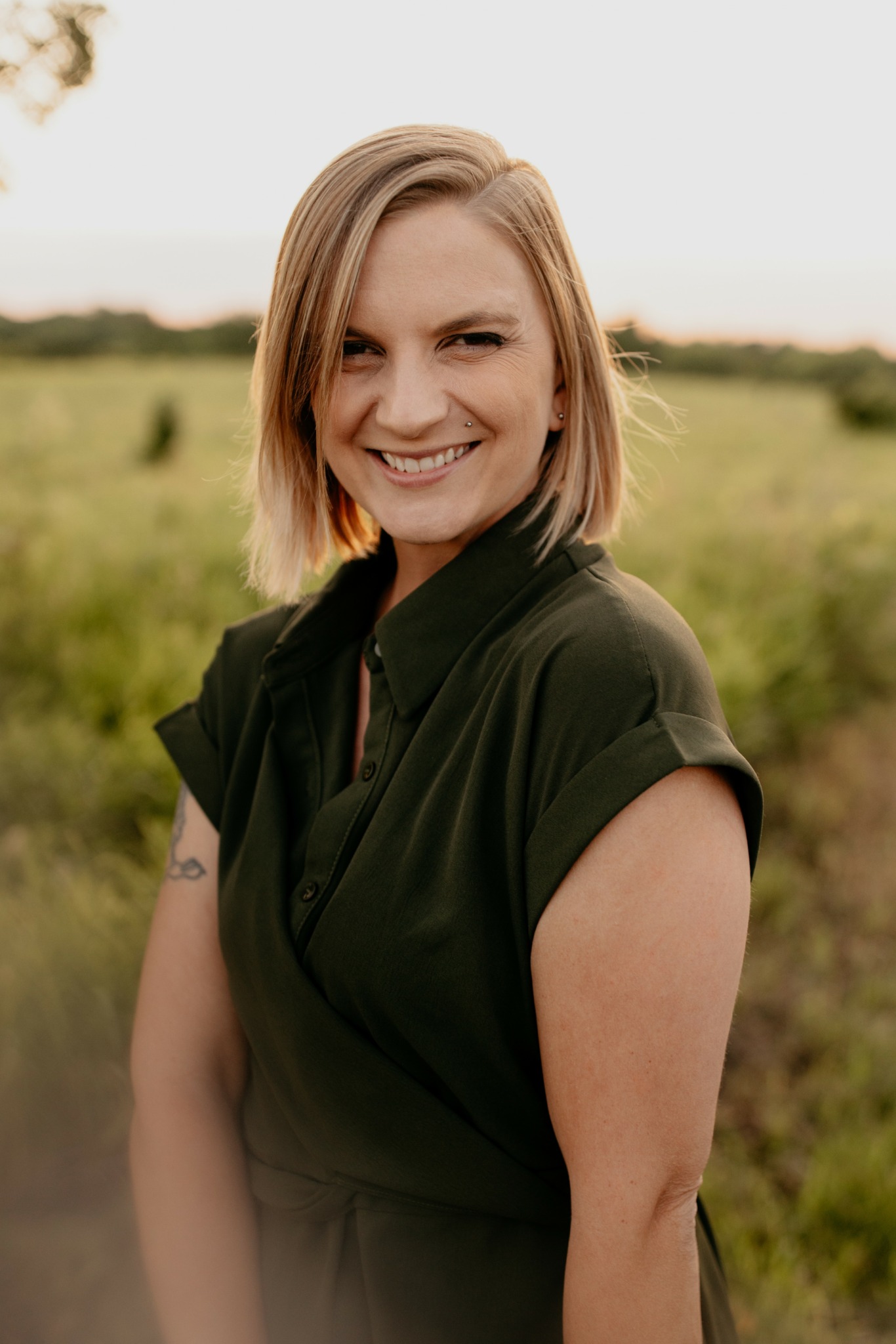

We were lucky to catch up with Britt Dumonceaux recently and have shared our conversation below.
Britt, thanks for taking the time to share your stories with us today Let’s jump right into the heart of things. Outsiders often think businesses or industries have much larger profit margins than they actually do – the reason is that outsiders are often unaware of the biggest challenges to profitability in various industries – what’s the biggest challenge to profitability in your industry?
Photography is a very unique industry in that much if not most of it is made up of solo entrepreneurs — I’m not sure I can think of another industry that is quite like it in that way! And that presents a rather strange challenge for us because we are truly just single, tiny individuals, trying to navigate the world of business with whatever bag of feelings and past experiences we each carry. And that’s usually a pretty heavy bag, to be honest!
Many of us are self-taught, so we often don’t have the validation of a college degree or certification exam to feed our feelings of legitimacy. Many of us aren’t working under bosses or with in-the-flesh colleagues who can reassure us when we’re doing well or guide us where we make mistakes. Many of us come from modest backgrounds where we understand what it is to live with nice things and luxury experiences out of reach — and then we become artists who provide a luxury service and have to set our own price list! We often deal with intense guilt for doing work that isn’t accessible to all we feel deserve it. And we’re hyper critical of our own work, so we often feel that we’re a disappointment to our clients, even when we’re delivering solidly on expectations.
All this adds up to some pretty serious imposter syndrome — “the persistent inability to believe that one’s success is deserved or has been legitimately achieved as a result of one’s own efforts or skills” (Dictionary.com). I would say easily 100% of us deal with it daily or have dealt with it at some point in our careers. I’m now 18 years into this work, and I can tell you that I still feel like I might throw up on the morning of the year’s first wedding. And every time I send off a gallery, I am personally unhappy with the images I’ve made and brace myself for a client who will be equally as disappointed.
It’s these deeply personal feelings that I think lead many photographers to undercharge, overwork, and burn out quickly. It’s a really tough thing to combat as well, both individually and on a community level. Imagine you’re feeling a little low about your work, and you go online to zone out and scroll a bit — you come across a post about someone else feeling badly about their images, feeling like a fraud, feeling guilty for charging for their work. At first, you think “I’m not alone in this, how wonderful! Someone is going through what I’m going through!” And then you scroll through the images in the post and they are far and away, objectively, no argument WAY better than what you are able to make. Now you’re thinking, “well if this person feels like a fraud, I should DEFINITELY feel like a fraud.” You read what they charge for a session and they charge less than you do — “whoa, YEP, I’m an even bigger fraud than I thought.” And so, even when your community is vulnerable and honest and open, you can walk away feeling worse about yourself and your work. This isn’t a hypothetical, this happens to me weekly, daily sometimes!
On the flip side, say you’re starting out, you really want to do things right and follow the advice of people you respect and who have the experience that you don’t, so you read the threads and listen to what the educators say. And, on the whole, that is “Charge your worth! What’s your dream salary! Add a zero to your current prices! Double what you charge right now!” We got to this advice honestly, right? Everyone feeling so guilty and self-critical HAS really kept prices for photography so low that it hurts the industry as a whole, so we want to raise everyone up. But then what can happen is this newbie charges what their tenured colleagues charge, they don’t have the skills to match, and they end up with unhappy clients ready to write equally unhappy reviews. And then we’re back to square one – the self-doubt and the fear of raising those prices.
So, I think the most honest answer is the most obvious answer here, it’s what everyone is talking about. The biggest thing standing in the way of profitability in photography is meeting the challenge of setting our own prices in a way that matches our skill, client experience, and product quality. We have to be humble enough when we are building our skill set to be transparent with our clients and charge accordingly for the moments we might miss and errors we will unavoidably make. We need to treat people right when we make mistakes and be willing to refund, gift, or try again when we’ve dropped the ball. AND, as we grow more consistent, more skilled, more adept at our work, we NEED to grow the price list to match. We need to value ourselves enough to pay ourselves a living wage and then a professional wage. We need to understand that when we charge too little for good, solid work, we undermine those that are charging enough for their good, solid work. But of course that’s all very challenging when we’re talking about small businesses made up of big hearts and big feelings.
Great, appreciate you sharing that with us. Before we ask you to share more of your insights, can you take a moment to introduce yourself and how you got to where you are today to our readers.
I became interested in photography during high school, minored in art at college, and started working with a wedding photography company while working on my degrees. After college I started taking my own photography clients while I waited for the right teaching opportunity to come and it never did! Instead, the photo business grew and grew, the universe showing me where my strengths really were.
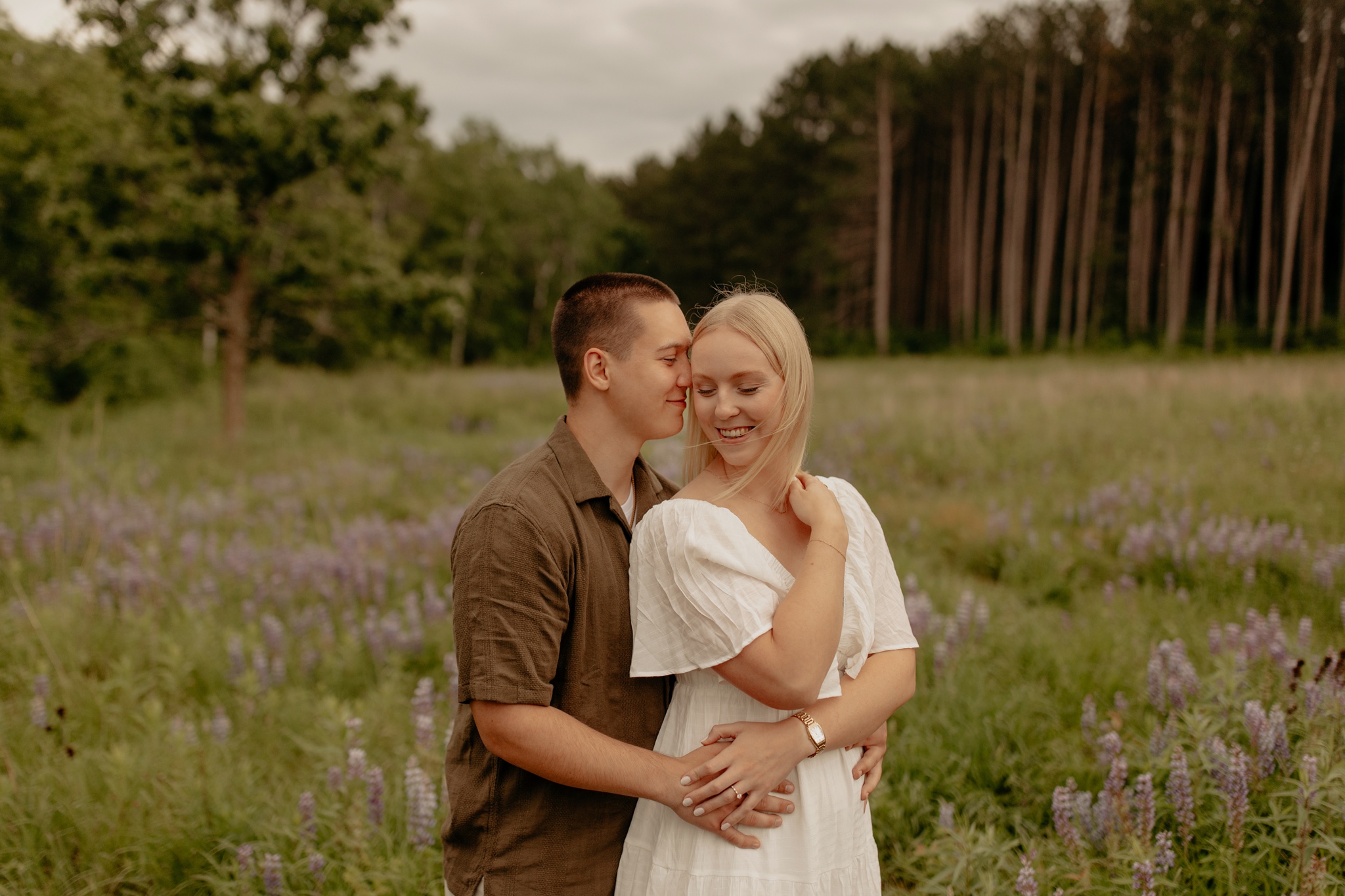
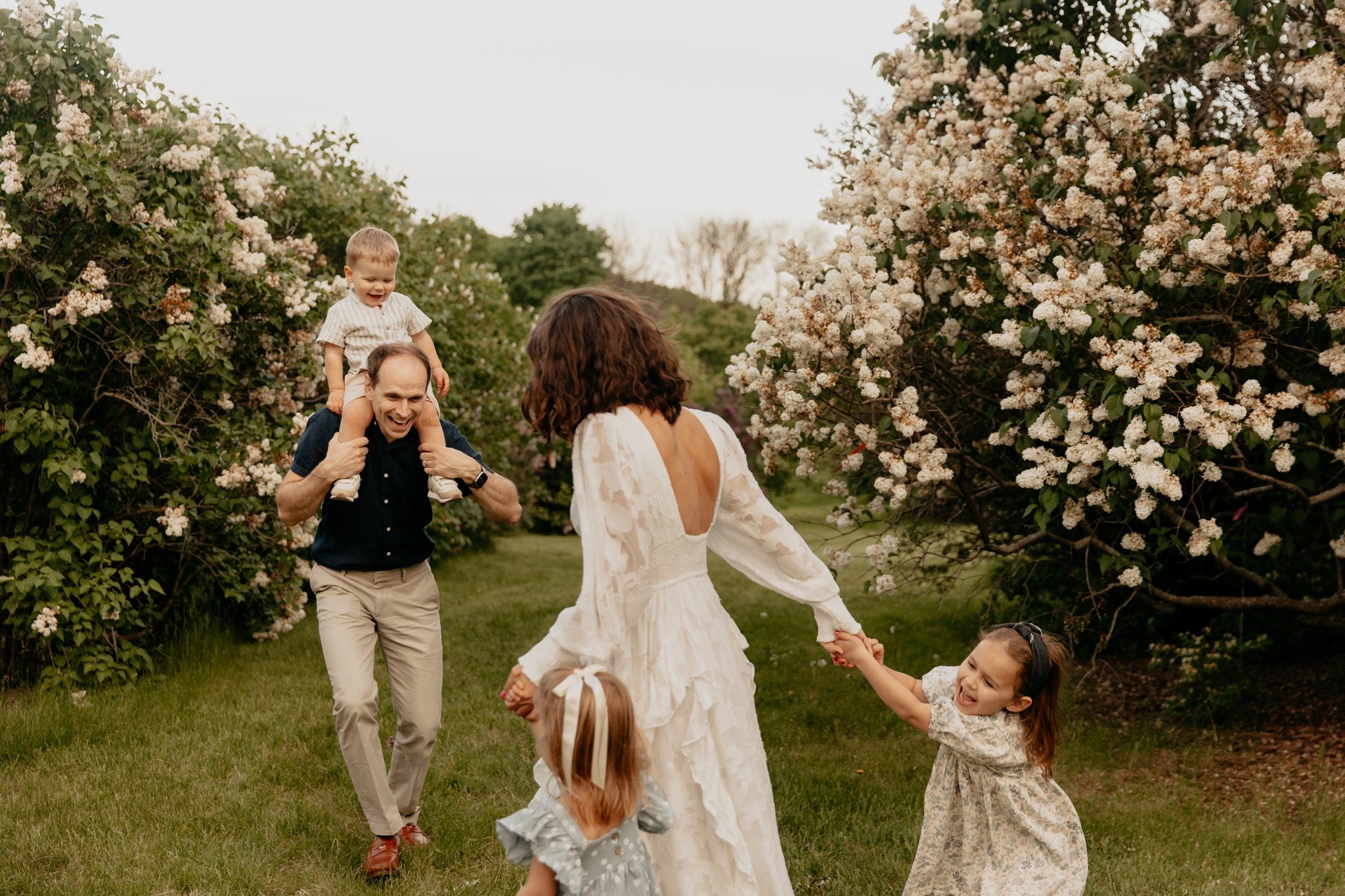
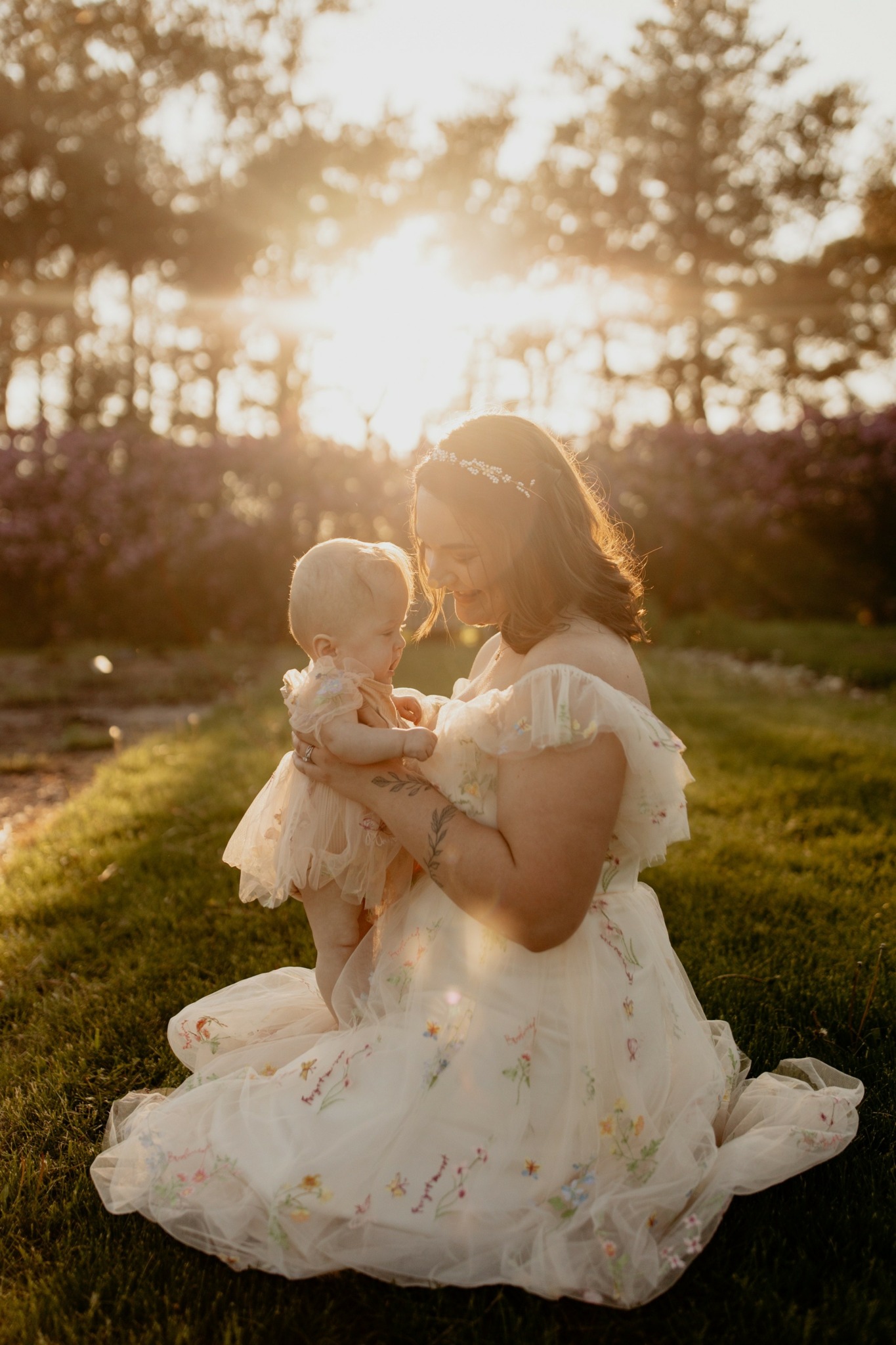
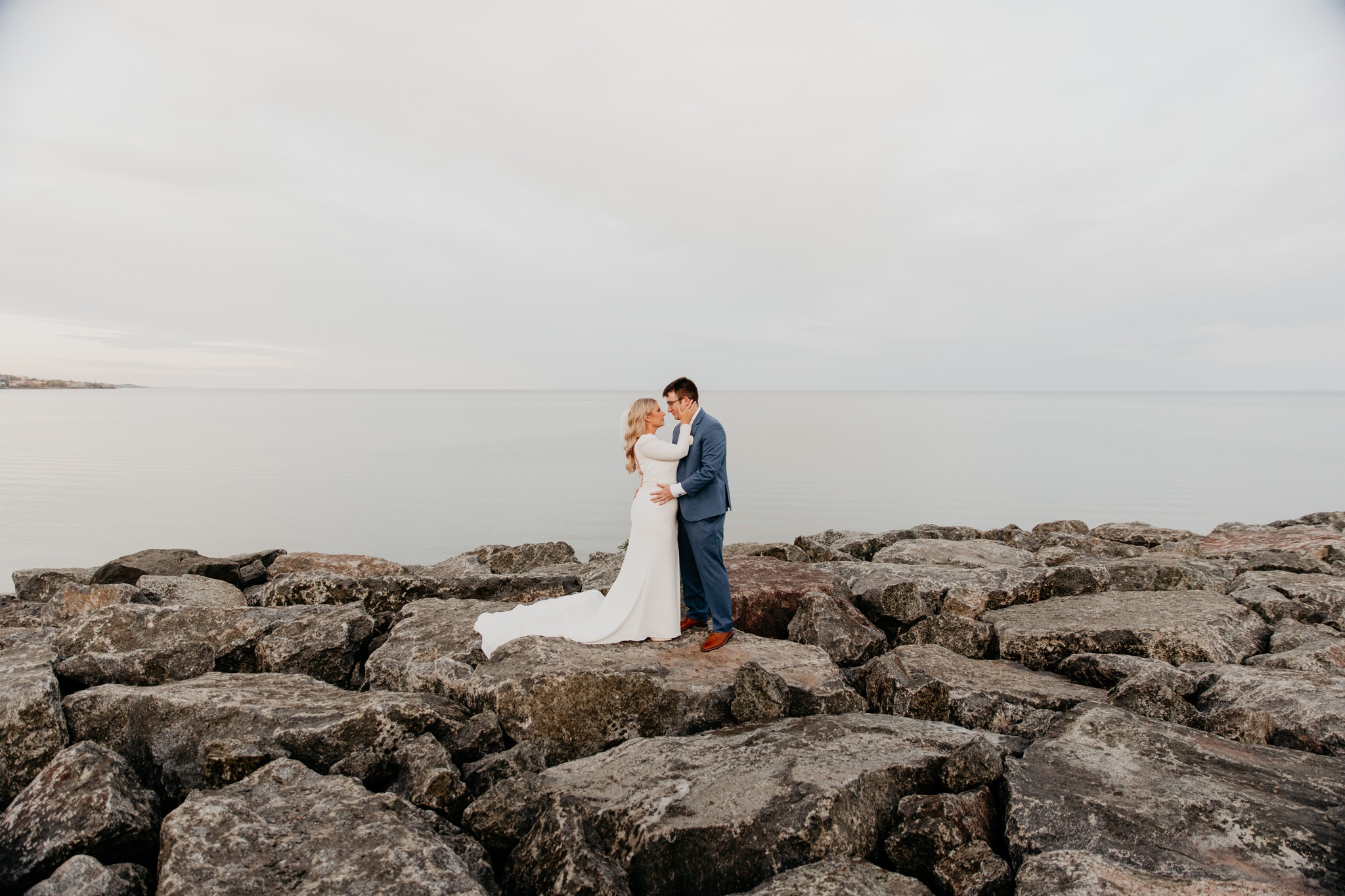
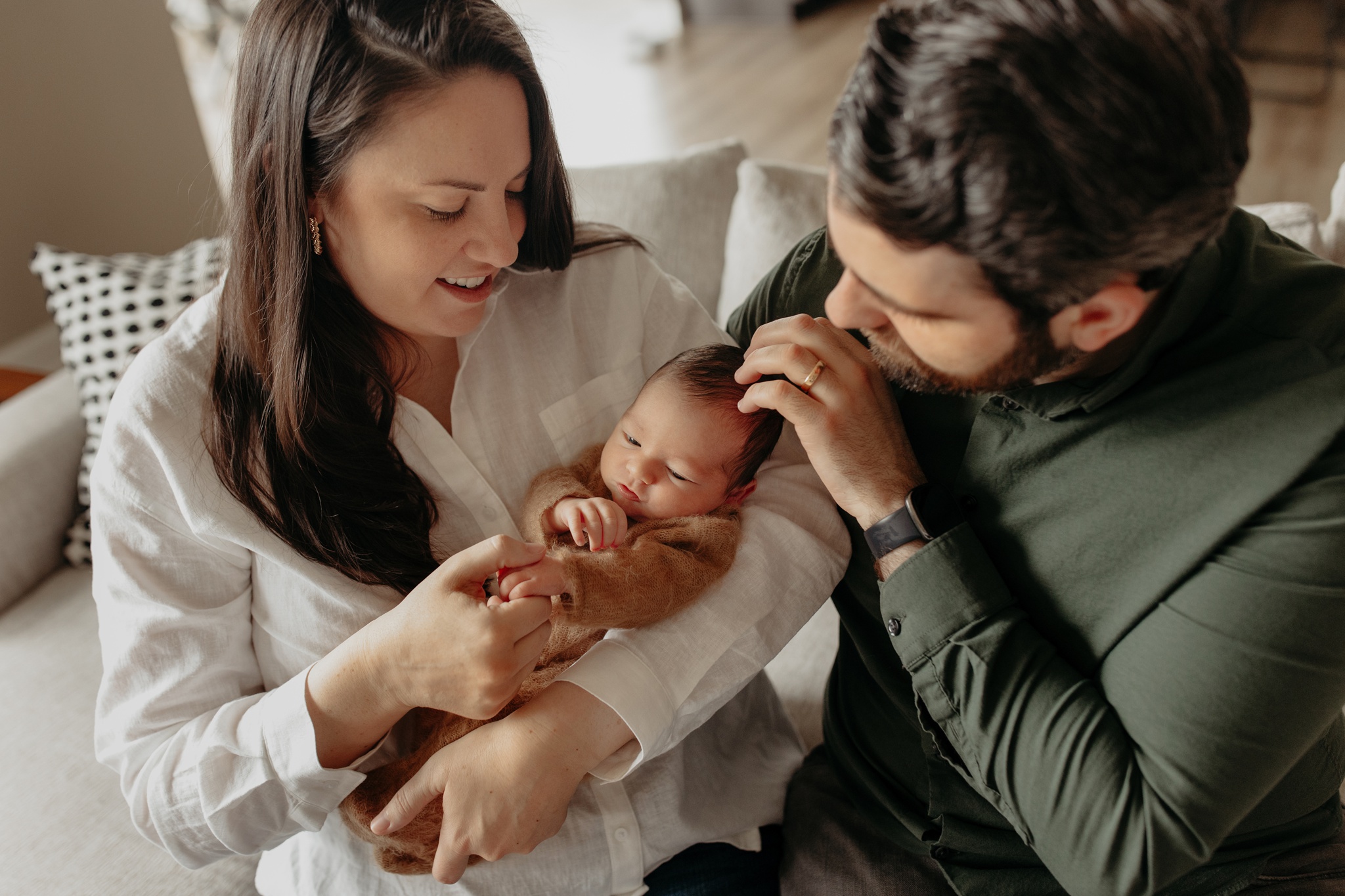
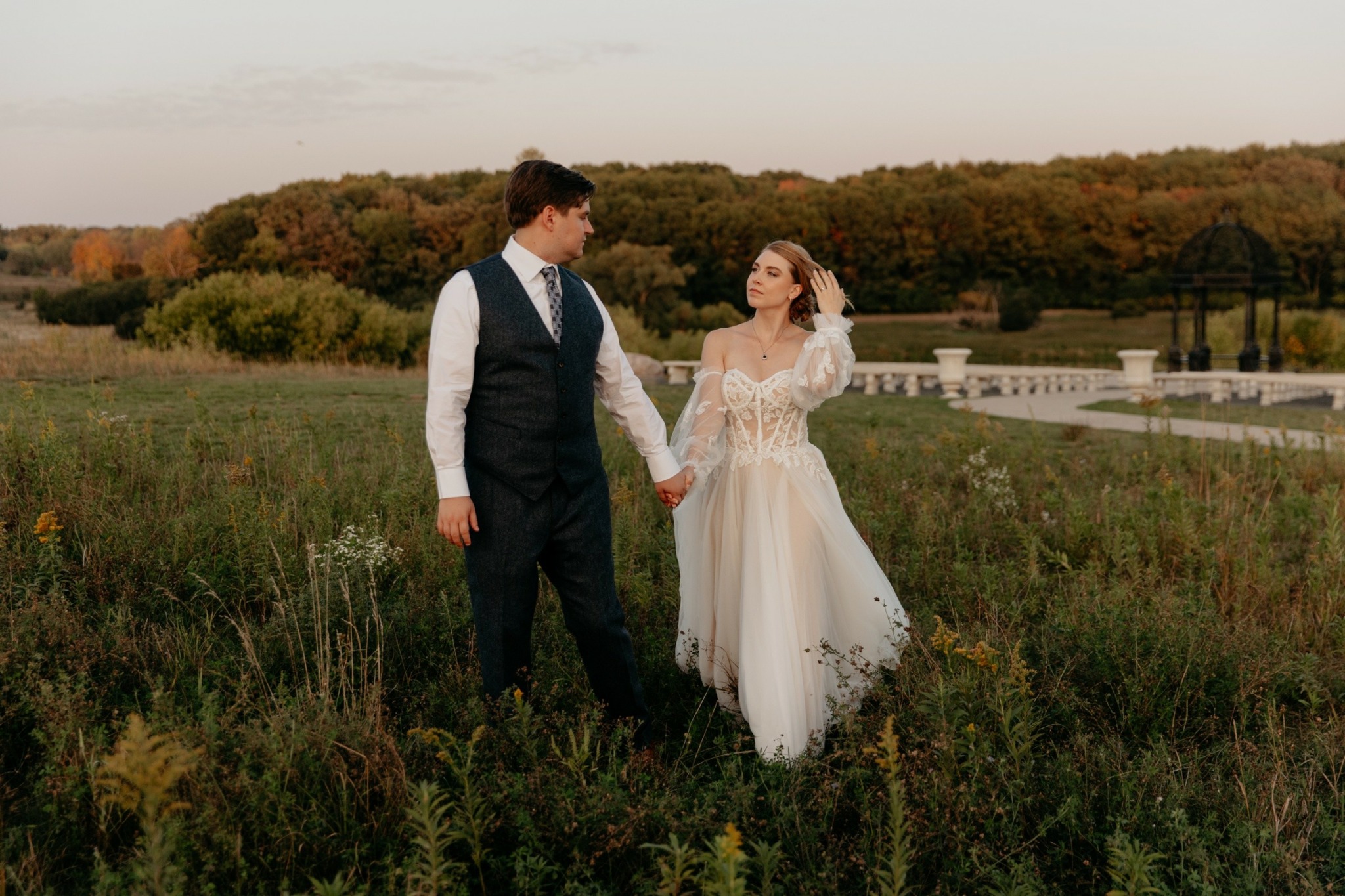
My style blends traditional portrait practices with a candid/lifestyle approach. So I’m getting those classic and flattering ‘look at me and smile’ images and also using movement and instigating real interactions to make those ‘I just happened to witness and capture this beautiful, natural moment in time’ type of images. My clients love that my process is fast and efficient, and gives lots of images and variety to choose from. They love that I’m quick to answer emails and that I provide guidance in what to wear for their session, and that I give lots of directions and prompts during our time together.
My work is driven by my own personal “fear of forgetting” and a deep desire to help others not to forget. Having photographs helps me remember all the beauty and love and connection in my life, and reminds me to hold onto those warm feelings and memories and be grateful for it all each day. To feel and remember, that’s what I’m hoping to help people do!
How did you build your audience on social media?
I was late to the game on Instagram, so my first step was to post on my Facebook page that I was finally on Insta — using any existing platforms to build another is a great first step.
My second step was to use follow trains in photography Facebook groups. Basically, folks who want to build up their follower numbers agree to follow one another. Now, this doesn’t really help you get your images in front of potential clients, so you could argue that it’s not necessary, but in the early days on a social media page, you might just be looking for the “social proof” of getting those numbers up there and this is a free and simple way to do it. Maybe you even make a connection with another photographer and start a relationship, and that’s cool!
Third, I think a giveaway from time to time can help your social pages find new viewers — ask for a follow and tagging friends as an entry, then give something small and upgradeable like a mini session with a modest product credit. Something where they have the option to spend more with you. Donating to a silent auction at a community event can work really well, too, make a QR code to your social media page part of the silent auction display.
Fourth, use whatever new features come out and throw on no more than 8 hashtags — platforms like Instagram are always giving more reach to their new offerings like stories, reels, adding music. Personally, this isn’t a strength of mine, but if we’re talking advice, I know this is solid! I like to think of the hashtag section like key words in Google — I mostly use #mytownphotographer and #closebytownphotographer for mine so that I am more searchable for locals.
Finally, and I think this might seem odd, but I find it to be most important, is to do social media consistently in whatever way is doable for you — and use tools that make things easier. I personally don’t enjoy social media marketing, so if I held each of my posts to a standard where I was using new features, I thought the caption was engaging and useful, the audio was trending, and the hashtags were perfect — I would never post! Honestly, I think the advice “set the bar low but show up consistently” has been great for me.
I have two Instagram pages — for the first one, I use the Preview app to visually plan out my grid and set a schedule to post 2-3 times a week. The app sends a notification when it’s time to post and copies your images and captions into Instagram for you. I have the app on my phone and I pick away at the design and captions for 3-4 week’s worth of content when I’m at kids’ sports or waiting in line or sitting in my car at parent pick up. My other Instagram page, I use an app called Tailwind. I plan my grid on my desktop computer, load in hashtags and captions, and Tailwind auto-publishes my posts at the time that I schedule. Auto-publish only works on single image posts for the plan I have, so this account page is almost entirely single image posts. I’ve read and I believe that carousel posts get a better reach, but the single-image post choice for me comes back to the theme of setting the bar low enough for yourself that you can reliably meet your posting goal every week. A lot of times, I have posted without writing a caption because, dang, captions are a hurdle for me! So, I just forgive myself for not following all the advice all the time — and I just get something out there consistently in a way that is realistic and achievable for me!
One last note about social media – dang, those high follower numbers and high like numbers just aren’t as important as they seem to be, so don’t get hung up on them. I’m running a really consistent six figure business with less than 1500 follows on one account and about 2k on the other. Most of the time, my posts get under 20 likes. Those numbers are pretty darn modest when I play the social media comparison game! But your likes and follower counts aren’t everything :)
How’d you build such a strong reputation within your market?
Transparency and good communication – are those the same thing? Maybe.
Dang, you would not believe how often people mention in reviews that I answer emails quickly and thoroughly, people really value the golden rule when it comes to communication! I have read that in communication, “clear is kind” and that “over-communication is good communication.” And I really think that, beyond wanting to hire an artist who is good at their art form, people want to work with someone who is easy to work with! So communication is huge and I try at every turn to communicate fully and precisely about what to expect – from pricing structures to booking, to the session and the gallery process, to wedding day timelines and portrait lists. There’s nothing worse than the feeling of being ghosted, the feeling that you were misled or that you misunderstood. So I think my positive reputation rests largely on clear communication and always sending a reply before the end of the next business day :)
Clear and honest communication doesn’t just happen in the written word, though, especially for photographers. Good communication is also posting images that reflect your real work. It’s dishonest if our entire portfolios are styled shoots with pro models, we need to be showing what we, ourselves, can produce for the average client. It’s also dishonest, in my opinion, if we are sharing only our top 1% images — clients want to receive photos that look like our portfolio images. Does that mean we have to post every single session? Blog every wedding? Hide our styled shoot images? Nah. But your website should show full wedding stories of 5o+ images, 25+ images from the same portrait session. You should share full wedding galleries with potential clients.
To summarize, honesty in your portfolio, golden rule in communication. For the beginners out there, there is a market for every level of photographer, so don’t be afraid to offer your beginner skills at beginner prices and show the work that you’re making, even if you feel that it isn’t perfect. I’ve read many times about the gap between taste and ability for creatives, which means that the art we like is always better in our eyes than what we’re able to make ourselves, leaving us kind of constantly frustrated and unhappy with our own work. Get used to that! It will never go away. But that does not mean that you should “hide” the work that you’re unhappy with and end up misleading your clients.
Contact Info:
- Website: https://www.renderphotography.com
- Instagram: https://www.instagram.com/renderphotography
- Facebook: https://www.facebook.com/renderphoto
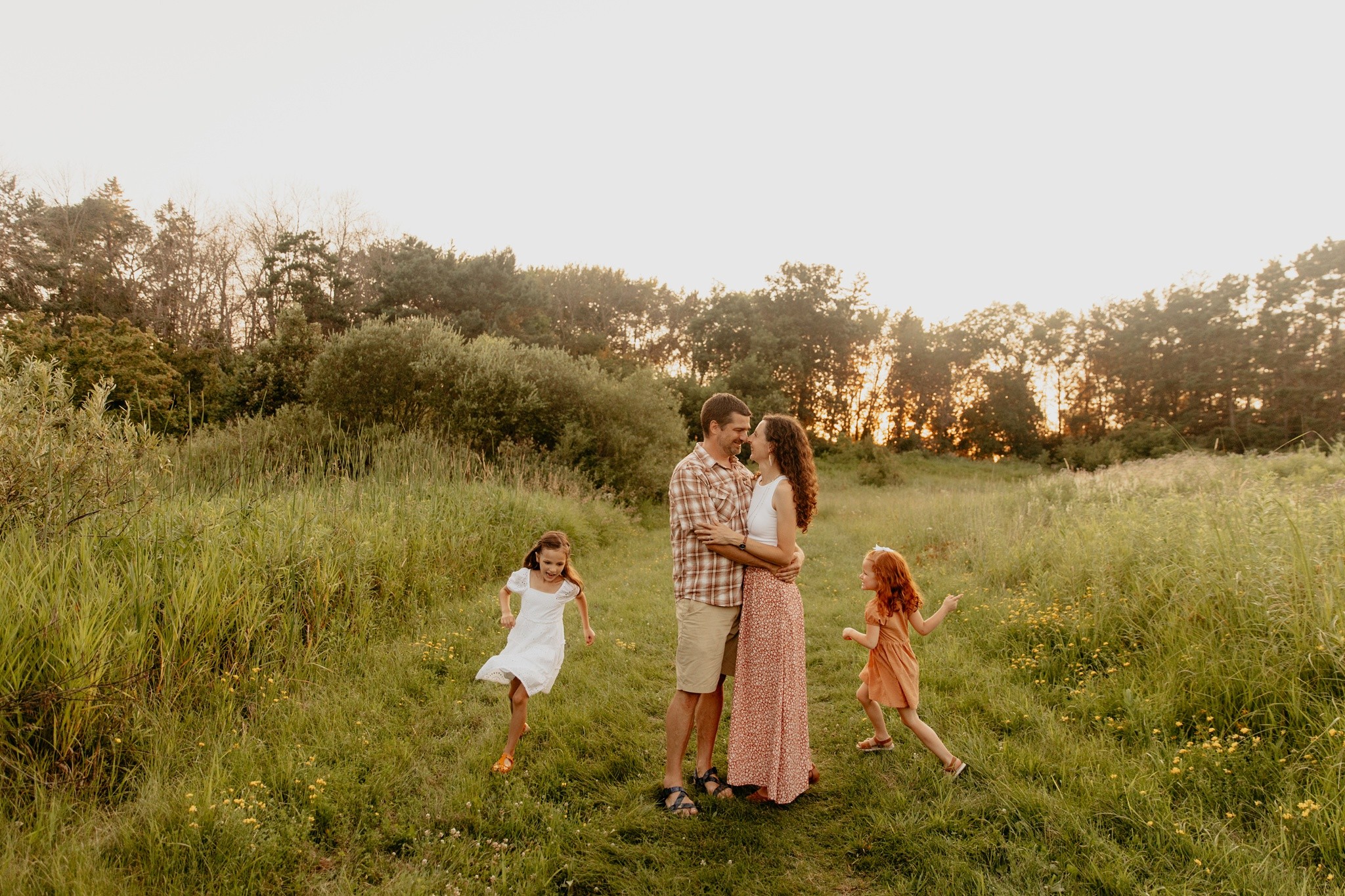
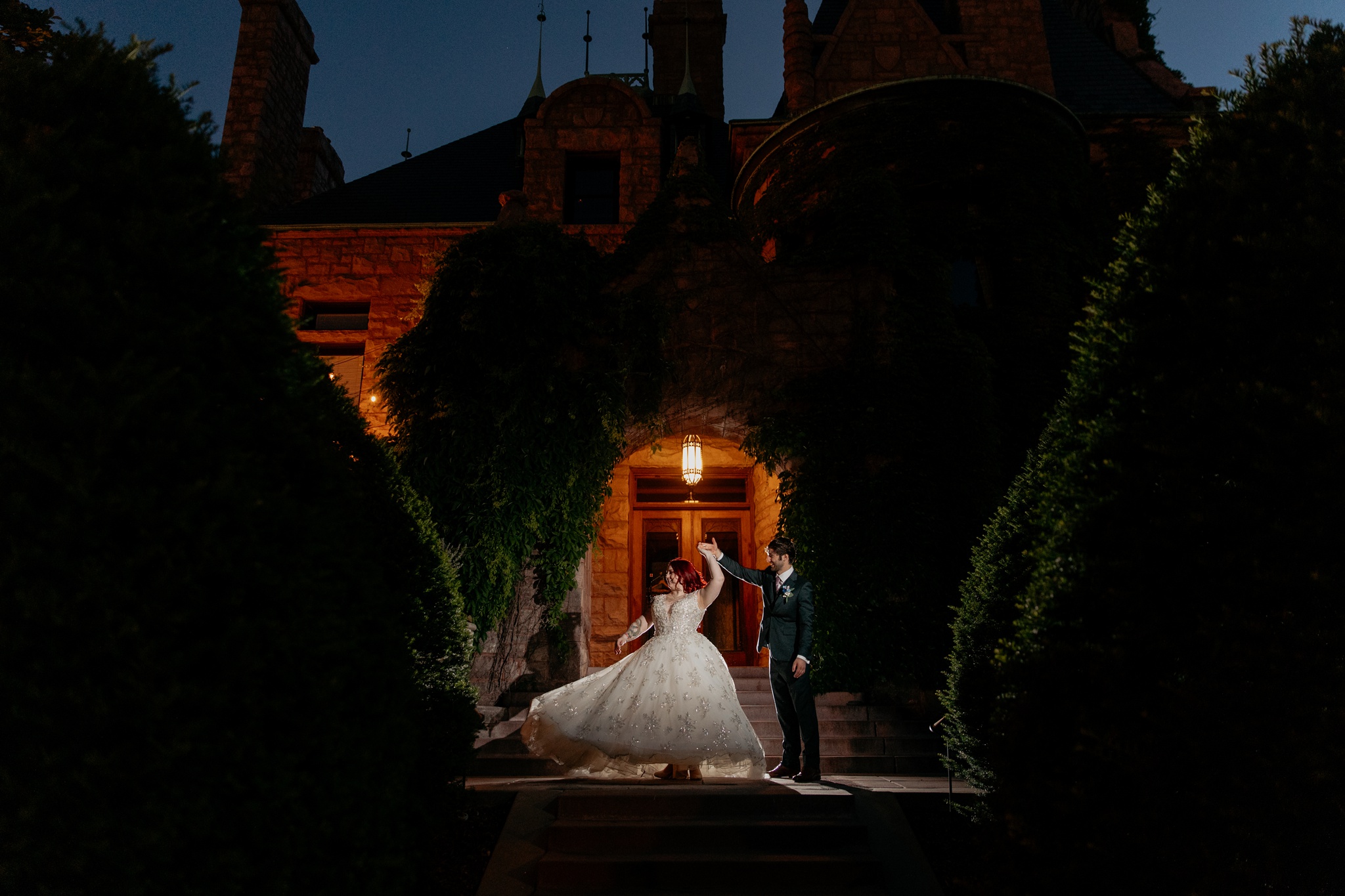
Image Credits
Personal Image Photo Credit: Ten Thousand Takes Photography
Other Images are my own work: Render Photography