We caught up with the brilliant and insightful Brinda Pamulapati a few weeks ago and have shared our conversation below.
Brinda, looking forward to hearing all of your stories today. I’m sure there have been days where the challenges of being an artist or creative force you to think about what it would be like to just have a regular job. When’s the last time you felt that way? Did you have any insights from the experience?
I get that thought often, more often than people might imagine. Even recently, I found myself thinking about it again.
It usually comes in very ordinary moments. Not during something dramatic, but in between. Maybe after a long day at the gallery, or while looking at numbers and realizing how unpredictable income can be. There are moments when the idea of a “regular job” feels comforting, steady paycheck, insurance, structure, a clear sense of security. It’s not a small thing. It’s real, and it matters.
But then I pause and look at my day.
I ask myself, what would I be giving up?
Right now, my life doesn’t move in straight lines. It moves with thought, curiosity, and intention. I can spend a morning painting, then step away to cook, reflect, or simply sit with an idea. I can read, observe, have a meaningful conversation, or follow a thought wherever it leads. I’ve had the freedom to be present for my children, to cook for them, to drive them, to be available in ways that a structured job may not have allowed. Even now, as they’ve grown, that sense of presence still feels important.
There’s a kind of richness in that freedom that is hard to quantify.
Of course, I’m also aware that I’m speaking from a place of support. Having that foundation through my husband makes it easier to choose this path. And I don’t take that lightly.
So the question becomes less about which is better and more about what I value more at this point in my life.
For me, at least for now, the answer is clear.
I choose the uncertainty, with all its challenges, because it allows me to live fully, think deeply, and create honestly. That freedom, to me, feels like a different kind of security.
Brinda, love having you share your insights with us. Before we ask you more questions, maybe you can take a moment to introduce yourself to our readers who might have missed our earlier conversations?
For those who may not have come across my work before, my name is Brinda Pamulapati. I was born and raised in India, and my journey into the arts has been anything but linear.
I came to the United States, and later got married. I pursued my higher education at Florida State University, where I earned my master’s degree in mathematics with a focus on biomedical mathematics. I went on to teach mathematics as an online adjunct faculty member, working with undergraduate students. While I valued that experience, I always carried a deep and persistent passion for art.
That passion eventually led me to seriously pursue training in the visual arts. I had the privilege of apprenticing with internationally renowned artist Jacob Pichhadze in Toronto. That experience was transformative. He not only helped me refine my artistic voice but also guided me in understanding the business side of the art world. I remain deeply grateful for his mentorship.
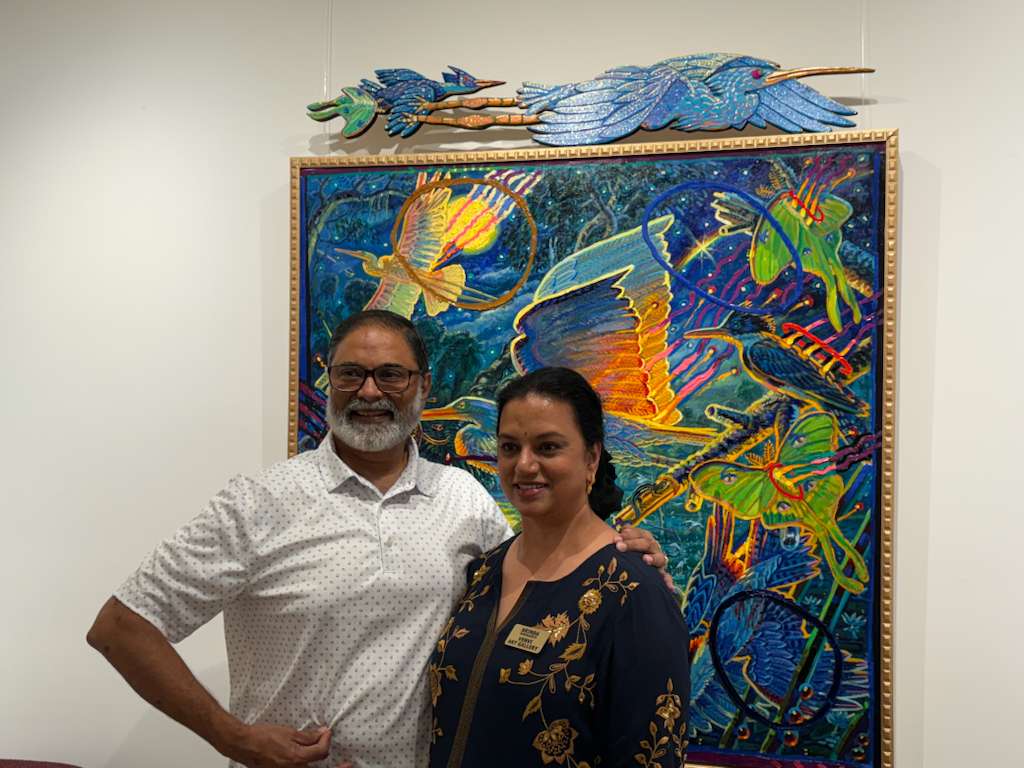
Equally important has been the support of my husband, who made it possible for me to travel, train, and grow. From taking care of our children during my time away to physically helping build and set up the gallery, his support has been foundational to everything I’ve been able to create.
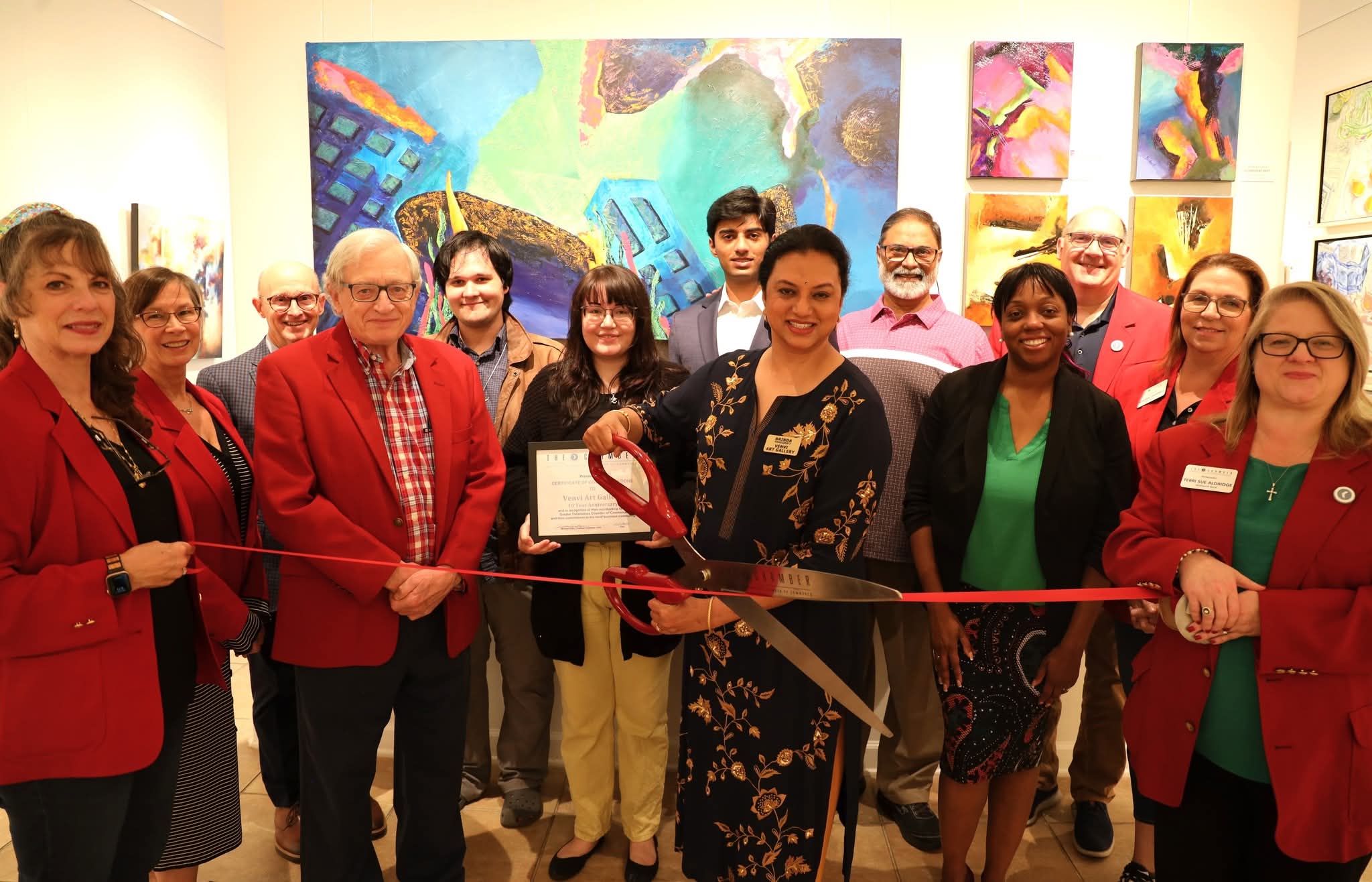
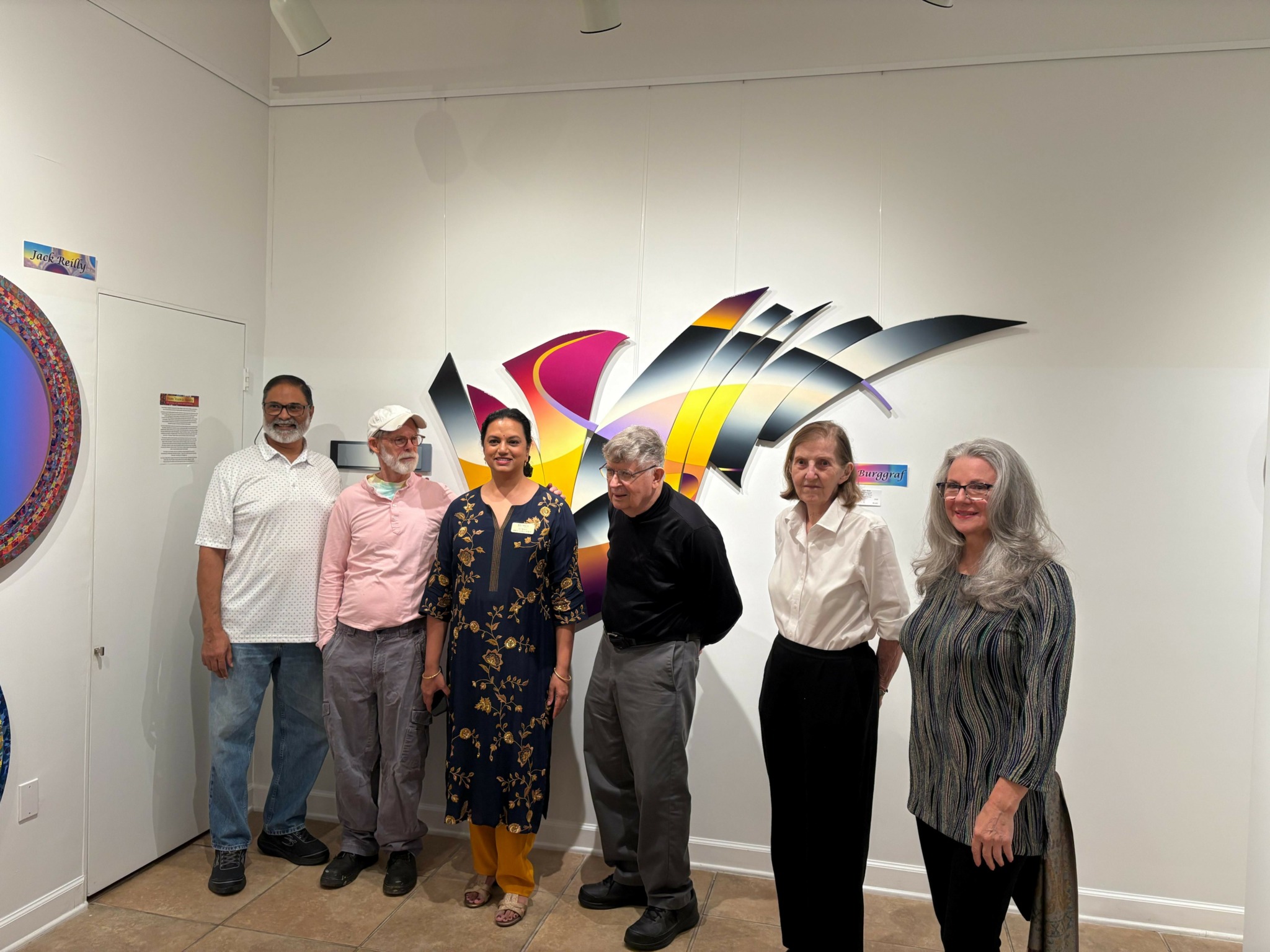
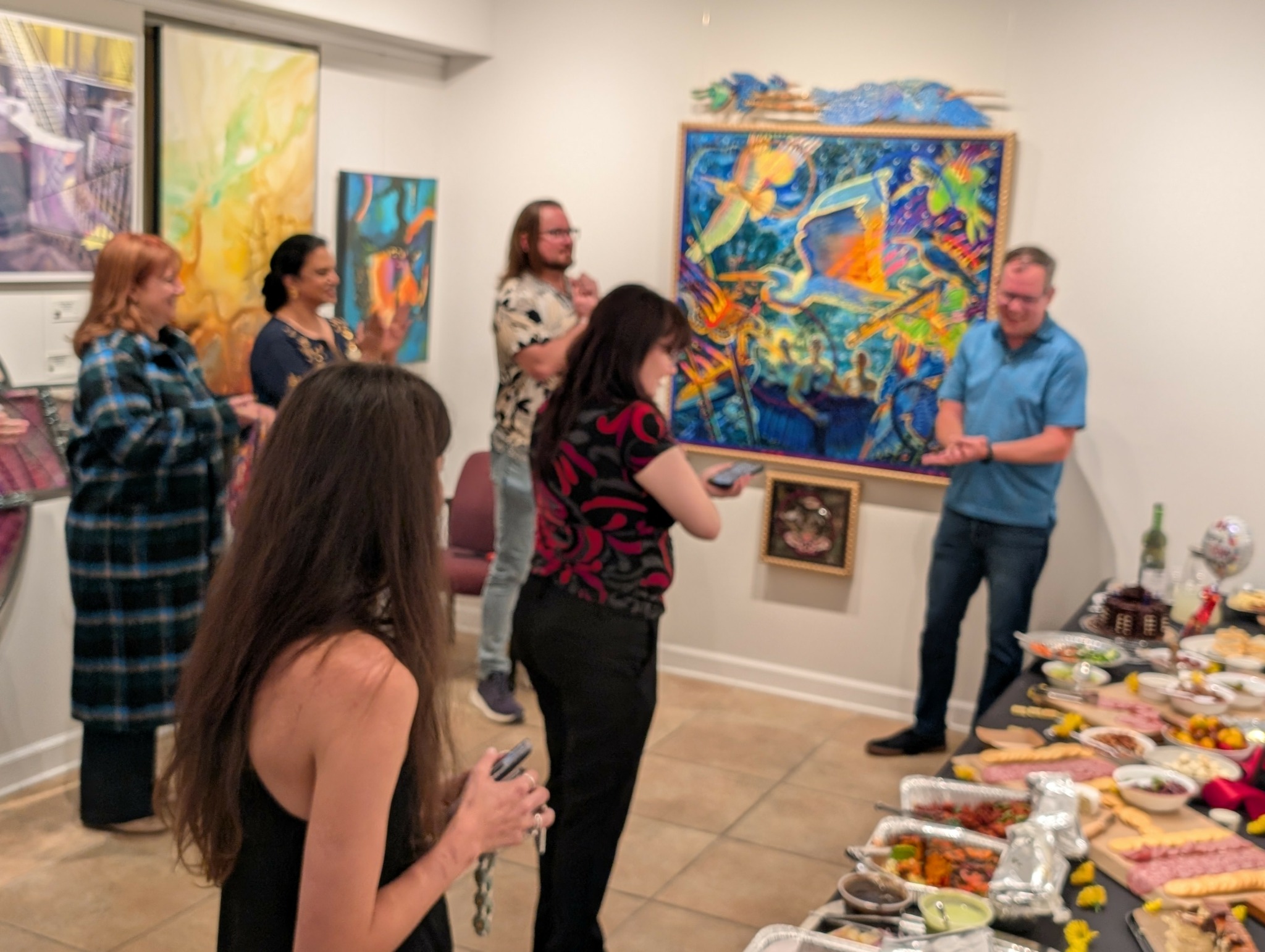
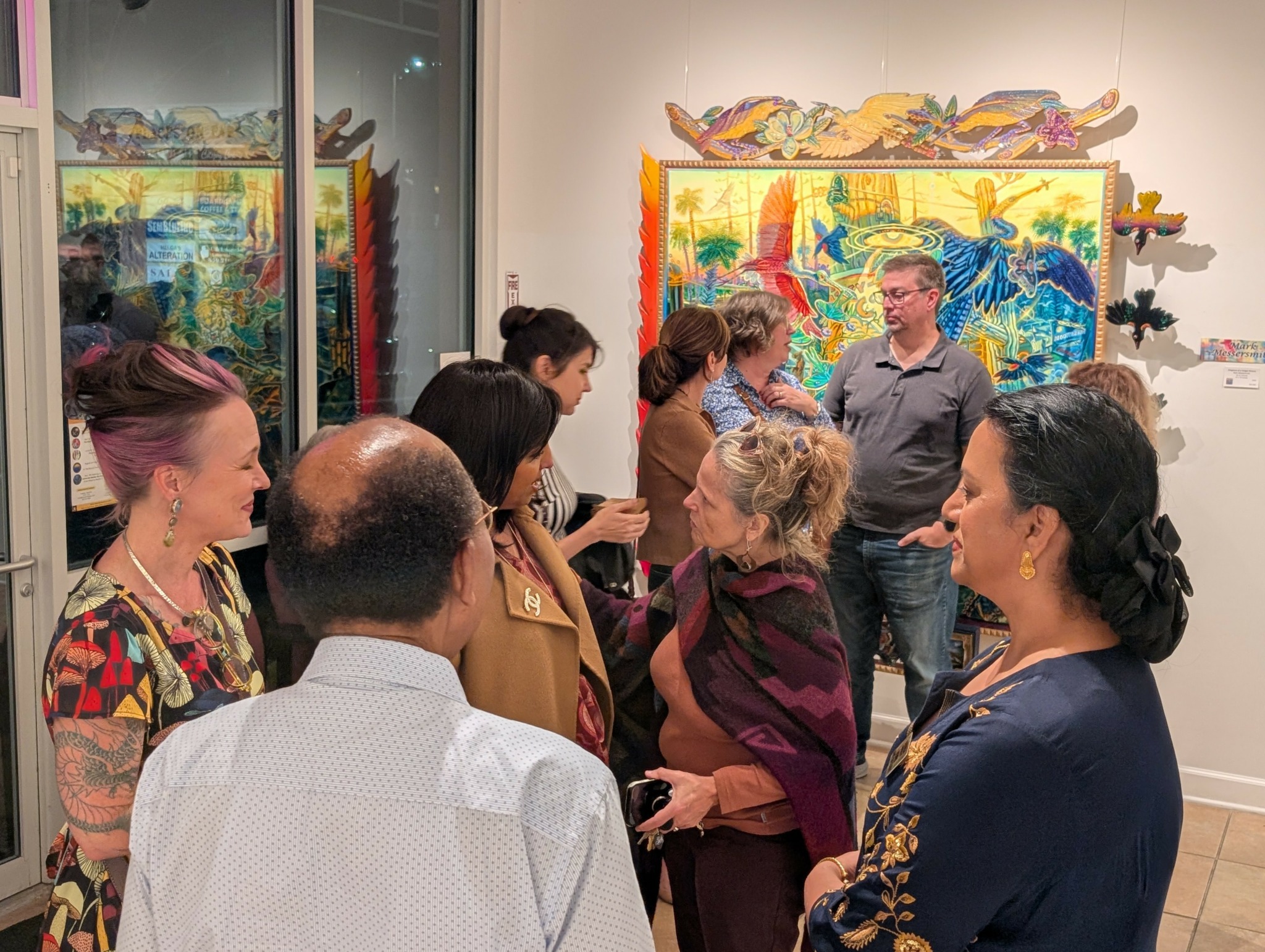
In 2015, I founded Venvi Art Gallery in Tallahassee, Florida. What started as a passion project has now grown into a vibrant space for contemporary art, representing a curated group of exceptional artists. This year marks a decade of the gallery, and that milestone feels incredibly meaningful.
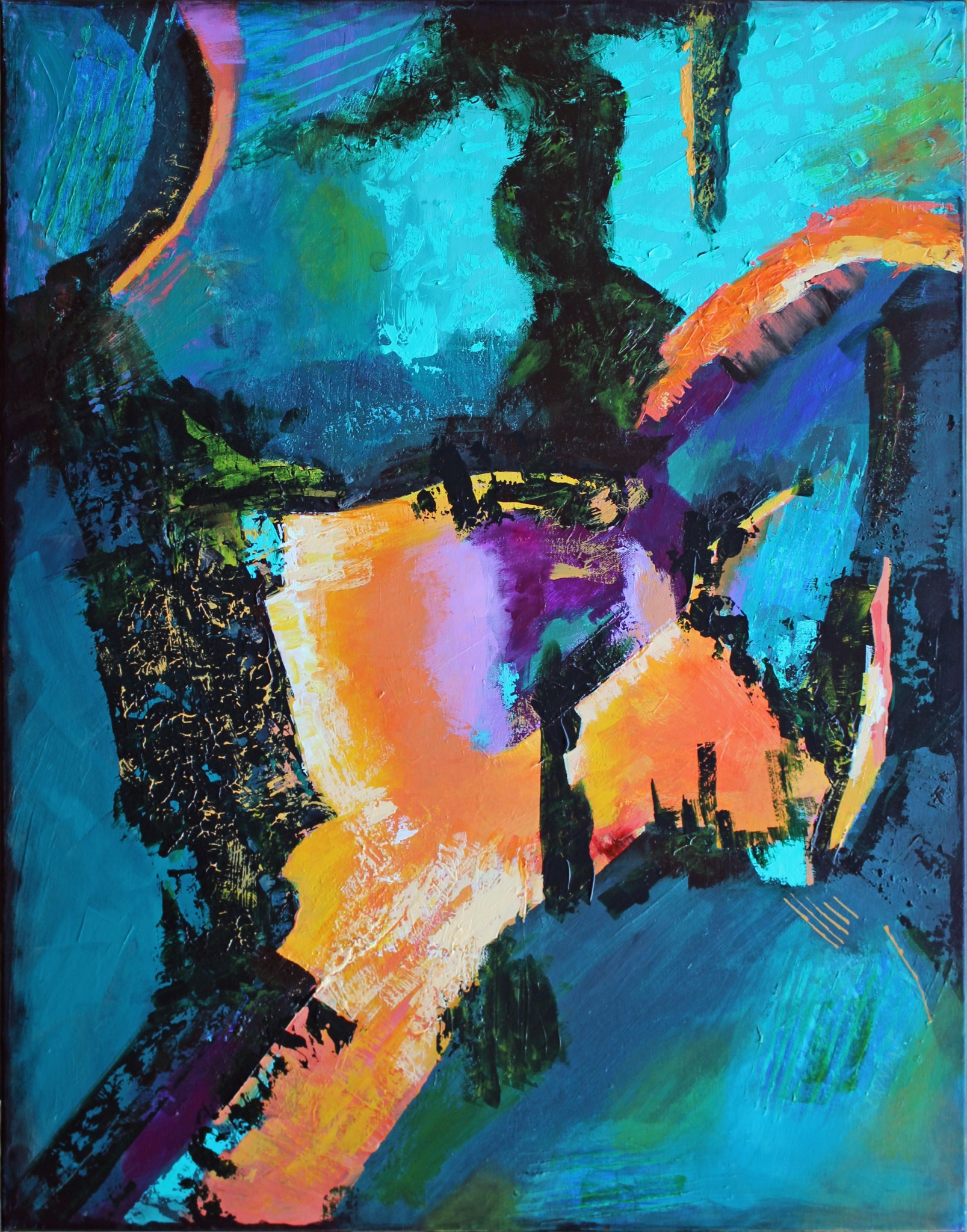
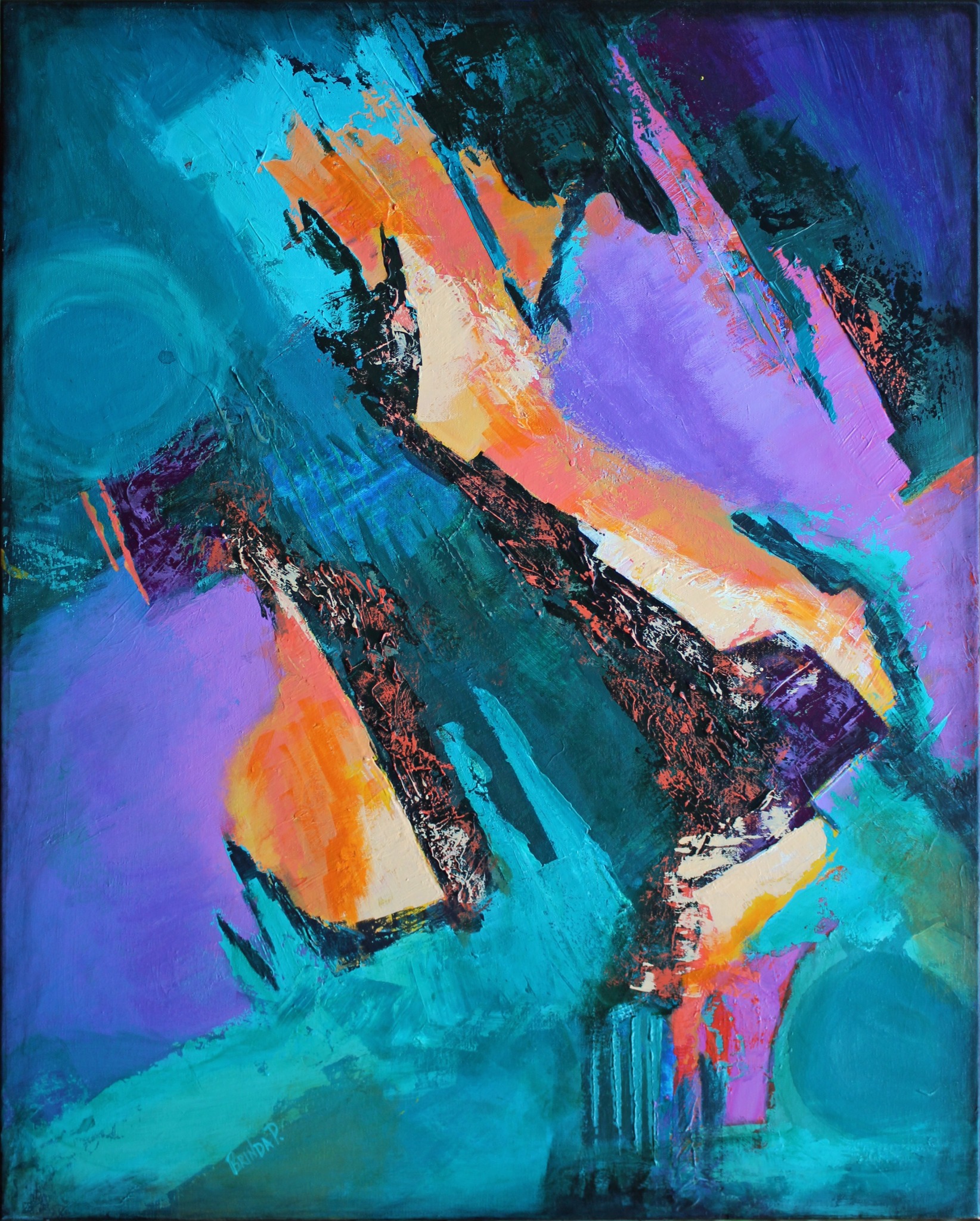
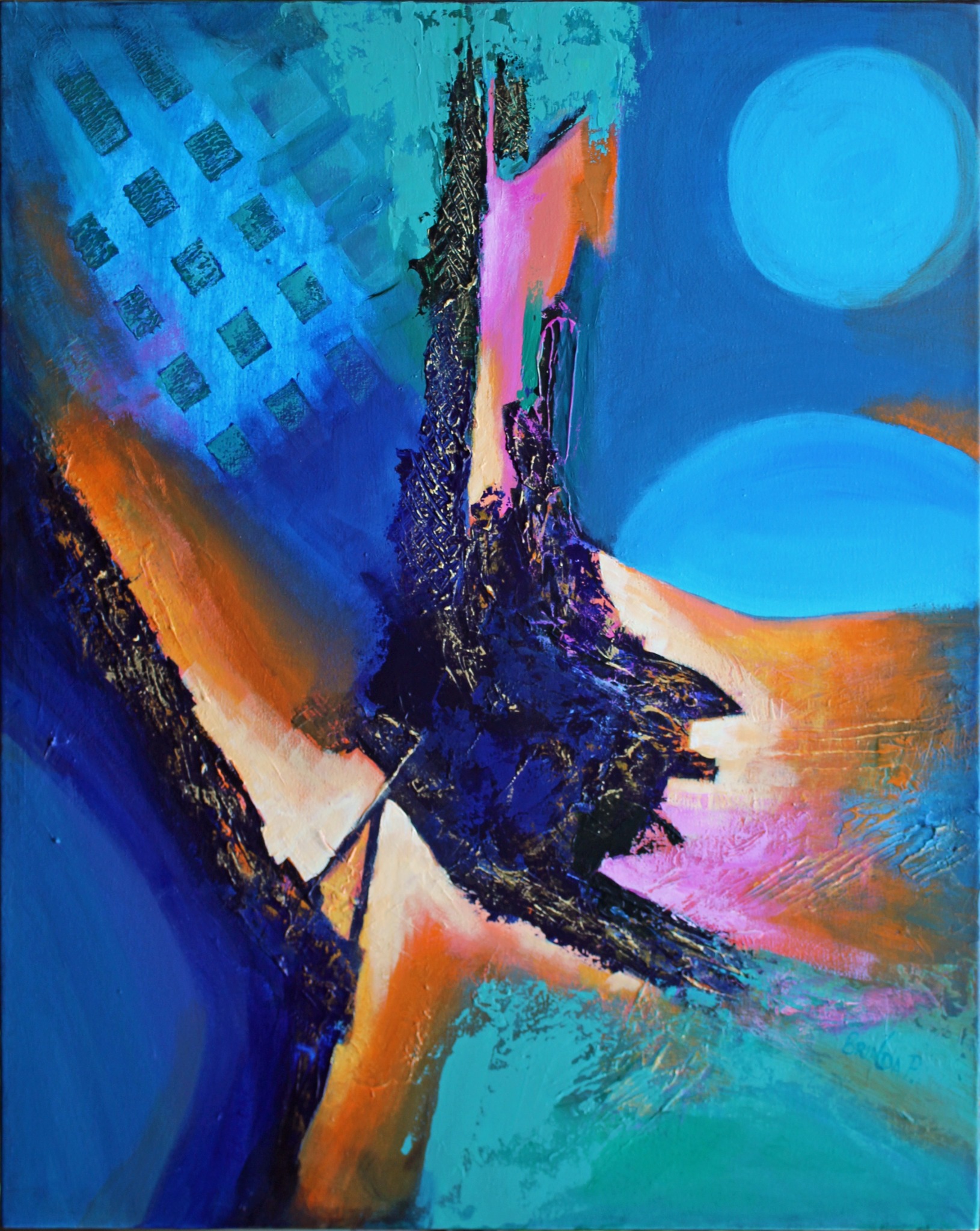
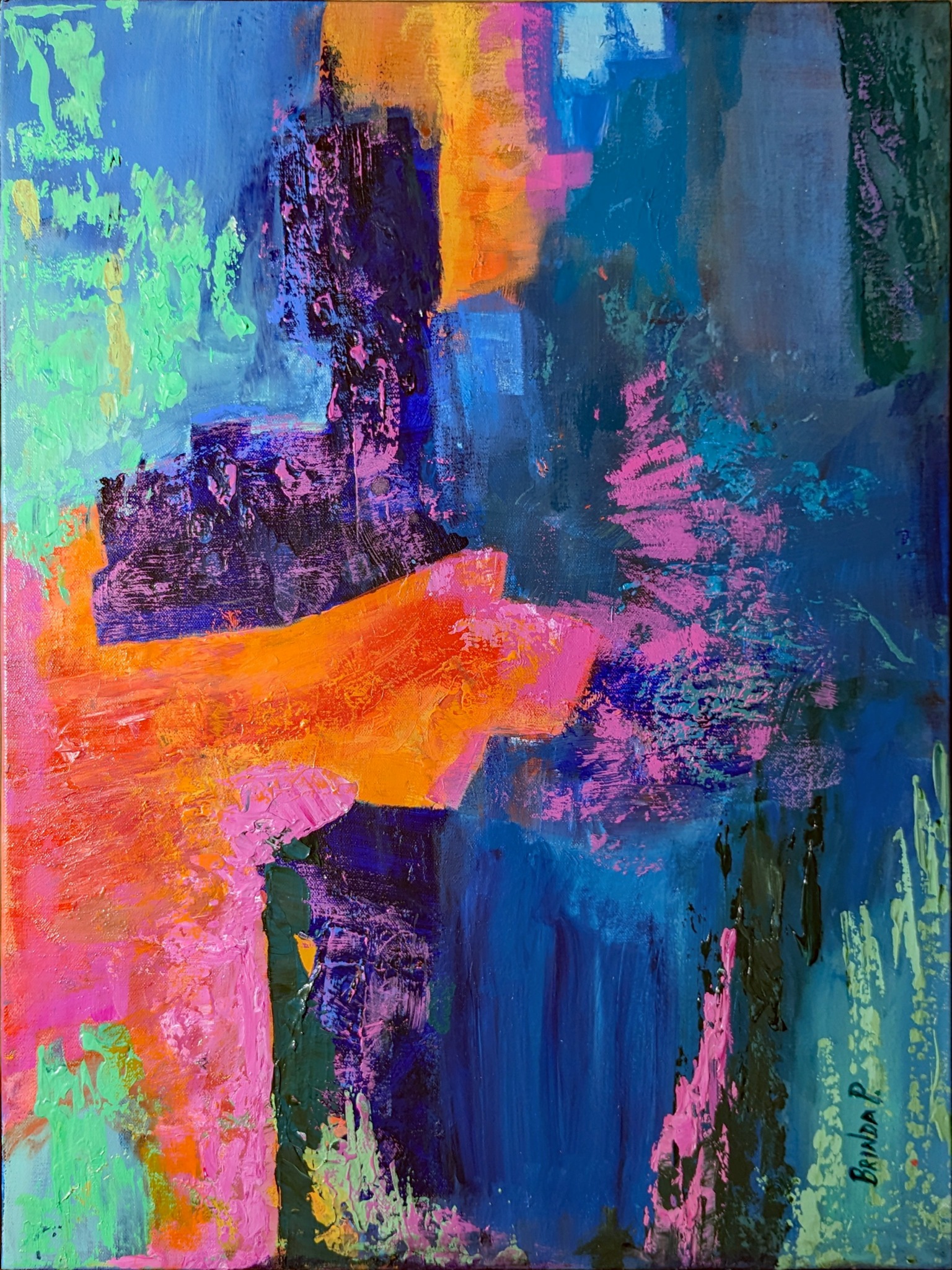
As both an abstract artist and a gallerist, my work exists in two parallel but deeply connected worlds. Through my own art, I explore color, form, and texture to create works that invite reflection and emotional connection. Through the gallery, I work closely with artists and collectors, helping place original artworks into homes and corporate spaces where they can truly resonate.
I am also an art columnist for *Khaas Baat*, a newspaper serving the Indian American community in Florida, where I write about art, culture, and heritage. In addition, I have created a children’s coloring book series that introduces young minds to different art movements by interpreting five major “isms” through animals, encouraging creativity and new ways of seeing.
What I feel most proud of is not just my own work, but the moments I facilitate for others. When I inform an artist that their work has found a collector, it is deeply fulfilling. When a collector trusts me to guide them in building their collection, that trust means everything. I also feel a deep sense of joy when my own work is completed and resonates with viewers.
Beyond the gallery, I am actively involved in the arts community. I serve as a board member of Council on Culture & Arts and regularly participate as a juror for exhibitions and art competitions. These roles allow me to contribute to the broader cultural ecosystem and support the growth of the arts in my community.
What sets my work apart is the combination of perspectives I bring, as an artist, curator, educator, and community advocate. I understand both the creative and practical sides of the art world, and I approach my work with intention, integrity, and a deep respect for the artists I represent.
At its core, my mission is simple. To create meaningful connections through art. Whether it is through a painting, an exhibition, or a conversation, I want people to experience art not just as something to look at, but as something that stays with them.
Is there something you think non-creatives will struggle to understand about your journey as a creative?
One thing that non-creatives may not fully understand is that creativity is not just about making something beautiful. It is a way of thinking, a way of living, and even a way of shaping society.
Creativity also involves continuous problem solving. Every artwork, every idea, comes with questions. What works, what doesn’t, what needs to change, what can go deeper. You are constantly adjusting, refining, and finding solutions, often without a clear roadmap. Over time, this builds resilience and a very different way of approaching challenges in life.
What you focus on, you begin to create more of. As a creative, you are training your mind to focus on possibilities, to bring something from non-existent to existence. That process changes how you see the world. Instead of reacting with negativity, you begin to respond with curiosity, imagination, and intention.
Over time, this way of thinking has a deeper impact. It can reduce tendencies toward negativity such as jealousy, anger, or hopelessness. Creativity gives the mind a direction. It allows expression instead of suppression. In many ways, it becomes a quiet but powerful force for mental well-being.
I truly believe that creativity has a role beyond the individual. It contributes to a healthier society. When people are engaged in creative thinking, whether through art, craft, music, or performance, it builds a culture of dignity, peace, and connection. Even in materially successful environments, without that sense of meaning and emotional well-being, something feels incomplete.
Creative individuals often invest deeply, sometimes sacrificing stability or comfort, to bring their work into the world. They are contributing something intangible but essential to the community. And that is where support becomes important.
For those who have the means, whether businesses or individuals with disposable income, supporting the arts is not just a transaction. It is participation in building a more thoughtful and enriched society. When you support an artist, you are not just acquiring an artwork, you are encouraging a culture of creativity that benefits everyone.
In the end, creativity is not a luxury. It is a necessity for a balanced, meaningful, and peaceful way of living.
Are there any books, videos, essays or other resources that have significantly impacted your management and entrepreneurial thinking and philosophy?
One resource that has had a significant impact on my entrepreneurial thinking is the book *The Diamond Process: How to Fix Your Organization and Effectively Lead People*.
In the early years of running Venvi Art Gallery, I was doing everything myself. From artist outreach and curation to writing press releases, managing promotions, speaking with collectors, handling sales, billing, after-sales communication, and email campaigns, every aspect of the gallery was on my shoulders. At that stage, it felt necessary, but it was also overwhelming.
Even when I reached a point where I could afford to bring in help, I found it difficult to delegate effectively. I would still hold on to many responsibilities, unsure how to transfer them in a structured way.
Reading *The Diamond Process* changed that for me.
The book helped me understand how to break down the business into clear, repeatable systems. It showed me how to identify weak points in my organization and strengthen them through documentation and process. One of the most valuable lessons was the importance of creating systems that are not dependent on a single individual.
Now, every key function in the gallery is documented and structured. Even with a change in staff, the transition is smooth because every process is well documented, allowing the new person to understand and continue the work with clarity. That shift has made the organization far more stable and scalable.
Without this book, I believe I would still be juggling everything myself and struggling to grow in a sustainable way.
I came across this book through The Wall Street Journal, and it turned out to be one of those resources that truly changed how I approach leadership and management.
Contact Info:
- Website: https://www.venviartgallery.com/
- Instagram: https://www.instagram.com/venviartgallery/
- Facebook: https://www.facebook.com/Venviartgallery/
- Linkedin: https://www.linkedin.com/company/venvi-art-gallery
- Twitter: https://x.com/VenviArt
- Youtube: @venviartgallery