

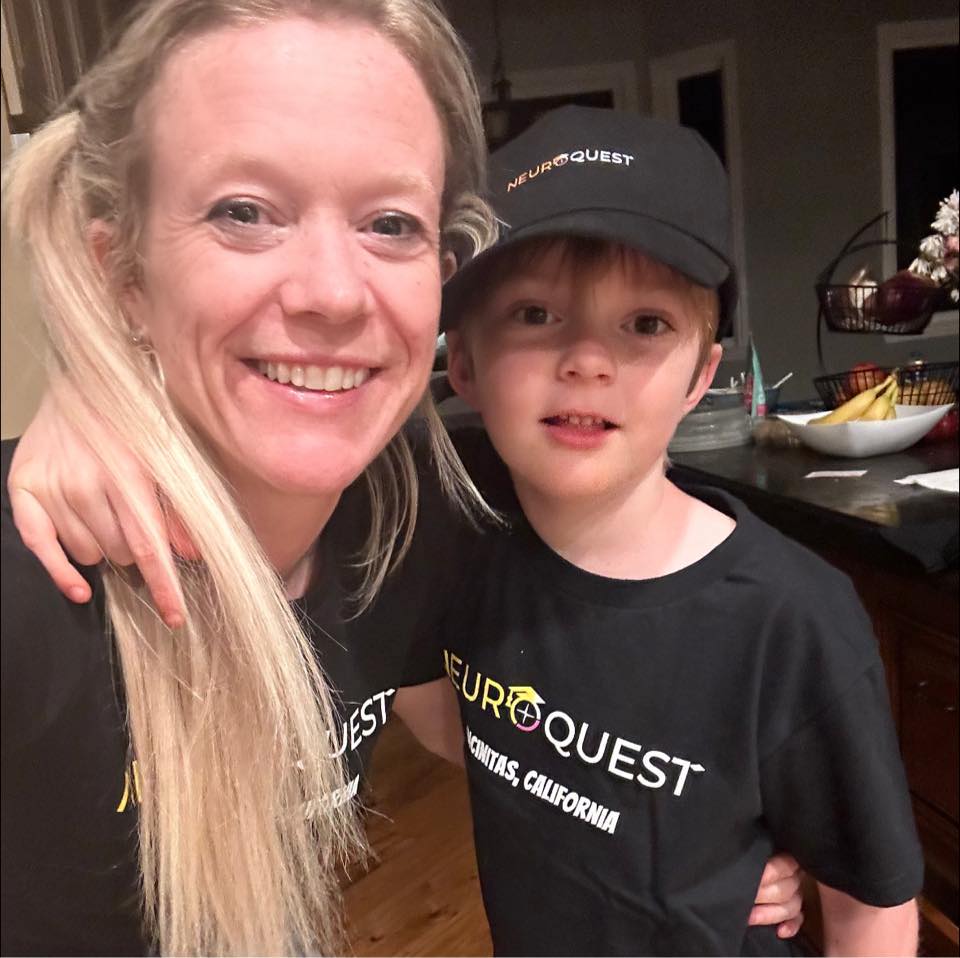

Alright – so today we’ve got the honor of introducing you to Briana Songer. We think you’ll enjoy our conversation, we’ve shared it below.
Alright, Briana thanks for taking the time to share your stories and insights with us today. Let’s start with education – we’d love to hear your thoughts about how we can better prepare students for a more fulfilling life and career
If I could change one thing about the education system, it would be to embrace a more neurodiverse and individualized approach to learning. Too often, schools prioritize conformity over creativity, rigid structure over flexibility, and standardized testing over real-world problem-solving. This approach not only alienates neurodivergent students—like those with ADHD, autism, or dyslexia—but also stifles the potential of all learners to thrive in ways that feel meaningful to them.
My passion for rethinking education stems from my own experience, as well as my journey with my son, who is AuDHD (autistic and ADHD) and twice exceptional. When he entered public school, it was clear that the traditional system wasn’t designed for kids like him. The constant pressure to sit still, follow strict schedules, and meet standardized benchmarks left him burned out and disengaged. He’s incredibly gifted, but his unique needs were overlooked in favor of a one-size-fits-all approach. It wasn’t just frustrating—it was heartbreaking.
Eventually, we transitioned to homeschooling, and everything changed. By tailoring his education to his strengths, interests, and sensory needs, I saw him rediscover his love for learning. Instead of forcing him into a mold, we created an environment where he could explore his passions—whether that was coding, science experiments, or art—and learn at his own pace.
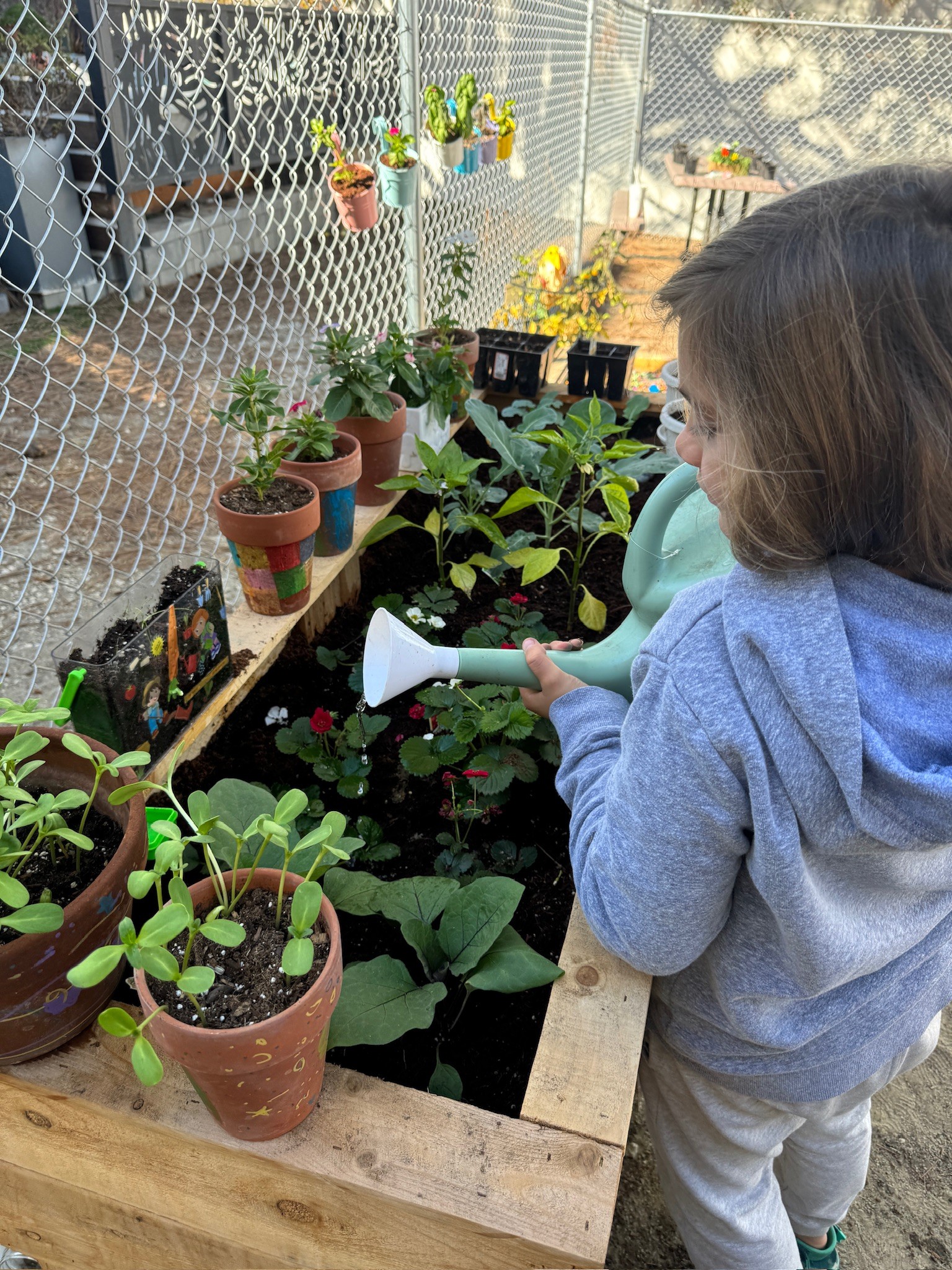
That experience inspired me to create NeuroQuest, an enrichment center designed for kids like my son who don’t fit into the traditional education system. At NeuroQuest, we prioritize small group learning, hands-on activities, and neurodiversity-affirming strategies. We focus on teaching kids how to understand their own brains and bodies, empowering them to advocate for their needs and play to their strengths. This kind of education doesn’t just prepare them for a career—it prepares them for life.
One story that illustrates why this change is so important happened recently at NeuroQuest. A student who had been labeled “unmotivated” in their previous school absolutely lit up during a STEM activity involving coding and robotics. For the first time, they saw how their unique way of thinking wasn’t a weakness but a superpower. That moment validated everything I believe about education: when kids feel seen, respected, and supported, they can thrive in ways the traditional system rarely allows.
The education system needs to move away from treating students like products on an assembly line and toward cultivating curiosity, resilience, and self-awareness. By embracing flexibility, creative problem-solving, and neurodiversity, we can prepare all students—not just some—for a fulfilling and impactful life.
As always, we appreciate you sharing your insights and we’ve got a few more questions for you, but before we get to all of that can you take a minute to introduce yourself and give our readers some of your back background and context?
Hi! My name is Briana Songer, and I’m the founder of NeuroQuest, a homeschool enrichment center in Encinitas, California. NeuroQuest is an inclusive space for exceptional learners and their families—especially for those who feel frustrated with traditional school systems that often spend more time on classroom management than on meaningful learning, relying on a one-size-fits-all approach to education. At NeuroQuest, we take a different path: we follow the interests of our students and customize their learning journeys. This approach allows them to learn in half the time while staying deeply engaged and excited about their education.
As a mom to an AuDHD (autistic and ADHD) son who is twice exceptional (gifted with disabilities), I’ve seen firsthand how overwhelmed and undertrained schools are when it comes to supporting neurodivergent students. My son struggled in a system that didn’t know how to nurture his strengths or meet his unique needs. That’s part of why I made the decision to homeschool him. But because he’s also very social and extroverted, he missed the day-to-day interactions with classmates and the sense of community that comes with learning alongside peers.
That’s what inspired me to create NeuroQuest—a center where kids can learn and thrive in a supportive, engaging environment, while parents find the community and resources they need to support their children’s journeys.
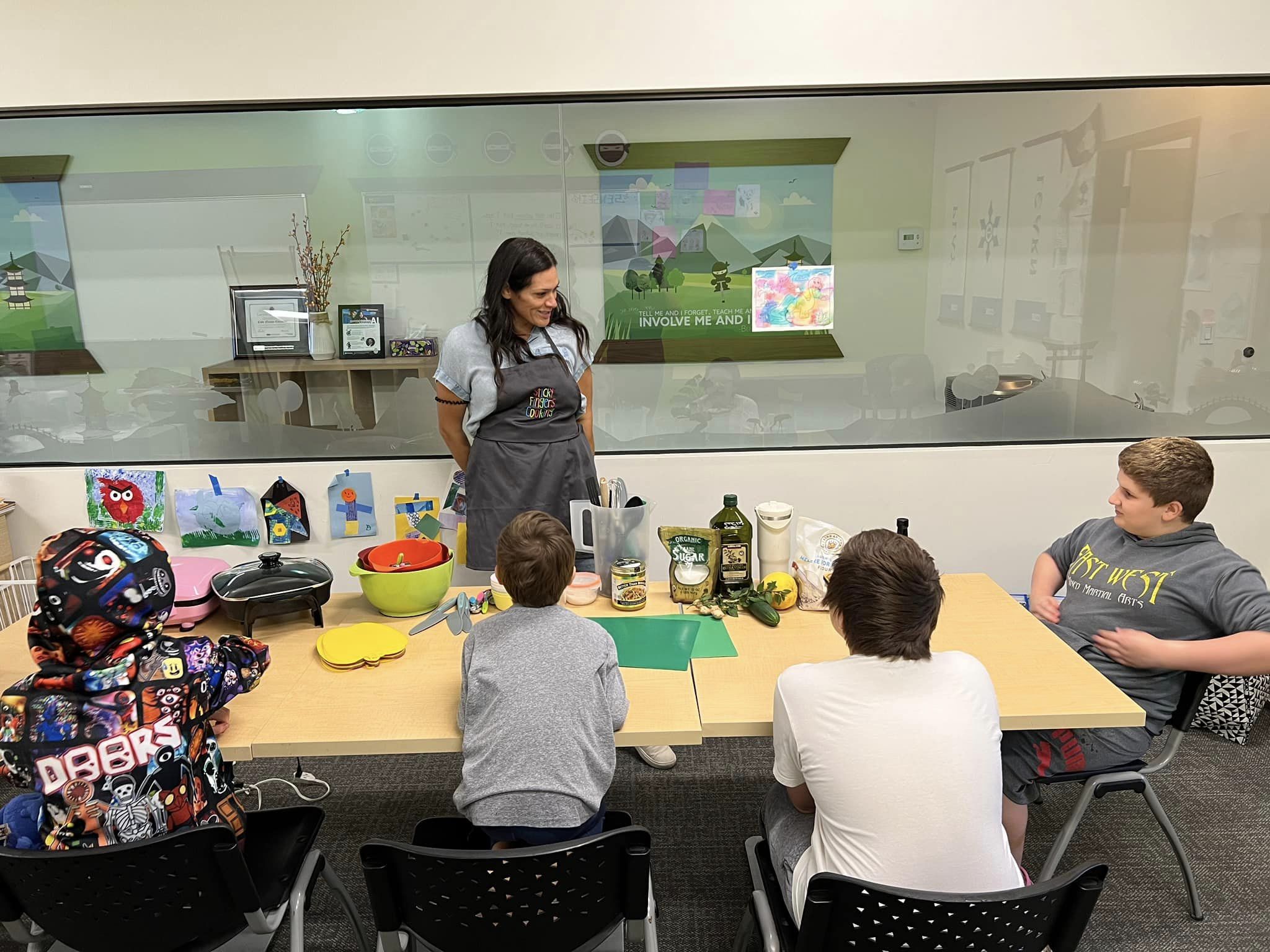
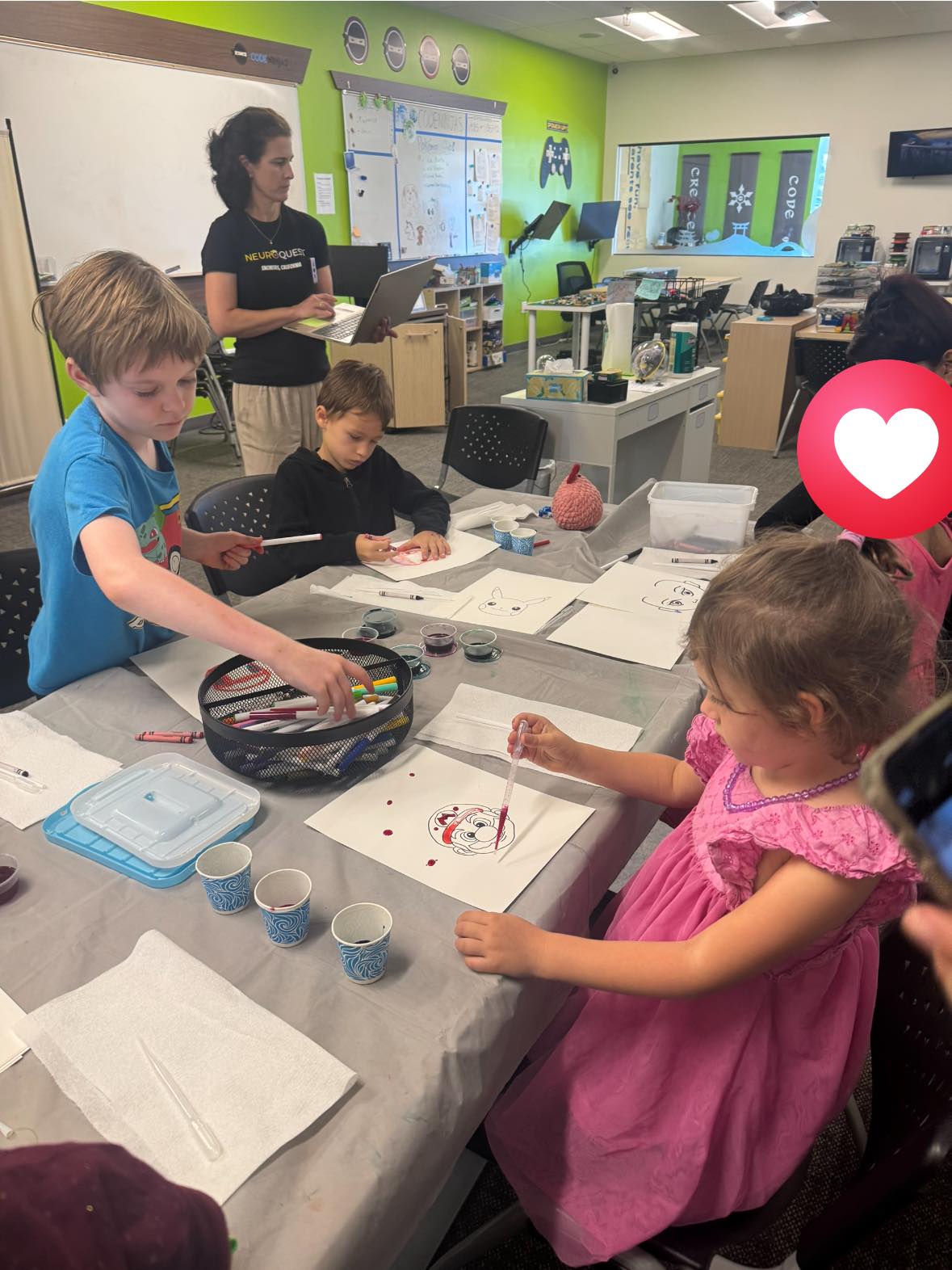
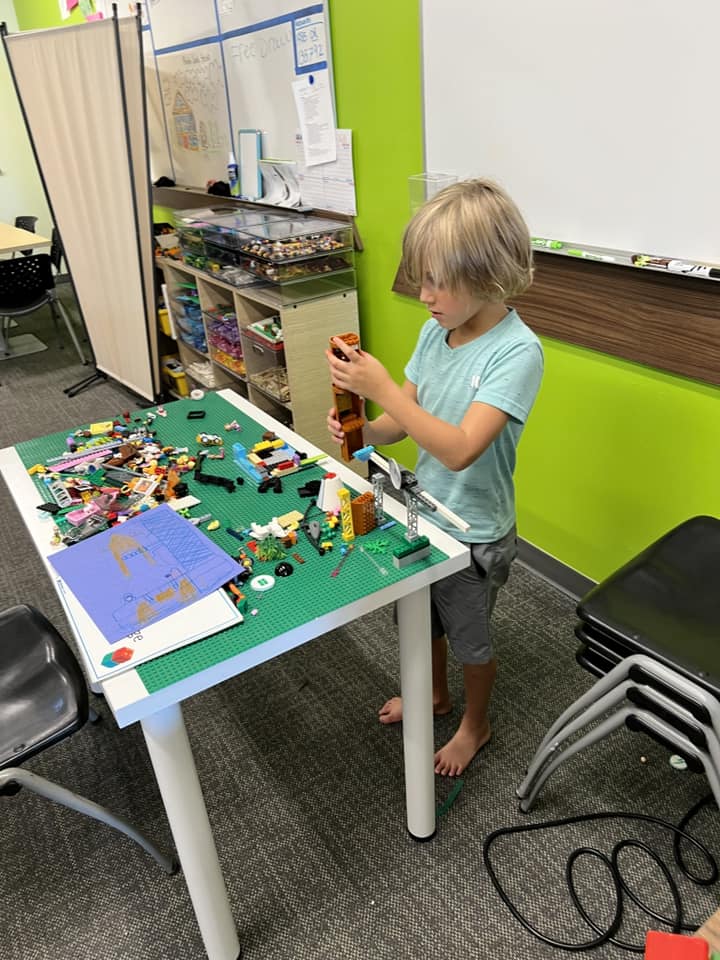
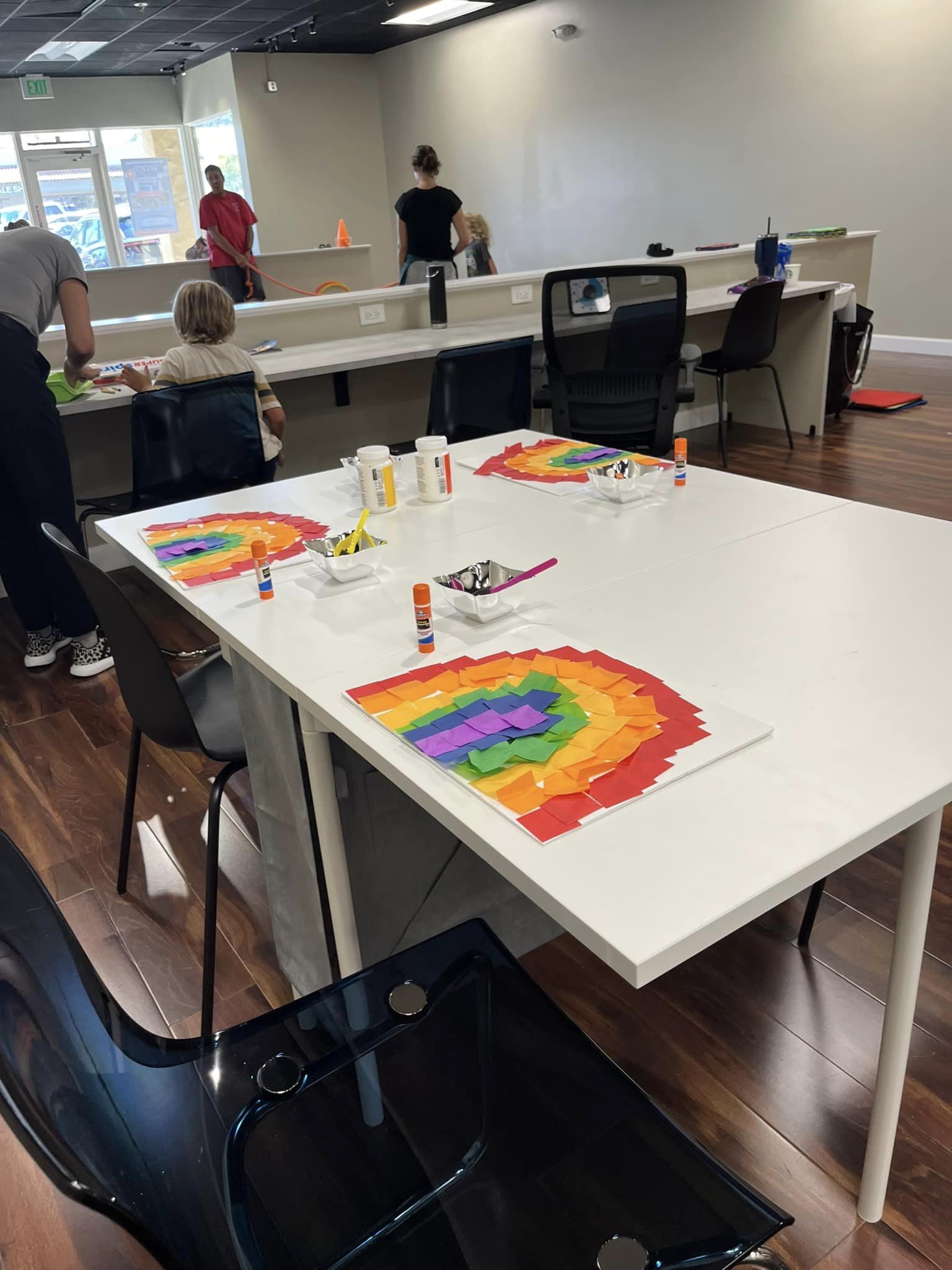
What truly sets NeuroQuest apart is our innovative approach to teaching. Instead of hiring generic teachers to cover multiple subjects, we partner with passionate experts who have built their own businesses around what they love. Our vendors include Code Ninjas for cutting-edget STEM education, Sticky Fingers Cooking for cooking classes, GoBoldly SD for art, Little Shepherds Nature Lab for theater and music, and Crazy Science with Ken for hands-on science explorations. We especially believe bringing more STEM and arts education back into learning ensures students gain real-world skills in coding, robotics, and technology—skills that will be essential for their futures.
We believe teaching kids real, practical skills prepares them for life beyond the classroom in ways traditional education often overlooks. Our specialists bring a level of depth, enthusiasm, and expertise that aligns perfectly with neurodivergent kids who love to dive deep into their special interests, while also engaging gifted and neurotypical students who thrive on creative, hands-on challenges.
To ensure every child gets the support they need, we also hire teaching assistants who specialize in working with neurodivergent learners. These facilitators help kids stay engaged, take breaks when needed, and feel supported throughout their classes. This allows our expert vendors to focus fully on delivering their lessons while knowing each child’s unique needs are being met.
I’ve also created a guide, “Supporting Neurodivergent Students in the Classroom,” along with a corresponding training program to ensure all our staff understand and implement flexible, low-demand, neuroaffirming strategies. Many of the students who come to NeuroQuest are experiencing burnout, school refusal, or have lost their spark for learning. Our approach aims to re-engage them and reignite that learning fire by creating an environment where they feel safe, understood, and excited to explore new ideas.
It’s important to note that while NeuroQuest was designed with neurodivergent students in mind, we serve all types of learners, including gifted students and those who simply think differently. In fact, we actively encourage neurotypical students to attend, as our approach to learning—focused on critical thinking, creativity, and hands-on exploration—benefits every child. Our philosophy is that quality always trumps quantity when it comes to education, and this focus helps kids of all backgrounds blossom and learn faster than in traditional public school settings.
At NeuroQuest, we’re not just teaching kids; we’re empowering them to discover their passions, celebrate their individuality, and build a foundation for lifelong learning and growth.
Can you share a story from your journey that illustrates your resilience?
Starting NeuroQuest was a journey that required more resilience than I ever imagined. The idea for the center came out of my own personal struggles as a mom to an AuDHD son. While trying to find an environment where he could thrive, I was met with countless closed doors and systemic roadblocks. Public schools weren’t equipped to meet his needs, and alternative options were either unaffordable or just as rigid in their methods.
When I finally decided to homeschool him, I quickly realized that I wasn’t just taking on his education—I was challenging an entire system that had failed us both. The turning point came when I saw how homeschooling unlocked his potential, but he started to miss the social connections of his peers. I knew I had to build something better, not just for him, but for families like ours.
The biggest test of my resilience came when I decided to turn this vision into reality. Building NeuroQuest has been the biggest stress of my life, but it’s also been my greatest success. There were moments when I wasn’t sure we’d make it—navigating financial challenges, zoning laws, licensing, and the constant rollercoaster of entrepreneurship was exhausting. But every time I see an autistic student come out of their shell of trauma to re-engage with learning, or when my own son wakes up excited to go to “school” every day, I know it’s all worth it.
Before NeuroQuest, there was no real alternative for my son. I searched high and low, and he was dismissed from five schools before the age of seven. Most of the kids who come to NeuroQuest hate school because of the trauma they’ve endured in traditional systems. But here, something amazing happens: they start to feel safe, valued, and excited about learning again. Just the other day, one of our students told his mom after only a couple of weeks, “Mom, I found my place.” Moments like that remind me why I do this.
These kids don’t just tolerate NeuroQuest—they thrive here. They’re upset when we have breaks or vacations because they don’t want to miss a day of the community we’ve created. Knowing that we’re helping not only the kids but also their families keeps me going. Resilience isn’t just about weathering storms; it’s about staying true to your vision and finding strength in the lives you touch. For me, NeuroQuest is living proof that the struggle was worth it.
How about pivoting – can you share the story of a time you’ve had to pivot?
Pivoting has been a recurring theme in my life, but one of the biggest and most profound pivots happened when I became a mom. I spent ten years as a public school teacher before deciding to follow a dream of opening my own school. I launched an English-language school for adults in Colombia, ran it successfully for four years, and eventually sold it. That experience introduced me to entrepreneurship and opened the door to a full-time career in marketing, where I’ve worked in the tech industry for the last decade.
But when my son was born, everything changed. As he grew, I began to notice struggles in school that turned our lives upside down. Once he entered kindergarten, behavior issues started surfacing, and we decided to have him evaluated. That’s when we were told he was both autistic and ADHD. What started as a few meetings and phone calls quickly spiraled into an all-consuming effort to advocate for his needs. I spent more time refereeing IEP meetings, conferences, and conversations with school administrators than working at my job. It felt like I was working a second full-time job—except this one wasn’t yielding results, just heartache and stress.
The hardest part of this pivot was questioning my belief in the public school system—a system I had worked in and understood deeply. I had always raised my son to explore and follow his interests as a baby and toddler, so we didn’t face significant challenges until he entered school. But when traditional schooling environments repeatedly failed him, I had to ask myself: what if this system isn’t the right fit for him at all?
We tried everything: private schools, charter schools, alternative programs. Nothing worked. After he was dismissed from five schools before the age of seven, it became clear that I had to create what I couldn’t find. I didn’t want to do it—I resisted the idea of building something from the ground up because I knew how hard it would be. But I felt like I didn’t have a choice. That’s how NeuroQuest was born.
The journey of opening NeuroQuest has been one of the hardest things I’ve ever done. From navigating zoning laws to managing finances and training staff, it’s been a steep uphill climb. On top of it all, I’m still working full-time in my marketing career while running the center. But what has made it easier—and absolutely worth it—is seeing the difference it’s made for my son and for so many other children.
My son is finally thriving. There are no more daily meltdowns, no more destructive outbursts, and no more endless calls from the school about his behavior. He’s happy, engaged, and learning every day. For the first time, I can send him somewhere with confidence, knowing he’s safe, regulated, and supported.
This is the same peace of mind I want for every parent who walks through the doors of NeuroQuest. As parents, we already have enough on our plates—therapies, medications, IEP meetings, and more. NeuroQuest is a place where parents can breathe a sigh of relief and know their kids are not only safe but also thriving. Seeing the smiles on the kids’ faces and the gratitude in their parents’ eyes has been the reward that keeps me going.
This pivot wasn’t easy, but it was necessary. And looking back now, I wouldn’t change a thing.
Contact Info:
- Website: https://neuroquest.io
- Instagram: https://www.instagram.com/neuroquestenrichment/
- Facebook: https://www.facebook.com/neuroquestsandiego/
- Linkedin: https://www.linkedin.com/in/briana-songer-%E2%AD%90-47612857
- Youtube: https://m.youtube.com/@NeuroQuest-h8g
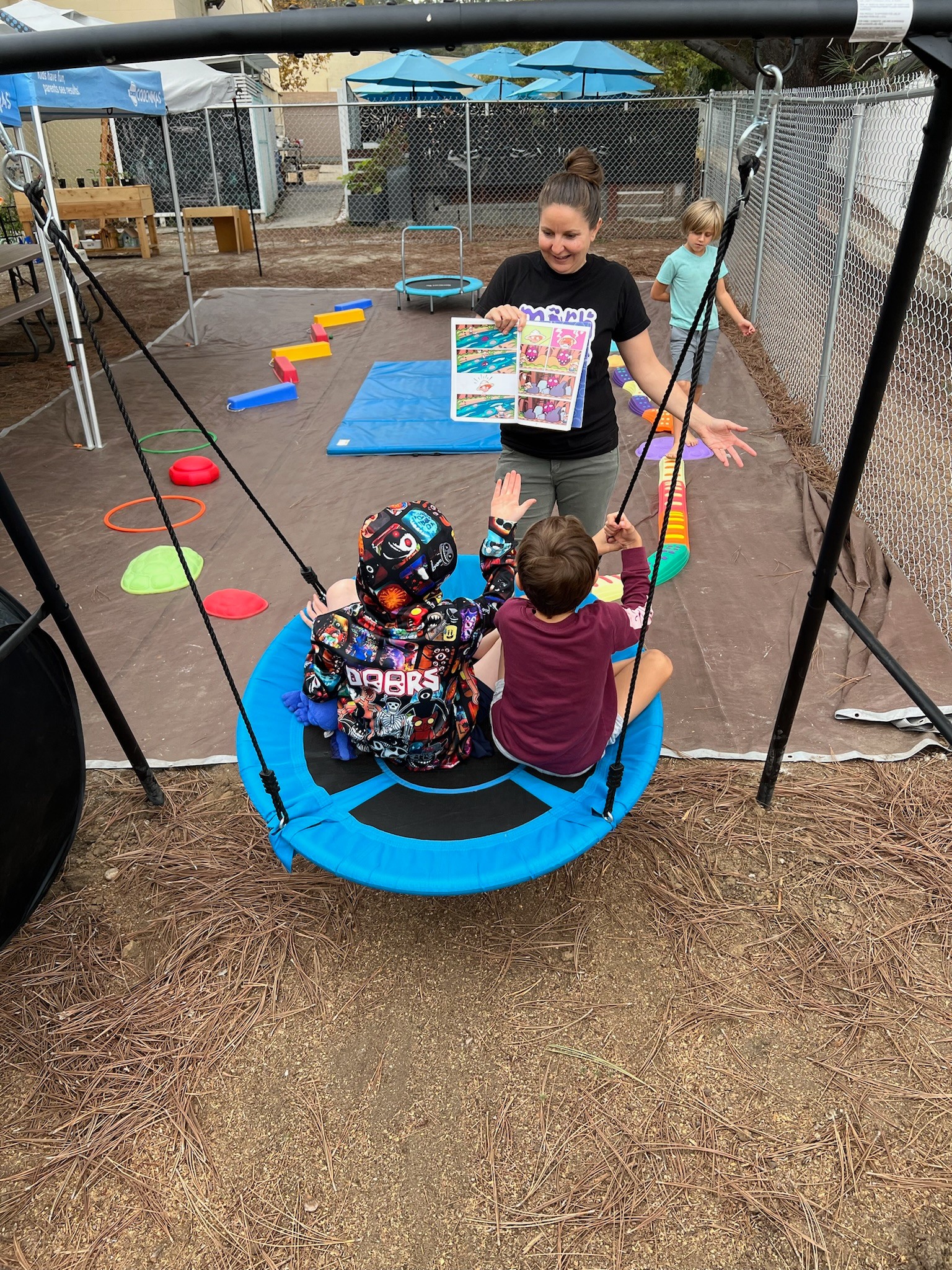
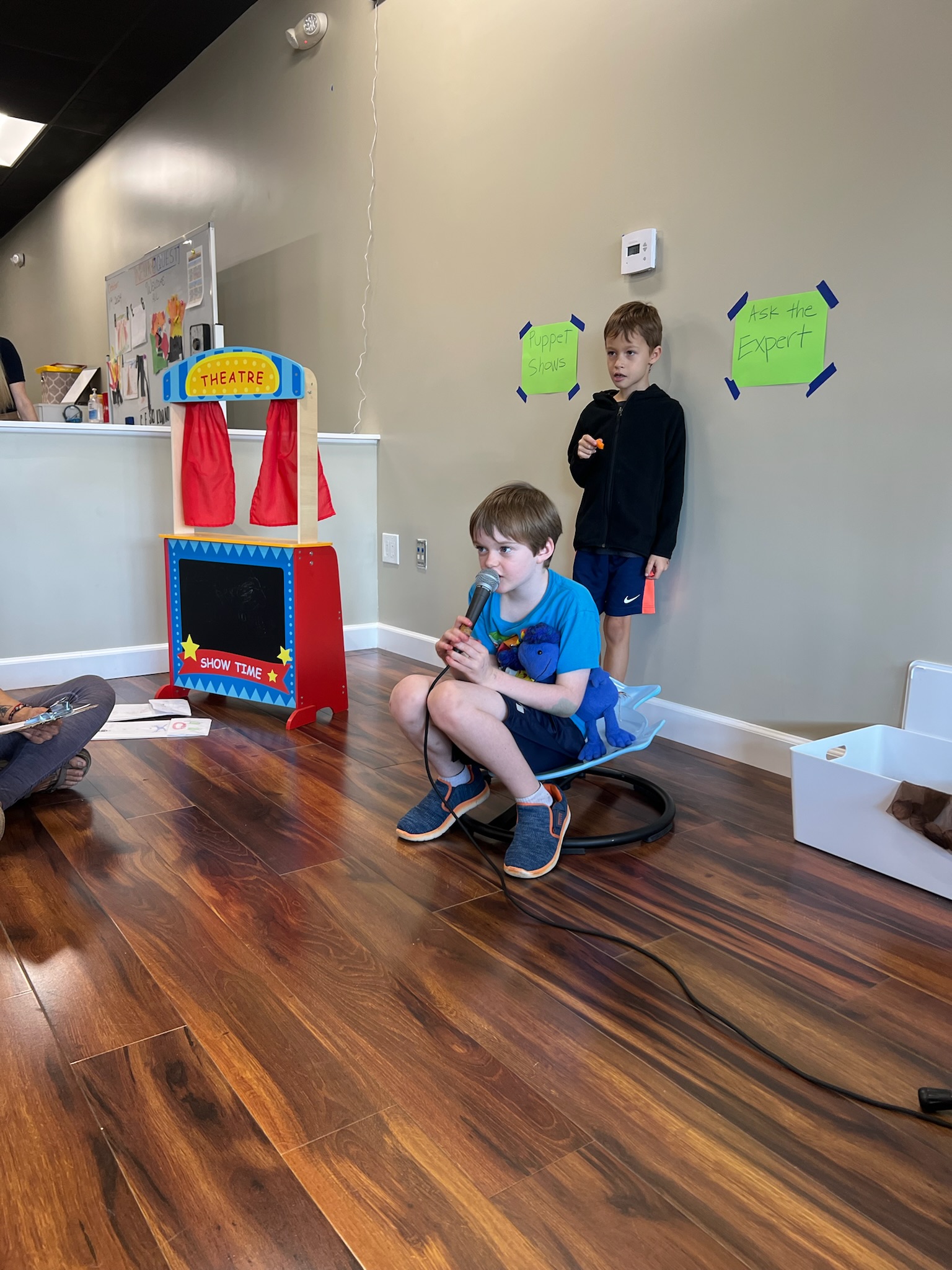
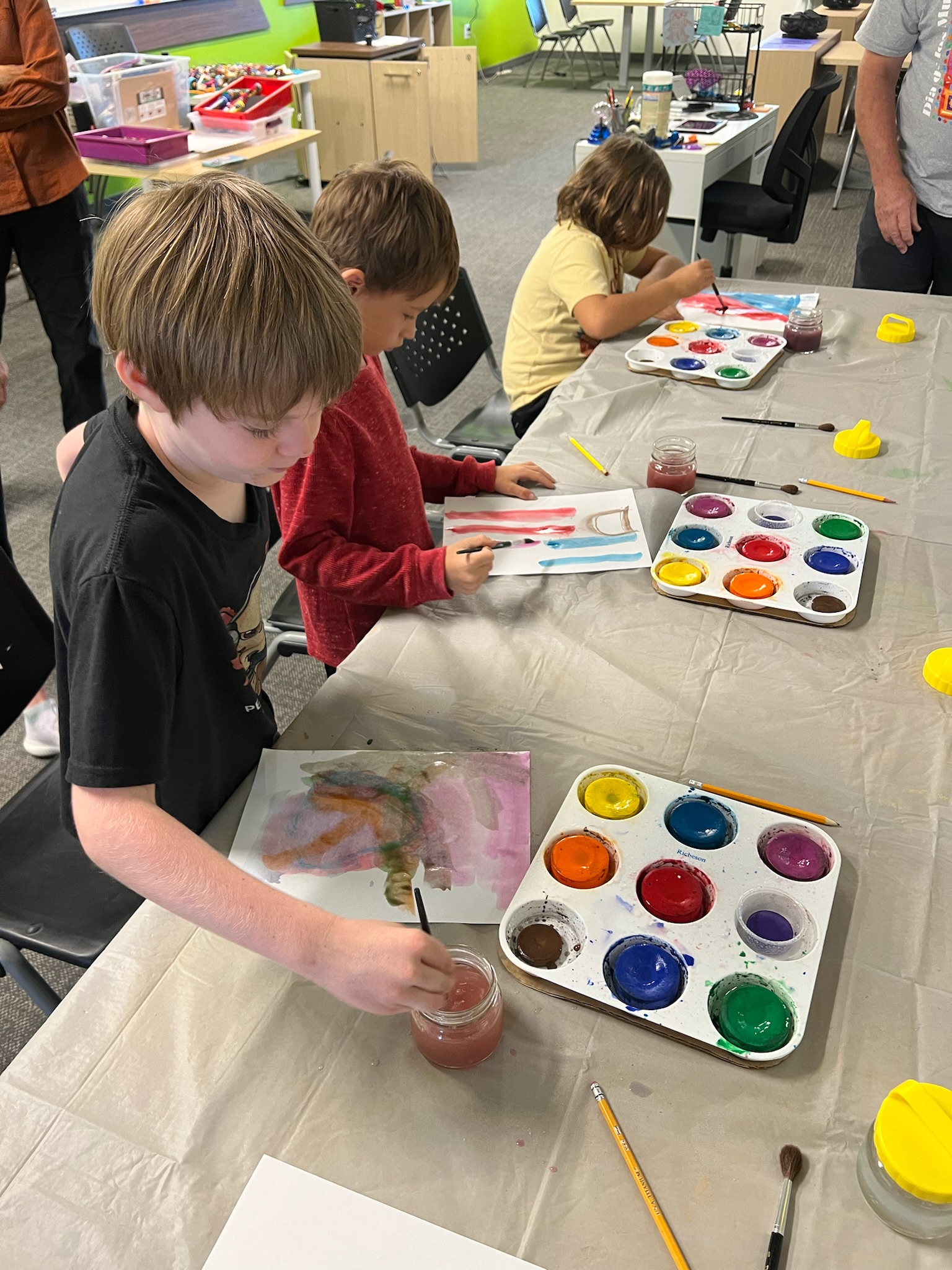
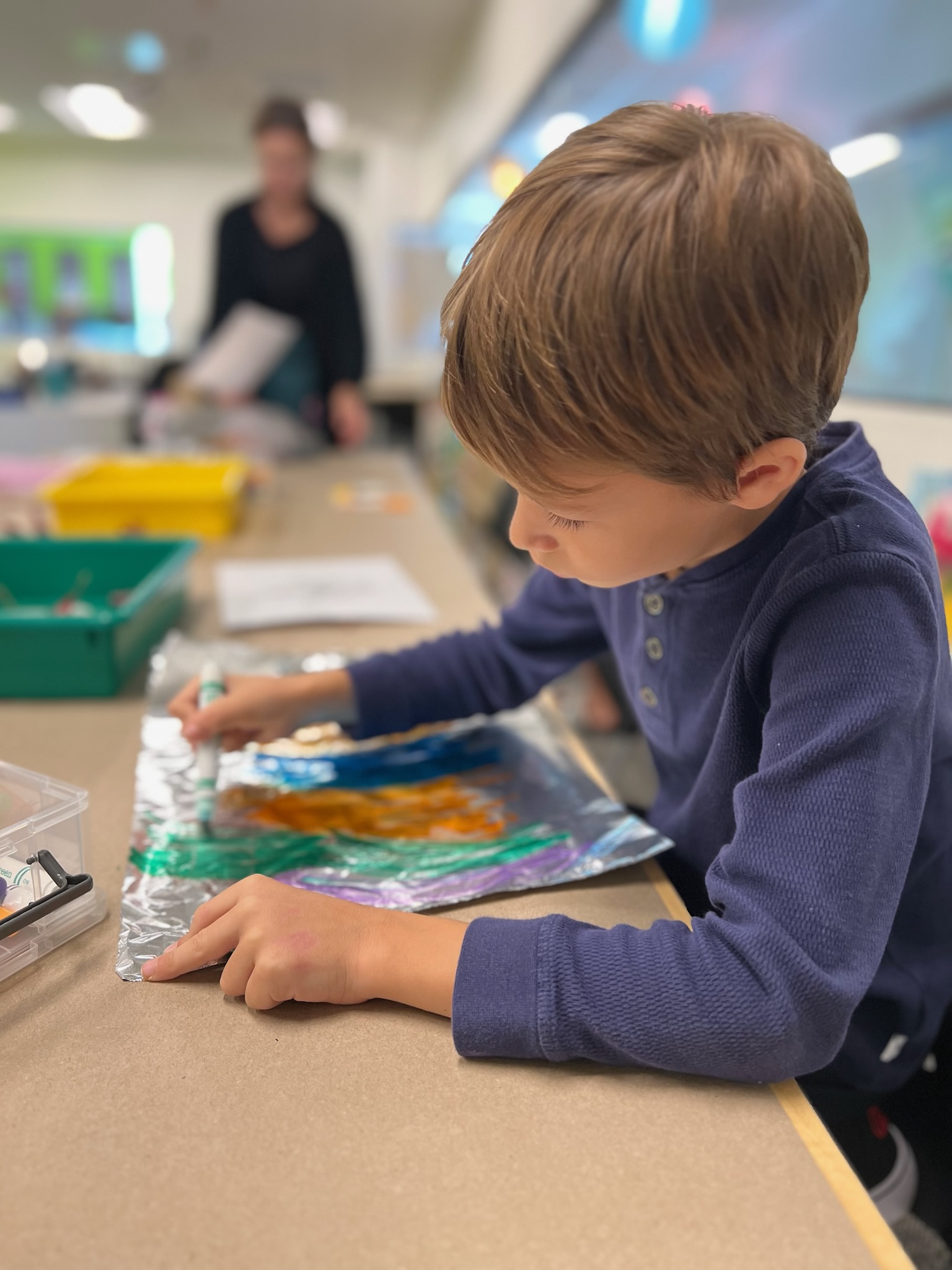
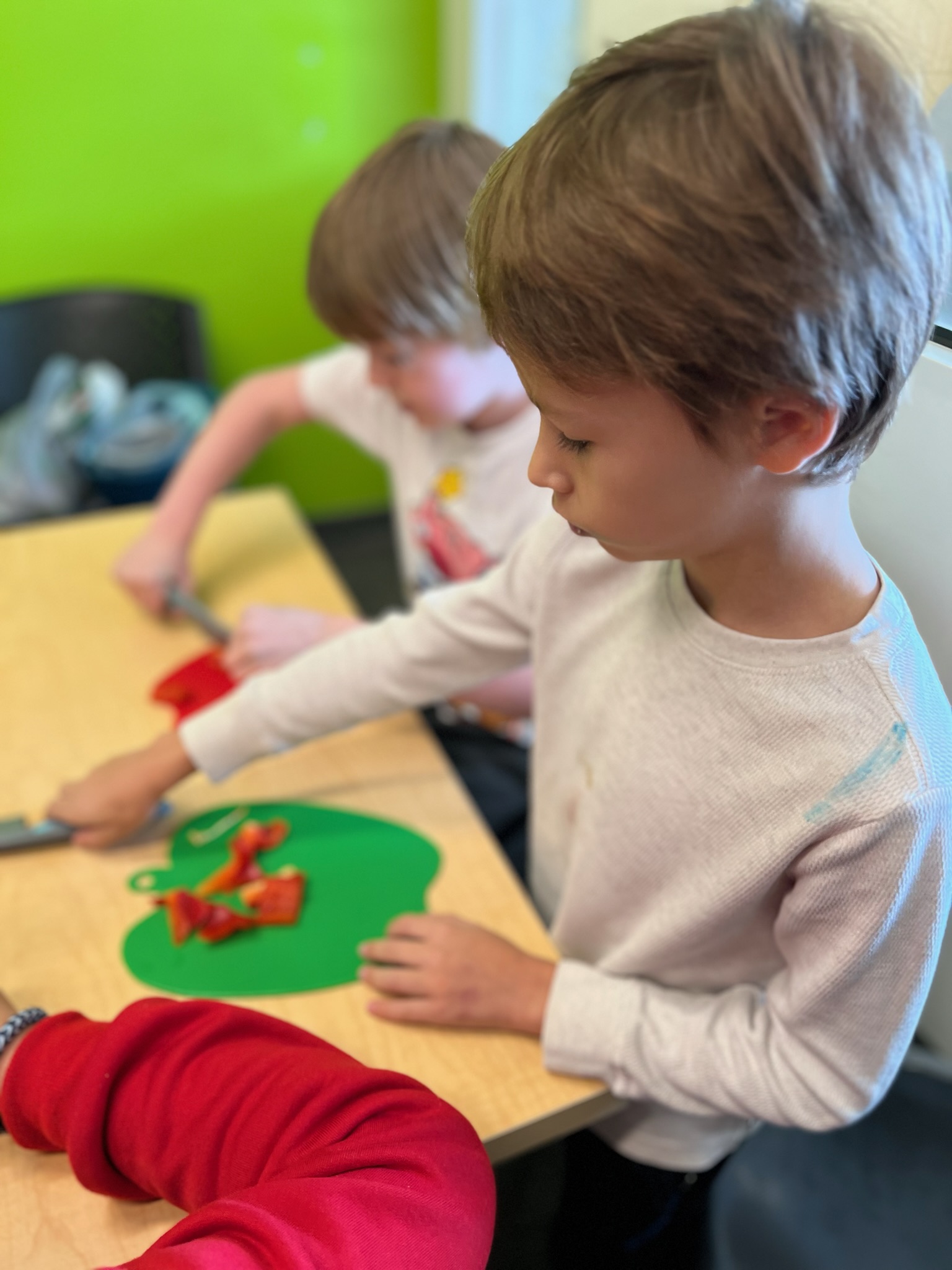
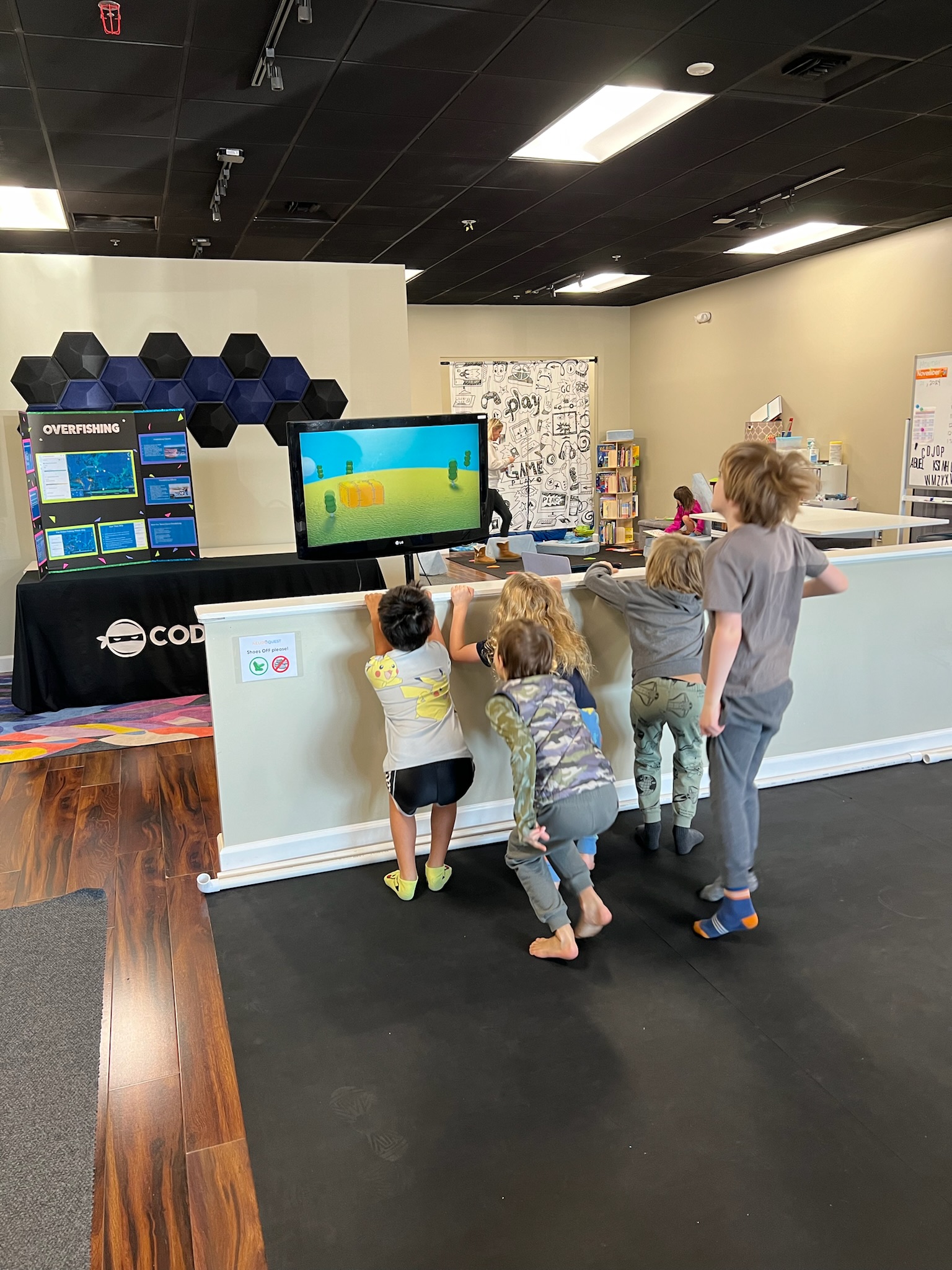
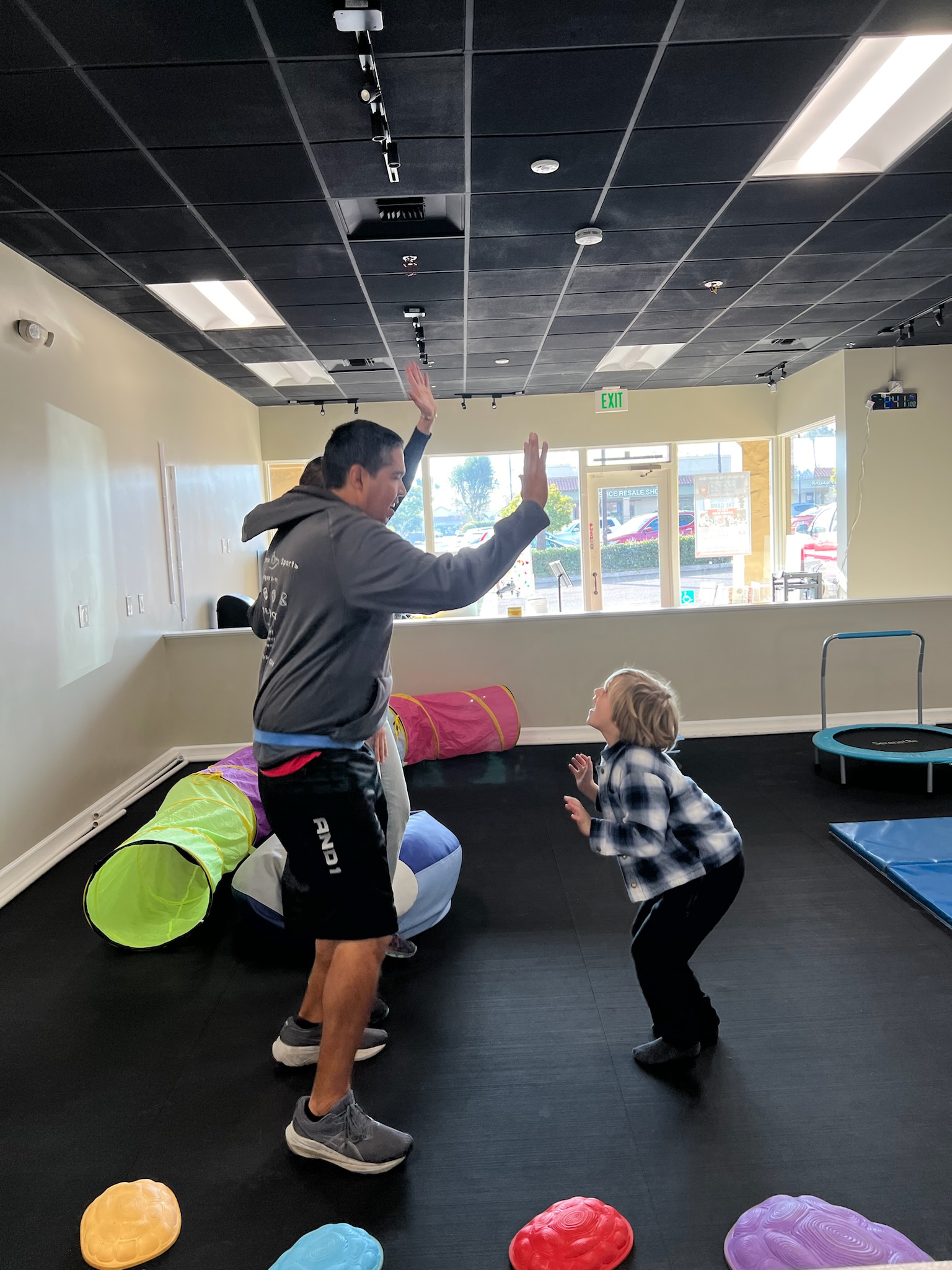
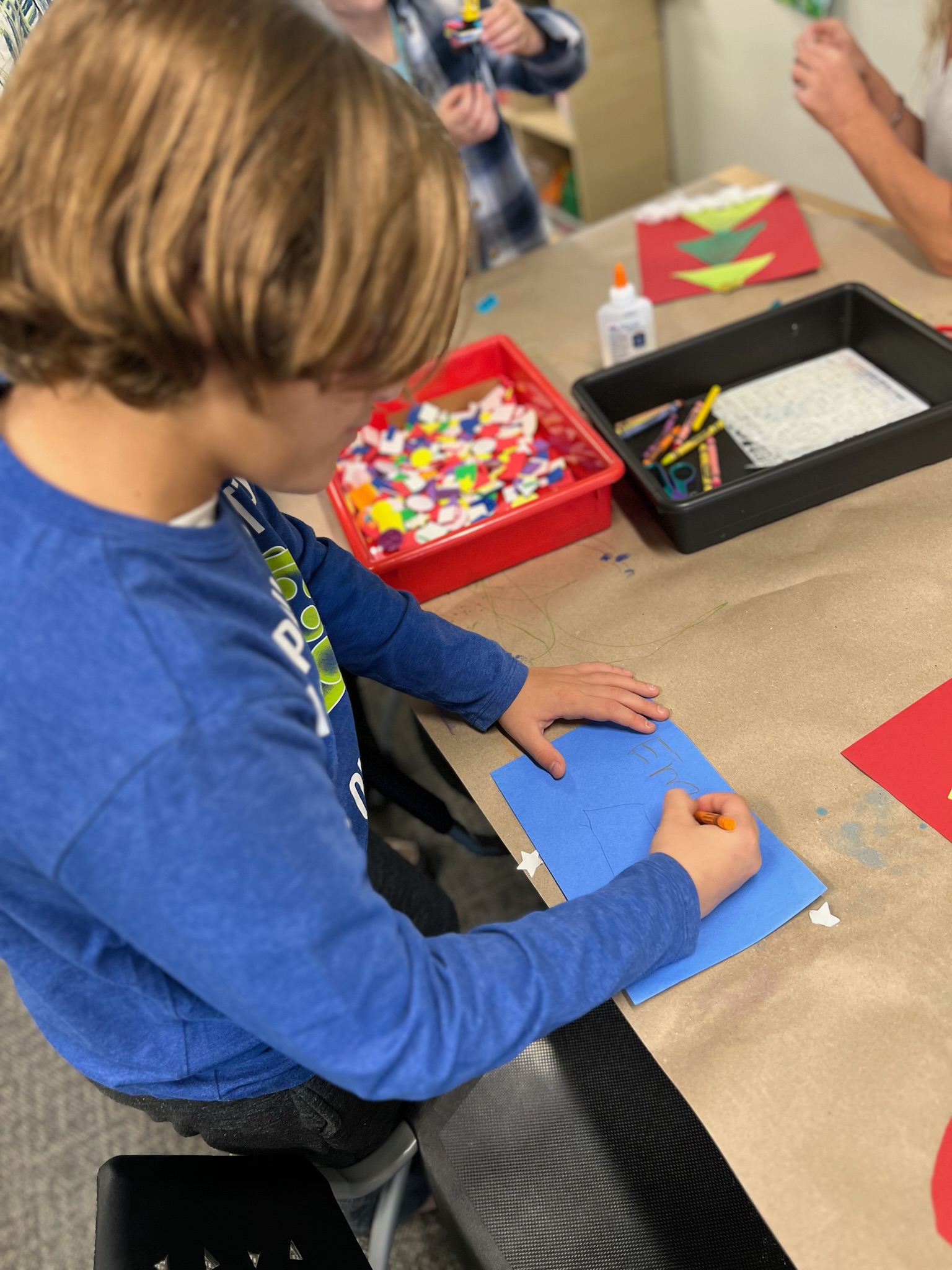
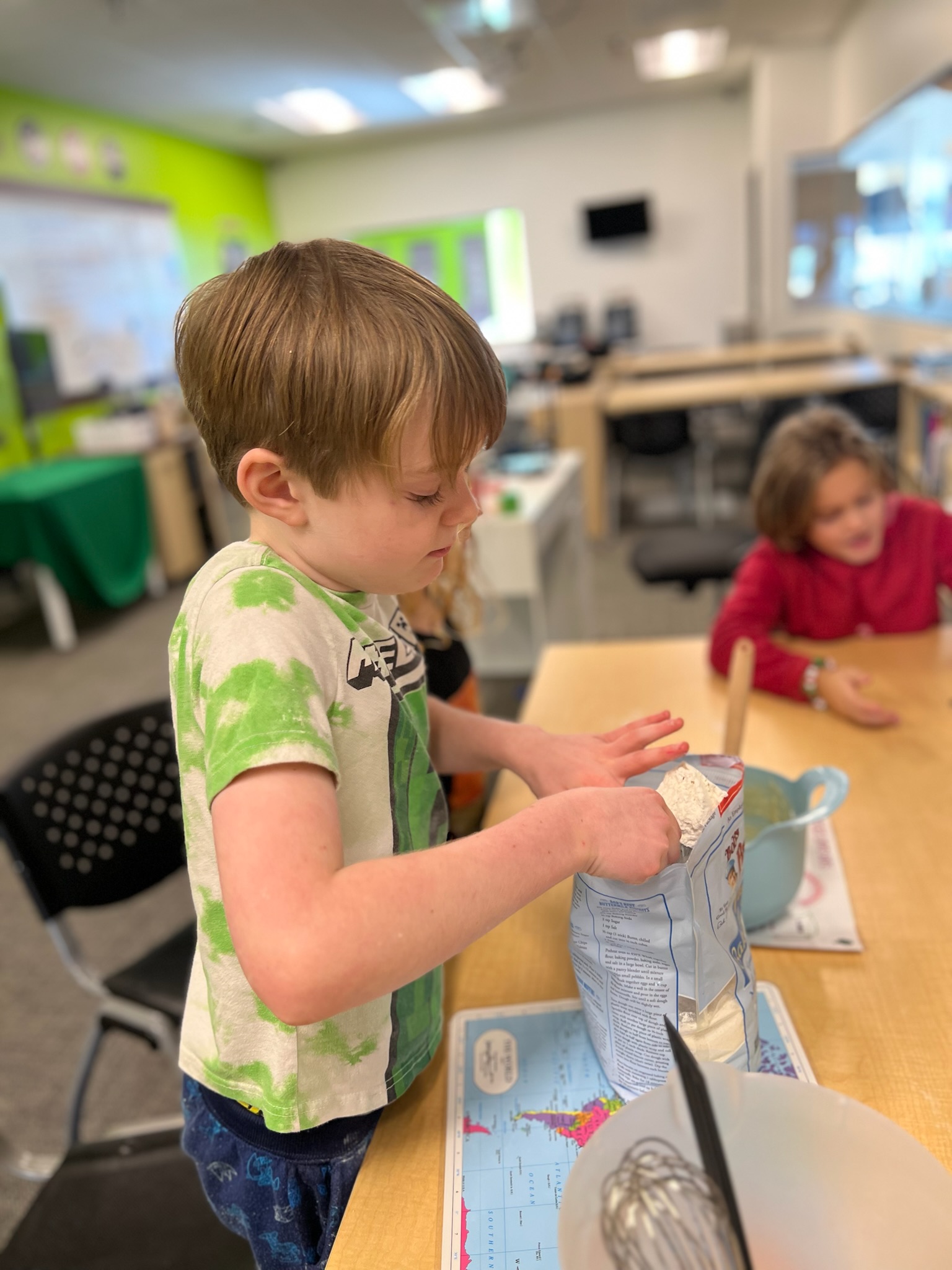
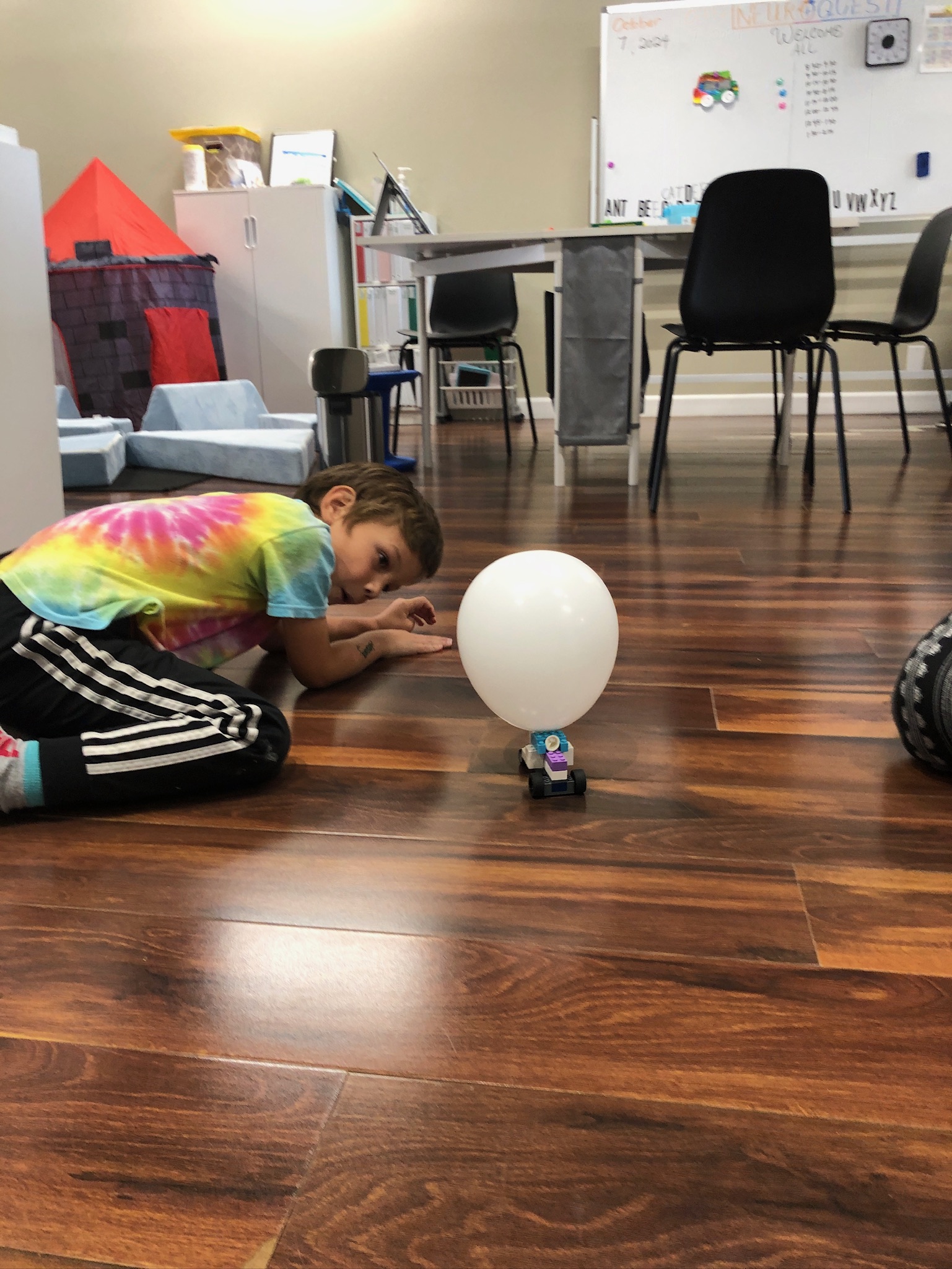
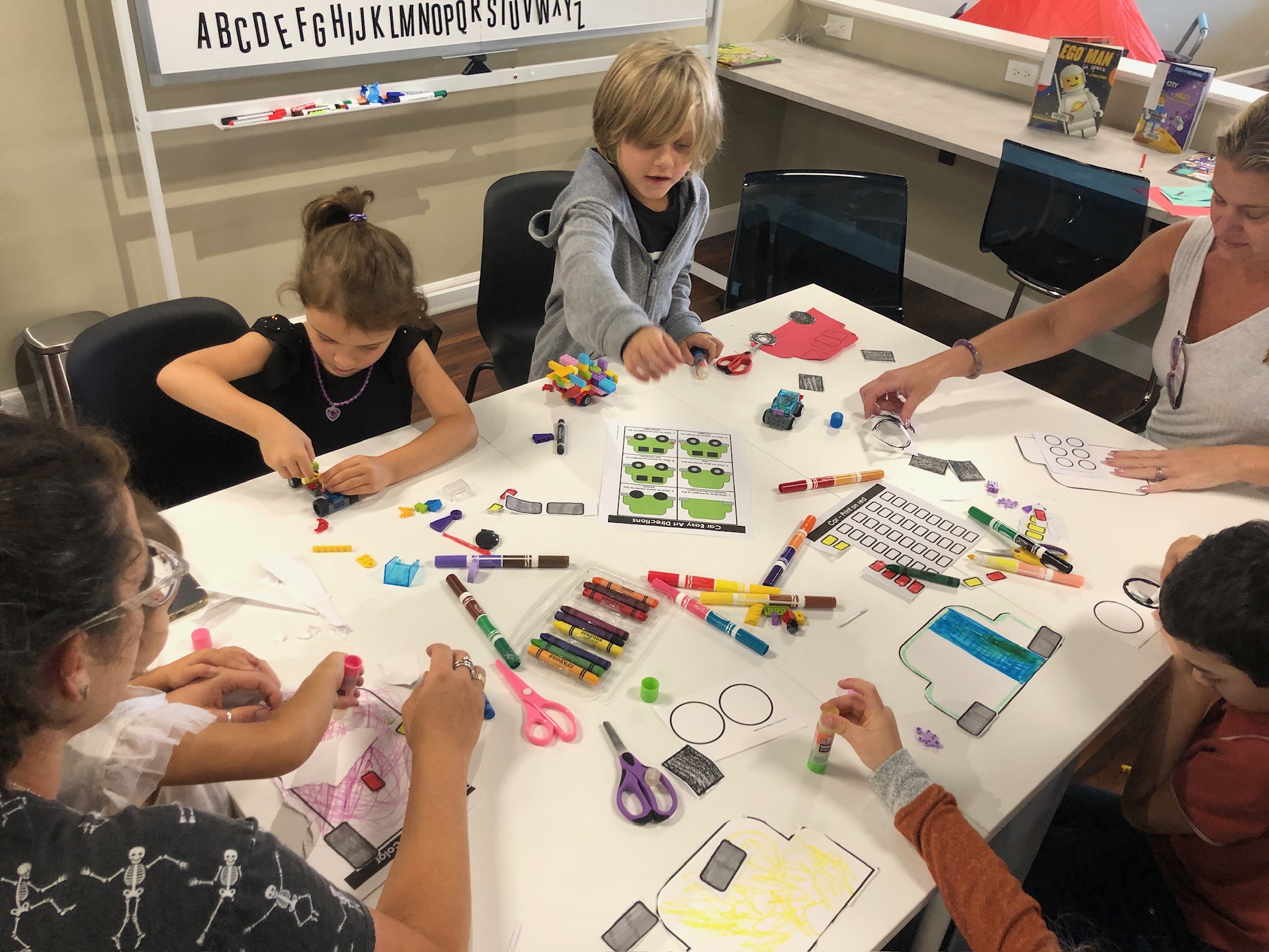
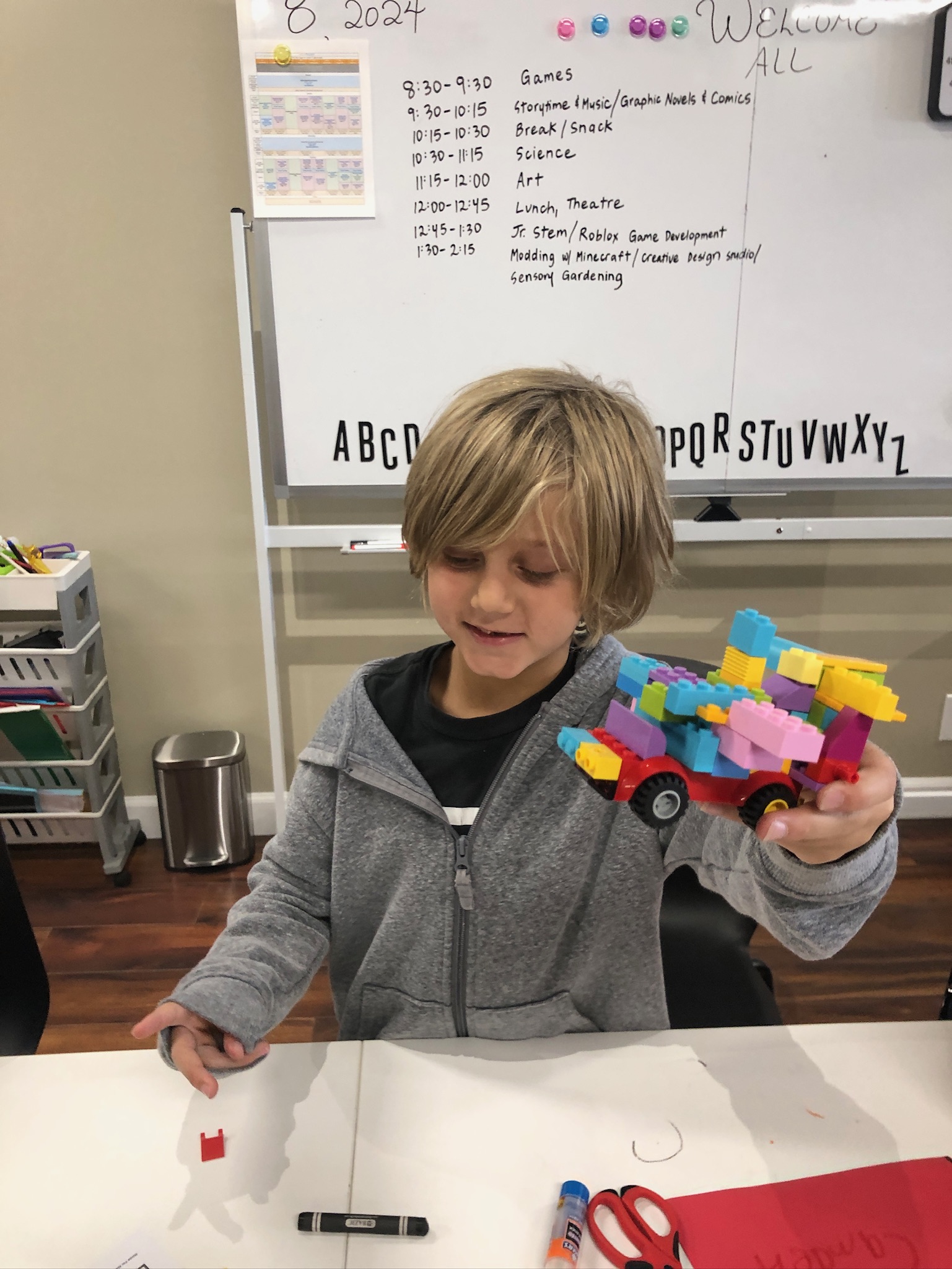
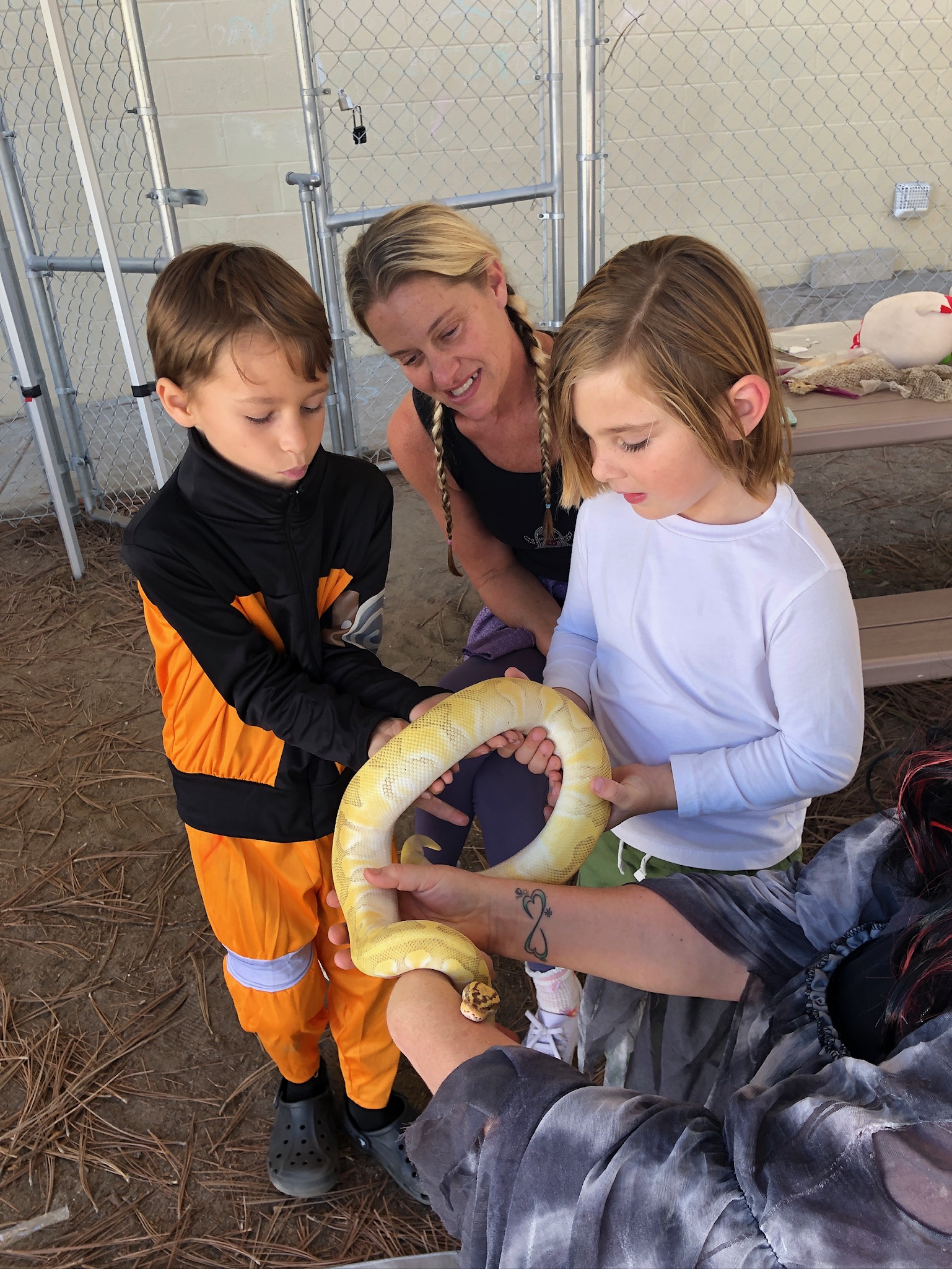
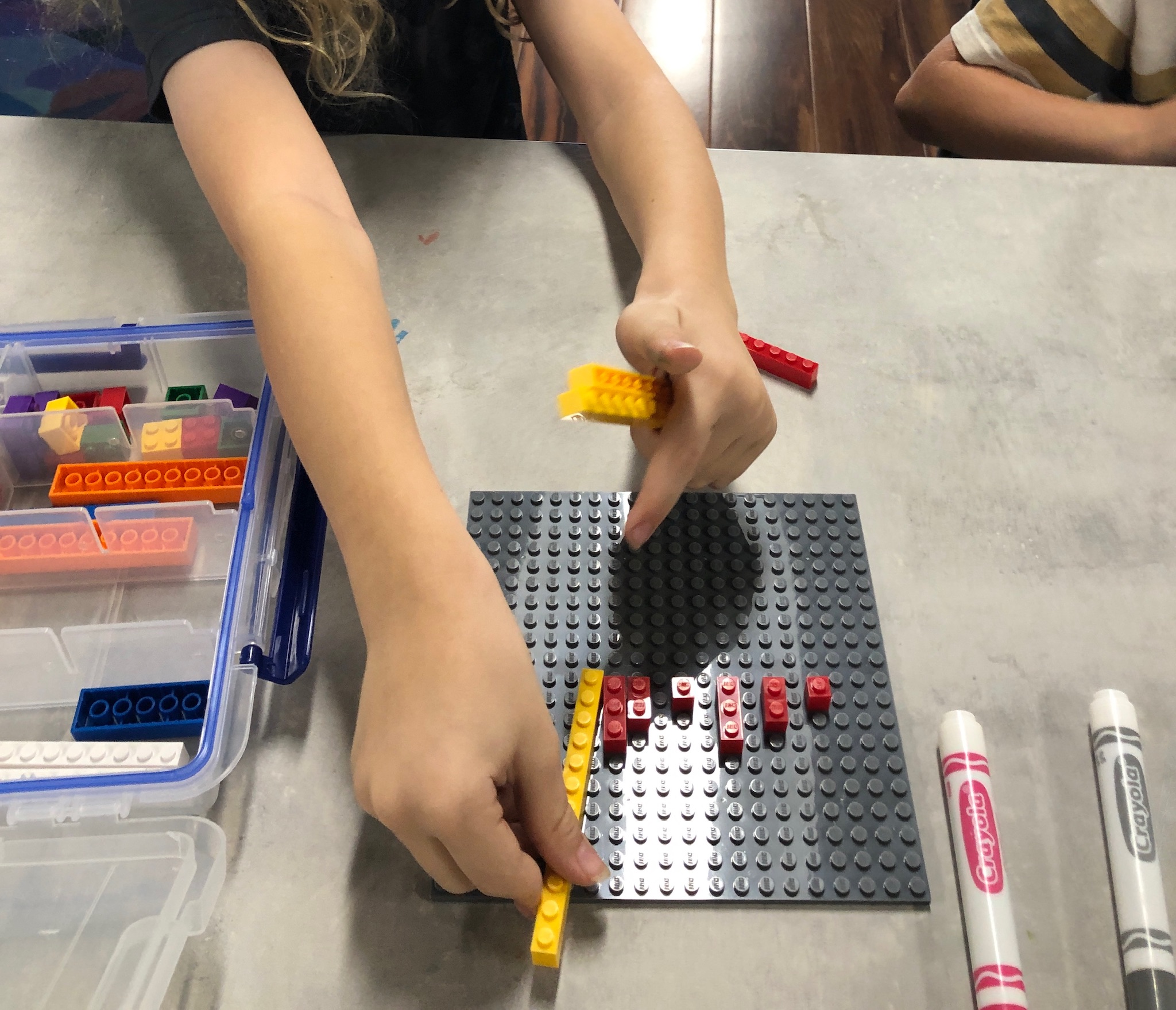
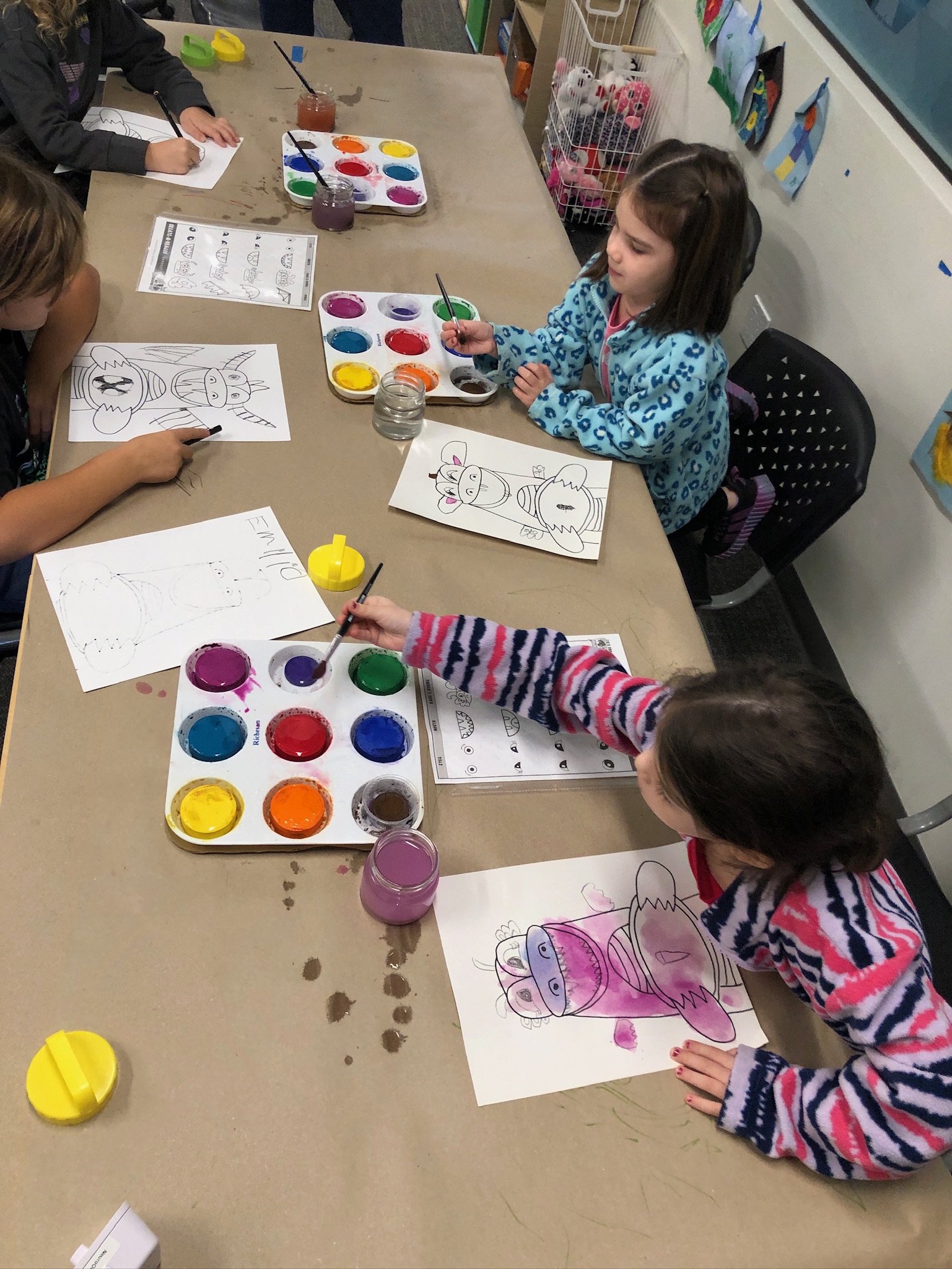
Image Credits
I have permissions (photo consent releases) for all of the kids/people in these photos.