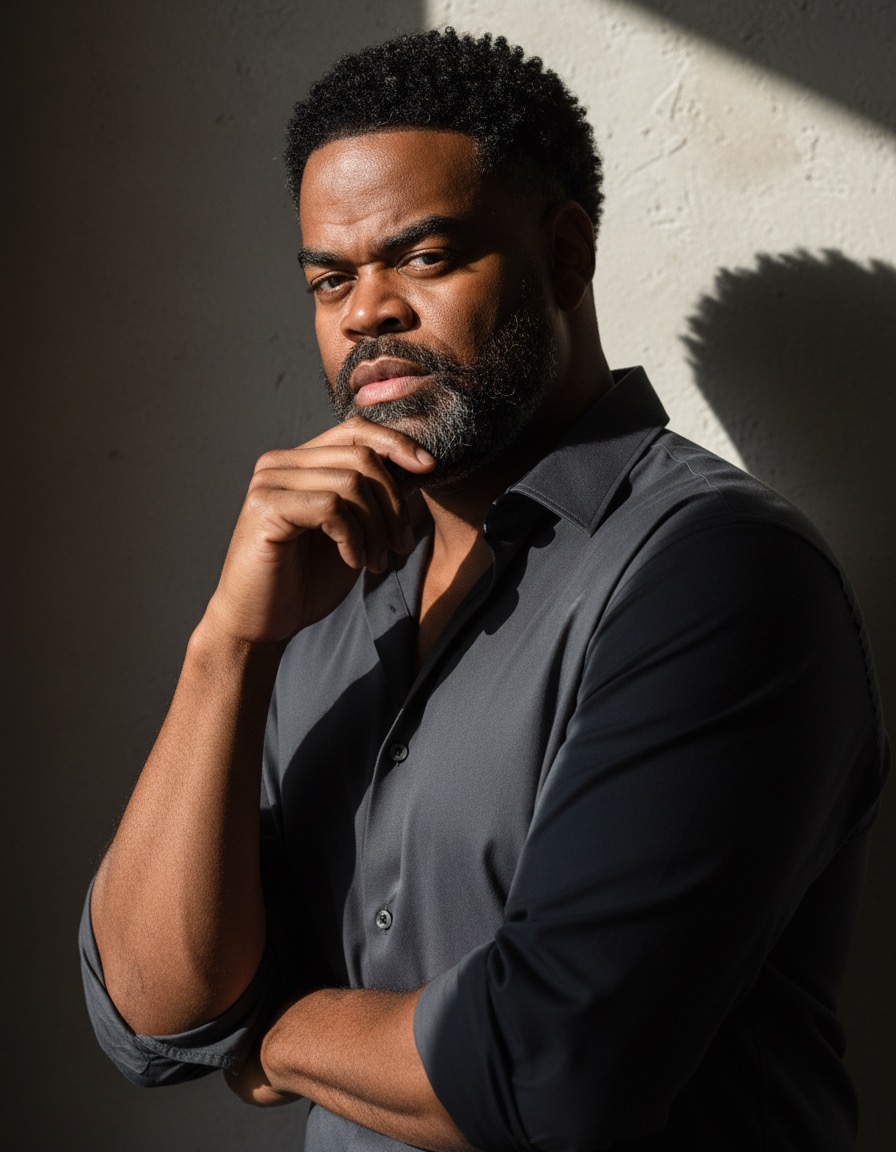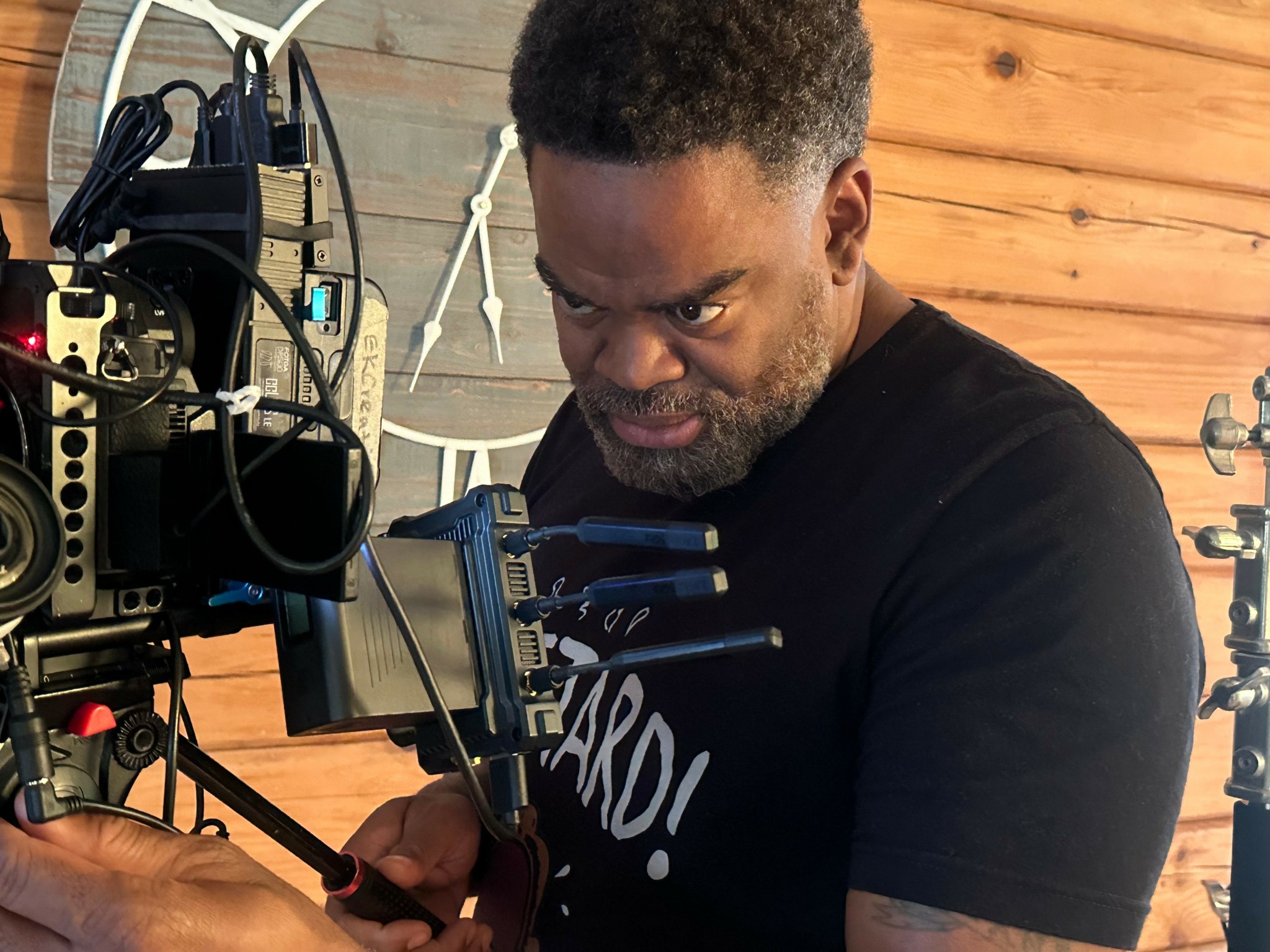

We were lucky to catch up with Brian Jervay recently and have shared our conversation below.
Hi Brian , thanks for joining us today. Can you open up about a risk you’ve taken – what it was like taking that risk, why you took the risk and how it turned out?
One of the biggest risks I’ve taken was deciding to invest my own money into starting my production company and producing my own films.
At the time, I had stability. I had a steady career, a family depending on me, and a predictable path forward. From the outside, it probably didn’t make sense to disrupt that. But internally, I knew I was sitting on something I hadn’t fully committed to yet. I had spent years developing my skills in filmmaking, but I hadn’t truly bet on myself.
The turning point came when I realized that the real risk wasn’t financial—it was the possibility of never trying. The idea of looking back years from now and wondering “what if I had gone all in?” bothered me more than the fear of failure.
So I made a deliberate decision. I used my own resources to launch my production company and produce a feature film. It wasn’t reckless—I planned carefully, managed my time around my responsibilities, and made sure I wasn’t putting my family in a vulnerable position. But it was still a leap. There were long days, financial pressure, and plenty of moments where things could have gone sideways.
Even now, it’s a struggle. There are still challenges I’m working through every day. But it’s a struggle I’m willing to carry, because the alternative—never knowing what could have been—is far more unsettling to me.
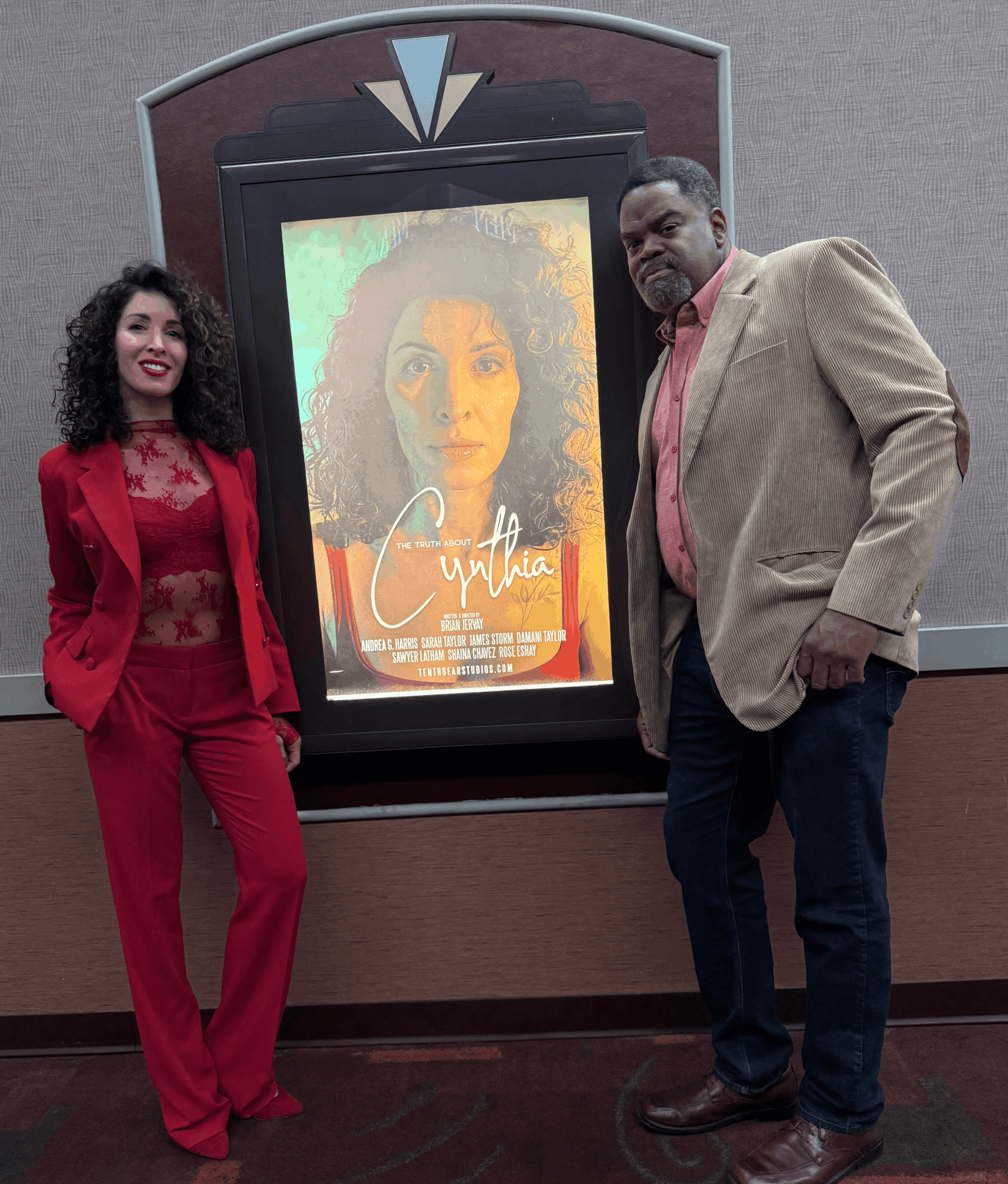
In the end, it paid off. The film was completed, premiered in theaters, and went on to win multiple awards on the festival circuit. More importantly, it validated that I could take an idea from concept to completion at a high level. It also opened doors—professionally and creatively—that wouldn’t have existed if I had stayed in a safe lane.
What I took from that experience is that risk, when it’s intentional and backed by preparation, isn’t something to avoid—it’s something to respect and step into. Because on the other side of it is growth, clarity, and sometimes opportunities you simply can’t access any other way.
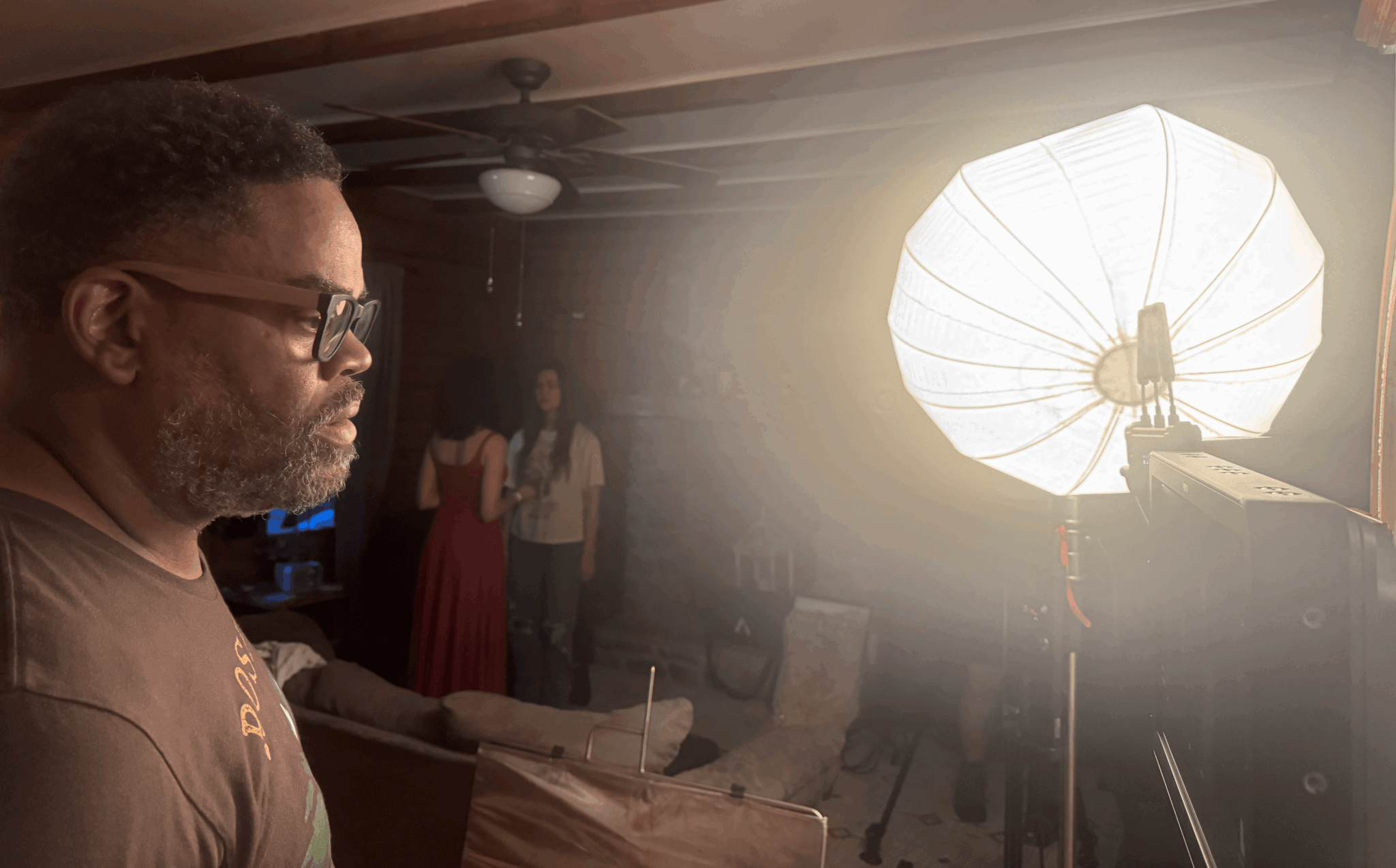
As always, we appreciate you sharing your insights and we’ve got a few more questions for you, but before we get to all of that can you take a minute to introduce yourself and give our readers some of your background and context?
I’ve always been drawn to storytelling. Even before I ever touched a camera, my cousin Michael Jordan—no, not *that* Michael Jordan—and I used to sit around as kids, four or five years old, and just say, “let’s tell stories,” then make them up on the spot. Looking back, that was the beginning of everything for me.
As I got older, that evolved into creating karate “movies” with my friends. We didn’t even have a camera at the time, so they were really more like staged performances, but the intent was always there.
My first time actually using a film camera was at 17 when I started at Columbia College. Going in, I thought I was joining an acting class—it was called *Acting and Film Techniques*. I didn’t really know what filmmakers did at the time. I just knew I loved movies, and from my perspective, actors were the ones doing all the cool stuff.
But once I started working, something shifted. I realized pretty quickly that I was more drawn to what was happening behind the camera—the storytelling, the structure, the control of the narrative. That’s where I felt most connected to the work.
At the time, filmmaking itself still felt distant. Editing wasn’t done on software—it was done on an editing block, with white gloves and razor blades. That process taught me patience, precision, and respect for the craft in a way that’s hard to replicate today. There were no smartphones and very few clear paths into the business, especially for someone coming from where I did.
To a lot of people around me, what I wanted didn’t feel realistic. I dealt with criticism, doubt, and people questioning whether this was even possible. That got to me at times, but it never fully put the fire out.
At the same time, I had to be practical. I served 20 years in the United States Navy, built a career, and took care of my family. Being a “starving artist” was never an option for me. But even during that time, I never let go of filmmaking. I continued writing, shooting, and developing projects whenever I could. It wasn’t a straight line—it was something I had to build alongside real-life responsibilities.
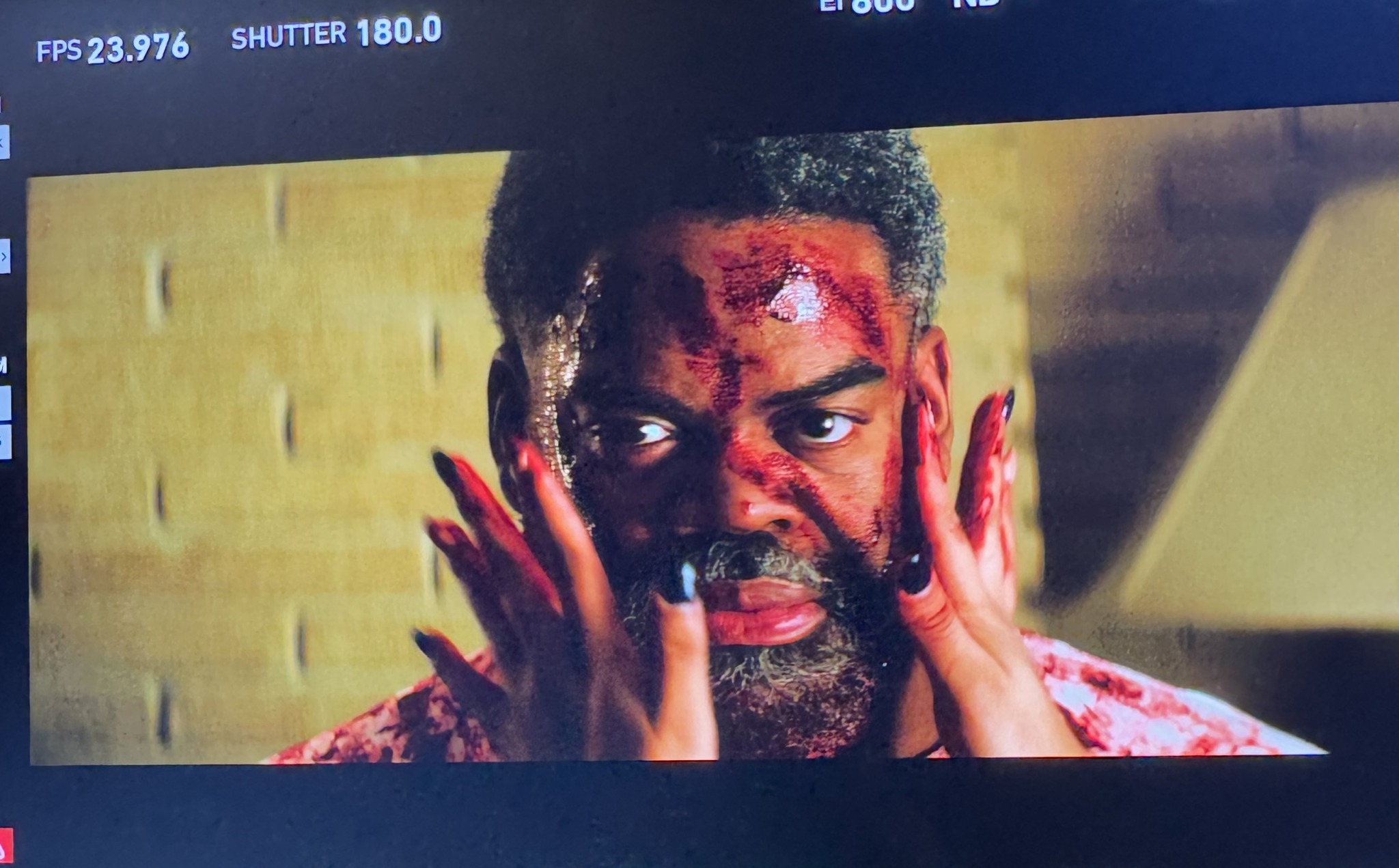
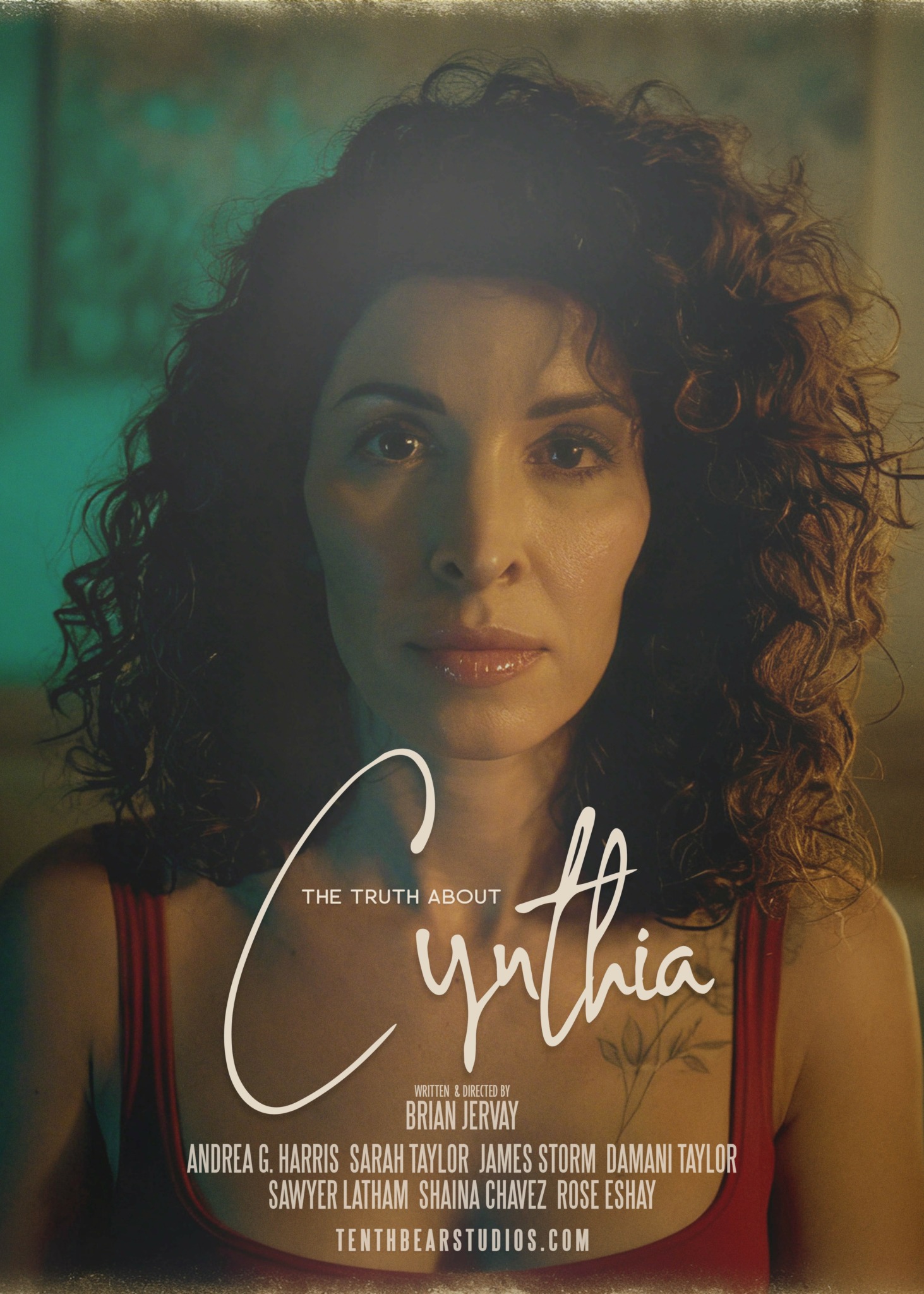
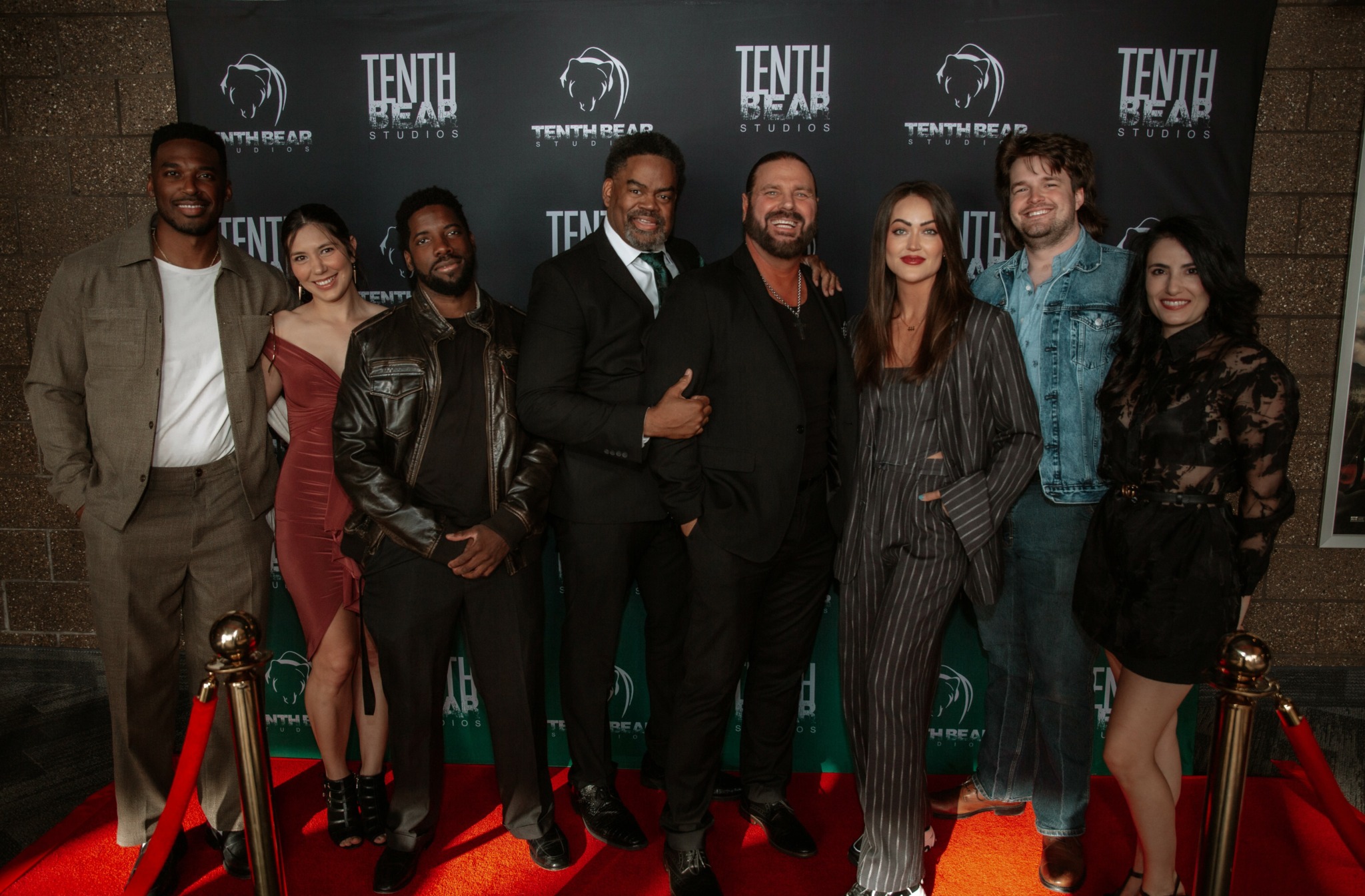
Eventually, I made the decision to stop waiting for permission and fully invest in myself. I founded Tenth Bear Studios and began producing my own films, including my latest feature, a psychological thriller, *The Truth About Cynthia*, which has gone on to win multiple awards on the festival circuit. That project represents more than just a film—it represents years of persistence, growth, and refusing to let go of something that mattered to me.
As a filmmaker, I focus on character-driven, grounded stories that avoid stereotypes and surface-level storytelling. I’m not interested in creating noise—I’m interested in creating work that resonates, that feels authentic, and that connects with a broad audience on a human level. Whether I’m writing, directing, or producing, my goal is always the same: to tell compelling stories with intention and integrity.
What sets me apart is that I’ve built this from the ground up while balancing a career, a family, and real responsibilities. That forces you to be disciplined, resourceful, and decisive. It also gives you perspective—you don’t take opportunities lightly.
What I’m most proud of is not just the awards or recognition, but the fact that I followed through. I took an idea, invested in it, and saw it all the way to completion at a high level. That’s something a lot of people start, but very few finish.
For potential collaborators, clients, and audiences, the main thing I want them to know is this: I take the work seriously. I care about the story, the people involved, and the final product. I’m not here to chase trends—I’m here to build something lasting. The brand of Tenth Bear Studios is rooted in that idea: acknowledging fear, but moving forward anyway.
At the end of the day, everything I create comes from that place.
What’s a lesson you had to unlearn and what’s the backstory?
One of the biggest lessons I’ve had to unlearn is the belief that my limits were defined by other people’s fears, doubts, and expectations.
I grew up around a lot of negative energy. There was love, but there was also a constant undercurrent of “you can’t do this,” “that’s impossible,” or “people like us don’t get those opportunities.” As a kid, I was very impressionable, and I was also dealing with things I didn’t fully understand—like watching my father pass away just days after Christmas when I was five years old. Experiences like that shape how you process the world.
For a long time, I lived in a space that I later heard described by John Hope Bryant as “high pride, low self-esteem.” That resonated deeply with me. On the outside, I carried myself like I had something to prove. Internally, I was dealing with fear, insecurity, and a need to protect myself.
I remember being 11 years old and having a teacher who would say things like, “you think you look so good, don’t you?” and compare me negatively to others. The truth is, I didn’t feel that way at all—I was insecure and unsure of myself. But I had already learned that showing vulnerability could make you a target, whether it was in school or in the neighborhood.
So I built a façade. I stopped allowing people to see when I was hurt. I remember a moment when I was younger, crying out of frustration, and a family member pointed it out in a way that stuck with me. From that point on, I made a decision—no one would ever see me like that again. I shut that part of myself down completely. I didn’t cry, even in moments where it would have been natural, even necessary.
Over time, that turned into something else. I leaned into this idea that if people saw me as a problem, I would become one. But the reality was, I wasn’t a troublemaker—I was a troubled kid carrying a lot that I didn’t know how to process. And that stayed with me for years.
What I had to unlearn was all of it—the fear, the negative narratives, the need to prove myself to people who never believed in me in the first place. I had to learn how to acknowledge the hurt instead of hiding it, and how to separate my identity from other people’s opinions.
That process wasn’t easy, and it’s not something that happens overnight. It’s something I still work through at times. But as I’ve let go of those limiting beliefs, I’ve been able to step more fully into who I actually am.
Today, I don’t let fear or negativity control my decisions. I recognize it, but I don’t give it authority.
That’s where my personal motto—and the foundation of my company—comes from: *Go Anyway.*
Scared? Go anyway.
Frustrated? Go anyway.
Feel like it’s impossible or the world is against you? Go anyway.
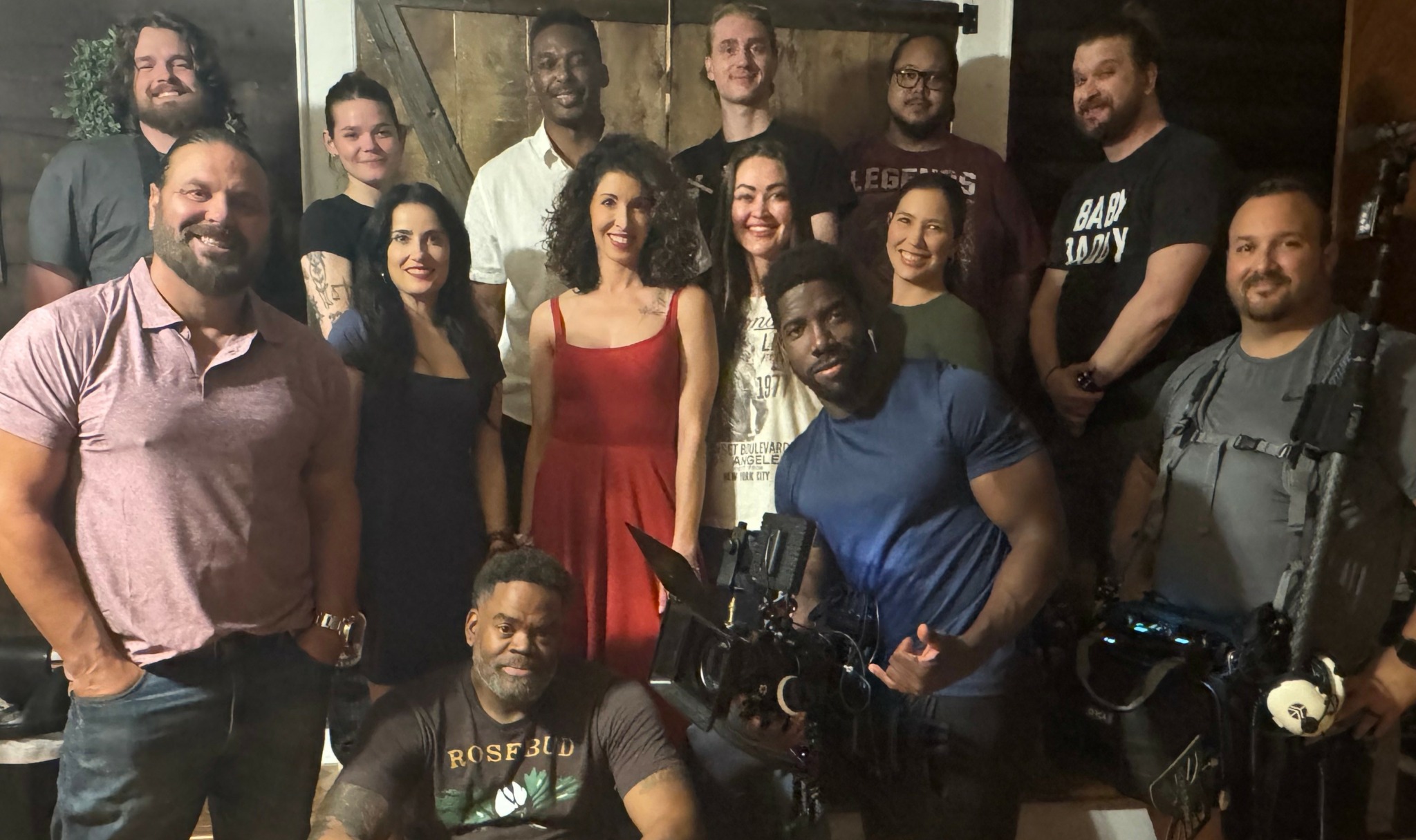
What can society do to ensure an environment that’s helpful to artists and creatives?
I think the first step is recognizing that creativity doesn’t come in one form. There are many different ways people express themselves, and a healthy creative ecosystem should make room for that range—not just what’s familiar or proven.
Right now, a lot of decision-making is driven by risk aversion. You have business-minded systems prioritizing what’s already worked—similar stories, similar casting, similar formulas. I understand the need to make money, but when everything starts to look the same, you limit innovation and you shut out voices that don’t fit that mold.
For me, it’s not about expecting every project to be embraced by everyone. I know the kind of films I make won’t be for every audience. But there should at least be space for creators to find their audience. That only happens when gatekeepers are willing to give something new a real opportunity instead of filtering it out before it even has a chance to connect.
I’ve had conversations with industry professionals who’ve said audiences “won’t accept” certain types of characters or stories. My response is always the same: how do we know that if we’re not willing to put those stories in front of people and let them decide? Audiences can’t respond to what they’re never given access to.
I also think the creative community itself plays a role. Artists supporting other artists matters. Showing up, engaging with work that may not be your usual preference, and staying open to different perspectives—that’s how culture grows.
And when it comes to platforms like film festivals, there’s an opportunity to be more intentional about what “independent” really means. If larger projects with major backing are included under that label, there should also be clearly defined space—like micro-budget categories—so emerging filmmakers have a genuine chance to be seen.
At the end of the day, supporting artists comes down to one simple idea: give them a chance. Be open to something different. Not everything will resonate, and that’s fine—but without that openness, you limit what creativity can become.
If we want a thriving creative ecosystem, we have to make room for discovery—not just repetition.
Contact Info:
- Website: https://www.tenthbearstudios.com
- Instagram: @b_jervay