
We’re excited to introduce you to the always interesting and insightful Brian Isom. We hope you’ll enjoy our conversation with Brian below.
Brian, thanks for joining us, excited to have you contributing your stories and insights. How did you learn to do what you do? Knowing what you know now, what could you have done to speed up your learning process? What skills do you think were most essential? What obstacles stood in the way of learning more?
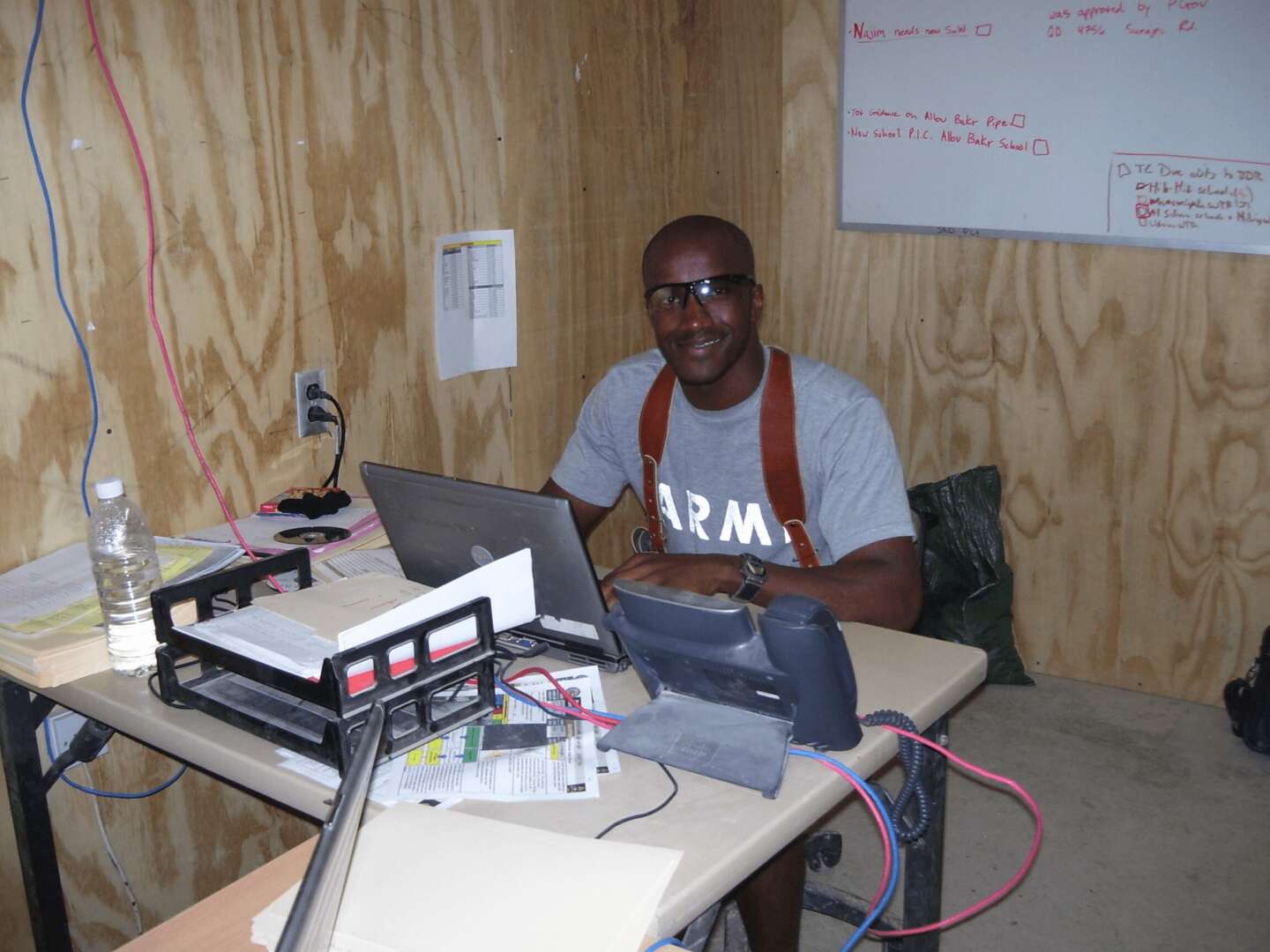
When I returned home from Iraq in 2010 after having a near-death experience in the military, I realized that it was time to follow my passion. Following that moment, I said to myself, “If I survive Iraq, I am going to move to Hollywood.” I took it upon myself to fly out to Los Angeles on a two-week leave and started searching for film schools. I went to an orientation at Columbia College Hollywood and I was hooked. It just felt right.
From that point on, I just soaked up the knowledge. I believed in myself and I was happy the whole time I was there. At the same time I was learning about cinematography, production and post-production, I was also getting on-the-job training as a camera operator on sitcoms. It was a gift.
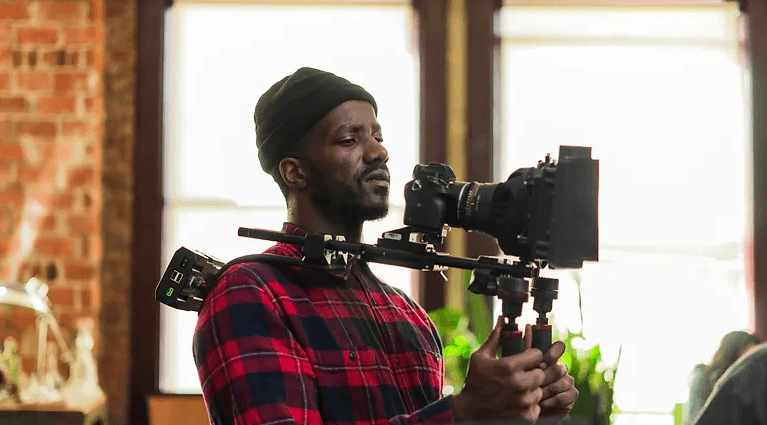
Many have asked me what it takes to be a successful cinematographer. You have to get to know yourself. You have to be willing to stick with it and always be learning. For instance, I’ll walk in buildings and take pictures and recreate that lighting. The essential tools of being a cinematographer also means understanding the physical, mental and spiritual aspects of who you are. A person doesn’t have to do this, but this would be a great benefit to them. You must also understand light in its fundamental way and how it works. You must also understand directing and storytelling, from the beginning, middle and the end, and what aspects of filmmaking do you want to focus on.
Awesome – so before we get into the rest of our questions, can you briefly introduce yourself to our readers.
I always knew as a kid that I wanted to work in the entertainment industry. My older brother and I used to watch “The Beverly Hillbillies” on TV, and there was something about watching a family that was from the country go to Hollywood. Living in Alabama, I didn’t know what Hollywood was, but it sounded like a great place to go.
In the back of my mind, I always knew I was going to move to Los Angeles, but I didn’t know how because I was so young. As fate would have it, a gentleman walked into the fast food restaurant where I was working and we struck up a conversation. I learned he was a cameraman who had worked on several different TV shows and movies in Hollywood. I expressed my desire to work in the industry and he offered me a job right on the spot to work at the 2006 Grammy Awards to shoot interviews. It was a fun feeling to be in that type of environment. So, little by little, these little small nuggets of experience gave me hope in my small town in Alabama that I could actually move out to Los Angeles and pursue my dream.
In terms of my brand, there’s a fine balance between staying within the lines and going completely outside of them. Sometimes I break the rules. My brand is unique because I include the spiritual aspect of my mind into everything that I do. Before my journey as a cinematographer began, I remember the first time falling in love with natural light. At around seven or eight years old, a ray of light hit my bedroom window one morning. I was so fascinated. It looked like a beautifully lit film scene. This fascination with light solidified my dream to become a filmmaker. When it comes to filmmaking, everything that I do involves light, and in the spiritual realm, we deal with the dark and the light. For me, it’s all about balance and bringing that to all that I do.
Is there mission driving your creative journey?
The mission that’s driving me is the desire to create and to create balance in everything that I do. When I’m incorporating balance, I’m incorporating order. The creative ideas come in abundance when I operate this way. I also understand that the God-mind that I operate in is a creator and it wants to create all the time – big projects, small projects, whatever I feel inspired to do.

Have you ever had to pivot?
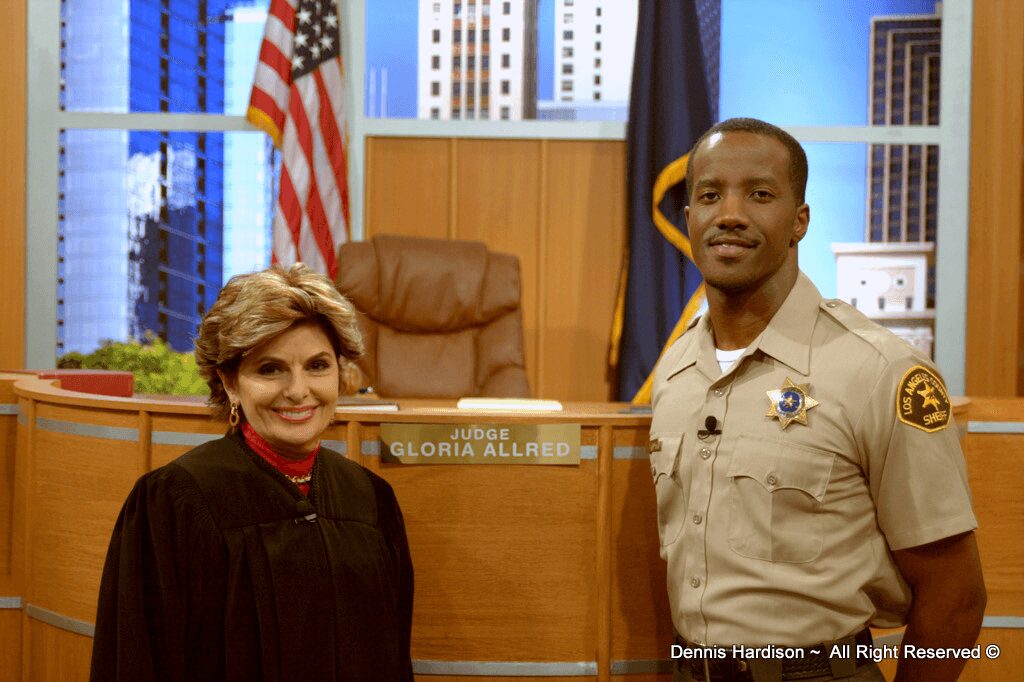
A particular time when I needed to pivot was when I was laid off from work. I was working as a stage manager on a court show. At the time, I didn’t know what I was going to do. I said I’m going to file for unemployment and take this time to think. Pivoting from that obstacle of being laid off for the first time after being overwhelmed with all these opportunities and work. So, now I had to figure out what it was that I really needed to do. For me, self-development came in that time period of my time off from the physical aspect. So, from the physical aspect I stopped working but the mental and spiritual aspect kicked in and I started to do a lot of work on myself. This allowed me to bring balance and peace myself.
Contact Info:
- Website: https://www.brianisomconsulting.com/
- Instagram: https://www.instagram.com/blakbuddha9/
- Other: https://www.january14thmovie.com/