

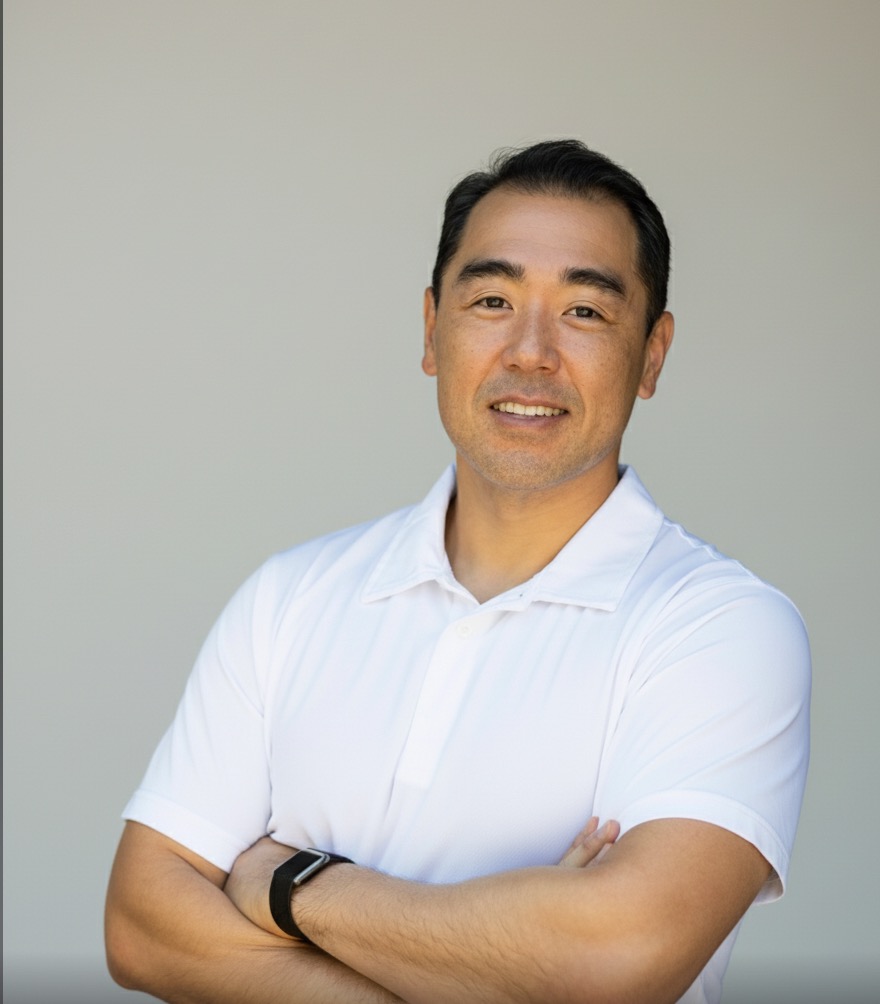

Alright – so today we’ve got the honor of introducing you to Brian Hong. We think you’ll enjoy our conversation, we’ve shared it below.
Brian, thanks for joining us, excited to have you contributing your stories and insights. We’d love to have you retell us the story behind how you came up with the idea for your business, I think our audience would really enjoy hearing the backstory.
Back in 2000, the internet was just beginning, and I saw a huge change coming. Advertising back then relied on the Yellow Pages, print media, TV, radio, and billboards. Each had big limitations. The Yellow Pages needed people to flip through a book. TV and radio reached broad audiences but often missed the right people. Print media worked locally but couldn’t adapt quickly. Billboards were static, offering only a quick glance without much detail.
Then came the internet, especially search engines, which changed everything. Unlike traditional ads, search engines let businesses reach people exactly when they were looking for something. Ads could match specific keywords, ensuring the right message reached the right audience at the perfect moment. Plus, businesses could now connect with people worldwide, something traditional methods couldn’t achieve.
Another big advantage was tracking performance. Traditional ads gave little data—businesses had to guess if they worked. Search engines provided real-time data like clicks, impressions, and conversions. This made it easy to adjust campaigns and get the best results. Online advertising was also affordable, with pay-per-click options, making it accessible to businesses of all sizes.
The internet also allowed two-way communication. Traditional ads were one-sided, but online platforms let businesses interact directly with their audience, answer questions, and build trust. This personal connection created loyalty in ways old methods couldn’t.
In the end, the internet and search engines didn’t just compete with traditional media—they completely changed advertising. They offered a faster, smarter, and more personal way to connect, making them far better than the old one-size-fits-all approach.
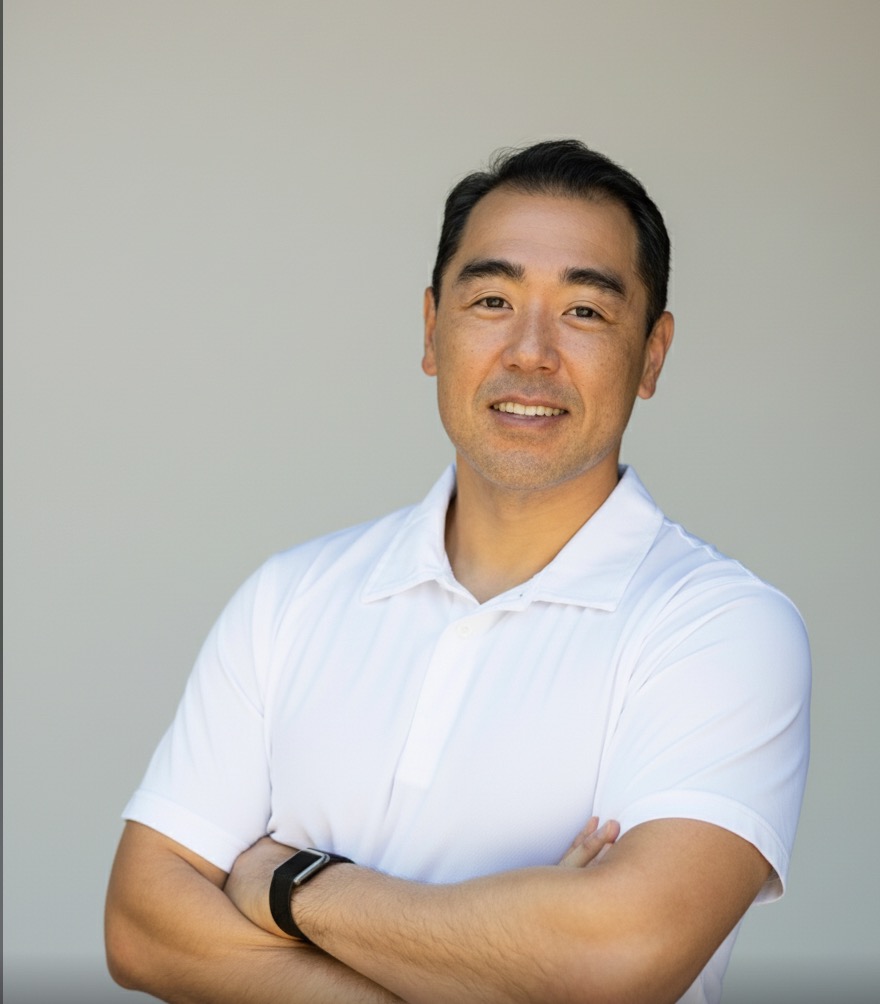
Great, appreciate you sharing that with us. Before we ask you to share more of your insights, can you take a moment to introduce yourself and how you got to where you are today to our readers.
Here’s your comprehensive, copy-and-paste blurb. It includes every detail you shared, written to be ultra easy to read and understand.
In 2000, I got into affiliate marketing. I was living at home with my parents. I had bought a 2001 Volkswagen Jetta Wolfsburg I couldn’t afford. College didn’t motivate me—I kept changing majors and couldn’t find passion in any of them. I was already over $100,000 in debt from credit cards and college loans. I felt stuck and needed a way out.
I Googled “how to make money online.” A friend told me he was making money with SEO. So I made Google my school. I read forums. I searched every question. I practiced daily. I decided to go all in and attended Search Engine Strategies in New York, a conference run by Jupiter Events.
I didn’t have the money. I had a Discover card with a $15,000 limit—based on income I overstated. I charged the entire trip and ticket. My goal was simple: be a sponge, learn everything, then take action.
I came home and applied what I learned in affiliate marketing. It worked. I did extremely well. I realized that if I was earning this much, others were earning more—because they owned the product and the affiliate force.
That’s how OptimumHoodia.com was born. I had struggled with my weight and was on my own weight‑loss journey. I created a diet pill I believed in and built an affiliate program around it. That decision changed my path and set the foundation for my agency.
In 2008, I founded the agency I run today: Infintech Designs. We’ve evolved through every shift in search, ads, and platforms—constantly learning, testing, and building.
Today, Infintech Designs is a full‑stack digital marketing agency. We specialize in SEO, web design, Google Ads, Facebook Ads, and AI automation. In short: lead generation plus conversion. We’ve built over 4,000 websites. We help clients introduce their brand, product, or service to the right audiences. Because we use granular tracking and multi‑touch attribution, we can prove what works, do more of it, and cut what doesn’t. The “sexy” part of digital marketing isn’t the ad—it’s attribution and segmentation.
What sets us apart is full‑funnel execution and automation. We activate the top, middle, and bottom of the funnel, then pair it with AI so:
More strangers become leads
More leads become appointments
More appointments become sales
All without adding headcount
Custom AI agents we build can:
Handle inbound and outbound calls
Send and receive SMS and email
Manage Facebook and Instagram Messenger
Book and rebook appointments, reschedule, send reminders and prep instructions
Get contracts signed and collect payments
Automate any repeatable job a human does on a keyboard or phone
Keep your CRM clean with updates, notes, tasks, and pipeline hygiene
Use cases:
Local service: Missed call → instant SMS from AI → qualifies with 3 questions → books next open slot → pushes to calendar → sends prep and address.
Multi‑location clinic: AI monitors new leads across 20+ locations → calls in 30 seconds → verifies insurance → books nearest clinic → sends forms to e‑sign.
High‑ticket B2B: AI warms cold traffic with a 5‑step email/SMS sequence → routes hot replies to a human closer → sends DocuSign and invoice after verbal “yes.”
E‑commerce + services: Abandoned quote/cart → AI sends tailored reminder with FAQs and social proof → offers time‑limited incentive → completes checkout or booking.
Reputation ops: After visit, AI requests a Google review → detects negative sentiment → opens a ticket and alerts a manager → starts service recovery flow.
We also run Big Easy Data to make marketing intentional. We can de‑anonymize traffic and identify up to 200 privacy‑conscious data points about a website visitor—even before a form fill. We track interest and behaviors across the USA to find category intent, recency, frequency, and buying signals. This intelligence powers:
Top of funnel: Build intent‑based audiences and lookalikes using real behavior.
Middle of funnel: Suppress low‑intent, prioritize high‑intent, and adapt messaging.
Bottom of funnel: Trigger AI outreach the moment a prospect hits high‑intent pages (pricing, scheduler, contract) to close the gap and lift conversions.
We feed this data directly into our custom AI agents so interactions feel personal from the first touch—industry, likely pain points, best‑fit service—before a human ever speaks to them. We design these systems to respect applicable privacy laws and user consent where required.
I’m proud that I’ve evolved from 2000 to today—adapting, learning, and building through every shift in SEO, ads, and AI. My current focus is twofold: leverage AI and automation to compound client results, and turn anonymous traffic into intentional, revenue‑driving conversations using better data through Big Easy Data.
I’ve learned that success requires obsession—and I am obsessed. I love this work. Every day is a chance to improve myself, my company, and the careers of the people who rely on this agency.
We’d love to hear a story of resilience from your journey.
During the pandemic, my agency almost went bankrupt. Every client paused their contracts. I promised my staff I’d keep paying them, even as our bank account ran out. It was tough—my first child was on the way, and it felt like everything I’d built was about to collapse.
I started looking for jobs just to make sure I could support my family. But I also made a vow: if I got through this, I’d create a business that would never be so vulnerable again.
Thankfully, I landed several large contracts. That saved us. It made me realize I needed a safer, stronger business model.
That’s when I shifted to trading growth for equity. Instead of just working for fees, I started offering services like lead generation, website development, and brand building in exchange for equity in other companies.
This change let me build my own dream—not just someone else’s. It gave me more security and more ways to grow. It completely changed my business and set me up for long-term success.
Today, I’m partnered with about ten brands using this strategy. It’s similar to what I learned waiting tables: you can create many different dishes using the same ingredients. Now, I use my skills, resources, and team to build multiple streams of revenue.
Besides regular client projects, we do wholesale fulfillment and earn equity in a mix of brands and businesses. This makes our growth much more diversified and stable. By expanding this way, I reach more people, work in more industries, and keep my company strong—no matter what happens out there.
This approach also lets me stop trading hours for dollars and build leverage across different sectors and service types. Today, I’m a partner in construction companies, SaaS, mortgage, dog training, e‑commerce, and more.
This multi-faceted strategy brings stability, sparks fresh ideas, and sets us up for lasting success.
Have you ever had to pivot?
I used to think great marketing was enough. Our team delivered first‑page SEO rankings. We drove leads with Google Ads and Facebook Ads. The phone was ringing.
But many clients weren’t answering calls. They didn’t follow up consistently. Leads sat. Opportunities died. I realized we were filling the top of the funnel, but the back end—answering, qualifying, booking, collecting, and following up—was broken. Our work was creating demand, but humans and manual processes couldn’t keep up.
That’s when I pivoted and built Flowbots.ai.
Flowbots.ai creates custom conversational AI agents that handle the work most teams struggle with:
Appointment setter or front desk: answers calls, qualifies leads, books and rebooks, sends reminders.
Outreach and follow-up: SMS, email, and Messenger replies in real time—no missed leads.
Back-office admin: updates the CRM, adds notes, creates tasks, keeps the pipeline clean.
Payments and contracts: sends invoices, collects deposits, triggers e‑sign, verifies documents.
Field operations: dispatches technicians, builds routes, sends ETAs and prep instructions.
Data and documents: reads bills and forms, extracts key info, analyzes and triggers next steps.
The goal was simple: remove the bottlenecks that humans and manual workflows create. If a task involves a keyboard or a phone, we can automate it or augment it with AI.
This pivot changed everything. We moved from “just marketing” to a complete solution:
Marketing: SEO, Google Ads, Facebook Ads to create demand.
Operations: AI agents to capture, qualify, and convert demand.
Intelligence: custom dashboards for tracking, attribution, and decisions.
The result: clients book more appointments, close more sales, and grow without adding headcount. And we now own the full journey—from first click to closed deal—so our work consistently turns into revenue, not missed calls.
Contact Info:
- Website: https://www.infintechdesigns.com
- Instagram: https://www.instagram.com/brianhongdigital/
- Facebook: https://www.facebook.com/p/Brian-Hong-61573024376712/
- Linkedin: https://www.linkedin.com/in/brianhongnola/
- Youtube: https://www.youtube.com/@infintechdesigns/shorts