

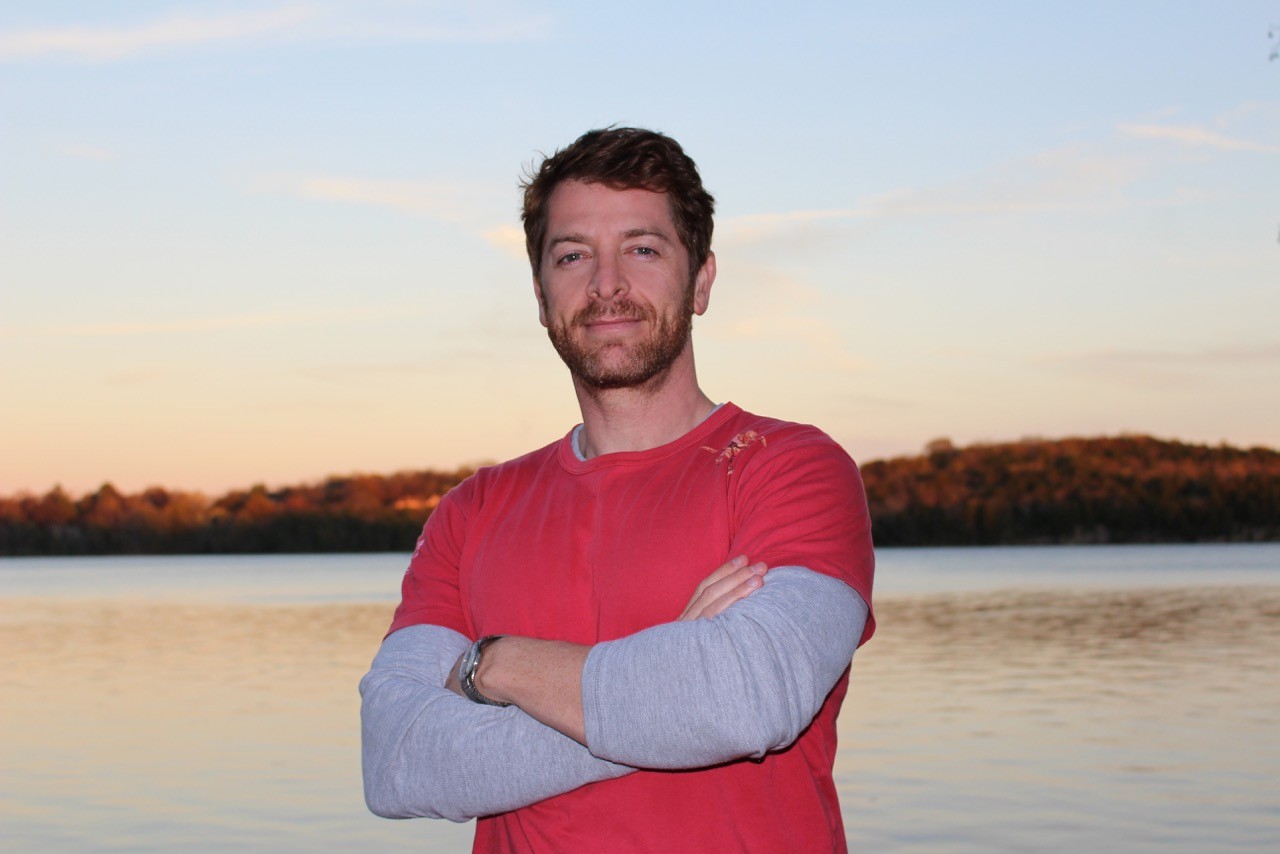

We recently connected with Brian Adler and have shared our conversation below.
Brian, thanks for joining us, excited to have you contributing your stories and insights. Learning the craft is often a unique journey from every creative – we’d love to hear about your journey and if knowing what you know now, you would have done anything differently to speed up the learning process.
My foray early began with a video production and broadcasting class I took in high school. I learned to write, produce, direct and edit short subjects about school and the local community which were then packaged together as a high school TV show and broadcast on a local cable access channel. I learned not only how to interview people – ask open ended questions – and the basic technical aspects of video production.
With this under my belt, I took a summer course on filmmaking at the School of the Art Institute of Chicago. Here, I moved from video to film, learned how to use a light meter and expose film. With knowledge of both formats, I continued taking film classes at the University of Michigan and hustled for summer internships at New Line Cinema’s publicity department in New York and Industrial Light + Magic in Marin County, CA. At the time, filmmaking was still extremely expensive and very difficult to “practice,” so this forced me to spend time learning other facets of the entertainment business – publicity, marketing, finance, distribution – leading to a competitive job in a management training program at Turner Broadcasting in Atlanta as my first job outside of school. It was sort of a master’s degree in the television business – drinking out of a fire hose, not only learning craft but also how to be a professional in the business world and the value of forming relationships and building trust. Between a client I met while working as an intern on a car Commerical in California and a high level executive at Turner who took a liking for me, they actually contributed the services that allowed me to finish my short film I shot my senior year in college but couldn’t afford to finish.
With technology advancing so fast, creative tools became more and more affordable in the ’90s and I had access to the still very expensive professional tools I never imagined previously, so I took advantage of both and ran with it, gaining theoretical experience first and practical hands on experience on the job.
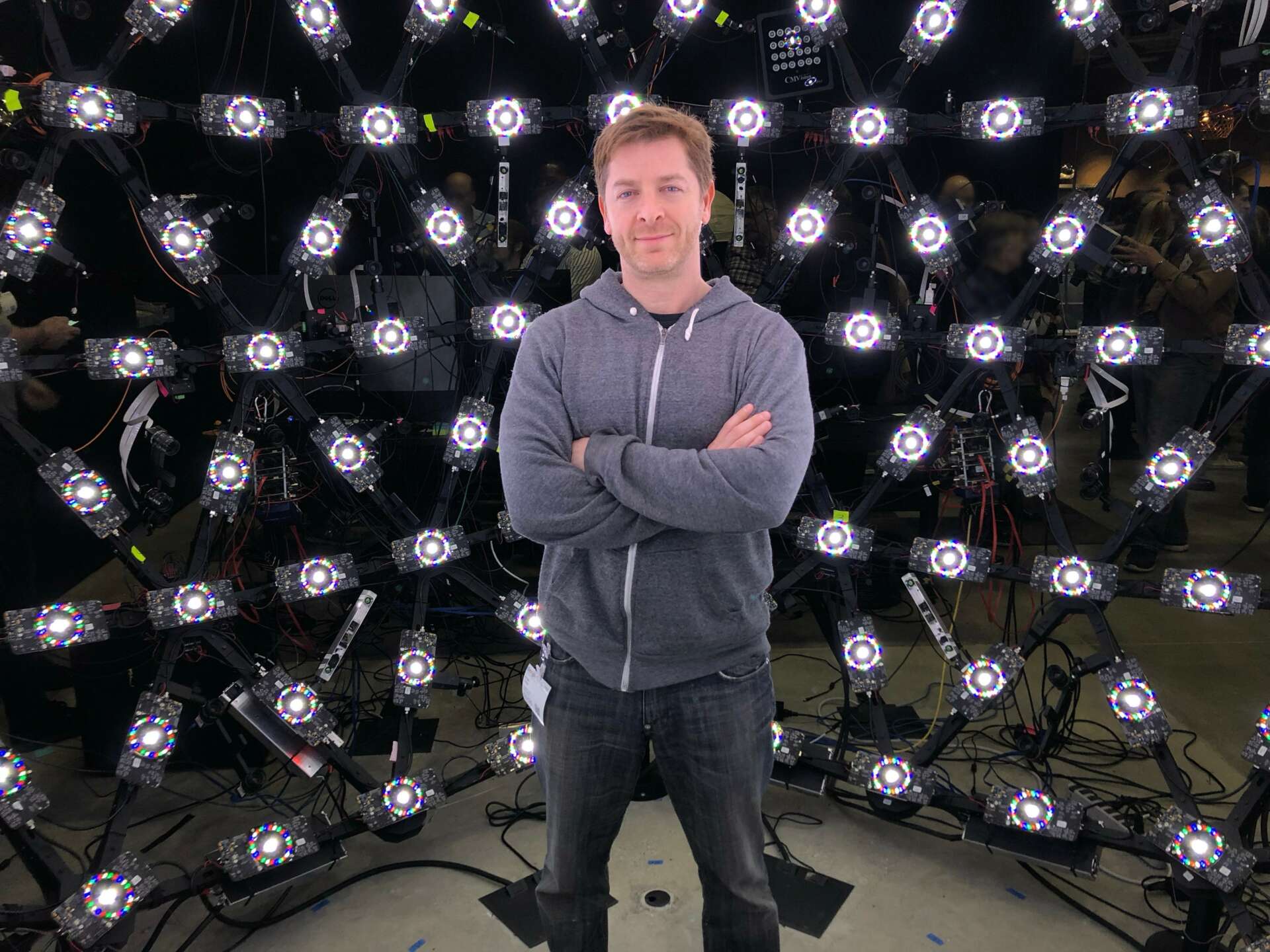

Brian, before we move on to more of these sorts of questions, can you take some time to bring our readers up to speed on you and what you do?
After my internships and first-year-out-of-college broadcast training program at a giant media company (Turner actually became part of Time Warner during the middle of my first year there), I became a very young director, mostly helming the live action filming of on-air promos and show opens which involved digital visual effects integration. I did this for a couple of years but still yearned to work on more story driven material and eventually moved to Los Angeles to pursue that at the end of 1998.
It was a whole new world in L.A., because everyone was trying to do the same thing. I eventually became executive producer at a visual effects studio overseeing mostly commercials and music videos which offered a lot of visual creativity, but the businesses were beginning to change. The music business was suffering from (illegal) file sharing (Napster), causing the music video budgets to plummet. Commercials were still strong but social media and lower budget production and globalization began to take hold, and I still craved the longer form story. After being nominated for a VES award (for a Duran Duran video) and being VFX supervisor on some other high profile projects for some big brands and artists like Madonna, I was asked to be visual effects supervisor on a big budget movie.
From there, I continued to work almost exclusively on movies – and later also streaming shows which, for the first time, garnered budgets and schedules to allow feature quality production values and visual effects, and I continued to explore new technologies to do this. In particular, I was part of a small group of people exploring ways to digitally capture the real world – people, places and things – and integrate these digital assets into a pipeline that would allow filmmakers to tell stories previously deemed impossible. The super hero genre really leaned into this and took advantage of this tech to create very imaginative photorealistic sequences and allow audiences to suspend their disbelief.
Now, I continue to serve the high end film & television community as a creative consultant and technology provider while developing my own IP as a producer, director and even photographer across advertising, film and television. I think I’ll always have a hand in multiple formats, genres and disciplines. I love the creative variety.

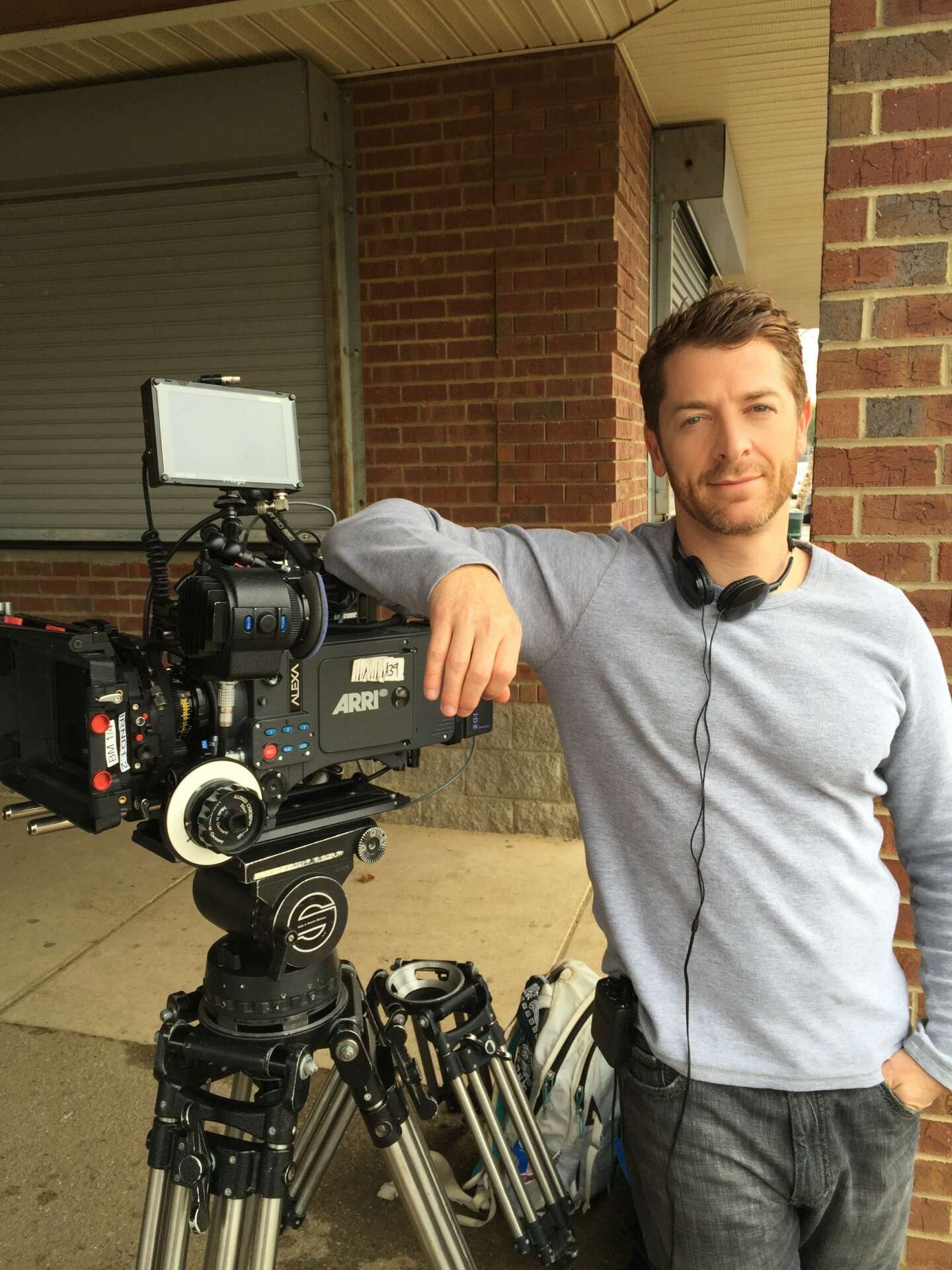
Alright – so here’s a fun one. What do you think about NFTs?
NFT’s were all the rage two years ago. While I’ve never created or sold one of my own, I’ve created them for clients using our 3D capture technology. being so tied to “Web 3.0” (whatever that really is) and crypto, which is obviously quite volatile, NFTs are obviously quite reliant on other (somewhat unproven, or at least untested long term) ecosystems’ popularities. With the attention AI has gotten beginning of 2023, NFT’s popularity seems to have dropped significantly. One NFT project I was involved with (https://www.youtube.com/watch?v=uWHZad5kqUE) – mostly using my technology to create a digital NFT of a model’s face (you can see this in action in the short film) which had gained a top Google ranking of the search term, “face” paid me in crypto, which was my first investment into this space. But owning an NFT sn’t that appealing to me as a consumer. I don’t have much of an emotional connection with a digital asset.


What do you think is the goal or mission that drives your creative journey?
For me, the best creative projects involve having an emotional connection with the material. Of course, we all have to pay our bills, so often we have to do jobs almost purely for that purpose, but hopefully, we can find ways to learn during those projects – whether that means exploring new technology or techniques, which help us achieve our other creative goals. Or, sometimes those emotional connections come in the form of personal or professional relationships with people, which extend beyond those projects. But in the end, if the material, itself, offers that emotional response, and you can also work with people on your same wavelength, those are the most fulfilling projects.
One of my favorite feature film projects I’m developing – based on a true story – has all these elements. We’re just digging in, but I’m very excited about this,

Contact Info:
- Website: www.protagonpix.com
- Linkedin: https://www.linkedin.com/in/brian-adler-aa38652
Image Credits
None required