



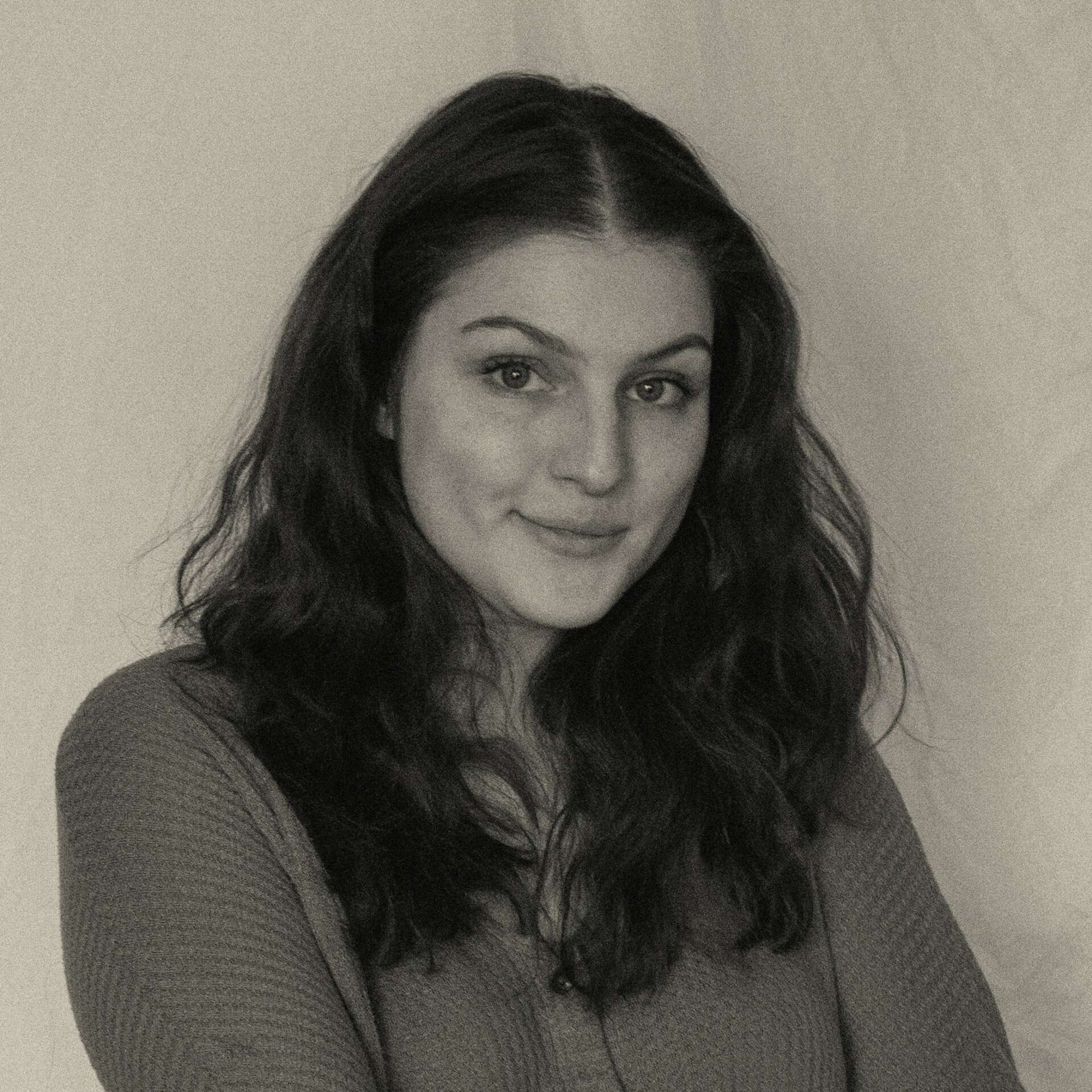
We’re excited to introduce you to the always interesting and insightful Bri Frey. We hope you’ll enjoy our conversation with Bri below.
Bri, thanks for taking the time to share your stories with us today Let’s jump back to the first dollar you earned as a creative? What can you share with us about how it happened?
My first sold artwork was an extraordinary moment. But before that sale happened, there were countless rejections. I adapted my prices after these rejections- gouging my price points but maintaining the quality. Fortunately, a persuasive art collector went out of their way to teach me to value my work.
At my senior year exhibition during my undergrad, my department head requested more art than I had prepared. I panicked. I had my personal wall prepped and ready, my entire finished portfolio hung. I had thrown my “lesser” quality pieces that I deemed unfit for my portfolio in the dumpster. I ran over to my studio and pulled them from the trash, then proceeded back to the install. This one particular piece I priced at $30, which seemed reasonable, it was “garbage art” in my eyes. I later received an email after the exhibition had concluded, informing me that the painting I pulled from the garbage had sold. Additionally- the buyer requested to pay more for the piece, bringing the price up to triple digits.
This experience drastically changed my perspective on my art and my personal worth. How could a stranger see more value in my art than me, the artist, could? As artists we tend to devalue our work and our time as a form of “staying humble”. This mindset can be incredibly toxic. A hard lesson to be learned, but I am grateful this experience happened so early in my career!
Bri, before we move on to more of these sorts of questions, can you take some time to bring our readers up to speed on you and what you do?
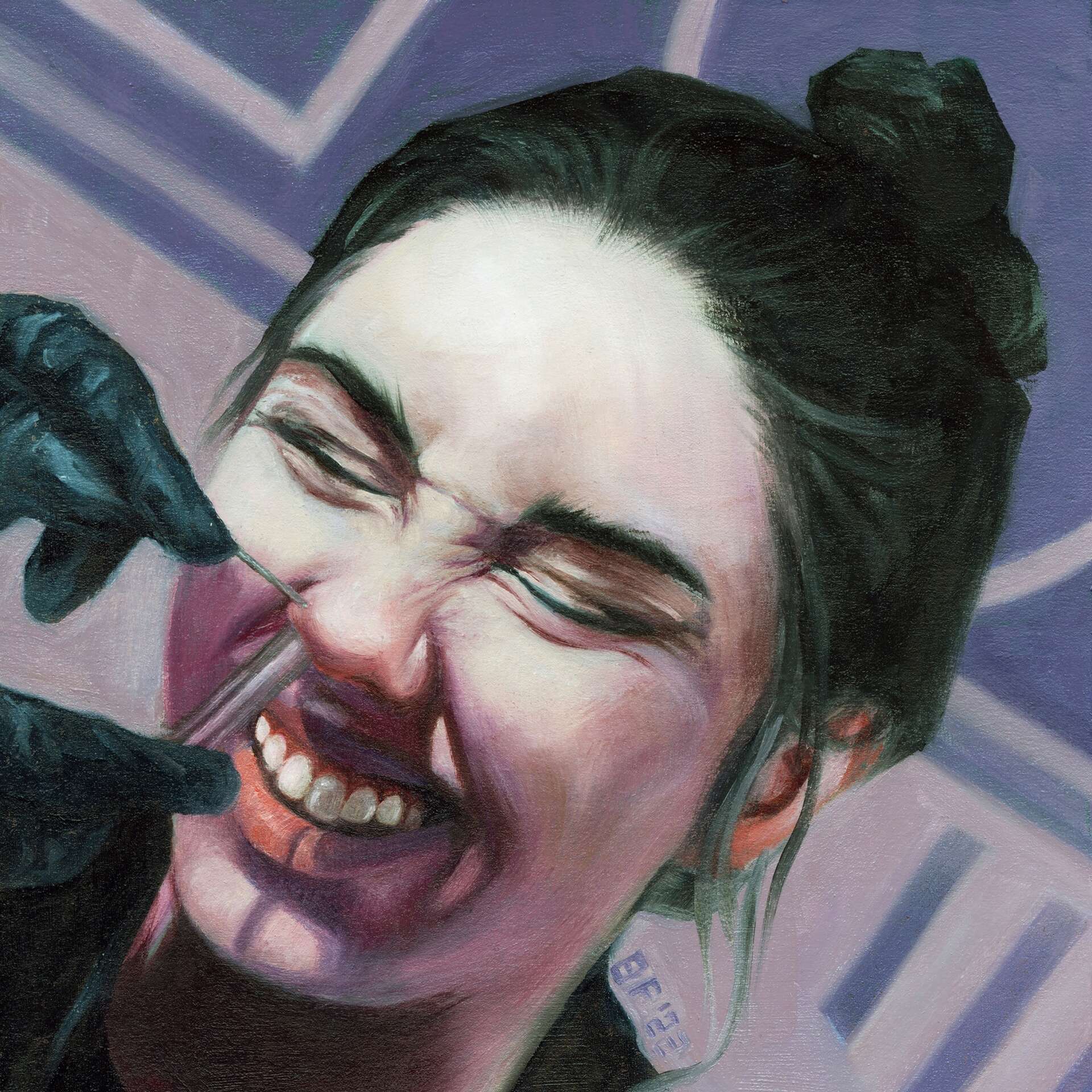
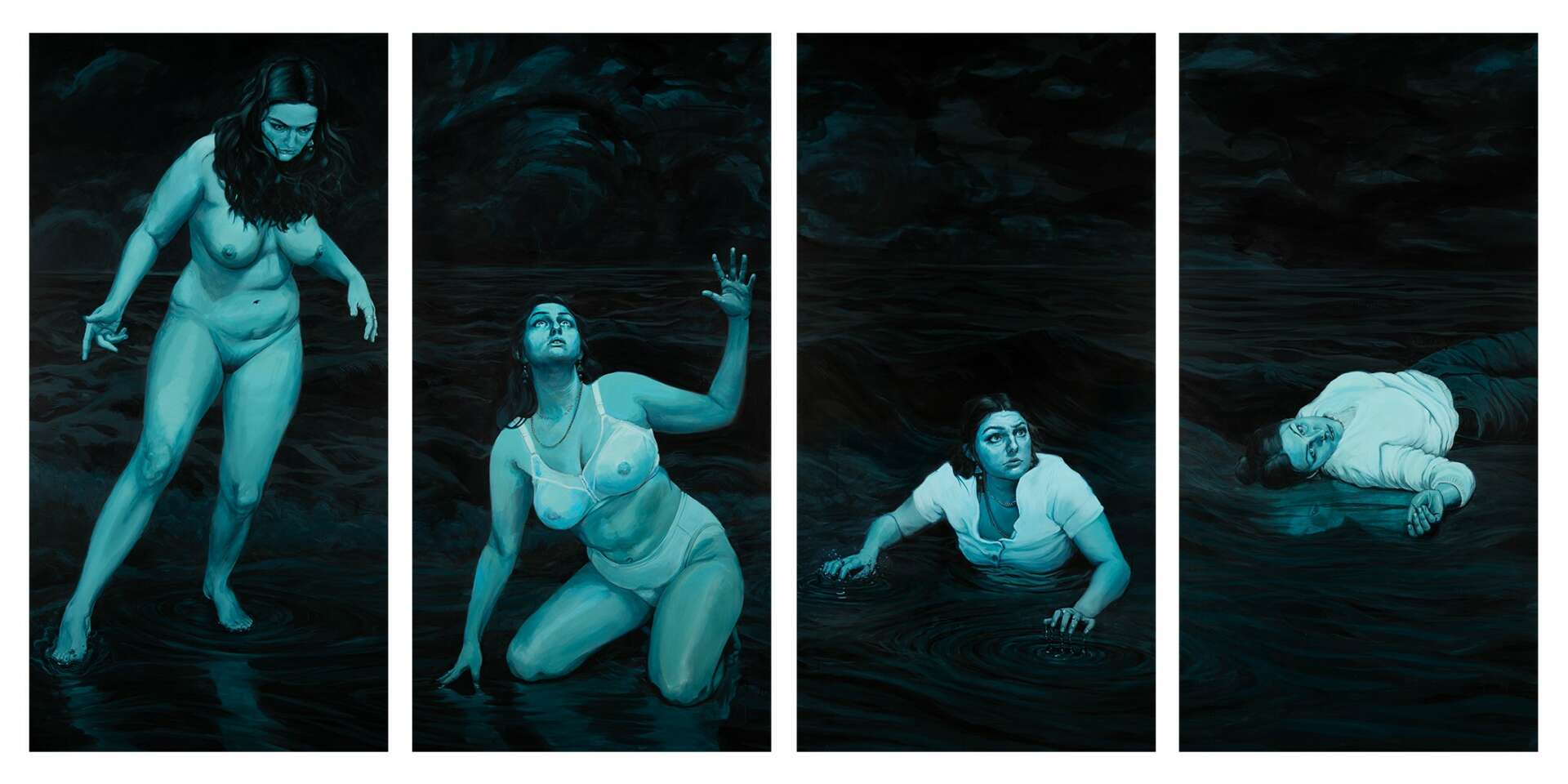
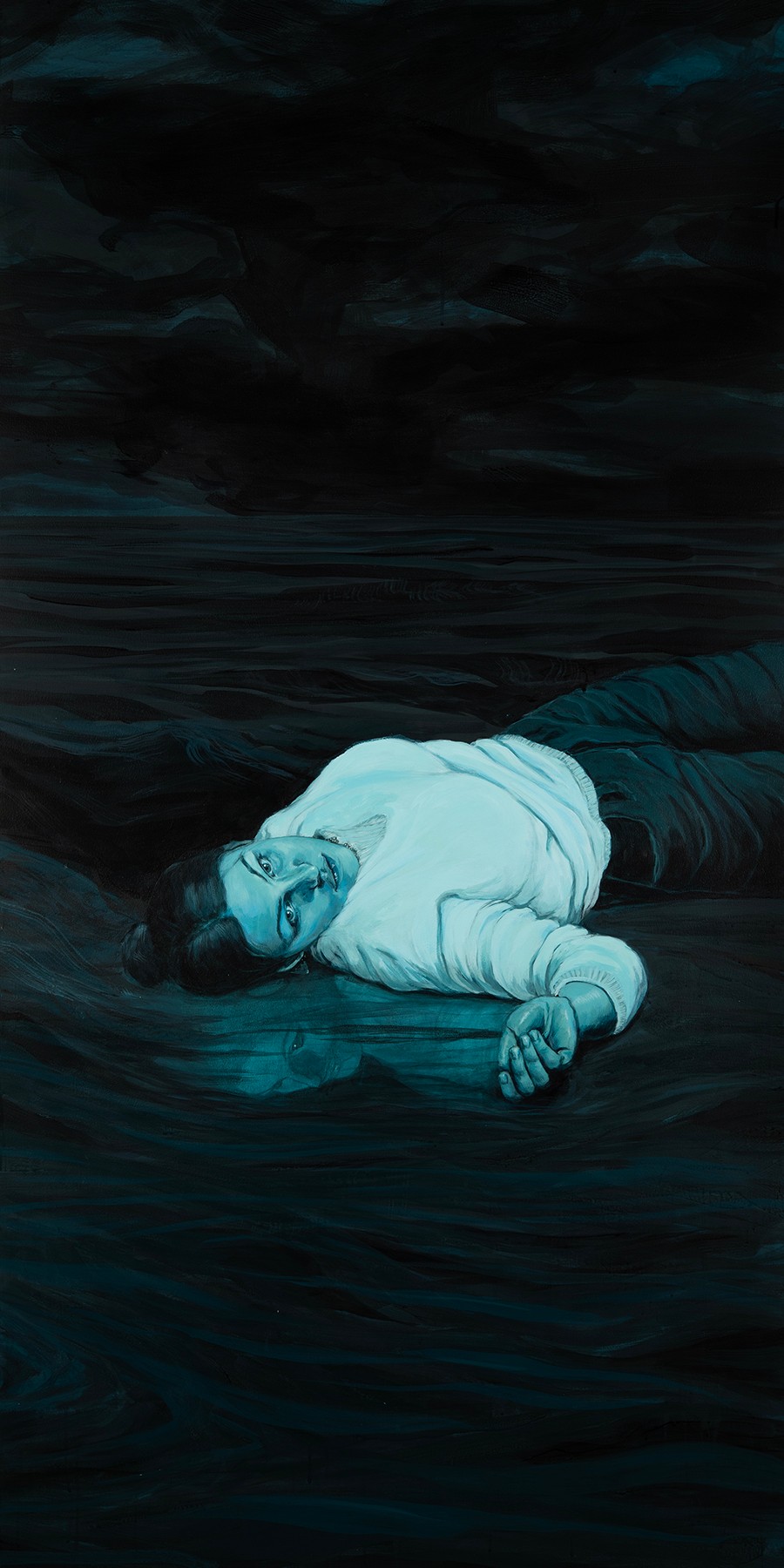
I am a traditional painter with an emphasis on the human figure. I received my BFA with a focus in illustration at the College for Creative Studies. This eventually led me down the path to my current life as a studio assistant and gallery assistant, and all the while continuing the production of my personal body of work. My recent work involves intimate and personal narratives surrounding the trauma I experienced as a young woman, expressed through painting.
Many of these struggles came after my trauma, affecting my mental health. With this, I pride myself in my resilience. Having the diagnosis of PTSD being placed on me while navigating my creative career was incredibly difficult. I took a break, a year and a half off of art. When I was ready, I picked up the pieces that my trauma left, and walked out of the situation swinging. I struggled intensely to stay alive, since then I’ve redirected much of this fight into my art practice. My art is a coping skill, I expel the painful emotions I felt through my brush. I want my audience to understand the strength me and my fellow victims hold. My paintings are not a cry for help, they are a conversation, a discussion, as well as an understanding nod to my fellow survivors.
Looking back, are there any resources you wish you knew about earlier in your creative journey?
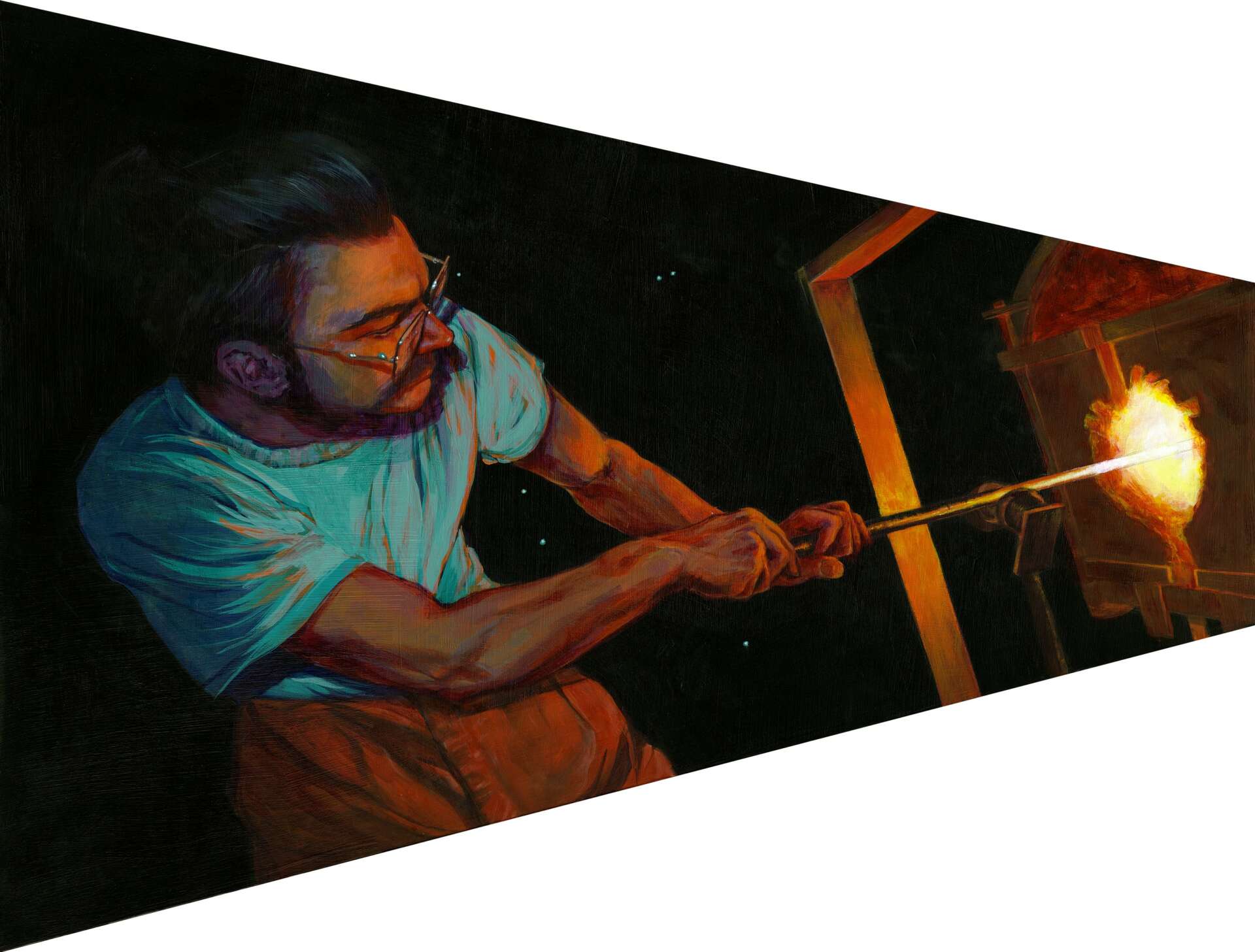
God, yes. Cafe- the open call website, your nearest city’s art newsletter, and strangely instagram ads. They have so many open call opportunities for emerging artists. Follow them intensely and apply to everything. I have also found a significant amount of opportunities through local events and showing kindness. Funnily enough, I met the owner of the gallery I help operate because I approached him just to tell him that I liked his glasses and hat.

Is there something you think non-creatives will struggle to understand about your journey as a creative?
Creative success looks drastically different from non-creative success. Being alive is expensive, and artists are commonly exploited. Oftentimes, work for non creatives is an 8-5. Creative work is almost always a 24/7 job. I feel incredibly grateful to be currently making a full-time living off my art and artistic skills, but I understand this path I’ve chosen is one not for the faint of heart. Consider insurance! I’ve heard the story time and time again from higher education professionals saying they initially got into their field to have an artistic job while receiving access to medical insurance. To many artists, creative success is just the privilege to make art at all, hobby or career. To make any income at all from an artistic method- you’ve struck gold. Reconsider your expectations, what are your values? How do you truly define success?
Contact Info:
- Website: brifrey.com
- Instagram: https://www.instagram.com/brifreyart/