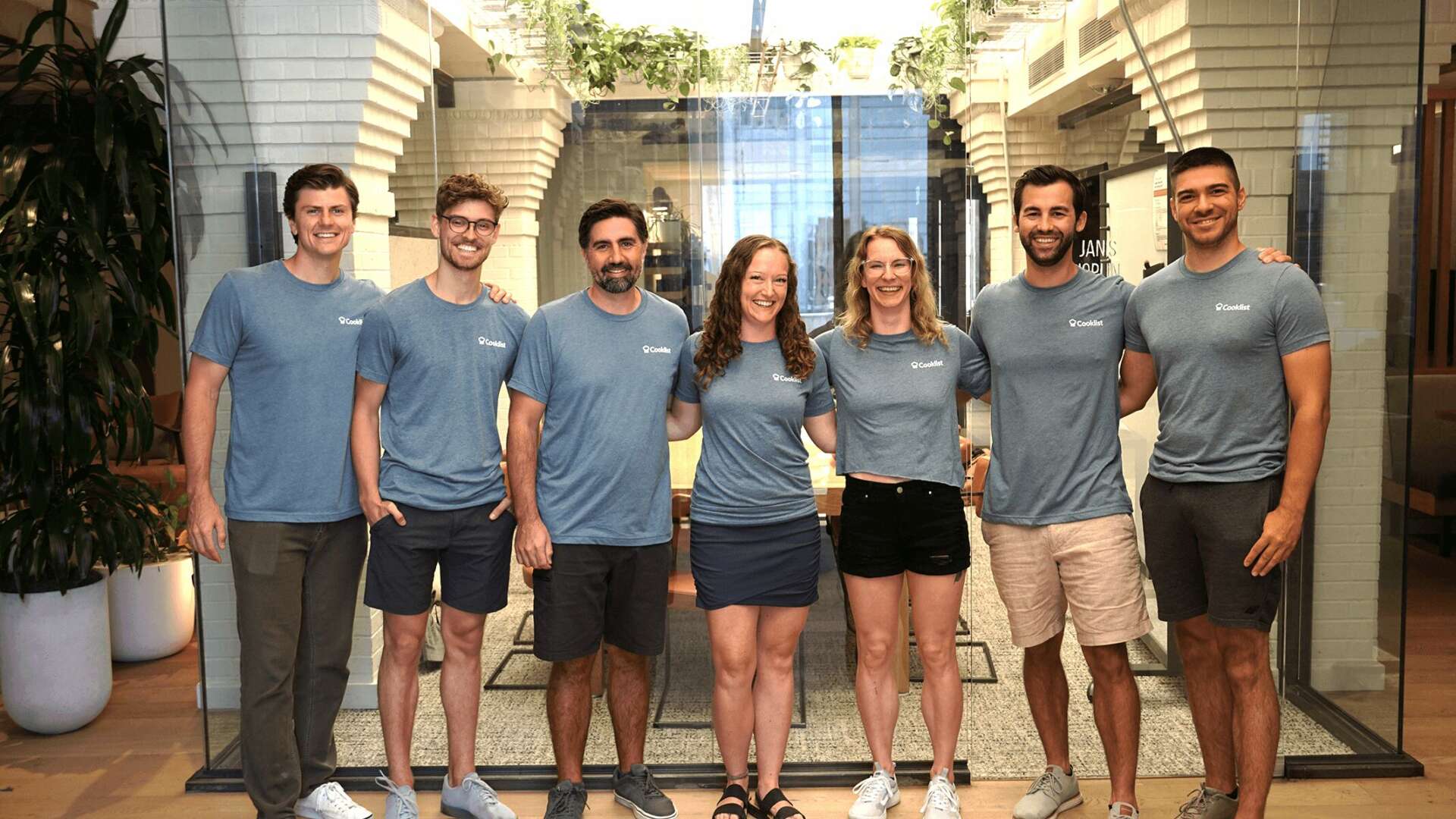

We were lucky to catch up with Brandon Warman recently and have shared our conversation below.
Hi Brandon, thanks for joining us today. One of the most important things we can do as business owners is ensure that our customers feel appreciated. What’s something you’ve done or seen a business owner do to help a customer feel valued?
When we launched our first company on Kickstarter we had already built up an audience of individuals who were interested in giving us their feedback as we developed the product. As part of this process, we asked individuals who had given us feedback if they could video record themselves sharing their thoughts on how they thought our product was going to benefit them and then included snippets of these videos in our Kickstarter video. This seemed to really ignite their passion as ambassadors of our product by acknowledging the part they played in building the product.
Great, appreciate you sharing that with us. Before we ask you to share more of your insights, can you take a moment to introduce yourself and how you got to where you are today to our readers.
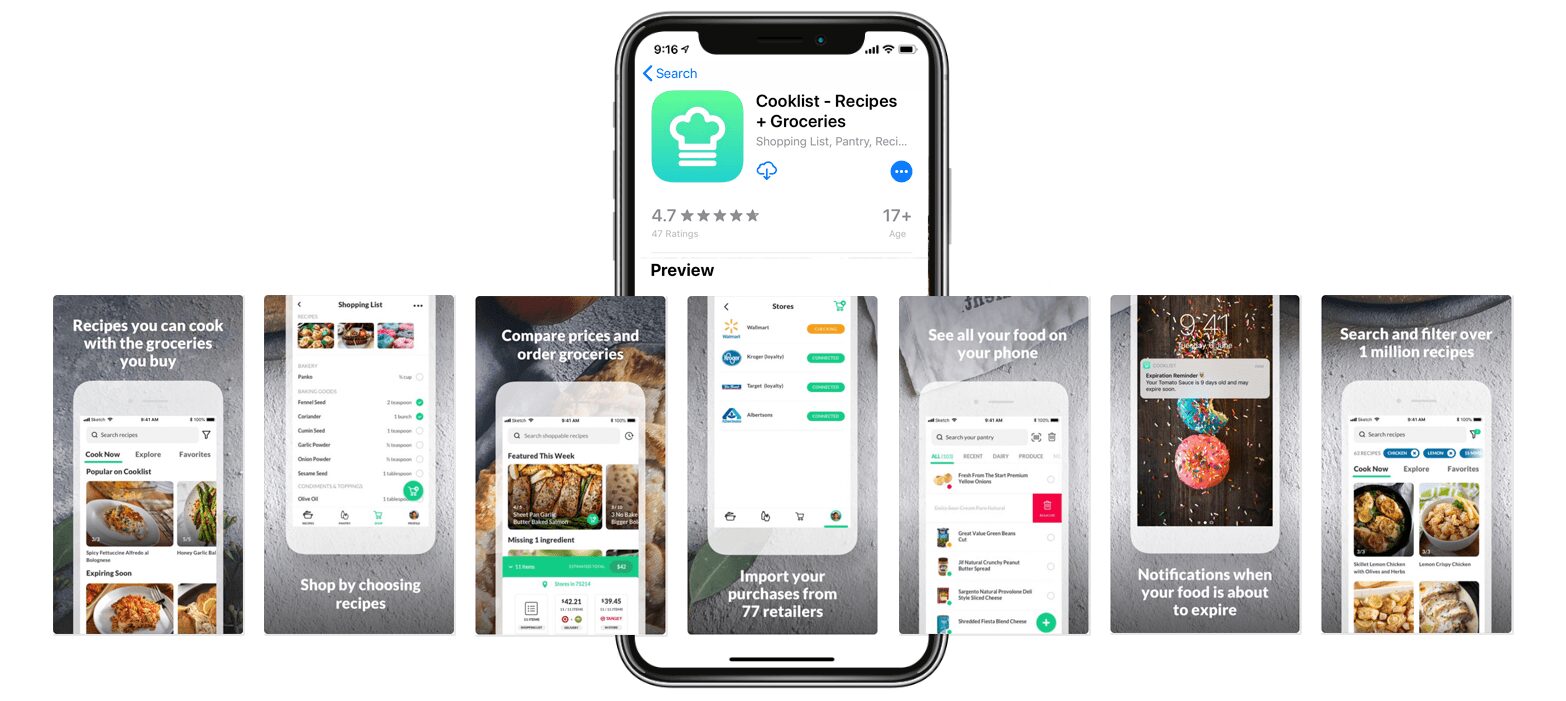
My name is Brandon Warman. I am based in Dallas, TX, and I am the cofounder of Cooklist, a grocery app that helps people keep track of the food in their home and find recipes to cook based on what they have. Cooklist is a mobile app with over 1 million users across the US. Today I manage overall strategy and design with my cofounder, as well as growth and all things financial, legal and HR in my role as CFO/COO. I began my career in finance 10 years ago working at JPMorgan but quickly realized that the typical office job wasn’t for me. I thought long and hard about this but one of the key drivers of change was looking at someone 10 years ahead of me at the company and asking myself if I wanted to be that person in 10 years. The answer was no, and thus began my career as an entrepreneur. The funny thing today is that I am still working behind a desk doing finance, but I am also doing a hundred other things, and I love it. Starting a business is like putting together a puzzle. There’s hundreds of pieces that need to be put together for the business to work. I love the feeling of figuring out what pieces are necessary and how and when to put them together to have a functioning business. I guess that’s why my role has evolved into being COO.
Do you have any insights you can share related to maintaining high team morale?
I have a lot of notes on this but in general, managing a team effectively comes down to a combination of clear communication, empowerment, recognition, fostering a positive work environment, and asking for feedback. Here are some key pieces of advice.
Communicate Clearly and Transparently:
Set Clear Expectations: Ensure everyone knows their roles, responsibilities, and the team’s goals. This clarity helps avoid confusion and aligns efforts.
Open Communication Channels: Encourage an open-door policy where team members feel comfortable sharing ideas, feedback, and concerns. Regular check-ins and team meetings are vital.
Empower and Trust Your Team:
Delegate Effectively: Trust your team members with responsibilities and give them the autonomy to make decisions. This empowerment fosters a sense of ownership and accountability.
Provide Resources and Support: Ensure your team has the necessary tools, training, and resources to succeed. Be available to provide guidance and support when needed.
Recognize and Celebrate Achievements:
Acknowledge Contributions: Regularly recognize and appreciate the hard work and successes of your team members. This can be done through verbal praise, awards, or other forms of recognition.
Celebrate Milestones: Celebrate both big and small wins. This helps build a positive atmosphere and keeps the team motivated.
Foster a Positive Work Environment:
Build a Collaborative Culture: Encourage teamwork and collaboration. Create opportunities for team members to work together and learn from each other.
Promote Work-Life Balance: Support a healthy work-life balance by respecting personal time and encouraging breaks.
Be Approachable and Supportive: Show that you are approachable and willing to support your team. This builds trust and loyalty.
Ask and Act on Feedback:
Regularly Seek Feedback: Encourage team members to share their thoughts on what’s working and what’s not. Use this feedback to make improvements.
Act on Concerns: Address issues and concerns promptly. This shows that you value their input and are committed to making positive changes.

Have any books or other resources had a big impact on you?
Absolutely, there are several resources that have profoundly shaped my management and entrepreneurial thinking:
Books:
The Lean Startup by Eric Ries: This book revolutionized my approach to building startups, emphasizing the importance of creating a Minimum Viable Product (MVP) and iterating based on customer feedback.
Good to Great by Jim Collins: Collins’ exploration of what makes companies transition from good to great provided me with invaluable insights into leadership and strategic decision-making.
Drive by Daniel H. Pink: This book’s examination of motivation has influenced how I think about managing teams, focusing on autonomy, mastery, and purpose.
High Output Management by Andy Grove: Grove’s principles on management efficiency and productivity have been instrumental in shaping my operational strategies and team management practices.
How to Win Friends and Influence People by Dale Carnegie: Carnegie’s timeless advice on interpersonal skills and building positive relationships has been essential in networking and team collaboration.
The Innovator’s Dilemma by Clayton Christensen: This book delves into why successful companies fail to innovate and how to avoid falling into that trap, which has been crucial in my strategic planning.
SPIN Selling by Neil Rackham: Rackham’s insights into the SPIN (Situation, Problem, Implication, Need-Payoff) selling technique have significantly influenced my approach to sales and client interactions.
Videos:
Simon Sinek’s TED Talk, “Start with Why”: Sinek’s talk on how great leaders inspire action by starting with “why” has been instrumental in shaping how I communicate vision and purpose within my company.
Stanford University’s “How to Start a Startup” Lecture Series: This comprehensive series, featuring lectures by successful entrepreneurs and investors, has provided practical insights and inspiration.
Other Resources:
Paul Graham’s Essays (e.g., “How to Start a Startup” and “Do Things That Don’t Scale”): Graham’s essays offer a wealth of knowledge on the nuances of starting and growing a startup, emphasizing the importance of early customer interaction and hands-on problem-solving.
Masters of Scale Podcast by Reid Hoffman: This podcast, featuring interviews with famous entrepreneurs, provides deep insights into scaling businesses and overcoming challenges.
How I Built This Podcast by Guy Raz: Listening to the stories of how entrepreneurs built their companies from the ground up has been both inspiring and educational, offering practical lessons and motivation.
Contact Info:
- Website: https://cooklist.com/
- Instagram: https://www.instagram.com/cooklist_app/
- Linkedin: https://www.linkedin.com/in/bwarman/